
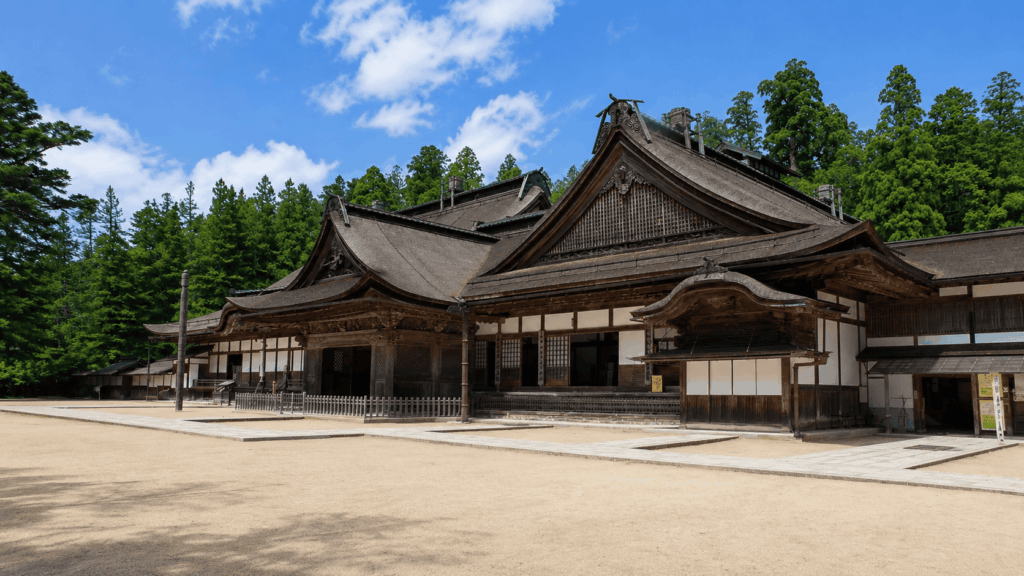
Koyasan is unlike any other overnight stay in Japan. You are not just booking a room — you are choosing whether to sleep in a working Buddhist temple, which area of the sacred mountain to base yourself in, and how much traditional simplicity vs. modern comfort you want. This guide breaks down the decision by area, accommodation type, and your personal priorities so you can pick the right stay for your first visit.
If your dates are fixed, compare the exact room options before choosing an area. Check current availability and stay conditions for Koyasan Syukubo Ekoin on the Okunoin side, Sojiin in central Koyasan, and Koyasan Saizenin near Danjo Garan — three representative choices with different location and facility trade-offs.
At a Glance: How to Choose Where to Stay in Koyasan
If this is your first visit, a shukubo (temple lodging) should be your default choice — the experience of staying inside a functioning temple is what makes an overnight in Koyasan different from any other stop on your Japan trip. But the best pick for you depends on three decisions you need to make in order:
- What area: Okunoin side (for the night tour and cemetery atmosphere), central Koyasan (for walkability), or Danjo Garan / Daimon side (for quiet)
- What type of stay: A traditional shukubo with shared facilities, a temple with upgraded private rooms, or a conventional hotel
- What bath matters to you: Most temples have a public bath (heated tap water). Only one — Fukuchiin — has a true natural onsen
The mistake I see first-time visitors make is picking a temple by name without understanding the trade-offs between location, facilities, and the daily schedule. The section below will help you prioritise what actually matters to you.
The Best Area to Stay in Koyasan Depends on What You Want to Do
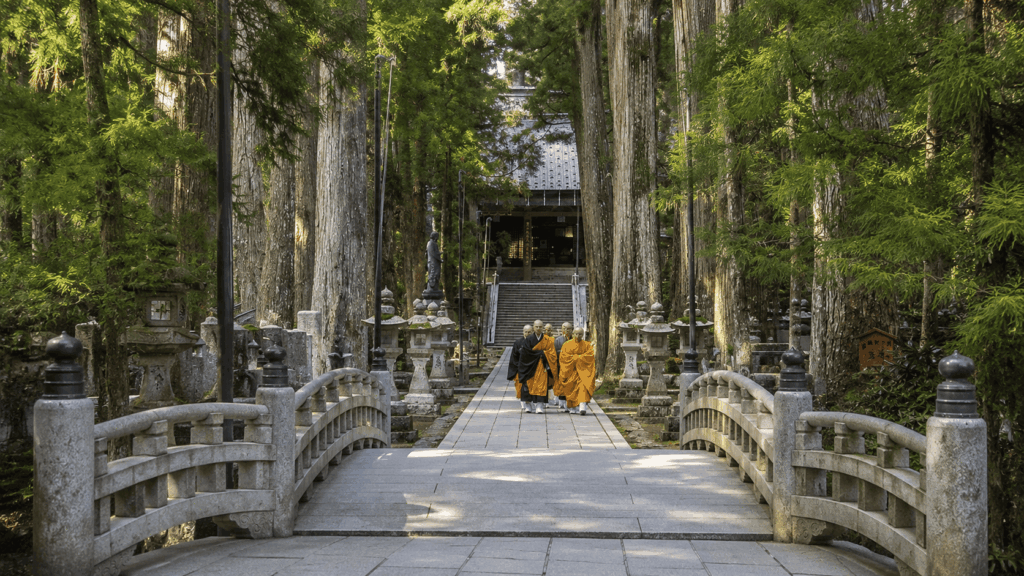
Koyasan is small enough that you can walk across most of it in 30–40 minutes, but the experience of your stay changes noticeably depending on which side of town you choose. Here is how the three main areas compare.
| Area | Best For | Key Temples | Walk to Okunoin | Walk to Kongobuji / Garan |
|---|---|---|---|---|
| Okunoin side (east) | Night tour, early-morning cemetery walk, spiritual atmosphere | Ekoin, Shojoshin-in, Hozen-in | 1–5 min | 20–25 min |
| Central Koyasan (around Senjuinbashi) | First-time visitors, easy access to everything, bus hub | Soji-in, Fugen-in, Jokiin | 15–20 min | 5–10 min |
| Danjo Garan / Daimon side (west) | Quieter surroundings, early starts, repeat visitors | Saizenin, Yochiin, Sainanin | 25–30 min | 2–8 min |
Stay Near Okunoin for the Night Tour and Early-Morning Atmosphere
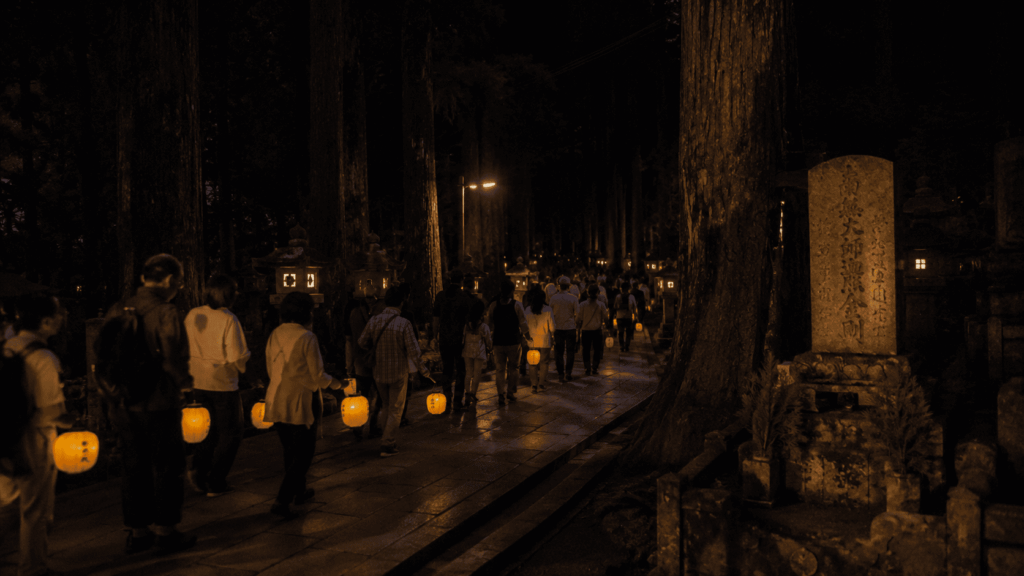
The area around the entrance to the Okunoin cemetery — about a kilometre-long sacred path lined with towering cedar trees and centuries-old tombstones — is the most atmospheric part of Koyasan. Temples like Ekoin and Shojoshin-in are a one- to five-minute walk from the start of the cemetery path, which means you can step out before sunrise or join the Okunoin Night Tour (run by AWESOME TOURS since 2011) without rushing.
What surprises most travelers here is that the area is quiet even by Koyasan standards — restaurants and shops thin out noticeably once you pass the main bus stops. If you want a drink or a snack after dinner, you will need to walk or take the bus back toward central Koyasan. The trade-off is a level of stillness that simply does not exist on the other side of town.
This area is ideal if the Okunoin experience — the night walk, the early-morning light through the cedars, the sense of being inside a living pilgrimage site — is your main reason for staying overnight.
For a more traditional stay closest to the cemetery entrance, check current room availability and stay conditions for Shojoshin-in Temple before deciding whether its shared facilities suit you.
Stay in Central Koyasan for the Easiest First Visit
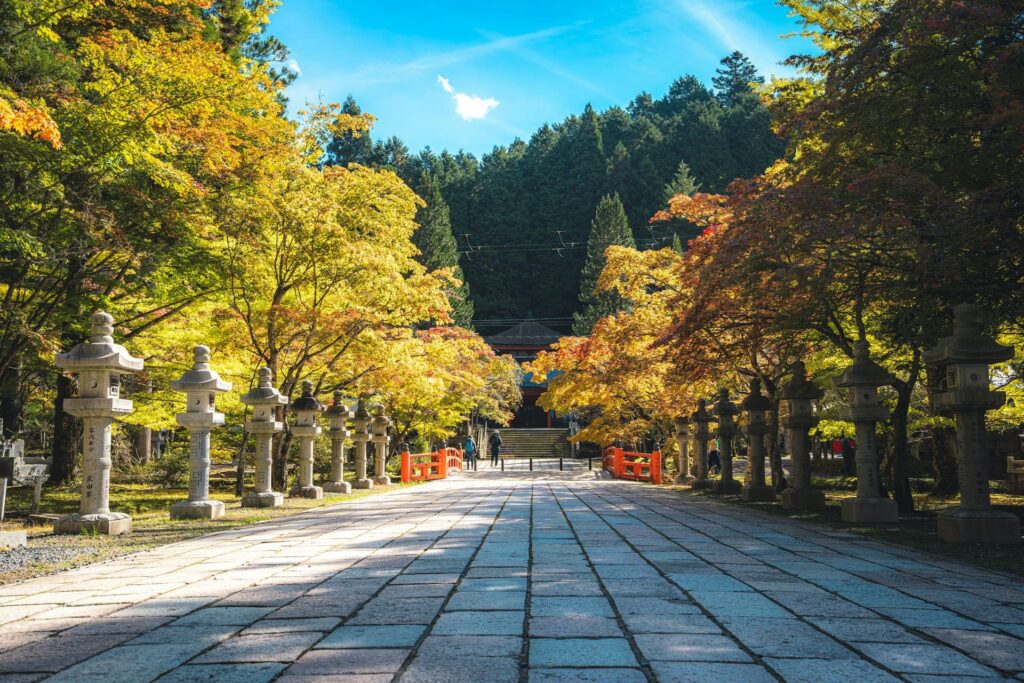
The central area around Senjuinbashi (the bridge that marks the main thoroughfare) is where most of the restaurants, souvenir shops, bus stops, and the Koyasan Tourist Association office are concentrated. Temples here include Soji-in (right next to Kongobuji), Fugen-in, and Jokiin — all within easy walking distance of Kongobuji, Danjo Garan, and the main bus terminal. For a breakdown of lunch and dinner options outside of temple stays, see our practical guide to restaurants in Koyasan.
If you are only staying one night and want to maximise your sightseeing time without worrying about bus schedules after dinner, central Koyasan is the most practical choice. You can visit Kongobuji in the afternoon, eat dinner at your temple, walk to the Garan complex for the evening atmosphere, and be back at your lodging well before curfew without needing transport.
If central walkability is your priority, compare current rooms and included stay conditions at Koyasan Shukubo Fugenin and Jokiin; both keep you close to the main sights, but the available room categories may differ by date.
Stay Near Danjo Garan or Daimon for a Quieter Western Base
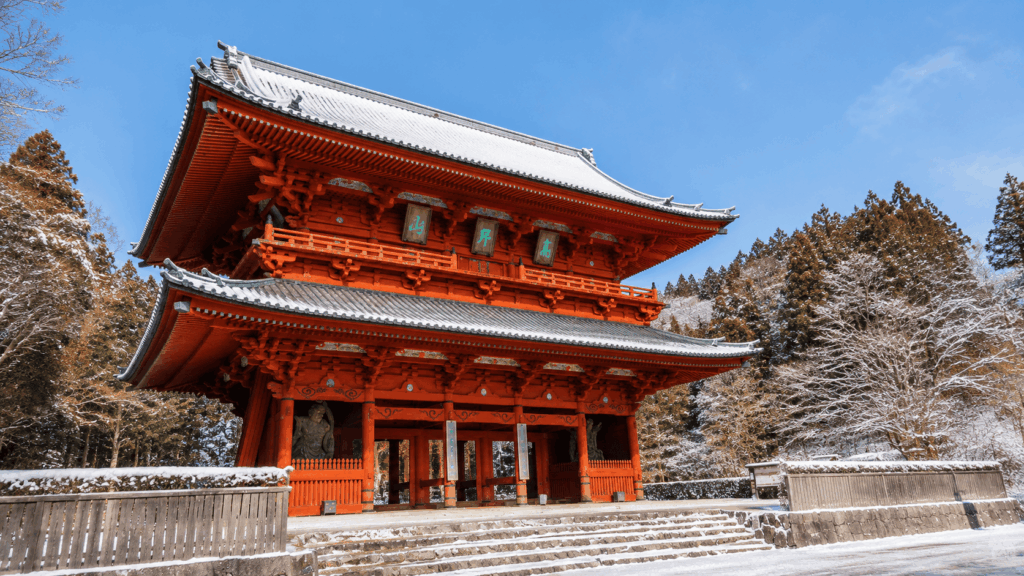
The western side of Koyasan, around the Danjo Garan temple complex and the Daimon Gate, is the least crowded area with the fewest tourists on foot. Temples such as Saizenin (a two-minute walk from Danjo Garan), Yochiin, and Sainanin sit on quieter streets surrounded by temple gardens and old trees.
This area works well for repeat visitors or anyone who values early-morning calm over convenience to restaurants. You will need to walk 8–10 minutes to reach the main dining street, and the walk to Okunoin takes about 25–30 minutes — doable but not something you will want to do multiple times in one evening.
For other bookable stays on the quieter western side, compare current room options at Koyasan Shukubo Yochiin and Koyasan Shukubo Sainanin, including check-in limits and the facilities attached to the exact room category.
Shukubo, Hotel, or Day Trip: Which Is Right for You?
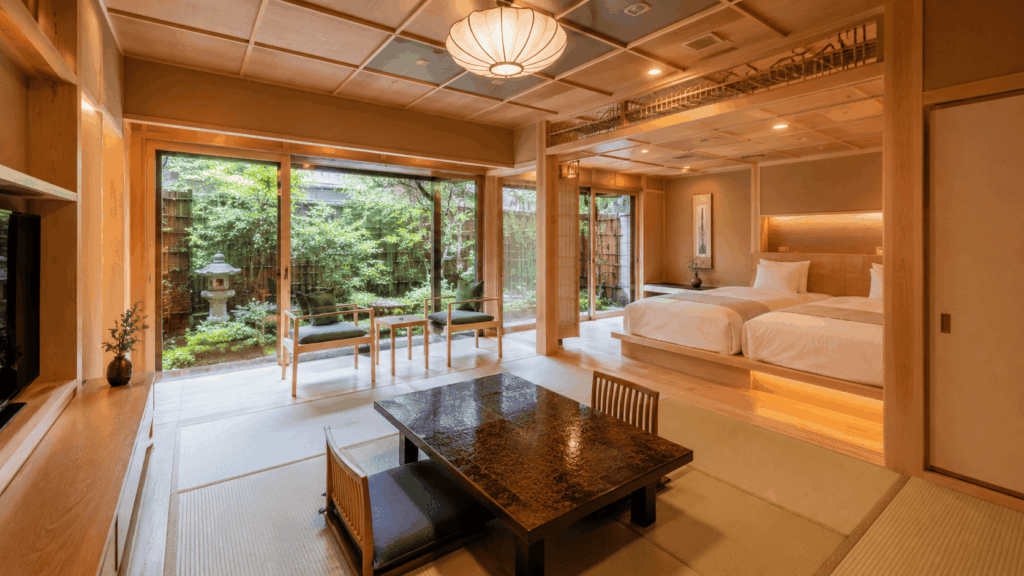
Once you have decided on an area, the next question is what kind of stay fits your expectations. The table below shows how the three options compare across the factors that matter most.
| Factor | Shukubo (Temple Stay) | Conventional Stay | Day Trip |
|---|---|---|---|
| Price per person/night | ¥15,000–¥30,000 (includes 2 meals) | ¥10,000–¥20,000 (room only) | Free (but lose dinner & activities) |
| Cultural experience | Morning service, shojin ryori, optional sutra copying | None | Day visits only, no evening/morning access |
| Meals included | Dinner + breakfast (set menu) | Usually none | No meals (buy lunch at restaurants) |
| Bath | Shared public bath (most); private possible in select rooms | Private bathroom | Not applicable |
| Curfew | Most temples: 21:00–22:00 | No curfew | Not applicable |
| Best for | First-time visitors, culture seekers, solo and couple travellers | Those who prioritise privacy and late nights | Time-pressed travellers, light packers |
Choose a Shukubo If the Temple Stay Is Part of the Destination
Staying in a shukubo is not just about having a place to sleep — it is the reason many travellers come to Koyasan at all. A typical stay includes a vegetarian shojin ryori dinner served in your room (or a private dining space), an optional early-morning prayer service with the resident monks, and access to the temple’s public bath. Some temples also offer sutra copying, meditation sessions, or Goma fire rituals for a small additional fee.
You do not need to be Buddhist to participate in the morning service or stay in a temple. What catches people out is the schedule: most temples serve dinner between 17:30 and 18:30, and curfew is usually between 21:00 and 22:00. You cannot treat a temple stay like a hotel — the value comes from the rhythm of the day, not from flexibility.
Consider a Conventional Stay If Hotel Comfort Comes First
If the idea of shared toilets, a set dinner time you cannot skip, and paper-thin walls makes you anxious, a conventional stay in Koyasan is a valid option. There are a handful of guesthouses and small hotels in central Koyasan that offer private bathrooms, Western-style beds, and no curfew. You lose the cultural component entirely, but you gain freedom and predictability.
One middle ground worth noting: some temple stays now offer upgraded rooms with private bathrooms. Ekoin, for example, has a Luxury Suite (Gachirin) with a private semi-open-air bath and toilet, and a Junior Suite (Kongo) with a semi-open-air bath — but these rooms cost significantly more than a standard tatami room. The temple experience (meals, morning service, grounds) is identical regardless of which room you book.
A Day Trip Works Only If You Do Not Need the Evening and Morning Experience
It is possible to visit Koyasan as a day trip from Osaka or Kyoto (see our complete guide on how to get to Koyasan for route options) — the direct highway bus takes about 1.5 to 2 hours each way. But you will miss the three things that make an overnight stay meaningful: the shojin ryori dinner (which is a cultural experience in its own right), the Okunoin night walk (the cemetery is dramatically different after dark), and the early morning stillness before the buses of day-trippers arrive at around 9:30–10:00.
I would only recommend a day trip if your schedule genuinely cannot accommodate an overnight stop. The experience of staying — even just one night — transforms Koyasan from a sightseeing stop into something you remember as a place you actually lived in, if only for 16 hours.
Best Places to Stay in Koyasan by Travel Style
Rather than ranking all 51 shukubo, the table below highlights six well-regarded temples that represent the main trade-offs you will face when choosing. Use your travel style — not just the name — as your starting point.
| Temple | Area | Best For | Bath | Private Toilet / Bath? | Key Experience |
|---|---|---|---|---|---|
| Ekoin | Okunoin side | Night tour + English support | Shared public bath | Yes (select suite rooms only) | Goma fire ritual, Ajikan meditation, sutra copying |
| Shojoshin-in | Okunoin side (closest) | Staying closest to Okunoin | Shared public bath | No | Morning service (free), sutra copying (¥100) |
| Soji-in | Central | First visit, walkability | Shared public bath | Yes (select rooms only) | Morning service (free, 6:00), sutra copying (¥3,000) |
| Saizenin | Danjo Garan (west) | Quiet, temple gardens | Shared public bath | Yes (select rooms) | Three traditional gardens |
| Fukuchiin | Central (south edge) | Natural onsen (only one in Koyasan) | Natural onsen (indoor + outdoor + sauna) | No (shared onsen only) | Garden by Mirei Shigemori, sutra copying, Buddha tracing |
| Fudo-in | Central (south) | Private bathroom comfort | Shared public bath | Yes (select rooms) | Morning service, temple grounds |
If you have narrowed the choice to one or two temples, the next step is to compare the exact room rather than relying on the temple name alone.
Why the exact room matters
- Shared toilets, private toilets, showers, and full private baths may be sold as different room categories at the same temple.
- Meal inclusion, check-in limits, and guest policies can differ between listings and travel dates.
- Live availability may decide whether your preferred area is still practical for a one-night itinerary.
Compare current rooms and stay conditions for Ekoin for Okunoin access and upgraded-room choices, Shojoshin-in for the closest traditional stay to Okunoin, Sojiin for central convenience, Saizenin for quiet surroundings near Danjo Garan, Fukuchiin for Koyasan’s natural onsen, or Fudouin for a comfort-focused temple stay.
Ekoin — Best for the Okunoin Night Tour and English-Language Support
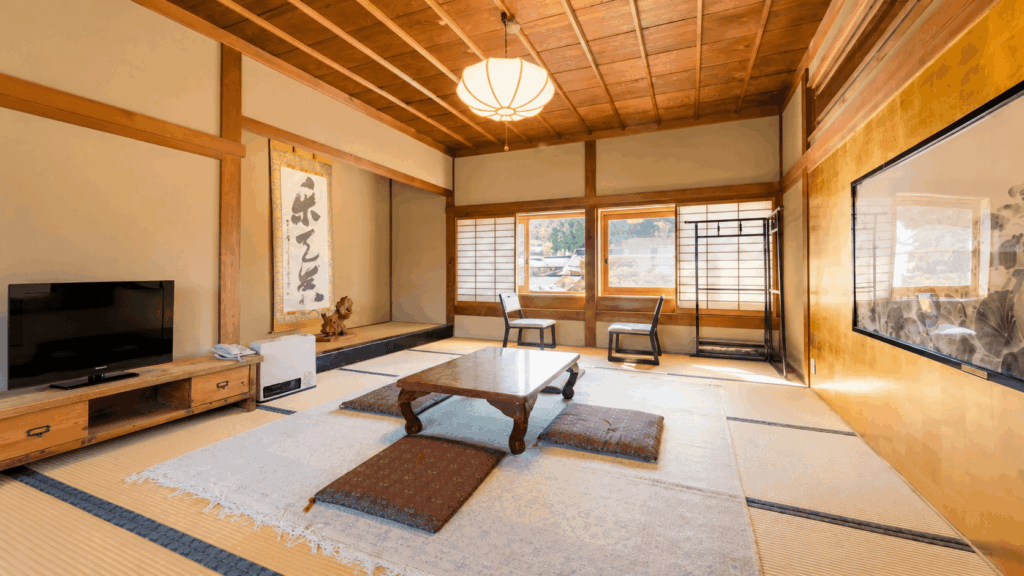
Ekoin is one of the most popular shukubo among international visitors, and for good reason. It sits on the Okunoin side of Koyasan, a one-minute walk from the entrance to the cemetery path, and it offers several cultural activities — Goma fire ritual, Ajikan meditation, and sutra copying — led by English-speaking staff. The temple grounds are spacious, and the public bath operates from 16:00–22:00 and 06:00–09:00.
What catches first-time bookers off guard is that standard rooms at Ekoin use shared toilets and the public bath. The temple does offer upgraded options — the Luxury Suite “Gachirin” (100 sqm) with a private semi-open-air bath and toilet, the Junior Suite “Kongo” (60 sqm) with a semi-open-air bath, and several deluxe rooms with en-suite facilities — but these cost significantly more. Check which room type you are booking before you assume you will have a private bathroom.
The Okunoin Night Tour (run by AWESOME TOURS, around ¥6,000 and about 1 hour 20 minutes) departs from a reception counter inside the TAIRA café and souvenir shop near the start of the cemetery path — very close to Ekoin. However, the tour is not included in your temple stay. You need to book it separately and check that your temple’s dinner time and curfew allow you to attend.
If Ekoin is your front-runner, compare current Ekoin room types, availability, and recent guest feedback before assuming every category includes the same bathroom facilities.
Shojoshin-in — Best for Staying Closest to Okunoin
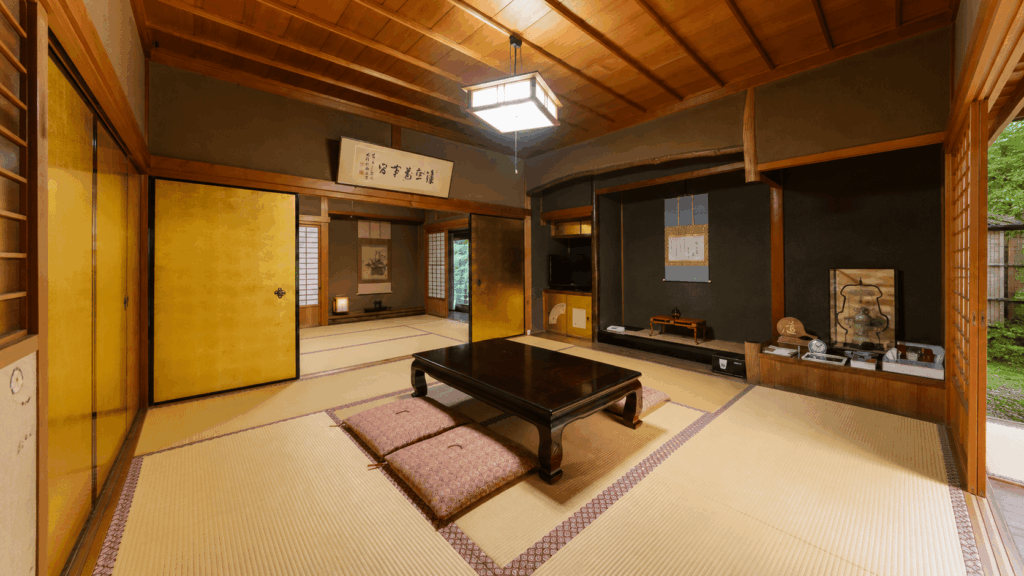
Shojoshin-in is the temple closest to the Okunoin-guchi bus stop and the entrance to the Okunoin cemetery. Founded during the Tencho era (822–830), it offers a simple, traditional shukubo experience without the premium-room options that some other temples provide. The morning service is free (6:30 year-round), and sutra copying costs just ¥100 — one of the most affordable options on the mountain.
The trade-off is straightforward: you get the best possible location for the Okunoin experience, but all rooms are standard tatami with shared facilities. If you are comfortable with communal bathrooms and want priority access to the cemetery before the crowds arrive, this is a strong choice.
Soji-in — Best for a Central Location Near Kongobuji and Danjo Garan
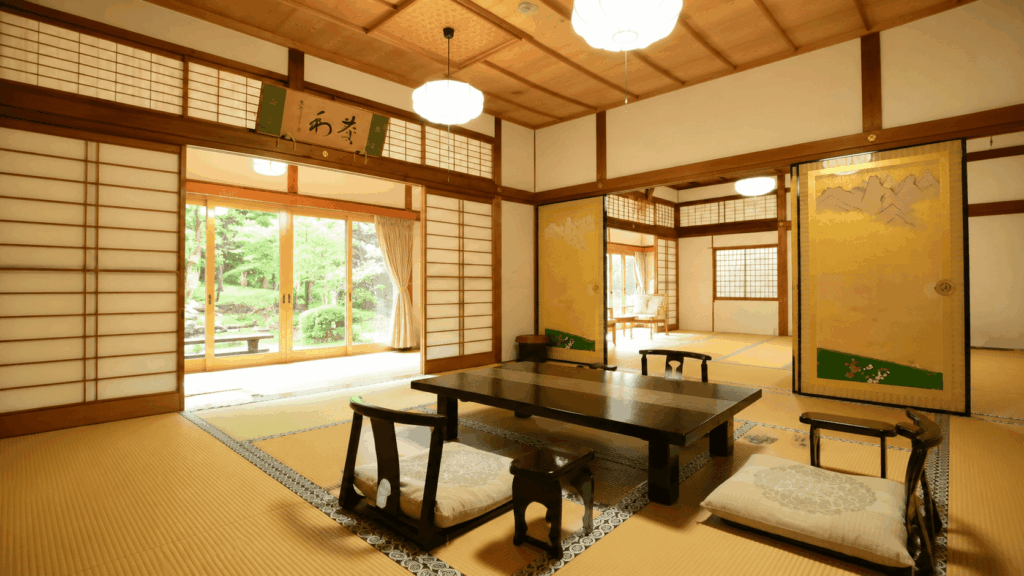
Soji-in sits right next to Kongobuji — Koyasan’s main temple — and within a five-minute walk of the Danjo Garan complex and the main bus terminal. The morning service starts at 6:00 (free to attend), and the temple offers sutra copying at ¥3,000. Curfew is 22:00, which is slightly more generous than some of the smaller temples.
Soji-in is one of the temples where some rooms include a private toilet and washbasin — not a full bathroom, but enough to make the stay more comfortable for travellers who are uneasy about shared facilities. Confirm which room type you are booking, as the standard rooms use the communal bath exclusively.
Saizenin — Best for Danjo Garan and Quieter Surroundings
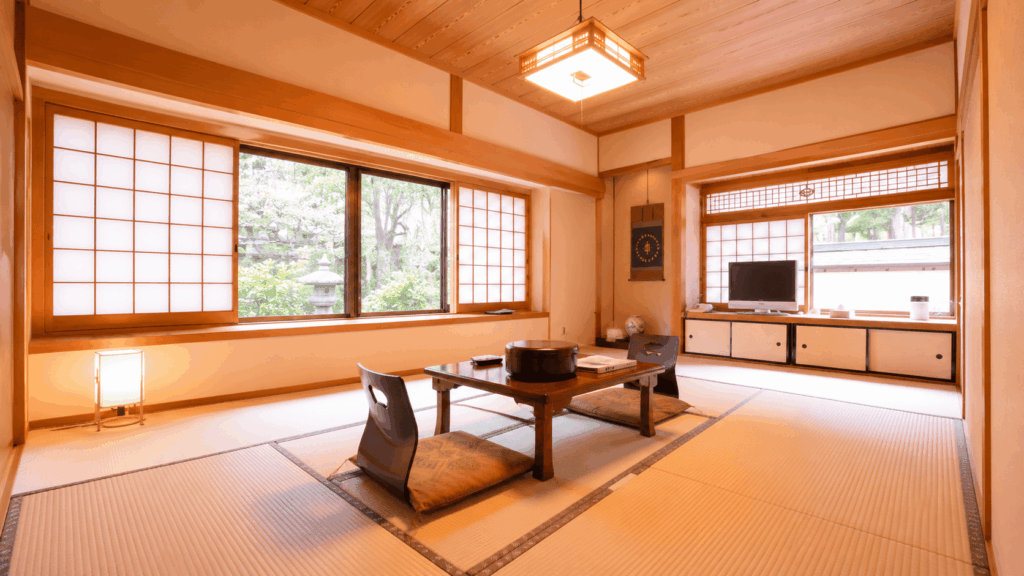
Saizenin, located a two-minute walk from the Danjo Garan complex and about six minutes from Kongobuji, is one of the quieter temple lodgings on the western side. The temple is known for its three traditional gardens, which you can view from the guest corridors. Some deluxe Japanese-style rooms include a private bathroom — check the room description carefully as availability varies.
This is a good pick if you want to be close to the Garan complex (which is dramatically lit at night) and the Daimon Gate but prefer to stay away from the busier central hub. The walk to Okunoin takes about 25 minutes, so plan accordingly if you want to join the night tour.
Fukuchiin — Best for Travelers Who Want an Onsen
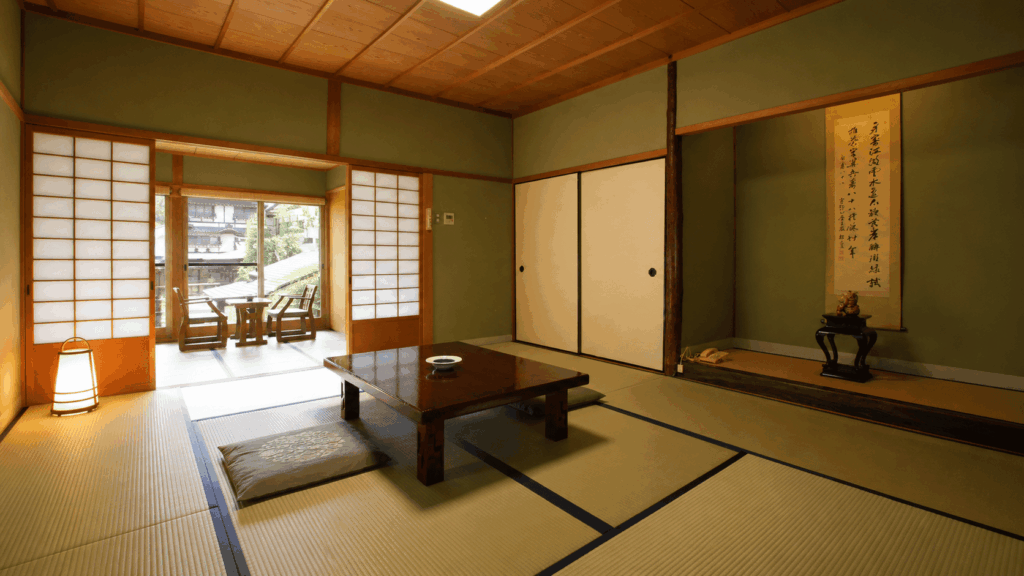
Fukuchiin is the only shukubo in Koyasan with a genuine natural onsen (hot spring). The bathing area includes an indoor bath, an outdoor rotemburo, and a sauna — divided by gender. The temple itself is large (capacity of 250 guests) and features three gardens designed by the renowned landscape architect Mirei Shigemori.
Kai’s tip: If you are specifically looking for Koyasan because it appears in onsen-related search results, Fukuchiin is your only option for a natural hot spring. But do not expect the relaxed, free-flowing schedule you would get at a hot-spring ryokan in Hakone or Kinosaki — Fukuchiin still follows the standard shukubo schedule with an 18:00 dinner window and a 21:00 curfew. Book the private reservable bath in advance if you want guaranteed solo time.
Fukuchiin does not offer rooms with en-suite bathrooms. All guests use the shared onsen facilities. If both a private bathroom and a hot spring are essential, you may need to look outside Koyasan — for example at a ryokan in the Yuasa or Shirahama area — rather than compromising on both.
A Comfort-Focused Temple Stay with Private Facilities
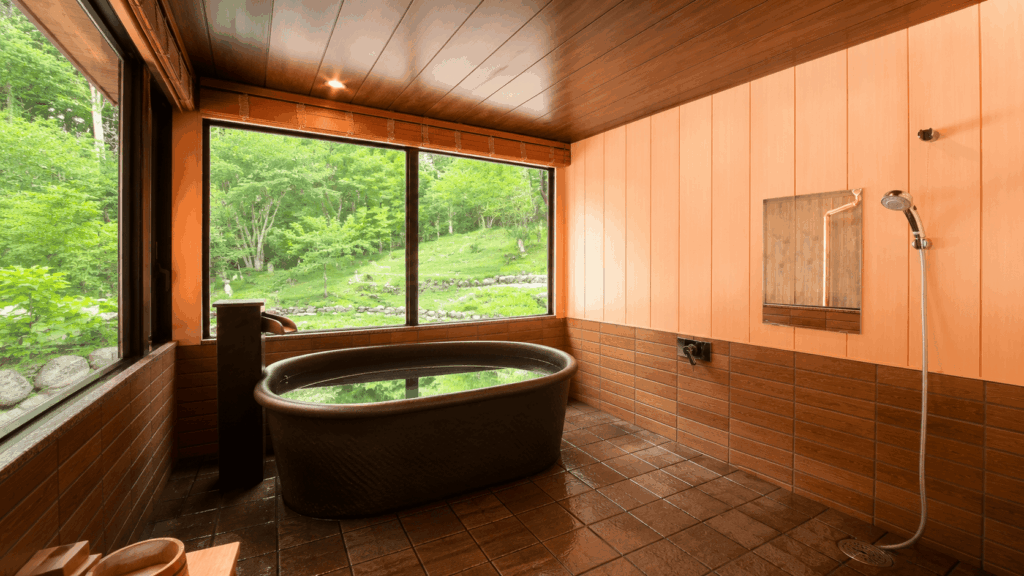
Fudo-in is one of the shukubo where some rooms include a private bathroom and toilet, offering a middle ground between a standard temple stay and a hotel. The temple is located on the southern edge of central Koyasan, about seven minutes on foot from the main bus terminal. It offers morning service and temple grounds access, so you still get the cultural component.
The catch — and this applies to every temple listed above — is that a “private bathroom” may mean different things at different temples. Some have a full Japanese-style bathroom (shower + deep tub), while others offer a Western-style shower unit. Check the exact room description or contact the temple directly before booking.
For a more comfort-focused temple stay, compare the currently available room categories at Koyasan Syukubou Fudouin and verify whether the selected room includes the private facilities you need.
What a Koyasan Temple Stay Is Actually Like
If you have never stayed in a shukubo before, the experience differs from a hotel in several ways that are worth knowing before you arrive — not because they are bad, but because the contrast matters to your enjoyment.
The Quiet Is Part of the Experience
What I felt most strongly — and what surprised me more than the architecture or the food — was the change in pace. Coming from Osaka, where the city runs on a relentless rhythm of light and noise, arriving in Koyasan in the late afternoon felt like stepping into a different register of time. The street was not empty, but the sounds were different: wooden sandals on gravel, the murmur of a temple service from behind a screen, and wind through cedar trees.
Kai’s tip: If your Japan itinerary is packed with city stops — Tokyo, Osaka, Kyoto — the quiet of Koyasan can feel disorienting at first. That is the point. The value of staying overnight is not that you see more sights; it is that you reset your pace for the remaining days of your trip. If you expect nightlife or evening entertainment, you will be disappointed. If you are ready for an early dinner and an early morning, the experience will stick with you longer than any temple gate you photograph.
Shojin Ryori Is More Elaborate Than It First Appears
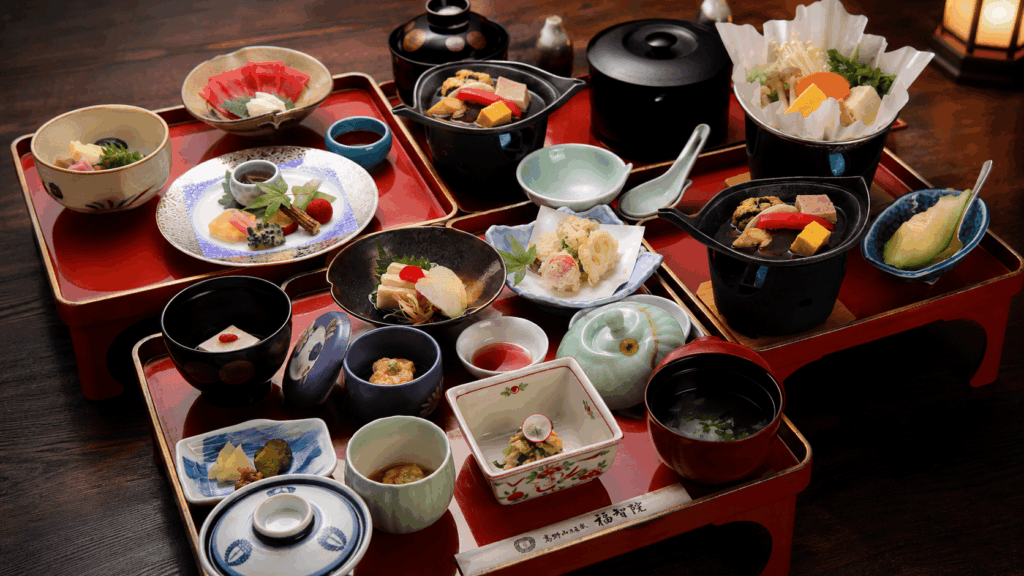
Buddhist vegetarian cuisine — shojin ryori — is central to a temple stay. The meal is served in multiple small dishes arranged on a lacquered tray in your room. At first glance, it looks simple: vegetables, tofu, sesame, and rice without meat, fish, or strong seasonings. But each component is prepared using one of five traditional methods (raw, steamed, grilled, simmered, fried) and arranged to balance five colours and five tastes.
The dishes you will most likely encounter include goma-dofu (sesame tofu with a smooth, nutty texture) and Koya-dofu (freeze-dried tofu that absorbs broth like a sponge). These are not garnishes — they are the centrepieces of a meal that takes hours to prepare and follows principles that go back centuries.
Kai’s tip: Read a short explanation of shojin ryori before your stay — even five minutes online. Knowing that the absence of meat is not a limitation but a deliberate practice rooted in Buddhist non-violence and mindfulness changes how you eat the meal. Without that context, the food can strike you as austere. With it, you start noticing how each element was chosen and prepared.
If you have specific dietary requirements — vegan, vegetarian, gluten-free, or allergies — inform the temple at the time of booking. Traditional shojin ryori avoids the five pungent vegetables (onion, garlic, leek, scallion, chive), but some temples may use dashi or seasonings that contain fish-based ingredients. Vegan travellers should confirm directly rather than assuming the meal is automatically plant-based.
A Guided Night Experience Adds Context You Cannot Get from Walking Alone
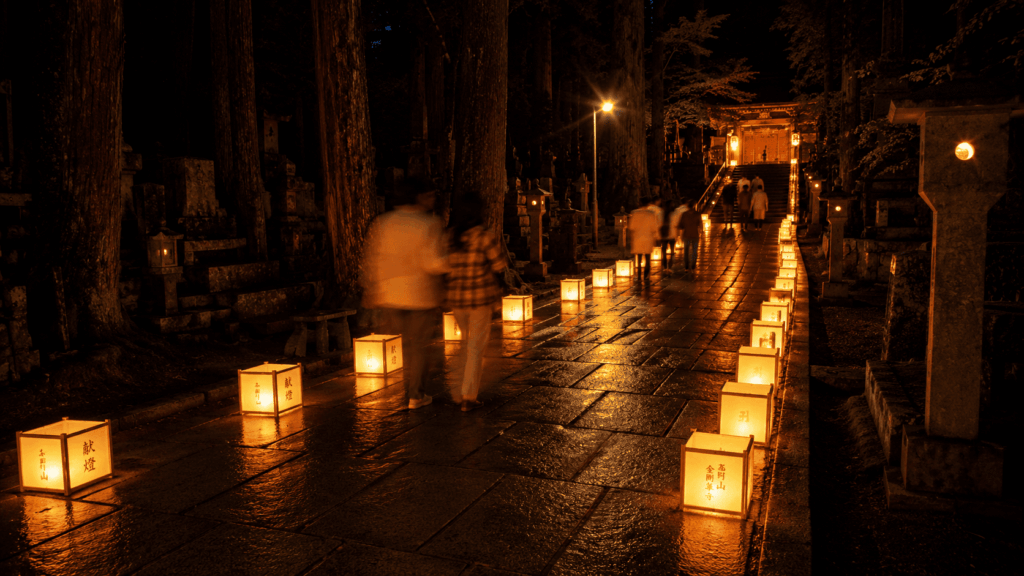
The Okunoin cemetery path is worth walking at any hour, but a guided night tour adds a layer of understanding that transforms the experience. The guide — a Koyasan resident who has lived in a temple — explains the meaning of the tombstones, the significance of the offerings left at the statues, and the ritual of offering water at the Sai no Kawara. Without the commentary, the walk is atmospheric but opaque. For more details on what to expect and how to book, see our detailed guide to the Okunoin Night Tour.
As mentioned above, the night tour is organised by AWESOME TOURS, costs around ¥6,000 per person, lasts about 1 hour 20 minutes (covering roughly 3 km), and requires advance booking. The reception desk at the TAIRA café and souvenir shop opens from 13:00–17:00 for early check-in, and again at 18:30–19:00. The tour departs around 19:00–19:15 and ends at the Okunoin mausoleum around 20:20, where the guide can direct willing participants back toward the bus stops.
A common misunderstanding is that the night tour is part of a temple stay package. It is not. You book it separately, and you need to check that your temple’s dinner schedule (typically 17:30–18:30) and curfew (often 21:00–22:00) give you enough time to eat and attend. If you are staying on the Okunoin side (Ekoin or Shojoshin-in), fitting both into the evening is manageable. If you are staying on the western side, allow extra walking time to and from the tour departure point.
If you prefer a private English-guided alternative for Okunoin, compare live dawn and after-dark start times and recent traveler reviews before matching the walk to your temple’s dinner, curfew, and morning-service schedule.
Does Koyasan Have Onsen?
This is one of the most common questions travellers ask, and the answer needs unpacking because the English terms “onsen” and “public bath” are used interchangeably by some booking platforms, which creates confusion.
Onsen, Public Bath, and Private Bath Are Not the Same Thing
- Onsen (natural hot spring): Only one temple — Fukuchiin — has a genuine natural hot spring sourced from underground geothermal water.
- Public bath (sentō / ofuro): Most shukubo have a shared bath on site. This is heated tap water, not mineral spring water. It is perfectly pleasant after a day of walking, but it is not an onsen.
- Private bath: Some upgraded rooms (e.g., Ekoin’s Luxury Suite) include a private bath in the room. This is usually heated tap water, not natural spring water.
- En-suite toilet and sink: Some temples offer rooms with a private toilet and washbasin but no shower. You still use the shared public bath to wash.
If you searched for “Koyasan onsen” expecting a traditional hot-spring town experience, you are not wrong to be confused — but the reality is that Koyasan is not an onsen destination. It is a mountain monastery town that happens to have one temple with natural hot spring access.
Who Should Choose Fukuchiin or Look Beyond Koyasan
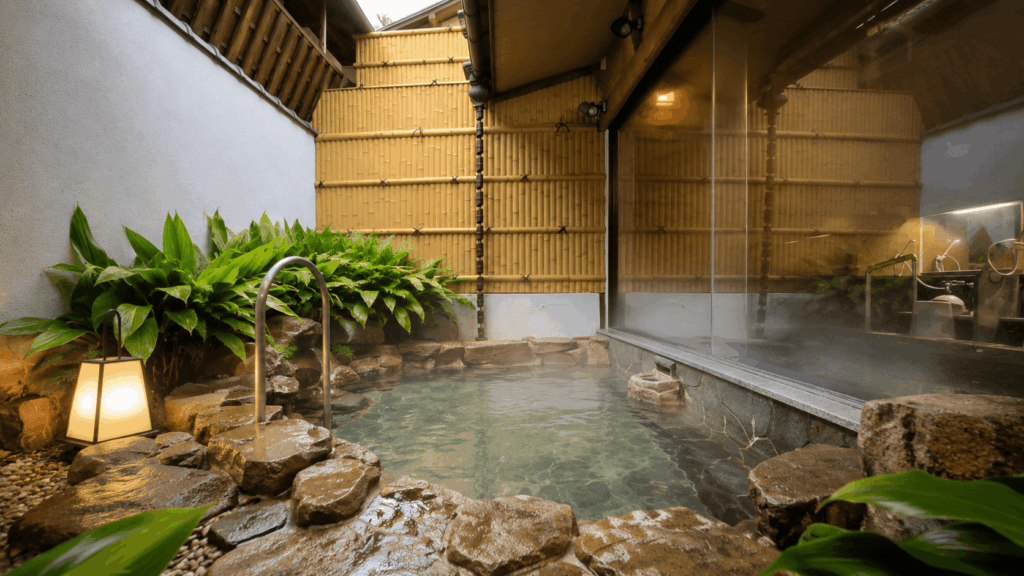
Fukuchiin is your pick if soaking in natural hot spring water after a day of sightseeing is a priority, and you are willing to accept the temple’s schedule (curfew 21:00, dinner served around 18:00). Book the reservable private onsen slot when you check in if you want guaranteed private time — the gender-separated main baths are shared.
If the natural onsen is the deciding factor, check current rooms and stay conditions for Koyasan Onsen Fukuchi-IN before assuming every room or bathing option works the same way.
If soaking in an onsen is the reason for your trip and you are flexible on location, consider staying at a ryokan in Yuasa (Japan’s oldest onsen town, about 90 minutes from Koyasan by train) or Shirahama (a coastal onsen resort about 2.5 hours south). You can still visit Koyasan as a day trip and stay at the onsen town overnight.
How to Choose the Right Koyasan Temple Stay
Whichever temple you lean toward, run through this checklist before confirming your booking.
Check the Exact Room, Not Just the Temple Name
This is the single most important piece of advice I can give. Two guests at the same temple can have completely different experiences because one booked a standard room with shared facilities and the other booked a deluxe room with a private bath. At Ekoin, for example, standard rooms use communal toilets, while the Luxury Suite has a private semi-open-air bath. At Soji-in, some rooms include a private toilet and washbasin. Do not assume uniformity — check what is included in the room category you are booking.
Confirm Meal Rules and Dietary Requests Before Booking
Shojin ryori is a set menu. You generally cannot swap dishes or skip courses. If you have allergies, religious dietary restrictions, or strong aversions, email the temple or the Koyasan Shukubo Association (reservations@shukubo.net) before you book. Most temples can accommodate basic requests if informed in advance, but do not expect on-the-spot adjustments.
Check Check-in, Dinner, Curfew, and Morning-Service Times
Standard check-in for most temples is 15:00–17:00. Arriving late means you may miss the dinner service. Dinner is served promptly — typically between 17:30 and 18:30 — and if you are not in your room, the meal will be left to cool or cleared. Curfew ranges from 21:00 to 22:00 depending on the temple. Morning service starts between 6:00 and 6:30 at most temples, lasts 20–40 minutes, and is optional but free and open to all guests regardless of faith.
Book the Night Tour Separately
The Okunoin Night Tour operated by AWESOME TOURS is not included in any temple stay package. Reserve your spot in advance (places fill up, especially during peak autumn foliage season in late October and November). Check that the tour’s departure time (19:00–19:15) and the temple’s dinner time and curfew are compatible. Staying on the Okunoin side makes the logistics easiest, but even guests staying centrally can join if they manage their schedule.
Is Staying Overnight in Koyasan Worth It?
The short answer: for most first-time visitors, yes. The longer answer depends on whether you are willing to trade flexibility for depth. A shukubo stay costs more than a hostel dorm in Osaka, requires advance planning, and comes with rules that feel restrictive compared to a hotel. But the experience — the evening meal, the morning service, walking Okunoin in the dark with a guide, waking up to the sound of temple bells — is something no day trip can replicate.
The quiet stays with you in a way that another night in a city hotel does not. If you are wondering how to structure your visit, see our perfect 2-day Koyasan itinerary to help you plan.
Frequently Asked Questions
Is it better to stay near Okunoin or central Koyasan?
It depends on what you plan to do in the evening. If you want to join the Okunoin Night Tour (departing around 19:00) or walk the cemetery path early in the morning before the crowds arrive, stay on the Okunoin side — Ekoin and Shojoshin-in are within a one- to five-minute walk of the path entrance. If you prefer to be within easy walking distance of restaurants, the bus terminal, and the main temples (Kongobuji and Danjo Garan) without needing transport after dinner, central Koyasan around Soji-in or Fugen-in is more practical. Both areas are walkable to each other — about 15–20 minutes — but that walk feels longer after a full day of sightseeing and a heavy temple dinner.
Do all Koyasan temple stays include a morning service?
Most shukubo offer a free morning service that guests are welcome to attend regardless of religion or denomination — but not all do. Temples such as Soji-in (6:00), Shojoshin-in (6:30), and Ekoin (6:30) all include a morning service as part of the experience. Some smaller or less tourist-oriented temples may not. If attending a morning service is important to you, check the temple’s website or email the Koyasan Shukubo Association before booking. Services typically last 20–40 minutes and are conducted in Japanese, though some temples provide an English explanation sheet.
Does Koyasan have a real onsen?
Yes — but only one. Fukuchiin is the only shukubo in Koyasan with a genuine natural hot spring (onsen), featuring an indoor bath, an outdoor rotemburo, and a sauna. All other temple baths on the mountain are heated tap-water public baths, not mineral spring water. If you search for “Koyasan onsen” expecting a hot-spring town like Hakone or Kinosaki, the reality is different: Koyasan is a mountain monastery town, not an onsen destination. Fukuchiin is an excellent choice for a soak after a day of walking, but it still follows the standard temple schedule with a 21:00 curfew and an early dinner — not the relaxed, flexible pace of a dedicated onsen ryokan.
Can non-Buddhists stay in a Koyasan temple?
Yes. Shukubo have been accepting pilgrims of all backgrounds for centuries, and that includes modern travellers who are not Buddhist. You are welcome to participate in the morning service, sutra copying, meditation, and other activities, but nothing is mandatory — you can observe quietly or skip activities entirely. The temples are accustomed to international visitors, and several (Ekoin, Soji-in) have English-speaking staff or materials. The only expectation is that you follow the house rules: quiet hours, no shoes on tatami, no photography during services, and adherence to the curfew.
Is one night in Koyasan enough?
For most first-time visitors, one night is sufficient. You arrive in the afternoon, visit Kongobuji and Danjo Garan before dinner, eat shojin ryori, join the night tour or walk Okunoin after dark, attend the morning service, and then explore whatever you missed before catching a midday bus out. Two nights makes sense if you want to do the full Ajikan meditation course, attend multiple temple activities, hike the Okunoin trail further than the mausoleum (the path continues deeper into the forest for another kilometre), or simply enjoy a full day of stillness without rushing. Day-tripping from Osaka or Kyoto is physically possible but misses the evening and morning experiences that define Koyasan.
Final Verdict: Choose Your Stay by Traveler Type
Choose a Koyasan shukubo if…
- You are a first-time visitor — Stay in central Koyasan (Soji-in or Fugen-in) for convenience, or on the Okunoin side (Ekoin) if the night tour is your priority. The temple stay is the point of visiting Koyasan, not a secondary concern.
- You are a solo traveller — Shukubo are welcoming to solo guests, and the group morning service and set dinner remove the awkwardness of eating alone. Ekoin and Soji-in both have good English support for independent travellers.
- You are a couple looking for a memorable night — Consider booking an upgraded room at Ekoin (the Luxury Suite or Junior Suite with a semi-open-air bath) or a deluxe room at Saizenin if you want the temple experience with a private facility.
- You want a real onsen — Fukuchiin is your only option in Koyasan. Book the private reservable bath in advance for guaranteed solo time.
- You value private bathrooms but still want the temple atmosphere — Look at Ekoin’s upgraded rooms, Saizenin’s deluxe rooms, or Fudo-in. Confirm the exact bathroom type (full bath vs. toilet-only) before booking.
Consider another option if…
- You need flexibility with meal times and check-in — A guesthouse or hotel in central Koyasan gives you freedom that no shukubo can offer. You lose the cultural experience, but you gain the ability to arrive late, eat when you want, and stay out past 21:00.
- You are primarily interested in onsen bathing — If soaking in natural hot springs is the reason for your trip, consider staying at a ryokan in Yuasa or Shirahama and visiting Koyasan as a day trip. One temple with a hot spring does not make Koyasan an onsen town.
- You are on a very tight budget — Temple stays with two meals typically cost ¥15,000–¥30,000 per person per night. If that exceeds your accommodation budget, a hostel dorm in Osaka with a day trip to Koyasan is a realistic alternative — just be prepared to miss the evening and morning atmosphere.
- You have mobility issues that make sleeping on a tatami floor difficult — While some temples can provide extra futons or cushions, the standard shukubo room has no bed frame. If getting up from floor level is challenging, look for a temple that offers Western-style rooms (some at Ekoin and Soji-in fit this category) or choose a conventional guesthouse with a bed.
What I would tell a friend visiting Japan for the first time: Book one night at a shukubo. Do not overthink which temple before you understand the area trade-offs. Pick your priority — night tour, walkability, or quiet — and choose the temple that matches it. The details you cannot prepare for — the weight of the silence at 5:30 in the morning, the taste of goma-dofu eaten in a room that smells of tatami, the moment a monk’s voice starts the morning chant from the next hall — those are the things you will remember long after you have forgotten which bus you took to get there.
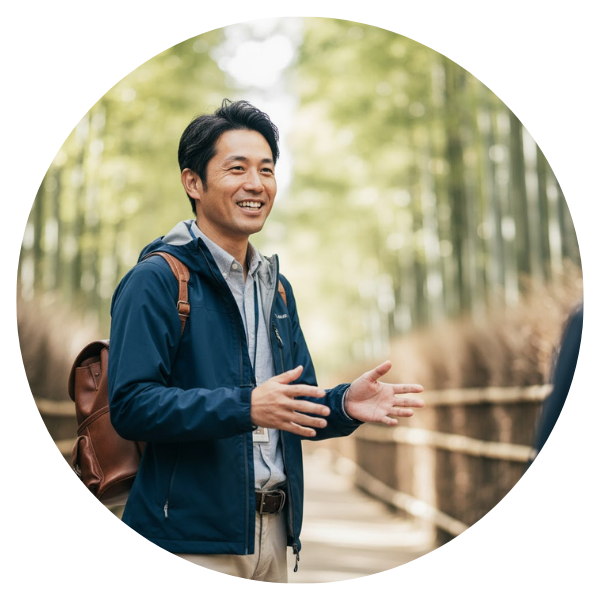
Hi, I’m Kai. I’m a Tokyo-based travel writer, tourism industry insider, and the author of a published guidebook for international visitors to Japan. With over 10 years of professional experience at a leading Japanese tourism company, my mission is to help you skip the tourist traps and navigate Japan’s best destinations like a local. I believe the perfect day trip is like a traditional kaiseki meal: a beautiful balance of precise planning and unforgettable seasonal discovery. When I’m not out conducting field research, you’ll usually find me drafting new itineraries with one of my favorite fountain pens!