
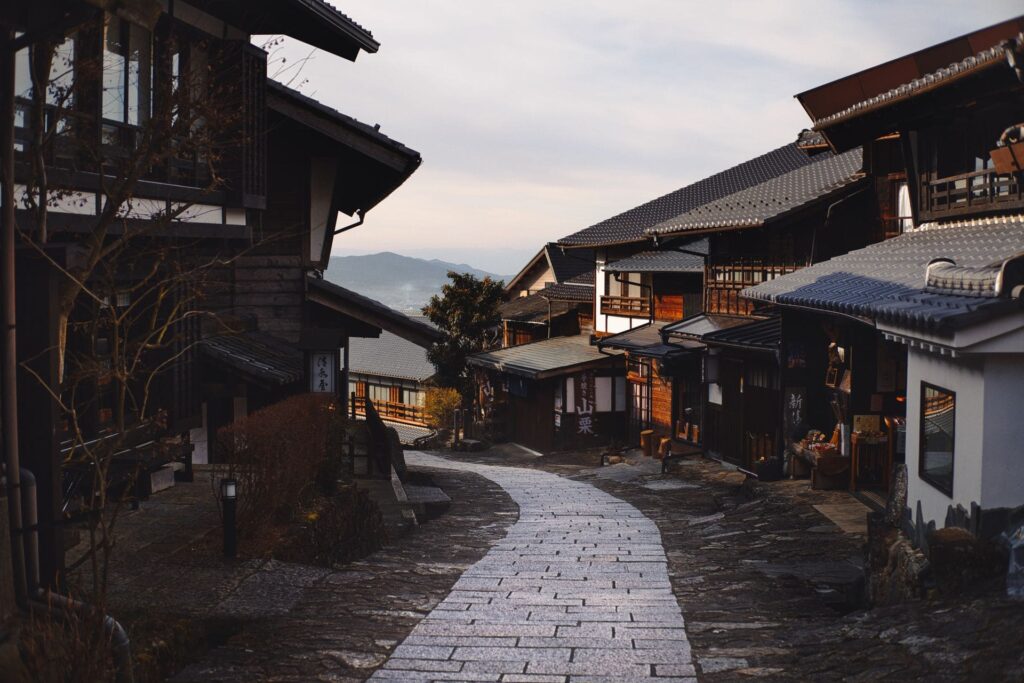
Takayama is one of those places that surprises most first-time visitors—not because it’s flashy, but because it’s quietly, unassumingly complete. A castle town that never became a city in the modern sense, it packs an old town district, two daily morning markets, a surviving Edo-period government office, and an open-air folk village into a walkable basin surrounded by the Northern Japan Alps. The question isn’t whether there are things to do in Takayama—it’s how to fit them into the time you have, without rushing through the very atmosphere that makes the town worth visiting in the first place.
This guide covers the essential spots in Hida-Takayama (Gifu Prefecture, not to be confused with the Takayama area in Nagano), what to eat, and—more importantly—how to time your day so you’re not fighting the crowds when you could be enjoying them.
If you want fewer moving parts and are hoping to pair Takayama with the real Shirakawa-go experience in one day, it is worth checking live availability, start times, and recent traveler reviews for this guided Takayama and Shirakawa-go day trip from Takayama before you lock in your route.
Quick Answer: What to Do in Takayama (At a Glance)
If you only have time to read this section, here are the non-negotiable experiences in Takayama, ranked by how they fit into a single day:
| Spot | Why Go | Time Needed | Best Time to Visit |
|---|---|---|---|
| Sanmachi Suji (Old Town) | Edo-period streets with sake breweries, craft shops, and Hida beef stalls | 1–2 hours | Early morning (before 10am) or late afternoon (after 4pm) |
| Miyagawa Morning Market | Japan’s biggest daily morning market, riverside, 60+ stalls | 30–45 minutes | 7:00–9:00am (peak freshness, fewer tourists) |
| Takayama Jinya | Japan’s only surviving shogunate magistrate’s office (Michelin 2-star) | 30–60 minutes | Mid-morning or early afternoon |
| Hida Folk Village (Hida no Sato) | 30+ thatched-roof buildings in an open-air museum, 10min from town | 1–1.5 hours | Afternoon (when old town is most crowded) |
| Higashiyama Walking Course | 3.5km temple-and-shrine walk ending at castle ruins | 1–2 hours | Late afternoon or early evening |
If you have half a day: Hit the morning market first, then walk through Sanmachi Suji before lunch. Visit Takayama Jinya after, then decide whether to squeeze in Hida Folk Village or save it for next time.
If you’re staying overnight: You gain the early morning market experience (before the day-trippers arrive from Nagoya and Kanazawa) and the quiet, lantern-lit atmosphere of the old town after 5pm. Both are well worth the overnight stay.
Sanmachi Suji: Takayama’s Old Town
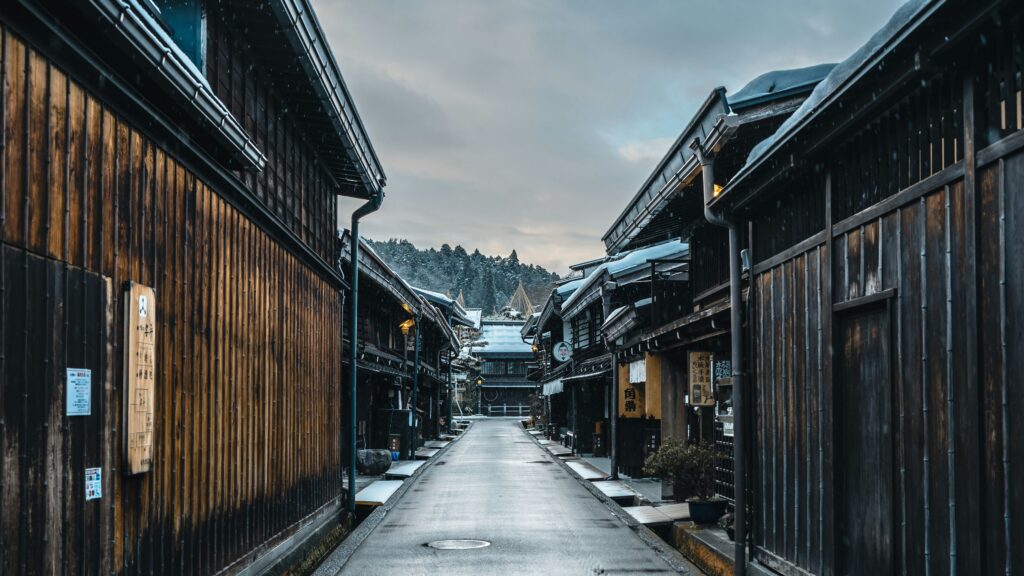
Sanmachi Suji (三町筋) is the historic heart of Takayama—three parallel streets lined with wooden merchant houses, sake breweries, and small shops that have been operating for generations. The buildings date largely from the Edo period, with dark lattice facades and sliding doors that open directly onto the street. It’s compact, walkable, and exactly what most travelers picture when they imagine “old Japan.”
The main street, Kami-Ichinomachi, is where you’ll find the heaviest foot traffic. This is where the Hida beef nigiri stalls, sake-tasting spots, and souvenir shops cluster. Nakabashi Bridge, the red wooden bridge at the northern edge of the district, is the classic photo spot—frame it with the Miyagawa River and the old town rooftops behind it for the postcard shot.
For a quieter look at old Takayama, step into Kusakabe Heritage House or Yoshijima Heritage House—two restored merchant residences that show how wealthy traders lived in the 19th century. Both are a few minutes’ walk from the main strip and well worth the small admission fee.
Kai’s tip: Sanmachi Suji’s main street gets noticeably crowded between 11am and 3pm, when day-trip buses from Nagoya and Kanazawa arrive. The side alleys running parallel to the main street are nearly empty even at peak hours and offer the same architecture without the shoulder-to-shoulder shuffle. If you want the old town at its best—with fewer people and lanterns beginning to glow—come back around 5pm, after most day-trippers have left for their buses. That evening window is when Takayama feels most like itself.
Sake Breweries in the Old Town
Takayama has a long sake tradition thanks to the high-quality water from the surrounding mountains. Several breweries in Sanmachi Suji offer free or low-cost tastings. Harada Sake Brewery and Funasaka Sake Brewery are two of the most accessible, both within a five-minute walk of Nakabashi Bridge. Most breweries are open from around 9am to 5pm, and tastings typically cost a few hundred yen for a sampler set.
The Morning Markets: Miyagawa & Jinya-mae
Takayama’s morning markets (asaichi) are among the largest in Japan, and they operate every single day of the year. There are two, located about a ten-minute walk from each other, and they have distinctly different characters.
Miyagawa Morning Market (宮川朝市)
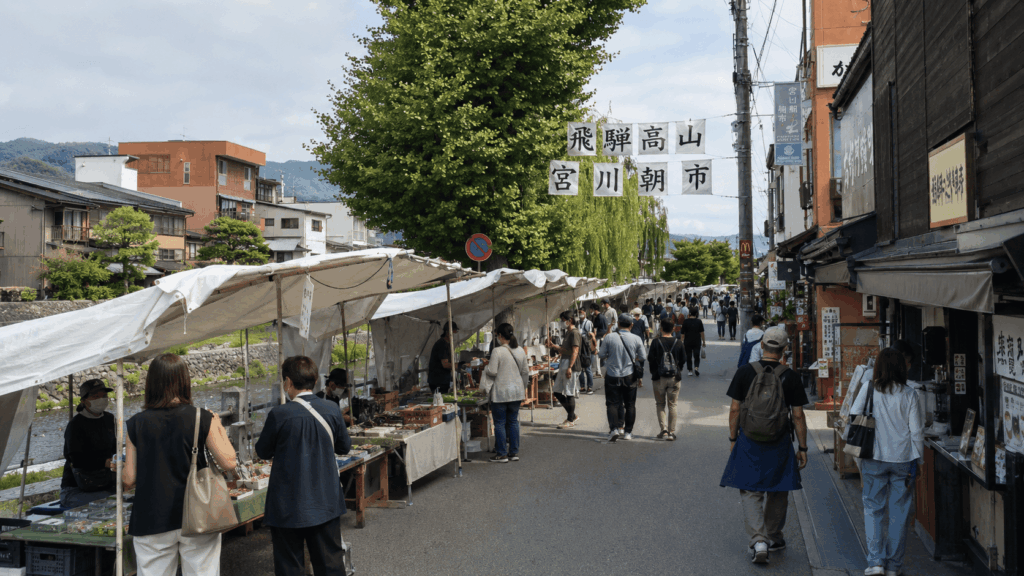
- Where: Along the Miyagawa River, between Kajibashi Bridge and Yayoibashi Bridge
- When: 7:00am–noon (April–November), 8:00am–noon (December–March), open daily
- Size: Approximately 350 meters, 60+ stalls
- Best for: Fresh produce, pickles, flowers, and ready-to-eat snacks (Hida beef croquettes, mitarashi dango, fresh fruit)
The river-side stalls sell vegetables, fruit, and flowers directly from local farmers. The street-side shops carry handmade crafts, sarubobo dolls (the faceless red charm dolls that are Takayama’s signature souvenir), and persimmon-dyed goods. It’s lively, photogenic, and the best place to graze your way through a morning meal.
Jinya-mae Morning Market (陣屋前朝市)
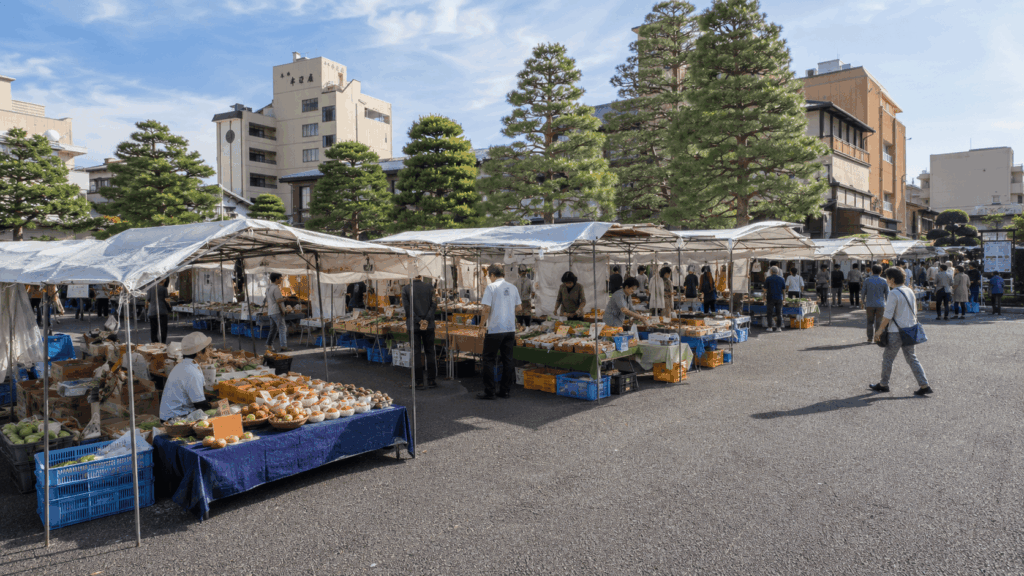
- Where: In front of Takayama Jinya
- When: Same hours as Miyagawa Market
- Size: Smaller, more intimate—about 15–20 stalls
- Best for: Homegrown vegetables, homemade pickles, local crafts, and conversation with farmers
This market has been running for over 300 years and has a stricter rule: only local farmers can sell here. The atmosphere is quieter and more rustic than Miyagawa. It’s less about eating on the spot and more about seeing—and tasting—what grows in the Hida region. Farmers are usually happy to explain how to eat or preserve their products, even if it’s mostly in Japanese and gestures.
Kai’s tip: Both markets peak in energy between 7:00 and 9:00am, when local residents are doing their daily shopping. By 10am, the crowd shifts from locals to tourists, and some of the best produce is already picked over. If you can get up early, start at Miyagawa Market (eat your way through) and then walk the ten minutes to Jinya-mae Market (browse the crafts and chat with farmers). The winter months reduce stall counts significantly—on a rainy December morning, you might see only 10 stalls across both markets, so adjust your expectations accordingly.
Takayama Jinya: Japan’s Last Surviving Magistrate’s Office
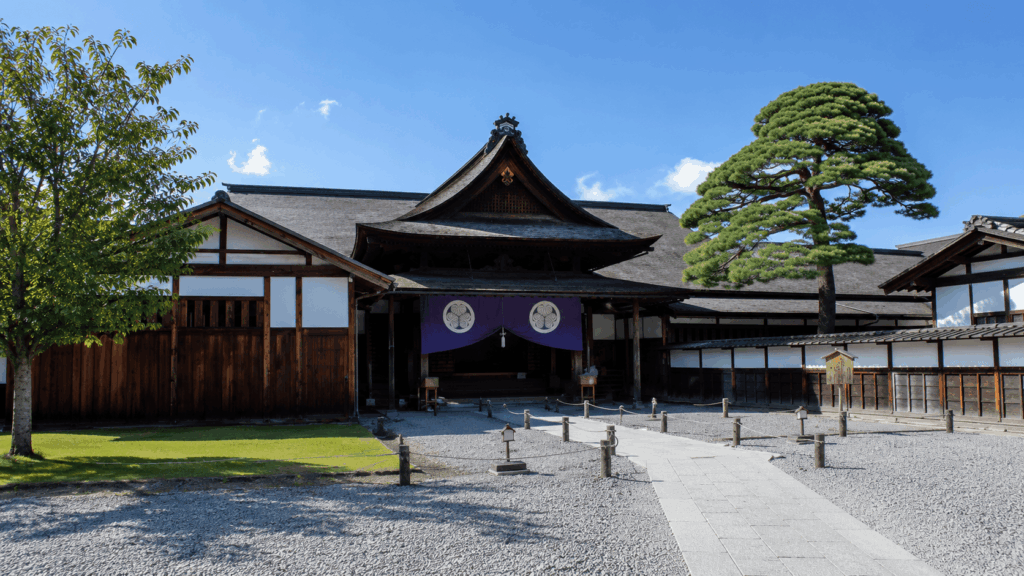
Takayama Jinya is the only remaining main building of a shogunate magistrate’s office in Japan. Built in 1692 when the Tokugawa Shogunate put the Hida region under direct control (mostly for its timber and mineral resources), it served as the administrative center for over 200 years. After the Meiji Restoration, it continued as a prefectural government office until 1969. It has been awarded two stars in the Michelin Green Guide Japan.
- Hours: 8:45am–5:00pm (March–October), 8:45am–4:30pm (November–February), last entry 30 minutes before closing
- Admission: 440 yen (free for high school students and younger)
- Audio guide: Available in English (free with admission—ask at the entrance)
- Time needed: 30–60 minutes
- Closed: December 29–January 3, plus occasional temporary closures
The building preserves the original tatami meeting halls, interrogation rooms, and even a sake cellar. The English audio guide adds context that makes the difference between a quick walk-through and a genuinely informative visit—it explains how the magistrate’s court operated, what daily life looked like for the officials stationed here, and why this particular building survived when all others were demolished.
Kai’s tip: Pick up the English audio guide at the entrance—it’s included in the admission fee and it transforms the experience from “old building with nice wood” into a genuinely layered look at Edo-period governance. That said, don’t try to squeeze Jinya into the same hour as a sit-down lunch and a rushed old-town stroll. I’ve watched too many tour groups try to do all three in 90 minutes, and they leave frustrated. Give Jinya its own 45 minutes, and you’ll walk out understanding why it’s Michelin-rated. The building itself is unheated in winter, so dress warmly for a visit between December and February.
Hida Folk Village (Hida no Sato): A Step Back in Time
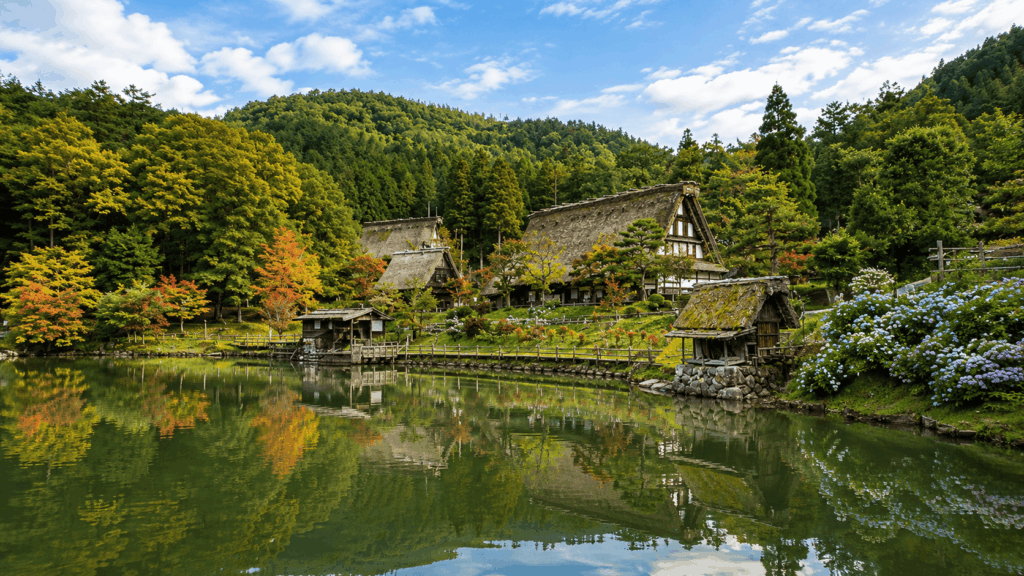
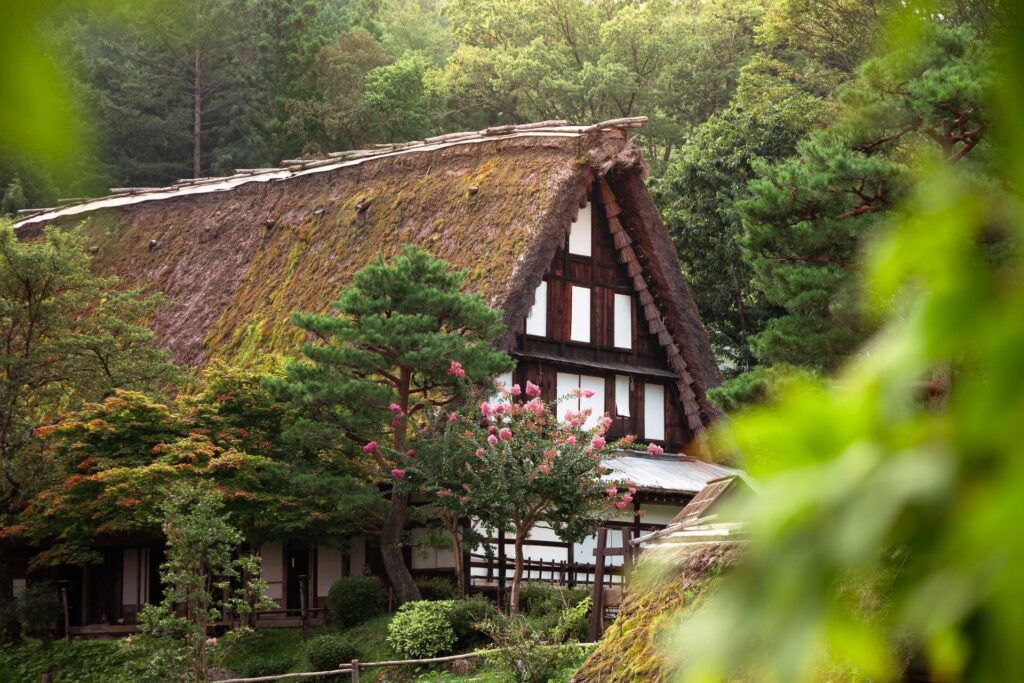
A ten-minute bus ride from the station takes you to Hida Folk Village (飛騨の里 / Hida no Sato), an open-air museum with over 30 thatched-roof buildings relocated from across the Hida region. This is not a theme park—these are real farmhouses, some over 300 years old, dismantled and reconstructed here to preserve the architecture and way of life that shaped rural Hida through the Edo and Meiji periods.
- Hours: 8:30am–5:00pm, open daily year-round
- Admission: 700 yen (adults), 200 yen (children)
- Access: Sarubobo Bus from JR Takayama Station, alight at “Hida-no-Sato-shita” (10 minutes, 210 yen)
- Time needed: 1–1.5 hours
- Best for: Travelers who want to see traditional thatched-roof architecture up close without the Shirakawa-go day-trip commitment
The site is spread across a hillside, with the largest buildings—including several designated Important Cultural Properties—clustered near the entrance. A few structures host live demonstrations: weaving, wood carving, and gohei-mochi making (pounded rice cakes grilled with sweet soy sauce). The rice fields and irrigation channels between the buildings are still actively cultivated, so the village feels genuinely lived-in rather than staged.
The upper section of the park offers a panoramic view of Takayama and the surrounding mountains. It’s also noticeably quieter than the lower area, even on busy days.
Hida no Sato vs. Shirakawa-go: A Quick Honest Comparison
| Aspect | Hida Folk Village (Hida no Sato) | Shirakawa-go |
|---|---|---|
| Distance from Takayama | 10 minutes by bus | 50 minutes by bus |
| Total time commitment | 1.5–2 hours round trip | 4–5 hours round trip (minimum) |
| Number of gassho-zukuri buildings | 30+ (relocated) | 100+ (original village) |
| UNESCO World Heritage status | No | Yes |
| Living village (people live there) | No (museum) | Yes |
| Admission | 700 yen | Free (village); 1,000 yen for observation deck |
| Crowd level | Moderate, rarely packed | Very crowded by late morning |
| Best for | Travelers short on time or wanting deeper architectural context | Travelers seeking the genuine UNESCO experience |
Kai’s tip: If you can’t make it to Shirakawa-go because of time or weather, Hida no Sato is a practical alternative for seeing thatched-roof farmhouses up close. But be honest with yourself about what you’re getting: the buildings here are authentic, the setting is beautiful, and you’ll learn a lot about regional architecture—but it’s a curated museum, not a living village. Shirakawa-go is a different caliber of experience. If you have the time to go, go. If you don’t, Hida no Sato will still give you excellent photos and a genuine feel for rural Hida life.
If you fall into the first camp — you want Takayama’s old town and the full Shirakawa-go village experience, but you do not want to spend the day juggling bus times and context on your own — this is the guided option to compare.
Why I’d book this one
- It matches the real decision point: you are not just paying for transport; you are combining Takayama’s markets, old town, Jinya area, and Shirakawa-go into one planned day.
- It adds English context where it matters: recent travelers often highlight the guide’s explanations, which helps the historic streets and gassho-zukuri houses feel less like a photo stop.
- It reduces timing stress: Shirakawa-go is easy in theory, but buses, crowds, and return timing can eat into the rest of your Takayama day.
Before deciding between Hida no Sato, DIY Shirakawa-go, or a guided day, see current start times, inclusions, and recent traveler reviews for the Takayama and Shirakawa-go guided day trip.
Higashiyama Walking Course & Shiroyama Park
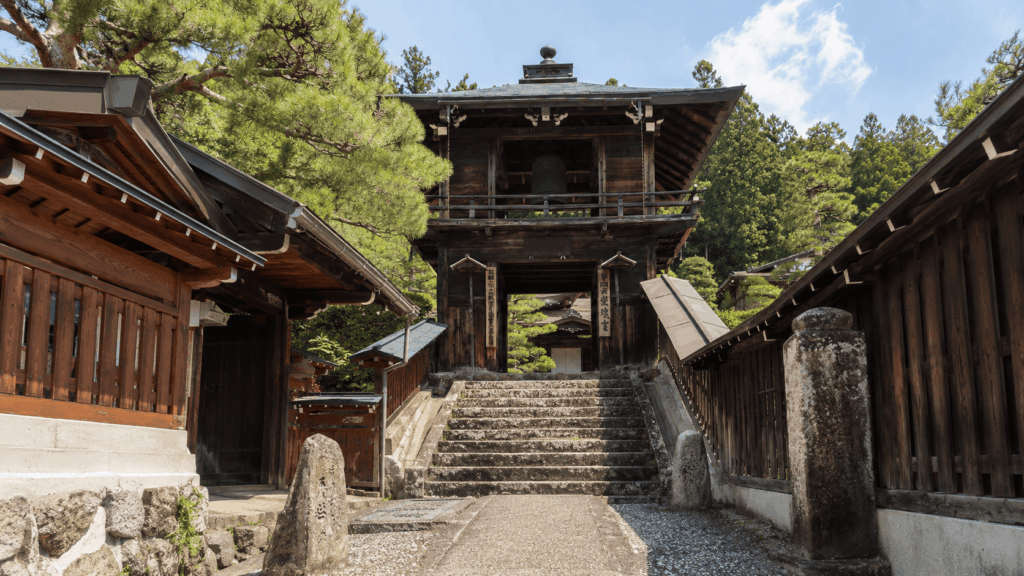
The Higashiyama Walking Course (東山遊歩道) is a roughly 3.5-kilometer trail that winds through temples, shrines, and forested hills on the eastern edge of town. It’s the best option in Takayama for travelers who want to stretch their legs, escape the crowds entirely, and see the town from a different perspective.
The route starts near the Takayama Jinya area and passes through Hida Kokubunji Temple (one of the oldest buildings in Takayama, with a three-story pagoda), followed by a string of smaller temples and shrines—around a dozen in total. The path is well-marked, mostly flat, and takes about 1 to 1.5 hours at a relaxed pace. Near the end of the course, the trail climbs slightly to Shiroyama Park, the site of the former Takayama Castle. Nothing remains of the castle itself except the stone foundations—but the park offers a quiet forested walk and some partial views of the town below.
- When to go: Late afternoon (3:00–5:00pm) for soft light and minimal foot traffic
- Footwear: Comfortable walking shoes; some sections have uneven stone steps
- Best for: Travelers who want to step away from the old town crowds and experience Takayama’s quieter side
The walking course is particularly good as a late-afternoon activity after the old town and markets have been covered. By the time you finish, the day-trippers have largely left, and the old town is ready for its quieter evening phase.
What to Eat in Takayama
Takayama’s food scene punches well above its size. The key ingredients are high-quality Hida beef (comparable to Kobe and Matsusaka in marbling), freshwater fish from the nearby rivers, mountain vegetables, and the local sake brewed with Hida spring water. (For more details, see our dedicated guide to what to eat in Takayama.)
Hida Beef (飛騨牛)
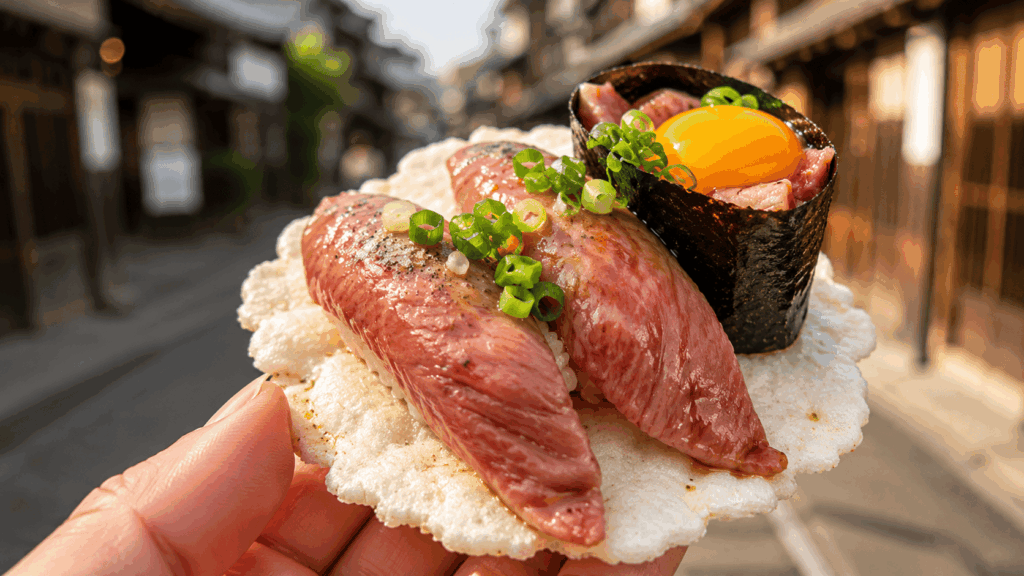
Hida beef is the star of Takayama’s food scene—black Wagyu with a high marbling ratio that melts at a lower temperature than standard beef. You’ll find it in several forms:
- Hida beef nigiri sushi: Grilled slices over small rice balls. Hida Kotte Ushi on Sanmachi Suji’s main street is the most famous spot—expect a 15–30 minute queue. A two-piece set costs around 800–1,200 yen.
- Hida beef skewers: Grilled over charcoal and seasoned simply with salt or soy sauce. Available at street stalls and small butcher shops throughout the old town, ranging from 500–1,000 yen per skewer.
- Hida beef croquettes: Creamy and milder in flavor. Available at the morning markets and old town shops for around 200–400 yen.
- Hida beef steak or sukiyaki: Served at sit-down restaurants like Ikkoku-an or Maruni, usually from around 3,000–5,000 yen for a set meal.
Takayama Ramen (高山ラーメン)
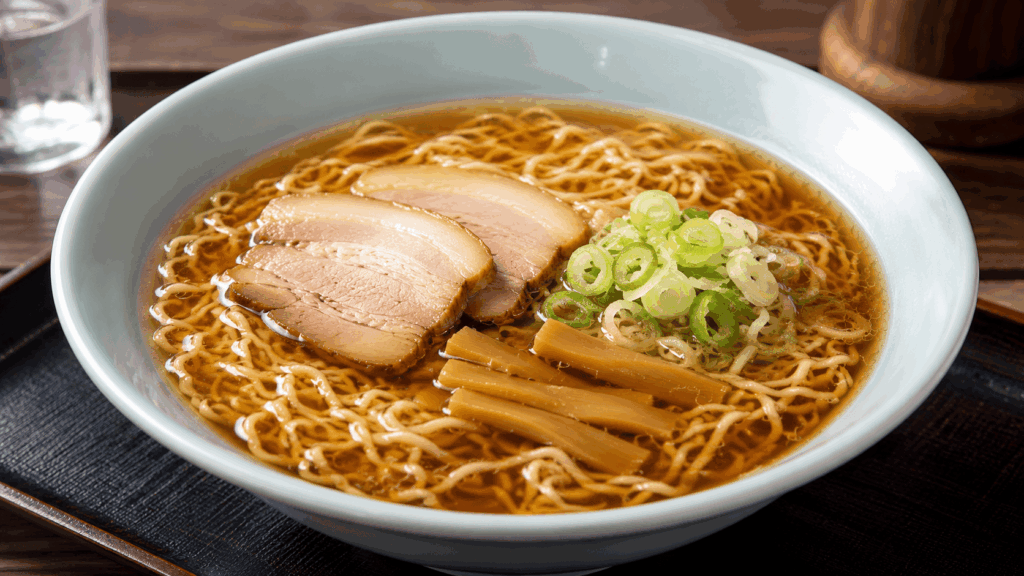
A shoyu (soy sauce) based ramen with thin, curly noodles and a clear broth. Unlike richer tonkotsu or miso ramen, Takayama ramen is light and fast—a meal more than a dish. Bowls typically cost 800–1,200 yen. Most ramen shops in town serve it, and it’s a convenient and quick lunch option between sightseeing stops.
Hoba Miso (朴葉味噌)
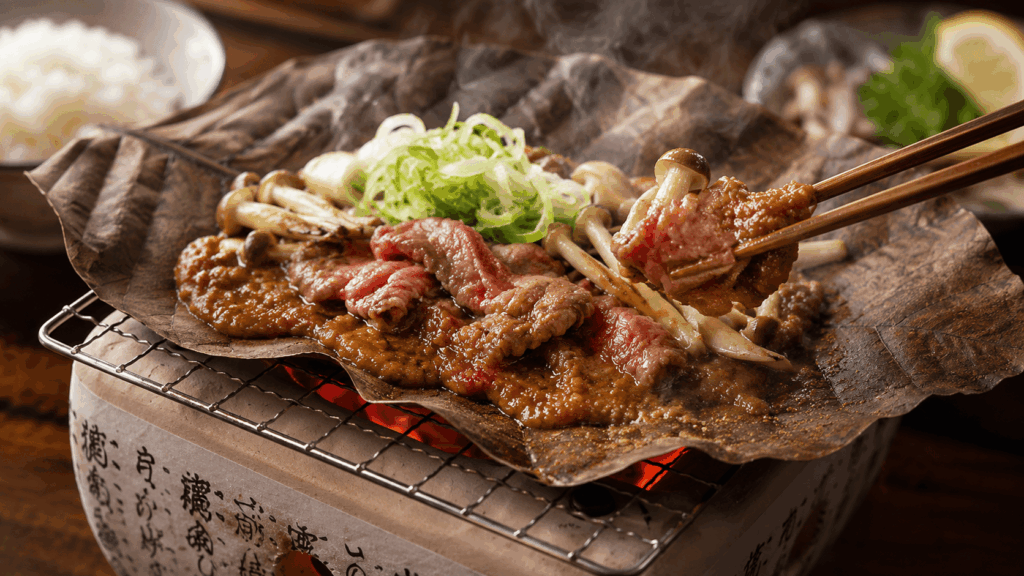
A Hida-region specialty where miso paste, mixed with green onions and sometimes mushrooms or Hida beef, is grilled on a magnolia leaf (hoba). As the leaf heats, it releases a subtle fragrance into the miso. Served as a side dish or a main with rice. Availability is mostly at sit-down restaurants; prices range from 1,000–2,000 yen depending on extras.
Mitarashi Dango & Gohei Mochi
Both are grilled rice-based skewers sold at market stalls and old town shops. Mitarashi dango is coated in a sweet-soy glaze; gohei mochi is a Hida-region variant coated in a nutty miso-walnut sauce. Prices: 150–300 yen per skewer.
Sake Tasting
Several breweries in the old town offer tastings. A tasting set of 3–5 sake varieties typically costs 300–800 yen. Look for Harada Sake Brewery and Funasaka Sake Brewery, both on Kami-Ichinomachi Street. Most are open 9:00am–5:00pm.
Half-Day vs. Overnight: How to Choose Your Takayama Itinerary
The single most common question about Takayama is whether it’s worth staying overnight or if a half-day stopover is enough. The honest answer depends on what you’re looking for—but here’s a practical breakdown of what changes with more time. For more structured plans, see our detailed Takayama itineraries.
| Scenario | Half-Day (4–5 hours) | Overnight (1 night / full day+) |
|---|---|---|
| Morning market experience | Arrive late (9–10am) after travel — less selection, more tourists | Visit at 7–8am — peak freshness, more locals, photo-friendly light |
| Old town atmosphere | Mid-day crowds, heavy foot traffic, queues at food stalls | Two visits: morning (quiet) + evening (lanterns, fewer people) |
| Can you visit Hida Folk Village? | Only if you skip something else (e.g., Jinya or Higashiyama) | Yes, comfortably |
| Can you do Higashiyama Walk? | Unlikely—too long | Yes, ideally late afternoon |
| Restaurant dinner options | N/A (you’re gone by late afternoon) | Hida beef steak dinner, hoba miso, Takayama ramen at leisure |
| Pace | Moderate rush—you’ll move between spots with limited downtime | Relaxed—time to linger in shops, visit a sake brewery, revisit favorite spots |
For a half-day stopover (arriving 9–10am, leaving 2–3pm): Start at the Miyagawa Morning Market (even arriving late, it’s worth the walk), then head straight to Sanmachi Suji. Visit Takayama Jinya in the late morning. Grab Takayama ramen for lunch, then visit Hida Folk Village or walk Higashiyama—pick one, not both. Skip the Jinya-mae Market unless you’re already passing by.
For an overnight stay (arriving afternoon, leaving next day after lunch): Arrive in the early afternoon, walk Sanmachi Suji when it’s still busy (scout the shops and food stalls), then retreat to Higashiyama Walking Course or Shiroyama Park for the late afternoon. Have a relaxed dinner with Hida beef. Next morning, hit both morning markets at 7–8am, revisit the old town before it gets crowded for photos, then visit Takayama Jinya or Hida Folk Village before your departure. This is the ideal rhythm—you avoid the worst of the crowds by being in the right place at the right time.
Kai’s tip: The difference between a half-day visit and an overnight stay isn’t just about how many spots you can check off—it’s about experiencing the town at the two moments when it’s at its best: early morning (markets, empty streets, fresh air) and dusk (lanterns, quiet alleys, the smell of grilled Hida beef from open doorways). If your schedule allows even one night in Takayama, take it. The town is small, but it’s designed to be savored, not rushed.
Getting Around Takayama
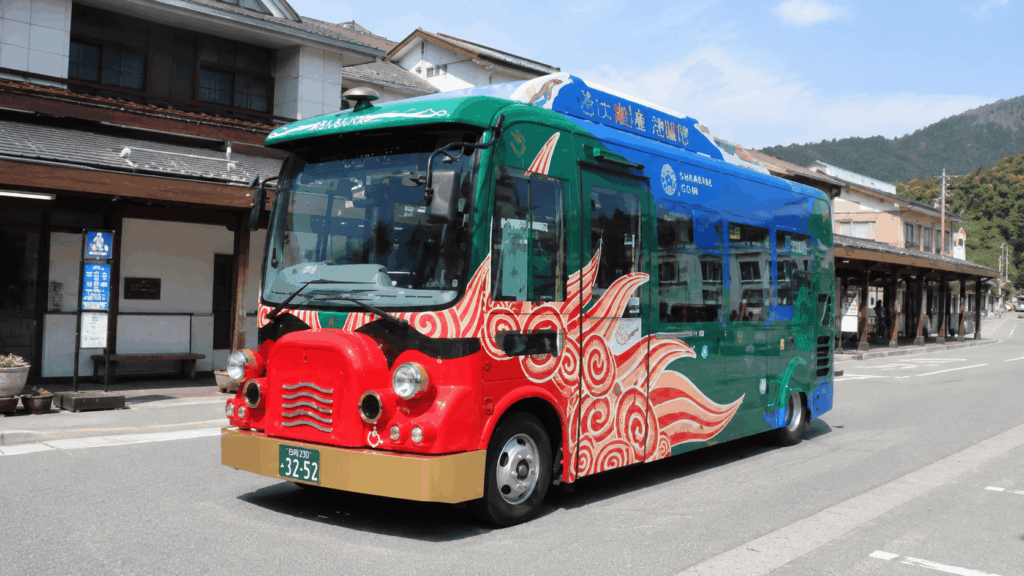
Takayama is a compact town, and most of the main attractions are within walking distance of JR Takayama Station. Here’s how you’ll move:
- On foot: The old town (Sanmachi Suji), morning markets, Takayama Jinya, and the start of the Higashiyama Walking Course are all within a 10–20 minute walk from the station. Flat terrain throughout.
- Sarubobo Bus (さるぼぼバス): The city’s local bus network. A single ride costs 100 yen within the central area, 210 yen to Hida Folk Village (get off at “Hida-no-Sato-shita”). Pay in cash or use an IC card (Suica/PASMO/ICOCA work).
- Machinami Bus (まちなみバス): A 100-yen flat-rate bus that loops through the central sightseeing area—useful if you want to save a few minutes between the station and the old town.
- Taxi: Available at the station. A taxi from the station to Hida Folk Village costs approximately 1,200–1,600 yen.
The best strategy for a day in Takayama is simply to walk. The compact layout means you can cover the morning market, old town, Jinya, and Higashiyama in a single day on foot without breaking a sweat. Save the bus for Hida Folk Village.
FAQ: Things to Do in Takayama
How many days do you need in Takayama?
One full day is enough to see the main attractions—the morning market, Sanmachi Suji old town, Takayama Jinya, and one of either Hida Folk Village or the Higashiyama Walking Course. An overnight stay (arriving one afternoon, leaving the next) is ideal because it lets you experience the old town in the early morning and evening, when it’s at its quietest and most atmospheric. Half a day works if you’re passing through en route to Shirakawa-go or Kanazawa, but you’ll need to be selective and move at a steady pace.
Is Takayama worth visiting?
Yes, for the right traveler. Takayama is not Kyoto—it’s smaller, less crowded (on most days), and far more compact. What it offers is a well-preserved Edo-period townscape, two of Japan’s best morning markets, a unique surviving shogunate magistrate’s office, and open access to Hida beef at reasonable prices. If you’re traveling through central Japan and have an interest in traditional architecture, local food, or small-town atmosphere, Takayama is an easy and rewarding stop. If you’re looking for nightlife or large-scale attractions, it’s probably not the right fit.
Can you do Takayama as a day trip from Nagoya or Kanazawa?
Yes, but it’s a long day. From Nagoya, the Hida Limited Express takes approximately 2 hours 20 minutes each way. From Kanazawa, it’s about 2 hours 15 minutes each way via the same train. That leaves you roughly 5–6 hours in Takayama—enough for the morning market (arriving around 9am), a walk through the old town, a visit to Jinya, and a quick lunch, but not enough for Hida Folk Village or the Higashiyama Walking Course. If your itinerary allows, staying overnight is strongly recommended. If you’re set on a day trip, aim for the earliest possible departure.
What is Takayama famous for?
Takayama is known for its exceptionally well-preserved Edo-period old town (Sanmachi Suji), its two daily morning markets (Miyagawa and Jinya-mae), Hida beef (a premium Wagyu comparable to Kobe beef), Takayama ramen (a light soy-based noodle soup), and the Takayama Festival (held in spring and autumn, featuring elaborate float processions). It’s also the nearest base for visiting Shirakawa-go (UNESCO World Heritage site) and the Shinhotaka Ropeway in the Northern Japan Alps.
What is the best time of year to visit Takayama?
Spring (April–May) and autumn (October–November) offer the most comfortable weather. April’s Takayama Spring Festival (Sanno Festival) is a major draw but brings large crowds and limited accommodation. Autumn foliage peaks in late October to early November, with pleasant temperatures for walking. Summer (June–August) can be humid with occasional rain. Winter (December–February) is cold and snowy—the old town is beautiful under snow, but the morning markets have significantly fewer stalls and some walking paths can be icy. Winter also offers the advantage of very few tourists and lower accommodation rates.
Do you need a car in Takayama?
No. The main attractions are within walking distance of JR Takayama Station, and the Sarubobo Bus (100–210 yen per ride) covers Hida Folk Village and other outlying spots. Taxis are available and affordable for short distances. A car is useful only if you plan to explore the wider Hida region (Okuhida Onsen, Shinhotaka Ropeway, Kamikochi) in a single trip beyond Takayama itself.
Is Takayama walkable?
Very. Nearly everything listed in this guide is within a 10–20 minute walk of JR Takayama Station. The terrain is flat. A full walking day covering the morning market, old town, Jinya, and Higashiyama is roughly 6–8 kilometers—easily manageable for most travelers in comfortable shoes.
Can you visit Shirakawa-go from Takayama in the same day?
Yes, and it’s the most common way to do it. The Nohi Bus operates direct services from Takayama Station to Shirakawa-go (about 50 minutes, 1,600 yen one way). A round trip with 2–3 hours in Shirakawa-go is doable and leaves the rest of the day for Takayama’s main sights—though you’ll need to be efficient and arrive early. For a deeper look at how to pair both destinations, see our Shirakawa-go itinerary guide.
For a DIY version, compare current Takayama–Shirakawa-go non-reserved bus ticket options on Klook before fixing your route.
Does Takayama have good food for vegetarians or those with dietary restrictions?
Limited but workable. Hida beef and local fish dominate the menu at most restaurants. Takayama ramen is generally vegetarian-friendly in theory (shoyu broth), but many shops use dashi (fish stock) as a base. Hoba miso with vegetables (no beef) is available at some restaurants if requested. The morning markets offer fresh fruit, grilled rice cakes (gohei mochi), and some vegetable-based snacks. For travelers with strict dietary needs, it’s advisable to have a translation card ready and to look for shojin-ryori (Buddhist vegetarian) options, which are limited but available at some temples and specialty restaurants. For more specific recommendations, check our complete guide to vegetarian, vegan, and dietary-friendly food in Takayama.
Is Takayama very crowded?
It depends entirely on timing. On a normal weekday outside major holidays, Takayama sees a steady flow of tour buses arriving between 10am and 3pm, making Sanmachi Suji moderately crowded during those hours. It’s nothing like Kyoto’s Gion district at peak season. On festival days (mid-April and early October), the town is packed. Winter weekdays are the quietest. The smartest way to avoid crowds is to follow the timing advice in this guide: morning for markets and old town, late afternoon for the walking course and quieter corners.
Final Verdict: Is Takayama Worth It… for You?
Choose Takayama if…
- You enjoy compact, walkable historic towns where the main attractions are within a 10-minute walk of each other.
- You’re interested in Edo-period architecture and want to see a magistrate’s office preserved in its original form.
- You want to try premium Hida beef without paying Kobe-level prices.
- You’re planning a central Japan itinerary (Nagoya–Takayama–Kanazawa or Tokyo–Takayama–Kyoto loop) and need a well-positioned stop with excellent local food.
- You value the early-morning and dusk atmosphere of a traditional Japanese town over a packed sightseeing schedule.
Consider another destination if…
- You have less than 4 hours in the area—the travel time from the nearest cities (2+ hours each way) doesn’t justify the visit for just a quick walk through the old town.
- You’re seeking nightlife, large museums, or urban energy—Takayama is a small town designed for quiet exploration, not entertainment.
- You can’t handle walking on flat surfaces for 4–6 hours (though most of the route is gentle and level).
- Your main interest is visiting Shirakawa-go—Shirakawa-go can be visited directly from Nagoya or Kanazawa without stopping in Takayama, though Takayama makes a convenient and atmospheric base.
For first-time visitors to Japan: Takayama is an excellent counterbalance to the big cities. It’s small enough that you won’t feel overwhelmed, but rich enough in culture and food that it won’t feel like filler. Two nights (one full day plus two half-days) is the sweet spot.
For repeat visitors: Takayama works well as a relaxed base for day trips to Shirakawa-go, Hida Furukawa (a quieter canal town 15 minutes by train), or the Okuhida hot spring villages. If you’ve already done the major cities, this is the kind of place where you can slow down and let the town’s rhythm set your pace.
For families: The morning markets and Hida Folk Village are hits with children (the folk village has hands-on crafts and live demonstrations). The old town is stroller-friendly on the main street, though some side alleys have uneven surfaces. The Higashiyama walking course is less suitable for very young children due to its length.
For solo travelers: Takayama is easy to navigate alone. The streets are safe, food is accessible (counter seating at ramen shops, single portions at market stalls), and the compact layout means you’ll feel confident getting around within an hour of arrival.
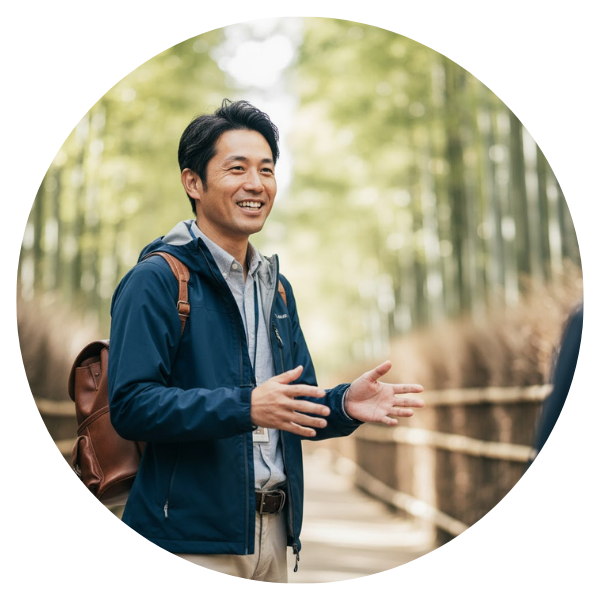
Hi, I’m Kai. I’m a Tokyo-based travel writer, tourism industry insider, and the author of a published guidebook for international visitors to Japan. With over 10 years of professional experience at a leading Japanese tourism company, my mission is to help you skip the tourist traps and navigate Japan’s best destinations like a local. I believe the perfect day trip is like a traditional kaiseki meal: a beautiful balance of precise planning and unforgettable seasonal discovery. When I’m not out conducting field research, you’ll usually find me drafting new itineraries with one of my favorite fountain pens!