
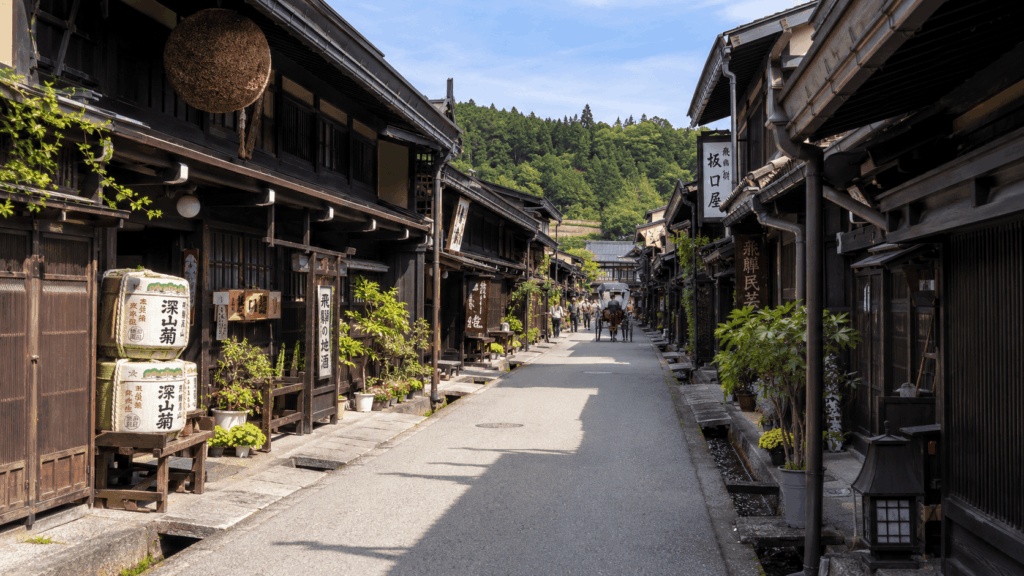
Takayama is famous for Hida beef — heavily marbled, melt-in-your-mouth wagyu that draws food-loving travelers from across Japan and beyond. And if you’re vegetarian, vegan, Muslim, or gluten-free, your first reaction might be: “There’s nothing here for me.”
The honest answer is more nuanced than you’d think. Takayama has quietly become one of Japan’s most accommodating small cities for specialty diets — thanks to a local Buddhist shojin ryori tradition that predates the beef boom, and a city-wide initiative — the Hida Takayama Muslim Friendly Project, launched in 2014 and since expanded into the Hida Takayama Food Barrier-free Association — that has been developing halal, kosher, and allergy-friendly dining for over a decade. You can eat well here. But you need to know where to go, what to watch out for, and how to plan around the city’s early closing times and small seating capacities.
If your Takayama plan also includes Shirakawa-go, the hardest part is not sightseeing — it is keeping your safe meal timing intact. For fewer moving parts, compare start times and recent reviews for this private Takayama and Shirakawa-go day tour before you lock in your meal plan.
This guide covers exactly that — by restriction type, with specific restaurants, the hidden traps most travelers miss, and the practical moves that make the difference between a great meal and an empty stomach. (Looking for activities between meals? See our complete guide to the best things to do in Takayama.)
At a Glance: Which Restaurant Works for Your Diet?
Use this table to scan which restaurants match your dietary needs. Each is explained in detail further down.
| Restaurant | Vegetarian | Vegan | Halal | Gluten-Free | Booking | Seats |
|---|---|---|---|---|---|---|
| Suzuya (寿々や) | ✅ | ✅ | ✅ | ✅* | Walk-in only | ~30 |
| Kyoshi (梗絲) | ❌ | ❌ | ✅ | ❌ | Walk-in / reserve | ~26 |
| Restaurant ALICE | ❌ | ❌ | ✅ | ❌ | Required | ~15 |
| Kakusho (角正) | ✅ | ✅ | ❌ | ⚠️ Check | Required | ~10 |
| Heianraku (平安楽) | ✅ | ✅ | ❌** | ✅ | Required (online) | ~12 |
| Fukyuan | ❌ | ❌ | ❌ | ✅ | Walk-in only | ~15 |
| Sakurajaya | ❌ | ❌ | ❌ | ✅ (reserve) | Required | ~8 |
| EvilTex | ✅ | ✅ | ❌ | ⚠️ | Walk-in only | ~20 |
* Suzuya’s gluten-free accommodation depends on the cook-your-own format — recent celiac travelers confirm it works, but check before your visit as menu availability can shift.
** Heianraku handles pork in its kitchen, so it is not suitable for halal dining.
Why Takayama Isn’t Just a “Meat Town”
Before diving into individual restaurants, it helps to understand why this city of roughly 90,000 people — tucked into the Japanese Alps — has more dietary-friendly options than most regional cities twice its size.
Takayama has two things working in its favor that most Hida beef destinations don’t.
First, a centuries-old Buddhist vegetarian tradition. Shojin ryori (精進料理) is a plant-based cuisine that originated in Zen Buddhist temples. Unlike modern Japanese food, it uses no meat, fish, or animal products — and Takayama is home to Kakusho, one of the oldest shojin ryori restaurants in Gifu Prefecture, operating since the late Edo period (early 1800s). This tradition means that “vegetarian kaiseki” has been part of Takayama’s culinary identity for over 200 years — long before Hida beef became the city’s headline dish.
Second, a deliberate city-wide effort to accommodate religious and medical diets. In 2014, local food wholesaler Shimizu Yayoido launched the “Hida Takayama Muslim Friendly Project,” which later expanded into the Hida Takayama Food Barrier-free Association (formally established in 2021) — a body that works with restaurants to develop halal, kosher, and allergy-friendly menus, set up prayer spaces, and train staff. This isn’t a marketing slogan; it’s an active initiative with years of track record. The city’s official tourism website is available in over 10 languages, and before COVID, Takayama drew large numbers of Muslim-majority visitors from Indonesia, Malaysia, and Singapore — a scale that forced real, operational change.
The honest catch: accommodation exists, but it’s not universal. You cannot walk into any restaurant and expect your diet to be understood. Each of the restaurants below handles restrictions differently, and some require advance booking, speak limited English, or close earlier than you’d expect. The restaurants listed here are the ones confirmed — by recent travelers, local guides, and the association’s own network — to reliably accommodate specific diets. But things change, and confirming with the restaurant directly before your visit is always the smart move.
The Safest One-Stop Choice: Suzuya (寿々や)
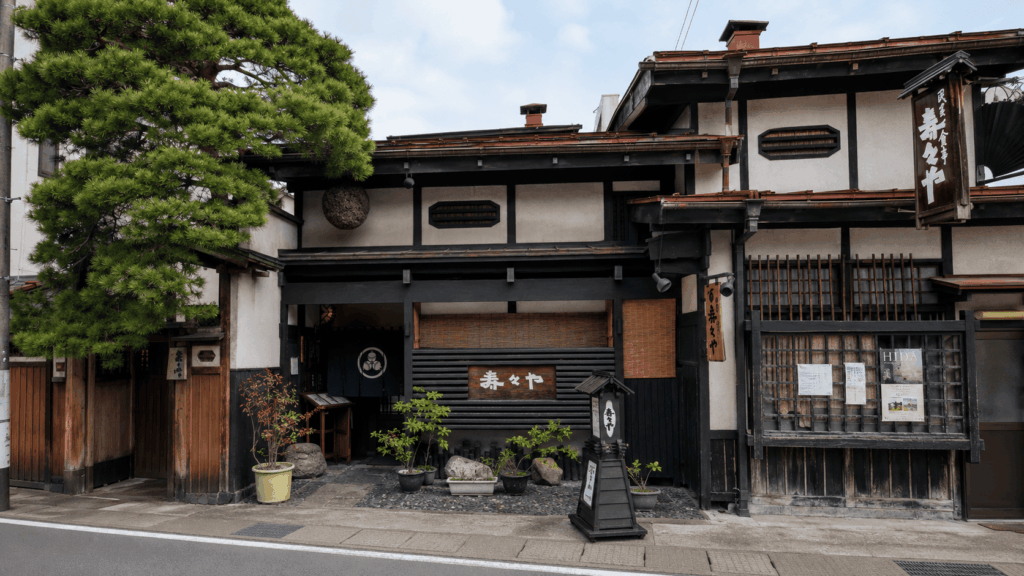
If you only remember one name from this guide, make it Suzuya. It is the single most versatile restaurant in Takayama for travelers with dietary restrictions — and understanding why tells you a lot about how to eat safely in Japan.
Why Suzuya works for multiple diets
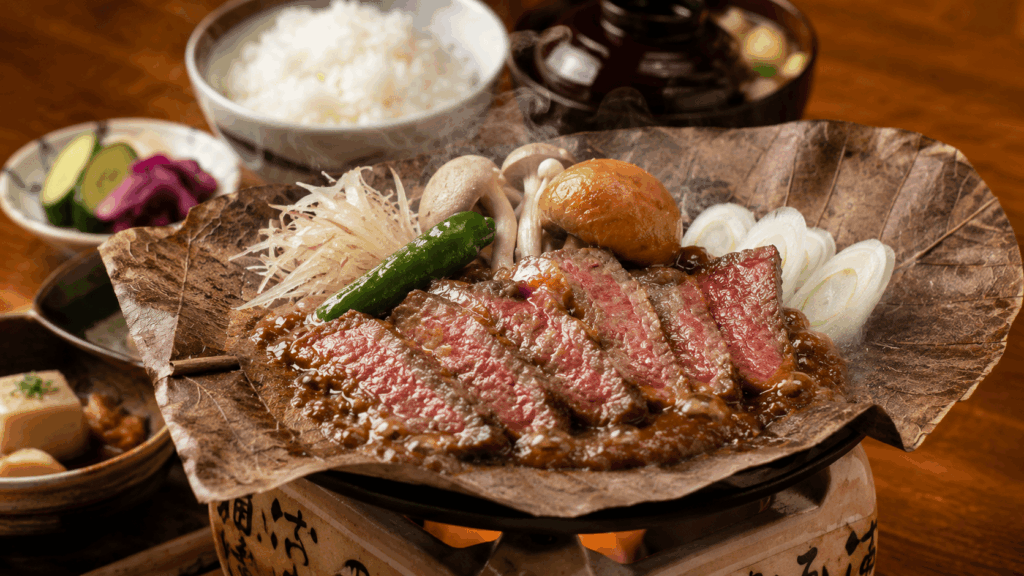
The key is the cooking format. Suzuya specializes in dishes where you cook the ingredients yourself at your table — sukiyaki, hoba-yaki (grilling on a magnolia leaf), shabu-shabu, and ami-yaki (charcoal BBQ). Because you control exactly what goes onto your grill or into your pot, cross-contamination — the biggest worry for celiac and halal diners — is nearly eliminated. Your meat, vegetables, and sauces stay separate until you put them together.
On the menu, this translates to:
- Halal beef — confirmed by multiple Muslim traveler reviews and halal directories. One nuance: the halal beef served here is generally not certified Hida beef (authentic Hida beef is rarely halal-slaughtered), so think “halal wagyu” rather than guaranteed Hida.
- Sansai-Miso Nabe (¥1,800, vegetarian; vegan available on request) — mountain vegetables, wild plants, mushroom, and konnyaku in a miso-based hot pot.
- Gluten-free accommodation — recent celiac travelers report that the staff understands gluten, can adjust soy sauce, and the cook-your-own format keeps everything safe. Find Me Gluten Free lists it among Takayama’s reliable GF options.
What to know before you go: Suzuya does not take reservations. You queue outside on a bench and wait — and it gets busy. Dinner waits of 30–60 minutes are normal during peak season (October–November, April–May, and weekends). The staff speaks enough English to explain the menu and dietary needs, and they’re known for being genuinely helpful with allergy questions. Address: 24 Hanakawamachi, Takayama. Open for lunch and dinner (roughly 11:00–14:30 and 17:00–21:00, last order around 20:00).
The one caveat: gluten-free menu availability has reportedly fluctuated in the past. As of mid-2026, recent celiac diners confirm good experiences — but it’s worth mentioning your GF requirement when you arrive and confirming they can adjust the soy sauce before you order.
Vegetarian & Vegan: Where to Go
Takayama has more vegetarian and vegan options than most Japanese cities of its size, though they range from ¥1,300 casual meals to ¥21,000 kaiseki experiences.
Kakusho (角正) — For a Once-in-a-Trip Experience
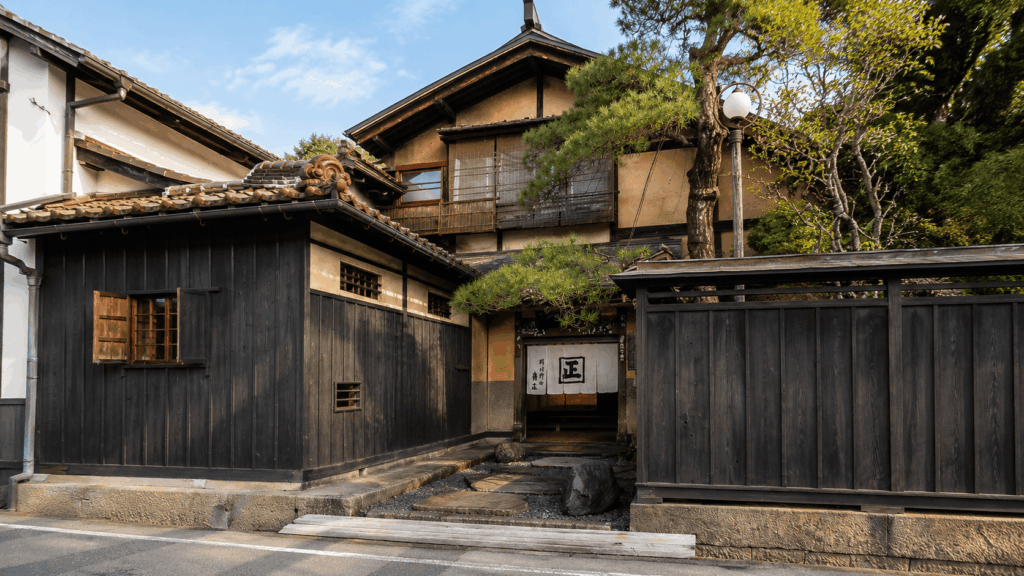
If you’re vegetarian or vegan and want a meal that feels genuinely special, Kakusho is your pick. Located in a building that dates back to the late Edo period (over 200 years old), this restaurant is best known for shojin ryori — traditional Buddhist vegetarian cuisine — served in a multi-course kaiseki format. On the shojin course, every dish is plant-based, seasonal, and made without any meat, fish, or animal products. Think mountain vegetables (sansai), Hida tofu, delicate broths made from kombu and vegetables instead of bonito, and artfully plated small courses that change with the season.
- Price: From around ¥3,500 for a weekday lunch box to ¥6,000+ for a dinner course. High-end kaiseki through booking platforms can reach ¥21,000 per person.
- Booking: Essential. You can reserve by phone (0577-32-0174), or through the MACHIYA LOCALS platform for the premium kaiseki experience. English booking possible but limited.
- Note: Kakusho’s shojin ryori is naturally vegan — but confirm when you book. The restaurant also serves regular (non-vegetarian) kaiseki, so specify the shojin course, and check for honey or other non-vegan touches.
- Address: 2-98 Babamachi, Takayama. Last entry around 19:00 for dinner (confirm when booking).
Heianraku (平安楽) — Best for Mixed-Diet Groups
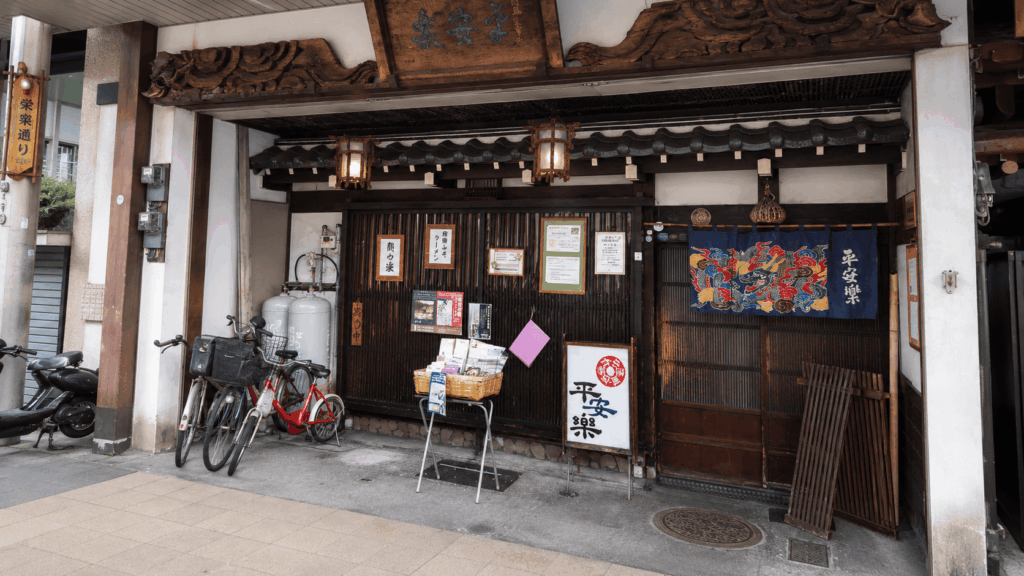
Heianraku is a small, family-run Chinese-style Japanese restaurant that punches far above its weight for dietary accommodation. The owner is notably thorough with allergies and dietary restrictions — the menu is clearly marked for vegan, vegetarian, and gluten-free options, and the kitchen can handle most requests except soy allergy and shiitake mushroom allergy. The set menu costs ¥4,000 per person and changes regularly.
- Booking: Online reservations only — no walk-ins. Slots are limited to 2 adults per 30-minute window, so book well ahead.
- Limitation: The kitchen handles pork, so Heianraku is not suitable for halal dining.
- Address: 6-7-2 Tenmanmachi, Takayama.
- Best for: Vegetarian and vegan travelers who want a reliably safe, Western-friendly dining experience with English menu support.
EvilTex — Quick, Casual, Vegan-Friendly
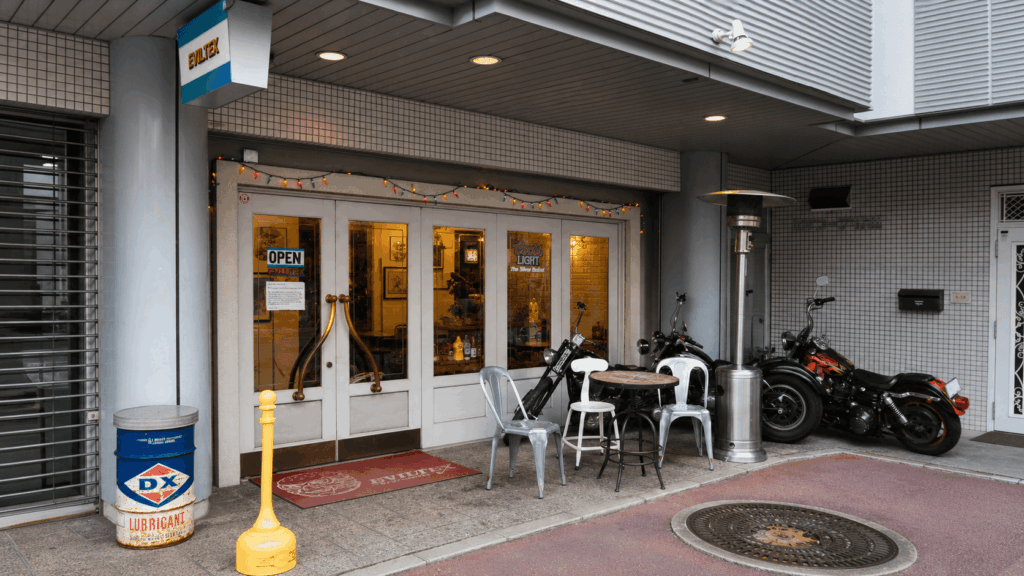
On the complete opposite end of the spectrum: EvilTex is a Tex-Mex burger joint a short walk from Takayama Station that serves massive burgers, burritos, tacos, and quesadillas. They keep a separate vegetarian/vegan menu — the standout vegan option is a generously sized vegan burrito (note: the regular veggie burger contains butter, so it’s vegetarian rather than vegan). It’s an easy, no-fuss break from Japanese food. Not halal, but vegetarian and vegan needs are clearly understood. Address: 3-39-1 Hanasatomachi, Takayama.
Suzuya — Already Covered Above
As discussed in the previous section, Suzuya’s vegetarian Sansai-Miso Nabe (¥1,800, vegan on request) makes it a strong casual option — plus it doubles as a halal and GF restaurant, so it’s ideal for mixed-diet groups.
Halal & Muslim-Friendly: Where to Go
Takayama is one of the better mid-sized Japanese cities for halal dining — again, thanks to the Food Barrier-free Association’s work. There are at least three strongly confirmed options, plus one important “no.”
Kyoshi (梗絲) — Halal Hida Beef & Sushi
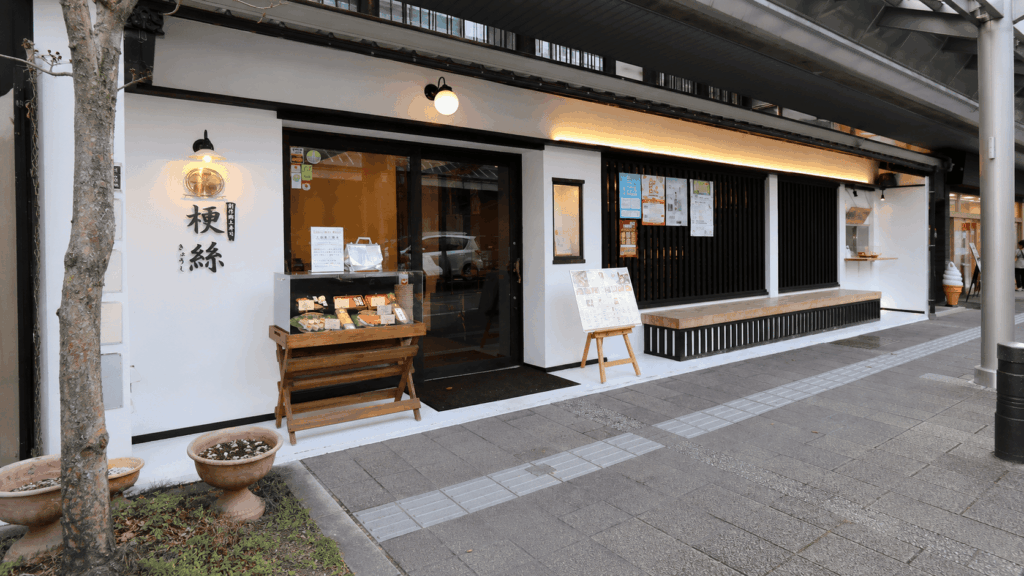
Kyoshi (officially 梗絲) is a straightforward restaurant near the Miyagawa River that serves halal Hida beef in several formats — sushi, teppan, and set meals. Their menu lists halal A5 Hida beef dishes; ask staff about the halal options, and confirm prayer-space availability directly if you need it. Google Maps ratings and traveler reviews consistently confirm the halal Hida beef and positive experiences.
- Hours: Lunch 10:00–15:30 (last order 15:00), Dinner 17:00–19:30 (last order 19:00) — note the afternoon break (15:30–17:00) and the early dinner close. Closed Wednesdays; Tuesdays are lunch-only.
- Booking: Walk-in is fine, but online reservations are also accepted (e.g. via HotPepper). Gets busy around lunch (12:00–13:30).
- Address: 2-82 Honmachi, Takayama (about 9 minutes on foot from the station).
- Best for: Muslim travelers who want halal Hida beef in a quick, reliable setting.
Kai’s tip: Kyoshi runs a split schedule — lunch until 15:30 (last order 15:00), then a break, then dinner 17:00–19:30 (last order 19:00). Dinner ends earlier than most travelers expect, and the restaurant is closed Wednesdays and serves lunch only on Tuesdays. If you’re arriving late afternoon or returning from a long Shirakawa-go day trip, you can easily fall into the 15:30–17:00 gap. The safest play is a late lunch (around 13:00–14:00) or an early dinner right at 17:00.
Restaurant ALICE — Halal Chicken Sukiyaki (Reservation Required)
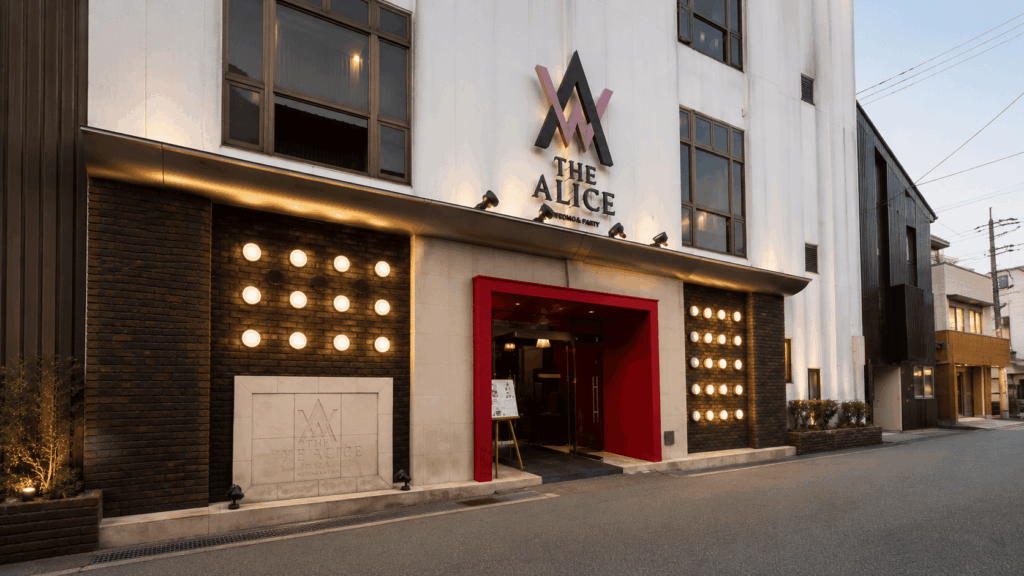
ALICE is a small halal-friendly restaurant near the Old Market (Sanmachi Suji) specializing in chicken sukiyaki — made with halal chicken, no pork, and no alcohol. The setting is modest and the menu focused. According to the Halal Gourmet Japan directory and traveler reviews, it is one of the few places in Takayama offering a Japanese hot pot experience that is fully halal-compliant.
- Booking: Required, at least 3 days in advance according to the restaurant’s listing.
- Hours: By reservation — confirm lunch/dinner timing when you book.
- Address: 87 Shimoichinomachi, Takayama. Near the Old Market. (Tel 0577-35-1122.)
- Best for: Muslim travelers who want a sit-down sukiyaki experience with advance planning.
Suzuya — Halal Beef (Walk-in)
As covered in the Suzuya section above, halal beef is available — and the cook-your-own format gives you full control over ingredients and cross-contamination. Multiple halal directories and traveler reviews confirm this. Note that the halal beef here is typically halal wagyu rather than certified Hida beef. Go early to avoid the queue.
Important: Heianraku Is Not Halal
Heianraku is excellent for vegetarian, vegan, and gluten-free dining — but its kitchen handles pork, and the owner explicitly states that strictly religious meals (halal or kosher) cannot be accommodated. Do not book Heianraku if you require halal.
Gluten-Free & Celiac: What’s Actually Safe
Gluten-free dining in Takayama is more doable than in most Japanese regional cities — but it requires more careful navigation than vegetarian or halal options. The good news: there are at least four restaurants where celiac travelers have reported positive experiences.
Suzuya — The Cook-Your-Own Advantage
As explained in the Suzuya section, the tabletop cooking format is inherently safer for celiacs because you control what touches your food. Recent celiac travelers on Find Me Gluten Free and celiac travel forums consistently rate Suzuya as a reliable option — the staff understands gluten, can adjust or swap soy sauce, and the grilling/pot cooking avoids shared fryers or cooking surfaces. That said, the GF-specific menu items have reportedly come and gone over the years, so confirm when you arrive and before ordering. Address: 24 Hanakawamachi, Takayama.
Heianraku (平安楽) — Best GF Booking in Town
Heianraku is a standout for gluten-free dining — the owner takes allergies seriously, menu items are clearly marked, and the kitchen can accommodate wheat-free requests with advance notice. The set menu (¥4,000) is built around Japanese-Chinese dishes that are naturally GF or easily adapted. The restaurant’s online booking system has a dietary notes field — use it.
- Crucial: Online reservation is mandatory. No walk-ins. Max 2 adults per 30-minute slot. Book at least a few days ahead.
- Address: 6-7-2 Tenmanmachi, Takayama.
Fukyuan — Gluten-Free Crepes & Desserts in a Traditional House
Fukyuan serves gluten-free and dairy-free crepes, pancakes, and soft serve made from rice flour — in a beautifully preserved traditional machiya house with a children’s playroom. It’s one of the most family-friendly options on this list. The crepes are filled with various toppings (fruit, chocolate, matcha) and are completely wheat-free. Address: 1-24 Motomachi, Takayama.
- Note: Fukyuan is not a “full meal” restaurant — it’s a dessert and light meal spot, and it is not a dedicated gluten-free facility. Best for a mid-afternoon break rather than lunch or dinner.
Sakurajaya — GF by Reservation Only
A small counter-style restaurant (about 8 seats) that can accommodate gluten-free diets — but only with advance notice. The owner — who has worked in the German hotel industry and understands celiac needs firsthand — prepares a custom meal plan for GF guests, down to fresh frying oil, a house-blended gluten-free soy sauce, and rice bread when notified ahead. Cash only. Important for celiacs: this is not a dedicated gluten-free facility, so if you have severe celiac disease, discuss cross-contamination risks directly when booking.
- Address: Check Google Maps — booking is via phone or through your accommodation.
Oyado Koto No Yume — GF-Friendly Accommodation
If you’re staying overnight in Takayama and gluten-free dining is a priority, consider Oyado Koto No Yume. This ryokan offers a choice of Japanese, Western, or fruit breakfast and can accommodate dietary requests — including gluten-free — when arranged in advance. Make your request at booking and confirm the specifics directly with the ryokan. It’s about a 2-minute walk from Takayama Station (near Hida Kokubunji).
If breakfast is the hardest part of your gluten-free plan, check current room availability for Oyado Koto No Yume on Klook and confirm dietary requests directly with the ryokan before booking.
The Hidden Traps: What Most First-Time Visitors Miss
Even at restaurants that say they’re “vegetarian” or “gluten-free,” there are three common pitfalls that catch travelers off guard in Takayama — and in Japan generally. Understanding these will save you from accidentally eating something you’re trying to avoid.
Trap 1: Dashi (Fish Broth) Is Everywhere
Most miso soup, noodle soup bases, simmered vegetables, and even some “vegetable” hot pots in Japan are made with dashi — stock made from dried bonito fish flakes (katsuobushi) or small sardines (niboshi). A dish that looks purely plant-based — like simmered daikon, spinach with sesame, or a bowl of miso soup — may still contain fish. Even shojin ryori at Buddhist temples avoids animal products by definition, but non-temple restaurants labeling something as “vegetarian” may use fish-based dashi without realizing it’s an issue for strict vegetarians or vegans.
What to do: When ordering at a restaurant that isn’t specifically on this list, ask “katsuobushi wa daijoubu desu ka?” (Does this contain bonito flakes?). At the restaurants recommended in this guide (Kakusho, Heianraku, Suzuya), the staff already understands this and adjusts accordingly.
Trap 2: Soy Sauce Is Wheat-Based
Standard Japanese soy sauce (shoyu) is made from wheat and soybeans. This means any dish seasoned with soy sauce — which is most Japanese savory dishes — is not gluten-free by default. Teriyaki sauce, ponzu (citrus soy sauce), sukiyaki broth, and even some salad dressings all contain soy sauce as a base ingredient. A celiac traveler ordering “grilled vegetables” may receive vegetables glazed in wheat-containing soy sauce.
What to do: The restaurants in this guide that are marked GF (Suzuya with notice, Heianraku, Sakurajaya by reservation) can provide GF tamari or adjust seasoning. Outside of these, assume soy sauce is present.
Trap 3: Sushi Vinegar Often Contains Wheat
Here’s an obscure one that trips up many celiac visitors: the vinegar used to season sushi rice (sushi-zu) is sometimes made with a wheat-derived vinegar base. Not all sushi rice contains gluten — but some does, and it’s rarely marked. This means even plain nigiri sushi (rice + fish) can trigger a reaction for very sensitive celiacs.
Kai’s tip: This is why cook-your-own restaurants like Suzuya are a surprisingly powerful option for specialty diets. When you control what goes onto your grill or into your pot — the meat, the vegetables, the seasoning — you eliminate the three biggest traps (hidden dashi, wheat soy sauce, and wheat vinegar) in one move. You’re not just choosing a restaurant; you’re choosing a format that hands the decision back to you. For first-time visitors to Japan who are navigating dietary restrictions, this single shift in how you think about dining — from “ordering safely” to “controlling ingredients yourself” — makes a bigger difference than memorizing a list of safe words.
How to Plan Your Meals: Timing, Booking & Movement
Having the right restaurants in your list is half the battle. The other half is understanding how Takayama’s dining reality works — because even the best restaurant is useless if it’s closed, full, or too far from your route.
The Core Problem: Small Capacity + No Reservations + Early Closures
Takayama’s dietary-friendly restaurants share a challenging combination of constraints:
- Most are tiny. Heianraku has ~12 seats (and serves in 30-minute slots). Sakurajaya has ~8. Kakusho’s dining room seats around 10.
- Popular walk-in spots mean queues. Suzuya doesn’t take reservations and regularly has 30–60 minute waits at peak; Kyoshi accepts online reservations but can still be busy at lunch and dinner peak.
- Dinner service ends early. Kyoshi closes at 19:30 (last order 19:00), with an afternoon break from 15:30. Even Suzuya, which stays open until around 21:00, has its longest queues at 18:00–19:00.
- Takayama is not a late-night dining city. Most restaurants close by 20:00–21:00. After 19:30, your options shrink dramatically (read more on what to expect from Takayama at night).
The Strategy: Book Your “Safe” Meals for Lunch or Late Afternoon
The most common mistake I see travelers make is arriving in Takayama in the late afternoon, assuming they can find dinner at 19:00–20:00 at one of the recommended restaurants — only to discover Kyoshi is on its afternoon break, Suzuya has a 50-minute queue, and Heianraku requires a reservation made days in advance. The result: they end up eating convenience store onigiri.
Kai’s tip: Here’s the planning rule that works in Takayama: secure your safe meal for lunch or early afternoon (11:30–14:00), not for dinner. Book Heianraku for lunch when their 30-minute slot system is easiest. Hit Suzuya at 11:30 when it opens, before the queue forms. Visit Kyoshi for halal Hida beef at 13:00, comfortably within its lunch service (last order 15:00). Use dinner for something flexible or pre-arranged — or use your accommodation’s breakfast/dinner option if you’re staying at Oyado Koto No Yume or a ryokan that accepts dietary requests in advance. This one shift — treating your “special diet meal” as a daytime priority, not an evening afterthought — is the single most reliable way to avoid going hungry in Takayama.
One Night vs. Day Trip: Which Makes Sense?
If you’re on a tight schedule and wondering whether a day trip from Nagoya or Matsumoto is enough (or trying to decide how many days to stay, see our detailed Takayama itineraries spanning one to three days): yes, you can eat well in Takayama on a day trip — if you plan your meal timing carefully. The safest move is to arrive by 10:00–11:00 and target either a pre-booked Heianraku lunch (11:30 slot) or an early Suzuya visit (11:30 opening). That gives you a secure meal before wandering the Old Town, and you can grab a light dessert at Fukyuan before your departure.
If your schedule allows an overnight stay, you gain the ability to book multiple restaurants — dinner at Kakusho one evening, lunch at Heianraku the next day — without the pressure of a train departure. Given how small and tightly booked these restaurants are, one night is genuinely valuable for dietary travelers.
What to Prepare Before Your Trip
A little preparation goes a long way in a city like Takayama, where English levels vary and dietary awareness isn’t universal outside the recommended restaurants.
1. Bring a Dietary Restriction Card (English + Japanese)
Having your dietary requirements written in Japanese — legibly, on paper or on your phone — is the single most useful tool you can carry. A card that says:
“Watashi wa bejitarian desu. Sakana, niku, dashi o taberaremasen.” (I am vegetarian. I cannot eat fish, meat, or fish stock.)
…or the halal equivalent:
“Haramu o sakete kudasai. Niku to jakō wa daijōbu desu.” (Please avoid haram. Halal meat and prawns are okay.)
Print a few copies. Show them at restaurants, shops selling prepared food, and when discussing meals at your accommodation. Even at the recommended restaurants, a written Japanese card removes ambiguity.
2. Learn the Word “Yasai-Only” (野菜だけ)
In casual settings like izakaya (Japanese pubs) or market stalls, saying “yasai-only” (vegetables only) is often understood better than a full explanation. It won’t guarantee that the vegetables aren’t cooked in fish-based dashi — but it’s the quickest way to communicate “no meat, no fish” in situations where the staff doesn’t speak English.
3. Use Google Translate’s Camera Mode for Menus
Most small restaurants in Takayama don’t have English menus. Open Google Translate, point your phone’s camera at the menu, and it will overlay an English translation in real time. It’s imperfect — but it catches the words you need: niku (meat), sakana (fish), komugi (wheat), gyunyu (milk), tamago (egg).
4. Confirm Directly Before You Go
Kai’s tip: This matters more than any other piece of advice in this guide. Takayama’s Food Barrier-free Association is a genuine initiative, and the restaurants listed here have real track records — but individual staff members change, supply chains shift, and menu items come and go. A restaurant that served halal Hida beef in January may have a different supplier by June. A gluten-free-friendly chef may be off on the day you visit. The travelers who consistently eat well in Takayama are the ones who confirm directly — by calling, emailing, or having their hotel front desk call — a few days before their meal. Japanese restaurants, especially family-run ones, respond much better to a clear, pre-arranged request than to a walk-in who needs 15 minutes of explanation. A 30-second phone call from your hotel’s front desk can save you an hour of confusion at dinner.
If You’re Day-Tripping to Shirakawa-go
Shirakawa-go — the UNESCO-listed village of thatched-roof farmhouses — is the most common day trip from Takayama (if you’re planning this route, see our practical Shirakawago itinerary guide), and it creates a specific dietary problem.
The Problem: Shirakawa-go Has Almost No Dietary-Friendly Dining
Shirakawa-go is a tiny village (about 600 residents) with a handful of restaurants, most of which serve set meals built around Hida beef, grilled fish, or pork. There is no halal-certified restaurant in the village. There is no restaurant with a vegan or gluten-free menu. The handful of cafes offer drinks and light snacks but not substantial meals. If you have dietary restrictions, you cannot rely on Shirakawa-go for lunch or dinner.
The Strategy: Eat Your Safe Meal in Takayama Before Departure
If you’re visiting Shirakawa-go as a day trip (which is how most travelers see it), the right approach is:
- Have your main meal in Takayama — either an early lunch before the bus departure (aim for an 11:00–11:30 slot at Suzuya or a pre-booked Heianraku) or pack a bento from a dietary-friendly source in Takayama.
- Carry snacks for the village — fruit, rice crackers (check ingredients for wheat), nuts, or GF crackers. You’ll find drinks and soft serve in Shirakawa-go, but not a meal that meets most dietary needs.
- If you’re on a tour (private or small group), ask your guide in advance whether lunch in Shirakawa-go can be arranged to fit your diet — a good private guide can arrange a bento from Takayama or contact a village restaurant ahead of time.
Kai’s tip: This is where the “secure your safe meal before 14:00” principle becomes doubly important. If you plan a Shirakawa-go day trip, the bus schedule usually means you depart Takayama around 09:00–10:00 and return around 15:00–16:00. That pushes your main meal to either an awkwardly early breakfast or a late-afternoon return — by which time Kyoshi’s lunch service is ending (and it then breaks until 17:00) and Heianraku is off-schedule. The travelers I’ve seen handle this best eat a substantial late breakfast / early lunch in Takayama before boarding the bus (Suzuya at 11:00 is perfect for this — the queue is still short), snack lightly in Shirakawa-go, and eat dinner back at their Takayama accommodation or at a convenience store (FamilyMart and 7-Eleven both carry GF onigiri, rice balls, and basic vegetarian options). It’s not a glamorous dinner strategy — but it’s better than being hungry in a village with no alternatives.
If you fall into that camp — you want Shirakawa-go, but you cannot gamble on lunch options in the village — this is the one booking to compare before going fully DIY.
Why I’d book this one
- Recent travelers tend to highlight thoughtful, flexible guides or drivers who keep the day moving without making it feel rushed.
- The private format matters when your meal timing is fixed: you are not trying to solve buses, sightseeing, and safe food all at once.
- You can check live start times, pickup details, cancellation terms, and recent reviews before deciding whether DIY still makes sense for your date.
See live availability, pickup options, and recent traveler reviews for this private Takayama and Shirakawa-go day tour.
FAQ
Is Takayama safe for vegetarians and vegans?
Yes — more so than most regional Japanese cities. Between Kakusho’s shojin ryori (Buddhist vegetarian kaiseki), Heianraku’s clearly marked vegan set menu, Suzuya’s Sansai-Miso Nabe (vegetarian, vegan on request), and casual options like EvilTex, you have real choices spanning ¥1,300 to ¥21,000 per meal. The catch is that you need to go to the right restaurants — walking into a random Hida beef specialty shop and asking for a vegetarian meal will not work.
Are there halal restaurants in Takayama?
Yes. Kyoshi serves halal Hida beef and sushi (halal menu available; confirm prayer space if needed), Suzuya offers halal beef in a cook-your-own format, and Restaurant ALICE provides halal chicken sukiyaki by advance reservation. These three cover different price points and formats, so there’s a realistic option for most halal travelers.
Can celiac travelers eat safely in Takayama?
Yes, with careful restaurant selection. Suzuya’s tabletop cooking format is inherently GF-safe. Heianraku has clearly marked gluten-free menu options (online booking required). Fukyuan serves rice-flour crepes. Sakurajaya accommodates GF by reservation. The key is avoiding restaurants that rely on soy sauce (wheat-based) or fish-based dashi — which means you need to choose your restaurant deliberately rather than eating at a typical izakaya or ramen shop.
Do I need to book restaurants in advance in Takayama?
For some, yes — and the consequences of not booking are real. Heianraku (online booking, ~12 seats, 30-minute slots) and Kakusho (kaiseki requires reservation) are essentially impossible to walk into. Restaurant ALICE requires at least 3 days’ notice. Suzuya is walk-in only, and Kyoshi (which also accepts online reservations) often has walk-in queues — both can mean 30–60 minute waits during peak hours. If you’re visiting on a weekend or during a festival season (April, October, November), the queues are longer and the reservation-only restaurants fill up faster. Booking at least a few days ahead for Heianraku and Kakusho is strongly recommended.
What if I arrive in Takayama late — can I still find food that fits my diet?
This is the biggest risk. Most dietary-friendly restaurants serve lunch 11:30–14:00 and have early dinner hours. Kyoshi’s dinner ends at 19:30 (last order 19:00). Heianraku’s dinner ends by 19:30. Suzuya stays open until around 21:00 but has long queues at dinner peak. After 19:30, your reliable options shrink dramatically. If you arrive late, your best fallback is a convenience store (FamilyMart, 7-Eleven) for onigiri (rice balls), salad packs, and fruit — or a properly stocked bento from your accommodation if you arranged it in advance.
Is Shirakawa-go safe for dietary restrictions?
No — not for a full meal. Shirakawa-go has no halal-certified restaurant, no dedicated vegan or gluten-free restaurant, and most village restaurants serve Hida beef set meals or grilled fish. Carry a packed lunch or snacks from Takayama, and treat your main meal as something you eat before the bus or after your return. A private guide can sometimes arrange dietary accommodation in advance — but don’t count on it without explicit confirmation.
Can I bring my own food into restaurants in Japan?
No — bringing outside food into a restaurant is not customary and would likely be refused. If you’re carrying dietary-specific items (GF bread, halal snacks, etc.), eat them outside the restaurant or in your accommodation, not at a restaurant table.
Do convenience stores in Takayama carry vegetarian / halal / GF food?
Partially. FamilyMart and 7-Eleven carry onigiri (check the labels — some contain fish or bonito flakes), salad packs, fruit cups, boiled eggs, and plain rice. For GF travelers, onigiri made with plain rice and no soy sauce seasoning (like umeboshi or salt-based varieties) can work. For halal travelers, convenience store food is generally not halal-certified — read labels for any mention of pork or alcohol. These are emergency options, not a meal plan.
What’s the best restaurant for a group with mixed dietary restrictions?
Suzuya is the strongest pick. It covers vegetarian, vegan (Sansai-Miso Nabe), halal (cook-your-own beef), and GF (cook-your-own format) in the same restaurant — so meat-eaters can have Hida beef sukiyaki while someone else orders the vegetarian Sansai-Miso Nabe at the same table. Heianraku is a good second option for vegetarian + GF combinations, but it cannot accommodate halal due to its kitchen handling pork. For very mixed groups (halal + vegetarian + GF simultaneously), Suzuya is effectively the only one-stop choice.
Final Verdict: Which Choice Fits Your Traveler Type
For first-time visitors to Japan who are vegetarian or vegan
Book Kakusho for the experience — a traditional shojin ryori kaiseki in a 200-year-old building is the kind of meal that becomes a travel memory, not just a safe meal. For your second meal, use Suzuya for a casual, affordable option. Heianraku as a backup if Kakusho is fully booked. Cost range per meal: ¥1,300–¥6,000+.
For Muslim travelers / halal dining
Your best anchor is Suzuya (walk-in, halal beef, cook-your-own format) — go at 11:30 when it opens to avoid the queue. For a sushi experience, Kyoshi for lunch (it breaks mid-afternoon and dinner ends at 19:30, so don’t bank on a late dinner). For a sit-down sukiyaki, book ALICE at least 3 days in advance. If you’re visiting for more than one day, you can rotate between Suzuya and Kyoshi without repeating. Cost range per meal: ¥2,000–¥4,000.
For celiac / gluten-free travelers
Plan your main meal around Heianraku or Suzuya — one is a sit-down GF-friendly meal, the other is a cook-your-own format with maximum control. Add Fukyuan for a GF rice-flour crepe in the afternoon. If you’re staying overnight, Oyado Koto No Yume with a GF breakfast request covers your morning. Avoid any restaurant not on this guide unless you’ve confirmed GF accommodation in advance. Cost range per meal: ¥1,300–¥4,000.
For travelers on a very tight schedule (day trip from Nagoya / Matsumoto)
Arrive by 10:00–11:00. Eat lunch at Suzuya when it opens (short queue at 11:30). Spend the afternoon sightseeing in the Old Town and Sanmachi Suji. If you have time, visit Fukyuan for a GF dessert before your return train. Do not save your dietary meal for dinner — the timing risk is too high. If you’re combining Takayama with Shirakawa-go in one day, eat your main meal in Takayama before the bus and carry snacks for the village.
For families with dietary restrictions
Suzuya is family-friendly (cook-your-own is engaging for kids, and the restaurant is used to families). Heianraku’s 30-minute slot system is tight with small children. Fukyuan has a dedicated children’s playroom and serves GF rice-flour crepes that most kids enjoy. If your family has multiple dietary needs, Suzuya is again the strongest pick — the vegetarian, halal, and GF options can all be ordered at the same table while meat-eaters enjoy Hida beef.
For repeat visitors who already know the basics
Try something you haven’t done before: Kakusho’s shojin ryori kaiseki if you visited as a vegetarian and only ate at Suzuya last time, or ALICE’s chicken sukiyaki if you previously visited as a halal traveler and only tried Kyoshi and Suzuya. Takayama’s dietary scene is small enough to exhaust in 2–3 visits — but the seasonal variation in Kakusho’s menu and the rotating set menu at Heianraku give returning visitors enough reason to revisit a favorite.
The bottom line in one sentence
Takayama is not a dietary-restriction desert, but it rewards planning: book where you can, queue early where you can’t, and treat your safe meal as a lunchtime priority — and you’ll leave full, not frustrated.

Hi, I’m Kai. I’m a Tokyo-based travel writer, tourism industry insider, and the author of a published guidebook for international visitors to Japan. With over 10 years of professional experience at a leading Japanese tourism company, my mission is to help you skip the tourist traps and navigate Japan’s best destinations like a local. I believe the perfect day trip is like a traditional kaiseki meal: a beautiful balance of precise planning and unforgettable seasonal discovery. When I’m not out conducting field research, you’ll usually find me drafting new itineraries with one of my favorite fountain pens!