
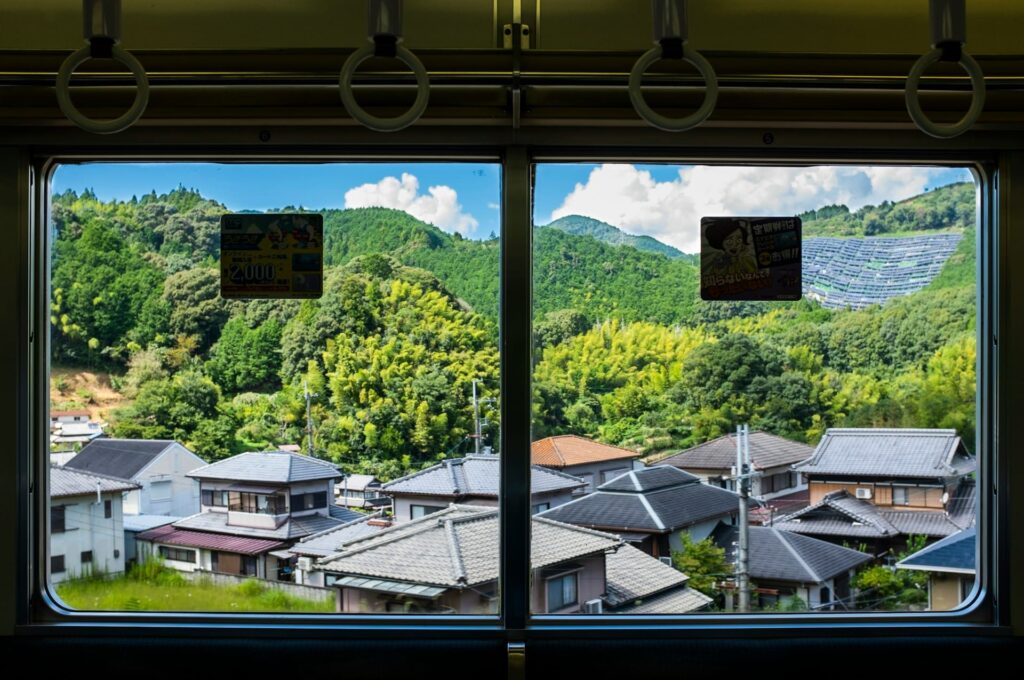
Planning shortcut: If the train–cable car–bus chain is the part making you hesitate, check current start times, meeting points, itinerary details, and recent traveler reviews for this small-group Mount Koya tour from Osaka before committing to the DIY schedule below.
Can You Visit Koyasan as a Day Trip? The Honest Verdict
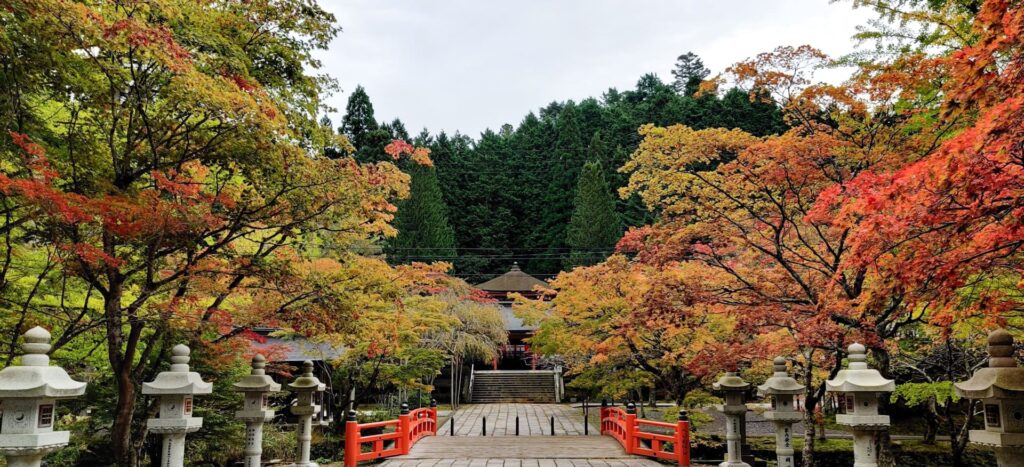
Yes — if you start from Osaka, leave early, and limit your visit to the three essential sites. Koyasan (Mount Koya) works as a long day trip from Osaka because the direct train and cable car corridor through Nankai Railway is well connected. The catch is that most visitors underestimate the total door-to-sight time: the trek from your accommodation to your first temple involves a train, a cable car, and a bus, and the journey takes noticeably longer than the widely cited “90 minutes from Osaka.”
From Kyoto, a day trip is possible but long. From Tokyo or the Kanto region, I would not recommend treating it as a same-day sightseeing excursion. Having once traveled from the Kanto area to Koyasan via Osaka — even with an overnight stay planned — I found that the combination of shinkansen, limited express, cable car, and bus added up to a level of travel fatigue that makes a same-day Tokyo round trip impractical for most visitors.
Here is the quick verdict by starting point, followed by a practical one-day itinerary for those who decide to go ahead.
Quick Verdict by Starting Point
| Starting Base | Verdict | Approx. Door-to-Sight Time | Usable Time on the Mountain | Best For | Main Caution |
|---|---|---|---|---|---|
| Osaka (Namba / Nippombashi) | ✅ Yes — realistic with early start | 2–2.5 hours (hotel → first sight) | 4–5 hours | Most day-trippers; first-time visitors comfortable with public transport | Leave accommodation by 7:30 AM at the latest |
| Osaka (Shin-Osaka area) | ✅ Yes — add 20–30 min via Midosuji subway | 2.5–3 hours | 3.5–4.5 hours | Shinkansen users based near Shin-Osaka | Factor in subway transfer to Namba |
| Kyoto | ⚠️ Possible but tiring | 3–4 hours | 2.5–3.5 hours | Motivated travelers willing to trade comfort for the experience | Direct bus runs Apr–Nov only; train route requires one transfer |
| Tokyo / Kanto | ❌ Not a sensible day trip | 5–6 hours | 0.5–1.5 hours | — | Technically possible but the time on the mountain does not justify the travel cost and fatigue |
| Overnight at Koyasan | Different trip — a full evening + morning experience | — | Full afternoon + evening + next morning | Temple stay seekers; those who want Okunoin at dusk and dawn | Requires advance booking at a shukubo (temple lodging) |
How Long Does a Koyasan Day Trip Really Take?
The figure you often see — “90 minutes from Osaka” — refers to the limited express train ride from Namba Station to Gokurakubashi Station at the foot of the mountain. What it leaves out is everything else: the walk or subway from your hotel to Namba, the transfer to the cable car at Gokurakubashi, the five-minute ride up the mountain, the bus ride from Koyasan Station into the town center, and the waiting time between each leg. When you add these up, the actual time from your Osaka accommodation to your first temple is closer to two to two and a half hours.
Kai’s tip: The mistake I see first-time visitors make is building their schedule around the Namba–Gokurakubashi train time alone. The return journey is what catches people out — you need to reverse the entire chain in the afternoon, and a missed bus connection at Koyasan Station can cascade into a 30- to 40-minute delay on the way home. Always calculate from your hotel door, not from the train platform.
The Standard Route From Osaka
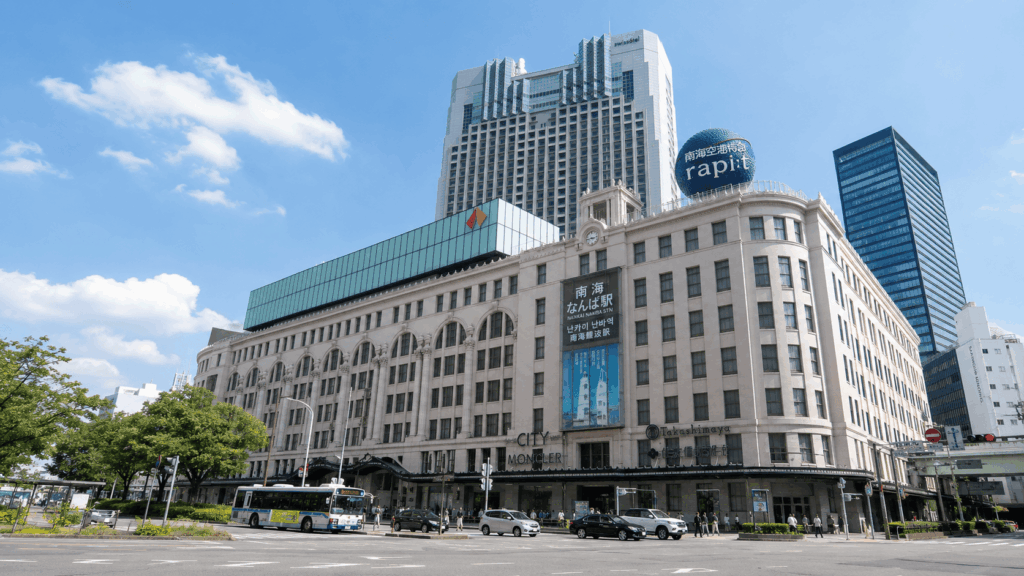
All independent travel to Koyasan from Osaka follows the same route, operated by Nankai Electric Railway:
- Namba Station → Gokurakubashi Station via the Nankai Koya Line. The fastest option is the Limited Express Koya (all reserved seats, about 80 minutes, base fare ¥1,430 + limited express fee ¥790–¥1,100 depending on when you buy). These trains run roughly four round trips per day, so if you miss one, the next regular express or rapid express takes about 100 minutes and may require a transfer at Hashimoto Station.
- Gokurakubashi → Koyasan Station via the Koyasan Cable Car (5 minutes, about ¥500). The cable car runs frequently during daytime hours.
- Koyasan Station → town center via the Nankai Rinkan Bus (about 10 minutes, ¥460 to the Senjuinbashi stop). Walking between the cable car top station and the town is not permitted.
A round trip using regular trains and the cable car costs roughly ¥3,500–¥4,000 in base fares alone. The Koyasan World Heritage Digital Ticket (¥3,980 regular version) bundles the round trip from Namba, the cable car, and unlimited bus use on the mountain for two consecutive days, and also provides small discounts on selected temple admissions. The Limited Express version (¥4,910 digital) includes one reserved seat on the outward limited express. Note that the digital ticket is smartphone-based, so a charged battery is essential.
Station-to-Station Time vs. Door-to-Sight Time
The difference matters most on a day trip because every minute of travel reduces your time on the mountain. Here is a realistic breakdown of the outward journey from a hotel in central Osaka (Namba or Nippombashi area):
| Leg | Time | Notes |
|---|---|---|
| Hotel → Namba Station (walk or one-stop subway) | 10–15 min | Depends on your exact accommodation location |
| Ticket purchase / platform access | 5–10 min | Longer if you need to buy a paper ticket or Heritage Ticket |
| Namba → Gokurakubashi (Limited Express Koya) | ~80 min | Shorter time but fewer departures; express trains ~100 min |
| Gokurakubashi → Cable car boarding (transfer) | 5–15 min | Connections are usually coordinated but not guaranteed |
| Cable car ride | 5 min | Leaves every 15–30 min depending on the time of day |
| Koyasan Station → Bus to first sight | 5–20 min | Includes waiting time; bus route depends on your first stop |
| Total (hotel to first sight) | ~2–2.5 hours | Best case with good connections |
What surprised me most when I made this trip from the Kanto region was that the journey from Osaka onward — the train, cable car, and bus chain — felt longer than the shinkansen ride that preceded it. The individual connections are not difficult, but the cumulative effect of three vehicle changes plus waiting time is easy to underestimate, especially if you are carrying a daypack and planning to do a full circuit of the mountain’s sights.
Why a Tokyo or Kanto Day Trip Does Not Make Sense
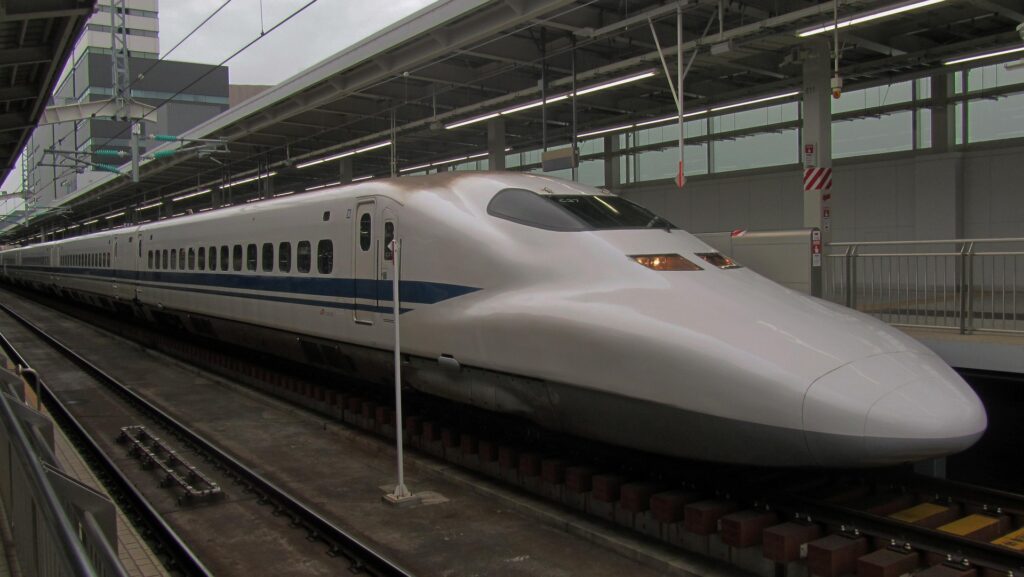
A day trip from Tokyo to Koyasan is technically possible with an early start and a late return. Here is why I would recommend against it:
A realistic door-to-door journey from a central Tokyo hotel to Okunoin requires: a train to Tokyo Station (15–30 min), a shinkansen to Shin-Osaka (2.5 hours), the Midosuji subway to Namba (15 min), the Nankai limited express to Gokurakubashi (80 min), the cable car (5 min), and the bus (10 min). In the best scenario, that is roughly five hours each way. You would arrive at your first sight between 12:30 PM and 1:30 PM and need to start heading back by 3:00 PM to reach your Tokyo hotel at a reasonable hour — leaving you with 60 to 90 minutes on the mountain.
When I traveled from the Kanto region to Koyasan with a friend via Osaka, we had built in an overnight stay, and the journey still felt substantial. The transport chain from Osaka to Okunoin alone — even without luggage — took nearly three hours door-to-sight. A same-day round trip from Tokyo would compress the mountain experience into little more than a quick visit to one or two sights, while adding significant fatigue to the following day of travel.
If you are based in Tokyo and considering visiting Koyasan, the better approach is to add it to a Kansai segment of your itinerary (see our guide on how to get to Koyasan from Tokyo): travel to Osaka, stay overnight, and do Koyasan as a day trip from there — or better yet, stay overnight at a temple lodging to experience Okunoin in the evening and morning light.
A Realistic Koyasan One-Day Itinerary From Osaka
This itinerary is designed for the Osaka-based day-tripper who leaves early, moves efficiently, and accepts that three sites are the realistic maximum. It prioritizes Okunoin, Kongobu-ji, and Danjo Garan — the three experiences that define a first visit to Koyasan — and leaves room for one optional stop if things run smoothly.
Early Morning — Leave Osaka Before the Day Gets Compressed
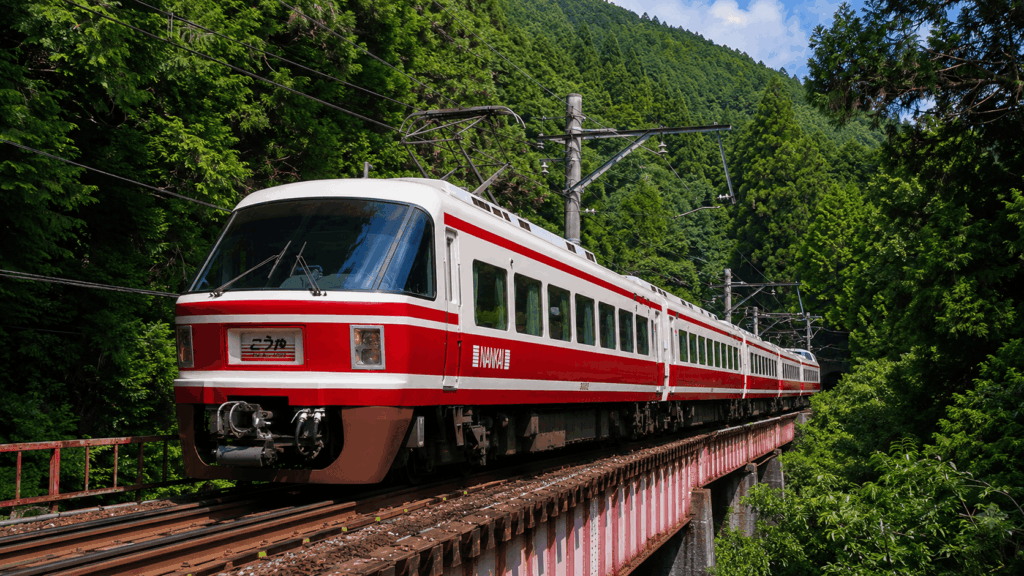
Your window of productive sightseeing on the mountain is roughly 9:30 AM to 4:30 PM (about seven hours, of which walking and transport within Koyasan take up some). Every 15 minutes you delay your departure shrinks that window. Aim to be on a train leaving Namba by 7:30 AM at the latest.
If you are staying in the Shin-Osaka area, take the Midosuji subway to Namba (about 15 minutes) and factor in an extra 20–30 minutes total. If your hotel is within walking distance of Namba Station (many hotels in Namba, Shinsaibashi, and Nippombashi are), you can save that step.
Check the Nankai Railway website the night before for the morning’s limited express departures. If the first Limited Express Koya is too early or already sold out, an express train with a transfer at Hashimoto is the next best option — it takes about 20 minutes longer but runs more frequently.
Morning — Make Okunoin Your First Priority
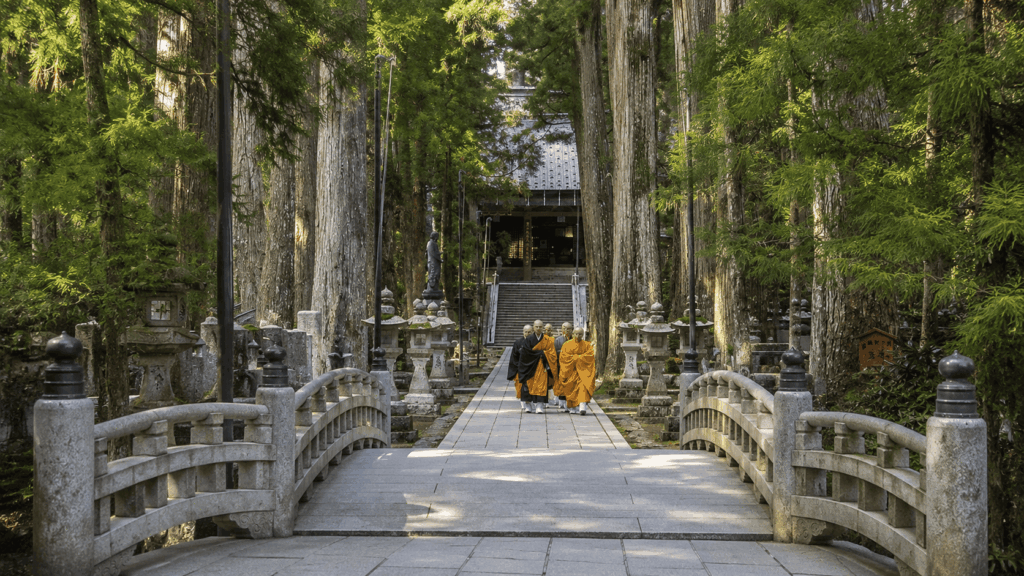
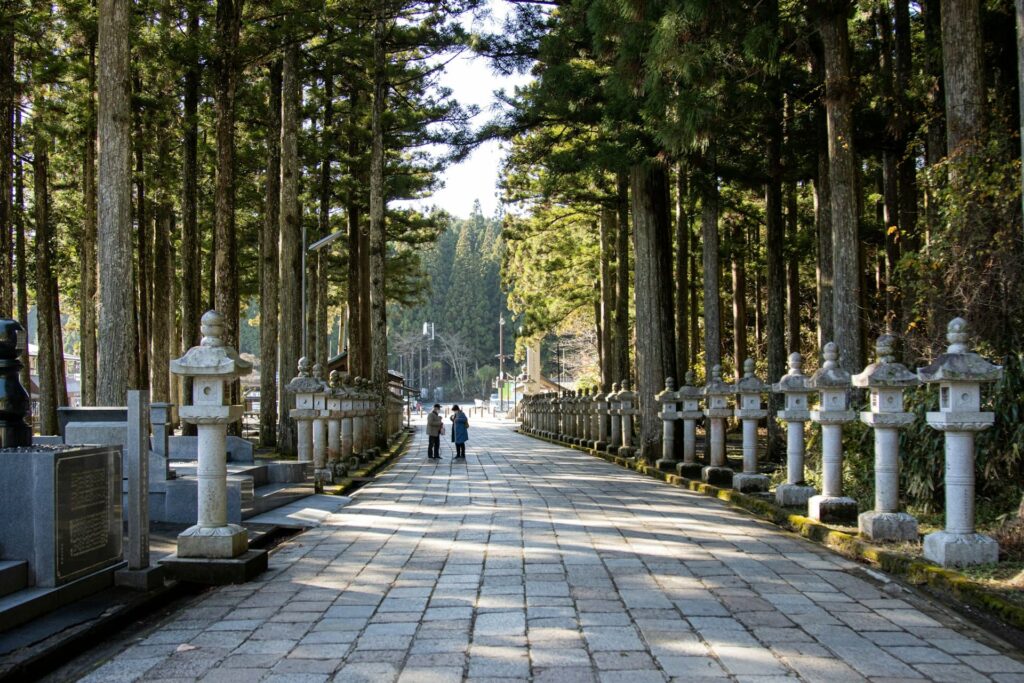
Okunoin, the vast forest cemetery and mausoleum of Kobo Daishi (Kukai), is the single most important site on Koyasan and the one that benefits most from being visited early, when the cedar-lined paths are quiet and the morning light filters through the canopy.
From Koyasan Station, take the Nankai Rinkan bus to the Okunoin-mae bus stop (about 15 minutes). From there, you have a choice of two approaches:
- Full approach (Ichinohashi Bridge to Gobyo Bridge): Walk the entire 2-kilometer path from the Ichinohashi Bridge through the cemetery of towering cedar trees, past stone monuments dedicated to historical figures from feudal lords to modern corporations, to the Gobyo Bridge. Plan for 60–90 minutes one way including pauses.
- Short approach (start from Okunoin-mae): Walk directly from the bus stop to the inner precinct. This saves 20–30 minutes of walking but skips the first section of the cemetery. The essential atmosphere — the lantern-lit Torodo hall, the mausoleum itself — is the same from either approach.
Kai’s tip: Most first-time visitors underestimate the time Okunoin needs. I see people allocate 30 minutes on paper, when the full walk from Ichinohashi to the mausoleum and back is closer to 90 minutes at a comfortable pace. If you are short on time, take the short approach from the Okunoin-mae bus stop — you still get the full cemetery atmosphere without the extra walking distance. The key is to arrive before 10 AM, when the tour groups start arriving and the path becomes noticeably busier.
After visiting the inner sanctum, walk back toward the Okunoin-mae bus stop. By now it will be roughly 10:30–11:00 AM depending on how long you spent on the path.
Midday — Lunch and Kongobu-ji
Take the bus from Okunoin-mae to Senjuinbashi (about 10 minutes), the central intersection of Koyasan. The tourist information center and most temple entrances are within a few minutes’ walk from here.
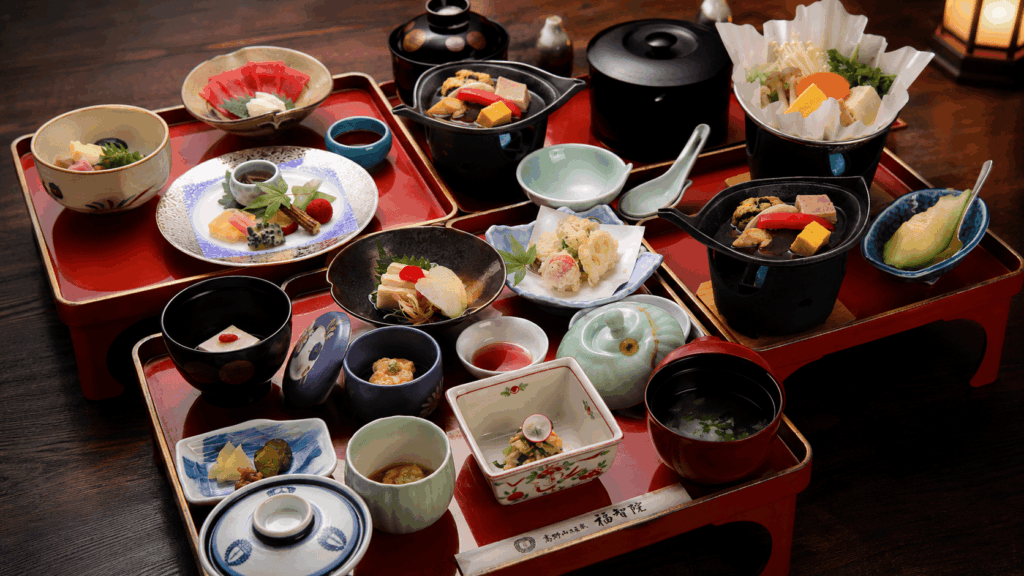
Lunch — Several temples on Koyasan serve shojin ryori (Buddhist vegetarian cuisine) for lunch, typically around ¥2,500–¥3,500 per person. Some require advance reservation; others accept walk-ins between 11:30 AM and 2:00 PM (for specific recommendations, check out our guide on where to eat in Koyasan). The Koyasan Tourist Information Center can help confirm availability on the day. If you are on a tight schedule, a lighter meal or carry-on snacks can save time — the afternoon itinerary is more forgiving with an earlier lunch finish.
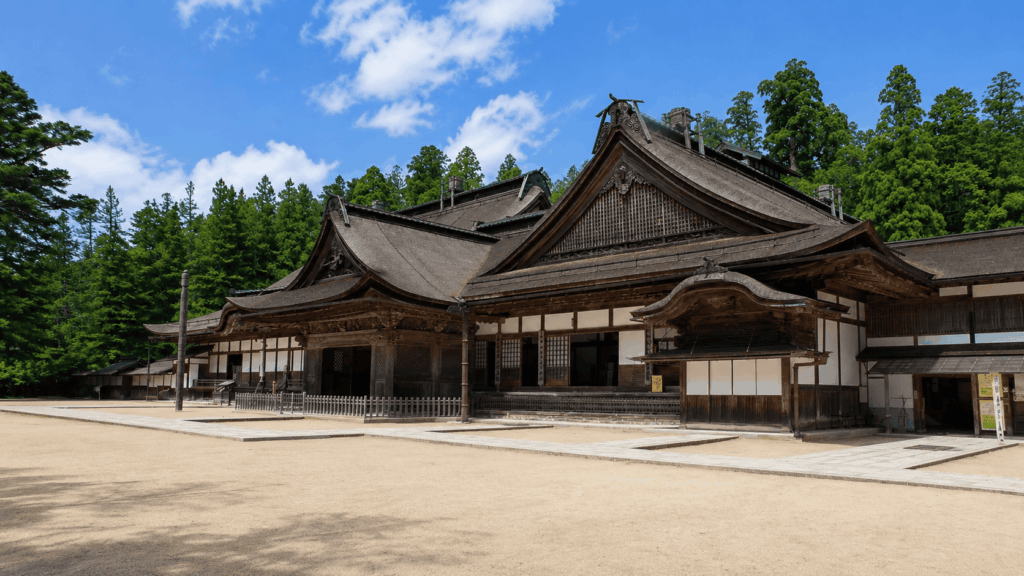
After lunch, walk to Kongobu-ji (about 5 minutes from Senjuinbashi), the head temple of Shingon Buddhism. The temple is open from 8:30 AM to 5:00 PM (last entry at 4:30 PM). Admission is ¥1,000. The two main experiences here are:
- The Banryutei rock garden — Japan’s largest Zen rock garden, laid out in a pattern said to represent a pair of dragons. Take a seat on the wooden veranda and spend at least 10 minutes observing it from different angles.
- The interior halls — Fusuma sliding doors painted with vivid images, including the famous “Ogu” (crows) and “Tsuru” (cranes) panels. The corridors are spacious and easy to navigate at a self-guided pace.
Allow 45–60 minutes inside Kongobu-ji. By the time you exit, it will be roughly 1:00–1:30 PM.
Afternoon — Danjo Garan, Then One Optional Stop
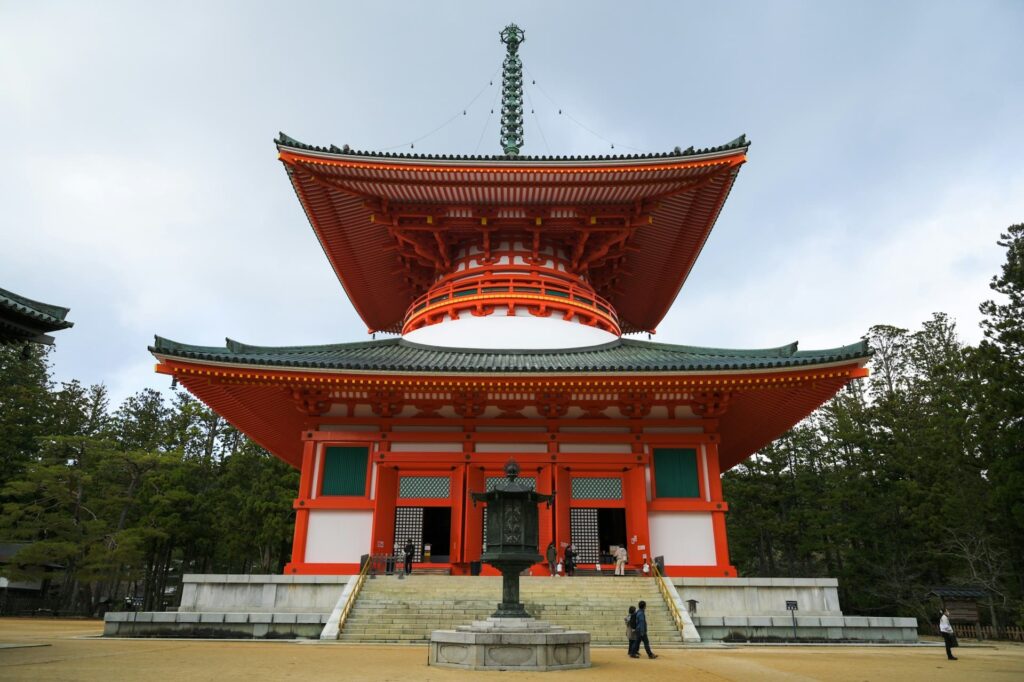
From Kongobu-ji, walk south toward Danjo Garan (about 10 minutes on foot), the original sacred precinct where Kobo Daishi began his mountain retreat. This is the architectural and spiritual heart of Koyasan. The two essential structures inside the precinct are:
- Konpon Daito (¥500) — the towering red pagoda that has become the visual symbol of Koyasan. The interior is decorated with esoteric Buddhist mandalas depicting the cosmic Buddha. Allow 15–20 minutes.
- Kondo Hall (¥500) — the main hall of the precinct, rebuilt multiple times after fires. The current structure dates from 1934 and houses a central Amida Buddha statue. Allow 10–15 minutes.
A combined ticket for Kongobu-ji, Konpon Daito, Kondo Hall, Reihokan Museum, and Tokugawa Mausoleum is available for ¥2,500, but note that this ticket is valid only when you visit all five locations — it only saves you money if you actually use all five.
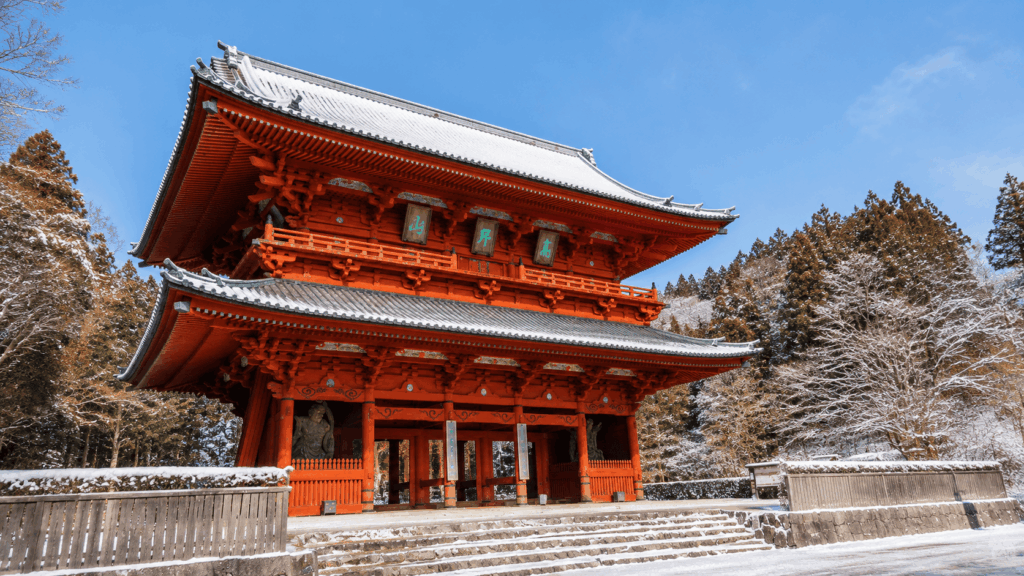
By now it will be roughly 2:30–3:00 PM. You have one remaining slot for an optional stop before you need to start thinking about the return:
- Daimon (the Great Gate) — A massive vermillion gate marking the southern entrance to the sacred town. It is a 15-minute walk from Danjo Garan (or a short bus ride). Free, no entry deadline, and offers a good vantage point for photos looking back toward the precinct. Best for: photography and a quick walk-through.
- Reihokan Museum (¥1,300, open until 5:00 PM, last entry 4:30 PM) — Houses rotating exhibitions of Buddhist art, sculptures, and mandalas brought from across Japan. Allow 30–40 minutes. Best for: art and history enthusiasts who want to see carefully displayed artifacts alongside interpretive English text.
- Tokugawa Mausoleum — Two ornate mausoleums built for Tokugawa Ieyasu and Hidetada. The site is calm and usually uncrowded. Covered by the combined ticket. Allow 15–20 minutes.
Choose one of these options — not two. The afternoon passes quickly on Koyasan, and a rushed return to the bus stop is the most common source of anxiety on the way home.
Late Afternoon — Protect Your Return Buffer
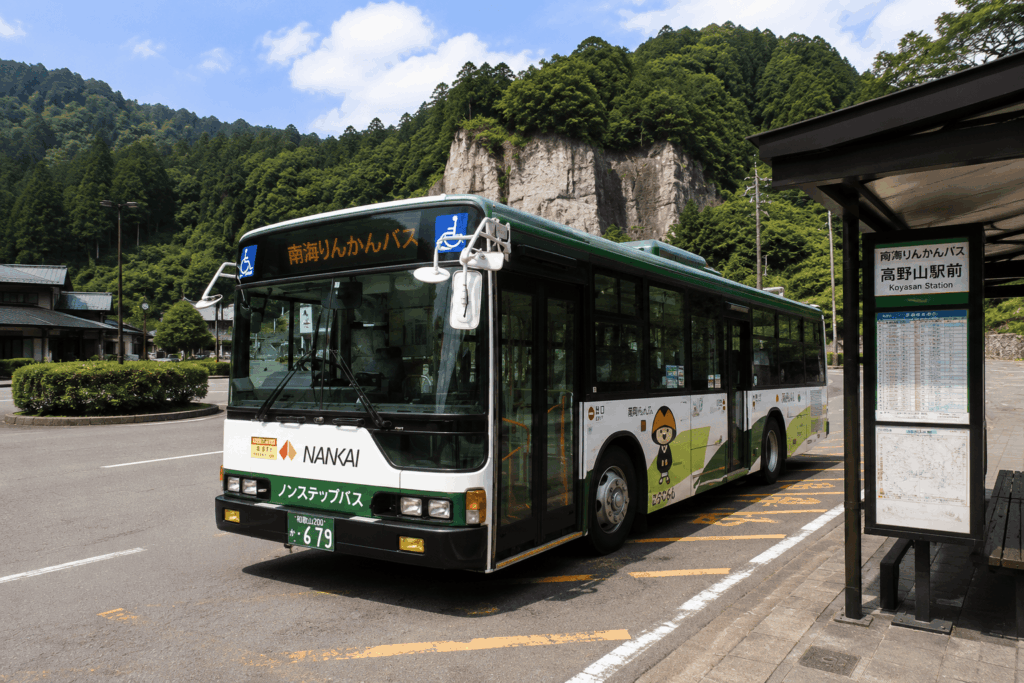
The last bus from the town center to Koyasan Station typically departs around 5:30–6:00 PM depending on the season, and the last cable car descends shortly after that. However, the most reliable strategy is to aim for a return bus at least one connection before the last one. If you plan for a 4:30–5:00 PM bus from Senjuinbashi, you have a comfortable window to reach Koyasan Station, descend the cable car, and catch an express train back to Namba by 7:00–7:30 PM.
The reverse timing breakdown looks like this:
| Leg (return) | Time |
|---|---|
| Last sight → Senjuinbashi bus stop (walk) | 5–15 min |
| Bus to Koyasan Station | ~10 min |
| Cable car descent + transfer | ~15–20 min |
| Gokurakubashi → Namba (express or limited express) | 80–100 min |
| Namba → Hotel (walk / subway) | 10–15 min |
Check the Nankai Railway website on the day for the exact return times. Lines can run less frequently in the late afternoon, and a 30-minute gap between connections is not unusual.
What to See, and What to Skip, on a One-Day Visit
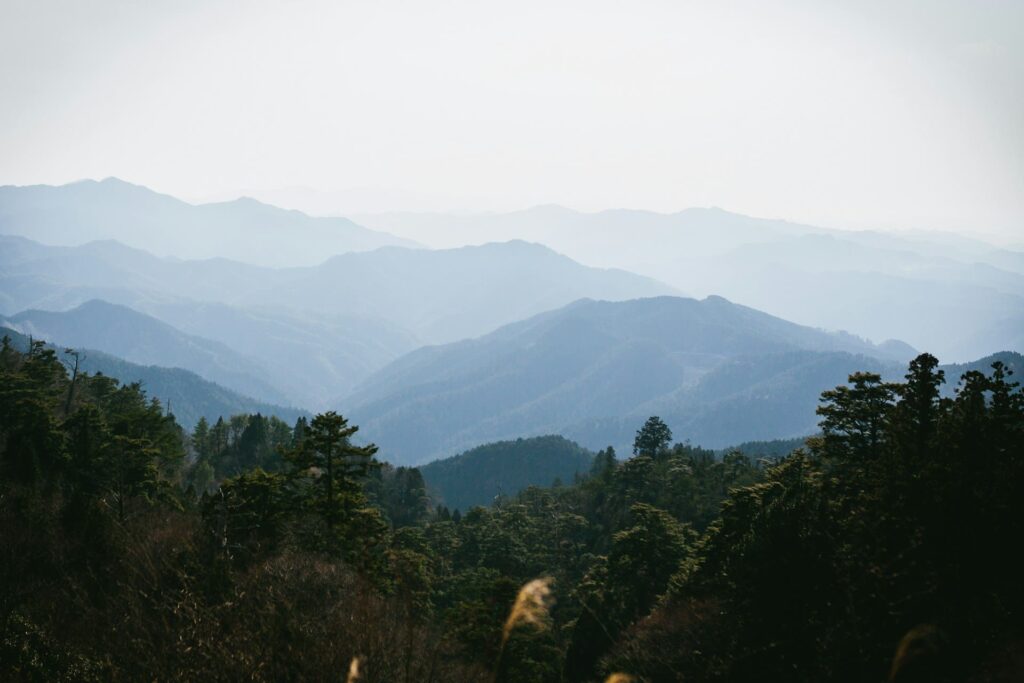
If you have 3 to 5 hours of usable sightseeing time on the mountain (after subtracting bus and waiting time within Koyasan itself), here is how the main sights break down by priority:
| Sight | Why Visit | Time Needed | Best For | Skip If… |
|---|---|---|---|---|
| Okunoin | The atmospheric forest cemetery and mausoleum of Kobo Daishi — the single most defining experience of Koyasan | 45–90 min | Anyone; this is the one sight you should not drop | You are visiting Koyasan purely for architecture (go to Kongobu-ji instead) |
| Kongobu-ji | Head temple of Shingon Buddhism with Japan’s largest rock garden | 45–60 min | History, architecture, and garden enthusiasts | You are already tight on time after Okunoin |
| Danjo Garan | The original sacred precinct with Koyasan’s iconic pagoda | 30–45 min | First-time visitors who want the “Koyasan postcard” view | You have seen similar temple complexes elsewhere in Japan |
| Daimon (Great Gate) | Imposing vermillion gate at the edge of the sacred town | 10–15 min | Photography; filling a short time gap | You would rather spend those 15 minutes inside a museum |
| Reihokan Museum | Buddhist art and artifact collection | 30–40 min | Museum lovers; rainy-day alternative | Your focus is outdoor space and temple atmosphere |
| Tokugawa Mausoleum | Edo-period mausoleums for the Tokugawa clan | 15–20 min | History buffs with a combined ticket | You are skipping the combined ticket to save time |
If you need to cut: Drop the optional afternoon stop first. If you are really pressed for time, consider the short approach at Okunoin (skip the Ichinohashi half) to reclaim 20–30 minutes. Kongobu-ji and Danjo Garan are fast enough that even a compressed itinerary can include both if you stay focused.
Koyasan Day Trip vs. Overnight Stay
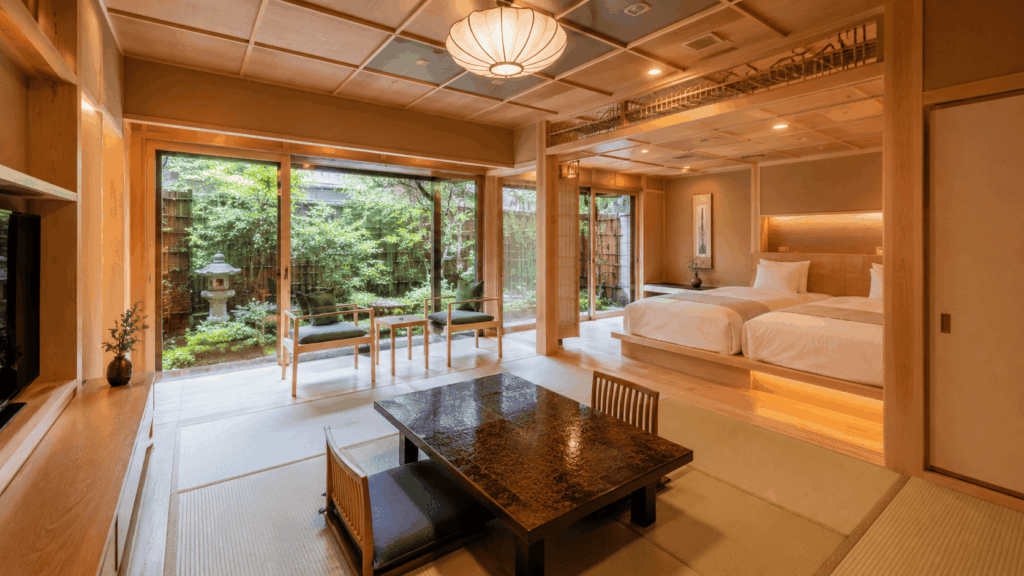
The main question most readers face is not “can I” but “should I.” Here is the honest trade-off:
| Day Trip | Overnight Stay | |
|---|---|---|
| Time on the mountain | 4–5 hours of usable sightseeing | Full afternoon + evening + next morning |
| Okunoin experience | Visit once, typically morning | Visit at dusk (atmospheric) and at dawn (even more atmospheric) |
| Temple lodging (shukubo) | Not included | Stay in a working temple; includes shojin ryori (vegetarian Buddhist dinner and breakfast) and morning prayer attendance |
| Morning prayers (gongyo) | Not possible | Morning service with chanting at the temple, usually around 6:00 AM |
| Pace | Deliberate; you move from one sight to the next | Unhurried; time to sit in a garden, revisit a temple, or simply walk the cemetery path twice |
| Fatigue | Moderate to noticeable by evening | Less rushed; more rest can mean better energy for the next day |
| Cost range (per person) | ~¥4,000–¥5,000 transport (or ticket) + ¥1,000–¥2,000 meals + ¥1,000–¥2,500 temple entry | Transport + ¥12,000–¥20,000 temple lodging (dinner + breakfast included) + entry fees |
| Luggage | Leave large bags in Osaka (coin lockers or hotel) | Overnight bag carried up the mountain |
Choose a Day Trip If…
- You are staying in Osaka and have a single free day
- You want to see Koyasan’s defining sights without committing to a temple stay
- Your itinerary is tight and you prefer to save the overnight option for a future trip
- You are comfortable with public transport and an early start
Stay Overnight If…
- The atmosphere of Okunoin at dusk and dawn is important to you
- You want the full temple lodging experience: shojin ryori, morning prayers, tatami accommodations (see our guide on where to stay in Koyasan to choose the right one)
- You are on a Kansai itinerary that already includes Osaka and Kyoto, and you can spare two days for Koyasan
- You are traveling from Tokyo or Kyoto and want the trip to feel worth the longer journey
When I made the trip from the Kanto region, we had built in an overnight stay — and even with that extra time, the journey to Osaka and the mountain chain was substantial enough that I was glad we were not rushing back the same day. If you are based in Tokyo and making a dedicated trip to Koyasan, an overnight stay transforms it from a rushed day out into a genuinely memorable part of your itinerary.
Independent Trip or Guided Tour From Osaka?
Both options have a clear set of pros and cons. Here is how they compare for the Osaka-based day-tripper:
| DIY (Independent) | Guided Small-Group Tour from Osaka | |
|---|---|---|
| Transport | Subway + Nankai train + cable car + bus (3–4 transfers) | Air-conditioned minibus from central Osaka directly to Koyasan |
| Total cost (per person, approximate) | ~¥5,500–¥8,500 (transport + entry fees + lunch) | From ~$73 (¥10,500–¥11,000) plus ¥2,200 temple entry fees (cash) |
| Freedom | High — you set your pace, linger where you like | Moderate — schedule follows the group; free time given at major stops |
| Guidance | Self-guided; signs in English are limited at some temples | Driver-guide provides background on Shingon Buddhism, temple architecture, and local customs |
| Sights covered | You choose; most independent visitors do 3–4 sights | Danjo Garan, Kongobu-ji, Okunoin, Daimon, Shojoshin-in (temple), Tokugawa Mausoleum, Niutsuhime Shrine |
| Cancellation flexibility | No penalty (you buy tickets on the day) | Free cancellation up to 24 hours before; reserve now, pay later available |
| Best for | Experienced Japan travelers, those who want complete control over timing | First-time visitors who prefer not to manage multiple connections, want commentary, or are short on planning time |
If the transport chain — the subway-to-train-to-cable-car-to-bus sequence — is the main reason you are hesitating about a Koyasan day trip, a guided departure from Osaka solves that specific problem. The tour picks you up near Shinsaibashi or Nippombashi by minibus, handles the driving (no cable car, no bus transfer inside Koyasan), and includes stops at the key sights plus a few extras like Niutsuhime Shrine that are difficult to reach by public transport.
Kai’s tip: The cumulative effect of changing trains, cable cars, and buses is something you feel more on the return leg than the outward journey. If you are the type of traveler who starts worrying about the last bus by 3:00 PM, a tour removes that source of mental fatigue entirely — you follow the guide’s schedule and you are back in Osaka well before dinner.
When DIY Is the Better Choice
Independent travel works well if you are comfortable with Japan’s railway and bus system, want to spend extra time at Okunoin (the tour covers it in about 70 minutes, which is enough for the short approach but tight for the full walk), or prefer to choose your own lunch spot and temple entry combination. The Koyasan World Heritage Digital Ticket simplifies the process: buy it online, show the QR code at the station gates, and you are set for transport both ways plus the mountain bus.
When the Guided Tour Is Worth Paying For
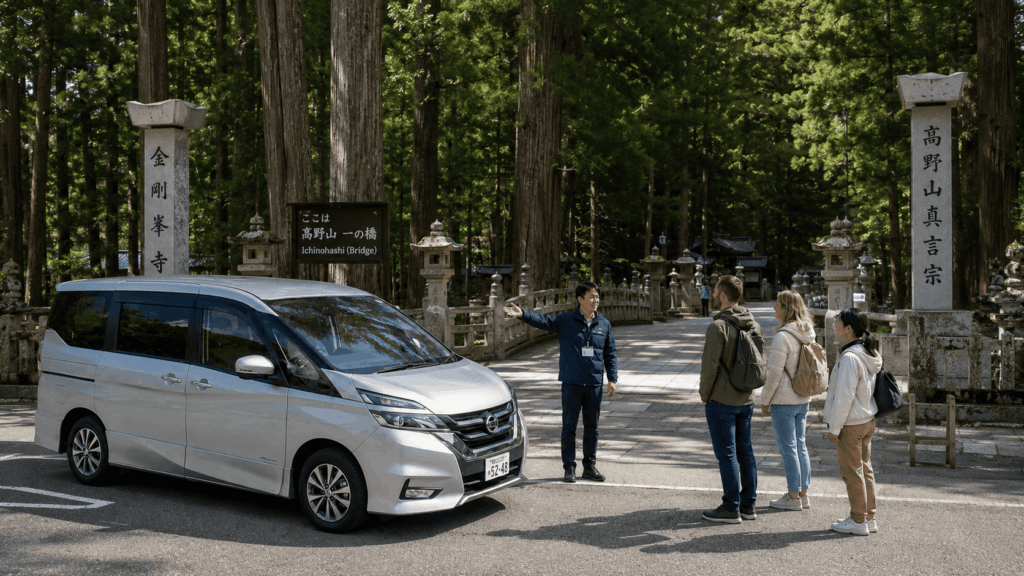
A tour makes sense if navigating the three-leg transport chain feels like a barrier to visiting at all. It also helps if you want background information on Shingon Buddhism and Koyasan’s history (English-language interpretive materials at the temples are limited). The current small-group tour from Osaka visits seven locations in about 10 hours, including Daimon, Danjo Garan, Kongobu-ji, a working temple (Shojoshin-in), Okunoin, Tokugawa Mausoleum, and Niutsuhime Shrine. Be aware that the entry fees (roughly ¥2,200 in cash) are not included in the tour price, and lunch is arranged via a meal coupon rather than a fully included meal.
If the transfer chain is the part most likely to derail your day — but you still want the main temples, Okunoin, and useful cultural context — this is the guided option to compare first.
Why I’d book this one
- It replaces the train–cable car–bus sequence with managed transport from central Osaka.
- Recent travelers consistently mention considerate guide-driver support, comfortable transport, and a well-organized pace between the dispersed sites.
- You can check current cancellation terms and reserve-now, pay-later availability before committing.
Practical Tips for a Smooth Koyasan Day Trip
Tickets and Transport Checks
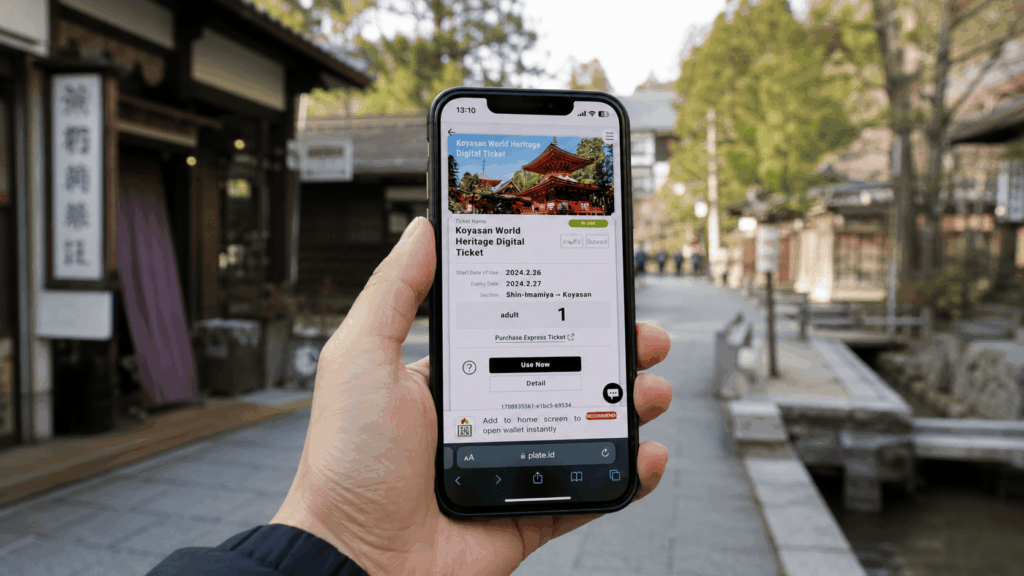
- Check Nankai Railway’s website the evening before and the morning of your trip for current departure times. Limited Express Koya seats can sell out on weekends.
- The Koyasan World Heritage Digital Ticket is a convenient all-in-one option (¥3,980 regular, ¥4,910 with limited express). It is smartphone-based, so ensure your device is fully charged. If your phone dies mid-trip, you will need to purchase separate paper tickets at the station.
- Paper tickets are available at Namba Station if you prefer not to rely on a smartphone. The paper version of the World Heritage Ticket includes an additional ¥200 discount on Kongobu-ji admission.
- Inside Koyasan, the bus network serves all major sights from the central Senjuinbashi intersection. A one-day bus pass (¥830) is available at Koyasan Station and pays for itself if you take three or more rides.
Staying independent? Check the current package details, eligibility, and smartphone-use requirements for the Koyasan World Heritage Digital Ticket on Klook before finalising your transport plan.
Walking, Weather, and Luggage
- Koyasan sits at an elevation of roughly 1,000 meters. In summer, it can be 5–10°C cooler than Osaka; in winter, expect near-freezing temperatures and occasional snow. Pack a light jacket or sweater even on a warm Osaka morning.
- The walking surfaces are a mix of level paths, stone steps, and gravel. Comfortable walking shoes with good grip make a noticeable difference by the end of the day.
- Rain gear is worth carrying even on a clear morning — mountain weather changes quickly.
- Leave large luggage in Osaka. Coin lockers at Namba Station or at your hotel are the best options. If you must bring bags, check our guide to Koyasan luggage storage options. The cable car and bus have limited luggage space, and the long walk at Okunoin is unpleasant with anything larger than a daypack.
Kai’s tip: The thing that catches people off guard most often is the combination of walking distance and altitude. The Okunoin walk itself — even without the detours — is roughly 4 kilometers round trip on uneven ground. Add in the walking between Kongobu-ji, Danjo Garan, and your bus stop, and you are easily covering 6–8 kilometers on your feet during the day. This does not feel like a “hard” hike, but by 4:00 PM your legs notice it. Pack light, wear shoes you have already broken in, and eat a proper lunch — you will appreciate the energy.
Respectful Behavior at a Sacred Site
- Koyasan is an active religious center where monks live, train, and pray. Keep your voice low in temple buildings and cemetery paths.
- Photography is restricted inside most temple halls (look for clear signage). Outdoor photography is generally permitted, but avoid using flash around worshippers and at Okunoin.
- Bow before entering temple buildings. Remove your shoes where indicated (usually at the entrance step).
- Stay on marked paths at Okunoin. The cemetery is a burial ground — walking off the path is considered deeply disrespectful.
- If you attend morning prayers during an overnight stay, arrive early, follow the cues of the monks and other guests, and keep your phone silent.
Frequently Asked Questions
Can you visit Koyasan in one day from Osaka?
Yes — it is realistic if you leave central Osaka by 7:30 AM and limit your visit to the three main sights: Okunoin, Kongobu-ji, and Danjo Garan. The door-to-sight time from your hotel to the first temple is roughly 2 to 2.5 hours, and you can expect 4 to 5 hours of sightseeing on the mountain before you need to head back. The return journey takes about the same amount of time, so you can expect to be back in Osaka by early evening.
How many hours do you need in Koyasan?
For a day trip covering the three essential sights, plan for 4 to 5 hours of sightseeing time on the mountain itself — not counting travel to and from Koyasan. Okunoin requires 45 to 90 minutes depending on how far you walk along the cemetery path. Kongobu-ji needs about 45 to 60 minutes. Danjo Garan takes 30 to 45 minutes. If you add one optional stop (Daimon, Reihokan Museum, or Tokugawa Mausoleum), add another 15 to 40 minutes. With travel, you are looking at a 10- to 12-hour day from Osaka.
Is Koyasan a day trip from Kyoto?
It is possible but noticeably less convenient than from Osaka. From Kyoto Station, you can take the seasonal direct highway bus (operating April through November, approximately 160 minutes, ¥3,200 one way) or take the JR line to Shin-Imamiya and transfer to the Nankai route. Either way, the door-to-sight time from central Kyoto is roughly 3 to 4 hours, leaving you 2.5 to 3.5 hours on the mountain. It is a long day that works best for motivated travelers who prioritize the experience over travel comfort. If you have the flexibility, consider staying overnight or combining Koyasan with a night in Osaka instead.
Can you take a day trip to Koyasan from Tokyo?
Technically yes, but I would not recommend it as a same-day sightseeing trip. The door-to-door journey from a central Tokyo hotel to Okunoin takes roughly 5 hours each way in the best case — that is a full shinkansen ride plus the Nankai train, cable car, and bus chain. You would arrive at your first sight around midday and need to head back by early afternoon, leaving you with barely an hour or two on the mountain. The cost, fatigue, and time investment are hard to justify when a more relaxed Osaka-based day trip or an overnight stay from Kansai is available. If you are in Tokyo and want to visit Koyasan, add it to a Kansai segment of your itinerary.
Is Koyasan better as a day trip or an overnight stay?
It depends on your priorities. A day trip works well if you are staying in Osaka, have a single free day, and want to see the three defining sights efficiently. An overnight stay is worth choosing if the temple lodging experience — shojin ryori (vegetarian Buddhist dinner), morning prayers, tatami accommodation — is important to you, or if you want to experience Okunoin at dusk and dawn, when the atmosphere is noticeably different from the daytime. For travelers coming from Kyoto or further away, an overnight stay transforms the trip from a rushed day out into a genuinely memorable part of the itinerary.
Final Verdict
Choose the day trip (from Osaka) if…
You are staying in central Osaka, are comfortable with public transport, and want to see Koyasan’s three defining sites — Okunoin, Kongobu-ji, and Danjo Garan — in a single focused day. An early 7:30 AM departure and a deliberate pace make this a realistic and rewarding excursion.
Stay overnight if…
The temple lodging experience matters to you — the shojin ryori dinner, the morning chanting service, sleeping on tatami in a working temple. You want to walk Okunoin in the evening quiet and again in the early morning light. Or you are traveling from Kyoto or further, and you want the journey to feel like a full experience rather than a compressed day out.
Choose a guided tour if…
The three-leg transport chain (train, cable car, bus) feels like a barrier rather than part of the adventure. You want English-language commentary on Shingon Buddhism and temple history. Or you prefer having the day’s schedule managed so you can focus on the experience rather than the connections. A current small-group tour from Osaka covers the main sights plus Niutsuhime Shrine and handles all transport by minibus.
Skip or postpone if…
You are based in Tokyo and only have one free day — the travel time and fatigue do not justify the limited time on the mountain. You have mobility concerns that make multiple vehicle transfers and 6 to 8 kilometers of walking difficult. Or your schedule in Kansai is already tight, and you would rather allocate a full day with an overnight stay to do Koyasan properly.
Hi, I’m Kai. I’m a Tokyo-based travel writer, tourism industry insider, and the author of a published guidebook for international visitors to Japan. With over 10 years of professional experience at a leading Japanese tourism company, my mission is to help you skip the tourist traps and navigate Japan’s best destinations like a local. I believe the perfect day trip is like a traditional kaiseki meal: a beautiful balance of precise planning and unforgettable seasonal discovery. When I’m not out conducting field research, you’ll usually find me drafting new itineraries with one of my favorite fountain pens!