
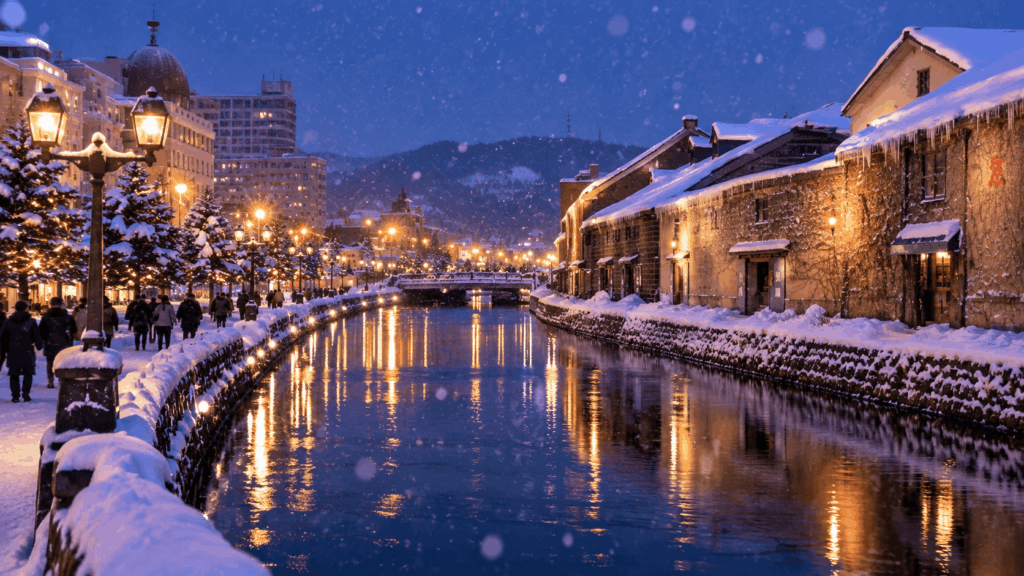
For most first-time visitors, the best place to stay in Otaru is between Otaru Station and Otaru Canal. These are not two separate districts. The walk from the station forecourt to the canal takes roughly eight to ten minutes, so choosing “station side” over “canal side” changes your view and your breakfast, not your sightseeing plan.
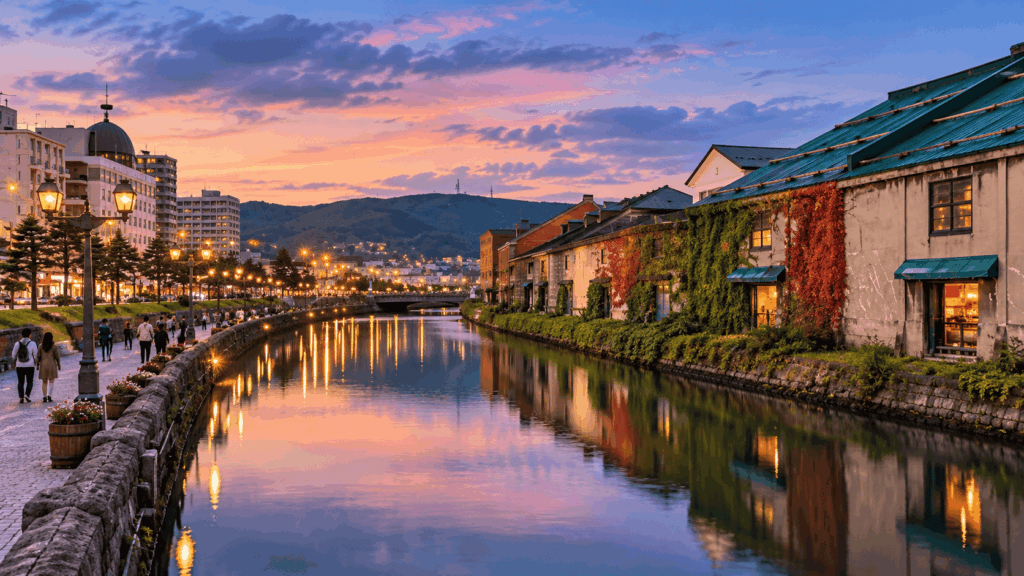
Stay by the canal if you want the lit stone warehouses outside your window and a short walk back after dinner. Stay near the station if you are hauling a suitcase, catching an early train, or travelling in winter. Choose Asarigawa Onsen only when the ryokan itself is the reason for the trip, and Shukutsu if you would rather wake up to the Sea of Japan than to a shopping street.
One thing worth saying plainly: if you have a single night in Otaru and a train the next morning, an out-of-town onsen ryokan will take time you probably want for the town itself. The rest of this guide is about matching the area, and then the hotel, to the trip you are actually taking.
Quick Answer: The Best Otaru Hotel for Your Trip
- First visit, canal in view: Hotel Sonia Otaru. Around 70% of its 149 rooms face the canal, and there is a natural hot spring on the top floor. The building is older and both the bath and breakfast get busy.
- Newer facilities and a rooftop bar: GRANBELL HOTEL OTARU, one minute from the canal. Opened in July 2025, with a top-floor open-air bath, sauna and rooftop bar. Standard rooms are compact at 18–21 m².
- A private ocean-view bath: Hotel Neuschloss Otaru in Shukutsu. Every room has its own ocean-view open-air-style bath with windows that can open, but the water is softened, not hot spring water.
- A real ryokan with private onsen: Otaru Kourakuen in Asarigawa Onsen. 28 of its 34 rooms have private open-air hot-spring baths, and dinner is included, which means you are not in town in the evening.
If your priority is the train, luggage and snow rather than the view, the answer is different: Dormy Inn Premium Otaru sits about a minute from JR Otaru Station and has a natural hot-spring bath on the second floor.
Where Is the Best Area to Stay in Otaru?
Otaru’s lodging splits into four practical areas, not ten. Two of them are within walking distance of each other; the other two change what kind of trip you are having.
| Area | Best for | Main advantage | Main drawback | What to look for |
|---|---|---|---|---|
| Otaru Canal / Ironai | First visits, couples, evening walks | Canal, warehouses and restaurants at the door | Higher rates for view rooms; buses and crowds | “Canal view” room categories, not just the area name |
| Otaru Station | Luggage, early trains, winter, short stays | One to two minutes from the platform and bus terminal | Less atmosphere; 8–10 minutes to the canal | Breakfast start time if you have an early departure |
| Asarigawa Onsen | Travellers who want the ryokan to be the trip | Private open-air baths, dinner included, quiet | Around 30 minutes by bus; not walkable to town | Whether the bath is in your room or shared |
| Shukutsu | Ocean views, slow stays, Otaru Aquarium | Sea-facing rooms, very quiet at night | Cliffside location; shuttle or bus required | Shuttle times and whether they need a reservation |
Stay Near Otaru Canal for Atmosphere and Evening Walks
The canal area covers Ironai and the streets around the Otaru Canal, with Sakaimachi Street about ten minutes on foot for glassware, sweets and seafood. This is the most straightforward choice for a first visit: you can walk out after dinner, see the warehouses lit up, and be back in your room in minutes rather than arranging a taxi. What I would tell a friend booking their first night here is that the canal rewards staying put: the walk out after dinner is short enough that you will actually do it, which is not true when your hotel is a bus ride away.
Hotel Sonia Otaru, GRANBELL HOTEL OTARU and Otaru Furukawa all sit within a couple of minutes of the water. Each has a different character — Sonia is the established canal-front hotel with a natural hot spring, Granbell is the 2025 build with a rooftop bar, and Furukawa is the traditional Japanese-style option.
The most common booking mistake I see here is treating “canal area” as “canal view”. At Sonia, roughly 70% of rooms are on the canal side, which means the other 30% are not. At Granbell, the canal-view room is a specific, larger category. If the view is the reason you are paying canal-side rates, confirm the room type before you book rather than after you check in.
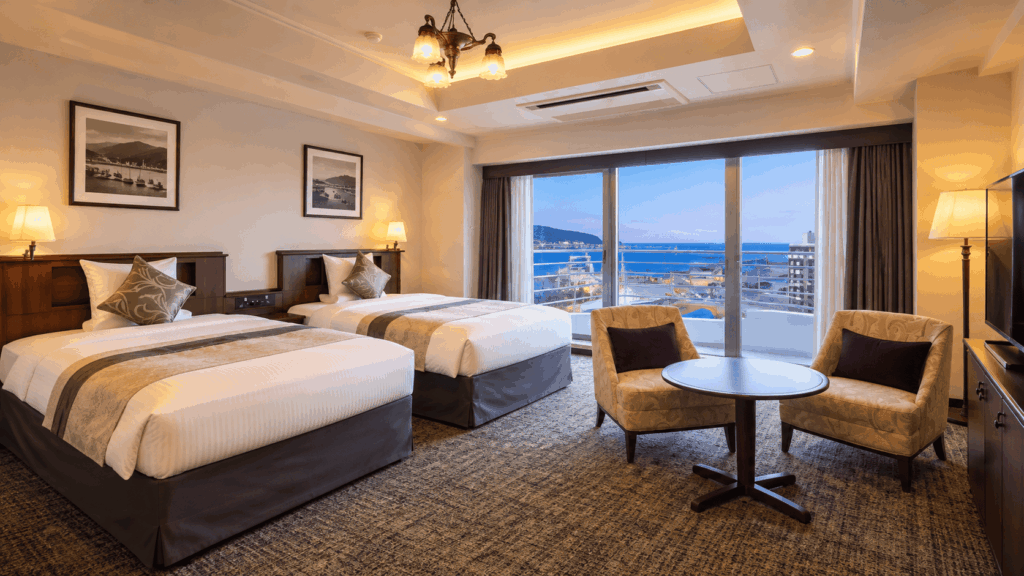
Stay Near Otaru Station for Trains, Luggage and Winter Convenience
The station area is unglamorous and extremely practical. JR Otaru Station is also the bus terminal, which matters if you plan to visit Asarigawa Onsen or Otaru Aquarium, and the canal is only eight to ten minutes away on foot — closer than many visitors expect.
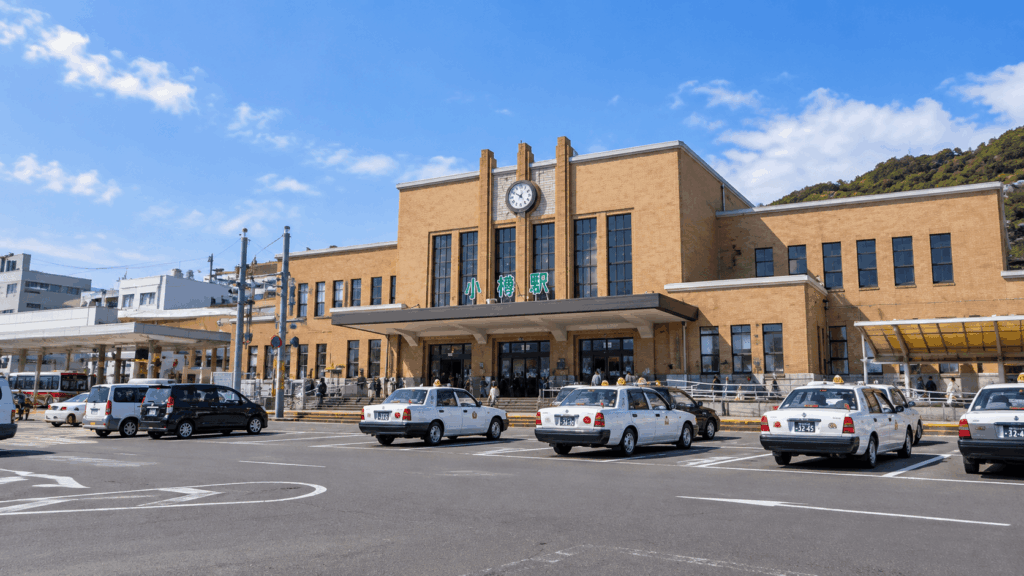
Dormy Inn Premium Otaru is the obvious pick: about a minute from the station, reopened in August 2026 after a renovation, with a natural hot-spring bath on the second floor. The trade-off is that you get a chain hotel rather than a canal view, and the walk back at night is along ordinary streets.
In winter this area earns its keep. Snow and ice conditions vary from day to day, so nobody can promise you a clean pavement, but the distance you cover with a suitcase is measurably shorter here than on the canal side. If your itinerary is Sapporo in the evening and a morning train out, station side removes a variable rather than adding one.
Stay in Asarigawa Onsen If the Ryokan Is Part of the Trip
Asarigawa Onsen is a hot-spring area inland from central Otaru, around 30 minutes by bus from JR Otaru Station (Chuo Bus, roughly ¥240) or about 25 minutes by taxi. This is not a base for sightseeing in town. It is a base for a ryokan stay, and it only makes sense when the bath, the dinner and the quiet are the point.
Otaru Kourakuen is the strongest fit for that brief, with 28 of 34 rooms carrying private open-air hot-spring baths. OTARU RETREAT KURAMURE by Onko Chishin, a 19-room property where every room has a private hot-spring bath, sits in the same area at a considerably higher price point.
My honest read: with one night and a list of sights in town, Asarigawa Onsen is the wrong trade. With two nights, or with a couple celebrating something, it is often the best part of the trip.
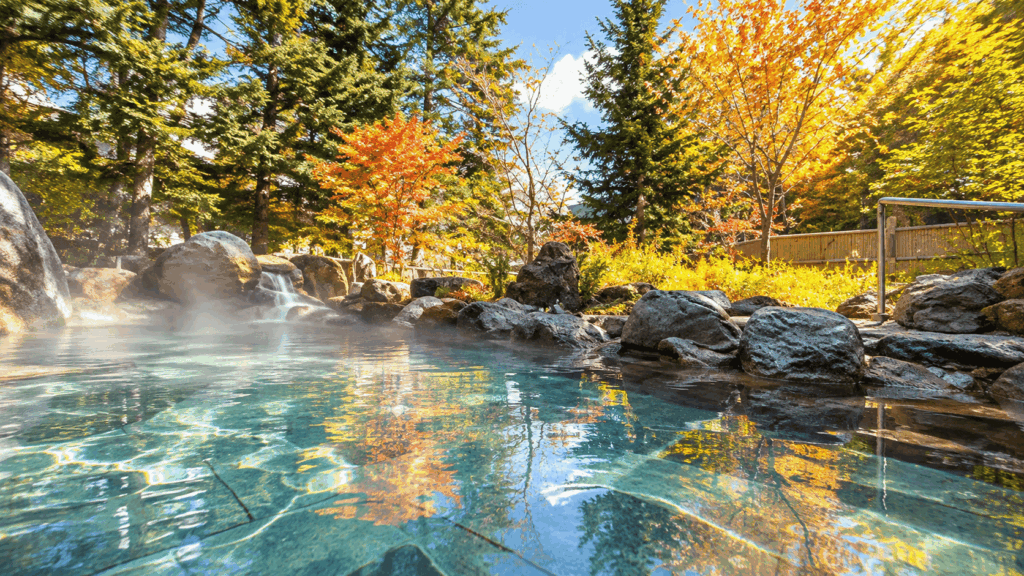
Stay in Shukutsu for Ocean Views and a Quiet Escape
Shukutsu is the coastal area north of the city, above Otaru Aquarium, where the buildings look out over the Sea of Japan. It is about 15 minutes by car from JR Otaru Station, or 25–30 minutes by bus to the aquarium stop followed by a ten-minute walk up a slope that reaches a 16% gradient — worth knowing before you decide to walk it with luggage.
Hotel Neuschloss Otaru is the reason most travellers come here: every room has an open-air bath, and the view over the bay is the experience you are paying for. What surprises guests is how completely the town disappears at night. If you want to walk to dinner, shop, or see the canal after dark, this is the wrong area. If you want to sit in hot water looking at the sea and go nowhere, it is very hard to beat.
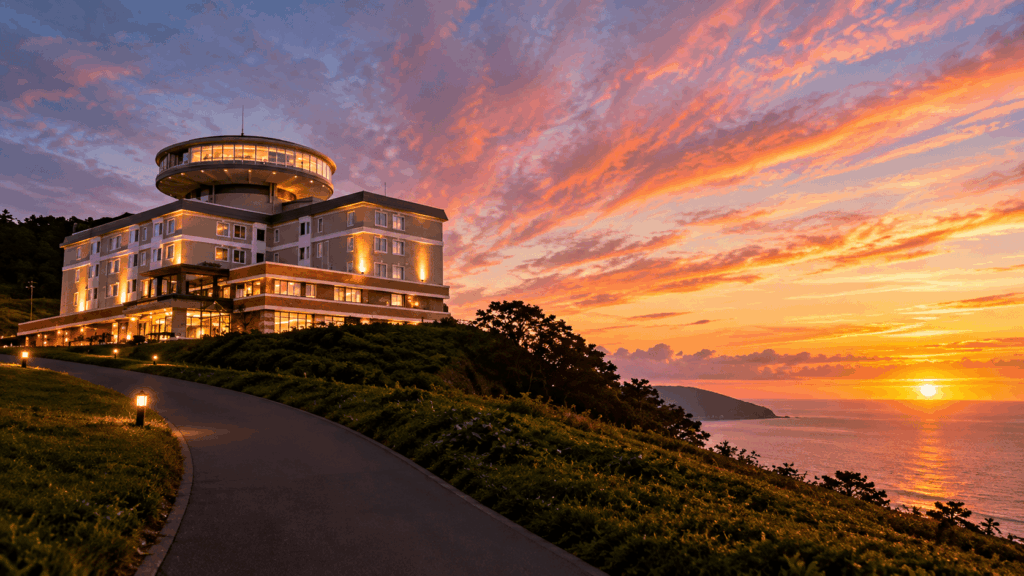
Best Hotels in Otaru by Travel Style
There is no single best hotel in Otaru, and any list that names one is hiding the trade-offs. What follows is organised by what you are actually optimising for: the view, the building, the train, the bath, or the ryokan experience.
| Hotel | Area | Best for | Bath type | Walkability | Main trade-off |
|---|---|---|---|---|---|
| Hotel Sonia Otaru | Canal front, Ironai | First visit with a canal view | Natural hot-spring public bath, top floor | 8 min to station; canal at the door | Older building; busy bath and breakfast |
| GRANBELL HOTEL OTARU | Canal front | New facilities, couples, solo travellers | Panoramic open-air public bath and sauna | 15 min to station; 1 min to canal | Standard rooms compact (18–21 m²) |
| Dormy Inn Premium Otaru | Station | Luggage, early trains, winter | Natural hot-spring public bath, 2nd floor | 1 min to station; ~10 min to canal | Chain-hotel feel; no canal view |
| Hotel Neuschloss Otaru | Shukutsu | Quiet, sea view, in-room bath | In-room view bath with opening windows (softened water) | Car or shuttle; not walkable to town | Remote location; dated building |
| Otaru Kourakuen | Asarigawa Onsen | A true ryokan with private onsen | In-room open-air hot-spring bath (28 of 34 rooms) | 30 min by bus; 25 min by taxi | Not walkable to town; dinner included |
| Otaru Furukawa | Canal front | Traditional feel, canal location | Natural hot-spring baths; some rooms with in-room hot spring | Canal at the door; ~10 min to station | In-room baths only in certain categories |
Hotel Sonia Otaru — Best for First-Time Visitors Who Want a Canal View
Sonia is the hotel I point first-time visitors towards when they want the canal to be part of the stay rather than a place they visit. It stands directly in front of the water in Ironai, eight minutes on foot from JR Otaru Station, and about 70% of its 149 rooms face the canal. The top-floor natural hot spring — “Otaru Canal Onsen”, a sodium chloride and sulfate spring — is rare for a city hotel, and the men’s bath looks straight down the canal while the women’s bath has an open-air section.
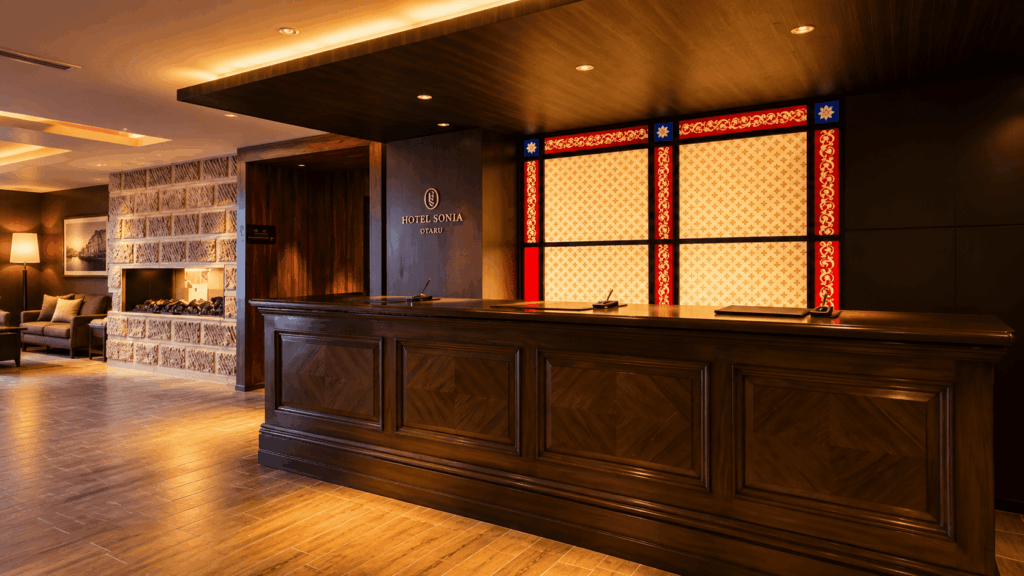
What I noticed during my stay was how much the room view changed the trip. Watching the lit warehouses from the window after dinner meant I did not need to schedule an evening walk; the evening came to me. I also found the public bath a little tight, and waited for a washing station late at night, which suggests that travellers who treat a spacious bath as a highlight should weigh a bigger facility elsewhere.
Breakfast is a buffet at the ground-floor restaurant, starting at 6:00 and finishing at 10:00 (last order 9:30). Recent guests consistently mention the location and the canal view alongside two recurring complaints: the building shows its age in places, and both the bath and the breakfast room can feel crowded at peak times.
Book it if you want the canal outside your window, a natural hot spring in the building, and a location that lets you walk everywhere in central Otaru. Skip it if you need a large room, a brand-new interior, or a quiet, roomy bath.
If a canal-facing room is the reason for your stay, compare available room categories, current rates and booking conditions for Hotel Sonia Otaru on Klook before choosing a room. Check that the selected category explicitly includes a canal view.
GRANBELL HOTEL OTARU — Best for Newer Facilities, Rooftop Spa and Couples
Granbell opened on 18 July 2025, one minute from the canal and about 15 minutes on foot from the station. It is the newest full-service hotel in the canal area, and the top floor is the reason to consider it: a panoramic open-air bath looking over Ishikari Bay, an auto-löyly sauna, a cold plunge, and a rooftop bar on the same level. Happy hour runs daily with drinks from around ¥500.

From my stay, the bath and sauna view is the memory that lasts, and having the rooftop bar a few steps from the changing room is exactly the kind of detail that turns a hotel night into part of the trip. The room itself felt compact, and in the room I stayed in I was conscious of splashing around the sink area. I would comfortably book it solo or as a couple; I would look harder at the room size for a long stay or with a lot of luggage.
Room sizes explain this: standard doubles and twins are 18–21 m², the canal-view Deluxe Twin is 37 m² and takes up to three people, and the Corner Suite is 54 m². If space matters, the canal-view category solves both problems at once. Guests repeatedly mention the newness and the top-floor bath, with room size the most common reservation.
Book it if you want a new building, a view from the bath, a sauna, and a bar upstairs. Skip it if you need space to spread out two large suitcases, or if a natural hot-spring source is non-negotiable.
Dormy Inn Premium Otaru — Best for Station Convenience
Dormy Inn is the practical answer for anyone whose Otaru stop is built around a train. It sits about a minute from JR Otaru Station — effectively opposite the station and the bus terminal — and reopened on 1 August 2026 after a renovation that added an auto-löyly sauna to the second-floor natural hot-spring bath, “Akari no Yu”, which has both indoor and open-air sections.

The location solves two problems at once. You can leave a suitcase at reception, take the bus to Asarigawa Onsen or Otaru Aquarium from the terminal next door, and still walk to the canal in around ten minutes. What you give up is the reason most people come to Otaru: there is no canal view here, and the building reads as a reliable chain hotel rather than a place with local character.
I have not stayed here, so I am judging it on its current official facilities and on the pattern in guest reviews, which emphasise the station-side location and the bath. Book it if you have an early departure, heavy luggage, or a winter trip where fewer metres of snow-covered pavement matters. Skip it if the canal view is the point of your stay.
Hotel Neuschloss Otaru — Best for a Private Ocean-View Bath
Neuschloss sits on the cliffside above Otaru Aquarium in Shukutsu, about 15 minutes by car from JR Otaru Station. Every room has its own open-air-style bath with windows that can open, and the building looks out over the Sea of Japan. There is a free shuttle from the station, but it runs on reservation only, with departures concentrated in the late afternoon, so you need to arrange it rather than turn up.
Staying here felt like the opposite of staying in town: the crowds disappeared, the evening was silent, and the bath looked down over the bay in a way that no canal-side hotel can offer. I was also aware of the building’s age — this is not a polished new property — and I would not choose it if my plan was to eat and walk around central Otaru until late. Pairing it with the aquarium next door made the location feel deliberate rather than inconvenient.
One point deserves precision, because it is where most listings go wrong: the water in the in-room baths is softened water, not natural hot-spring water. That does not make the bath worse — sitting in hot water looking at the sea is the experience — but if you are searching for “private onsen”, this is a private bath, not a private onsen.
Book it if you want a sea view, a bath in your room and a quiet night, and you are happy to take a shuttle or taxi. Skip it if you want to walk to dinner, or if the hot-spring source itself is what you are chasing.
Otaru Kourakuen — Best for a True Ryokan and Private Onsen Experience
Kourakuen is the most complete ryokan experience within reach of Otaru. It occupies a large plot in Asarigawa Onsen with a 26,000 m² Japanese garden, tatami throughout the corridors as well as the rooms, and 28 of its 34 rooms with private open-air hot-spring baths fed by its own alkaline spring. Rates are per person and include dinner and breakfast, which is the correct way to think about the cost.
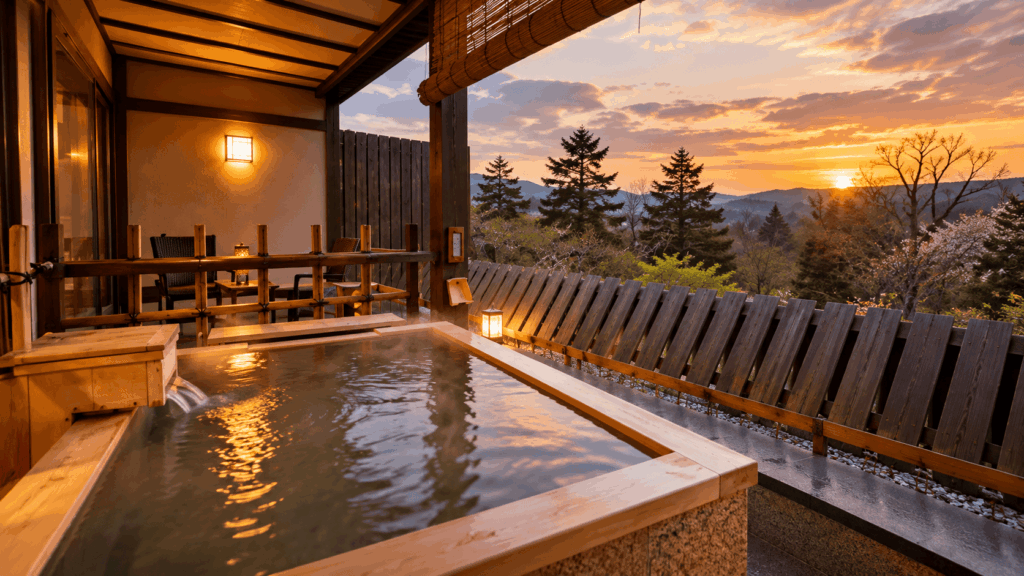
Getting there takes commitment: the Chuo Bus from platform 2 at JR Otaru Station drops you at the Kourakuen stop in about 30 minutes for roughly ¥240, or a taxi takes around 25 minutes. The trade is obvious — you are not walking to the canal after dinner, you are eating a multi-course meal in a ryokan and using a bath in your room.
I have not stayed at Kourakuen, so treat this as a facilities-and-feedback comparison rather than a personal review. Two practical points from its current official information are worth carrying into your booking: English assistance is available, and food allergies need to be declared at least three days before arrival through their questionnaire, because the kitchen cannot guarantee allergen-free meals at short notice.
Book it if the ryokan is the destination and you want a private open-air hot-spring bath with dinner included. Skip it if you have one night and want to spend it in town.
Otaru Furukawa — Best for a Traditional Stay Right by the Canal
Furukawa is the compromise for travellers who want a Japanese-style inn but refuse to leave the canal. It stands in front of the water, recreating a Meiji-era merchant house, with 30 rooms and a natural sodium chloride hot spring in two large baths that swap between men and women morning and evening. Bathing hours run late — until 1:00 a.m. — and reopen at 4:00 a.m., which suits late arrivals.
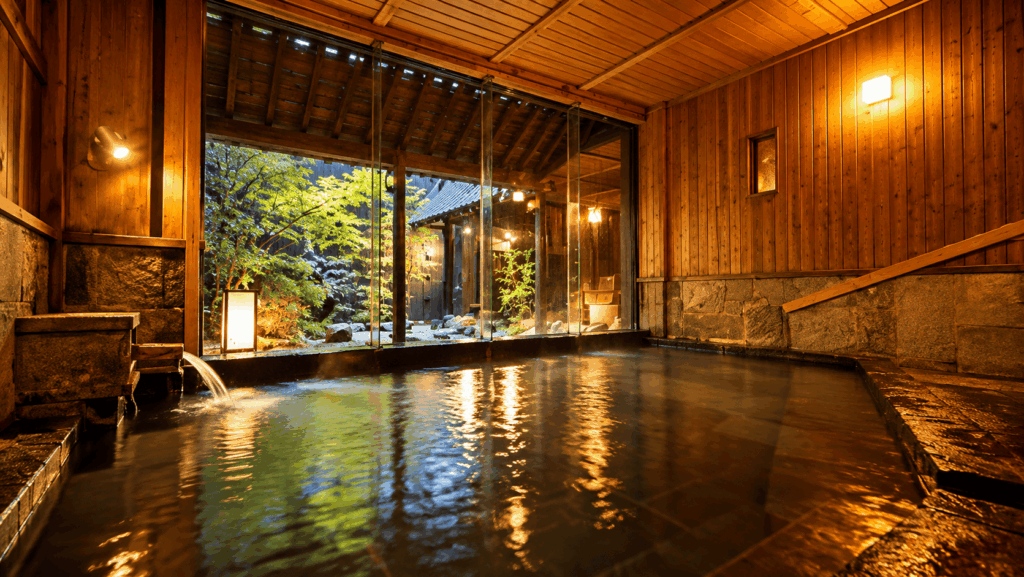
The detail that matters for anyone searching “private onsen” is this: in-room hot-spring baths exist only in specific categories, including the top-floor special rooms with view baths and the canal-side Japanese-Western rooms, and the eighth-floor reservable private bath closed at the end of February 2026. If a private bath is the reason you are booking, confirm the room category and the current private-bath situation rather than assuming it from an old listing.
I have not stayed here either, so this is based on its official room and bath information plus consistent guest feedback about the location and the traditional feel. Book it if you want canal-side convenience with tatami, kaiseki-style dinner and a real hot spring. Skip it if a private bath is essential — in that case Kourakuen is the cleaner fit.
Hotel Sonia vs GRANBELL HOTEL OTARU: Which Canal Hotel Should You Choose?
These two sit within a few minutes of each other, both in front of the canal, and they are the two I can compare from having slept in both. They are not interchangeable.
| Hotel Sonia Otaru | GRANBELL HOTEL OTARU | |
|---|---|---|
| Feel | Established, European-style, older building | New build (July 2025), minimal, modern |
| Canal view | Around 70% of rooms canal-side; view from the room is the selling point | Canal-view Deluxe Twin (37 m²) is a defined category; standard rooms look elsewhere |
| Bath | Natural hot spring, top floor; men’s bath overlooks the canal | Panoramic open-air public bath, sauna and cold plunge; not described as a natural hot spring |
| Room size | Varies by category; the canal-side rooms are the ones to book | 18–21 m² standard, 37 m² canal view, 54 m² suite |
| Evening | Walk out to the canal and back | Rooftop bar on the same floor as the bath |
| Watch out for | Busy bath and breakfast at peak times; dated interiors in parts | Compact standard rooms; splashing room around the sink in the room I had |
Personally, I would choose Sonia for the canal-view-room experience: the view from the window is the trip, and the natural hot spring is a genuine bonus in a city hotel. Granbell makes more sense when newer facilities, the sauna and the rooftop bar matter more than the room itself — and if I were booking it, I would pay for the 37 m² canal-view room rather than a standard double.
Private Onsen in Otaru: What You Need to Check Before Booking
“Private onsen” is used loosely in Otaru listings, and the differences are not cosmetic. Four situations get sold under similar wording, and only two of them involve actual hot-spring water in a space that is yours.
| What you get | What it means | Otaru examples |
|---|---|---|
| Public hot-spring bath | Shared, gender-separated, usually with set hours; the standard hotel onsen | Hotel Sonia Otaru, Dormy Inn Premium Otaru, Otaru Furukawa |
| In-room hot-spring bath | Private to your room and fed by a hot spring — the strongest match for “private onsen” | Otaru Kourakuen (28 rooms), selected rooms at Otaru Furukawa, all 19 rooms at Kuramure |
| In-room bath, not hot spring | Private and often with a view, but the water is softened or ordinary hot water | Hotel Neuschloss Otaru |
| Reservable private bath | Shared facility booked by the hour; availability changes often | Varies by property — Furukawa’s eighth-floor private bath closed in February 2026 |
My own experience is a useful warning here. The in-room bath at Neuschloss was one of the best hours of that trip — the bay below, the open window, no reason to leave — and it would have been easy to describe it as a private onsen. It is not. The water is softened, not drawn from a spring. If the hot-spring minerals are what you are after, that distinction decides between Neuschloss and Kourakuen, and it is the single check I would make before paying a premium.
In practice, read the official room description rather than the booking-site headline, and look for three words: whether the bath is in the room, whether it is described as a hot spring (温泉 / onsen), and whether it is reservable or exclusive to your room.
Before You Book: Five Things Worth Checking
- Is the view guaranteed by room category? “Canal area” is not “canal view”. At Sonia, around 30% of rooms do not face the canal; at Granbell, the canal-view room is a specific 37 m² category.
- How many square metres? Otaru’s canal-front hotels include rooms from 18 m² to 37 m² and beyond. Two large suitcases change how a room feels.
- What kind of bath, and what water? In-room, shared, hot spring or softened water — these are four different products at four different price points.
- When does breakfast start? An early train plus a 7:00 breakfast start is a stressful combination; some hotels open at 6:00.
- What is added at check-in? Since 1 April 2026, the combined Otaru City and Hokkaido accommodation tax has been ¥300, ¥400 or ¥700 per person per night, depending on the pre-tax room rate. Check whether your booking price already includes it or it is payable separately; properties with hot springs may also collect a bathing tax.
Kai’s tip: The room detail I would ask about at Granbell is not the view but the layout. Mine felt compact, and I was conscious of splashing around the sink area — the kind of thing that is invisible in listing photos and specific to the room type. Ask for the floor area and, if you are travelling with someone who needs space at the basin, ask which categories have a more separated vanity. Do not assume every room is laid out the same way.
Getting Around Otaru With Luggage (and in Winter)
The distances are smaller than they look on a map. JR Otaru Station to the canal is roughly 8–10 minutes on foot, and the canal to Sakaimachi Street is another ten. Almost everything first-time visitors want is inside that triangle, which is why the station-versus-canal debate matters less than it seems — as long as you are not carrying a suitcase through snow.
For the outlying areas, transport is the constraint rather than the distance. Asarigawa Onsen is about 30 minutes by bus from the station bus terminal (around ¥240) or 25 minutes by taxi. Shukutsu is about 15 minutes by car; by bus it is 25–30 minutes to the Otaru Aquarium stop plus a ten-minute climb up a slope that reaches 16%, which is fine in shoes and unpleasant with a wheeled bag. Neuschloss runs a free shuttle, but it requires a phone reservation in advance, and the departures are grouped in the late afternoon and morning.
Kai’s tip: If you book a Shukutsu stay, build the day around that side of town rather than treating it as a hotel you return to. Combining the aquarium with the hotel made the location feel like part of the itinerary instead of a commute; trying to do the canal, Sakaimachi and dinner in town first would have meant spending the evening in transit. Treat central Otaru as a separate half-day and the cliffside as its own.
A Note on Timing: Baths, Breakfast and the Evening Canal
In a hotel this size, timing decides whether the shared facilities feel calm or crowded. Sonia’s bath runs 15:00–24:00 and 6:00–10:00, and breakfast starts at 6:00 with last order at 9:30. Those hours are unusually generous — which also means the popular window, roughly the hour after opening, is where the queues form.
Kai’s tip: During my stay I waited for a washing station late at night, and found a line for breakfast once I arrived after 7:00. Neither ruined anything, but both were avoidable: with a 6:00 breakfast start, going early is the difference between a calm meal and a queue, and the bath is quietest either right at opening or much later in the evening. If a relaxed breakfast matters more than a lie-in, set the alarm.
The same logic applies to the canal itself. The lit warehouses are at their busiest in the hour after sunset, when tour groups pass through, and much quieter later in the evening and early in the morning. Staying overnight is what buys you those hours.
Is It Worth Staying Overnight in Otaru?
Otaru is reachable from Sapporo in around 30–40 minutes by train, so a day trip genuinely works. Staying is not compulsory, and anyone who tells you otherwise is selling something.
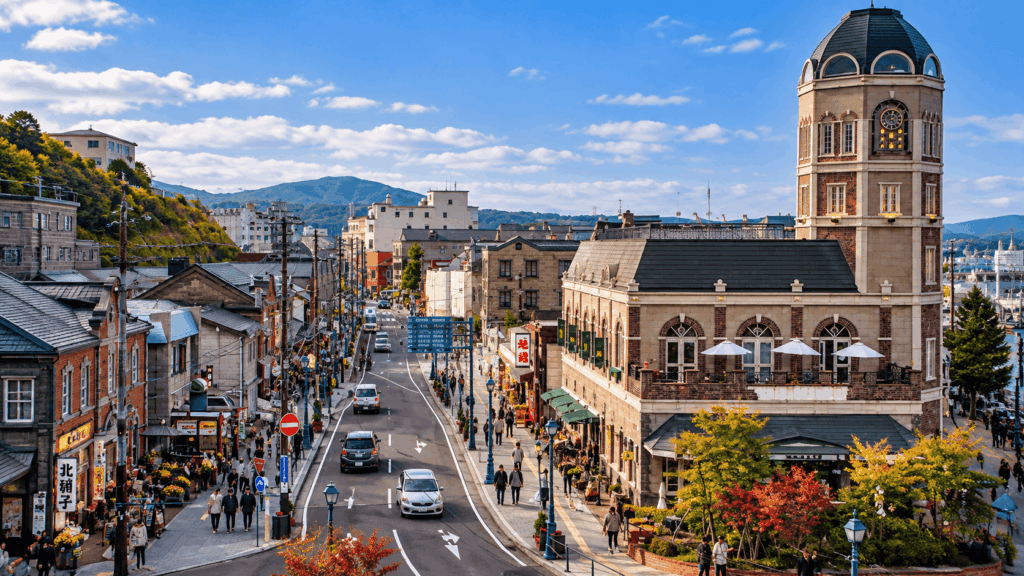
What an overnight buys you is the two hours when the town changes: the canal after the day visitors leave, and the early morning before the shops open. It also buys access to the baths — a natural hot spring in a canal-front hotel, or a private open-air bath in the hills — which a day trip cannot replicate. From my room at Sonia, the lit warehouses at night were the whole argument for staying, and I did not have to put on a coat to see them.
What an overnight costs you is Sapporo evening time and one extra hotel change. If your priority is maximising Sapporo, or you only have half a day for Otaru, the day trip is the rational choice.
How Many Nights Should You Stay in Otaru?
For a typical first visit, one night is enough. You can cover the canal, Sakaimachi Street, the glassware and music box shops, and a seafood dinner, then see the canal lit up after dark and leave the next morning.
Two nights make sense in three situations: you are staying at a ryokan in Asarigawa Onsen and want a full afternoon and evening there; you are basing yourself in Shukutsu and adding the aquarium and the coast; or you prefer a slower pace with a morning free of checkout pressure. A second night also lets you split the town into a busy day and a quiet one, which is a much better way to see Otaru than compressing it into an afternoon.
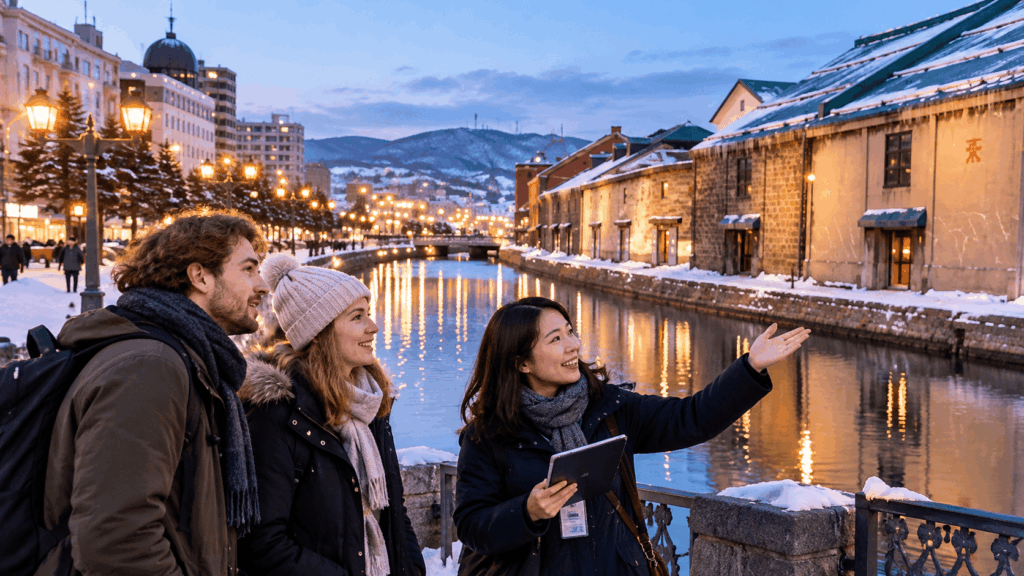
If you are staying in central Otaru and want to understand the town beyond its canal views, a private guided walk can be a useful way to connect the historic port, markets and craft streets without planning every stop yourself. The Otaru Customized Private Tour offers a four- or six-hour itinerary with a licensed guide, making it a better fit for travellers who value local context than for those who simply want to browse independently.
Why I’d book this one
- Local context rather than just sightseeing: Recent travelers mention guides who explain Otaru’s history and local culture while making familiar stops more meaningful.
- A flexible route: The private format allows the itinerary to be shaped around interests such as the canal, markets and craft shops, rather than following a fixed group schedule.
- A clear choice before committing: You can compare the available durations, start times, recent traveler reviews and cancellation terms. Check the inclusions carefully, as transport and attraction admission may cost extra.
For a first visit where you want an English-speaking guide and fewer decisions about the daytime route, see current availability, tour options and recent traveler reviews for the Otaru private guided tour on GetYourGuide. If exploring at your own pace is the point, the central sights are walkable without a guide.
Frequently Asked Questions
What is the best area to stay in Otaru for first-time visitors?
Between JR Otaru Station and Otaru Canal. The two are about eight to ten minutes apart on foot, so you are not choosing between two separate districts — you are choosing whether you want the canal outside your window or the station outside your door. Everything most first-time visitors want, including Sakaimachi Street, sits inside that walkable area. Asarigawa Onsen and Shukutsu only make sense when the ryokan or the sea view is the purpose of the trip.
Is it better to stay near Otaru Station or Otaru Canal?
Stay near the canal if you want the lit warehouses in view, an evening walk without transport, and a hotel with more character. Stay near the station if you are arriving late, leaving early, carrying luggage, or travelling in winter, when the shorter walk matters most. The compromise is a canal-front hotel eight minutes from the station, which gives you both without a taxi.
Are there hotels in Otaru with private onsen?
Yes, but the wording needs checking. Otaru Kourakuen has 28 rooms with private open-air hot-spring baths, selected rooms at Otaru Furukawa have in-room hot-spring baths, and all 19 rooms at Kuramure in Asarigawa Onsen have private hot-spring baths. Hotel Neuschloss Otaru has a private open-air-style bath with opening windows in every room, but the water is softened rather than hot spring water. Confirm whether the bath is in your room and whether the water is a hot spring before paying a premium.
Is one night in Otaru enough?
For a first visit, usually yes. One night covers the canal, Sakaimachi Street, the shops and a seafood dinner, plus the canal after dark and a quiet morning. Two nights are better if you are staying at a ryokan in Asarigawa Onsen, basing yourself in Shukutsu, or prefer not to compress the town into an afternoon.
Is it worth staying overnight in Otaru instead of visiting from Sapporo?
If you want the canal after the day visitors leave, an early morning in the town, or a hot-spring bath as part of the stay, an overnight is worth it. If your priority is maximising time in Sapporo, or you only have half a day for Otaru, the day trip from Sapporo works perfectly well and costs you nothing in sights.
Where I Would Stay in Otaru for Different Trips
If I were booking for someone else, this is how I would decide.
- First trip, and the canal should be part of the stay: Hotel Sonia Otaru, in a canal-side room. I stayed here, and the view from the window did more for the trip than any single sight. Accept the older building and time your bath and breakfast away from the rush.
- A couple who want new facilities, a sauna and a bar upstairs: GRANBELL HOTEL OTARU, in the 37 m² canal-view room rather than a standard double. I stayed here too, and the top-floor bath and rooftop bar were the highlights; the standard rooms are genuinely small.
- An early train, heavy bags or a winter trip: Dormy Inn Premium Otaru. One minute from the platform, a natural hot-spring bath on the second floor, and no canal view to pay for.
- Two quiet nights with the sea in front of you: Hotel Neuschloss Otaru. I stayed here and would go back for the in-room bath over the bay — knowing it is a private bath, not a private onsen, and that the town is a shuttle ride away.
- The ryokan is the reason for the trip: Otaru Kourakuen. I have not stayed, but on current official facilities it is the clearest match for a private open-air hot-spring bath with dinner included — 28 of 34 rooms, an own-source alkaline spring, and a garden worth an afternoon.
- Traditional feel, but you refuse to leave the canal: Otaru Furukawa, in one of the room categories that includes an in-room hot-spring bath. Also not a stay of mine; the reason to pick it is location plus atmosphere, not a reservable private bath, which closed in early 2026.
If none of those fit because you want the highest tier in the area, Kuramure in Asarigawa Onsen — 19 rooms, every one with a private hot-spring bath, all-inclusive — is the option to price before deciding the town hotels are expensive.

Hi, I’m Kai. I’m a Tokyo-based travel writer, tourism industry insider, and the author of a published guidebook for international visitors to Japan. With over 10 years of professional experience at a leading Japanese tourism company, my mission is to help you skip the tourist traps and navigate Japan’s best destinations like a local. I believe the perfect day trip is like a traditional kaiseki meal: a beautiful balance of precise planning and unforgettable seasonal discovery. When I’m not out conducting field research, you’ll usually find me drafting new itineraries with one of my favorite fountain pens!