
Yes — Otaru is one of the easiest day trips you can make from Sapporo. A rapid train covers the distance in around half an hour, Otaru Station is a ten-minute walk from the canal, and the historic core is compact enough to cross on foot in a single morning.
But here is the part most guides skip: you do not need a full day simply to see the canal.
- Four to five hours is enough for the canal, Sakaimachi Street, lunch and a bit of shopping.
- Six to eight hours is a comfortable first-visit window for the main sights, lunch and shopping. If you also want both a quiet early-morning canal and the gas lamps at sunset, allow longer in summer, when sunset can be after 19:00.
- The canal itself is smaller than the photographs suggest. That is not a disappointment; it is the reason the town works so well as a relaxed day trip.
Short on time? Half a day works. For the version of Otaru I would recommend to a first-time visitor, stay until sunset.
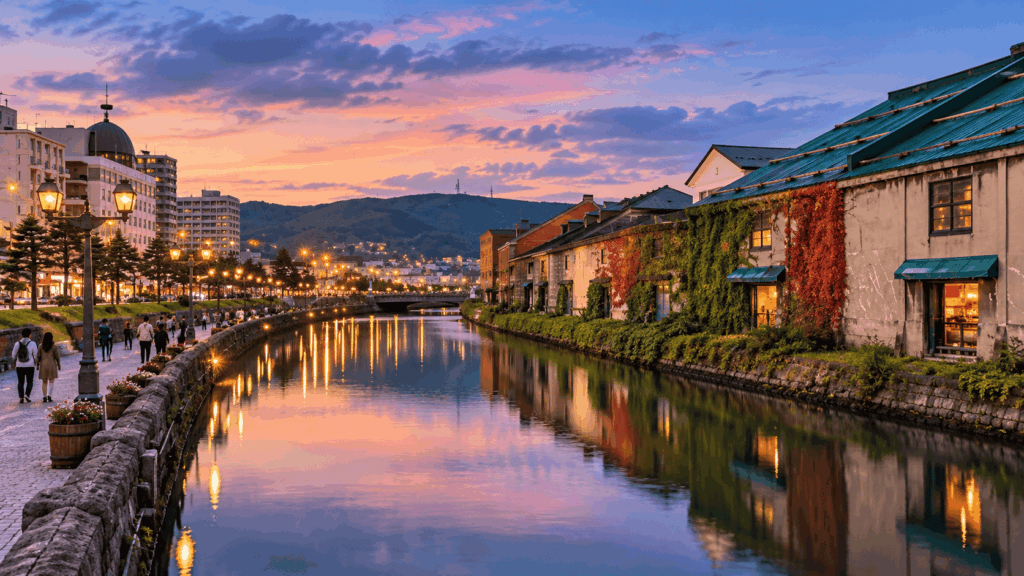
Prefer having the route and local history handled for you? A private Otaru day trip from Sapporo may be worth comparing with the self-guided plan below. Check the private tour’s current departure options, inclusions, and pricing before deciding.
Is Otaru Worth a Day Trip from Sapporo?
For most first-time visitors to Hokkaido, yes — provided you know what you are going to. Otaru is a walkable former port town of stone warehouses, glass workshops, confectionery shops and steep side streets running down to the water. The pleasure is in moving through it slowly, not in standing in front of one monumental sight.
That distinction matters, because it is where most of the disagreement about Otaru comes from. Travellers who arrive expecting a landmark on the scale of what they saw on social media tend to describe the canal as smaller than expected and the town as something you can finish in a few hours. Travellers who treat the whole district — canal, bank buildings, Sakaimachi Street, a long lunch — as the attraction tend to come away enthusiastic. Same town, different expectation.
I felt the gap myself on the first walk along the water. The canal reads as bigger in photographs than it does in person. Once I stopped measuring it against the photos and started walking the warehouse stretch at an easy pace, an hour went by without effort and the visit made sense.
Otaru is a good fit if you like historic port districts, small shops, sweets, seafood, and streets that reward wandering. It suits couples, solo travellers and friends travelling at a similar pace, and it works well for anyone basing themselves in Sapporo without a car.
Otaru is a lower priority if you want dramatic nature, a single unmissable monument, or a full day of major museums. It is also a poor match if you dislike crowds in the afternoon, since the main shopping street fills up as the day goes on.
One more thing worth saying plainly: Otaru is easy to visit independently. If you would rather have the history explained and the route decided for you, there is a section further down on when a guided day trip actually earns its price.
How Many Hours Do You Need in Otaru?
Think in terms of what you want to include, not how many sights you can tick off. Adding shopping, a sit-down lunch, a canal cruise or a slow photography stop each pushes the visit longer by roughly an hour.
| Time available | What you can realistically do | Best for | What you miss | My take |
|---|---|---|---|---|
| 3–4 hours | Canal walk, Sakaimachi Street, a quick meal or snack | Travellers fitting Otaru around Sapporo plans | Sunset at the canal, unhurried shopping, the cruise | Works, but feels rushed if the street is busy |
| 4–5 hours | Canal, Sakaimachi, lunch, two or three shops you actually care about | Anyone who wants the core of Otaru without a full day | The evening atmosphere and the second canal visit | The realistic minimum for a satisfying visit |
| 6–8 hours | Canal, lunch, shopping and a rest; add the sunset canal or a cruise if the season and your start time allow | First-time visitors who want the full arc of the town | Almost nothing except the empty streets after dark | What I would choose for a first visit |
| Overnight | Everything above, plus the town after the day-trippers leave and an early walk | Travellers prioritising quiet streets and slow photography | — | Nice rather than necessary for most people |
The jump from four hours to seven is rarely about seeing more places. It is about giving yourself time for the town rather than rushing it. Seeing both a quiet morning canal and sunset may require a much longer stay in summer. Everything between those two points — lunch near Marchen Crossroads, a browse through Kitaichi Glass Sangokan, a slice of cheesecake at LeTAO Main Store — is padding that most people are happy to have.
Getting from Sapporo to Otaru Is the Easy Part
Take the train. JR Hokkaido’s rapid service between JR Sapporo Station and JR Otaru Station takes roughly 30 to 35 minutes, costs around ¥800 one way as of late 2026, and needs no reservation — you can tap in with an IC card and sit in an unreserved car. (For more details on fares, IC cards, and bus alternatives, see our detailed guide to getting from Sapporo to Otaru.) Local trains take closer to 45 minutes. A car is unnecessary and, in winter, actively unhelpful.
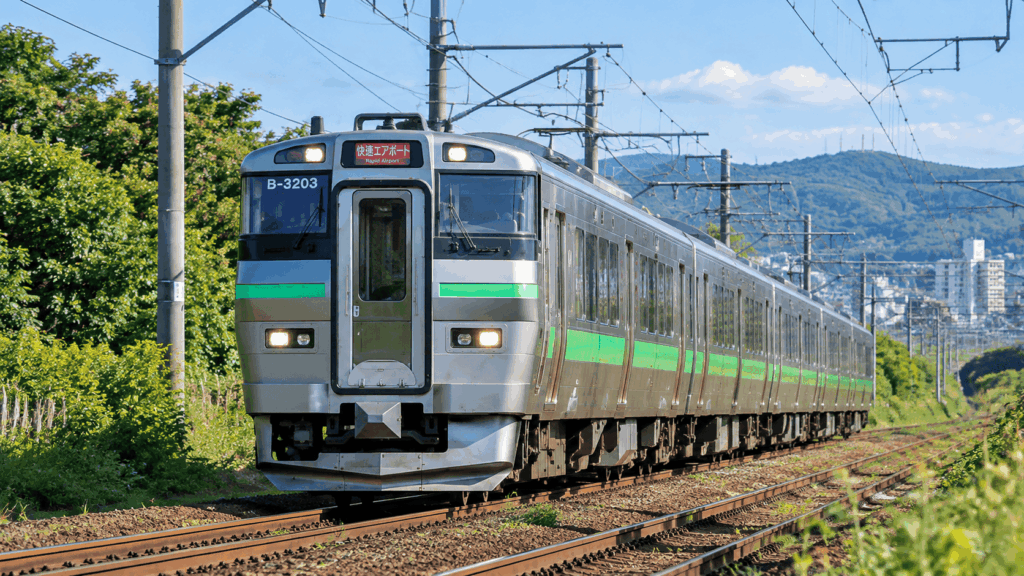
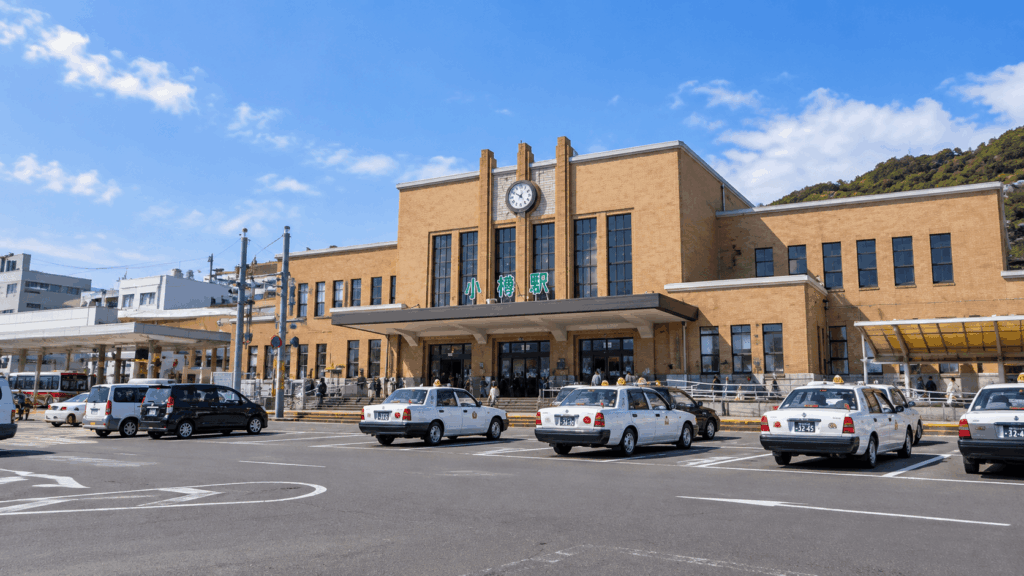
From Otaru Station, walk straight downhill towards the harbour and you reach Chuo Bridge, the middle of the canal, in about ten minutes. That is the natural starting point and the reason most itineraries begin at the station side of the water.
There is a second option for the return leg. If you finish on Sakaimachi Street at the southern end near Marchen Crossroads, JR Minami-Otaru Station is a short walk away and saves you retracing the whole street. It is a sensible shortcut on a half-day visit. On the full-day plan below, though, you come back to the canal for sunset anyway, so returning from Otaru Station is simpler and keeps your ticket and timing options open.
A Realistic One-Day Otaru Itinerary
The order below is built around three things rather than around geography: walking the canal while it is still quiet, doing your shopping while the shops are still open, and returning to the water when the light turns. Treat the clock times as a shape, not a timetable — sunrise, sunset and train times move a lot between June and December. In late June, sunset is around 19:20, so following this plan from a 09:00 arrival all the way to sunset takes more than ten hours, not six to eight. In winter, move the afternoon stops earlier to match the much earlier sunset.
| Time (approximate) | Stop | Why this timing works |
|---|---|---|
| 09:00–10:00 | Otaru Canal and the Asakusabashi Bridge end | Arriving early gives you the promenade at your own pace before groups build up |
| 10:15–11:00 | Old bank district / Otaru Art Base | A short walk through historic streets between the canal and Sakaimachi |
| 11:00–15:30 | Sakaimachi Street: lunch, sweets, glass, music boxes | Long enough for a proper meal and two to four chosen shops without rushing |
| 15:30–16:30 | Flexible: coffee, a rest, or Marchen Crossroads | Protects the end of the day from walking fatigue |
| Around sunset | Back at the canal, or a canal cruise | The gas lamps come on at dusk; this is the second, different version of the canal |
| Evening | Return to Sapporo from Otaru Station | Keeps the walk back short and the train options flexible |
Morning — Start at the Canal Before the Day Fills Up
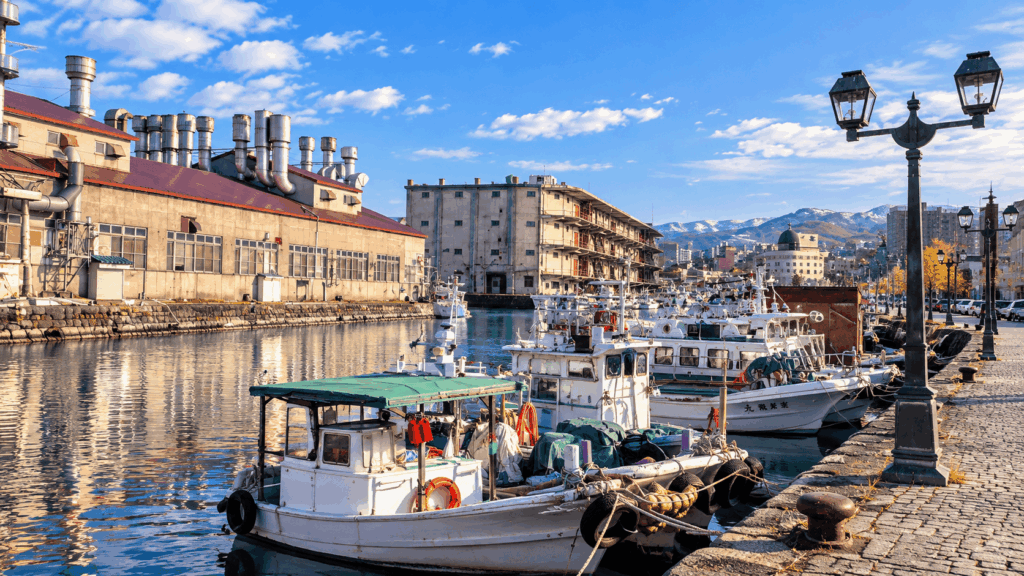
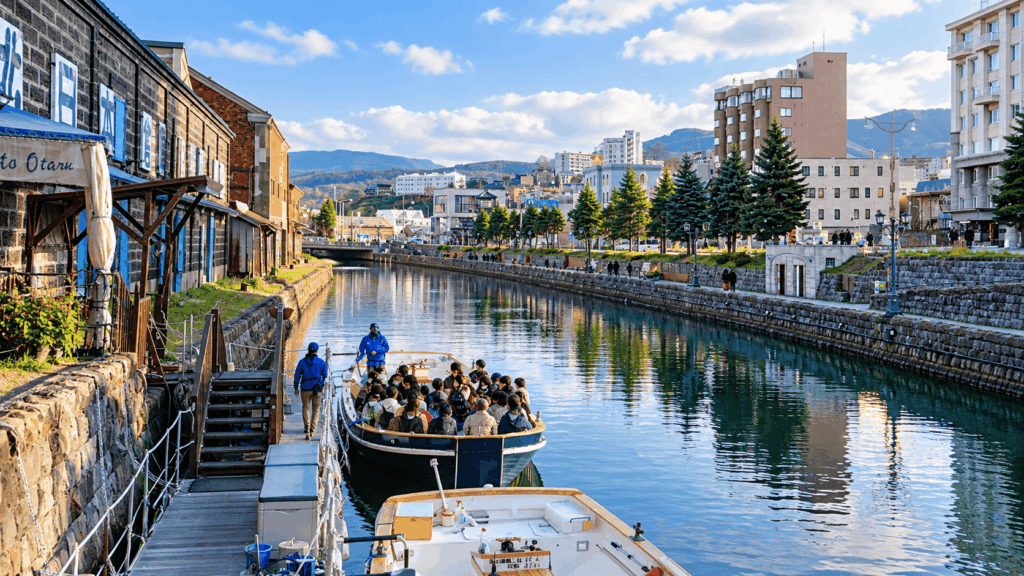
The canal runs about 1,140 metres, lined with 63 gas lamps and the stone warehouses that made the town’s fortune. The best-known promenade stretch is between Chuo Bridge and Asakusabashi Bridge. Asakusabashi Bridge is the classic postcard photo spot; for a quieter scene, continue north past Chuo Bridge toward North Canal.
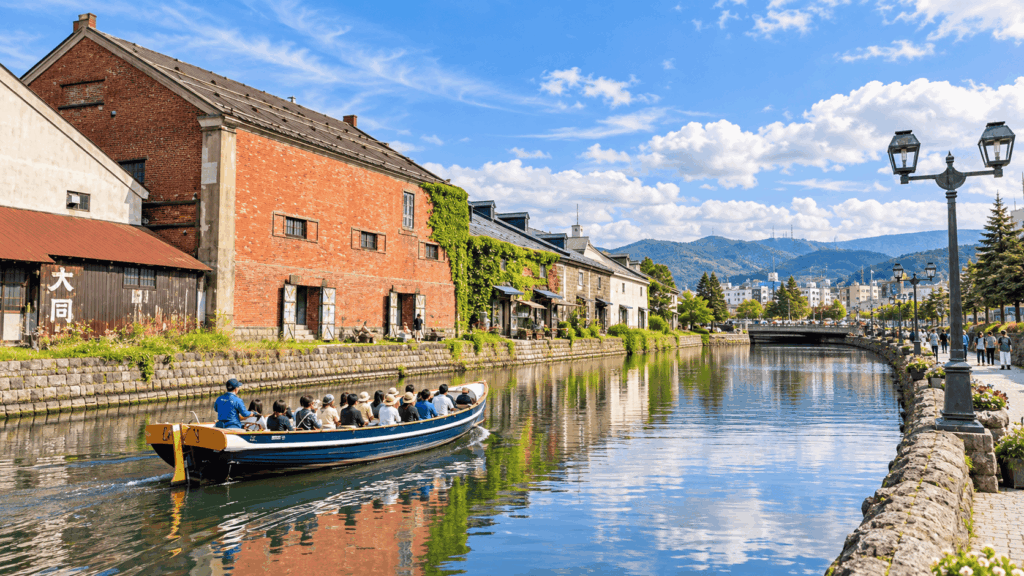
Decide before you arrive which version of the canal you want. If you mainly want the postcard frame, fifteen or twenty minutes around Asakusabashi Bridge and Chuo Bridge is genuinely enough. If you want the warehouses, the water and the sense of a working harbour, walk the promenade for 45 to 60 minutes and drift north towards North Canal, where moored boats and older buildings thin the crowd out further.
Kai’s tip: Going first thing made the biggest difference to how much I enjoyed the canal — I could stop where I liked and take photographs without waiting my turn. It also helped that I had decided in advance to walk the full warehouse stretch rather than just photograph one bridge. The canal is smaller than the pictures imply, so a fifteen-minute stop can feel underwhelming, while an hour of walking it feels like a proper introduction to the town.
Be careful with the word “quiet”, though. Early morning is usually calmer than midday, but it is not guaranteed empty, and on weekends and in peak seasons the bridges fill up quickly. If the main bridge is crowded, walking a few minutes north costs you nothing.
Late Morning — Cut Through the Old Bank District
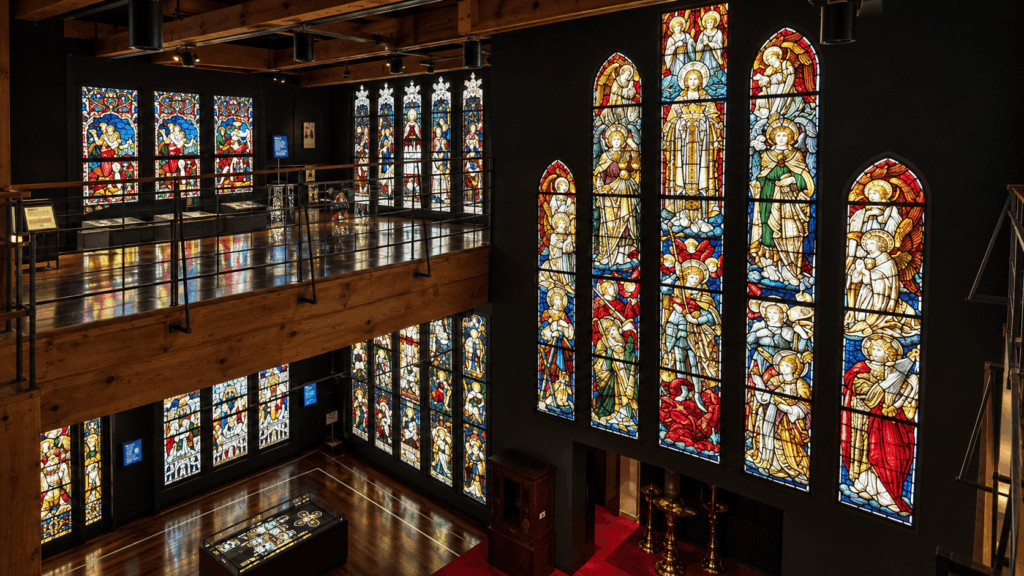
Rather than walking straight from the canal to Sakaimachi Street, take the slightly longer line through the old financial quarter. Otaru was a major trading port, and the stone bank buildings are the most direct evidence of it. Otaru Art Base is the easiest single stop: it occupies former bank buildings, including the former Mitsui Bank Otaru Branch and the former Hokkaido Takushoku Bank Otaru Branch, and now houses the Nitori Museum of Art among other spaces. Hours are generally around 9:30 to 17:00.
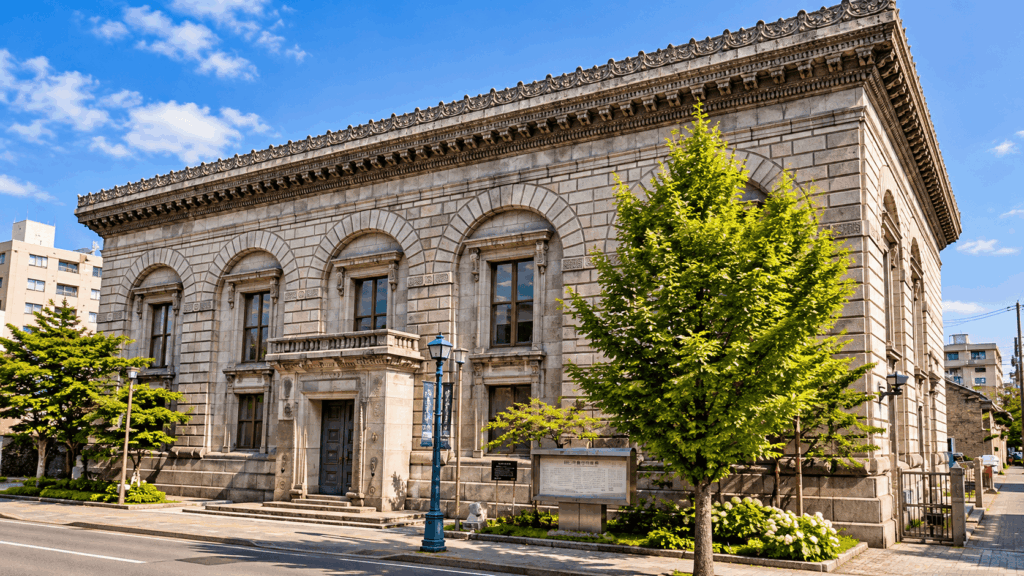
You do not need the full museum. Twenty to forty minutes of looking at facades and one interior is enough to understand why the streets look the way they do, and that context makes the canal and the merchant houses on Sakaimachi more interesting than they would be on their own. If architecture leaves you cold, skip this entirely and go straight to lunch — nothing later in the day depends on it.
This is also the part of town where a guide earns their fee most clearly: the buildings are handsome but opaque without someone telling you what they were.
Midday to Mid-Afternoon — Sakaimachi Street, Lunch and Shopping
Sakaimachi Street is a single, gently curving merchant street running from the canal side of town down towards Marchen Crossroads, the five-way junction at its southern end with the music box museum on the corner. It is where most of a half-day visit gets spent, and where most day trips go wrong: people arrive intending to look at everything and end up walking slowly behind crowds without buying or eating anything they came for.
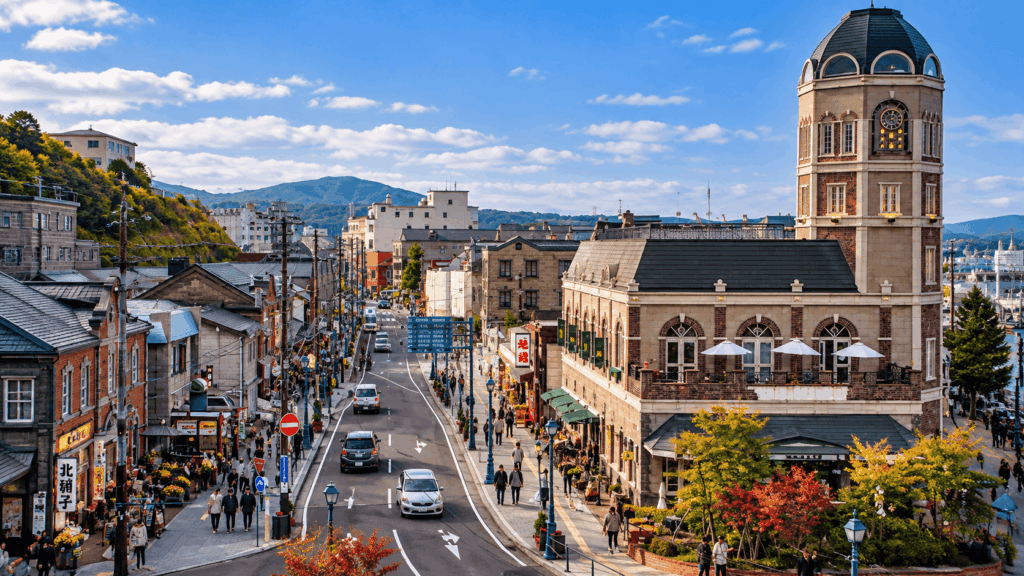
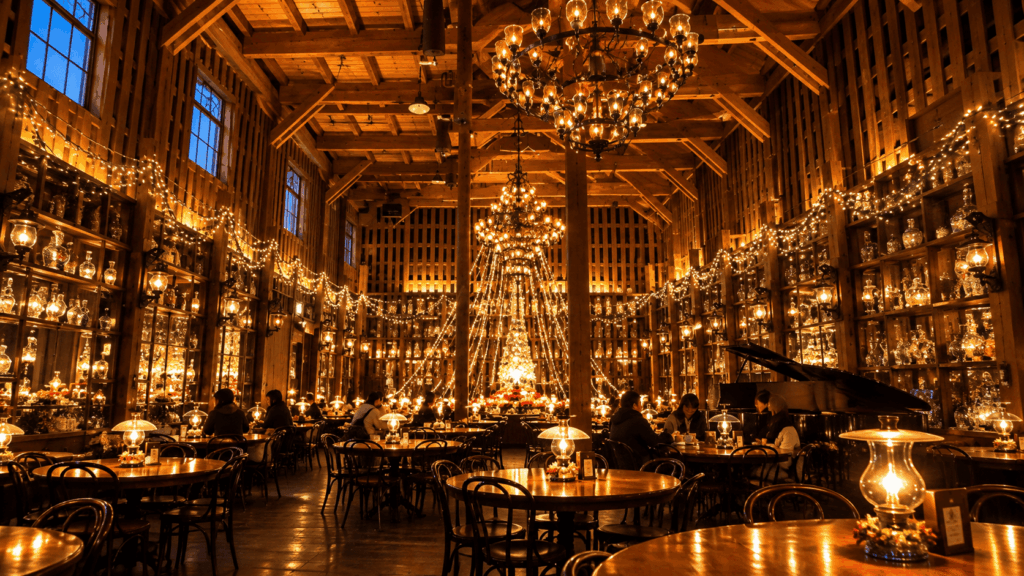
Do the opposite. Before you get on the train, pick two to four places you actually want. A workable split for most people is one glass shop, one sweets stop, one proper meal and one optional extra. Kitaichi Glass Sangokan is the obvious glass choice — a large, converted warehouse with a lamp-lit hall inside — and it is worth 30 to 45 minutes even if you buy nothing.
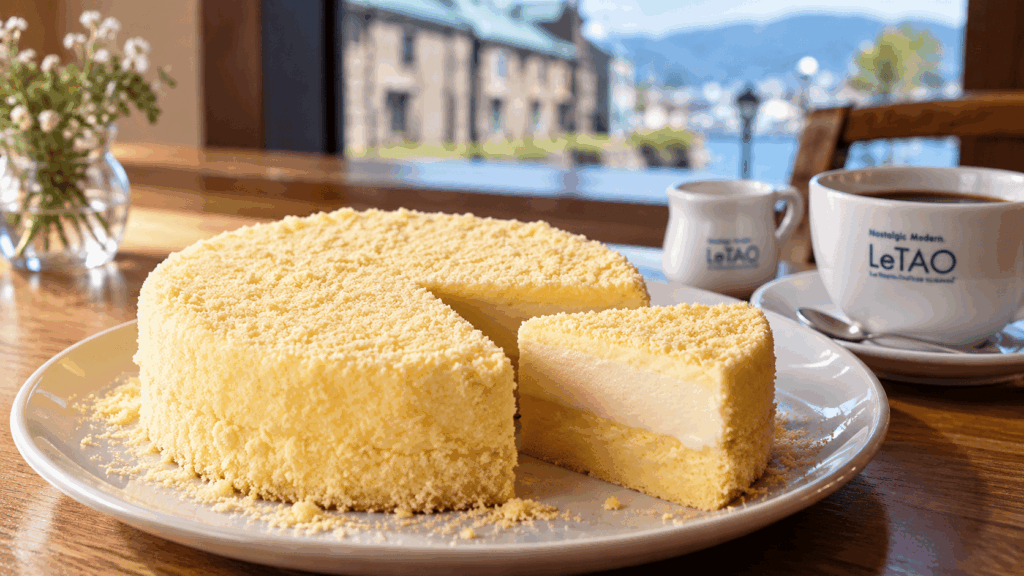
LeTAO Main Store covers the sweets side, with its signature Double Fromage cheesecake and the café upstairs; the shop runs to 18:00 and the café stops taking orders earlier.
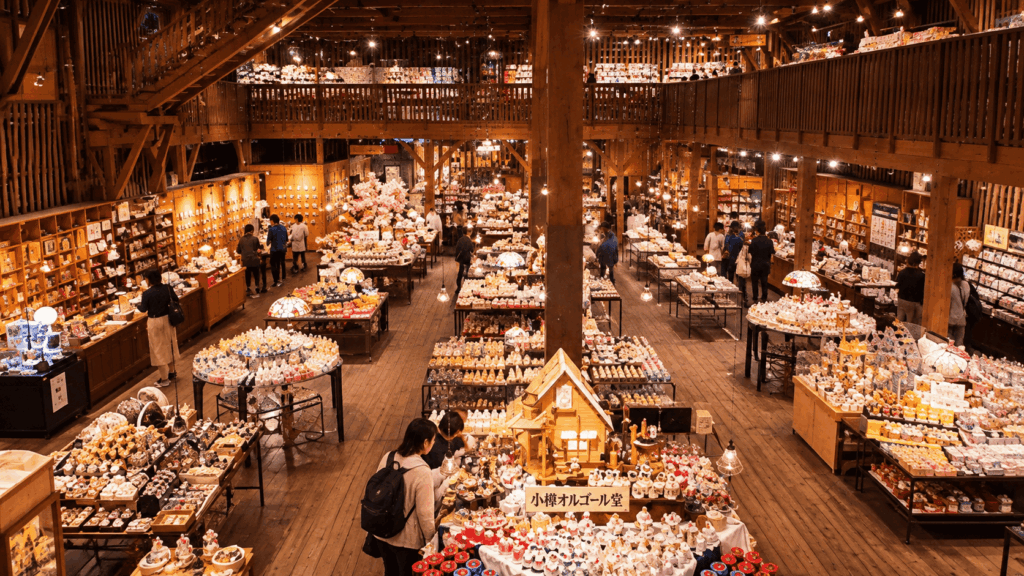
Otaru Music Box Museum Main Hall is the third anchor, and whether it interests you depends entirely on whether you like mechanical things; if you do not, Marchen Crossroads outside is still worth the walk for the streetscape.
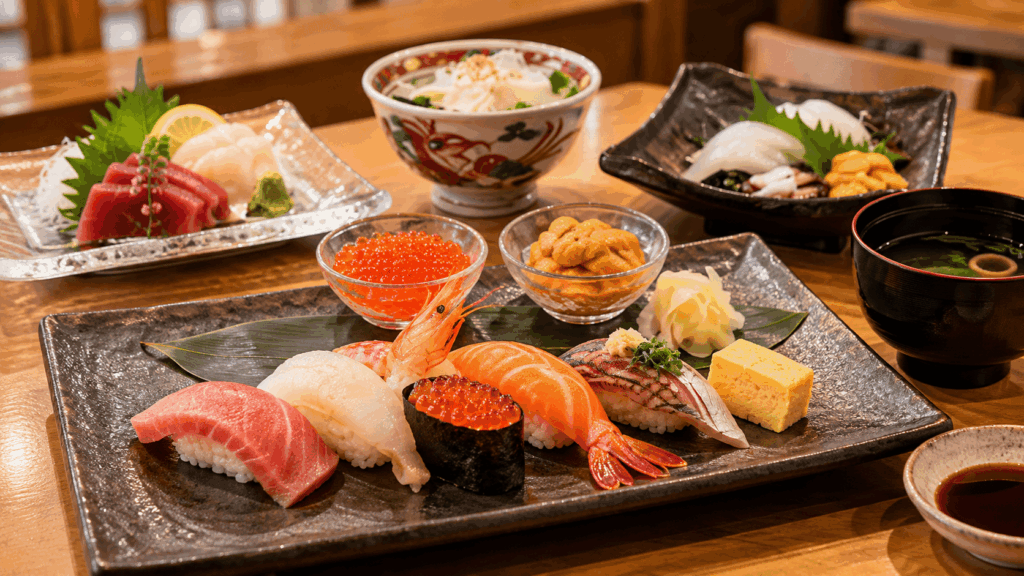
For lunch, the honest advice is to eat slightly earlier than you think you need to. Somewhere between 11:30 and 12:30 you will still walk into a seat at most places on and around the street; by 13:00 the popular seafood and sushi rooms have queues that eat an hour of your day. Otaru is known for sushi and seafood bowls, but the street also does good bakery, café and dessert options if you would rather spread your eating across the afternoon. If you are not sure what to choose, check our guide on what and where to eat in Otaru to help narrow it down.
Kai’s tip: What I did not expect was how much the street slows down in the afternoon. Groups spread across the full width of the pavement, people stop dead in the middle to take photographs, and walking fifty metres can take several minutes. Making a short list in advance and going straight to those shops turned the street from something to endure into something to enjoy — I spent my time inside the places I cared about instead of shuffling between them.
If the crowd becomes too much, the side streets running off Sakaimachi towards the hills are almost empty and lead to small workshops and cafés that never appear in guides. Ten minutes off the main line usually restores your patience.
Before Late Afternoon — Buy What You Actually Came For
This is the single most useful piece of timing advice in this article, and it is the one thing I would tell a friend first. Otaru’s shops close earlier than most visitors expect. The large, well-known stores on Sakaimachi generally run until around 18:00 — LeTAO Main Store and Kitaichi Glass Sangokan both list 18:00, with the Kitaichi Hall inside closing a little earlier — but smaller independent shops, workshops and some restaurants finish well before that, and hours vary by shop and by season.
So if there is something specific you came to buy — a particular glass piece, a box of sweets for someone at home, a music box — buy it in the early-to-mid afternoon. Do not leave it until after you have watched the sunset. You will walk back to a street of half-lowered shutters.
Kai’s tip: On my own visit I noticed shops along the street starting to close from around late afternoon onwards, which is earlier than I had assumed for a tourist district. The lesson was not a fixed closing time — it varies too much for that — but the direction of travel: the last two hours of daylight are for the canal, not for shopping. Anything I definitely wanted, I should have bought when I first saw it.
One practical consequence: if shopping matters more to you than the evening canal, flip the plan. Shop through the afternoon, take the canal at dusk briefly, and go home. The itinerary is not sacred; the closing times are.
Around Sunset — Return to the Canal, or Take the Canal Cruise
Walking back to the canal in the late afternoon is the reason to stretch the day. The walk takes around 15 to 20 minutes from the southern end of Sakaimachi. What changes is not the canal itself but the light: the gas lamps along the main canal promenade come on at sunset and stay lit until midnight. North Canal’s promenade lights operate by sensor for much of the year, with a scheduled 18:00–04:00 period from June to August. The warehouses pick up a warmer tone and the water starts reflecting the lamps instead of the sky.
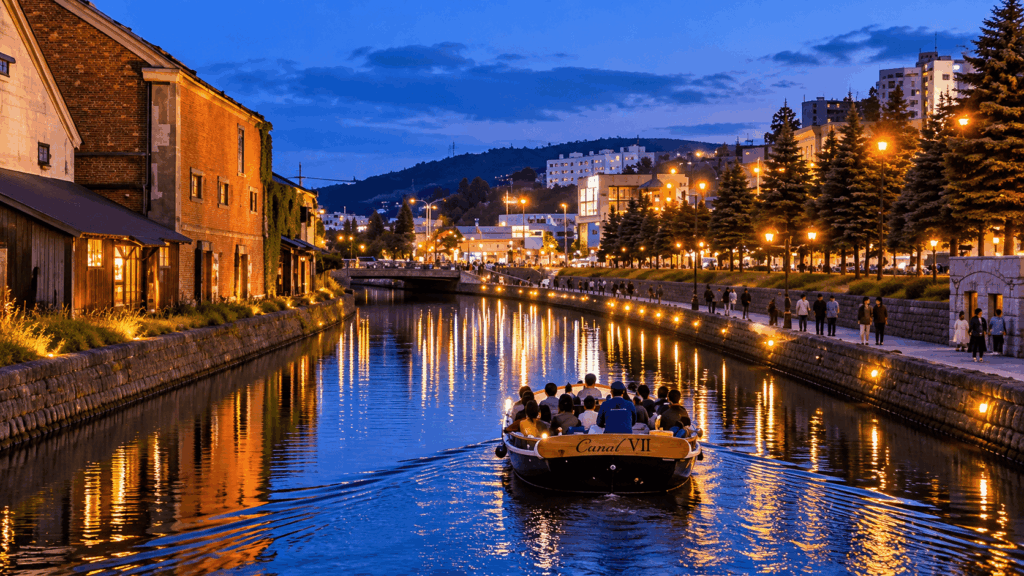
The canal cruise is the other option, and it divides people. Boats leave from the ticket centre beside Chuo Bridge and run about 40 minutes, with a captain narrating the history of the warehouses and the waterway. Day cruises cost around ¥1,800 for adults, night cruises around ¥2,000, children around ¥500. (Read a full comparison of day and night canal cruises to help decide which timing works best for you.) You are asked to assemble 15 minutes before departure, seats cannot be chosen, and when a boat is full you may be seated with other passengers. Cruises can be cancelled in bad weather, and weekend, holiday and evening departures are busy enough that booking ahead is sensible.
| Walking the canal | Otaru Canal Cruise | |
|---|---|---|
| Cost | Free | Around ¥1,800 day / ¥2,000 night for adults |
| Time | 15 minutes to an hour, your choice | About 40 minutes, fixed departure |
| What you get | Freedom to stop, photograph and leave | Water-level views and a spoken history |
| Practical friction | None, but the bridges get crowded | Queueing, assigned seating, possible seat sharing |
| Best for | Photographers, anyone on a tight schedule | People who want to sit, listen and understand the town |
My preference is the evening boat, because the light changes while you are on the water — you start in daylight and finish with the lamps reflecting off the canal. That only works if the departure lines up with sunset, which it will not always do; check the sunset time for your date and that day’s timetable rather than assuming the last day cruise is the golden one. If the timing does not line up, walking the promenade costs nothing and gives you the same light.
One small caution: more than one operator runs canal boats in Otaru, and the official Otaru Canal Cruise site warns about similarly named services. The genuine ticket centre is the one beside Chuo Bridge. If you booked online, arrive early — counter sales stop 15 minutes before departure and web sales an hour before.
Half Day or Full Day? Decide by What You’d Regret
Most “how long” advice fails because it is framed in hours. It is easier to decide by asking which ending you would regret.
Take the half day (4–5 hours) if the thing you would regret is wasting Sapporo time. You will still see the canal, walk Sakaimachi, eat properly and buy something. What you lose is the second canal visit and the evening atmosphere, and on a short Hokkaido trip that is often the right trade.
Take the full day (6–8 hours) if the thing you would regret is rushing. The full version buys you a canal walk, a lunch without watching the clock, shopping done while the shutters are up, and — when sunset timing allows — a completely different canal at dusk. Combining a 09:00 arrival with sunset requires a longer visit in summer. It is also the version that makes the cruise worth adding, because you are not paying for a boat ride you have to sprint away from.
Stay overnight only if empty streets are the point. Otaru after the day-trippers leave is quiet in a way that is genuinely pleasant, but it is a preference, not a requirement, and it is not worth restructuring a Hokkaido itinerary around.
Self-Guided or a Private Otaru Day Tour?
The honest answer, having walked this route: most people do not need a tour. The train is simple, the station is close to the canal, and the whole historic core fits inside a walk of about two kilometres. Nothing here requires navigation skills or Japanese.
A private guided day trip earns its price in four specific situations. First, if you want the history explained — the bank buildings, the herring trade, why the canal was built and why half of it was filled in — because the streets are handsome but do not explain themselves. Second, if you would rather not decide the order, the lunch spot or when to move on. Third, if you are travelling as a family or group with different energy levels and want someone else managing the pace. Fourth, if your time is short and you would rather not spend any of it second-guessing.
As a reference point, the private option listed for this route runs about six hours with an English-speaking local host, travels by public train with round-trip tickets included, includes one drink, and can be cancelled free of charge up to 24 hours ahead. It meets at the tourist information centre at Sapporo Station. Itineraries are personalised after booking, and food, attraction tickets and anything beyond the included train fare are extra. Prices move with dates and group size, so check current availability rather than relying on any figure you see quoted.
For travellers who want the old port’s history explained and the day shaped around their interests, this private trip is worth a closer look. It makes most sense when local context and a personalised route matter more than exploring every shop independently.

Why I’d book this one
- History that makes the streets more meaningful. An English-speaking local host can explain the trading history, canal and old financial district rather than leaving you to interpret the buildings on your own.
- A route shaped around your interests. The personalised itinerary offers flexibility for travellers who care more about architecture, crafts or food than following a fixed sightseeing checklist. Round-trip train tickets from Sapporo are included, reducing the planning involved.
- Clear inclusions to compare before committing. The listed experience lasts around six hours including travel from Sapporo, with food and attraction admissions extra. Check the latest cancellation terms and departure time, especially if seeing the canal at sunset is important to you.
See current availability, starting times, inclusions, and recent traveler reviews for the private Otaru day trip from Sapporo. Those details should help you decide whether the guided experience offers enough value over taking the train independently.
If none of those four situations describes you, take the train, follow the order above, and spend the difference on lunch.
Practical Tips That Make the Day Work
- Leave Sapporo early. The difference between a 9am and an 11am arrival is the difference between walking the canal and queueing on the bridge.
- Choose your shops before you go. Two to four names is plenty. Aimless browsing on Sakaimachi is what makes people describe Otaru as tiring.
- Buy the things you care about before late afternoon. Shops close earlier than most visitors assume, and the big names are not the only ones with shutters.
- Check sunset before you plan the evening. In midwinter it is dark by late afternoon; in June the lamps are not on until well into the evening. The whole second half of the day moves with it.
- Book the cruise if you are going at a busy time. Weekends, public holidays and evening departures fill up. Same-day seats sometimes appear, but not reliably.
- Wear shoes you can walk in for several hours. Central Otaru is walkable but has gentle slopes and some stone paving, and you will be on your feet for much of the day.
- In winter, add slack. Snow and ice slow walking considerably, daylight is short, and both trains and cruises can be affected by weather. Check JR Hokkaido’s service status and the cruise operator’s operating page on the day, and read our detailed guide to visiting Otaru in winter for clothing tips and month-by-month differences.
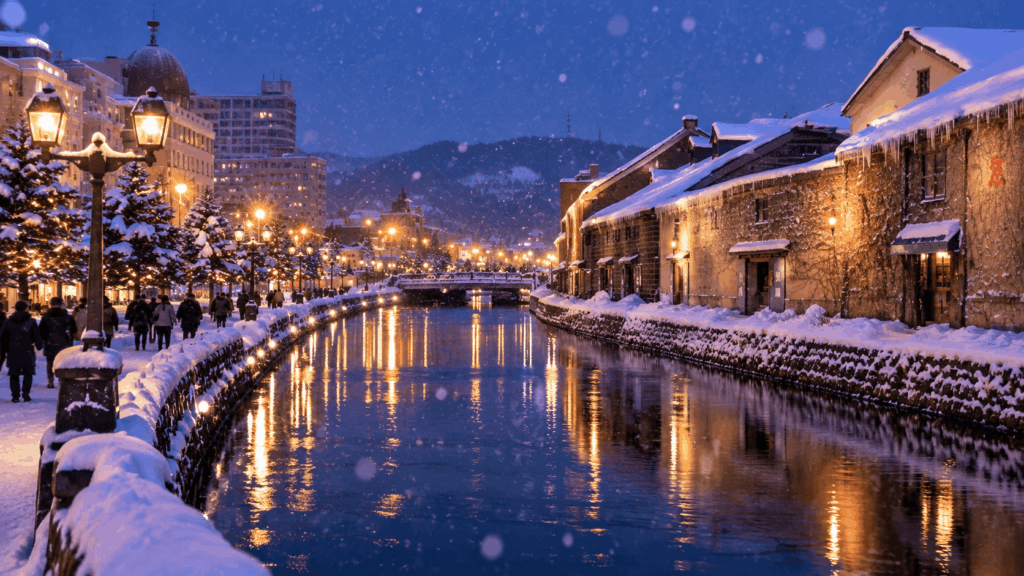
The last point deserves emphasis because it changes the arithmetic of the whole day: in winter, a “full day” in Otaru is shorter in usable daylight than a half day in summer. Plan fewer stops, not more.
FAQ
Is Otaru worth a day trip from Sapporo?
For most first-time visitors to Hokkaido, yes — but for the town rather than for a single sight. Otaru is a compact former port district of stone warehouses, glass workshops and confectionery shops, and the visit makes sense when you walk it as a whole. If you are expecting one dramatic landmark, the canal will feel smaller than the photographs; if you are expecting a pleasant half day of food, shopping and harbour atmosphere, it delivers.
Is half a day enough for Otaru, or do I need a full day?
Four to five hours covers the canal, Sakaimachi Street, lunch and a couple of shops, which is enough for a satisfying visit. Six to eight hours is better for an unhurried first visit, because it gives you more time for lunch, shopping and the canal. Seeing the canal both early in the morning and at sunset can take longer than eight hours in summer. The extra hours buy atmosphere and breathing room, not additional sights.
Is the Otaru Canal Cruise worth the money?
It depends on what you want from the canal. The boat runs about 40 minutes from the ticket centre beside Chuo Bridge, costs around ¥1,800 by day and ¥2,000 at night for adults, and gives you water-level views plus a captain explaining the warehouses and the waterway’s history. If you have already walked the promenade and are short on time, skip it. If you want to sit, listen and see the gas lamps come on from the water, an evening departure is the version worth paying for.
Can you visit Otaru without a tour?
Yes, and most people should. The rapid train from Sapporo takes around 30 to 35 minutes, Otaru Station is a ten-minute walk from the canal, and the historic core is walkable end to end. A guide is worth considering if you want the banking and trading history explained, or if you would rather not plan the order and pace yourself — not because the town is difficult to navigate.
What time should I arrive in Otaru?
Aim to be at the canal by mid-morning. The bridges and the main promenade are easier to walk before the day fills up, and arriving early means you can shop in the early afternoon rather than racing closing times later. If you are visiting in winter, shift everything earlier still — daylight is short and walking is slower on snow and ice.
Final Verdict: How I’d Spend One Day in Otaru
If I were sending a friend to Otaru for the first time, this is the shape I would give them: on the train early, at the canal while the warehouses are still quiet, through the old bank buildings to Sakaimachi for a late-morning lunch, shopping finished by mid-afternoon, a slow hour of nothing in particular, then back at the water as the lamps come on. It is a relaxed way to experience both daylight and lamplight in the same day, but in summer this early-start, sunset-finish plan takes longer than six to eight hours.
What changed my own view of the town was accepting its scale. The canal is compact. The district is compact. That compactness is exactly why Otaru works as a day trip: you can walk the whole thing, eat well, buy something worth carrying home, and still be back in Sapporo for dinner. The people who come away disappointed are usually the ones who measured it against a photograph instead of enjoying it as a walkable harbour town.
First-time visitors: take the full day if you want both a morning canal walk and sunset — and allow extra hours in summer. This is the version the itinerary above is built for, and the one that shows why Otaru is more than one bridge.
Short on time in Hokkaido: take the four-to-five-hour version — canal, Sakaimachi Street, lunch, two shops — and leave before the afternoon peak. You will see the essentials and feel no guilt about the train back.
Food and shopping first: reverse the order. Shop from arrival through mid-afternoon while the shutters are up, eat a late lunch, then walk the canal briefly at dusk. Chasing sunset first and shopping afterwards is how people end up with closed doors.
Architecture and history: give Otaru Art Base and the old bank quarter proper time, and consider a guide for this stretch specifically. Without context those facades are handsome but silent.
Families: shorten the walking and lengthen the stops. The music box museum and the glass shops hold children’s attention better than the promenade does, and the cruise is a good rest that also counts as sightseeing.
Repeat visitors and photographers: come for the edges of the day, not the middle. Early morning at North Canal and the last light at Chuo Bridge are the two hours that make a return trip worthwhile.

Hi, I’m Kai. I’m a Tokyo-based travel writer, tourism industry insider, and the author of a published guidebook for international visitors to Japan. With over 10 years of professional experience at a leading Japanese tourism company, my mission is to help you skip the tourist traps and navigate Japan’s best destinations like a local. I believe the perfect day trip is like a traditional kaiseki meal: a beautiful balance of precise planning and unforgettable seasonal discovery. When I’m not out conducting field research, you’ll usually find me drafting new itineraries with one of my favorite fountain pens!