
Otaru is close enough to Sapporo to visit on a whim, but the details decide whether the day feels easy or tiring: which train to board, how long the walk to the canal actually takes, and whether you should come back to Sapporo at all that evening.
This guide focuses on the practical side of that trip — the transport decision, the walk from Otaru Station to the canal, and when a day trip stops being the better choice. Fares and timetables are based on current official information; the on-the-ground details come from my own visits, and I’ve noted where conditions change what you should expect.
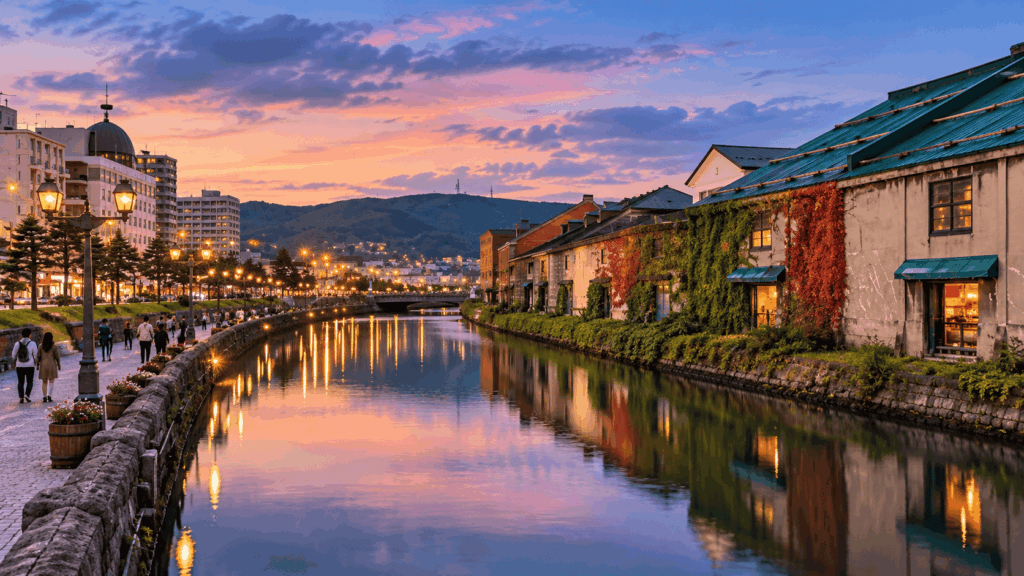
Travelling with family or planning several Otaru stops? For most visitors, the train is the easiest choice. But if you want hotel pickup, fewer transfers, or a more flexible day with a private car and guide, a guided tour may be worth comparing. Check the private car tour’s Otaru itinerary, available dates and current group pricing before deciding whether the extra convenience suits your trip.
The Best Way to Get from Sapporo to Otaru
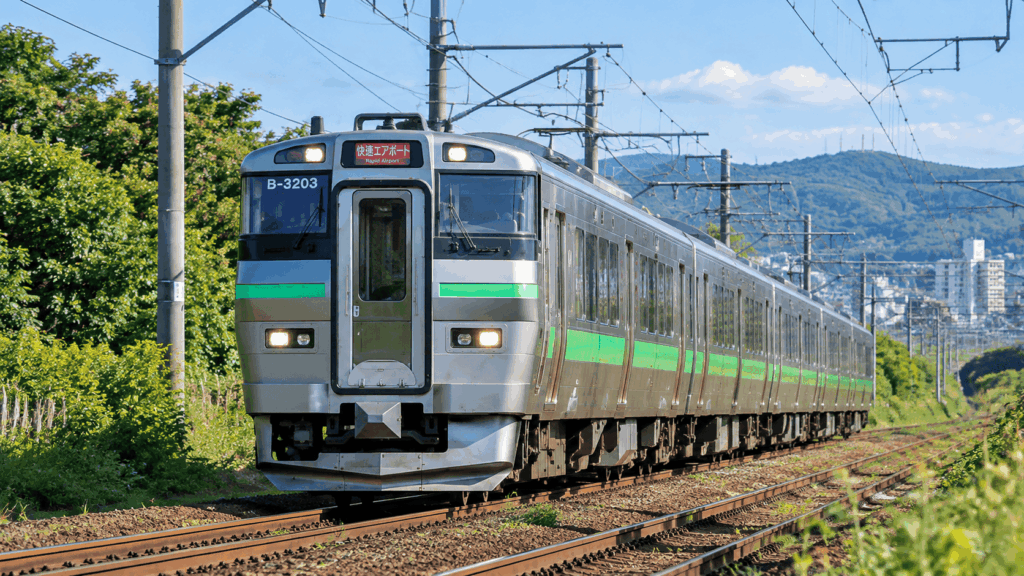
For most first-time visitors, the JR train from Sapporo Station to Otaru Station is the simplest and most practical option. It is a direct ride on the Hakodate Main Line, it takes roughly 30 to 35 minutes on rapid services, and it costs about ¥800. You can tap in with an IC card and be standing on Chuo Dori in Otaru within the hour.
Here is the short version before the details:
- Fastest and easiest: JR rapid train, Sapporo Station to Otaru Station, about 30–35 minutes, around ¥800, no transfers.
- Payment: IC cards such as Suica, ICOCA, PASMO and Kitaca work for this section. Beyond Otaru, IC cards are not valid.
- Otaru Station to the canal: officially about a 10-minute walk, but plan on 15–20 minutes if it is raining, you are stopping at Sankaku Market, or you are taking photos.
- Day trip or overnight: a day trip is enough for sightseeing. An overnight stay is worth it mainly if a quiet canal matters to you.
- When to skip the train: winter walking, small children, older travellers, heavy luggage, or wanting several stops in one day.
When I take guests from Sapporo to Otaru, I normally use the JR train rather than arranging a car. That is not because the train is the only option — it is because the trip is short enough that the transfer time and parking hassle of any other choice usually outweigh the savings.
Sapporo to Otaru by Train
From JR Sapporo Station, you can take a direct train to Otaru without changing anywhere along the way. The confusion most visitors hit is at the departure board, not on the journey.
Two things are worth knowing before you go through the gates.
First, not every train on the boards goes to Otaru. Services bound for Teine or Hoshimi use the same tracks for part of the route but terminate before Otaru. Check the destination on the front of the train, not just the platform number.
Second, the name Rapid Airport does not mean the train is only for the airport. These services run between New Chitose Airport, Sapporo and Otaru, and several continue all the way to Otaru. If you see “Otaru” as the destination, you are on the right train regardless of the “Airport” branding.
Rapid trains cover the distance in roughly 30 to 35 minutes. Local trains on the same line take closer to 45 minutes because they stop at every station, so if you are not in a hurry the difference is not dramatic — but the rapid is the better default. Trains run several times an hour during the day, so you rarely need to plan around a specific departure.
Seating is straightforward. Non-reserved cars are the norm: tap your IC card at the gate, board, and take any open seat. Car 4 on these services is the reserved u-Seat car, which requires an additional fee on top of the base fare. For a journey this short, the reserved seat is optional rather than necessary, though it can be useful if you are boarding at a busy time with luggage.
If you are continuing past Otaru toward Yoichi, Kutchan or Niseko, note that you will need to transfer at Otaru Station, and IC cards stop working beyond Otaru — buy a paper ticket at your starting station in that case.
Sapporo to Otaru by Bus
There is a direct highway bus, the Kosoku Otaru-go, operated jointly by Hokkaido Chuo Bus and JR Hokkaido Bus. The Maruyama and Hokudai routes connect the Sapporo Station area with Otaru Station. The separate Boyodai route serves Otaru-Chikko Station instead, so check the route before boarding if you want central Otaru.
The numbers are close enough to the train that the choice is really about time, not money. The fare is around ¥730 one way between Sapporo Station and Otaru Station, roughly ¥70 cheaper than the train, and the journey takes about 55 to 65 minutes depending on the routing and traffic. IC cards are accepted.
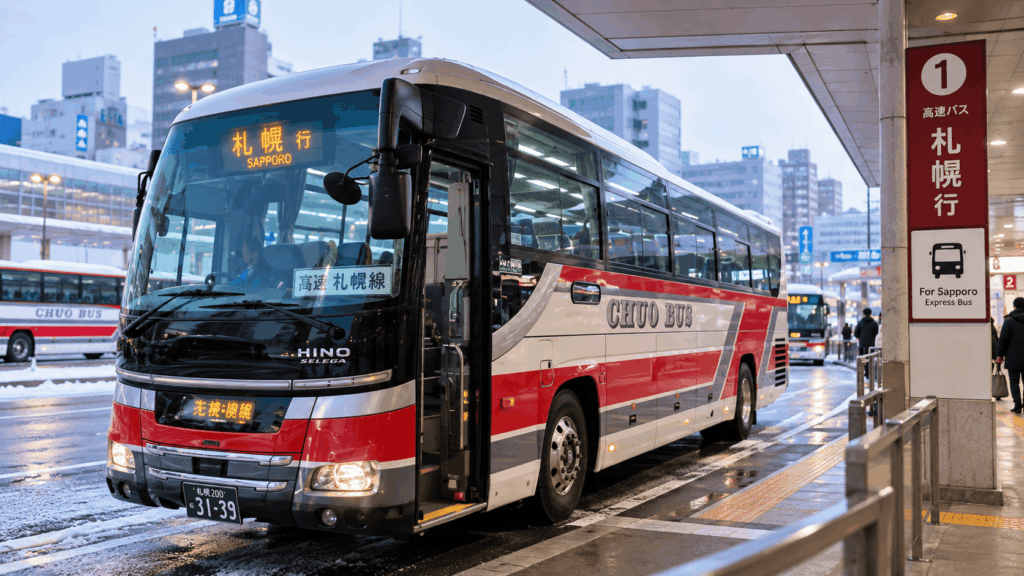
Boarding points sit around the Sapporo Station area, including stops near the station’s main building rather than inside it. If your hotel is closer to one of those stops than to the station itself, the bus can genuinely save you a walk at the start of the day.
What the bus does not do is drop you closer to the canal. The Maruyama and Hokudai buses terminate at Otaru Station, which is the same starting point as the train — so the “the bus gets you nearer the sights” assumption does not hold for those routes. The Boyodai bus ends at Otaru-Chikko Station, farther from the central canal area.
Train vs Bus: Which Should You Take?
The comparison comes down to a small saving against a meaningful time cost.
| Train (JR) | Bus (Kosoku Otaru-go via Maruyama/Hokudai) | |
|---|---|---|
| Departure point | JR Sapporo Station | Bus stops around the Sapporo Station area |
| Approx. travel time | About 30–35 minutes (rapid) | About 55–65 minutes |
| Approx. fare | Around ¥800 | Around ¥730 |
| Frequency | Several trains per hour in daytime | A few departures per hour |
| IC card | Yes (not valid beyond Otaru) | Yes |
| Best for | First-time visitors who want time in Otaru | Travellers whose hotel is next to a bus stop, or when trains are disrupted |
| Main downside | Can be crowded at peak times | Road traffic and winter conditions can add delays |
Fares and timetables change, so confirm the current figures with JR Hokkaido and the bus operator before you travel.
On a day trip, the bus costs you roughly half an hour each way compared with the train — an hour of your day in Otaru, traded for about ¥70. That maths rarely works in the bus’s favour unless the departure point is genuinely more convenient for you.
When the Bus Actually Makes Sense
The bus is a reasonable choice in a few specific situations, and it is worth being honest about them rather than dismissing it outright.
- Your hotel is next to a bus stop. If you are staying near a Kosoku Otaru-go stop, you can leave your bags and walk two minutes instead of hauling them to the station.
- JR services are suspended. Hokkaido’s winter weather occasionally disrupts rail services. When that happens, the highway bus becomes the practical fallback — check both operators’ service status before deciding.
- You want to sit and not think. The bus is a single seat for the whole journey with no platform navigation, which some travellers with luggage or mobility concerns prefer.
- You are not in a hurry. If Otaru is a loose half-day plan rather than a timed itinerary, the slower route costs you little.
What does not make the bus better is proximity to the canal, or a meaningful saving. At around ¥70 difference, the fare is not a reason to choose it.
If your reason for considering alternatives is that you would rather not deal with winter walking, train planning or a group with mixed mobility, a guided day tour from Sapporo removes those decisions entirely — though for most independent travellers the train remains the simpler answer.
How to Get from Otaru Station to Otaru Canal
The walk is simpler than most visitors expect, but the distance is not quite as short as the phrase “10 minutes from the station” suggests on a wet or busy day.
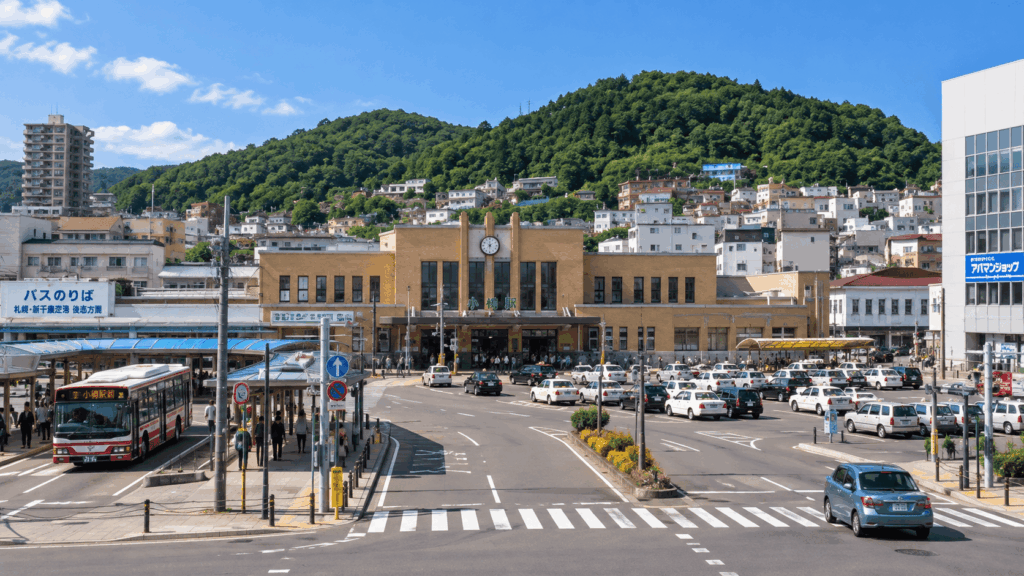
From JR Otaru Station, leave by the main exit and head straight down Chuo Dori Avenue toward the sea. The street runs directly from the station front to the waterfront, and you will reach the canal at Chuo Bridge after roughly 10 minutes of walking gently downhill. If you continue a short way along the canal to Asakusa Bridge, you arrive at the view that appears on most postcards and guidebook covers.
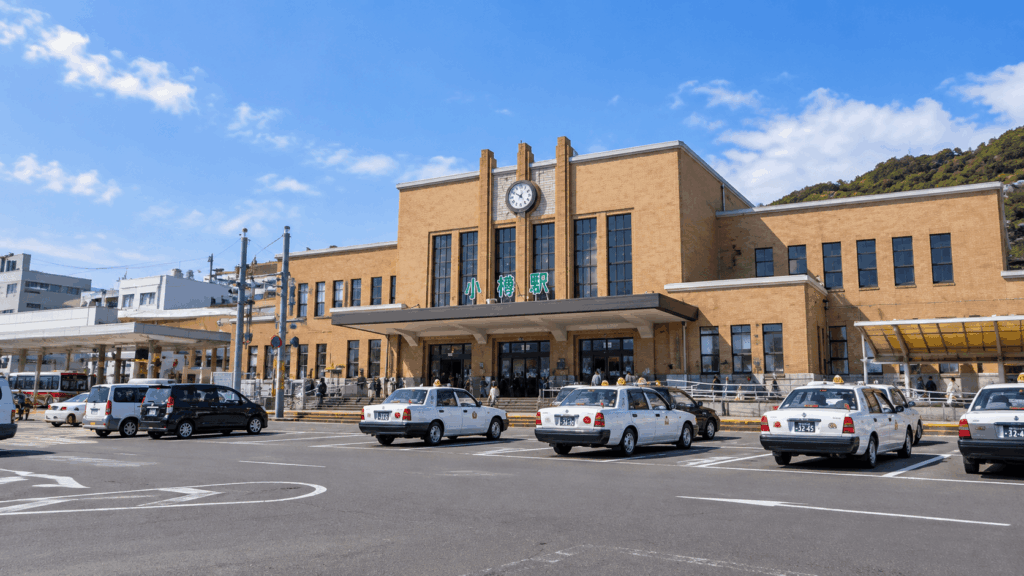
That is the official route: about 10 minutes with no turns, down a gentle slope toward the port. The return walk to the station is uphill. The Otaru Tourism Association and the city both publish this figure, and in dry weather with a normal pace it is accurate.
Two things stretch it in practice. The first is Otaru Sankaku Market, which sits about a minute or two from the station on the left as you come out — the market runs roughly 6:00 to 17:00, with the eateries opening around 7:00. It is close enough that a quick look costs you little, but a seafood bowl and a walk through the stalls easily adds 10 minutes before you have even started toward the canal. The second is weather: an umbrella slows your pace, and the pavement between the station and the waterfront offers limited shelter.
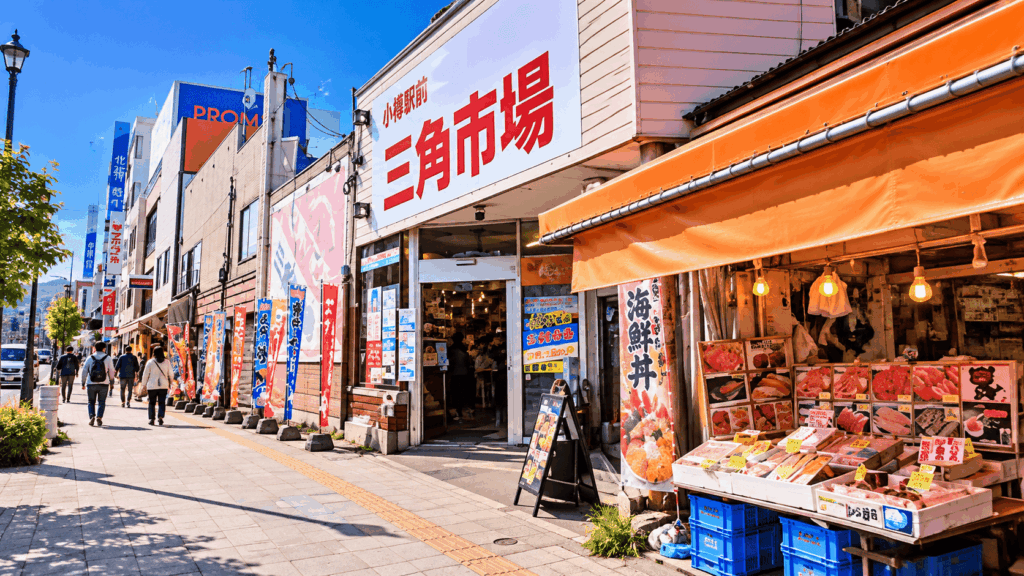
Kai’s tip: The official walk is around 10 minutes, but on a rainy July visit when I stopped around Sankaku Market on the way, it felt closer to 20. If it is raining, you are carrying luggage, or you plan to stop for photos at Chuo Bridge, budget 15 to 20 minutes rather than 10 — the walk itself is easy, it just takes longer than the number suggests.
As you get closer to the waterfront, the street opens up and you catch the smell of the sea before you see the water. It is a small thing, but it is the moment the walk stops feeling like a transfer and starts feeling like arrival.
Is the Walk from Otaru Station to the Canal Difficult?
In ordinary conditions, no. The route is paved and short, with a gentle downhill slope toward the canal and clear sightlines — you are walking down a main street toward a bridge, not navigating back lanes. The walk back to the station is uphill. Most travellers with normal mobility will not think about it.
The calculation changes in four situations:
- Rain: the distance is the same, but umbrellas, wet pavement and fewer places to pause make it feel longer. Allow the extra 5 to 10 minutes.
- Snow and ice: winter conditions are the one case where the walk genuinely becomes a task. The downhill slope toward the canal can be slippery, and the wind off the water makes it colder than the station area. Footwear matters more than distance here — check local conditions on the day rather than assuming the walk will be clear.
- Luggage: the route is gently downhill toward the canal, but if you are arriving with a suitcase and heading to a canal-side hotel, you are doing it on foot rather than on a tram. Leaving bags in Sapporo and travelling light is usually the easier day trip.
- Older travellers or small children: the route is manageable, but it is an out-and-back walk of roughly 20 to 40 minutes total on top of everything else you do in Otaru. That adds up over a full day.
If any of those apply and you would rather not manage the walking at all, that is the point at which a car or guided tour starts to make sense — not because the walk is hard, but because you are removing it from the day entirely.
What Otaru Canal Is Really Like During the Day
The canal is shorter and more compact than the wide panoramas suggest. That is not a criticism, but it is worth knowing before you arrive, because expectations shape whether the visit feels satisfying.
What you get is a stretch of water lined with stone warehouses, gas lamps and a walkway, with the classic view centred on Asakusa Bridge. It is genuinely attractive, and the restored warehouses give it a look that is hard to find elsewhere in Hokkaido. What it is not is a sprawling district you can wander for hours — most of the canal frontage can be walked in 15 to 20 minutes.
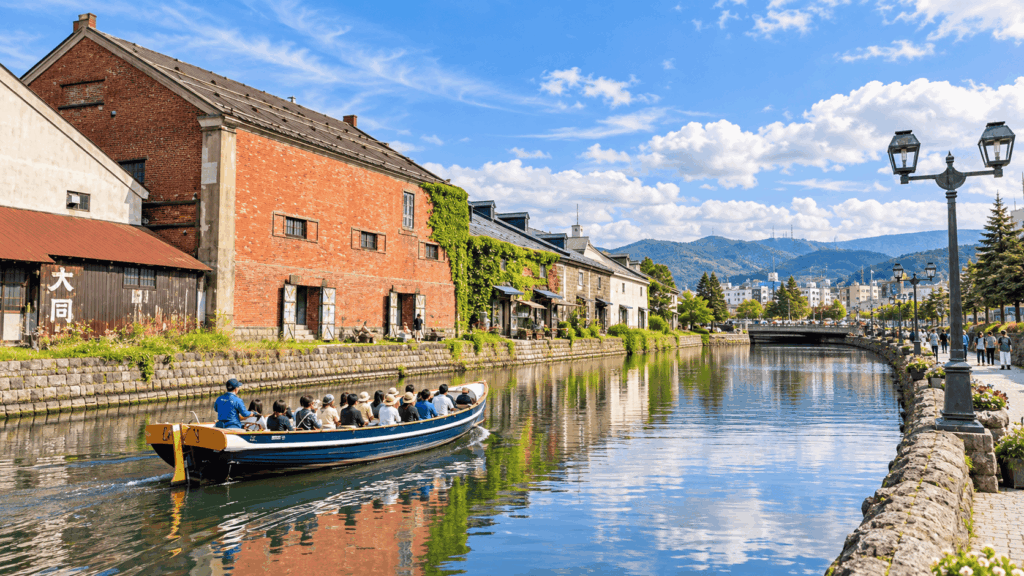
The bigger variable is timing. On a weekend visit, the walkway around Asakusa Bridge was busy enough that stopping for a photo meant waiting for a gap, and the crowd was heavily international. The section near the bridge is where nearly everyone converges, because that is where the photograph is. Other travellers report the same pattern: the canal itself is fine, but that specific stretch gets uncomfortable at peak times.
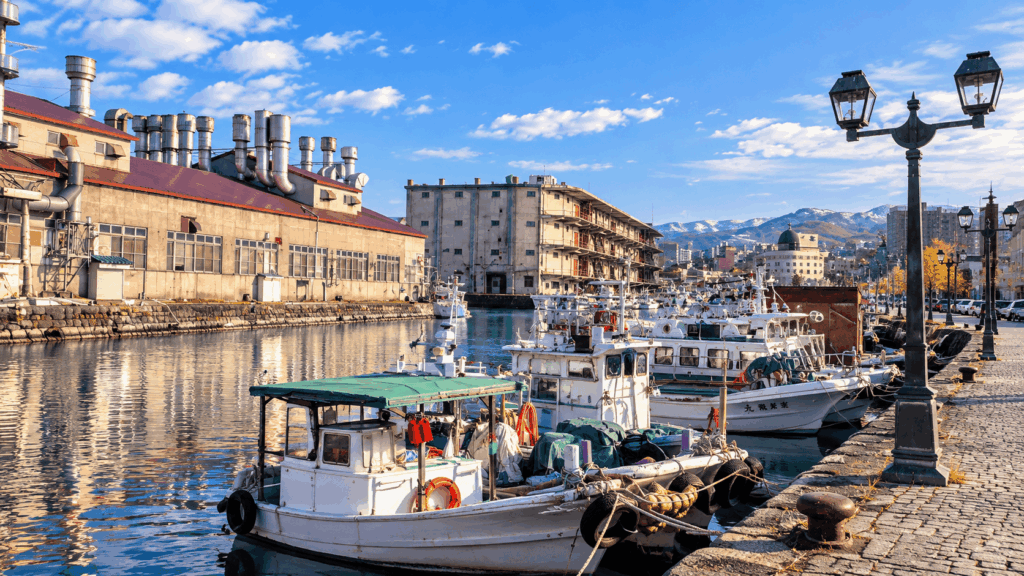
Walk five minutes toward North Canal and the picture changes. The same water, the same warehouses, far fewer people. If your goal is to actually stand and look rather than take one photo and move on, that short detour is the single most useful thing you can do.
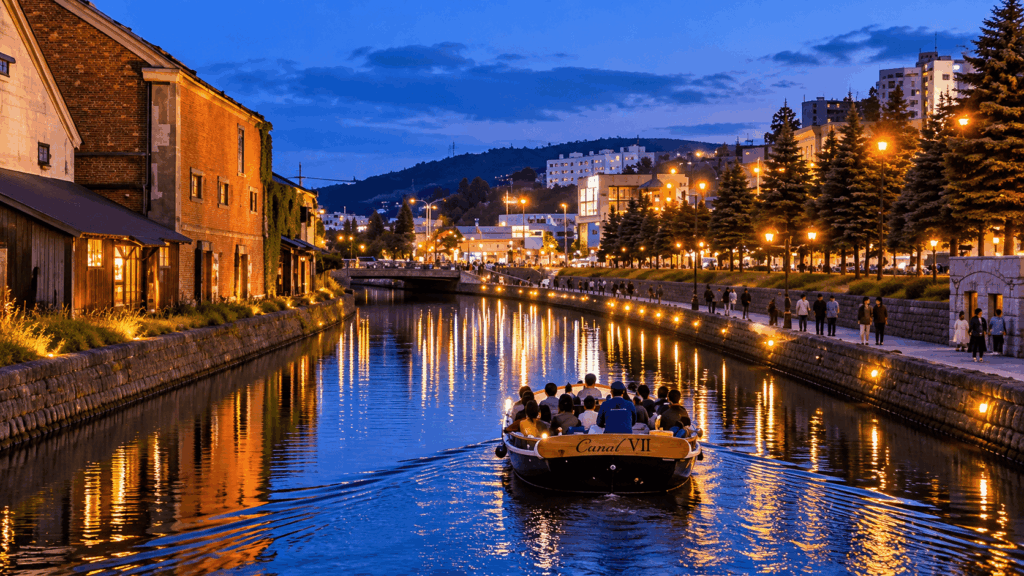
The canal is at its best as the light drops. The gas lamps along the walkway come on from sunset, and the warehouse facades are lit until 22:30, which is when the stone and water start doing the work the daytime view does not. Evening is also when the day-trip crowd thins out — and the reason some travellers choose to stay the night.
Should You Book the Otaru Canal Cruise in Advance?
If you want a specific departure, and especially if you want a night cruise, book ahead rather than assuming you will buy a ticket on the day.
The Otaru Canal Cruise leaves from Chuo Bridge and runs for about 40 minutes, with boarding 15 minutes before departure. Day cruises cost around ¥1,800 for adults and ¥500 for children; night cruises are around ¥2,000. Day departures run roughly every 30 minutes from 10:00 through the afternoon, with night departures in the evening, though the schedule shifts with the season.
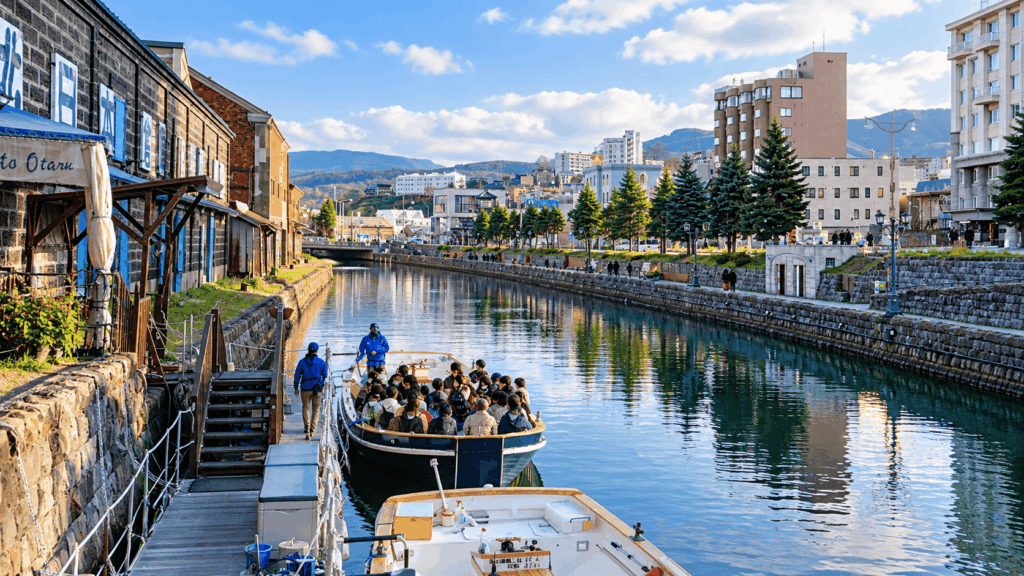
The booking rules are more flexible than they first appear, and that flexibility is exactly why people get caught out. Tickets are sold online up to one hour before departure, and at the counter up to 15 minutes before — so it is possible to decide on the day. But the operator explicitly recommends booking early during busy periods and for night cruises, and the popular slots do fill.
Kai’s tip: On a weekend visit I left the cruise until late in the day and found the remaining departures sold out, so I walked the canal instead. That worked out fine, but if the boat is the reason you are going, treat it as something to reserve rather than something to pick up on arrival.
Whether the cruise is worth it depends on what you want from the canal. Walking gives you the view for free and lets you stop where you like; the boat gives you the canal from water level and a narrated loop in 40 minutes, which suits anyone short on time or travelling with people who would rather sit than stroll. The night cruise is the version most people specifically want, and also the one most likely to sell out.
Day Trip or Overnight: Which Fits Your Trip?
For sightseeing, a day trip is enough. Otaru’s core — the canal, Sakaimachi Street, the glass and music box shops, the seafood — fits comfortably into a day trip from Sapporo, and you keep one hotel base instead of moving luggage twice.
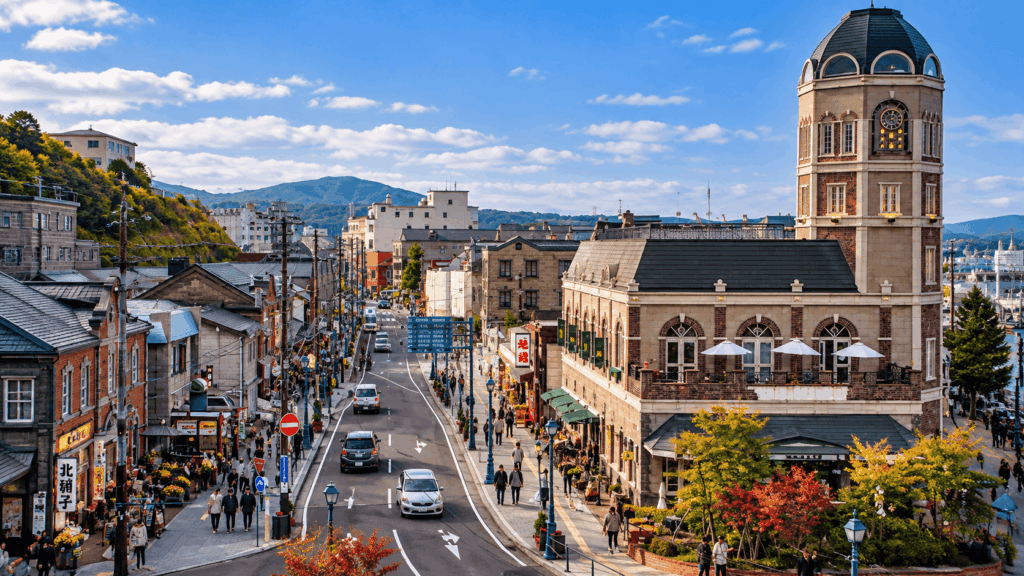
The case for staying overnight is narrower and more specific: it is about being in Otaru when the day-trippers are not.
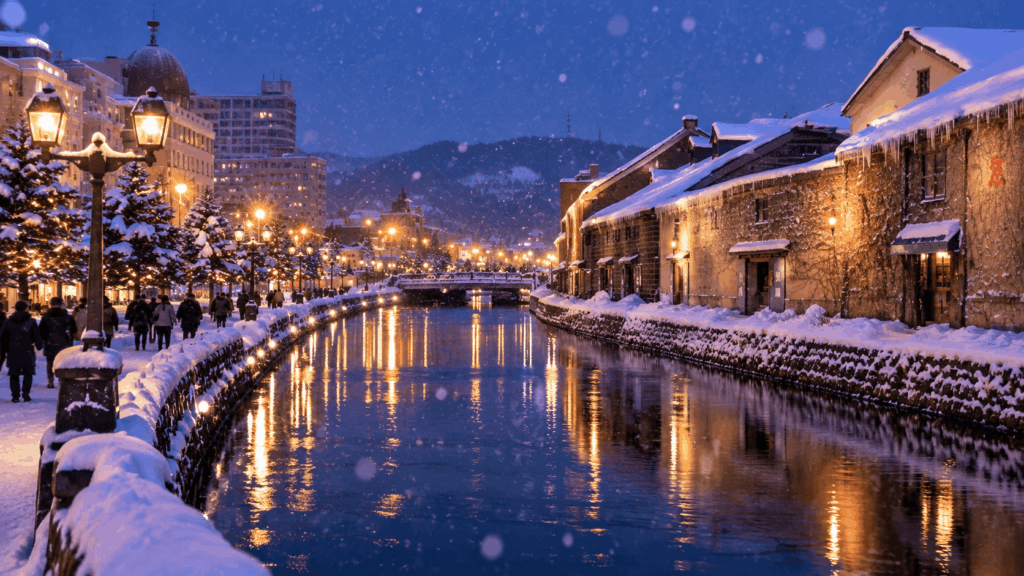
| Day trip from Sapporo | Overnight in Otaru | |
|---|---|---|
| Best for | First-time visitors covering the main sights | Travellers who want the canal without the crowd |
| Canal crowd level | Busiest from late morning to early evening | Noticeably quieter at night and early morning |
| Sunset and gas lamps | Possible, but you are watching the clock for the last train | No return deadline; stay as long as you like |
| Early-morning photos | Not realistic | The main reason to stay |
| Cost | Transport only (around ¥1,600 return) | Transport plus a night’s accommodation |
| Convenience | Luggage stays in Sapporo | You move bags and check in and out |
| Who should choose it | Short trips, families, anyone with a packed Sapporo plan | Photographers, couples, trips of three nights or more |
I stayed at Hotel Nord Otaru, which sits directly on the canal, and the honest version is that the room mattered more than the hotel choice. Canal-facing rooms exist as a category, but the room I had looked onto the edge of the water rather than the classic view, which was a little deflating given the location. If a canal view is the point of the stay, the room category is the thing to check, not just the hotel’s address. For more tips on finding the right area, check my guide on where to stay in Otaru.
What did justify the night was the following morning, not the room.
Why Early Morning Can Be the Best Time at Otaru Canal
Around 6am, the canal was close to empty — no queue at the bridge, no one in the frame, and the warehouses lit only by the early light. Compared with the previous afternoon, it felt like a different place. That contrast, more than any individual sight, is what an overnight stay in Otaru buys you.
Kai’s tip: The quiet is real, but the cold is too. On early-morning walks in March and in early autumn, the wind off the water was sharp enough that I needed a proper layer even though the afternoon had been mild. Bring something warmer than you think you need, and give yourself a reason to walk back for breakfast rather than staying out too long.
Two caveats. Early morning quiet is a general pattern, not a guarantee — a single visit does not prove the canal is always deserted, and weekends and holiday periods behave differently. And in winter, sunrise comes late, so “early morning” may mean dark and colder rather than soft light. Check sunrise times for your dates before setting an alarm.
When a Sapporo-to-Otaru Tour Makes More Sense Than the Train
The train is easy, and for most people a tour is unnecessary. It is worth saying that plainly before listing the exceptions, because a lot of Otaru content overstates how complicated the journey is. It is one direct train.
The exceptions are real, though:
- Small children or older travellers in the group, where the station-to-canal walk twice in a day is the actual burden
- Winter travel, when you want to reduce time on icy pavements
- Heavy luggage and no desire to store it
- Wanting several stops in one day — the canal, Sakaimachi Street, Sankaku Market, and viewpoints outside the town centre
- Not wanting to plan anything at all, including timetables and walking routes
Guided day tours and private tours from Sapporo are widely available through operators such as GetYourGuide and Klook, and the typical itineraries combine the canal with Sankaku Market, Sakaimachi Street, Kitaichi Glass and the Otaru Music Box Museum. Some add stops outside central Otaru, such as Mount Tengu — check what a specific product actually includes rather than assuming.
| Independent train travel | Guided day tour | Private car tour | |
|---|---|---|---|
| Walking required | Station to canal and around town on foot | Reduced, but not eliminated | Lowest |
| Flexibility | Total — leave and return when you like | Fixed itinerary and departure times | High, within an agreed plan |
| Number of stops | What you can walk to | Several, on a schedule | Tailored to your group |
| Weather resilience | You manage it yourself | Transport is covered between stops | Transport is covered between stops |
| Best for | Confident independent travellers | First-timers wanting structure | Families and mixed-mobility groups |
If you want to see Otaru without coordinating trains and transfers between sightseeing stops, especially with children or a group with different mobility needs, a private car tour is the option worth examining. It can reduce walking between stops, although some walking at individual attractions will still be necessary.
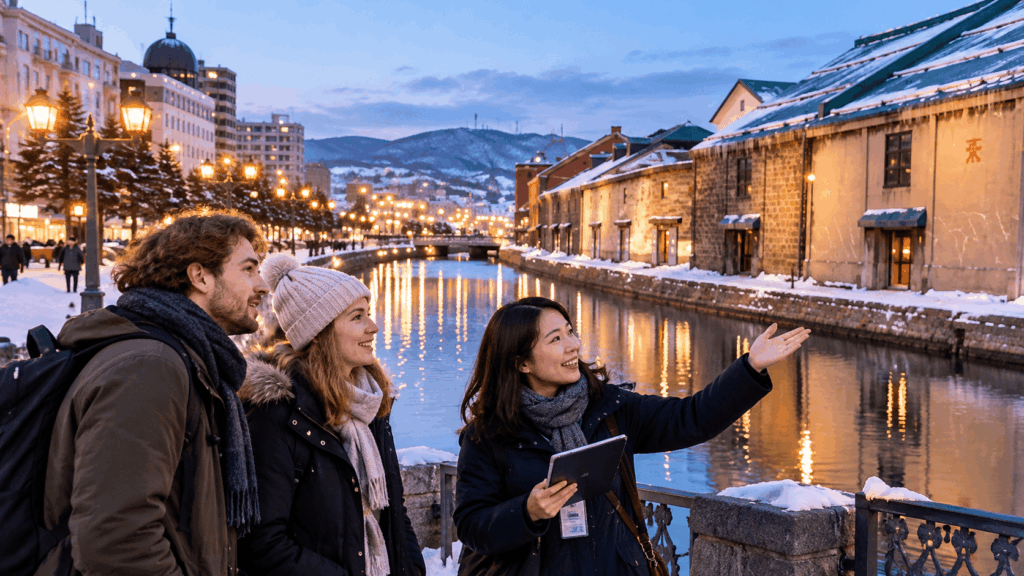
Why I’d book this one
- Hotel pickup and private transport: a dedicated car with pickup and drop-off in Sapporo removes the station transfers and makes visiting several Otaru stops easier to coordinate.
- English/Japanese guiding: having a guide adds context to the places you visit and reduces the need to work out every sightseeing stop independently.
- A flexible Otaru itinerary: the tour offers an Otaru sightseeing option covering places such as the canal, Sakaimachi Street and the Music Box Museum. Check the exact stops and available time at each before choosing your route.
Recent traveller feedback for this particular tour is still limited, so the itinerary, group price and booking conditions are more useful decision points than relying on a rating alone. See live availability, departure options, current group prices and recent traveller reviews for the private Sapporo–Otaru car tour.
If none of those exceptions describe you, the train plus a 10-minute walk is the better-value version of the same day.
Practical Tips Before You Leave Sapporo
These are the small checks that prevent most of the avoidable problems on this route.
- Confirm the fare and departure times with JR Hokkaido before you go — the figures here are current but not permanent.
- Check the train’s destination at Sapporo Station. Teine and Hoshimi services do not continue to Otaru.
- Use an IC card if you have one; it removes the ticket machine queue and works for the Otaru section. Carry a little cash anyway for market stalls and smaller shops.
- Book the canal cruise early if you want a night departure or are visiting at a weekend or during a holiday period.
- Add 5 to 10 minutes to the station-to-canal walk if rain is forecast, and bring an umbrella rather than buying one on arrival.
- In winter, check service status for both rail and road before committing to a plan; disruption is occasional but real.
- Store large luggage in Sapporo if you are doing a day trip. Coin lockers at Sapporo Station are easier than dragging a case to the canal and back.
- Leave the late afternoon free if you want the gas lamps. They come on from sunset, and the light is the reason many people rate the canal higher than their daytime photos suggest.
If you would rather hand the logistics to someone else — particularly in winter, or with children and older family members — a guided day tour from Sapporo covers the transport and the walking in one booking, which is the one situation where it clearly beats doing it yourself.
Frequently Asked Questions
What is the easiest way to get from Sapporo to Otaru?
Take the JR train from Sapporo Station to Otaru Station. It is a direct service on the Hakodate Main Line with no transfers, taking about 30 to 35 minutes on rapid trains for around ¥800. From Otaru Station, the canal is a straight 10-minute walk down Chuo Dori Avenue. For almost every independent traveller, this is simpler than the bus, a taxi or a tour.
How long is the train from Sapporo to Otaru?
Rapid services take roughly 30 to 35 minutes, while local trains stopping at every station take closer to 45 minutes. Both run on the same line for the same fare, so there is no cost penalty for taking the slower train — it just eats into your time in Otaru. Trains run several times an hour during the day, so you rarely need to build your plans around one specific departure.
Is the train or bus better from Sapporo to Otaru?
The train, for most visitors. The Maruyama and Hokudai highway buses (Kosoku Otaru-go) cost around ¥730 and take about 55 to 65 minutes, so you save roughly ¥70 and lose 20 to 30 minutes each way. The bus is worth considering if your hotel sits next to one of its stops, if JR services are disrupted, or if you simply prefer to sit for the whole journey. It does not get you any closer to the canal — those two routes also terminate at Otaru Station. The Boyodai route goes to Otaru-Chikko Station instead.
How far is Otaru Canal from Otaru Station?
About a 10-minute walk on a paved, gently downhill route: leave the station, head straight down Chuo Dori Avenue toward the sea, and you reach the canal at Chuo Bridge. The walk back is uphill. In practice, allow 15 to 20 minutes if it is raining, if you stop at Sankaku Market on the way — it is one to two minutes from the station — or if you plan to photograph the canal from Asakusa Bridge.
Can I use an IC card from Sapporo to Otaru?
Yes. Suica, ICOCA, PASMO, Kitaca and other major IC cards work on the Sapporo to Otaru section, and you can tap in and out without buying a paper ticket. Note that IC cards are not valid beyond Otaru, so if you are continuing toward Yoichi, Kutchan or Niseko, buy a paper ticket at your starting station instead.
Is Otaru worth staying overnight, or is a day trip enough?
A day trip is enough for the sightseeing. The canal, Sakaimachi Street, the glass workshops and the seafood all fit into a day from Sapporo, and you avoid moving your luggage. Stay overnight only if a quiet canal is the reason you are going: the canal is markedly emptier at night and in the early morning, which is when the photographs and the atmosphere are at their best. If you are indifferent to that, the extra night buys you little.
Final Verdict
The honest summary is that Sapporo to Otaru is an easy trip, and most of the difficulty people worry about does not exist. One direct train, one straight walk, and you are at the canal. The decisions that actually matter are narrower than the internet suggests: whether you want the canal when it is empty, and whether anyone in your group would struggle with the walking.
Choose the train if you are visiting Otaru for the first time and want the simplest version of the day. Sapporo Station to Otaru Station, about 30 to 35 minutes for around ¥800, then a 10-minute walk down Chuo Dori to Chuo Bridge. This is the plan that suits most people reading this.
Choose the bus only if your hotel is beside a Kosoku Otaru-go stop, or rail services are down. The ¥70 saving is not a reason on its own, and it does not bring you closer to the canal.
Choose an overnight stay if you are travelling with a camera and care about the canal without crowds. The difference between a busy weekend afternoon at Asakusa Bridge and a near-empty canal at 6am is the entire argument for staying — not the number of attractions in Otaru.
Choose a guided or private tour if you are travelling in winter with concerns about icy pavements, or with small children, older family members, heavy luggage, or a wish to cover several stops in one day. Those are the conditions where the train’s simplicity stops being an advantage.
For first-time visitors on a short Sapporo stay: day trip by train, leave mid-morning, walk to North Canal when Asakusa Bridge gets crowded, and stay for the gas lamps if your schedule allows.
For families and mixed-mobility groups: the train still works, but plan the day around fewer stops and consider a car or tour if the return walk in the evening is a concern.
For travellers on a tight schedule: take the rapid, go straight to the canal, and skip the cruise unless you have booked ahead — the walk gives you the view in 20 minutes.
For repeat visitors and photographers: stay the night, shoot the canal before breakfast, and use the quiet hours to walk the North Canal stretch you probably rushed through on your first visit.

Hi, I’m Kai. I’m a Tokyo-based travel writer, tourism industry insider, and the author of a published guidebook for international visitors to Japan. With over 10 years of professional experience at a leading Japanese tourism company, my mission is to help you skip the tourist traps and navigate Japan’s best destinations like a local. I believe the perfect day trip is like a traditional kaiseki meal: a beautiful balance of precise planning and unforgettable seasonal discovery. When I’m not out conducting field research, you’ll usually find me drafting new itineraries with one of my favorite fountain pens!