
Planning this from Matsumoto? If Narai is already looking like the better fit and you also want to see Matsumoto Castle, compare the Matsumoto Castle and Narai-juku guided day trip before you finalise your day. You can check live availability, start times and recent traveler reviews on the booking page.
Narai-juku vs Tsumago: The Short Answer
When travelers ask me which Kiso Valley post town to visit, I usually answer with a question of my own: do you want a relaxed day inside a preserved post town, or do you want to walk part of the old Nakasendo?
If you are staying in Matsumoto, short on time, or mainly interested in strolling through a long, well-preserved historic street, choose Narai-juku. If walking the classic Magome–Tsumago stretch of the Nakasendo is one of your main reasons for coming to the Kiso Valley, choose Tsumago-juku and pair it with Magome.
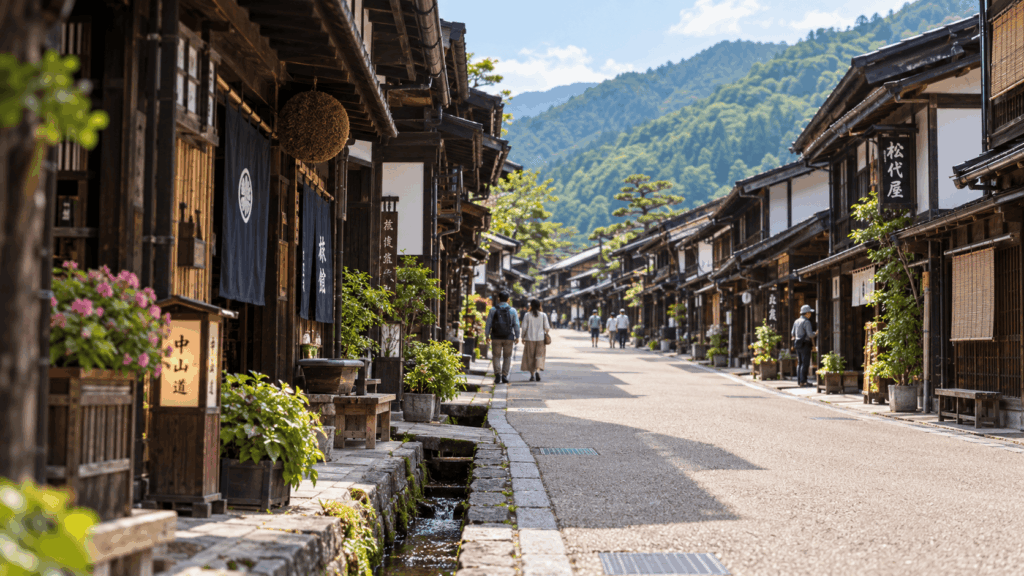
Neither town is simply “better.” Narai is the easier, town-focused day trip; Tsumago is stronger as part of a walking experience. The numbers behind that difference: Narai’s preserved street runs for about 1 km, while the Magome–Tsumago trail runs about 8 km and takes a relaxed walker around three hours.
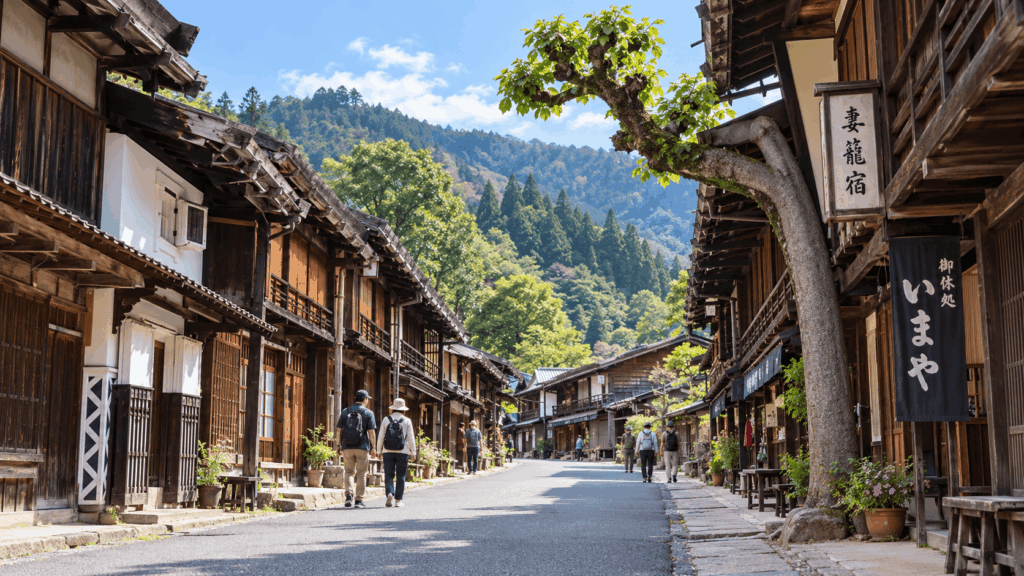
The table below condenses the comparison. If you only read one part of this article, make it this table.
| Category | Narai-juku | Tsumago-juku | Better for |
|---|---|---|---|
| Best overall for | An unhurried day centred on one long preserved street | A post town combined with the classic Nakasendo walk | Narai: relaxed town day; Tsumago: hiking experience |
| Access | JR Narai Station sits right beside the town; no extra bus needed | JR Nagiso Station, then bus or taxi (about 10 minutes) or a 40-minute walk | Narai |
| From Matsumoto | Around 1 hour by JR Chuo Line, often with a change at Shiojiri | Roughly 1.5–2 hours door-to-door including the train to Nagiso plus a bus or taxi | Narai |
| Walking difficulty | Gently sloping 1 km street; comfortable for most visitors | The town itself is easy to stroll, but the signature experience adds about 8 km of trail | Narai, if you do not want a hike |
| Main street | About 1 km of continuous Edo-period buildings and craft shops | A compact, carefully preserved core; vehicles restricted daily from 10:00 to 16:00 | Narai, for sheer length |
| Nakasendo hiking | The town is the main draw, but Narai can also be paired with the Yabuhara–Narai hike over Torii Pass | Start or finish of the Magome–Tsumago trail over Magome Pass | Tsumago for the classic Magome–Tsumago hike |
| Town atmosphere | Feels like a place people still live and work in | The symbol of Japan’s post-town preservation movement | Depends what you value: living feel vs. historic significance |
| Shops & cafés | A genuine mix, including craft shops and coffee houses such as Matsuya Sabō | Smaller commercial core with inns, snack shops and a few cafés | Narai |
| Crafts | Several Kiso lacquerware shops along the street | Less craft-focused | Narai |
| Families / older travelers | Short walk from the station, gentle street, easy to break up with café stops | Fine in town, but the trail adds distance, slopes and time | Narai |
| Rainy-day flexibility | Easy to shorten or adapt; cafés offer shelter | The trail becomes slippery and less enjoyable in heavy rain | Narai |
| Time needed | Half a day works well; 2–3 hours in town is enough for most visitors | Most of a day if you add the hike | Narai, if you are short on time |
| Best paired with | A Matsumoto-based itinerary, for example Matsumoto Castle | Magome-juku, reached on foot along the Nakasendo | — |
| Main drawback | Some shops and cafés close on weekdays or on irregular days | Limited buses and trains add planning; the hike demands energy and good weather | — |
If Narai sounds like the better fit and you would rather combine it with Matsumoto Castle without planning the transport yourself, a guided day tour from Matsumoto can handle the route in a single day.
The Biggest Difference Is Not the Town — It Is the Experience
Photographs make Narai, Tsumago and Magome look interchangeable: the same dark wooden facades, the same narrow street opening onto mountains. The real difference is not which town is prettier — it is what you can actually do there.
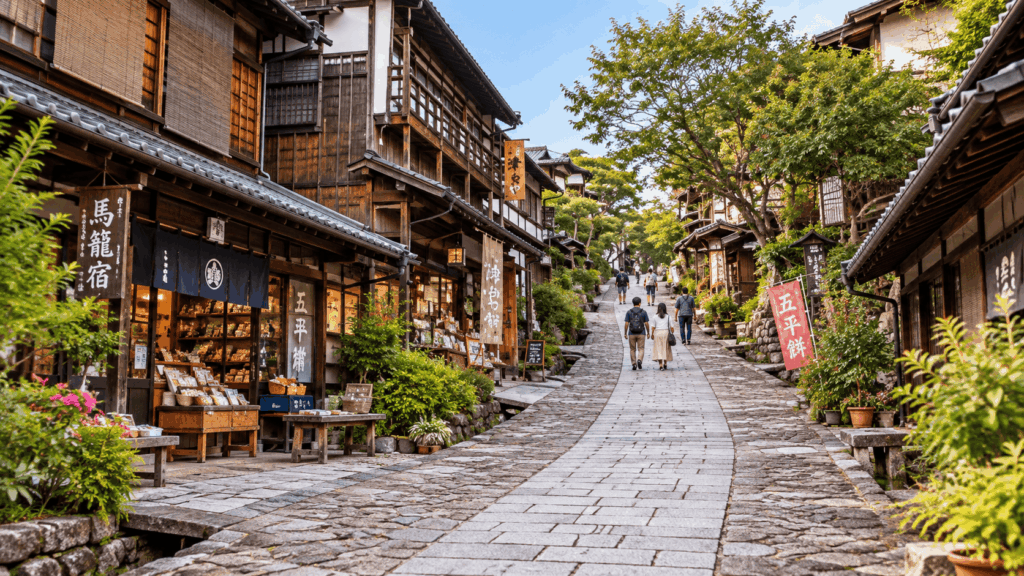
Narai is the post-town experience in its purest form. The moment you leave JR Narai Station, the visit has already begun: a roughly 1 km avenue of Edo-period buildings, lacquerware shops and cafés that you can walk at your own pace, with the town itself as the destination.
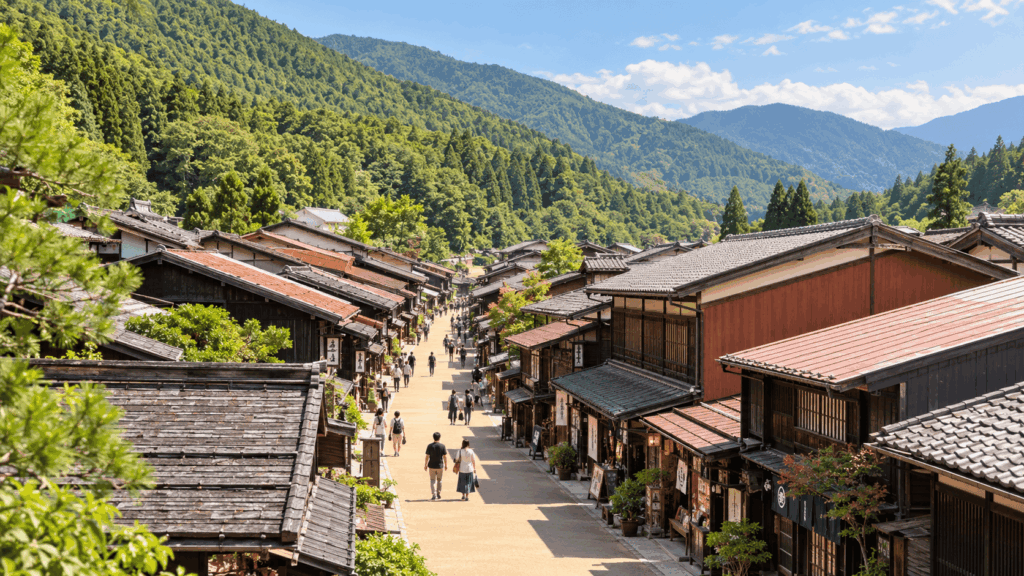
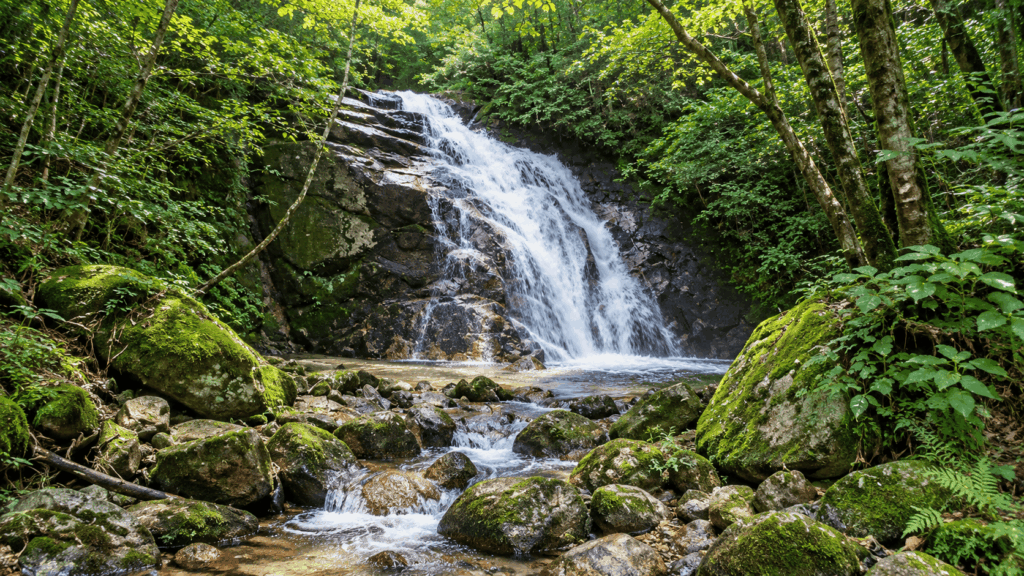
Tsumago, on its own, is a lovely and historically important town — its residents led Japan’s post-town preservation movement, agreeing decades ago not to sell, rent or demolish their old buildings. But the experience travelers rave about is almost always bigger than the town: the walk from Magome over Magome Pass, past Odaki and Medaki Falls, and down through forest and old villages to Tsumago. That is a journey, not just a stroll, and it is the reason many visitors describe Tsumago as the highlight of their Kiso trip.
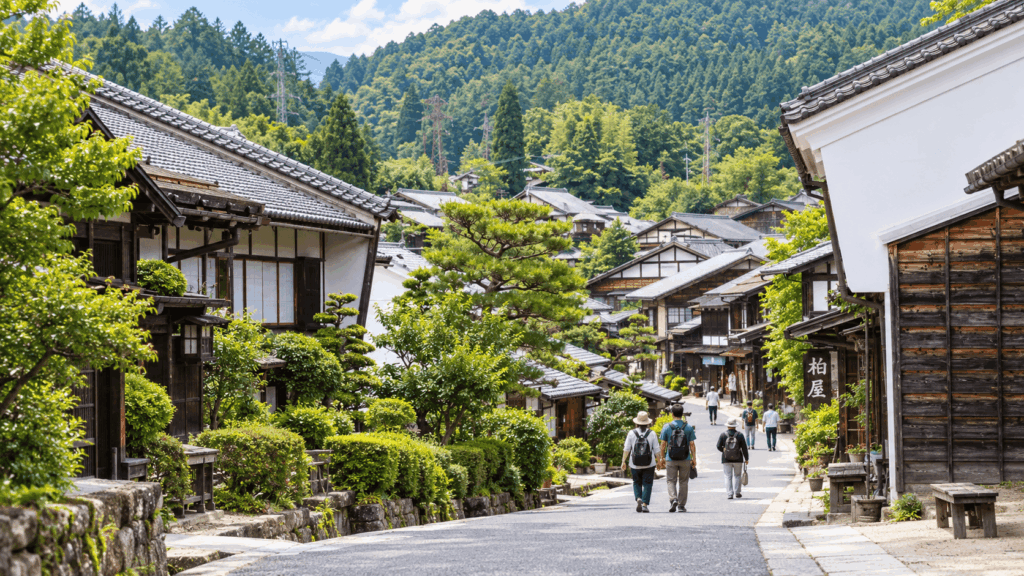
This also explains why traveler opinions split so neatly. Narai supporters talk about the street, the easy access and the crafts. Magome–Tsumago supporters talk about the trail, the scenery and the sense of moving between two historic villages. They are not disagreeing about the towns — they are describing two different experiences.
Narai Is Much Easier If You Are Coming From Matsumoto
For anyone based in Matsumoto, this is the most practical difference in the whole comparison.
Narai sits on the JR Chuo Line about an hour from Matsumoto, usually with a change at Shiojiri. JR Narai Station is built right at the edge of the preserved district, so you walk out of the station and into the townscape within a few minutes. No bus, no taxi, no second transfer — which makes a half-day visit genuinely easy.
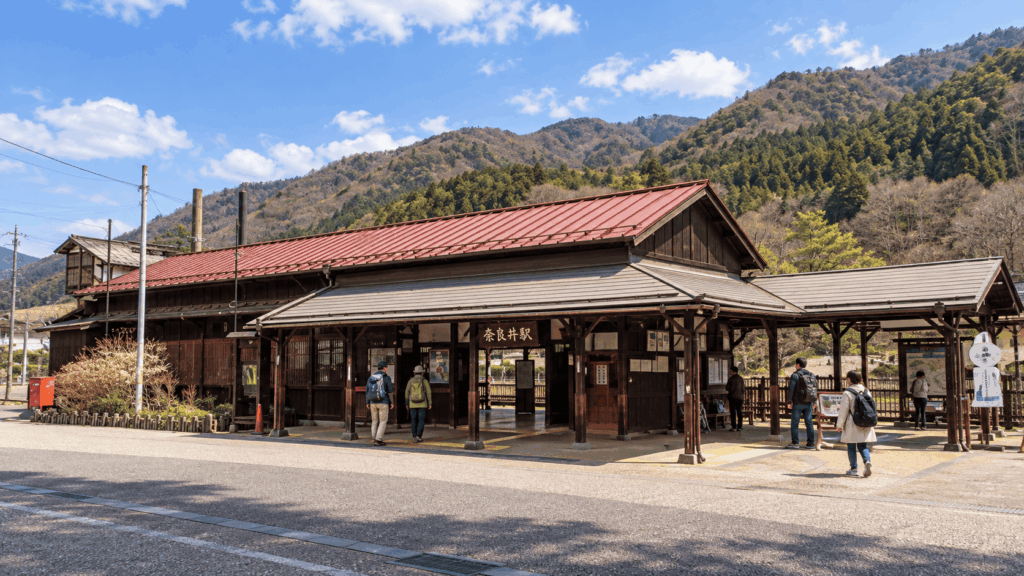
Tsumago requires more steps. From Matsumoto you take the Chuo Line to JR Nagiso Station, then continue by bus or taxi for about 10 minutes, or walk roughly 40 minutes. Some Limited Express Shinano services stop at Nagiso, but not every service does, so check the timetable for the train you plan to use rather than assuming the express will stop there. Buses between Nagiso Station and Tsumago are limited, so check the last return bus before you set out, especially if you plan to finish a hike in the afternoon. A taxi is the flexible fallback but adds cost.

Kai’s tip: When I guide guests around the Kiso Valley, one of the main reasons I suggest Narai first is how little friction there is once you arrive — the day starts at the station exit. For Tsumago I always confirm the return bus time before leaving, because services to Nagiso Station are infrequent and a missed connection can mean a long wait at the stop.
The access advantage is specific to Matsumoto-based travelers. If you are starting from Nagoya or the Tokai side, the balance shifts: the Magome and Tsumago area is reached via Nakatsugawa and lies closer to your direction of travel, while Narai sits further north along the line. Check journey times for your actual starting point before deciding.
If Narai is your only destination, doing it independently by train is straightforward. The guided option starts to make more sense if you also want Matsumoto Castle in the same day and would rather have the transport and historical context handled together.
Why I’d book this one
- Recent travelers consistently mention knowledgeable guides and clear historical context, rather than the day feeling like simple point-to-point transport.
- The itinerary combines a guided Matsumoto Castle visit with transport to Narai-juku, a guided walk there and time to explore independently.
- It is a lower-planning option for travelers who want both places in one day without building the train connections themselves.
Which Town Is Better to Walk Around?
The honest answer depends on whether you mean walking around a town or walking the Nakasendo. These are different activities, and they suit different days.
For a town stroll, Narai is the lower-effort choice. Its main street runs about 1 km on a gentle slope beside the Narai River, and most visitors can take it at an easy pace with stops for coffee, lacquerware shops and photography. Two to three hours is a comfortable amount of time to explore the best things to do in Narai-juku.
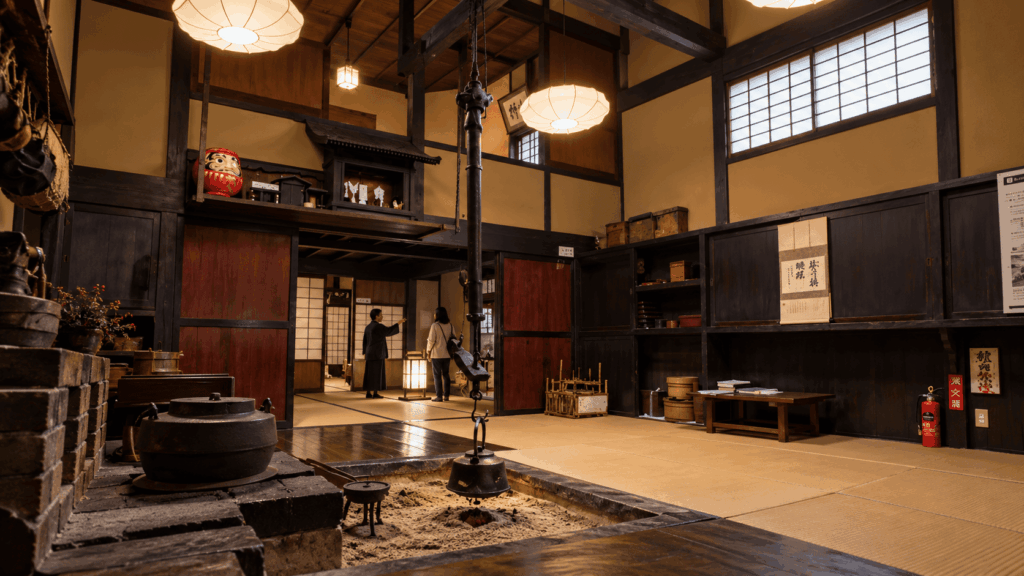
Tsumago’s preserved core is compact and pleasant to wander, with vehicle traffic restricted on the main street daily from 10:00 to 16:00, which keeps things calm and safe for pedestrians. The town itself does not demand much of you. The effort appears when you add the trail: the Magome–Tsumago route is roughly 8 km and takes about three hours at a leisurely pace. Official guidance rates it easy to moderate, and it is well signposted in English, but it includes real climbs — the uphill section toward Magome Pass is the hardest part, with the advantage that walking Magome to Tsumago involves less climbing than the reverse direction.
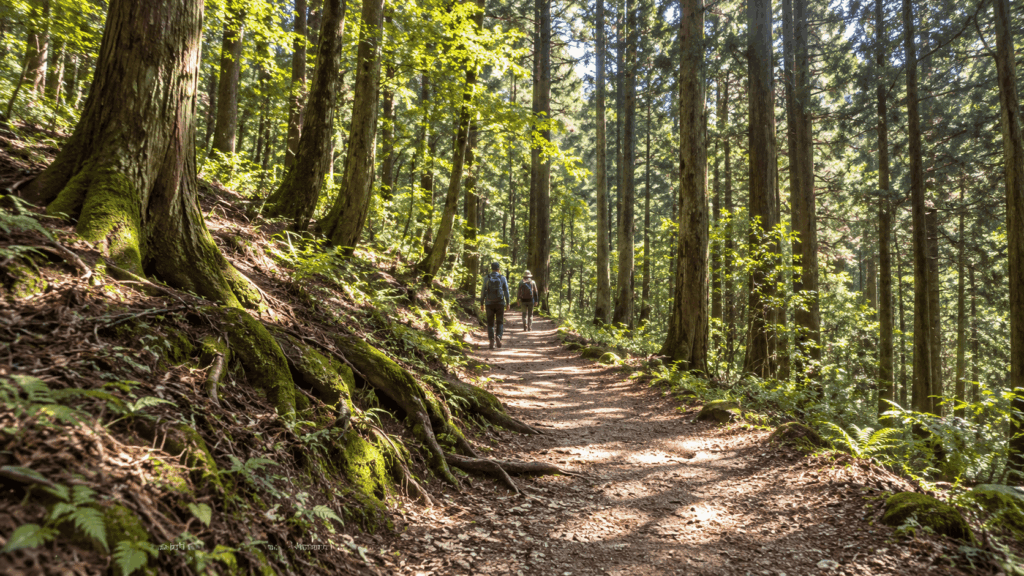
Kai’s tip: A kilometre sounds short until you are walking it slowly, browsing and stopping for coffee. I tell guests to budget two to three hours in Narai rather than racing through, and to wear comfortable shoes: the street is gently sloping, not completely flat, and you will likely walk to the upper end and back.
Recent visitor comments on the trail repeat the same cautions: summer heat and humidity drain energy faster than expected, rain makes the path slippery, and the downhill sections can be hard on knees. None of this should stop you from hiking, but it is worth checking the weather and trail conditions before committing to a full trail day.
Which Feels More Atmospheric — Narai or Tsumago?
Both towns are nationally designated Important Preservation Districts, and both deliver the “old Japan” streetscape that photographs promise. The atmosphere differs in character rather than quality.
Tsumago is the symbol of Japan’s post-town preservation movement. In the 1970s its residents agreed not to sell, rent or demolish their traditional buildings, and in 1976 the town became one of Japan’s first officially designated preservation districts. Walking its main street — closed to vehicles every day from 10:00 to 16:00 — you are walking through a deliberate, decades-old act of conservation, with historic inns and interpretation panels explaining the town’s story.
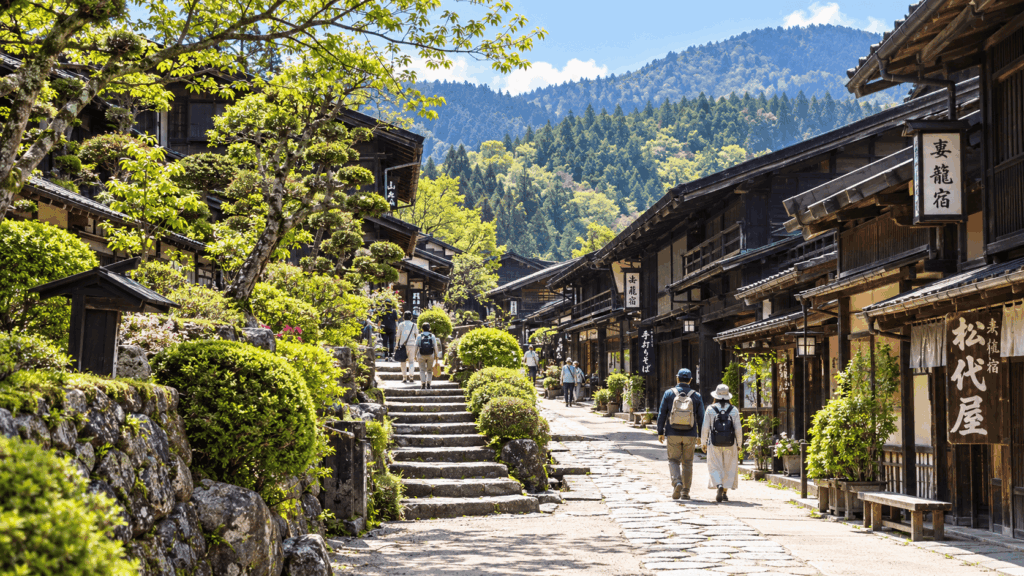
Narai was designated in 1978 and is often described as Japan’s longest single preserved post-town street. What I notice on my visits is a quieter kind of atmosphere: it still feels like a place people live and work in, rather than a street arranged only for sightseeing. Residents go about daily life, craftspeople work in their shops, and the townscape is woven around that activity. That is a subjective impression, not a judgment — and crowds vary in both towns by day and season, so a quiet weekday can feel completely different from a busy autumn weekend.
If you want to understand the history of Japan’s town-preservation movement, Tsumago tells that story best. If you want a preserved street that still feels lived-in, Narai is more likely to give you that sense.
Narai Is Better for Cafés, Crafts and a Slow Town Day
If your ideal day is a long street, a good coffee stop and something handmade to carry home, Narai has a clear edge.
The practical anchor of my visits is Matsuya Sabō (松屋茶房), a coffee house on the main street set in a former Edo-period lacquer-comb merchant’s building. It is the kind of place that rewards slowing down: coffee is brewed by siphon at the counter, and the Toraja blend has become my standard order. It is roughly a 9:00 to 17:00 operation with irregular closing days, so treat it as a highlight but not a guarantee.
Narai is also the best of the three towns for Kiso lacquerware (Kiso nuri). Several shops along the street sell cups, bowls and boxes made with the region’s thin-wood lacquer technique, and the quality is a clear step above typical souvenir-store goods. I bought a lacquerware cup for myself on an early visit, and it is one of those purchases that keeps working years later — practical, not decorative dust-collecting.
Where to look: simply walk the main street and browse — the lacquerware shops are concentrated along the preserved stretch, and Matsuya Sabō sits among them. This combination also makes Narai the most rain-friendly of the three towns: on a wet day you can still spend hours moving between craft shops and cafés under the eaves.
One Narai Problem You Should Know About: Shops May Be Closed
Narai deserves an honest caveat, because it affects real plans. Many of its restaurants, cafés and shops are family-run, and a surprising number close on weekdays, off-season days or simply on irregular days.
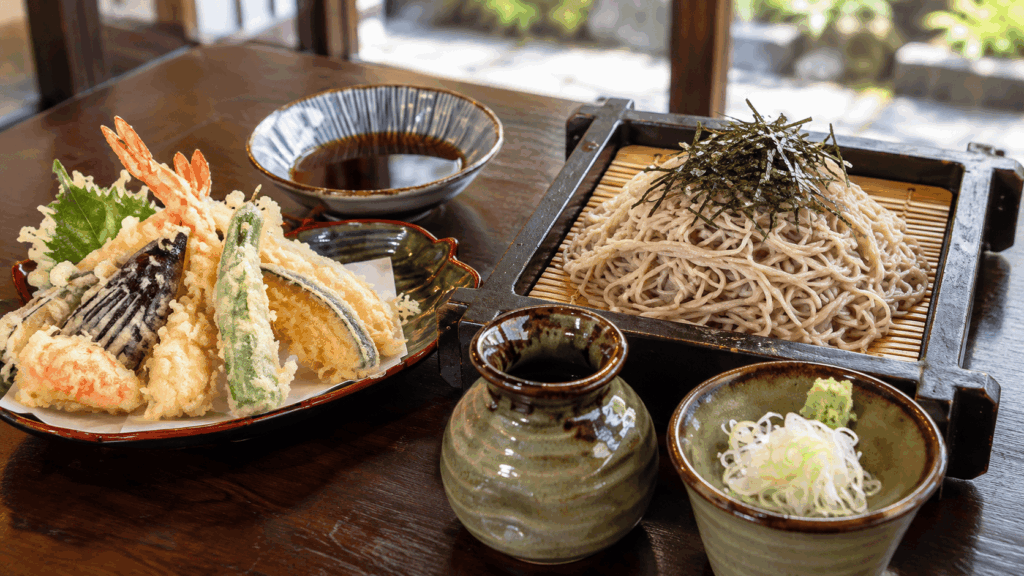
On one visit while I was showing guests around Narai, the soba restaurant we had planned to use was unexpectedly closed — a small crisis that forced us to rethink lunch on the spot. It was a useful reminder, and now I pass the lesson on to anyone heading there.
Kai’s tip: Never make a specific Narai restaurant the hinge of your day. If a particular place matters to you, confirm it is open the day before or on the morning of your visit, keep one backup café or restaurant in mind, and do not assume a late lunch will be easy. Weekends and fine-weather days are safer bets than quiet weekday mornings, though even then individual shops close without warning.
Recent visitor reviews repeat this pattern: a closed shop or café is the most common source of frustration in Narai, especially outside peak season. The fix is not to skip the town — it is to treat restaurant plans as flexible.
Choose Tsumago If the Nakasendo Hike Is the Main Event
Now for Tsumago’s strongest case, and it is a strong one. If your dream is to actually walk the old Nakasendo — the highway that once linked Edo and Kyoto — then Tsumago is the right base, because the region’s most famous walking route ends there.
The Magome–Tsumago trail runs roughly 8 km through forest, farmland and small settlements, crossing Magome Pass and passing Odaki and Medaki Falls on the way down. It takes about three hours at a relaxed pace, is rated easy to moderate, and is well signposted in English. Walk it from Magome, and you face less climbing overall; from Tsumago, you get the longer uphill stretch first and finish with the town as your reward. Both directions work.
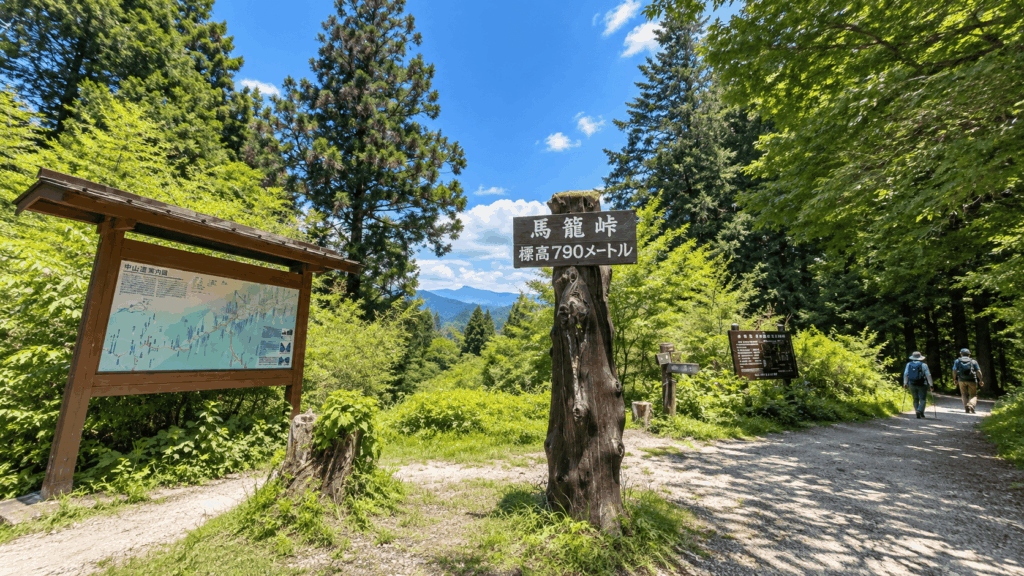
This is the experience travelers consistently describe as the highlight of a Kiso Valley trip — not because the towns are inferior, but because walking between two historic villages adds a narrative that no single street can match. It is also the reason Tsumago is usually judged together with Magome rather than on its own.
The trade-off is time and logistics. From Matsumoto, count on roughly 1.5–2 hours each way by train and bus, plus three or more hours of walking. It is a full day, and it depends on buses and train connections running on time.
If the hike is the reason you are choosing Tsumago, a guided tour is most useful for solving the transport and return-logistics problem rather than for the town visit itself. Day tours from Matsumoto or Nagano typically include round-trip transport and lead the 8 km section, which removes most of the scheduling risk.
Narai vs Magome: What If These Are Your Final Two?
Because Magome often enters the same conversation, here is the short version for that pairing.
Narai gives you the longer, easier street, the best craft and café scene, and the smoothest access from Matsumoto. Magome sits on a slope with broad views over the surrounding mountains, has a charming restored core, and is the conventional starting point for the Nakasendo walk to Tsumago.
If you are not hiking and you are based in Matsumoto, Narai is the more convenient and rewarding choice of the two. If you are coming from the Nakatsugawa side, want mountain scenery, or plan to combine a town with the trail, Magome makes more sense — ideally as the first half of a Magome–Tsumago walking day rather than a standalone visit.
Should You Visit Narai, Tsumago and Magome All in One Day?
In short: not by public transport, and generally not worth it even by car.
The three towns sit along the same valley, which makes them look combinable on a map. In practice, Narai lies north of Kiso-Fukushima while Tsumago and Magome lie to the south, so stitching all three together means long train or bus segments, tight timetable matching, and a rushed schedule that leaves little time for the very streets you came to see. It is physically possible with a car or a private driver; it is rarely enjoyable.
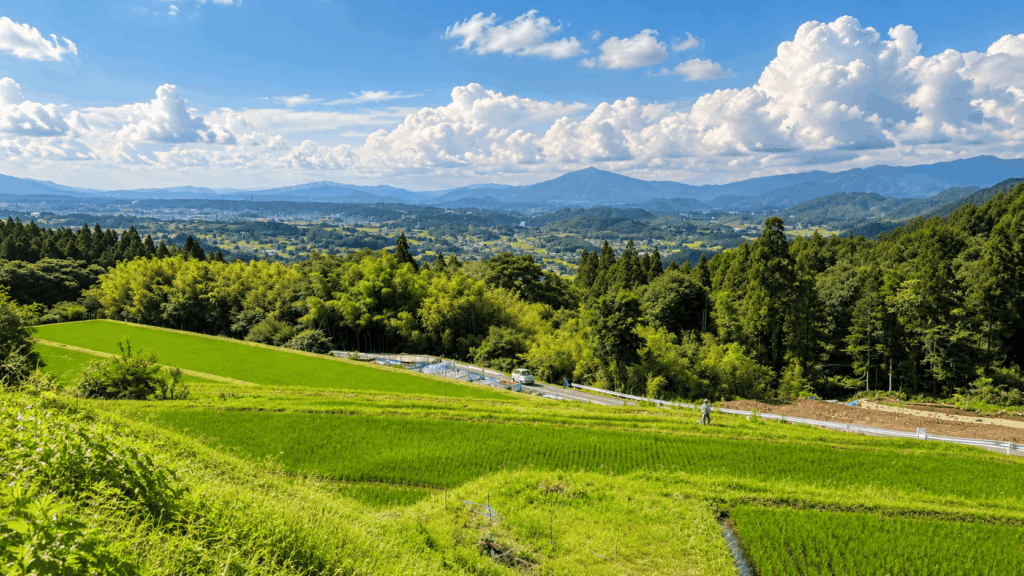
A better use of a day is one of these two focused plans: Narai at a relaxed pace (half a day is genuinely enough), or the Magome–Tsumago walk with time in one of the towns. If you have two days in the area, Narai on one and the hike on the other is the combination I would choose — one good experience beats three rushed stops.
Who Should Choose Narai — and Who Should Choose Tsumago?
If you are still weighing the two, run your situation against this table.
| Your situation | Choose |
|---|---|
| You only have half a day | Narai |
| You are staying in Matsumoto | Narai (easiest access) |
| You want to hike the Nakasendo | Tsumago + Magome |
| You do not want to rely on limited buses | Narai |
| You are traveling with kids | Narai, unless the older kids want the hike |
| You have knee or mobility concerns | Narai (skip the full trail) |
| You want cafés and craft shopping | Narai |
| You want mountain scenery and forest walking | Tsumago + Magome |
| You want the classic Magome–Tsumago route | Tsumago (or Magome as the start) |
Choose Narai if you are based in Matsumoto, want easy logistics, prefer not to hike 8 km, enjoy cafés and crafts, or are traveling with children or anyone who wants a gentler day.
Choose Tsumago if walking the Nakasendo is a priority, you want to combine two post towns in one experience, you enjoy forest and countryside walking, you have most of a day available, and you are comfortable planning train and bus connections.
If the memory you want is “walking from one historic village to another,” choose Magome–Tsumago over Narai. If the memory you want is “a relaxed historic-town day with minimal transport friction,” choose Narai over both.
FAQ
Is Narai-juku better than Tsumago?
For most Matsumoto-based travelers who want an easy day in a preserved post town, yes — Narai has the longer street, better cafés and craft shops, and a station at the edge of the town. For travelers whose goal is to walk the Nakasendo, Tsumago is the better choice because it anchors the classic Magome–Tsumago hike. The two towns are not competing on the same experience.
Is Narai-juku worth visiting?
Yes, especially if you are staying in Matsumoto or want a historic town without a long hike. The preserved street is about 1 km long, which makes it one of Japan’s most substantial post-town streetscapes, and it pairs well with Matsumoto Castle in a single day. The main caveat is practical: many shops and cafés keep irregular hours, so confirm any restaurant you really want before relying on it.
Should I visit Magome, Tsumago or Narai?
Pick Narai for an easy, town-focused day with cafés, crafts and minimal transport planning. Pick Magome and Tsumago together when you want the Nakasendo walking experience — the roughly 8 km trail between them is the region’s signature activity. If you can spend two days in the Kiso Valley, Narai on one day and the Magome–Tsumago walk on the other is the strongest combination.
Can you visit Narai, Tsumago and Magome in one day?
Technically possible with a car or private driver, but not recommended by public transport. Narai sits north of Kiso-Fukushima while Tsumago and Magome lie to the south, so linking all three means long train and bus segments and a rushed schedule. You will enjoy any one of them more than you would enjoy all three in a hurry.
Which is the best post town in Japan?
No single post town is best for every traveler. For the pure townscape, Narai has a strong claim thanks to its roughly 1 km of continuous Edo-period buildings. For a walking experience, the Magome–Tsumago stretch of the Nakasendo is hard to beat. For preservation history, Tsumago is the symbolic starting point of Japan’s post-town conservation movement. Match the town to the experience you want, not to a ranking.
My Final Verdict: Narai or Tsumago?
If you asked me to choose one town for a typical Matsumoto-based itinerary, I would pick Narai-juku. It gives you a long preserved streetscape, local crafts, good coffee and very little transport friction — the combination I keep coming back to when travelers ask where to spend a half-day in the Kiso Valley.
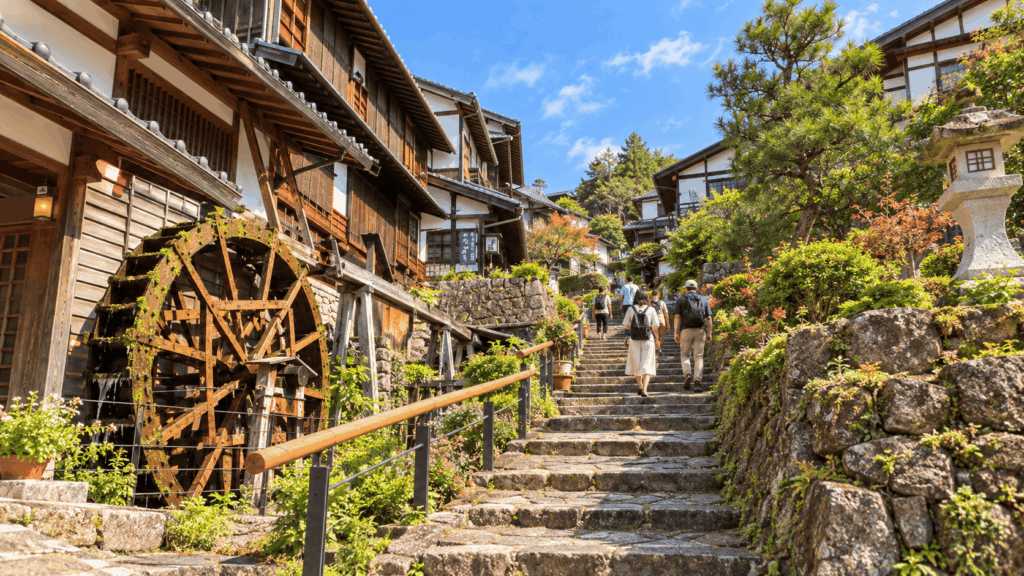
But if your dream is to walk the old Nakasendo rather than simply visit a post town, I would send you to Tsumago and Magome instead. That trail — over Magome Pass, past the falls, between two historic villages — is the experience that turns a sightseeing stop into a journey, and no amount of strolling in Narai replaces it.
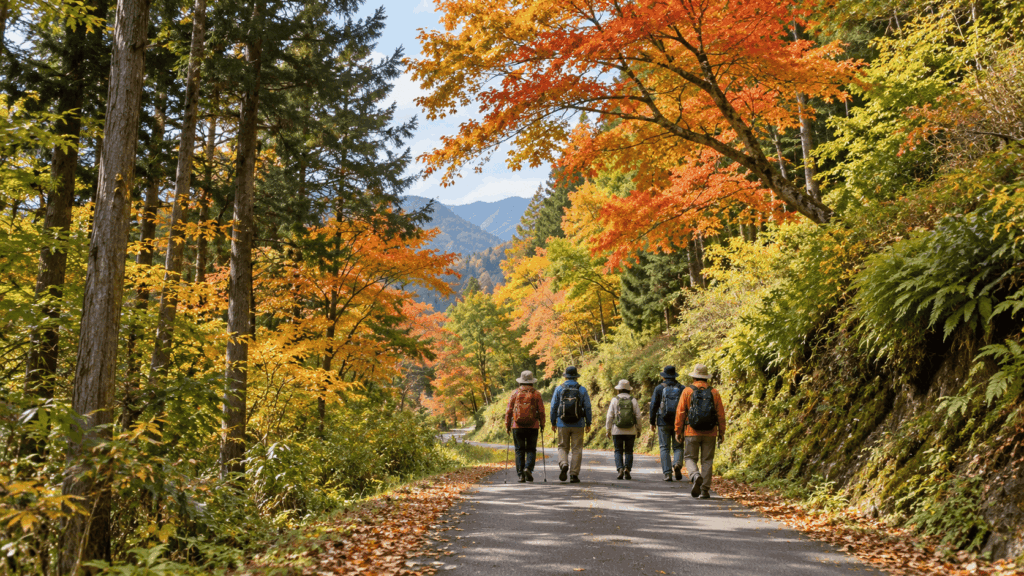
Put in traveler-type terms:
- First-time visitors based in Matsumoto: start with Narai as a gentle, low-risk introduction to the Kiso Valley, and add the Nakasendo walk only if it is genuinely on your list.
- Families with younger children: choose Narai, where the station-to-street walk is short and cafés give everyone a break. Save the trail for older kids or another trip.
- Travelers on a tight schedule: Narai fits comfortably into half a day; the Magome–Tsumago walk needs most of a full day plus train and bus time.
- Hikers and repeat visitors: make the Magome–Tsumago trail the centerpiece. It is the reason the southern Kiso towns appear on so many “best of Japan” walking lists.
- Anyone with knee or mobility concerns: Narai’s gently sloping 1 km street is manageable; the trail’s climbs and descents are not.
No single post town is best for every traveler — but once you know whether you want a town day or a walking day, the choice between Narai and Tsumago becomes straightforward.
If you prefer to have the transport handled for you, a guided day tour from Matsumoto can combine Narai with Matsumoto Castle, while a Nakasendo walking tour from Matsumoto or Nagano covers the trail logistics for the Tsumago–Magome route.

Hi, I’m Kai. I’m a Tokyo-based travel writer, tourism industry insider, and the author of a published guidebook for international visitors to Japan. With over 10 years of professional experience at a leading Japanese tourism company, my mission is to help you skip the tourist traps and navigate Japan’s best destinations like a local. I believe the perfect day trip is like a traditional kaiseki meal: a beautiful balance of precise planning and unforgettable seasonal discovery. When I’m not out conducting field research, you’ll usually find me drafting new itineraries with one of my favorite fountain pens!