
Is Koyasan Worth It? The Short Verdict
Yes—if you are looking for a living Buddhist town where monks still outnumber tourists, the atmosphere shifts dramatically after dark, and the entire experience is built around something other than entertainment. Koyasan (Mount Koya) is not a theme park version of temple culture. It is a functioning religious center, and that authenticity is precisely what makes it worth the journey for the right traveler.
Choose Koyasan if you want:
- A real temple stay with morning prayers and vegetarian monks’ cuisine (shojin ryori)
- To walk through Japan’s largest and most atmospheric cemetery, Okunoin, especially at night
- An overnight immersion that feels more like pilgrimage than sightseeing
- A slower, quieter day away from the crowds of central Kansai
You may want to reconsider if:
- Your Japan itinerary is seven days or less and already packed
- You prefer modern hotels with private bathrooms and flexible check-in times
- You are primarily interested in Japan’s pop culture, nightlife, or urban energy
- Religious sites and temple architecture feel similar after two or three visits
If Koyasan appeals but you cannot spare an overnight stay, check the Mount Koya cultural day tour from Osaka for live availability, start times, and the exact inclusions of each option.
Who Will Find Koyasan Worth Visiting?
Koyasan Is Worth It If You Want a Living Buddhist Town
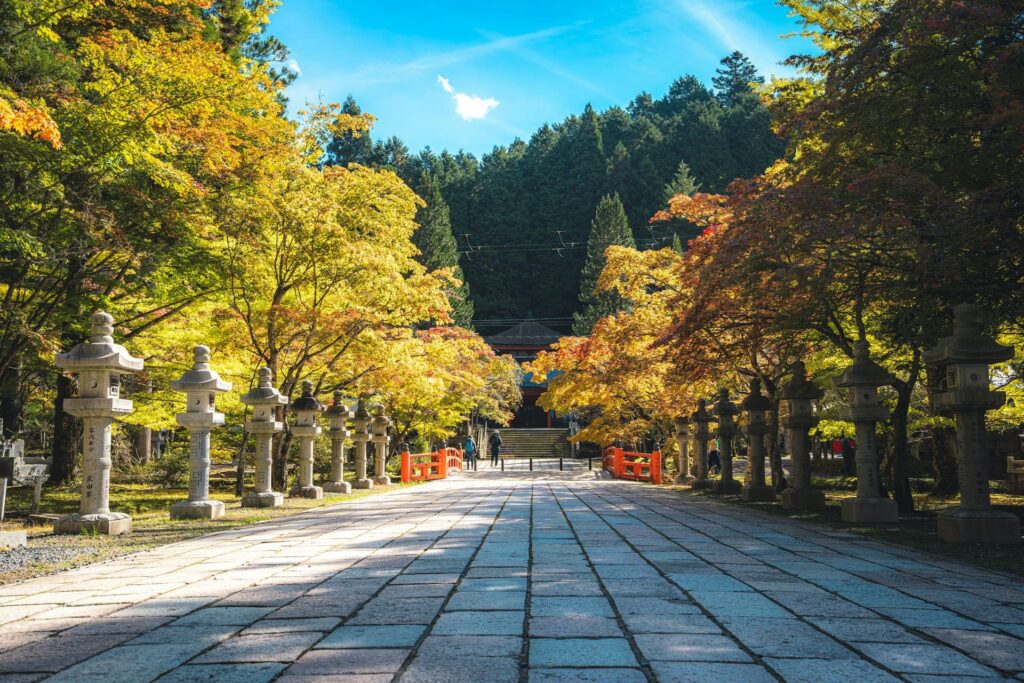
What makes Koyasan different from most temple sightseeing in Japan is that it is not a collection of tourist attractions scattered across a city. It is a compact mountain town of about 3,000 residents where over 100 active temples sit alongside homes, schools, and cemeteries. The Daimon Gate (the traditional entrance), Danjo Garan (the sacred complex founded by Kobo Daishi in 816), Kongobuji Temple (the head temple of Shingon Buddhism), and Okunoin (the vast cemetery where the founder is said to remain in eternal meditation) are connected by streets that residents use every day.
The first time I walked from the Daimon Gate toward the town center, what struck me was how naturally the temples sat alongside everyday life. It felt less like visiting a historic site and more like stepping into a place where the religious function of the town had never stopped. A common sentiment I hear from travelers is that Koyasan offers a more concentrated temple experience than Kyoto—not more beautiful or more important, but denser in the sense that the religious life of the town is still the reason the town exists.
Koyasan May Not Be Worth It for Every First-Time Visitor
I want to be honest: Koyasan is a detour. It is roughly 90 to 100 minutes from Osaka Namba by train and cable car, and a solid half-day is eaten up by transport alone. If your itinerary already includes multiple temple-heavy days in Kyoto or Nara, adding Koyasan can create shrine-and-temple fatigue rather than deepening appreciation.
Reading through recent visitor reviews, a pattern emerges: travelers who loved Koyasan almost always stayed overnight, and those who felt it was overhyped often did a rushed day trip during peak hours. The destination rewards patience and a willingness to slow down. If you are the type of traveler who prefers to check off sights efficiently, Koyasan may feel frustrating rather than rewarding.
Koyasan Day Trip vs Overnight Stay: Which Is Better?
This is the single most important decision to make about Koyasan, and the answer changes the entire experience. Here is a direct comparison:
| Factor | Day Trip | Overnight Stay (Shukubo) |
|---|---|---|
| Time commitment | 8:00 AM departure → 7:00 PM return (~11 hours) | Depart morning or midday → stay until next morning |
| Okunoin cemetery | Daytime visit only; crowded by late morning | Daytime + optional night tour or self-guided evening walk |
| Temple lodging | Not included | ¥10,000–¥40,000+ per person including dinner and breakfast |
| Shojin ryori (vegetarian monks’ meal) | Available at some restaurants; limited options | Included as part of the temple stay experience |
| Morning prayer service | Not possible (starts ~6:00 AM) | Included; typically 30–45 minutes with chanting |
| Evening atmosphere | You will be heading back by 5:00 PM | Town empties after 6:00 PM; Okunoin becomes profoundly quiet |
| Pace | Concentrated 4–5 hours of sightseeing | Relaxed; split across evening, morning, and next day |
| Total cost (transport + food + entry) | ~¥5,000–¥7,000 per person (using World Heritage Ticket) | ~¥17,000–¥47,000+ per person (including temple stay) |
| Who it suits best | Travelers with no spare nights; those who want a taste | Anyone seeking depth over breadth; temple culture enthusiasts |
When a Koyasan Day Trip Is Enough
A day trip works best if you start early (depart Osaka by 7:30 AM), focus on three areas—Danjo Garan, Kongobuji, and Okunoin—and accept that you will be moving at a steady pace. The Koyasan World Heritage Digital Ticket (around ¥3,140 for adults from Namba or Shin-Imamiya) covers the round trip and unlimited bus rides, making it the most efficient option. You will see the essential sights, but you will miss the atmosphere that only arrives after the last cable car departs.
Why One Night Makes Koyasan More Worthwhile
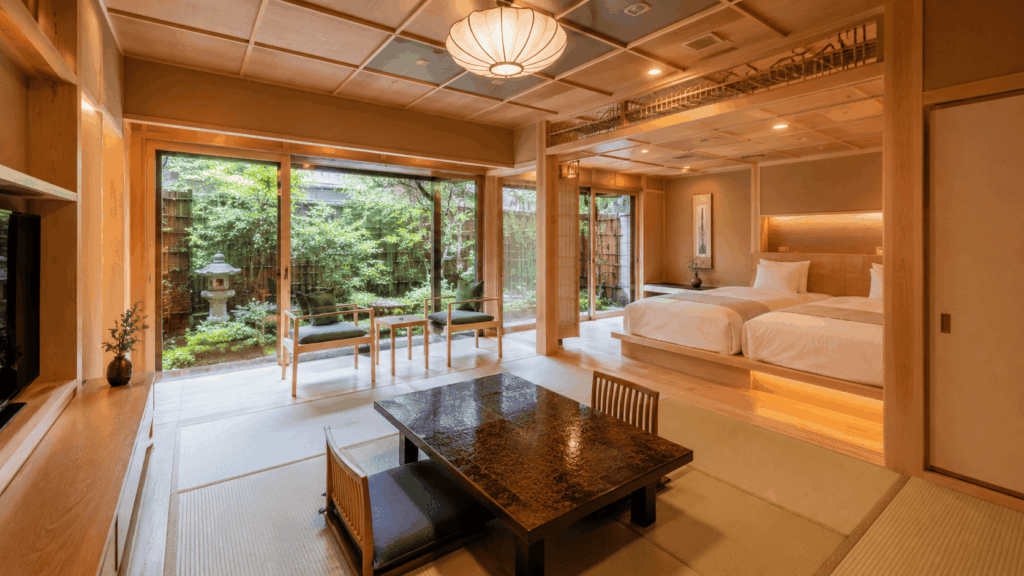
Kai’s tip: What I see consistently in traveler feedback is that the moment Koyasan becomes truly memorable is not at Danjo Garan or Kongobuji during the day. It happens in the evening when the day-trippers have gone, the souvenir shops have closed, and Okunoin sits under lantern light with almost no one else around. It happens again at 6:00 AM when your temple’s monks begin chanting in a hall that smells of incense and old wood. You cannot schedule either of these moments on a day trip.
If you stay overnight, your experience shifts from sightseeing to immersion. You eat shojin ryori where you sleep. You walk to Okunoin in the dark—either on your own or with the Koyasan Okunoin Night Tour (approx. ¥6,000, English-guided, 80 minutes). You attend a morning prayer service that has been conducted in the same hall for centuries. One night turns Koyasan into something you lived through rather than something you looked at.
What Makes Koyasan Different from Kyoto or Nara?
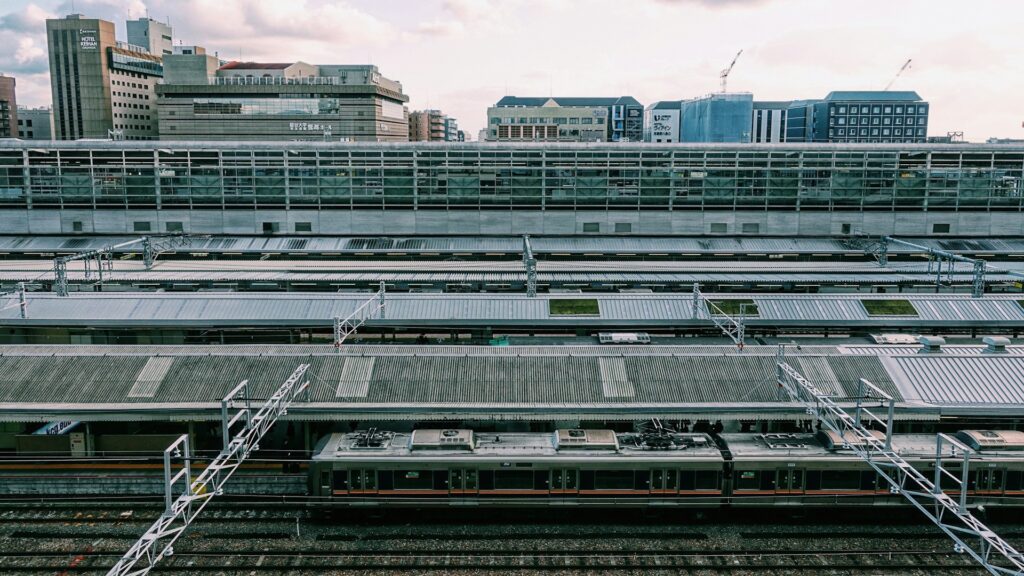
This is a common question, and the honest answer is: the experience is different enough that choosing between them should not feel like a conflict.
Choose Kyoto If You Want Variety and Convenience
Kyoto offers dozens of temples of different architectural styles, school groups and tourists, geisha culture, restaurants of every kind, and seamless public transport. It is the right choice for travelers who want range—some temples, some gardens, some shopping, some dining—all within a single day.
Choose Koyasan If You Want Immersion Over Variety
Koyasan offers one thing deeply rather than many things broadly. The temples are all Shingon Buddhist. The food is mostly vegetarian. The town is quiet by 7:00 PM. But that singularity is the point: you are not switching contexts throughout the day. You are staying inside one tradition, one atmosphere, one way of experiencing Japan that is harder to find elsewhere. For travelers who want to understand temple Buddhism as a living practice rather than a historical display, Koyasan delivers something Kyoto cannot replicate in a single afternoon.
Is a Koyasan Temple Stay Worth the Money?
The short answer is yes, if you understand what you are paying for. A temple stay (shukubo) is not a hotel stay with a Buddhist theme. It is a historically functional lodging for pilgrims, and the value comes from elements that do not translate into normal hospitality metrics.
What You Are Actually Paying For
- A private tatami room in a functioning temple — simple, clean, traditionally furnished with shared bathroom facilities in most cases
- Shojin ryori dinner and breakfast — a multi-course vegetarian meal prepared according to Buddhist precepts, served in your room or a communal dining area
- Access to morning prayers — typically starts around 6:00 AM for 30–45 minutes; led by resident monks with chanting and sometimes a short talk
- Access to temple gardens and cultural halls — usually included in the stay
- Communal baths — gender-separated, available during set hours
- The chance to sleep within walking distance of Okunoin — which changes how you experience the cemetery entirely
Prices currently range from about ¥10,000 per person on the more accessible end (shared facilities, simpler meals) to ¥50,000 or more at well-known temples like Ekoin or Ichijoin, particularly during peak seasons (spring cherry blossoms and autumn foliage). Dinner is typically served around 17:30–18:00, and most temples expect check-in by 17:00, which means arriving at Koyasan by midafternoon at the latest.
Check These Details Before Booking a Shukubo
Kai’s tip: The biggest surprise I hear from travelers is that temple stays vary significantly in what they include. One temple may offer a private bathroom and an elaborate multi-course dinner; another may have shared toilets, a simpler meal, and the same prayer service. Neither is better—they are different price points serving different expectations. Before booking through the Koyasan Shukubo Association or a booking platform, check whether the temple offers: private or shared bathroom, dinner and breakfast included, a prayer service you can attend in English, and wifi access if that matters to you. Temples that offer instant booking online tend to have the most English-friendly setups.
Some temples also offer optional activities such as sutra copying (shakyo), meditation sessions, or Goma fire rituals. If you have specific dietary requirements (beyond the standard vegan shojin ryori), contact the temple directly before confirming your reservation.
For the overnight route, compare current room types, meal plans, availability, and recent guest reviews for Koyasan Syukubo Ekoin before finalising your temple stay.
What Are the Best Things to Experience in Koyasan?
For a first visit, Koyasan’s value comes from experiencing three distinct areas, each offering a different character. The town is larger than most visitors expect, and spreading these across an afternoon and the following morning is the most natural way to see them.
Walk Through Okunoin by Day or With a Night Guide
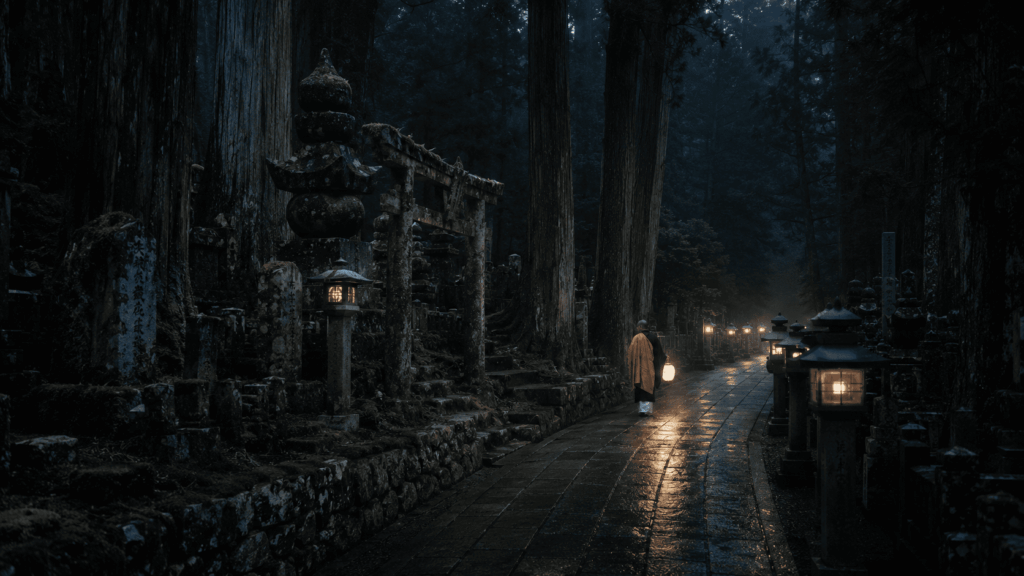
Okunoin is the vast cemetery and mausoleum complex where Kobo Daishi (the founder of Shingon Buddhism) is said to rest in eternal meditation. It is the single most important site in Koyasan, and it rewards both daytime and nighttime visits for different reasons.
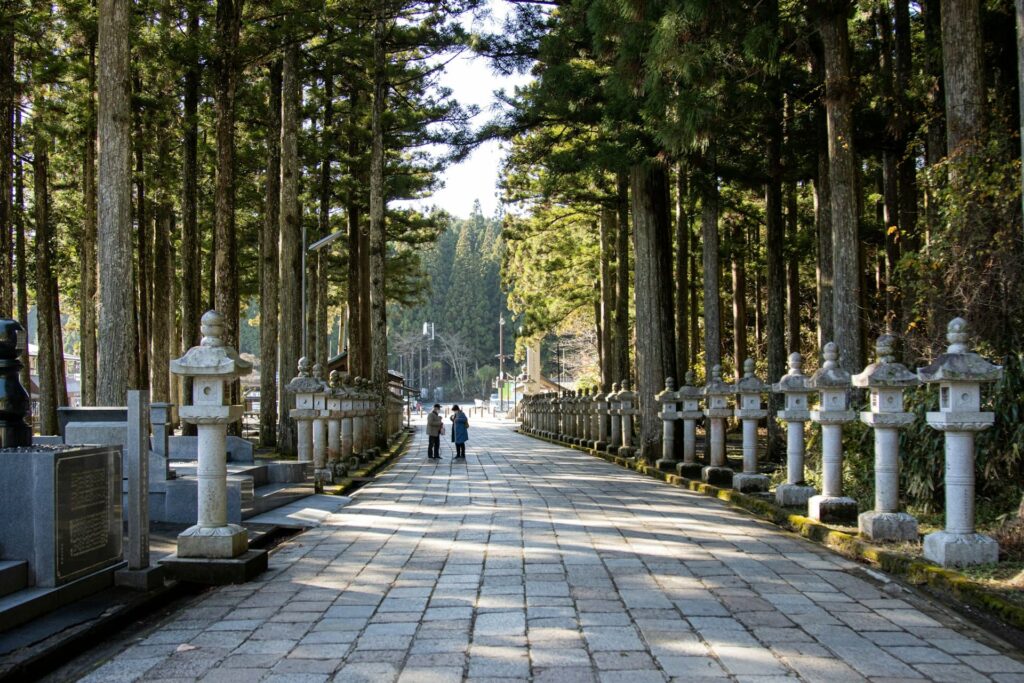
During the day, you enter via Ichinohashi Bridge and walk a two-kilometer path lined with centuries-old cedar trees and over 200,000 gravestones, including memorials for feudal lords, famous historical figures, and modern corporations. The main hall (Torodo Hall) and the innermost sanctum (Kobo Daishi Gobyo) are accessible until late afternoon, and the scale of the cemetery gives you a clear sense of the role Koyasan has played in Japanese religious history.
At night, the atmosphere changes completely. The path is lit by lanterns, the crowds disappear, and the silence transforms the experience into something closer to pilgrimage than sightseeing. A growing number of visitors book the Koyasan Okunoin Night Tour (approx. ¥6,000, English-guided, about 80 minutes), which provides historical and religious context that is easy to miss when walking alone. In my experience, having a guide explain the significance of the site made the difference between seeing an impressive cemetery and understanding a living tradition. The tour requires comfortable walking shoes and is not suitable for children under six or anyone with limited mobility on uneven ground.
A practical note: if you are staying at a temple that observes an early curfew, check whether the night tour’s return time works with your temple’s schedule before booking. Some temples near the center are more flexible than those farther out.
Explore the Daimon–Danjo Garan–Kongobuji Area
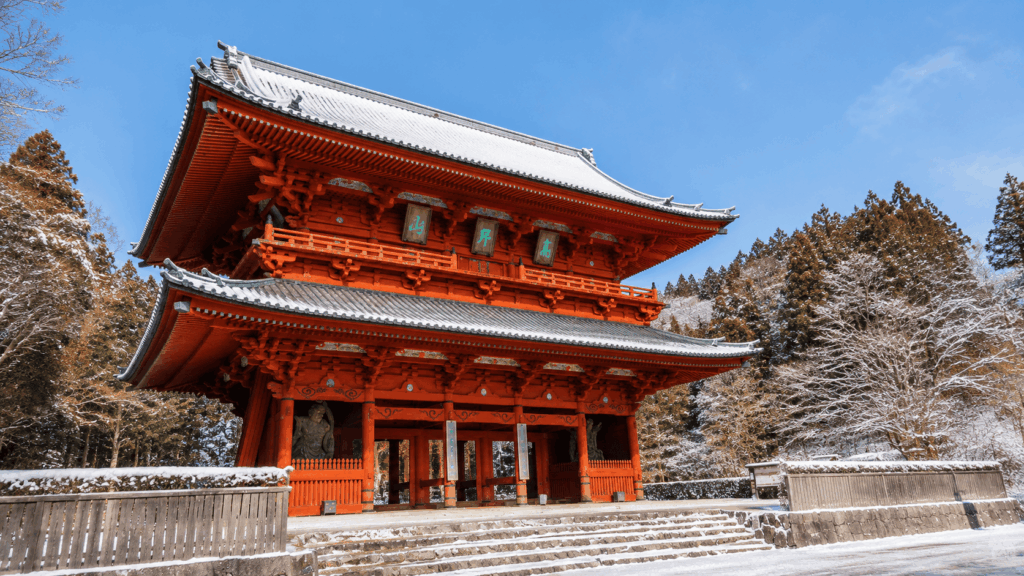
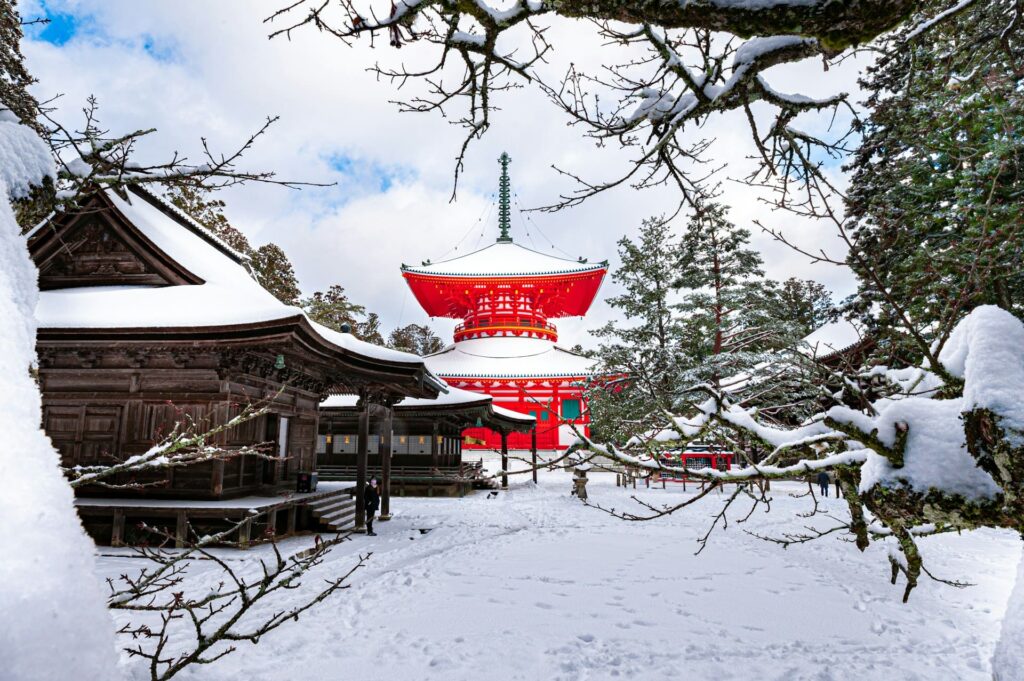
This cluster of sites on the western side of town gives you the historical and architectural context for Koyasan as a religious center. Start at the Daimon Gate, a massive two-story vermillion gate that marks the traditional entrance to the sacred mountain. From there, walk or take a short bus ride to Danjo Garan, the original temple complex founded in 816. Within the complex, the Konpon Daito Pagoda (a striking multi-story structure painted in vermillion and white) and the Kondo Hall are the most visually significant buildings. A combination ticket (¥2,500) covers entry to all the major paying sites on this side of town if you plan to visit multiple locations.
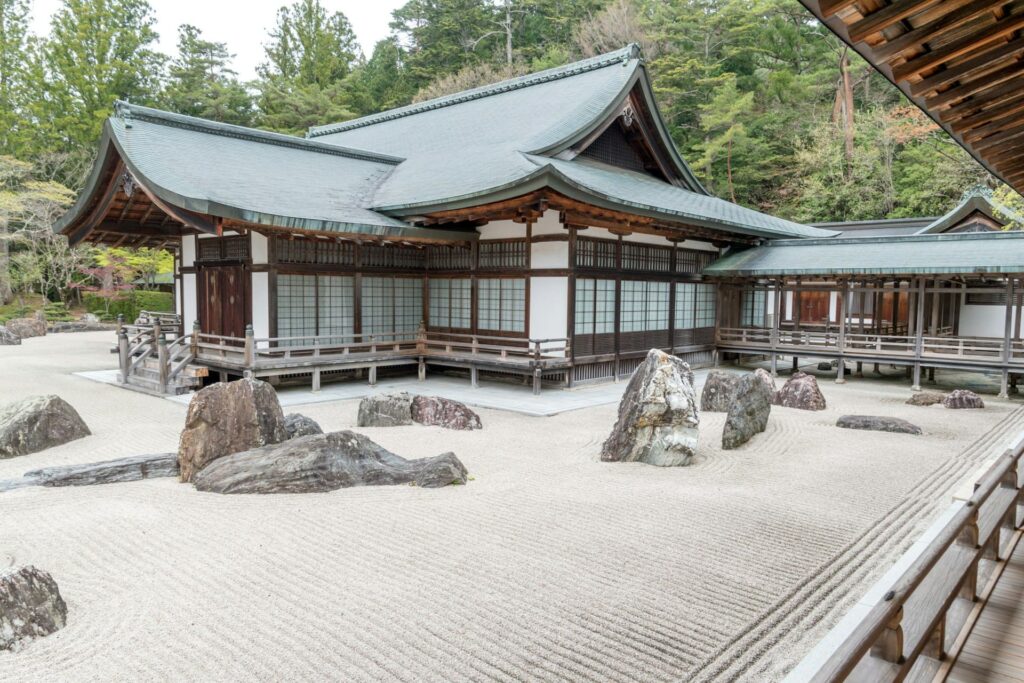
Adjacent to Danjo Garan is Kongobuji Temple, the administrative head temple of Shingon Buddhism. Its main attraction for most visitors is the蟠龙庭 (Bankei-tei) rock garden, Japan’s largest stone garden, which uses white gravel and strategically placed rocks to suggest a pair of dragons rising from clouds. The temple’s interior includes painted screens and corridors that connect several halls, and you can spend 30 to 45 minutes here comfortably.
For a first visit, these three locations—Daimon, Danjo Garan, and Kongobuji—together with Okunoin cover the essential range of Koyasan’s religious and architectural heritage. The Reihokan Museum, which houses a rotating collection of national treasures and important cultural properties, is worth extra time if you have a deeper interest in Buddhist art and artifacts.
Is Koyasan Difficult to Get Around?
The short answer is no, but the transport chain looks more complicated on paper than it feels in practice. The key is to understand that “getting to Koyasan” and “moving around Koyasan” are two separate challenges, and neither is difficult once you know the pattern.
The Journey Looks More Complicated Than It Usually Feels
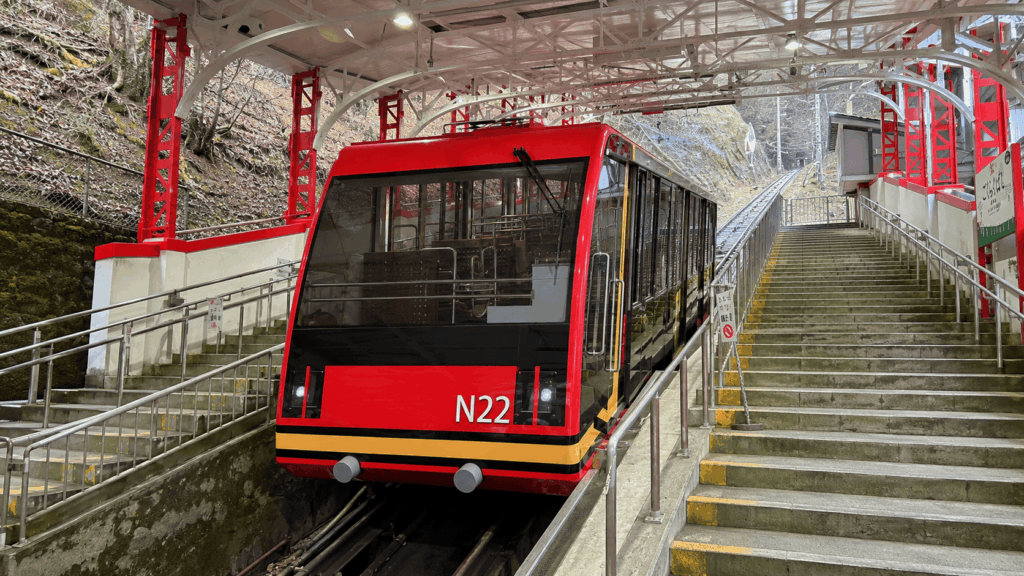
From central Osaka, reaching Koyasan involves three standard segments:
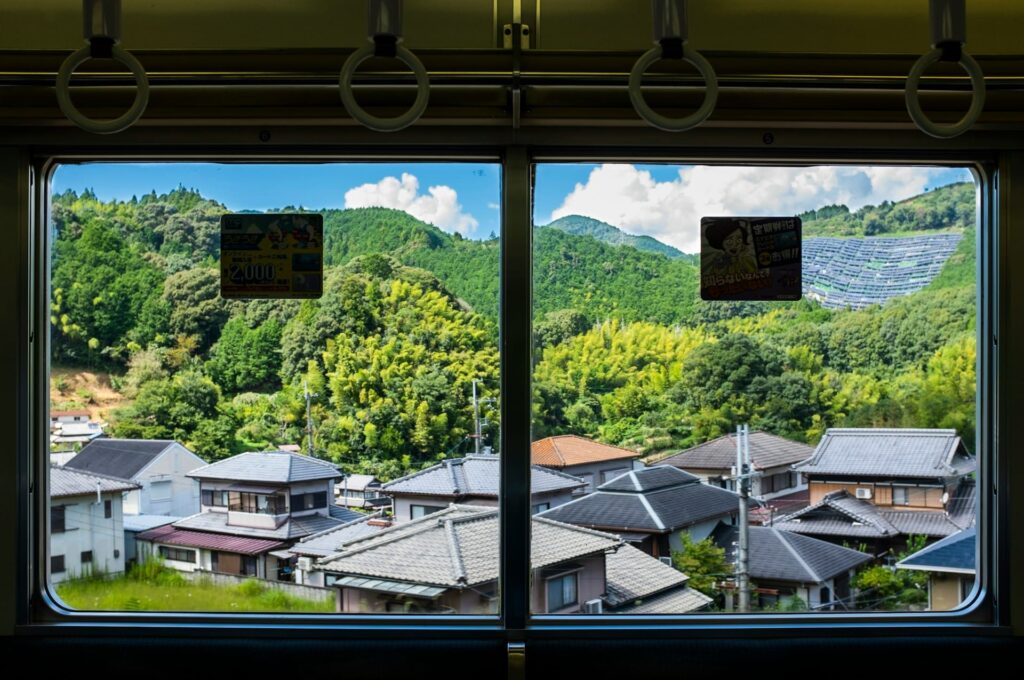
- Train: Nankai Electric Railway from Namba (or Shin-Imamiya) to Gokurakubashi Station. The Limited Express Koya takes about 80 minutes with reserved seating and runs roughly every hour. The rapid express takes about 100 minutes and costs less but requires a transfer at Hashimoto Station in some cases.
- Cable car: From Gokurakubashi, the Nankai Koyasan Cable Car climbs to Koyasan Station in about 5 minutes. There is no walking alternative for this section.
- Bus: From Koyasan Station, the Nankai Rinkan Bus runs to the town center at Senjuinbashi in about 10 minutes.
The journey requires transfers, but the connections are designed for visitors. Signage is available in English at all major points, and the entire route is handled by a single rail company (Nankai), which keeps the ticket system straightforward. The Koyasan World Heritage Digital Ticket (around ¥3,140) covers the round trip from Namba or Shin-Imamiya plus unlimited bus rides within Koyasan for two days, which eliminates the need to buy separate tickets at each transfer point.
Use Buses for the Long Gaps and Walk Within Each Area
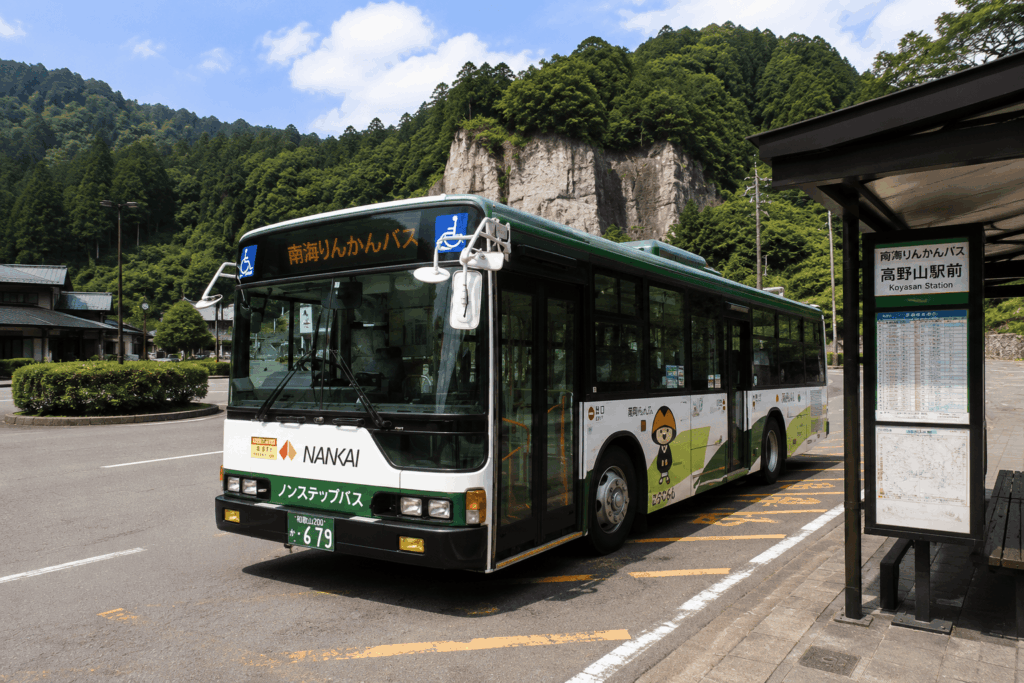
Kai’s tip: One of the most common mistakes I see first-time visitors make is assuming they need to walk everywhere. When I visited, what made the experience comfortable was realizing you can split the town into three zones—the Daimon–Danjo Garan area, the central Senjuinbashi area with shops and restaurants, and the Okunoin area to the east. The Nankai Rinkan Bus runs between these zones every 15 to 20 minutes, and within each zone, walking between sites is easy and pleasant. Using the bus for the longer stretches (especially from Senjuinbashi to Okunoin-mae, which is a solid 20-minute uphill walk) saves energy without losing any of the atmosphere.
If you have the World Heritage Digital Ticket, the bus rides are already included, so there is no reason not to use them. If you do not have the pass, a single ride costs around ¥460. Even for travelers who normally prefer to walk, picking up the bus for the Okunoin stretch is worth considering—especially if you plan to visit at night or are carrying a daypack.
Self-Guided or Guided Tour: Which Is Better?
Both approaches work, but they serve different travel styles. The deciding factor is usually whether you are staying overnight and how much cultural context you want without researching it yourself.
Choose Self-Guided Travel If You Have One Night
If you can stay overnight in a shukubo, self-guided travel makes the most sense. You have the flexibility to arrive at your own pace, drop your luggage at your temple, and walk the sights in whatever order suits you. The combination of the World Heritage Digital Ticket for transport and a self-booked temple stay gives you independence while still covering transport and bus rides efficiently. You can add the Okunoin Night Tour independently if you want guided context for the cemetery, and your temple will typically provide the morning prayer experience as part of your stay. For travelers who enjoy planning their own route and value the freedom to pause, take photos, or sit in a temple garden without a schedule, this is the better option.
Choose a Guided Day Tour If Time and Context Matter More Than Flexibility
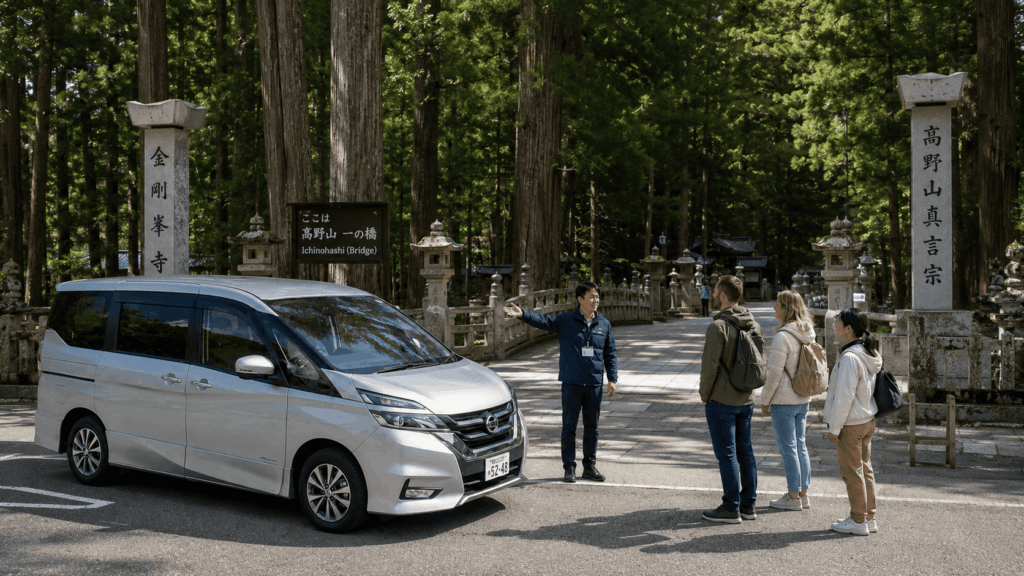
For travelers who cannot spare a night—or who prefer not to manage the train/cable/bus chain themselves—a guided day tour from Osaka removes the logistical load and replaces it with structured cultural context. A typical small-group tour departs from the Namba area in the morning, visits the Daimon Gate, Danjo Garan, Kongobuji Temple, and Okunoin with English commentary, and returns to Osaka in the evening. The UNESCO Mount Koya small-group tour, for example, runs about ten hours and includes a guided walk through a subtemple (Shojoshin-in) and a visit to the Niutsuhime Shrine, which is often missed on independent visits.
What a guided tour adds that self-guided travel does not is explanation. The difference between walking through Okunoin with and without historical context is significant—the stones and statues tell a story, but not one that is obvious to visitors unfamiliar with Shingon Buddhism. In my experience, the guided context I received during my night walk transformed what could have been a quiet cemetery stroll into one of the most memorable evenings of my trip. For day-trippers who want that depth without the overnight commitment, a guided tour is the closest alternative.
That said, a guided day tour does not replace an overnight stay. You will see the major sites, but you will not experience the evening quiet of the town, the morning prayers, or the unhurried rhythm of a temple lodging. If your schedule allows one night, I would recommend self-guided with an overnight stay over a guided day trip every time. The tour is a strong second choice—not the ideal.
If you want the cultural context but cannot give Koyasan an overnight stay, this is the one guided option worth comparing with the DIY route.
Why I’d book this one
- The guided option combines transport from central Osaka with explanations at Koyasan’s major religious sites, removing both the transfer planning and the need to research each stop in advance.
- Depending on the option selected, the day may include shojin ryori and a Buddhist cultural activity, adding more than transportation alone.
- Recent verified feedback highlights the guide’s historical knowledge and the value of combining Okunoin, a traditional lunch, and a hands-on cultural experience in one structured day.
Practical Drawbacks to Know Before You Go
Being honest about Koyasan’s limitations makes the decision easier, not harder. Here are the most common friction points that travelers encounter.
Temple Lodging Is Not the Same as a Standard Hotel
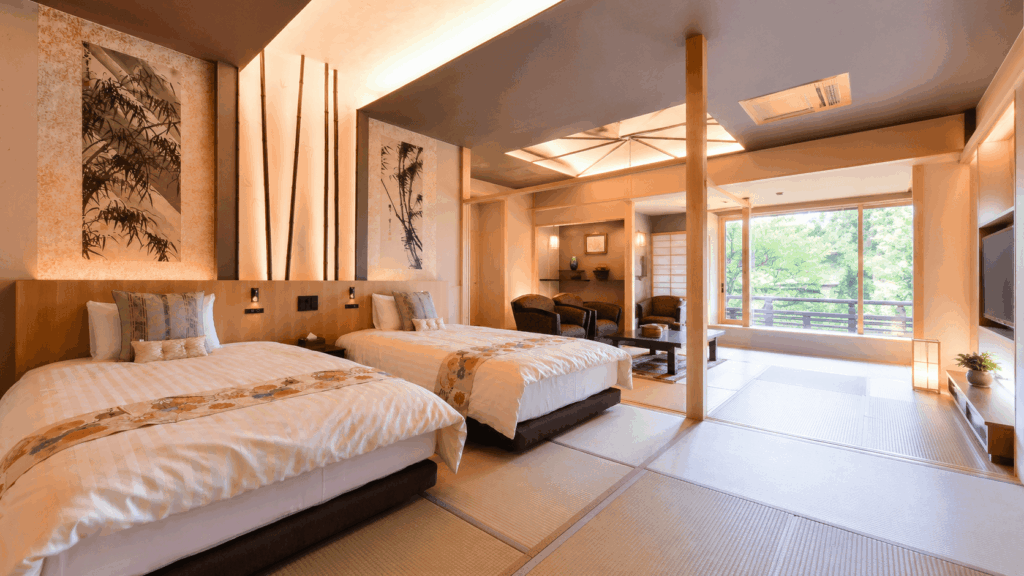
This is the most frequently mentioned surprise in visitor feedback, and it is worth taking seriously. Temple lodging (shukubo) operates on a different logic than a hotel. Check-in is typically by 5:00 PM, dinner is served around 5:30 to 6:00 PM, and most temples have a curfew (usually around 9:00 PM). Bathrooms and bathing facilities are often shared, and the rooms are traditional tatami with futon bedding rather than beds.
None of this is negative—it is simply different. Many travelers find the early schedule and shared baths part of the authentic experience. But if you value the ability to check in late, eat dinner at 9:00 PM, take a long private bath, or sleep in a western-style bed, a temple stay may frustrate rather than delight you. The solution is not to avoid temple stays altogether, but to check the specific facilities of your chosen temple before booking. The Koyasan Shukubo Association website provides English information for member temples, and booking platforms typically list whether bathrooms are private or shared, whether meals are included, and whether English support is available. For more details on areas and facilities, see our guide on where to stay in Koyasan.
Weather and Luggage Can Change the Experience
Koyasan sits at an elevation of about 1,000 meters, which means it is noticeably cooler than Osaka or Kyoto. Even in summer, evenings can be cool enough to require a light jacket, and from late autumn through early spring, temperatures can drop close to or below freezing. Rain is common throughout the year, and winter occasionally brings snow that can affect bus schedules or make walking on the cemetery path more precarious.
Luggage is another practical concern. The journey involves trains, a cable car, and a bus, and while none of these segments are especially difficult with a backpack or small suitcase, a large rolling bag becomes cumbersome. Two options are worth considering: store your main luggage at your Osaka hotel (or at a coin locker in Namba Station) and travel to Koyasan with an overnight bag only, or use a luggage forwarding service (takkyubin) to send your main bag ahead to your next destination. Most temples do not have storage facilities for large suitcases, and arriving with only what you need for one night makes the entire experience more comfortable.
Frequently Asked Questions
Is Koyasan worth visiting on a day trip from Osaka?
Yes, with clear caveats. A day trip works if you depart Osaka by 7:30 AM, focus on three areas (Danjo Garan, Kongobuji, and Okunoin), and accept that you will be moving at a steady pace with limited time for reflection. You will see the essential sights, and the Koyasan World Heritage Digital Ticket makes the transport straightforward. What you will miss is the atmosphere that only arrives after the last cable car departs—the quiet evening at Okunoin, the temple lodging experience, and the morning prayer service. If your itinerary genuinely has no room for an overnight stay, a day trip is still worth doing. If you can rearrange to stay one night, the extra cost and time deliver a significantly richer experience.
Is one night in Koyasan enough for a first visit?
For most first-time visitors, one night is the ideal length. Arriving by early to midafternoon gives you time to visit Danjo Garan and Kongobuji, check into your temple lodging, have dinner, and walk Okunoin in the evening light or with the night tour. The next morning, attend the prayer service, have breakfast, and visit anything you missed before heading back. Two nights would suit travelers who want to add meditation sessions (Ajikan meditation), hiking on nearby trails, or a deeper exploration of the subtemples and museum. But for the standard visitor balancing Koyasan against other Kansai destinations, one night is enough to absorb what makes the town distinctive.
Is a Koyasan temple stay (shukubo) worth the money?
It depends on what you are comparing it to. Against a standard business hotel in Osaka, a temple stay at ¥10,000 to ¥40,000 per person appears expensive for a room with shared facilities, an early dinner, and a 9:00 PM curfew. But the value is not in the room—it is in the package: a multi-course vegetarian dinner prepared according to Buddhist precepts, a morning prayer service in a centuries-old hall, the chance to sleep within walking distance of Okunoin, and access to temple gardens that are not open to day visitors. If you value cultural immersion, the cost is reasonable for what you receive. If you value privacy, hotel-style amenities, and flexible scheduling, you may find the price harder to justify. The safest approach is to review each temple’s specific offerings before booking, since the experience varies significantly between properties.
Can you visit Koyasan without a tour?
Absolutely. Koyasan is well connected by public transport, and the route is clearly signed in English at every transfer point. The Koyasan World Heritage Digital Ticket covers the full journey from Osaka, and the Nankai Rinkan Bus network within the town is straightforward. Many independent travelers find that the freedom to set their own pace and choose their own temple lodging is part of the appeal. A guided tour adds value primarily through cultural context—understanding the history and symbolism of what you are seeing—rather than through logistical necessity. If you are comfortable with a train schedule and a bus map, going independently is completely manageable.
My Final Verdict: Should You Go to Koyasan?
After spending time in the town—walking from the Daimon Gate through the quiet streets, staying overnight in a temple, and joining a guided evening walk through Okunoin—I believe Koyasan offers something that is genuinely hard to find elsewhere in Japan. But I also believe it is not the right destination for every traveler or every itinerary. Here is how I would break it down by traveler type.
For first-time visitors to Japan with 10 or more days: Yes, include one night in Koyasan. It works well as a stop between Osaka and Kyoto or as a tranquil break from the intensity of the Kansai sightseeing circuit. It adds a dimension to your trip that temples in the city cannot replicate.
For first-time visitors with 7 days or fewer: I would prioritize your time carefully. If you are most excited by temples, history, and quiet landscapes, swap one day from a city you are less enthusiastic about and go. If your must-see list already includes five or more destinations, save Koyasan for a future trip. A rushed day trip risks leaving you with the cost and travel time but without the atmosphere that makes the journey worthwhile.
For temple and culture enthusiasts: Koyasan is one of the most rewarding destinations in Kansai. The combination of a living religious town, an active cemetery pilgrimage, temple lodging, and morning rituals creates an experience that is closer to how temple culture actually functions than any museum-like presentation. One night is good; two nights with meditation and hiking would suit a deeper interest.
For families with children: Possible but requires planning. The Okunoin night tour has a minimum age of six. The bus and cable car are fine for strollers, but the temple stay’s early schedule and shared bathrooms may not suit younger children or parents looking for flexibility. A day trip with a focus on the open areas (Danjo Garan and the Daimon Gate) could work if your children are old enough to handle the transport time.
For travelers on a tight schedule or those who prefer urban travel: Skip it for this trip. Koyasan rewards a slower pace and a willingness to step away from convenience. If you know you prefer the energy of Tokyo or the variety of Kyoto, accept that Koyasan can wait until a future visit when you have the time to experience it properly.
For repeat visitors to Japan who have seen the major cities: This is your destination. Koyasan delivers something that does not overlap with what you have already experienced. If you have done Kyoto’s temples, Tokyo’s neighborhoods, and Hiroshima’s memorial, Koyasan offers a different register of Japanese culture entirely. Stay overnight, take the night tour, attend the morning prayers, and let the town set its own rhythm for you.
Hi, I’m Kai. I’m a Tokyo-based travel writer, tourism industry insider, and the author of a published guidebook for international visitors to Japan. With over 10 years of professional experience at a leading Japanese tourism company, my mission is to help you skip the tourist traps and navigate Japan’s best destinations like a local. I believe the perfect day trip is like a traditional kaiseki meal: a beautiful balance of precise planning and unforgettable seasonal discovery. When I’m not out conducting field research, you’ll usually find me drafting new itineraries with one of my favorite fountain pens!