
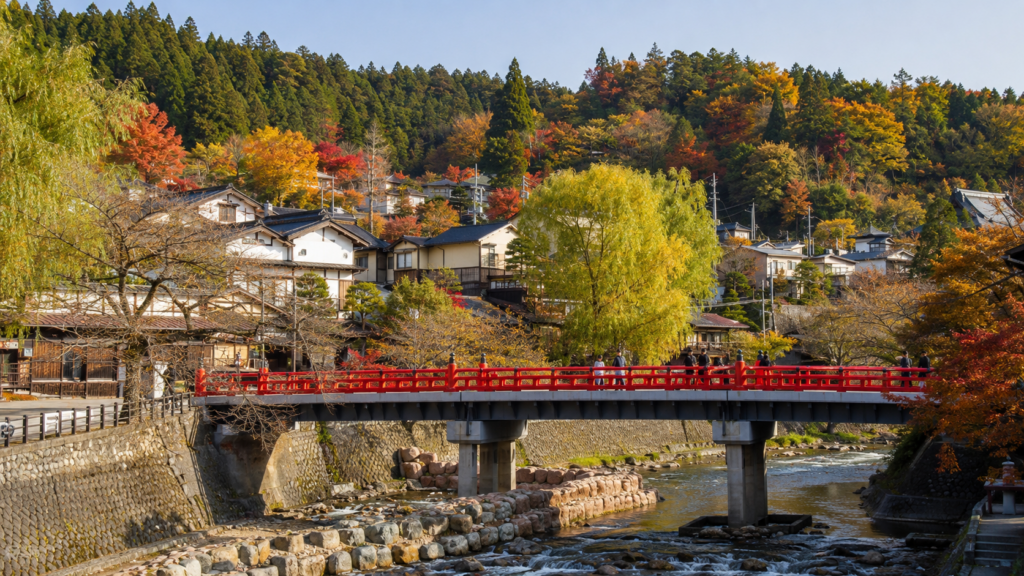
You’ve booked your stay in Takayama — great choice. Now comes the question that catches every traveler off guard: what’s actually worth the trip from here, without a car, in the time you have?
This isn’t another list of “15 best day trips from Takayama” copied from a generic itinerary generator. This is the honest breakdown — ranked by how realistic each destination actually is by public transport, with the seasonal traps that most roundups conveniently skip. Whether you have one day, two days, or you’re visiting in winter when half the alpine options are locked under snow, you’ll leave this guide knowing exactly which day trip fits.
Let’s start with the big picture, then dive into each option.
Leaning toward Shirakawa-go? If that is likely to be your main day trip, it is worth checking dates early for this Shirakawa-go half-day tour from Takayama, since it bundles the bus logistics with an English-speaking guide instead of leaving you to decode the timetable alone.
Quick Answer: Best Day Trips from Takayama at a Glance
Here’s every major candidate ranked by how doable it is from Takayama on public transport. Use this as your first filter, then read the deep-dive sections below.
| Destination | Time & Transport from Takayama | Doable by Public Transport? | Year-Round or Seasonal | Best For |
|---|---|---|---|---|
| Hida-Furukawa | Train 15 min · ¥240–570 | ✅ Yes (no reservation needed) | Year-round | A quiet half-day stroll |
| Gero Onsen | Limited Express ~45 min · ~¥2,000 | ✅ Yes | Year-round | Hot spring bathing & museum |
| Shirakawa-go | Bus 50 min · ~¥2,800 one-way | ✅ Yes (but check reservation status) | Year-round | First-time UNESCO village visit |
| Gokayama | Bus 50 min + 45 min (transfer) | △ Possible, few buses · winter limits | Year-round (winter: Suganuma skipped) | Quieter thatched villages |
| Kamikochi | Bus ~2 hrs · ~¥3,000 one-way | ✅ Yes (Apr 17–Nov 15 only) | Seasonal: mid-Apr to mid-Nov | Alpine hiking & scenery |
| Shinhotaka Ropeway | Bus + ropeway · 2+ hrs | △ Possible, time-consuming | Year-round (check maintenance closures) | Panoramic alpine views |
| Okuhida Onsen | Bus 60 min · ~¥1,600 | ✅ Yes | Year-round | Remote onsen town & Hirayu Falls |
| Gujo Hachiman | Highway bus 70 min + local transport | ◯ Possible but time-heavy | Year-round | Food replica museums & canal town |
| Kanazawa | Highway bus 2 hr 15 min · ~¥4,200 | △ Technically possible, 4.5 hrs round trip | Year-round | Major city sightseeing |
| Matsumoto | Bus 2 hrs · ~¥3,200 | △ Same-day possible but tight | Year-round | Matsumoto Castle |
Seasonal Reality Check: What Closes in Winter (Read This First)
Here’s the trap that generic day-trip lists never warn you about. If you’re visiting between mid-November and mid-April, several of the most spectacular options from Takayama are either completely shut or running severely reduced services.
- Kamikochi — Fully closed. The access road and all facilities shut down from mid-November through mid-April. The 2026 season runs April 17 to November 15.
- Mount Norikura — Also fully closed in winter. The alpine road doesn’t open until late May or June.
- Shinhotaka Ropeway — Open year-round but with reduced winter hours (9:00–15:30, December–March) and occasional maintenance closures (2026 closures: June 15–26 and November 24–27).
- Gokayama (Suganuma) — Buses bypass this stop entirely from December through March. You can still reach Ainokura, but with very limited connections.
- Hirayu Falls (Okuhida) — The waterfall freezes in winter. It’s still visitable, but the surrounding trails can be icy.
Kai’s tip: If you’re traveling between November and April, don’t trust a “15 best day trips” list that treats Kamikochi or Norikura as year-round options. The mistake I see most often is travelers building an entire itinerary around an alpine destination, only to arrive and find locked gates. Winter’s reliable standbys from Takayama are Hida-Furukawa, Gero Onsen, and Shirakawa-go — all fully accessible, no ice axes required.
For the full lowdown on alpine-season travel, the official Kamikochi website posts annual opening dates. Always confirm before planning around seasonal destinations.
1. Hida-Furukawa — The Easiest, Quietest Half-Day Escape
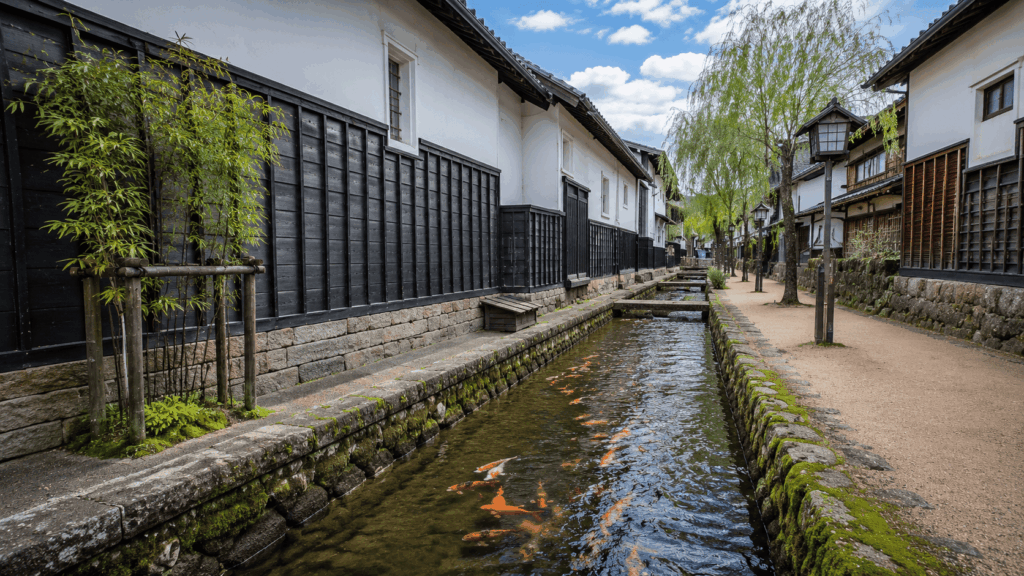
Travel time: 15 minutes by train · ¥240 (local) / ¥570 (Limited Express Hida, unreserved seat)
Reservation needed? No — just walk to the platform.
Good for: Half-day trips, Your Name fans, travelers who want a break from crowds
Hida-Furukawa is the low-effort, high-reward option that first-time visitors often overlook. It’s just two stations north of Takayama on the JR Takayama Line, and the local train runs roughly once every hour or two. Limited Express Hida services also stop here several times a day if you time it right.
The town centre is a compact five-minute walk from Hida-Furukawa Station. The main draw is Setogawa Canal, a narrow waterway lined with white-walled storehouses and wooden shopfronts — and famously, hundreds of colourful carp swimming in the clear water. The scene is so recognisable that fans of the anime Your Name (Kimi no Na wa) will immediately spot the inspiration for the film’s rural setting.
Beyond the canal, the white-plaster kura (traditional storehouses) on Honmachi Street and the small but excellent Hida-Furukawa Festival Hall are worth a wander. Most visitors find that two to three hours is enough to absorb the atmosphere, have a coffee, and poke into the local craft shops.
Kai’s tip: On days when I don’t have the energy to commit a full day to Shirakawa-go — booking the bus, navigating the crowds, the whole routine — Hida-Furukawa is my default. Fifteen minutes on a local train, no reservations, no queues, and the carp-swam canals are genuinely calming. What surprises most first-timers is how quiet it is compared to Takayama’s old town. If you only have a half-day to spare, this is where you spend it.
For a deeper look at Takayama itself as a base, see the Takayama travel guide on this site.
2. Gero Onsen — A Genuine Hot Spring Town in Under an Hour
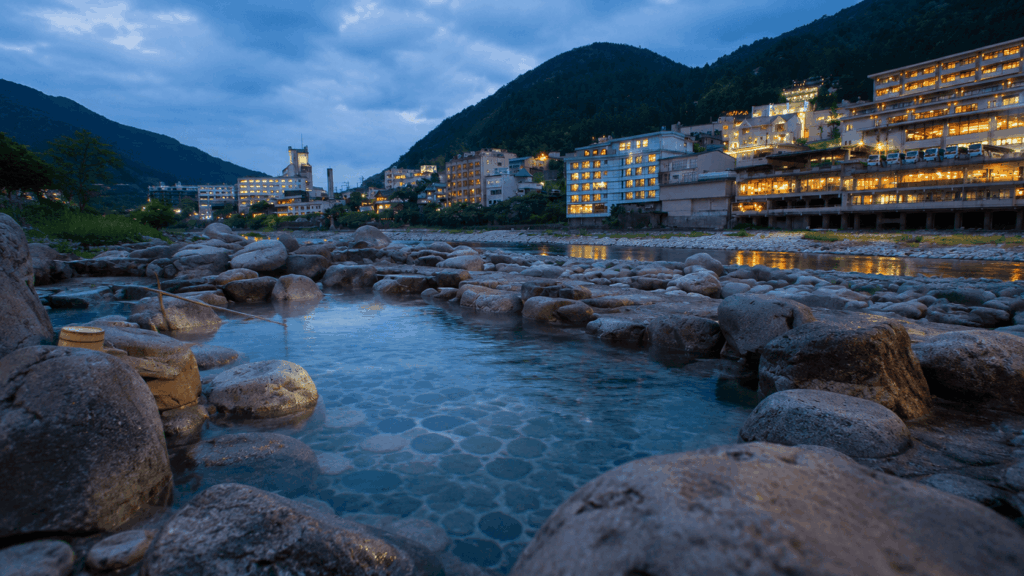
Travel time: ~40–45 minutes by Limited Express Hida · ~¥1,650–2,000 one-way (unreserved)
Local train alternative: ~60–90 minutes · ~¥990–1,300 (runs every 1–2 hours)
Reservation needed? Not for unreserved seats. Golden Week (Apr 24–May 6, 2026) sees all-reserved Hida trains — book ahead during that period.
Good for: Onsen lovers, rainy-day plan, travellers who want a soak-and-stroll afternoon
Gero is one of Japan’s Three Great Hot Springs (Nihon Sanmeiken), alongside Arima and Kusatsu. The town sits right on the JR Takayama Line, making it one of the easiest day trips by rail from Takayama.
The main street from Gero Station leads straight into the onsen district, where you’ll find public foot baths (ashiyu), several ryokan offering day-use bathing (typically ¥800–2,000 for non-guests), and the scenic bridge over the clear Hida River. If the weather isn’t cooperating, the Gero Onsen Gassho Mura — an open-air museum with relocated gassho-zukuri farmhouses — provides shelter and a solid introduction to regional architecture, comparable to Hida-no-Sato but with a hot-spring town atmosphere.
For a quick trip, arrive by late morning, soak for an hour, grab lunch at one of the riverside restaurants, and head back. The Limited Express Hida runs roughly hourly, so you’re never stuck waiting long for a return train.
3. Shirakawa-go — The Iconic UNESCO Village (But Plan Your Bus)
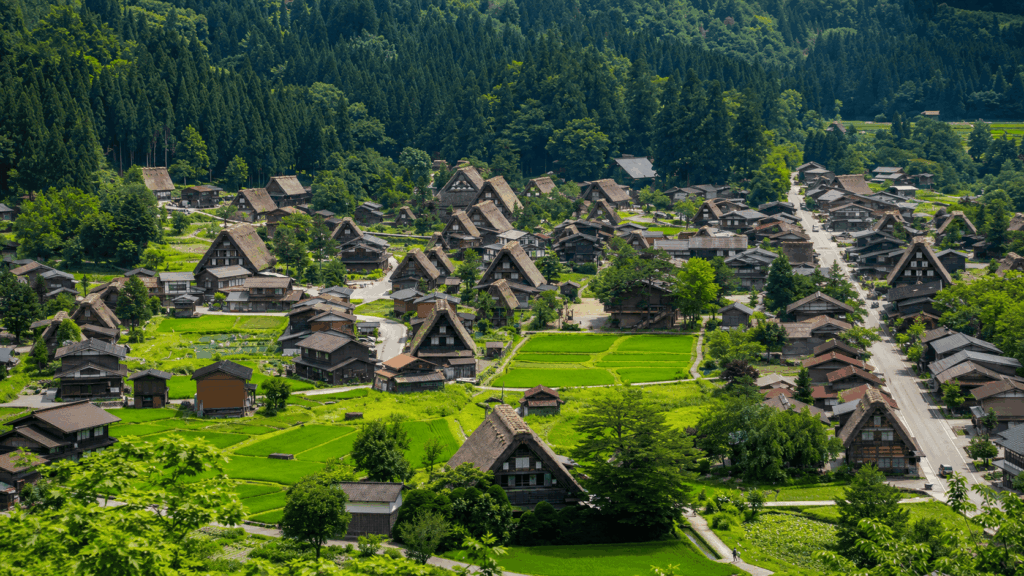
Travel time: 50 minutes by bus · ~¥2,800 one-way
Buses per day: 16 round trips (some are reservation-only; look for the “R” mark on the timetable)
Reservation needed? Some buses require reservations. Highly recommended during peak seasons (autumn foliage, winter illuminations, Golden Week, weekends).
Good for: First-time visitors, UNESCO heritage lovers, photographers
Shirakawa-go needs little introduction. The Ogimachi settlement, with its 114 gassho-zukuri farmhouses (steep thatched roofs shaped like hands in prayer), is a UNESCO World Heritage Site and the most famous day trip from Takayama by a wide margin. The Shiroyama Viewpoint offers the postcard-perfect panorama of the village nestled in the valley — a 15-minute uphill walk (or a shuttle bus during busy periods).
The Nohi Bus from Takayama Nohi Bus Center operates frequent services, but the catch is that not all buses are created equal. Some are non-reserved (show up and board), while others require a pre-booked seat. During autumn foliage season (late October–November) and the winter illumination events, reserved buses sell out days in advance.
Kai’s tip: The assumption that you can just show up at the bus terminal and hop on — that’s where the plan falls apart. I’ve seen travellers walk back to the ticket counter looking confused because every bus for the next three hours was fully booked. My rule: if you’re visiting on a weekend, during autumn colours, or for the winter light-up, book your seat at least a week ahead through Japan Bus Online or call the Nohi Bus Reservation Center (+81-577-32-1688, 9:00–17:00). If you’re going on a random Tuesday in June, you’ll probably be fine without a reservation — but check the timetable for the “R” mark to be sure.
One more honest note: Shirakawa-go is busy. The bus company’s own website warns of delays “of two hours or more due to traffic from waiting for private car parking.” Go early (the first bus leaves Takayama at 7:20) or accept that the village will be crowded by late morning.
For a deeper dive on whether Shirakawa-go is worth the hype — and how to navigate the crowds — read the Shirakawa-go worth-it guide and sample itinerary on this site.
If you’d prefer to skip the bus logistics entirely, guided day tours from Takayama cover the transport and include a local guide — a solid option if you’re short on planning time or travelling solo.
If you fall into that camp — you want Shirakawa-go, but the reservation rules and crowd timing are the part you do not want to manage alone — this is the one booking to check first.
Why I’d book this one
- Recent travelers consistently mention the guide quality and local context, which matters in a village where the architecture is easy to photograph but harder to understand on your own.
- It keeps the key logistics simple: meet at Takayama Nohi Bus Center, travel by bus with the group, walk the village with a guide, then return to Takayama.
- It is especially useful in winter or peak foliage periods, when bus timing and crowd levels can make a DIY visit feel less relaxed.
Check live availability, start times, and recent traveler reviews for the Shirakawa-go half-day tour from Takayama.
4. Gokayama — Quieter, More Remote Thatched Villages
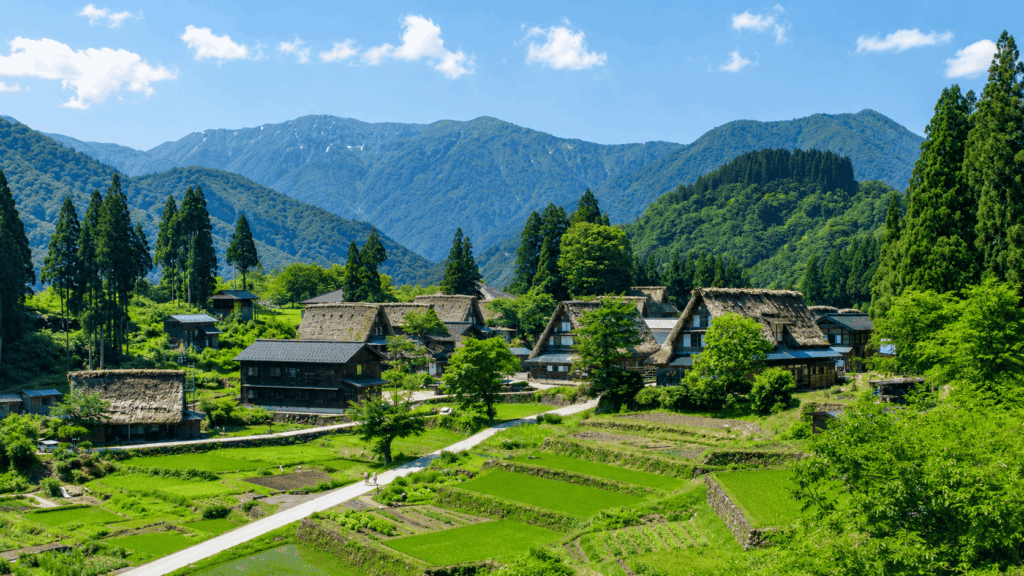
Travel time: 50 min (Takayama → Shirakawa-go) + ~45 min (Shirakawa-go → Gokayama) · bus transfer required
Reservation needed? Yes — limited buses, and some require advance booking
Good for: Repeat visitors to the region, photographers who want fewer crowds, UNESCO completists
If Shirakawa-go feels too busy for your taste, Gokayama offers the same gassho-zukuri architecture with a fraction of the foot traffic. The UNESCO listing actually covers three villages across two valleys: Shirakawa-go’s Ogimachi, and Gokayama’s Ainokura and Suganuma settlements. Both are quieter, smaller, and more rustic than their famous neighbour.
The reality check: Gokayama is not a standalone day trip from Takayama. You’ll need to go via Shirakawa-go, changing buses at the Ogimachi bus stop (the same stop you arrived at). The onward bus to Ainokura takes roughly 45 minutes on the Kaetsuno Bus line, and services are limited — roughly one bus every two to three hours. You cannot be casual about timing here.
Winter travellers, take note: From December through March, the bus route bypasses Suganuma entirely, so you can only visit Ainokura. Check the Kaetsuno Bus winter timetable in advance.
If you do make the trip, combine it with Shirakawa-go in one day: arrive at Ogimachi early (aim for the 7:20 or 8:10 bus), explore for an hour, then catch the onward bus to Ainokura. Spend 1–2 hours there, and return to Ogimachi by mid-afternoon before heading back to Takayama. It’s a long day with a tight bus schedule, but the reward is experiencing two UNESCO villages in one trip — one crowded, one almost to yourself.
For a detailed breakdown of the Gokayama bus schedule and village highlights, see the Gokayama travel guide on this site.
5. Kamikochi — Japan’s Premier Alpine Valley
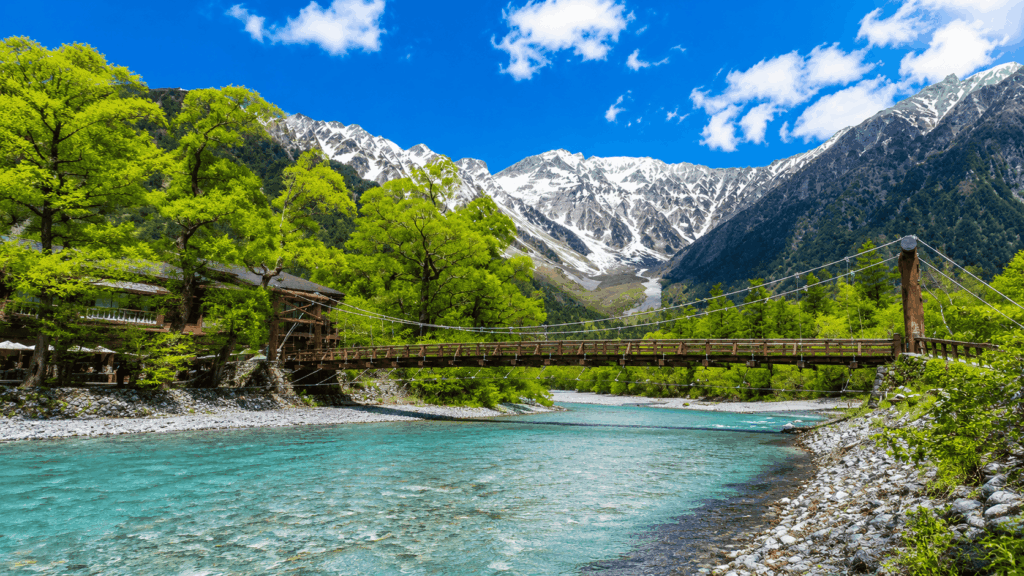
Travel time: ~2 hours each way · Bus to Hirayu Onsen (60 min, ~¥1,600) + shuttle bus to Kamikochi (25 min, ~¥1,400)
Season: April 17 – November 15, 2026 (typically mid-April to mid-November annually)
Reservation needed? Buses from Takayama to Hirayu are non-reserved. The shuttle bus from Hirayu to Kamikochi runs on a first-come basis.
Good for: Hikers, nature photographers, travellers visiting between late spring and autumn
Kamikochi is one of Japan’s most spectacular alpine valleys — a 15-kilometre stretch of pristine rivers, wooden footbridges, and views of the Hotaka mountain range. The iconic Kappa Bridge, the serene Taisho Pond (with dead tree trunks rising from the water reflecting the mountains), and the deeper Myojin Pond are the three main stops.
From Takayama, the route goes: Takayama Nohi Bus Center → Hirayu-Onsen (60 min, non-reserved) → transfer to the Kamikochi shuttle bus (25 min, also non-reserved). The shuttle runs from roughly 5:00 to 18:00 during the season. Private cars are prohibited beyond Hirayu, which keeps the valley remarkably peaceful for a world-class national park.
You’ll want a minimum of 2–3 hours in Kamikochi itself to walk from Kappa Bridge to Taisho Pond (about 45 minutes one way on a flat, well-maintained trail) or push further to Myojin Pond (another 45 minutes). Add the bus transfers on both ends, and you’re looking at a full day — leave Takayama by 8:00 and return by 17:00–18:00.
Important: Kamikochi is fully closed between mid-November and mid-April every year. There are no exceptions. The road is physically closed to all vehicles, and no public transport runs. If you’re visiting in winter, this option is off the table — which is exactly why the Seasonal Reality Check section at the top of this guide exists.
6. Shinhotaka Ropeway & Okuhida Onsen — Alpine Views & Authentic Hot Springs
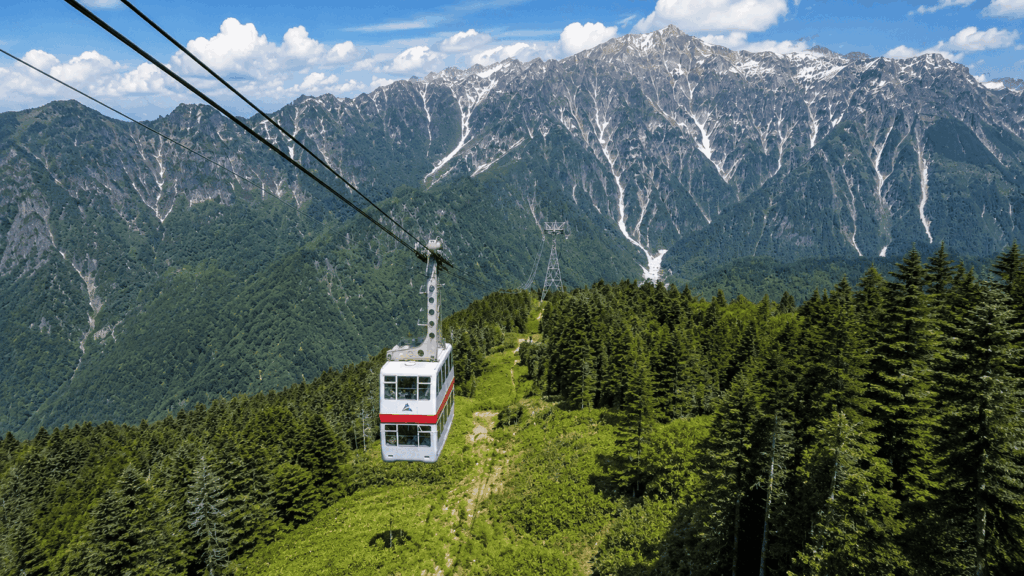
Travel time: 60 min bus to Hirayu Onsen + 30 min bus to Shinhotaka Ropeway + ropeway ride (~25 min each way)
Ropeway fare: ¥2,900 round trip (adult)
Reservation needed? No — buses are non-reserved except for peak-season highway buses
Good for: Panoramic views without hiking, onsen enthusiasts, travellers who want both hot springs and alpine scenery in one day
The Shinhotaka Ropeway is Japan’s only two-stage cable car system that reaches over 2,000 metres. The upper station offers 360-degree views of the Northern Japan Alps, and on clear days, the panorama stretches across the entire mountain range. A restaurant and observation deck at the top make it accessible even if you’re not planning serious hiking.
But the ropeway isn’t the only reason to head this direction. The Okuhida Onsen region — particularly Hirayu Onsen — is a collection of traditional hot spring villages scattered along the valley between Takayama and Kamikochi. Several ryokan offer day-use onsen (¥500–1,500), and the area has a genuinely off-the-beaten-path feel compared to the onsen towns closer to Takayama.
Hirayu Falls, a short walk from Hirayu Onsen bus stop, is worth a quick detour — it’s most dramatic during snowmelt in spring and early summer, and freezes into an ice formation in deep winter (December–February).
Note on maintenance closures: The Shinhotaka Ropeway typically closes for annual maintenance for about 10–14 days each year. In 2026, this falls on June 15–26 and November 24–27. Always check the official website before planning your trip.
7. Gujo Hachiman — Best with a Car or a Guided Tour
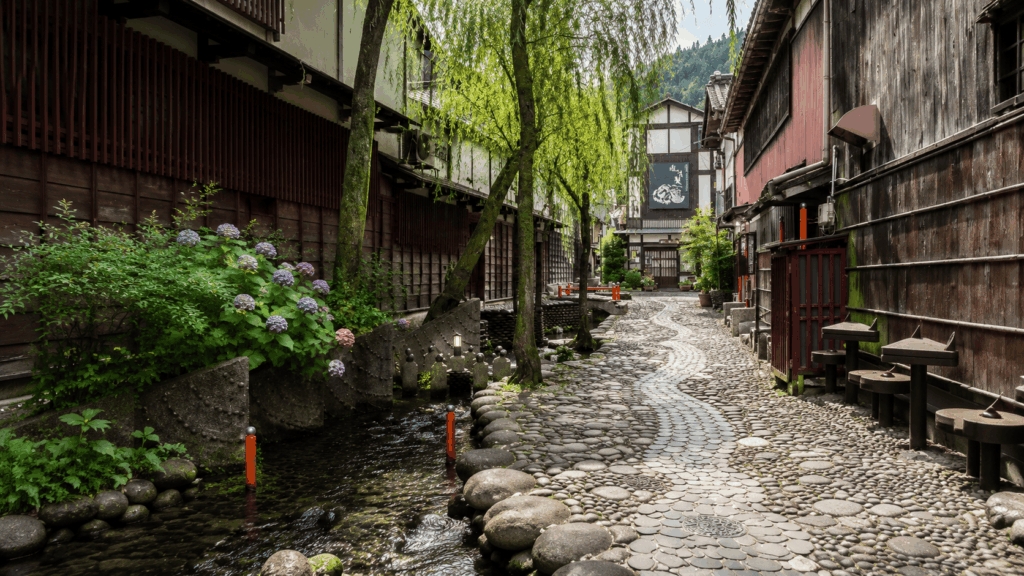
Travel time: Highway bus ~70 min to Gujo-Hachiman IC · then ~20 min walk or local bus to town centre
One-way fare: ~¥2,600–3,500 (highway bus)
Reservation needed? Some highway buses require pre-booking (reserved seats)
Good for: Food replica shopping, canal-town atmosphere, travellers with a car or joining a tour
Gujo Hachiman is often called the “Little Kyoto of the Mountains,” and it lives up to the nickname — a castle town crisscrossed by canals filled with colourful carp, with white-walled storehouses and a castle perched on a hill above. It’s also famously the birthplace of Japan’s food replica (sampuru) industry, and several shops let you watch artisans paint the wax foods by hand.
The honest assessment on transport: Gujo Hachiman is doable by public transport from Takayama, but it’s not convenient. The highway bus drops you at the Gujo-Hachiman Interchange, which is a solid 20-minute walk (or a short local bus ride) from the town centre. Return buses are less frequent than you’d expect, so you’ll need to plan carefully around the schedule. With a car, you can cover the town in 3–4 hours at your own pace. Without one, you’ll spend a disproportionate amount of time on transfers.
If you’re determined to visit without a car, consider a Takayama-based guided tour that includes Gujo Hachiman — the transport logistics are handled for you, and you’ll get more out of the limited time there.
8. Kanazawa, Matsumoto & Mount Norikura — The “Too Far for a Day Trip?” Tier
These three destinations are technically possible as day trips from Takayama, but the honest answer is that they work better as stopovers on a longer route rather than out-and-back day trips.
Kanazawa
Highway bus: 2 hours 15 minutes · ~¥4,200 one-way (Nohi Bus) · 16 round trips per day
JR Limited Express (via Toyama): ~2.5 hours · ~¥5,500 one-way (covered by JR Pass)
Kanazawa is a major city with a stunning garden (Kenroku-en), a restored samurai district (Nagamachi), and one of Japan’s most beautiful geisha districts (Higashi Chaya). But from Takayama, you’re looking at 4.5 hours of round-trip bus time minimum. If you have a JR Pass, the route via Toyama is covered, but it requires a transfer and adds total travel time. Realistically, Kanazawa deserves a dedicated stay — consider it as a stopover on the way to or from Takayama rather than a day trip.
Matsumoto
Highway bus: 2 hours · ~¥3,200 one-way (Nohi Bus / Alpico)
JR alternative: Requires transfer in Nagoya or Shiojiri — not recommended for a same-day trip
Matsumoto Castle (Japan’s oldest surviving five-tiered wooden keep) is a genuine national treasure. But like Kanazawa, the highway bus takes two hours each way, leaving you with limited time in the city. If you’re already planning to travel through the Japan Alps corridor, Matsumoto works beautifully as a stopover between Takayama and Tokyo (via the Alps route). But as a pure day trip from Takayama? Technically doable, practically tight.
Mount Norikura
Season: Late May to late October (Tateyama-Kurobe Alpine Route section not directly accessible from Takayama)
Transport: Bus to Hirayu Onsen + local bus + Norikura Skyline — requires multiple transfers and careful timing
Norikura is a summer-only alpine destination known for its hiking trails and early snowmelt flowers. The transport logistics from Takayama are complex enough that most visitors access it from the Matsumoto side instead. A guided tour or rental car is the realistic way to do this from Takayama.
How to Choose the Right Day Trip for You
Still deciding? Here’s how the options break down by your situation.
- If you have only one full day: Head to Shirakawa-go (reserve your bus) or spend a relaxed half-day in Hida-Furukawa and the afternoon soaking at Gero Onsen — both are low-stress to coordinate.
- If you have two days in Takayama: Day 1 — Shirakawa-go. Day 2 — Kamikochi (if the season is open) or Gero Onsen + Hida-Furukawa combined morning / afternoon.
- If you’re visiting in winter (November–April): Stick with Hida-Furukawa, Gero Onsen, or Shirakawa-go (with a reserved bus seat). Alpine options are off the table.
- If it’s raining: Choose Gero Onsen (day-use onsen + Gassho Mura museum) or Hida-Furukawa (covered walkways in the shopping streets). Shirakawa-go is also fine in rain — the thatched roofs look moody and beautiful — but expect mud on the paths.
- If you want zero planning stress: Hida-Furukawa. Walk to the station, buy a ticket, and you’re there in 15 minutes. No reservations, no timetables to decipher.
- If you’re a Your Name fan: Hida-Furukawa is a must-visit. The canal, the station, and the surrounding streets directly inspired the film’s rural scenes.
- If you want to maximise what you see in one day: Shirakawa-go + Gokayama combo (early start, tight bus schedule, but two UNESCO villages).
Note: What’s NOT a Day Trip from Takayama
You’ll sometimes see Hida-no-Sato (Hida Folk Village) listed in “day trips from Takayama” roundups. To be clear: this open-air museum of gassho-zukuri farmhouses is located within Takayama city limits — a 10-minute bus ride from the station. It’s an excellent attraction and worth a visit, but it’s not a day trip. It belongs in your Takayama itinerary, not your day-trip planning. This guide is about destinations that take you out of Takayama and require genuine travel time and route planning.
Frequently Asked Questions
Can I visit Shirakawa-go and Gokayama in one day from Takayama?
Yes, but it requires an early start and careful timing. Take the first bus from Takayama (around 7:20–8:10), explore Shirakawa-go’s Ogimachi for about an hour, then catch the onward bus to Gokayama’s Ainokura (roughly 45 minutes). Spend 1–2 hours there before returning to Ogimachi and taking a bus back to Takayama by late afternoon. The limiting factor is bus frequency on the Shirakawa-go to Gokayama leg — services run roughly every 2–3 hours. Missing one connection can mean an extra 2-hour wait. If you’re comfortable with a tight schedule, it’s a rewarding double-UNESCO day. If not, pick one and take your time.
Do I need to book the bus to Shirakawa-go in advance?
It depends on when you’re going. The Nohi Bus timetable marks certain services with an “R” symbol — those require a reservation. On weekdays outside peak season (shoulder months, random weekdays), unreserved buses are usually fine. On weekends, during autumn foliage (late October–November), winter illumination events (January–February), and Golden Week (late April–early May), reserved buses sell out days ahead. My rule of thumb: if you’re visiting on a weekend or during any seasonal event, book at least a week ahead through Japan Bus Online or call the Nohi Bus Reservation Center (+81-577-32-1688, 9:00–17:00). If it’s a Tuesday in June and you’re flexible on timing, you can generally buy a ticket same-day. If you only want the transport and plan to explore independently, you can also check current reserved-seat options for the Takayama–Shirakawa-go highway bus before finalising your date.
Is Kamikochi open in December?
No. Kamikochi is fully closed from mid-November through mid-April every year. The access road is physically closed to all vehicles, and no public transport runs. The 2026 season runs from April 17 to November 15, with the full facility opening roughly ten days later (April 27, 2026). If you’re visiting in winter, Kamikochi is off the table — but Hida-Furukawa, Gero Onsen, and Shirakawa-go are all open and accessible.
Can I visit Hida-Furukawa and Gero Onsen on the same day?
Yes — and it’s a surprisingly good combination. Hida-Furukawa is only 15 minutes north of Takayama by local train, and Gero is about 40 minutes south by Limited Express. You can do Hida-Furukawa in the morning (arrive by 9:00, explore the canal and streets until 11:30), then catch the Limited Express Hida south from Takayama to Gero (they stop at both stations), spend the afternoon soaking in an onsen and visiting Gassho Mura, and return to Takayama by early evening. This combination works especially well if you find Shirakawa-go too crowded or too far for your available time.
Is Gujo Hachiman worth it without a car?
It depends on how much you want to see the birthplace of food replicas. The highway bus from Takayama takes about 70 minutes and costs ~¥2,600–3,500 one-way, but the stop is at an interchange — not the town centre — requiring another 20-minute walk or a local bus transfer. Return services are limited. If you’re determined, you can make it work, but you’ll spend a disproportionate amount of the day on transport. A guided tour that includes Gujo Hachiman is a better use of time, or rent a car for the day if you have an International Driving Permit. Without either, I’d save Gujo Hachiman for a future trip when you have more flexible transport.
Which day trip from Takayama is best in rainy weather?
Gero Onsen is the strongest rainy-day option. Day-use onsen are indoors, the Gero Onsen Gassho Mura museum has covered walkways between the relocated farmhouses, and the town’s covered shopping arcades keep you dry between soaks. Hida-Furukawa also works well — the main streets have covered walkways in the shopping districts, and the carp-filled canal is just as charming in the rain. Shirakawa-go is still visitable in rain (the thatched roofs look atmospheric in wet weather), but the viewing platform can be slippery and the paths get muddy. Avoid Kamikochi and Shinhotaka Ropeway in heavy rain — the trails become hazardous and the views disappear into cloud.
Is the Takayama-Hokuriku Area Tourist Pass worth it for day trips?
If you’re doing multiple day trips from Takayama and also travelling between Nagoya/Tokyo and the Hokuriku region, the 5-day pass (¥19,800) covers JR trains (Nagoya–Takayama–Toyama / Osaka–Kanazawa–Toyama) and the Nohi Bus (Takayama–Shirakawa-go–Kanazawa). For a single day trip to Shirakawa-go alone, it won’t pay off. But if you’re planning Shirakawa-go plus a longer route through Kanazawa or Toyama, it’s worth calculating. Check the latest pricing and coverage on the JR West website as terms can change.
Final Verdict: Which Day Trip Should You Choose?
There’s no single “best” day trip from Takayama — the right choice depends entirely on your time, season, and travel style. Here’s my honest breakdown by reader type.
For first-time visitors with one full day:
Choose Shirakawa-go. It’s the most iconic UNESCO village in the region for a reason, and the 50-minute bus ride makes it genuinely doable as a day trip. Just reserve your bus seat if you’re travelling on a weekend or during peak season. If the bus is booked out, switch to Hida-Furukawa + Gero Onsen as your backup plan — both are easy to coordinate on short notice.
For travellers on a tight schedule (half-day available):
Hida-Furukawa is your answer. Fifteen minutes from Takayama station, no reservations needed, no crowds. You’ll see one of Japan’s most picturesque canal streets, walk empty lanes that inspired a Studio Ghibli-level anime, and be back in Takayama in time for lunch. It’s the most efficient use of a half-day in this entire guide.
For families with children:
Gero Onsen offers the most flexibility. Kids can soak their feet in the footbaths, explore the Gassho Mura museum (which has open space to run around), and the town is compact enough that you won’t exhaust anyone with walking. If your children are old enough for a hike, Kamikochi (in season) has flat, stroller-friendly trails from Kappa Bridge to Taisho Pond.
For active travellers and hikers (April–November):
Kamikochi is non-negotiable. The combination of the Azusa River, the mountain panoramas, and the network of well-maintained trails makes it one of Japan’s most rewarding alpine day trips. Start early, bring a packed lunch, and aim for the Myojin Pond loop.
For repeat visitors who have already seen Shirakawa-go:
Gokayama or Okuhida Onsen + Shinhotaka Ropeway. Gokayama gives you the same thatched architecture without the tour-bus crowds. Okuhida offers a genuine hot spring village experience and Japan’s highest cable car — both well off the standard tourist radar.
For Your Name (Kimi no Na wa) fans:
Hida-Furukawa is unmissable. The canal, the station, the surrounding residential streets — the film’s rural scenes are deeply rooted in this town. It’s a short, cheap, and fulfilling pilgrimage for anime fans, and you’ll have it mostly to yourself on a weekday morning.
For winter travellers (November–April):
The seasonal reality check at the top of this guide applies here more than anywhere. For a clearer picture of what the region looks like under snow, see our guide to Takayama in winter.
For solo travellers who want zero logistics stress:
Hida-Furukawa. Walk to the station, buy a ¥240 ticket, and you’re in a peaceful canal town in 15 minutes. No booking websites, no bus schedules, no guessing — just a quiet, rewarding half-day that doesn’t require a spreadsheet to execute.

Hi, I’m Kai. I’m a Tokyo-based travel writer, tourism industry insider, and the author of a published guidebook for international visitors to Japan. With over 10 years of professional experience at a leading Japanese tourism company, my mission is to help you skip the tourist traps and navigate Japan’s best destinations like a local. I believe the perfect day trip is like a traditional kaiseki meal: a beautiful balance of precise planning and unforgettable seasonal discovery. When I’m not out conducting field research, you’ll usually find me drafting new itineraries with one of my favorite fountain pens!