
If you are searching “is Shirakawa-go worth it”, you probably want a clear answer before committing half a day or more of your Japan itinerary. Here it is:
Yes, Shirakawa-go is worth it for most first-time visitors — if you like historic villages, mountain scenery, traditional house interiors, and you can plan your arrival before the worst midday crowds. It is much less worth it if you only have a tight lunch-hour stop, dislike busy sightseeing areas, or want a completely spontaneous day without checking bus reservations.
For most travellers, Shirakawa-go feels worthwhile when you give it at least 2 to 3 hours, prioritise one or two key experiences, and avoid arriving at the busiest time of day. The village is genuinely beautiful, but timing and transport planning have a huge impact on whether the visit feels peaceful or frustrating.
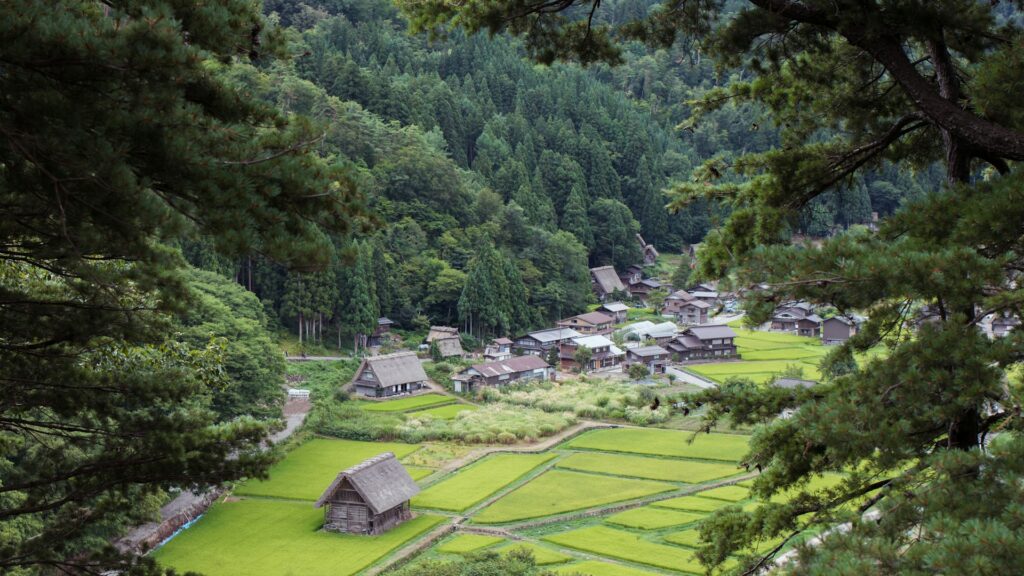
Quick Answer: Is Shirakawa-go Worth It?
Shirakawa-go is worth it for most first-time visitors to Japan, but only if your expectations match the reality. This is not a hidden village anymore. It is a famous UNESCO-listed destination with beautiful scenery, limited transport options, and very real crowd pressure at peak times.
- Worth it for: travellers who want classic rural scenery, gassho-zukuri architecture, a panoramic viewpoint, and a memorable half-day stop from Kanazawa or Takayama
- Less worth it for: travellers expecting a quiet hidden gem, a crowd-free lunch stop, or a flexible last-minute bus plan during peak periods
- Minimum time: around 2 to 3 hours for a satisfying visit
- Best arrival window: weekday morning, ideally before the main midday flow builds
- Biggest downside: crowding rises quickly around midday, especially on weekends, holidays, and seasonal peak periods
- Best DIY strategy: reserve transport early, pick one viewpoint and one house interior, and keep food plans simple
- Best low-stress strategy: choose a guided tour if bus reservations, family pacing, luggage, or winter logistics make the day feel complicated
| Decision Factor | What to Expect | Why It Matters |
|---|---|---|
| Crowd Risk | Lower early in the day, much higher around midday | Your experience can shift from calm to rushed depending on arrival time |
| Minimum Time Needed | 2 to 3 hours is realistic for most visitors | Less than that often feels like a photo stop rather than a meaningful visit |
| Booking Friction | Moderate to high if you go DIY by bus | Many departures require advance reservation, and popular times can fill up |
| Mobility Friction | The village centre is manageable, but the viewpoint adds an uphill section or shuttle wait | Important if slopes, stairs, ice, or standing in line are a concern |
| Winter Risk | Beautiful, but snow, ice, and transport disruption are more likely | Winter can be magical, but it is less forgiving if your schedule is tight |
| Best Fit | Travellers who value scenery, architecture, and a structured half-day outing | Shirakawa-go rewards people who plan around its bottlenecks |
How Much Does a Shirakawa-go Visit Actually Cost?
One reason travellers hesitate is uncertainty about costs. Prices and schedules can change, so use the table below as a planning guide rather than a fixed quote. Always confirm the latest fares, opening hours, and tour inclusions on the official timetable or booking page before travel.
| Item | Planning Budget Per Person | Notes |
|---|---|---|
| Bus: Takayama → Shirakawa-go | Usually around the low-thousands of yen one way | Travel time is roughly around an hour, depending on departure. Many departures require advance reservation. |
| Bus: Kanazawa → Shirakawa-go | Usually around the low-thousands of yen one way | Travel time is usually longer than from Takayama. Advance reservation is strongly recommended. |
| Bus: Toyama → Shirakawa-go | Usually around the low-thousands of yen one way | Availability and reservation rules vary by route and season. |
| Wada House entry | A small cash entry fee | The largest gassho house in the village. Check the latest opening hours before visiting. |
| Kanda House entry | A small cash entry fee | Another preserved interior option. Closed days and hours can change. |
| Shuttle to Shiroyama Viewpoint | A small cash fare if operating | Walking is free when the walking route is open, but the winter route can be restricted. |
| Simple snack or light meal | Budget extra for local snacks or a casual meal | Restaurant capacity is limited, and peak lunch queues can cut into your sightseeing time. |
| Guided day tour | Usually higher than DIY, varies by group size, route, and inclusions | The price buys convenience: transport, timing, and often a second stop such as Takayama or Gokayama. |
Bus fares are not covered by the standard Japan Rail Pass. If you are travelling with a rail pass, budget for highway bus costs separately or consider a guided tour that includes transport.
Shirakawa-go Access: How to Get There from Takayama & Kanazawa
Shirakawa-go has no train station. For most independent travellers, the main public transport option is the highway bus.
| From | Typical Travel Time | Fare Style | Advance Booking |
|---|---|---|---|
| Takayama | About 50–70 minutes | Check the latest official fare | Required for many departures |
| Kanazawa | About 1 hour 15–30 minutes | Check the latest official fare | Required for many departures |
| Toyama | About 1 hour 20 minutes, depending on route | Check the latest official fare | Required for some departures |
| Nagoya | Longer highway bus journey | Check the latest official fare | Usually required |
Most buses marked with “R” on the timetable require a seat reservation. You can book through Japan Bus Online or at the bus terminal, depending on route and availability. Same-day tickets are sometimes possible, but during peak seasons and weekends, relying on last-minute seats is one of the easiest ways to make Shirakawa-go feel stressful.
Kai’s tip: The mistake I see travellers make is planning Shirakawa-go by map distance instead of by return bus. Before choosing what to do in the village, decide your return departure first. Once that is fixed, you can see whether you have enough time for the viewpoint, one house interior, and a snack without rushing back to the terminal.
Why Shirakawa-go Feels Worth It for Some Travellers and Overrated for Others
Shirakawa-go is famous for its gassho-zukuri farmhouses, steep thatched roofs, mountain setting, and postcard-like village views. Those things are real, and they are the reason so many visitors still leave impressed.
What changes the experience is not whether the village is beautiful. It is how you arrive, how long you stay, and what kind of travel day you want.
If you arrive early, walk the quieter side lanes, go up to the viewpoint, and step inside at least one preserved house, Shirakawa-go usually feels memorable and worthwhile. If you arrive during the busiest window, queue for lunch, rush through the main street, and leave after a quick photo, it can feel more like a tourist corridor than a special heritage stop.
That is why this is not really a simple yes-or-no destination. It is a destination where timing decides value.
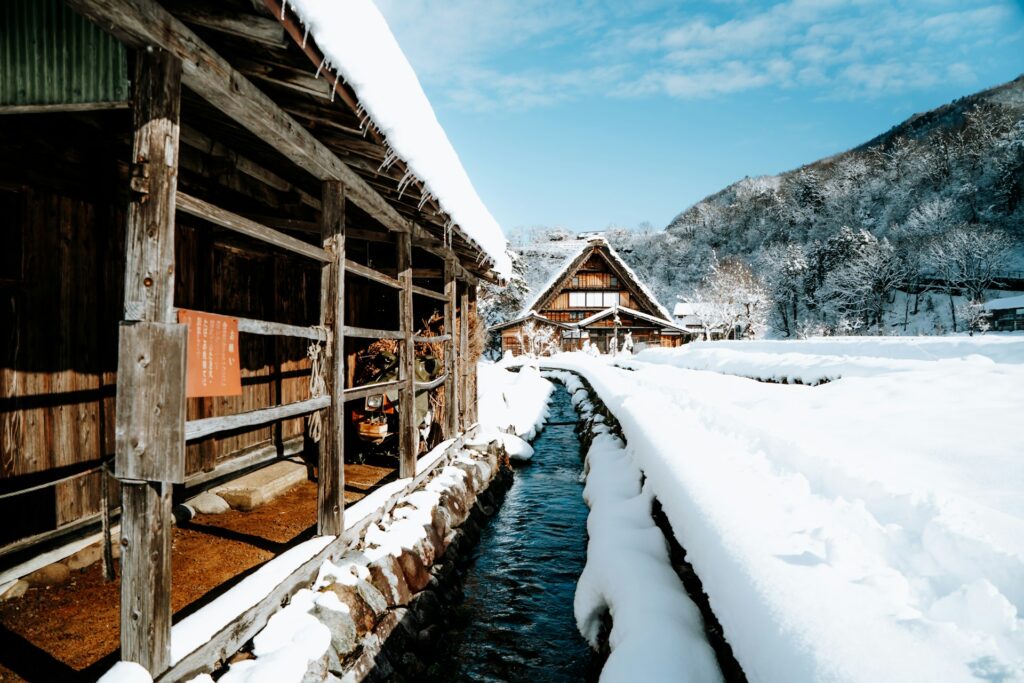
What Is Actually Worth Doing in Shirakawa-go
To make the trip feel worth the effort, focus on the experiences that give you more than a quick street-level photo.
1. Go to the Shiroyama Viewpoint
This is the classic panoramic view that most people associate with Shirakawa-go. It gives you the full layout of Ogimachi and helps the village feel more impressive than it does from the road alone.
You can either walk uphill from the bus terminal when the walking route is open, or take the shuttle if it is operating. In snowy months, the walking path can be closed, so do not assume you can always walk up. If the viewpoint matters to you, build it into your plan early rather than leaving it for the busiest part of the day.
2. Go Inside a Traditional House
Do not stop at exterior photos. Entering a preserved farmhouse adds context that the village streets alone cannot give you. A house interior lets you see the timber structure, attic space, and how these buildings were designed for heavy snow country.
Wada House is the best-known option — the largest gassho house in Shirakawa-go and a designated Important Cultural Property. Kanda House is also worth considering if you want a second interior stop or prefer a slightly different atmosphere. Opening hours, closing days, and entry fees can change, so check locally before building your whole visit around one specific house.
Kai’s tip: If I had one short visit, I would not try to do every preserved house. I would choose the viewpoint first if the weather is clear, then one interior house if time allows. That gives you the two perspectives that make Shirakawa-go feel different from simply walking through a pretty village.
3. Keep Food Expectations Practical
One of the easiest ways to waste time in Shirakawa-go is to force a full sit-down lunch during the busiest window. Restaurant capacity is limited, and peak lunch queues can eat into the short amount of time that makes the village enjoyable.
Unless a meal is part of the reason you are visiting, choosing simple local snacks is often the better move. That gives you more time for the viewpoint, side lanes, and a house interior.
DIY vs Guided Tour: Which Option Makes Shirakawa-go More Worth It?
The village itself is not difficult to walk around. The harder part is getting there smoothly, arriving at a sensible time, and leaving without wasting a large part of the day on transport friction.
| Option | Best For | Main Advantage | Main Drawback |
|---|---|---|---|
| DIY by Bus | Travellers who want flexibility and are comfortable managing schedules | Usually cheaper and easier to tailor around your wider route | More planning, less margin for mistakes, and higher stress if your preferred departure fills up |
| Guided Tour | Travellers with limited time, families, winter visitors, and anyone who wants less logistics | Smoother day structure and less transport hassle; often includes a second stop | Less flexibility and a more fixed pace; price varies by tour type, season, and group size |
My Recommendation If You Want the Easiest Version of the Day
If your main worry is not the village itself but the logistics around it — bus reservations, timing, luggage, family pacing, or getting from Shirakawa-go to Takayama without watching the clock all day — I would seriously consider booking a guided day tour instead of doing it DIY.
Why I’d book this one:
- It solves the hardest part of Shirakawa-go: transport timing. You are not trying to match limited highway bus departures with your sightseeing pace.
- It is better for travellers who want Shirakawa-go plus another stop: pairing the village with Takayama is convenient on paper, but more tiring when you are coordinating every transfer yourself.
- Recent reviewer patterns are strong on comfort and flexibility: reviewers consistently mention the value of a private vehicle, helpful English explanations, photo help, and a driver or guide who keeps the day from feeling rushed.
Check availability, pickup options, and current prices for the Shirakawa-go & Takayama guided tour →
| Choice | Choose This If… | Price Check |
|---|---|---|
| DIY highway bus | You are comfortable reserving buses, travelling light, and building your own timing | Check the latest bus fare and reservation rules |
| Guided Shirakawa-go tour | You want transport handled, a smoother route, and less pressure around departure times | Check live tour price, availability, and pickup locations |
The DIY Route
Going independently can absolutely be worth it, especially if you are already staying in Takayama or Kanazawa and do not mind planning around bus schedules. The route is straightforward once you are on the bus, but the weak point is that transport is not always as casual as travellers expect.
Depending on the route and departure, you may need to reserve in advance, and popular travel times can become inconvenient if you leave planning too late. That makes Shirakawa-go less rewarding for spontaneous travellers than it first appears.
DIY works best when you already know:
- your departure city
- your target arrival time
- your return departure time
- your minimum stay length
- whether you are carrying luggage
The Guided Tour Route
A guided day trip becomes more attractive when your goal is not maximum flexibility, but a low-stress, efficient visit. This is especially true if you are travelling with family, visiting during a busy season, travelling in winter, or simply do not want to build your day around bus availability and station logistics.
A tour can also make Shirakawa-go feel more worth it if you want to pair it with another stop, such as Takayama, without spending the whole day checking departure times.
If you are choosing between the two, the simplest rule is this: DIY is better for confident planners, while a guided tour is better for travellers who want the easiest version of the day.
Read our full review of a Shirakawa-go and Takayama day tour →
How Much Time Do You Really Need?
Many travellers ask whether Shirakawa-go is worth it as a quick stop. In most cases, the answer is only if you manage your expectations.
If you want the village to feel worthwhile rather than rushed, treat 2 to 3 hours as the practical minimum when planning your itinerary. That gives you enough time to cross into the village, walk through the main lanes, choose one anchor activity, and leave with some buffer.
If you prefer a slower pace, want a meal, or plan to visit more than one interior, 4 hours feels much more comfortable.
A Realistic 2-Hour Visit
This works for travellers who mainly want the atmosphere, the classic village view, and one meaningful stop.
- 0:00–0:20: Arrive, store luggage if needed, and walk into Ogimachi
- 0:20–1:00: Explore the village lanes without lingering too long in the busiest souvenir areas
- 1:00–1:35: Choose one anchor activity: the Shiroyama Viewpoint or one traditional house interior
- 1:35–2:00: Grab a quick snack, take final photos, and return with buffer time before departure
A More Comfortable 4-Hour Visit
This is the better option if you dislike feeling hurried or want Shirakawa-go to feel like a proper half-day experience.
- 0:00–1:30: Walk the village slowly and enjoy the quieter side lanes
- 1:30–2:15: Eat outside the busiest lunch window if you want a sit-down meal
- 2:15–3:15: Visit the viewpoint and at least one house interior
- 3:15–4:00: Browse local shops or rest before heading back
How to Avoid the Worst Crowds
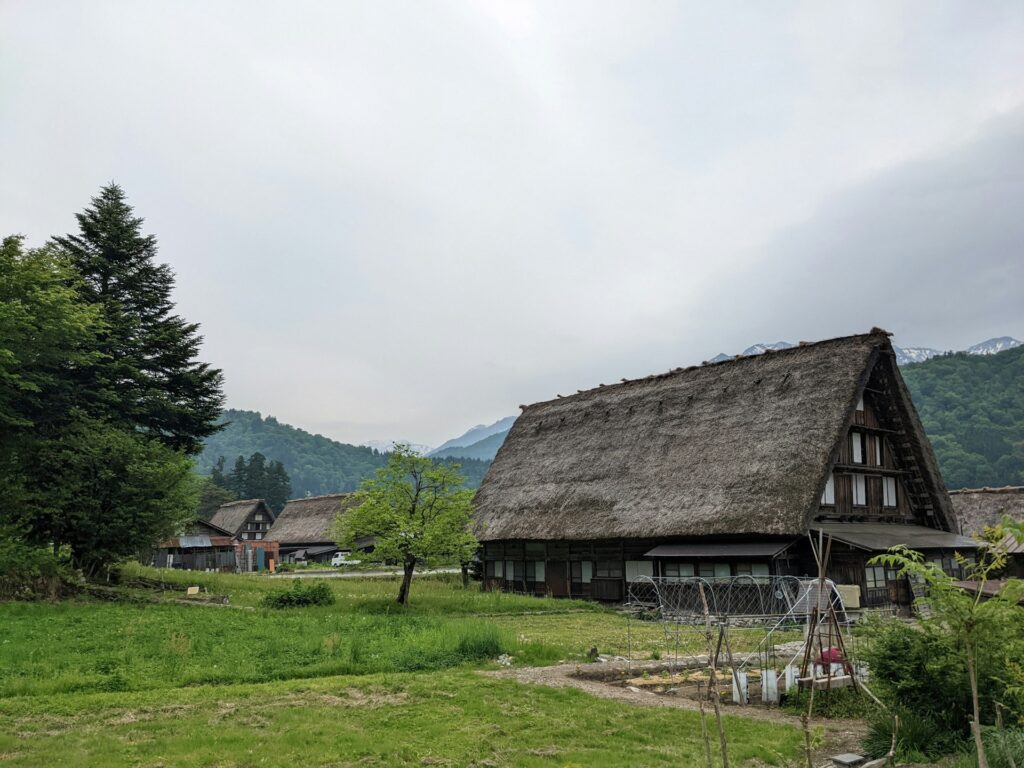
If crowding is your biggest concern, the most important choice is when you arrive, not just what season you pick.
A weekday morning arrival gives you the best chance of enjoying Shirakawa-go at its most relaxed. The difference between arriving early and arriving in the middle of the day is often much bigger than first-time visitors expect. Weekends, Japanese national holidays, cherry blossom periods, autumn foliage periods, Obon, and winter snow weekends can all push the village into a much busier rhythm.
To reduce frustration:
- Arrive early if possible: the village feels calmer before the main midday flow builds
- Choose your priority in advance: if time is limited, decide whether the viewpoint or a house interior matters more
- Avoid a peak lunch strategy: a quick snack often protects your sightseeing time better than a long restaurant queue
- Leave buffer time for your return: this matters even more on weekends, holidays, and during busy seasonal periods
- Aim for a weekday: weekends and Japanese national holidays are significantly busier
Kai’s tip: What catches people out is the lunch-hour mindset. They plan Shirakawa-go as a midday stop, then spend the best part of their visit in queues for food, toilets, shops, and photos. If your schedule allows it, protect the morning for sightseeing and treat lunch as flexible rather than the centre of the day.
Common Mistakes That Make Shirakawa-go Feel Less Worth It
Most travellers who leave Shirakawa-go feeling disappointed made one of these avoidable mistakes.
Arriving Too Late
If your bus arrives around late morning and you need to leave soon after lunch, you are visiting during the busiest window with the least flexibility. An early arrival changes everything.
Not Booking Bus Tickets in Advance
Assuming you can just show up and buy a ticket works sometimes — but when it does not, it can derail your whole day. Many departures from Takayama and Kanazawa require advance reservation, especially on weekends and busy travel dates.
Carrying Luggage Through the Village
Walking Ogimachi’s paths with a suitcase makes the experience noticeably worse. Use luggage storage at the bus terminal or your hotel where available. Lockers and storage options are limited, so do not assume space will be free during the busiest travel windows.
Trying to Do Everything
Shirakawa-go rewards focus, not a checklist mentality. Pick the viewpoint and one house interior. That is enough for a memorable visit.
Forcing a Full Lunch at Peak Time
Restaurants in Ogimachi have limited seating. If you queue for a long lunch, that time comes straight out of your sightseeing window. A simple snack from a vendor often gives you more value on a short visit.
Who Should Visit Shirakawa-go and Who Might Skip It
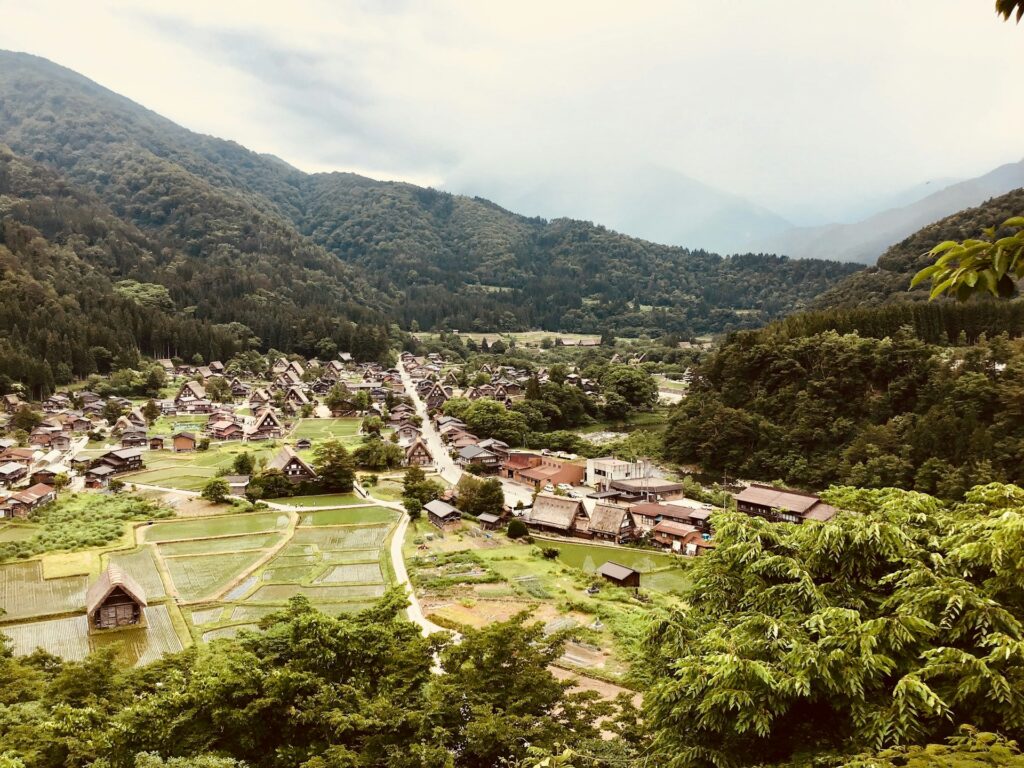
Shirakawa-go is not a universal recommendation for every Japan itinerary. It is most rewarding when your travel style matches what the village actually offers.
Shirakawa-go is worth it if you:
- love traditional architecture, rural scenery, and heritage villages
- want a memorable half-day stop from Kanazawa or Takayama
- are happy to prioritise one viewpoint and one house interior rather than trying to do everything
- can visit early or are willing to structure the day around bus or tour timing
- want a destination that feels very different from Tokyo, Kyoto, Osaka, and other major city stops
Shirakawa-go may be less worth it if you:
- only have a narrow midday stop on a busy weekend or holiday
- strongly dislike crowded sightseeing areas
- are expecting a quiet hidden gem rather than a famous UNESCO destination
- want a totally spontaneous day without checking transport details in advance
- are already visiting several similar heritage villages and do not need the iconic viewpoint
If you are unsure, the best question to ask is not whether Shirakawa-go is beautiful. It clearly is. The better question is whether you can give it enough time and the right arrival window to enjoy it properly.
Alternative: Gokayama (Suganuma & Ainokura)
If crowds are a dealbreaker, consider visiting Gokayama instead. This nearby UNESCO region includes the smaller gassho-zukuri villages of Suganuma and Ainokura, which are usually quieter than Shirakawa-go.
Gokayama is accessible by bus from Kanazawa or via routes that may also connect with Shirakawa-go, depending on schedule and season. The villages are smaller, there are fewer restaurants and shops, and the atmosphere is calmer. The trade-off is less infrastructure and fewer things to do, so Gokayama works best for travellers who genuinely want a quiet walk through a historic mountain village.
If your priority is avoiding crowds rather than visiting the most famous site, Gokayama may be a better fit. If you want the iconic panoramic viewpoint and the easiest range of tour options, stick with Shirakawa-go.
Shirakawa-go Winter Light-Up: What to Know in 2026
The winter light-up is one of the most photographed events in Japan, but it is also one of the most restricted. It should not be treated as a casual add-on to a daytime visit.
For the 2026 winter season, the light-up was held on a limited number of January and February dates. That season has finished, so if you are planning for the next winter, check the official Shirakawa-go announcements and reservation rules before booking flights, hotels, or tours around it.
- Access is restricted: you generally need an approved reservation arrangement, such as accommodation, a designated tour, or an official parking or bus arrangement.
- Night access is not casual: regular day visitors cannot simply stay late and wander in for the light-up.
- Viewpoint access is limited: access to the Shiroyama Viewpoint during light-up events can be restricted to specific eligible visitors or tours.
- Winter logistics are less forgiving: snow, ice, cold, road conditions, and fixed reservation rules make this very different from a normal day trip.
If seeing the light-up is important to you, treat it as a separate, pre-planned event. For most first-time visitors, a daytime visit is more practical, more flexible, and easier to fit into a Japan itinerary.
Practical Tips That Make Shirakawa-go Feel More Worth It
Small planning decisions make a big difference here. These are the details that most often separate a smooth visit from a frustrating one.
Plan Around Transport, Not Just Distance
Shirakawa-go looks close to both Takayama and Kanazawa on a map, but the real issue is not distance. It is whether your outbound and return transport fits the kind of visit you want. Before you go, confirm your exact departure point, whether your chosen bus needs advance reservation, and how much buffer you want before the return trip.
Use Luggage Storage If You Are Between Cities
If you are visiting while moving between destinations, do not underestimate how much luggage affects the experience. Use station, hotel, or terminal storage where available, and avoid assuming lockers will always be open or empty during busy windows.
Keep Weather in Mind
Winter is one of the most photogenic times to visit, but it also brings the highest risk of icy paths, delayed transport, and a more physically demanding day. Even outside winter, rain and mist can change the viewpoint experience, so it helps to build a little flexibility into your schedule.
Kai’s tip: I always tell readers to pack for the version of Shirakawa-go they might actually get, not just the version they saw online. In winter, that means shoes with grip and hands-free luggage. In rain or mist, it means treating the viewpoint as a bonus and making sure one house interior is part of your backup plan.
Do Not Treat the Village Like a Checklist Stop
Shirakawa-go feels most worthwhile when you slow down enough to notice the side lanes, rooflines, small waterways, and interior details of at least one preserved house. If you reduce it to a bridge crossing, one photo, and a quick return, it is much easier to leave feeling underwhelmed.
When a Guided Tour Is Worth Paying More For
A guided tour is not necessary for everyone. If you are travelling light, staying in Takayama or Kanazawa, and enjoy managing timetables, DIY can be a perfectly good choice.
But if this is your first trip to Japan and Shirakawa-go is a must-see stop, the value of a tour is not just commentary. It is the reduction in friction. You do not have to keep checking whether your return bus is reserved, whether your group will make the transfer, or whether adding Takayama will turn the day into a transport puzzle.
For travellers who want Shirakawa-go to feel easy rather than efficient on paper, this is the version I would compare first.
- Best for: families, couples, first-time Japan visitors, winter travellers, and anyone short on planning time
- Less ideal for: solo budget travellers who are happy with bus reservations and a simple village-only visit
- Check before booking: pickup point, cancellation policy, route, time in Shirakawa-go, whether Takayama is included, and what is not included
Shirakawa-go FAQs
How long do you need in Shirakawa-go?
For most travellers, 2 to 3 hours is the realistic minimum for a visit that does not feel rushed. If you want a meal, extra photo time, or more than one interior stop, 4 hours is more comfortable.
How much does it cost to visit Shirakawa-go?
A DIY visit usually means paying separately for highway buses, house entry, optional viewpoint shuttle, food, and luggage storage if needed. Prices change, so check the latest bus timetable, attraction fees, and tour pages before travel. A guided tour costs more than DIY but may include transport, routing, and a smoother schedule.
Is the JR Pass valid for buses to Shirakawa-go?
No. The standard Japan Rail Pass does not cover the highway buses to Shirakawa-go. Budget for bus fares separately, or book a guided tour that includes transport.
Is Shirakawa-go worth it in winter?
Yes, for many travellers winter is when Shirakawa-go looks most magical. Snow-covered roofs and the mountain setting can make the village feel especially memorable. The trade-off is that winter travel is less flexible, footpaths can be slippery, the viewpoint walking path may be closed, and transport delays are more likely.
Do you need to book bus tickets in advance?
For many popular departures from Takayama and Kanazawa, yes. Some same-day tickets may be available, but during peak seasons and weekends, relying on last-minute availability is risky. Check your exact route and departure before travel day.
Are there luggage lockers in Shirakawa-go?
Yes, luggage storage is available around the bus terminal area, but capacity is limited during busy periods. If you are travelling between cities with larger bags, plan for the possibility that lockers may fill up and that paid storage may be the better fallback.
Is the Shiroyama Viewpoint worth the extra effort?
Yes. If you only do one extra activity beyond walking the village lanes, the viewpoint is usually the best choice. It gives you the classic panoramic perspective that makes Shirakawa-go feel more distinctive than a quick street-level stop.
Is Shirakawa-go suitable for travellers with mobility concerns?
The central village area is relatively flat and manageable, but paths can be uneven and winter conditions add ice and snow. The viewpoint approach includes an uphill section or a shuttle wait. If mobility is a concern, treat the village centre as the priority and view the viewpoint as optional.
Can you visit Shirakawa-go at night or for the winter light-up?
Night access is limited, and the special winter light-up events are handled under strict advance reservation arrangements. If seeing the light-up is important to you, plan it as a separate pre-booked event rather than a casual add-on to a day trip.
Final Verdict: Is Shirakawa-go Worth It?
Yes, Shirakawa-go is worth it for most travellers — especially if this is your first time in Japan and you want to see a classic historic village with scenery that genuinely stands out from major cities.
Choose a DIY visit if: you are comfortable managing bus reservations, can arrive early, and prefer to move at your own pace. This is usually the better-value option for confident planners staying in Takayama or Kanazawa.
Choose a guided tour if: you want a low-stress day, are visiting with family, travelling in winter, carrying luggage, or prefer having transport and timing handled for you. The higher price buys convenience, structure, and fewer chances for the day to go wrong.
Choose Gokayama instead if: crowds are your main concern and you prefer a quieter, less commercial UNESCO village experience.
Shirakawa-go becomes most worthwhile when you:
- arrive early
- give yourself at least 2 to 3 hours
- focus on the viewpoint and one house interior
- avoid building the day around a peak lunch queue
- book transport in advance
It becomes less worthwhile when you visit during the busiest part of the day, rush the stop, or expect a hidden village untouched by tourism.
So the honest answer is this: Shirakawa-go is worth it, but only when you plan for the version of the village you actually want to experience.
Prefer the easiest version of the day? Check dates, pickup options, and current prices for a guided Shirakawa-go tour from Kanazawa or Takayama →
Optional FAQ Schema for Rank Math

Hi, I’m Kai. I’m a Tokyo-based travel writer, tourism industry insider, and the author of a published guidebook for international visitors to Japan. With over 10 years of professional experience at a leading Japanese tourism company, my mission is to help you skip the tourist traps and navigate Japan’s best destinations like a local. I believe the perfect day trip is like a traditional kaiseki meal: a beautiful balance of precise planning and unforgettable seasonal discovery. When I’m not out conducting field research, you’ll usually find me drafting new itineraries with one of my favorite fountain pens!