
If you are planning the Kanazawa–Shirakawa-go–Takayama route, the honest question is not whether the scenery is worth seeing. It is whether a Shirakawago private tour—typically $464 to $873 per group depending on platform and group size—actually makes your day easier than taking the bus on your own.
This review is based on the current tour listing, official attraction information, and recent traveler feedback available as of May 2026. The short answer is straightforward: this tour is worth it if you want a smooth transfer day with luggage, flexible pacing, and less transit stress. It is less compelling if you want the cheapest possible route or a deeply guided history tour.
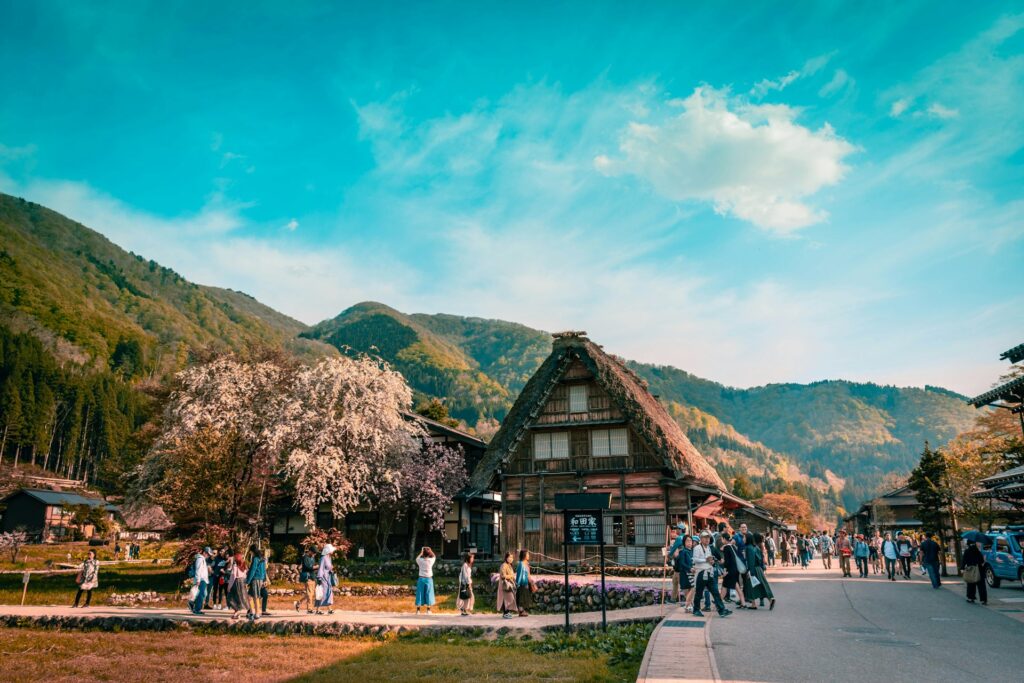
Quick Answer: Who This Private Tour Suits
For most travelers, this tour works best as a comfortable one-day transfer rather than a deep-dive guided experience. You are not paying for a historian beside you all day. You are paying for a route that holds together cleanly—pickup, sightseeing, lunch, and drop-off—without bus schedules or luggage lockers getting in the way.
- Best for: Couples, families, and small groups (2–5 people) moving between Kanazawa and Takayama with luggage, especially in winter or during busy foliage season.
- Skip it if: You are traveling solo on a tight budget, want the absolute cheapest route, or expect a full-time walking guide inside every historic site.
- The real value: You are buying back time, flexibility, and energy on a route that can otherwise turn into a connection-heavy transit day.
If your priority is ease, this is one of the cleanest ways to see Shirakawa-go and reach Takayama on the same day. If your priority is lowest cost, the one-way bus or a standard group bus tour will usually be better value.
How Much Does a Shirakawago Private Tour Cost? (2026 Pricing)
This is the first question most travelers ask, and the answer depends on your group size and which platform you book through. Based on current listings as of May 2026, here is the realistic range:
| Platform | Price Range (per group) | Duration | Rating | Reviews |
|---|---|---|---|---|
| GetYourGuide | From ~$464/group (up to 3 people) | 8 hours | ⭐ 4.8 | 234+ reviews |
| Viator | $575–$873/group (up to 7 people) | 9–10 hours | — | — |
What this means per person:
- 2 people sharing: ~$232–$437 per person
- 3 people sharing: ~$155–$291 per person
- 4–5 people sharing: ~$115–$218 per person
Compare this with the one-way bus option ($69/person) and the math starts to matter. The private tour is clearly more expensive for solo travelers. But for groups of 3 or more, the per-person cost comes close enough that the convenience advantage becomes harder to ignore—especially on a transfer day with luggage.
Tour prices, inclusions, and availability can shift by season. If your travel dates are already fixed, it is worth checking the latest listing directly:
➡️ Check current pricing, availability, and inclusions for the Private Shirakawa-go & Takayama Tour
Private Tour vs Bus: Which One Makes Sense for You?
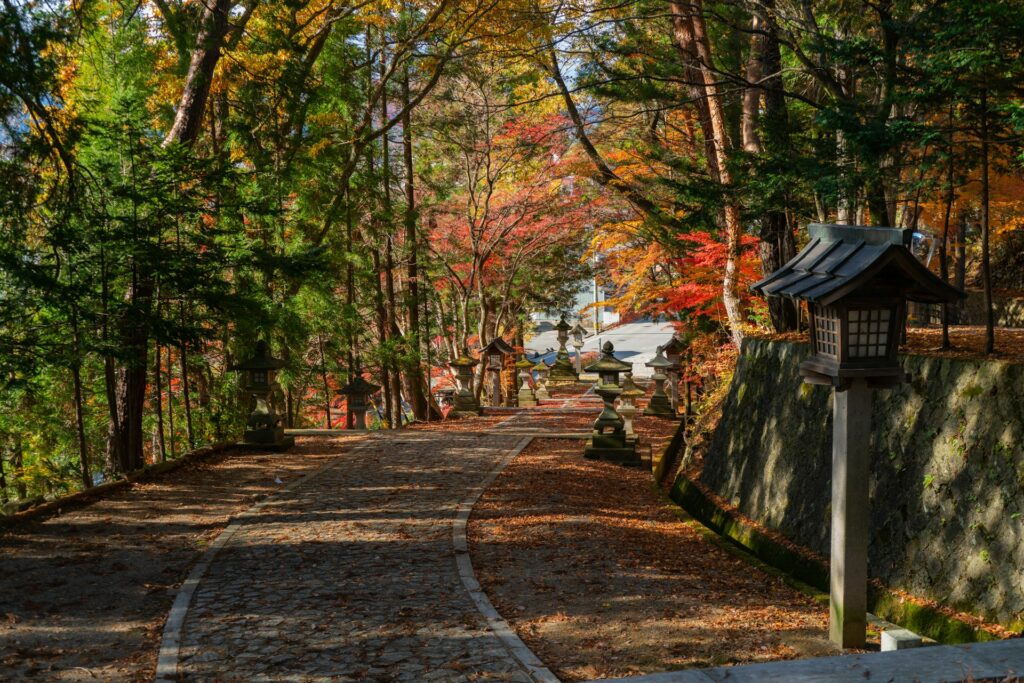
The biggest reason travelers consider the private option is not luxury. It is that the Kanazawa–Shirakawa-go–Takayama corridor looks simple on paper but can feel tighter in practice. Separate bus bookings, fixed departure windows, luggage management, and mountain weather all add friction that a private vehicle removes.
One-Way Bus ($69/Person) – The Budget Baseline
The most direct bus alternative is the one-way bus ticket with a Shirakawa-go stop (available on GetYourGuide and directly through Nohi Bus / Hokutetsu). Here is what you need to know:
- Cost: ~$69/person (about 4,200 yen for the full Kanazawa–Takayama route including the Shirakawa-go stop).
- Shirakawa-go stop: Typically about 80 minutes—enough for a quick walk and photos, but tight if you want to visit the viewpoint or have a relaxed meal.
- Luggage: You are responsible for carrying your bags on and off the bus. Coin lockers at the Shirakawa-go bus terminal exist but fill quickly, especially in peak season.
- Booking: Advance reservation is required on most bus services.
- Flexibility: Low. Miss your bus, and the next one may be hours later.
This option rates ⭐ 4.6 out of 293 reviews on GetYourGuide, and most travelers find it satisfactory for a simple point-to-point transfer. But it is worth noting that “satisfactory” and “comfortable” are not the same thing on a day with bags, weather, and a tight connection window.
Private Tour ($464+/Group) – The Convenience Upgrade
A private tour changes the route in one fundamental way: instead of treating the day as a chain of separate connections, you treat it as one continuous route with hotel pickup, sightseeing in the middle, and drop-off at your next accommodation.
Where the bus option forces you to work around its schedule, a private tour works around yours—within the overall 8-hour window. The practical differences that matter most:
- Luggage stays with you. No lockers, no bus luggage compartments, no carrying bags across uneven village paths.
- Pickup and drop-off at your hotel. Both in Kanazawa and Takayama.
- Weather buffer. If rain or traffic slows the morning, your driver can adjust rather than you rushing to a fixed bus departure.
- Stop-time control. Spend 10 more minutes at a viewpoint or leave a crowded spot early—without worrying about the next bus.
If you are comparing private sightseeing options across the region, our related guide covers a similar question from a different angle: Kanazawa private tour: what you actually get (and what you don’t).
Decision Table: Private Tour vs DIY Bus vs Standard Group Tour
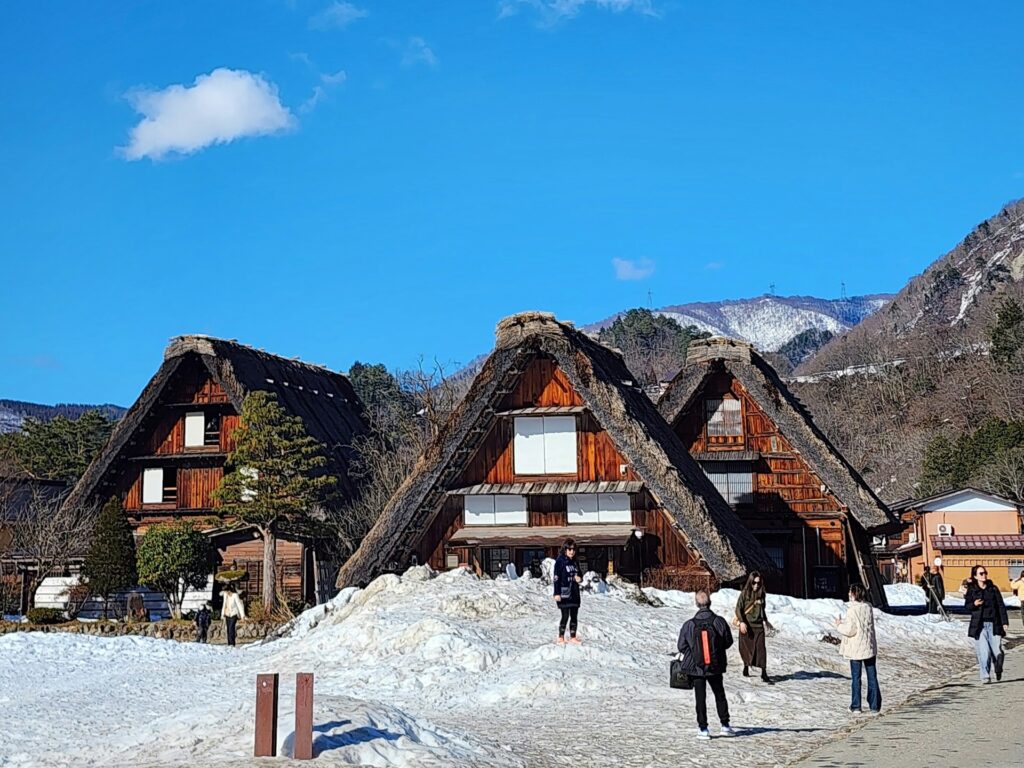
The real choice is not whether Shirakawa-go is worth seeing. It is which format fits the kind of day you want.
| Decision Point | DIY Bus ($69/person) | Standard Group Bus Tour | Private Tour ($464+/group) |
|---|---|---|---|
| Best for | Solo travelers and strict budgets | Travelers who want a simple low-cost option | Couples, families, and small groups who value comfort and flexibility |
| Effective cost (2 people) | $138 total | ~$100–$150 total | $464+ total (~$232+/person) |
| Effective cost (4 people) | $276 total | ~$200–$300 total | $464+ total (~$116+/person) |
| Luggage handling | You manage it — lockers or carry-on | Easier than DIY, but group-dependent | Best option — bags stay in the vehicle |
| Connection burden | Highest — separate bookings, fixed times | Low once booked | Low once booked |
| Stop-time control | Limited by bus schedule (~80 min typical) | Lowest — group moves together | Best balance of structure and flexibility |
| Weather & traffic resilience | Most exposed to disruptions | Moderate — group moves together | Strongest buffer when conditions slow the day |
| Mobility & energy load | Highest total transit friction | Moderate | Lowest transit fatigue |
| Best group size | Solo only | Any size (per-person pricing) | 2–5 people sharing one vehicle |
| Who should skip it | Anyone who dislikes timetable stress | Anyone who hates fixed pacing | Anyone who wants the cheapest route or a full walking guide all day |
If your trip already includes multiple hotel changes, bags, or winter travel, the private option becomes easier to justify. If your itinerary is slow, your budget is tight, and you are comfortable managing bus connections, DIY may still be the smarter choice. The difference narrows significantly once your group reaches 3 to 4 people sharing one vehicle.
Realistic Day Flow: What You Can Actually Fit In
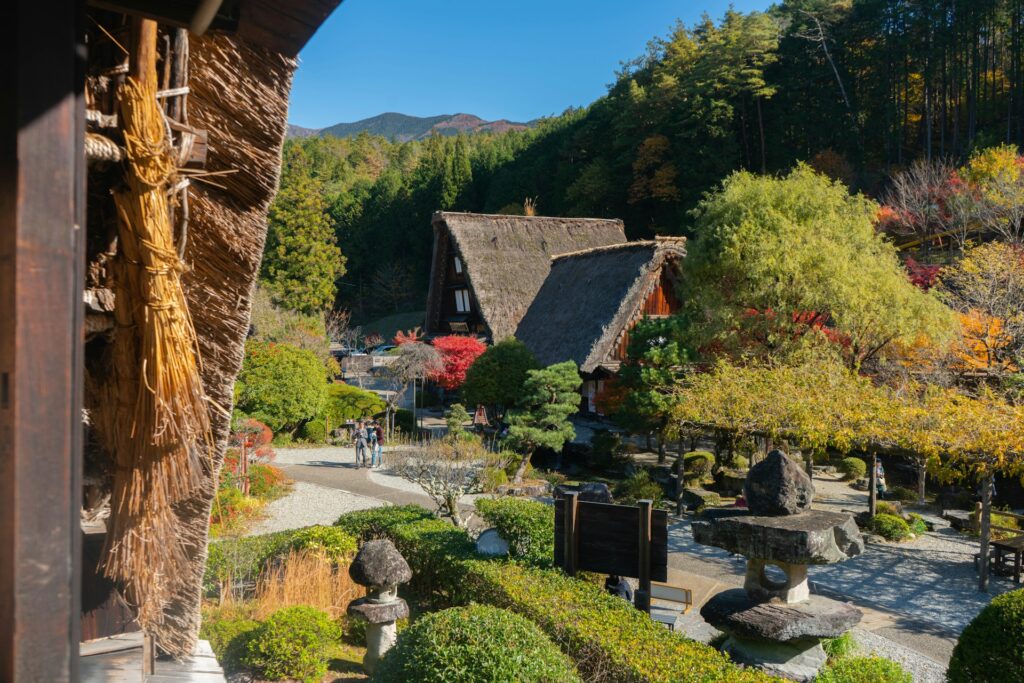
The best way to judge this tour is to stop asking whether the route sounds impressive and ask whether the time split feels realistic for your travel style. For most travelers, it does. This is a highlights day with enough flexibility to feel comfortable, but not enough time to turn every stop into a slow exploration.
Shirakawa-go (~2 Hours) – The Main Stop That Carries the Day
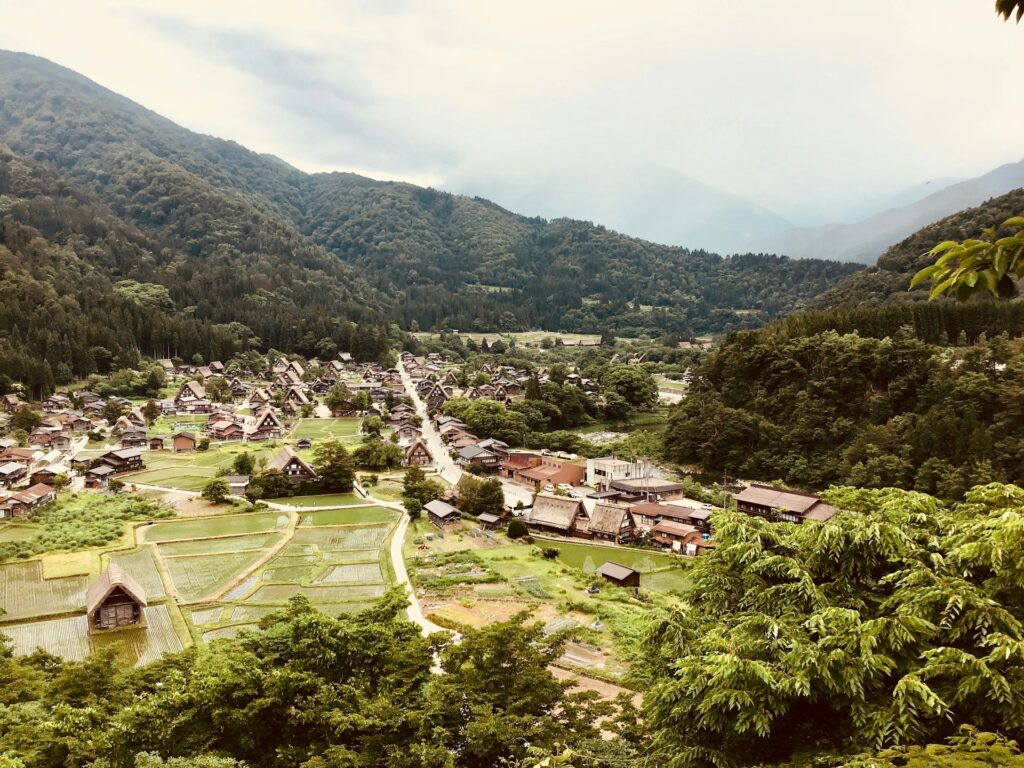
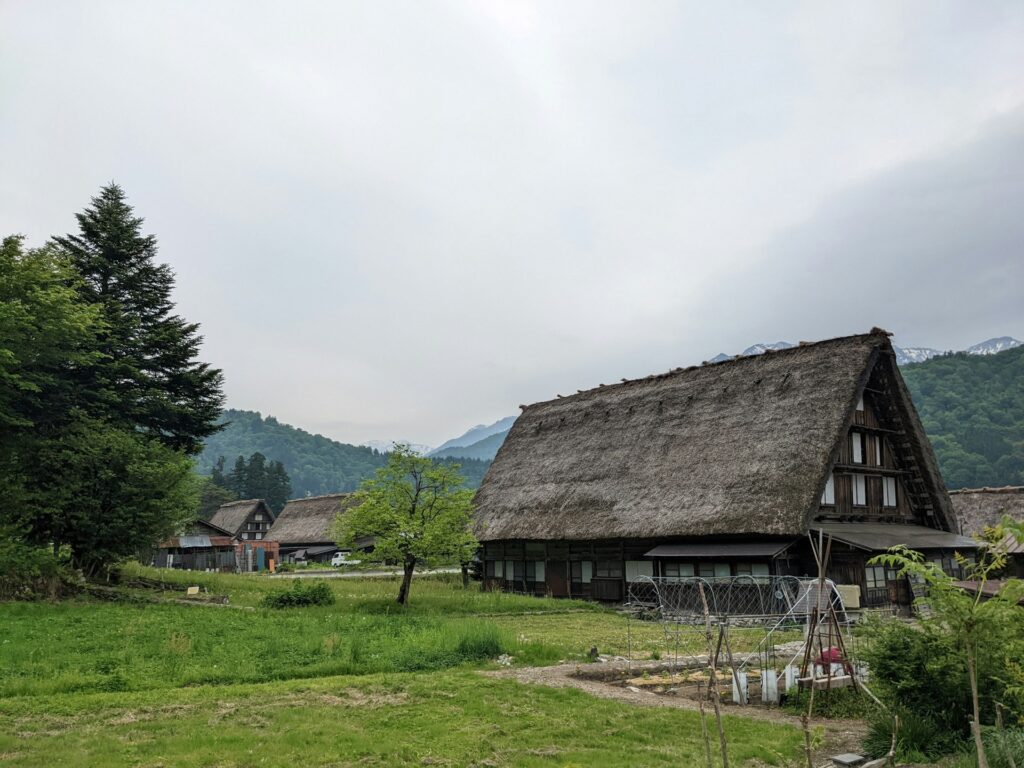
Roughly two hours in Shirakawa-go is usually enough for a satisfying first visit—provided you accept this is a highlights stop, not an all-afternoon wander. In that window, most travelers can cross into the main village, walk the central lanes, photograph the gassho-zukuri houses, and fit in one or two priority stops such as:
- Shiroyama Viewpoint – The classic postcard view of the village from above. A short uphill walk from the main area.
- Wada House – One of the largest gassho-zukuri farmhouses open to the public. Admission: ~400 yen.
- Main street stroll – Small shops, local snacks, and the iconic canal-side photo spots.
That said, two hours can feel very different depending on season and crowd level. In snow, rain, or peak foliage traffic, your effective sightseeing time shrinks. If your ideal visit means slow café time, long photo sessions, or multiple museum-style interiors, this format may feel too compressed.
If you want a sharper sense of what to prioritize on foot, our planning guide goes deeper: Shirakawago itinerary: set expectations before you plan anything. And if you are still weighing whether the stop is worth the detour at all: Shirakawago worth it? The honest day-trip answer.
Hida no Sato (~1 Hour) – Quieter, More Spacious, and Often Overlooked
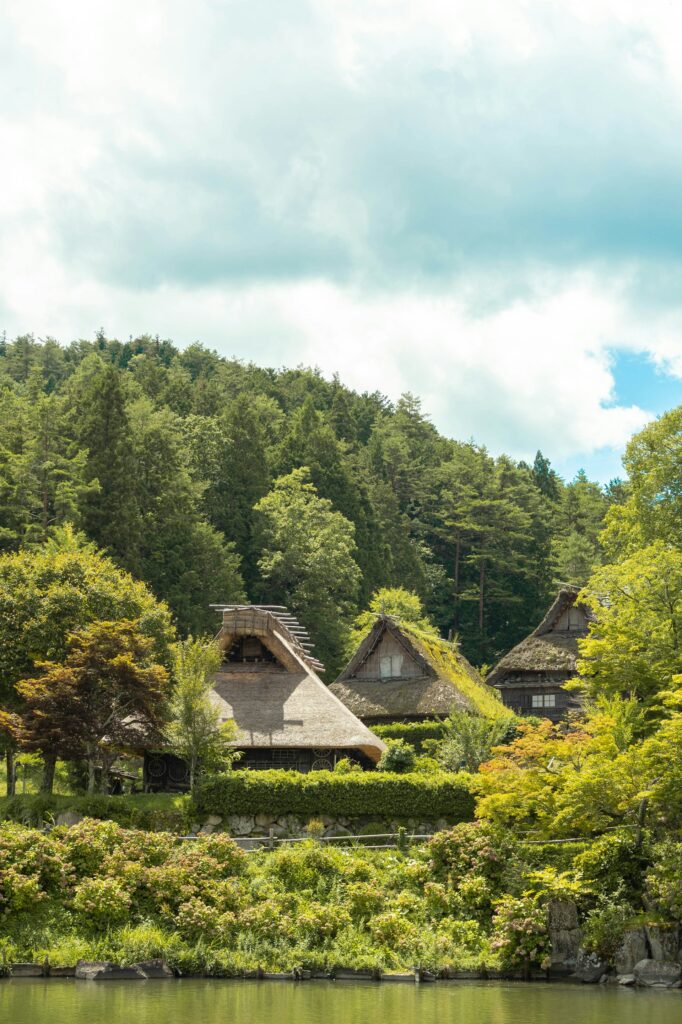
Hida no Sato works well in this itinerary because it offers traditional architecture in a quieter, more spacious setting than Shirakawa-go itself. If the UNESCO village felt crowded or rushed, this stop restores some breathing room to the day.
- Admission: 700 yen (adults), 200 yen (children)
- Hours: 8:30–17:00, open year-round
- What to expect: An open-air museum with relocated folk houses from across the Hida region. Expect a scenic loop, a pond-side photo spot, and a look inside several restored farmhouses.
One hour here is usually enough for a satisfying visit. The main limitation is mobility: this is an outdoor site with a broad layout and uneven ground. Travelers who want a low-walking day may find it less appealing. For everyone else, it is one of the reasons this route feels more complete than a simple point-to-point transfer.
Takayama (~1.5 Hours) – Best Treated as a Focused Finish
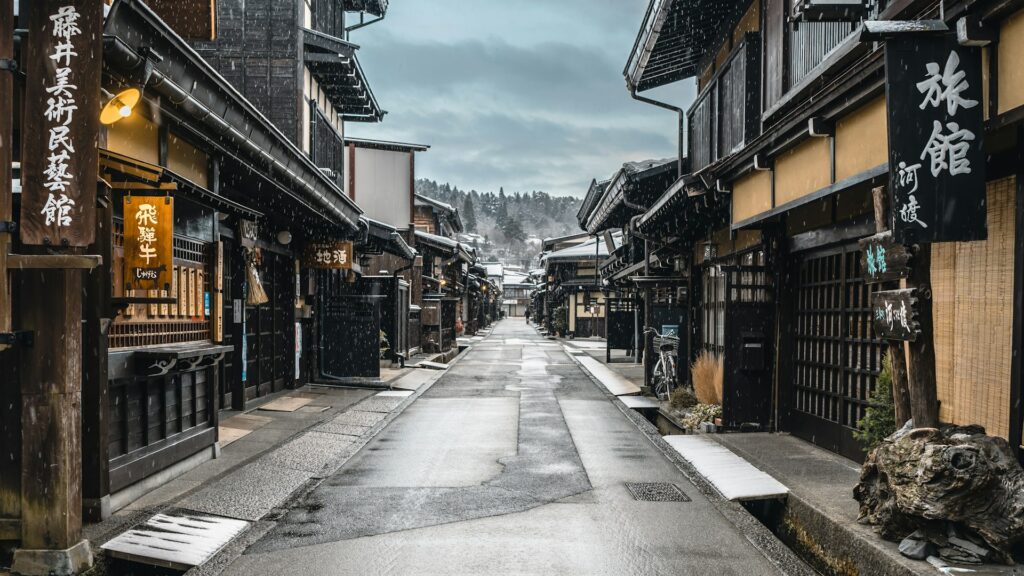
Takayama is usually the part of the day where travelers need the most realistic expectations. You are not getting a full Takayama deep dive. You are getting enough time to enjoy its preserved old streets, browse for snacks and souvenirs, and optionally fit in one key stop.
Choose your focus based on what matters most to you:
- Atmosphere first: Head straight to the Old Town (Sanmachi Suji) for the preserved Edo-period streets, sake breweries, and local crafts.
- History first: Prioritize Takayama Jinya (440 yen, open 8:45–17:00, until 16:30 in winter) and treat the Old Town as bonus wandering time.
- Food first: Grab Hida beef skewers, sake samples, or gohei mochi from the morning market vendors.
If you want quieter alternatives beyond the main old town lanes, this guide has practical suggestions: Takayama Hidden Gems: How to Escape the Crowds in the Hida Region.
What Travelers Actually Say (Real Reviews)
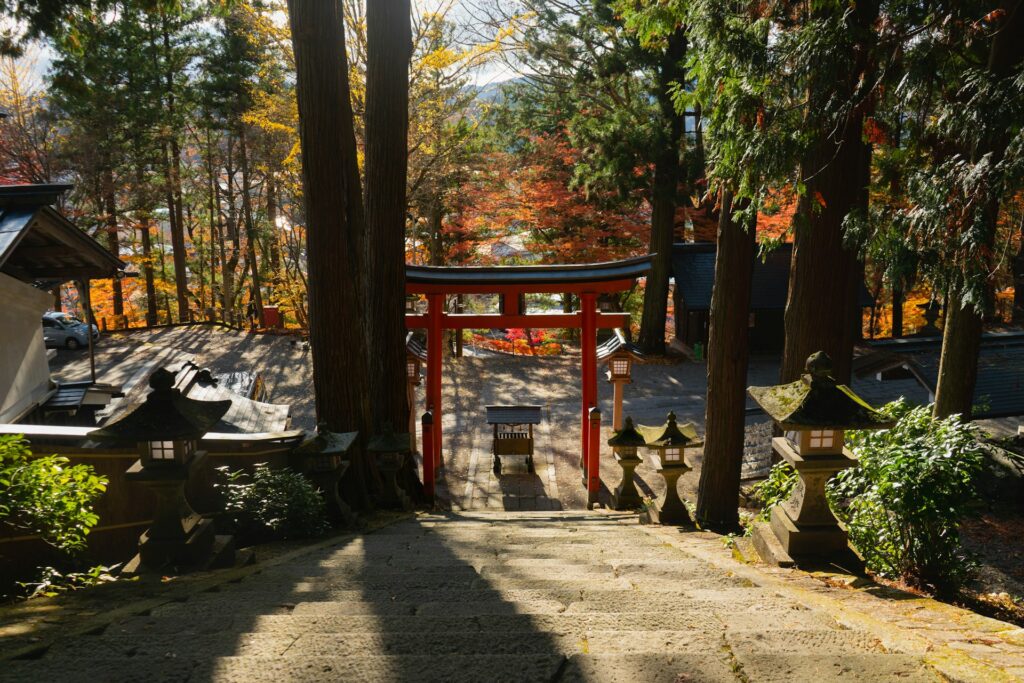
As of May 2026, the current GetYourGuide listing shows ⭐ 4.8 out of 5 based on 234+ reviews. The praise is remarkably consistent across recent feedback. Travelers are happiest with the parts of the day that are hardest to replicate on their own:
- Door-to-door logistics work smoothly. Hotel pickup in Kanazawa and drop-off in Takayama—without bus connections or bag transfers in between—is the most commonly mentioned highlight.
- Winter comfort matters more than expected. Multiple reviews highlight that the private vehicle made snowy roads feel manageable and the day less draining.
- Drivers are helpful without being intrusive. The balance of local tips and practical help—without turning the day into a lecture—is appreciated by most travelers.
The less frequent but recurring critique: the day feels shorter than some expect. A few reviewers note that stop times pass quickly, especially if you want more time for photos or shopping. This is worth keeping in mind: the tour gives you an efficient highlights day, not a slow-paced exploration.
Who Benefits Most from This Tour
Couples & Small Groups (2–5 People)
The cost math works best here. Two people sharing a $464 vehicle pay ~$232 each—a premium over the bus, but reasonable for the convenience. At three or four people, the per-person cost drops into a range where the comfort upgrade is hard to argue against.
Winter Travelers
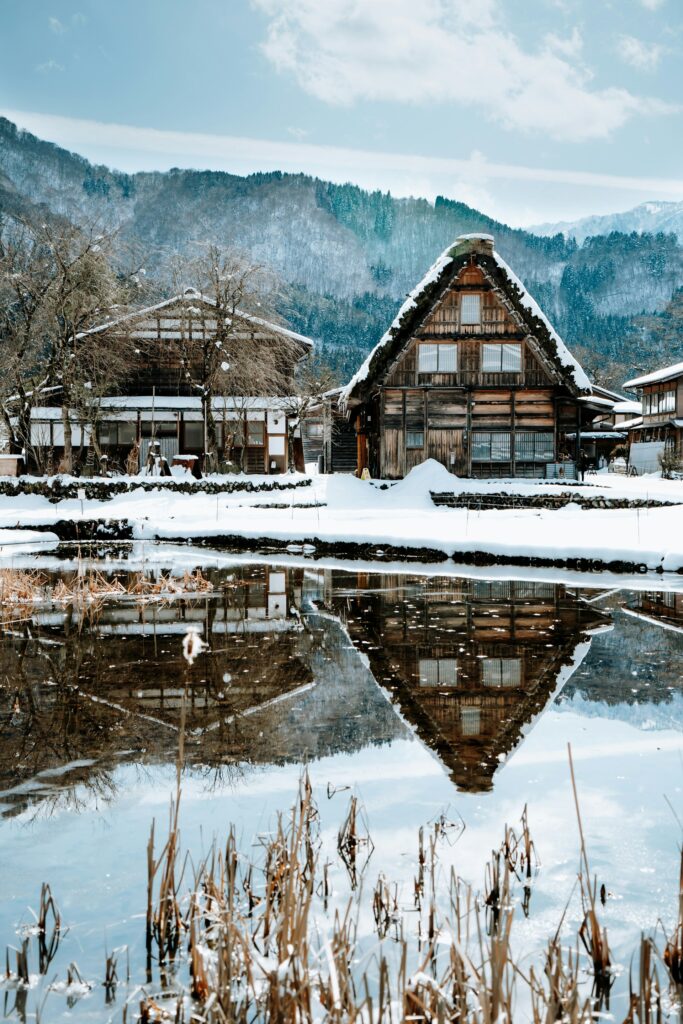
Winter is one of the clearest cases for paying for convenience on this route. Snow, slippery surfaces, and cold-weather logistics make a DIY day noticeably more tiring. The private vehicle acts as a warm, dry buffer between stops—and your luggage does not need to sit in a coin locker while you walk the village.
Families with Luggage
If you are traveling with children, large suitcases, or both, the private tour removes the single biggest source of friction on transfer days: managing bags between connections. The ability to keep everything in the vehicle and move at your family’s pace is the kind of upgrade that changes how the whole day feels.
Practical Notes Before You Book
Before booking, check the details that affect whether the day will actually feel easy for your group:
- Vehicle type: Most private tours use a sedan, minivan, or small van depending on your group size. Confirm the seating and luggage capacity for your party before booking.
- Luggage: This is one of the clearest reasons to choose the private option. Still, confirm the latest luggage capacity for your group size on the live listing.
- Inclusions: As of May 2026, the current listing shows the private vehicle, driver, fuel, tolls, lunch, snacks, and several admissions in the included section. Listings can change, so treat the live booking page as the final source of truth.
- Pickup and cancellation: Pickup is included from your Kanazawa accommodation. The current listing also shows free cancellation up to 24 hours before departure—always recheck on the live listing.
- Driver language: Confirm that your driver speaks English or another language you are comfortable with. Not all drivers offer full English commentary.
- Walking load: This is easier than managing public transport, but it is not a zero-walking day. Shirakawa-go, Hida no Sato, and parts of Takayama involve outdoor walking, uneven surfaces, and some seasonal footing issues.
If food is part of your decision-making, use the day strategically rather than trying to build a long restaurant stop into every location. For quick local options that fit a day-trip pace: Shirakawago What to Eat: The Shortlist (and How to Fit It Into a Day Trip).
Frequently Asked Questions
Can we bring luggage on the tour?
Yes, and for many travelers this is the main reason to book it. A private vehicle makes the Kanazawa–Shirakawa-go–Takayama route much easier when you are carrying large suitcases or treating the day as a one-way transfer. Just confirm the luggage capacity for your group size on the live listing.
How much does this tour cost compared to the bus?
The private tour starts at around $464 per group (up to 3 people), while the one-way bus with a Shirakawa-go stop costs about $69 per person. For two people, the private tour costs roughly 3–4 times more. For three or four people sharing, the gap narrows to about 1.5–2 times the bus price—and the convenience difference becomes more meaningful.
Is this a good choice in winter?
Often, yes. Winter is one of the clearest cases for paying for convenience on this route because road conditions, slippery surfaces, and cold-weather logistics make a DIY day more tiring. The trade-off is that weather can still compress your sightseeing time, especially at secondary stops.
Are lunch and entrance fees included?
As of May 2026, the current listing shows lunch, snacks, and several admissions in the included section. Because tour listings can change, you should always confirm the latest live booking page before paying.
Is Takayama worth keeping in the itinerary?
Usually, yes. Shirakawa-go gives you the iconic rural scenery, while Takayama adds preserved old streets, food, and a different historical atmosphere. If you are still debating whether to stop here, our honest guide may help: Is Takayama Worth It in 2026? The Honest Pros, Cons & Logistics.
Final Verdict: Who Should Book This Tour
A Shirakawago private tour is worth it for travelers who want the Kanazawa–Shirakawa-go–Takayama route to feel smooth, light, and easy to manage. That is the core reason to pay for it. You are not buying unlimited sightseeing time or a fully guided museum-style day. You are buying a more comfortable way to connect great stops without turning the middle of your trip into a logistics exercise.
✅ Book this tour if:
- You are traveling as a couple, family, or small group (2–5 people)
- You have luggage and want to avoid bus lockers or bag transfers
- You are visiting in winter, rainy season, or foliage peak
- You want a clean transfer day with hotel pickup and drop-off
- You would rather spend money on convenience than energy on bus connections
❌ Skip this tour if:
- You are traveling solo on a strict budget
- You want the absolute cheapest route between Kanazawa and Takayama
- You prefer a slow, guide-led historical experience at every stop
- You enjoy managing your own transport and do not mind limited flexibility
Choose the bus instead if: You are comfortable with fixed schedules, traveling light, and saving money. The one-way bus at $69/person is a solid option for budget-conscious travelers.
Choose the private tour instead if: You value time, comfort, and a friction-free transfer day. For groups of 3 or more, the per-person cost becomes reasonable enough that the convenience upgrade is hard to justify passing up.
For the right traveler, this is less about luxury and more about removing friction from one of the most scenic travel corridors in central Japan. That is why it often feels worth the money.
➡️ Check the latest availability, inclusions, and group pricing for this tour
Updated against the current tour listing and official attraction information reviewed on May 2026. Prices, ratings, and inclusions may change—always confirm details on the live booking page before reserving.

Hi, I’m Kai. I’m a Tokyo-based travel writer, tourism industry insider, and the author of a published guidebook for international visitors to Japan. With over 10 years of professional experience at a leading Japanese tourism company, my mission is to help you skip the tourist traps and navigate Japan’s best destinations like a local. I believe the perfect day trip is like a traditional kaiseki meal: a beautiful balance of precise planning and unforgettable seasonal discovery. When I’m not out conducting field research, you’ll usually find me drafting new itineraries with one of my favorite fountain pens!