
Takayama’s historic Sanmachi Suji streets are beautiful, but on busy days they can feel packed by late morning. If you are searching for Takayama hidden gems, you probably want the traditional atmosphere without spending your whole visit shoulder-to-shoulder with tour groups.
The good news is that Takayama still has a quieter side. Step away from the main tourist corridor and you can find peaceful temple paths, canal towns, nostalgic museums, and open-air folk houses that show a slower, more local face of the Hida region.
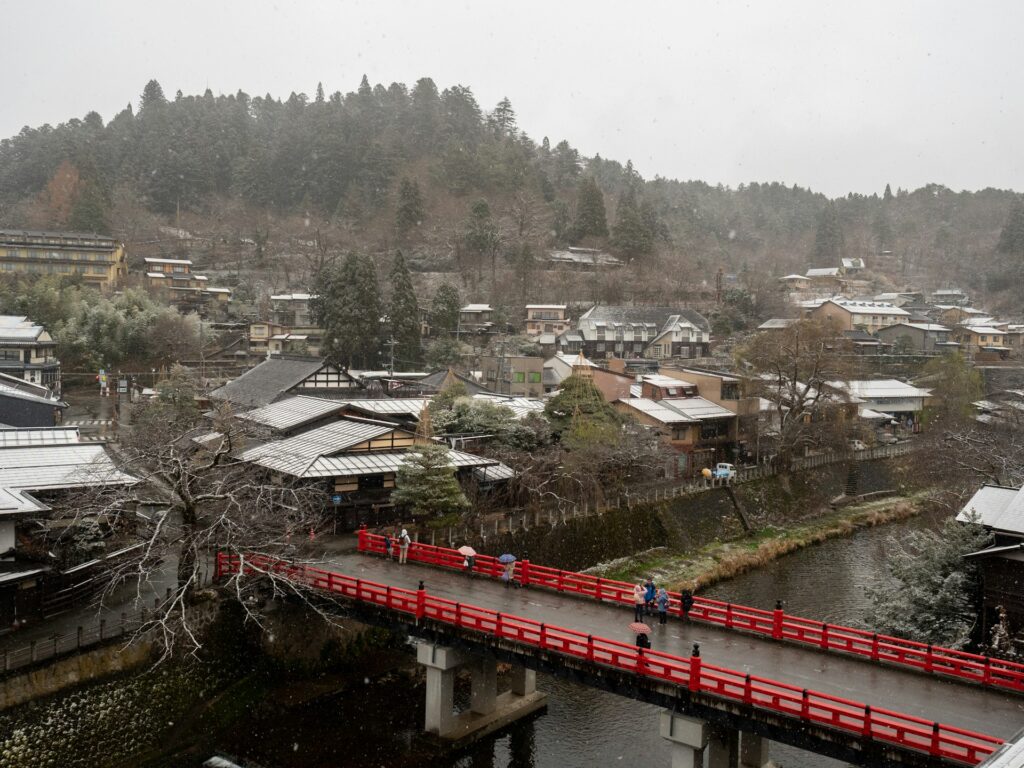
Quick Verdict: Where Should You Go to Escape the Crowds?
Yes, you can still find quiet places in Takayama, but you need to choose the right area for your schedule. Here are the four best hidden gems covered in this guide:
- For a peaceful temple walk: The Higashiyama Walking Course, a free 3.5 km walking route about 15–20 minutes from Takayama Station.
- For a canal-side escape: Hida Furukawa, a quieter nearby town about 15 minutes north of Takayama by local train.
- For a rainy-day retro experience: Takayama Showa-kan Museum, an interactive Showa-era museum near the Old Town.
- For thatched-roof farmhouses without the Shirakawa-go crowds: Hida no Sato, an open-air folk village just outside central Takayama.
If you are staying overnight in Takayama, you can easily visit two of these spots in a relaxed half day. If you are visiting from Kanazawa as part of a Shirakawa-go and Takayama day trip, choose one quiet spot and protect your transport time carefully.
Not sure which option fits your trip?
- “I have a full day in Takayama and want to explore independently.”
Start with the Higashiyama Walking Course in the morning, then add Showa-kan or Hida no Sato in the afternoon.- “I want to see Shirakawa-go and Takayama without bus-booking stress.”
If you prefer locked-in transport so you can spend your energy exploring instead of managing connections, check the latest availability and current itinerary for the Kanazawa-Takayama Loop Tour.
4 Takayama Hidden Gems to Escape the Crowds
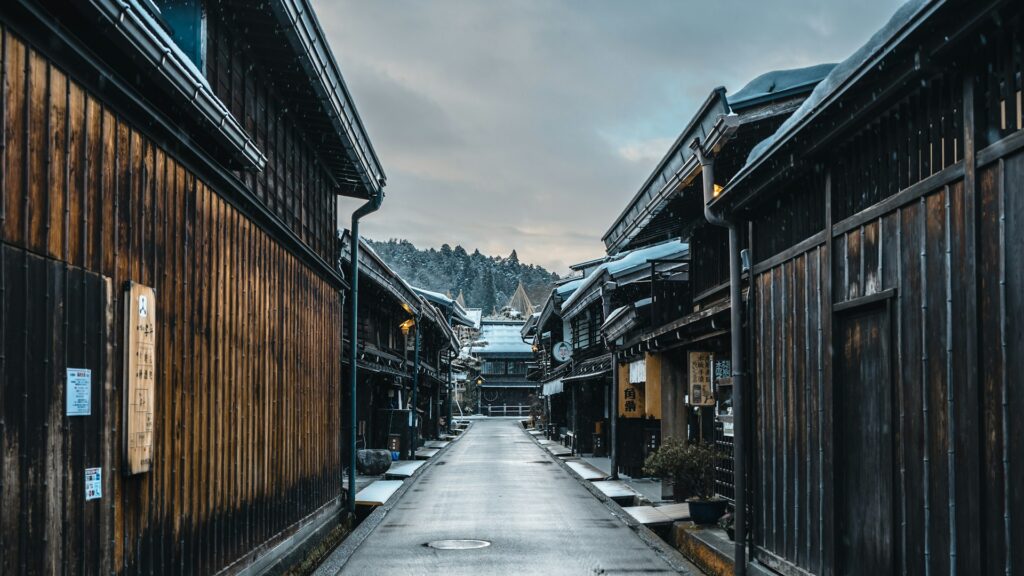
If you are staying in Takayama overnight or have a full day dedicated to the town, skip the busiest midday window in Sanmachi Suji and head to these quieter spots instead.
1. The Higashiyama Walking Course: The Quiet Temple Trail
While many visitors concentrate around the Old Town, the Higashiyama Walking Course remains one of the best ways to experience Takayama at a calmer pace. This walking route winds through the wooded hills east of the city center, passing temples, shrines, quiet graveyards, and the ruins of Takayama Castle.
It has a gentle Kyoto-like atmosphere, but without the heavy crowds of Kyoto’s famous walking routes. Early in the morning, the trail can feel surprisingly peaceful, with mossy stone paths, temple bells, and filtered mountain light replacing the noise of the main streets.
- Access: The trailhead near Unryuji Temple is about a 15–20 minute walk from JR Takayama Station, or a short walk from the Old Town.
- Time required: 1.5 to 2 hours at a leisurely pace.
- Admission: Free.
- Best time to visit: Early morning, especially around 7:00–9:00 AM.
- Difficulty: Moderate. Expect slopes, stairs, and some uneven paths.
- Mobility note: Not ideal for strollers or travelers with serious mobility concerns.
- Photo tip: Look for mossy steps, temple gates, and quiet stone paths rather than trying to rush through the whole route.
2. Hida Furukawa: The Neighboring Canal Town
Just a short train ride north of Takayama, Hida Furukawa offers white-walled storehouses, quiet streets, sake breweries, and canals filled with koi. It has some of the same traditional atmosphere visitors love in Takayama, but with a softer, slower rhythm.
The town is also known among anime fans as one of the real-world places associated with Your Name, but its real appeal is not just the anime connection. Hida Furukawa is best for travelers who want to stroll, take photos, visit a small local museum, and enjoy a town that feels less pressured by day-trip crowds.
- Access: About 15 minutes by JR Takayama Line from Takayama Station.
- Fare: Around 240 yen one way by local train.
- Train frequency: Often around one train per hour, so check the latest timetable before going.
- Time required: 2 to 3 hours including train time is more comfortable than trying to rush it.
- Key stop: Hida Furukawa Festival Exhibition Hall, if you want to learn about the town’s famous festival culture.
- Best time to visit: Late morning to early afternoon, if it fits the train schedule.
- Who should skip it: Travelers with less than 3 hours of free time, because missing one train can make the plan awkward.
3. Takayama Showa-kan: The Nostalgic 1950s Museum
If the weather turns rainy or you want something more playful than another temple or street walk, Takayama Showa-kan is one of the easiest hidden gems to add to a short itinerary. The museum recreates a Japanese townscape from the Showa era, with retro shops, classrooms, toys, signs, and everyday objects from mid-20th-century Japan.
Unlike many traditional museums, Showa-kan feels hands-on and atmospheric. You can step into recreated rooms, photograph retro interiors, browse old-style displays, and enjoy a “time slip” experience that works especially well for families.
- Access: About a 15-minute walk from JR Takayama Station, close enough to pair with the Old Town.
- Time required: 45 minutes to 1 hour.
- Admission: Adults 1,200 yen, high school students 900 yen, junior high students 700 yen, children ages 4 and up 500 yen, ages 3 and under free.
- Hours: Usually 9:00 AM to 5:00 PM and open daily, but check the latest details before visiting.
- Best for: Rainy days, families, retro culture fans, and travelers who want something different from temples and merchant houses.
- Photo tip: The retro barber shop, classroom, and old shopfronts are among the most photogenic corners.
4. Hida no Sato: The Quieter Farmhouse Alternative
If you want to see traditional thatched-roof farmhouses but do not want to fight through Shirakawa-go’s busiest lanes, Hida no Sato, also known as Hida Folk Village, is one of the best alternatives near Takayama.
This open-air museum preserves traditional buildings relocated from across the Hida region. You can walk inside old farmhouses, see tools and household objects, and photograph thatched roofs with far more breathing room than in the center of Shirakawa-go.
- Access: About 10 minutes by Sarubobo Bus from Takayama Station, or around 20–30 minutes on foot depending on your pace.
- Time required: 1 to 1.5 hours.
- Admission: Adults 700 yen, children 200 yen.
- Hours: Usually 8:30 AM to 5:00 PM, open daily. Check the latest last-entry policy before visiting late in the day.
- Best time to visit: Early morning or later afternoon for calmer photos.
- Family note: More stroller-friendly than Higashiyama, but it is still an outdoor hillside site, so expect slopes and uneven surfaces in places.
- Photo tip: Walk toward the higher parts of the village for broader farmhouse views against the mountain backdrop.
Quick Comparison: Which Hidden Gem Fits Your Travel Style?
| Spot | Time Needed | Cost | Best For | Rainy Day? | Easy Access? |
|---|---|---|---|---|---|
| Higashiyama Walking Course | 1.5–2 hr | Free | Nature lovers, early birds, photographers | No, mostly outdoor | Yes, walk from center |
| Hida Furukawa | 2–3 hr with train | Around 240 yen each way | Canal lovers, anime fans, slow travelers | Partial | Yes, short train ride |
| Takayama Showa-kan | 45 min–1 hr | 1,200 yen adult | Families, retro culture fans, rainy days | Yes, indoor | Yes, walk from center |
| Hida no Sato | 1–1.5 hr | 700 yen adult | Culture fans, photographers, Shirakawa-go alternatives | Partial | Yes, bus or walk |
If you are already staying in Takayama, choose based on your mood: Higashiyama for quiet walking, Showa-kan for rain, Hida Furukawa for a short side trip, and Hida no Sato for rural architecture. If you are coming from Kanazawa and combining Shirakawa-go with Takayama, decide your transport plan first, then choose just one hidden gem.
Suggested Half-Day Itineraries
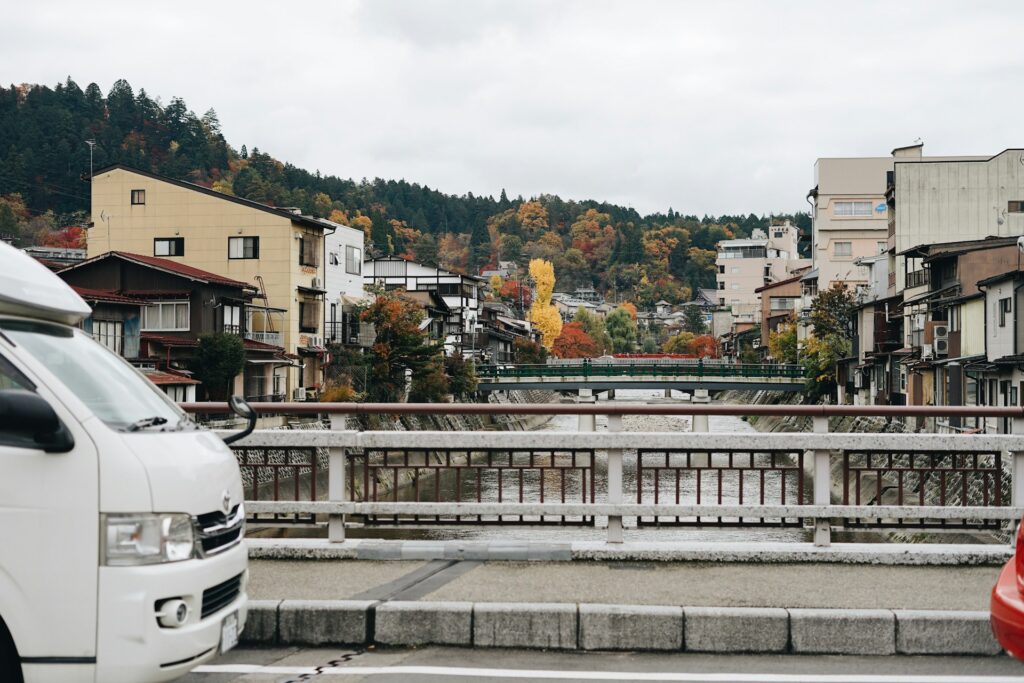
If you are staying overnight in Takayama or arriving early, these two combinations work well without turning your morning into a checklist race.
Option A: Higashiyama + Showa-kan
Best for: travelers who want a quiet walk and an easy indoor backup without using trains or buses.
- 7:30–9:30 AM: Walk the Higashiyama Walking Course, starting near Unryuji Temple.
- 9:30–10:30 AM: Return toward the Old Town for coffee, a snack, or mitarashi dango before the main crowds peak.
- 10:30–11:30 AM: Visit Takayama Showa-kan Museum.
- Total effort: Around 4 km of walking, depending on your exact route.
Option B: Higashiyama + Hida Furukawa
Best for: travelers who want both temple atmosphere and a quieter nearby town, and who are comfortable checking train times.
- 7:30–9:00 AM: Walk part of the Higashiyama course, focusing on the temples closest to the Old Town.
- 9:15–9:45 AM: Return to Takayama Station and take the JR Takayama Line to Hida Furukawa. Check the latest timetable before committing.
- Late morning: Explore Hida Furukawa’s canals, white-walled streets, and local museum area.
- Return: Take a local train back to Takayama with buffer time. If you miss a train, the next wait can be long.
Option C: Hida no Sato + Old Town Evening
Best for: travelers who want traditional architecture but prefer a calmer alternative to Shirakawa-go.
- Morning or afternoon: Take the Sarubobo Bus or walk to Hida no Sato.
- Spend 1–1.5 hours: Walk through the farmhouses and photograph the open-air village.
- Later: Return to central Takayama and explore Sanmachi Suji after the main day-trip crowds thin out.
Lunch and Snack Planning Near These Spots
Food can easily slow down a short Takayama itinerary, so keep lunch flexible. Instead of building the day around one exact restaurant, think in terms of areas to check.
- Near Higashiyama and the Old Town: Look for soba, local set meals, mitarashi dango, or Hida beef snacks around the streets between the Old Town and the morning market area.
- Near Hida Furukawa: Small cafes, sweets shops, and local restaurants are scattered around the canal and station area, but opening days can vary. Check locally before relying on one specific place.
- Near Showa-kan: The museum is close enough to the Old Town that you can eat before or after visiting.
- Near Hida no Sato: Food choices are more limited than central Takayama. Eat before going, carry a snack, or plan to return to the station or Old Town area afterward.
If your schedule is tight, the safest approach is simple: keep the hidden gem visit as the main event, and treat lunch as flexible. Takayama has plenty of good food, but chasing one restaurant can steal the quiet hour you were trying to protect.
Practical Tips for Each Spot
Best Time to Visit
- April–May: Higashiyama is beautiful with spring greenery and blossoms, but start early for the quietest experience.
- October–November: Autumn colors make all four spots attractive, especially Higashiyama and Hida no Sato.
- December–February: Hida no Sato can look magical with snow-covered roofs, while Showa-kan is a warm indoor escape. Higashiyama may be icy.
- June–September: Summer can be humid, so mix outdoor walks with an indoor stop such as Showa-kan.
Rainy Day Plan
- Best indoor choice: Takayama Showa-kan Museum.
- Good partial backup: Hida no Sato, where many buildings can be entered, though you still need to walk outdoors between them.
- Gentler option: Hida Furukawa, if the rain is light and train times work.
- Skip or shorten: Higashiyama Walking Course during heavy rain, icy conditions, or poor footwear.
Family-Friendly Tips
- Best with kids: Takayama Showa-kan, thanks to its retro displays and hands-on atmosphere.
- Good with older kids: Hida no Sato, especially if they enjoy old houses, tools, and open-air museums.
- Use caution with strollers: Higashiyama is not stroller-friendly. Hida no Sato is easier, but still outdoors and uneven in places.
- Best for anime fans: Hida Furukawa, especially for travelers interested in Your Name.
Photo Tips
- Higashiyama: Look for temple gates, mossy stone paths, and quiet corners in soft morning light.
- Hida Furukawa: Photograph the canals, koi, and white-walled storehouses before the light gets harsh.
- Showa-kan: The retro classroom, barber shop, and shop interiors make the best indoor scenes. Ask staff before using flash.
- Hida no Sato: Walk to higher parts of the village for wider views of thatched-roof houses against the mountains.
The Logistics Reality Check: Kanazawa to Takayama
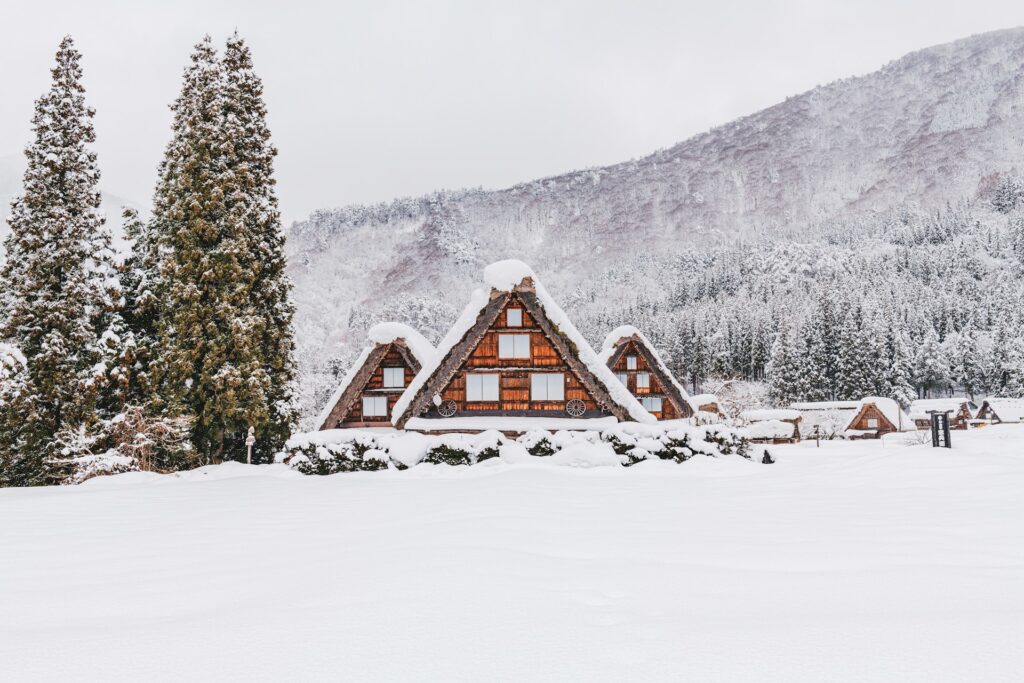
Exploring Takayama’s hidden gems requires one critical resource: time. Higashiyama needs roughly two hours if you want to enjoy it properly. Hida Furukawa depends on train timing. Showa-kan takes about an hour. Hida no Sato needs at least 1 to 1.5 hours.
The trap: If you are visiting Takayama as a day trip from Kanazawa and also want to see Shirakawa-go on the way, a DIY public transport route can become stressful. Popular reserved bus departures can sell out in advance during peak travel periods, especially cherry blossom season, autumn foliage, winter snow weekends, and holidays.
If you miss one connection or spend too much time handling luggage, your quiet Takayama time can disappear. DIY works best if you are staying overnight in Takayama. For a single-day Kanazawa → Shirakawa-go → Takayama route, you need a realistic transport plan before choosing your hidden gem.
Need help deciding whether the transfer-style route is worth it? Read this guide first: Shirakawa-go private tour worth it? Honest cost, value and verdict.
DIY Bus vs Guided Tour: Which Gives You More Hidden Gem Time?
| Feature | DIY Public Bus | Guided Transfer Tour |
|---|---|---|
| Seat planning | Reserved departures need advance booking; popular dates can fill up | Transport is locked in when your tour is confirmed |
| Luggage | You handle bags, lockers, and bus transfers yourself | Luggage usually stays with the vehicle, depending on the tour rules |
| Time management | Connections shape your day | Less time spent managing transfers |
| Free time in Takayama | Depends on bus timing and luggage logistics | Usually a fixed free-time block, but exact length depends on the itinerary and traffic |
| Hidden gem potential | Flexible if you have time | Useful if the current itinerary includes Hida no Sato or gives enough Takayama free time |
A transfer-style guided tour can make sense if you are based in Kanazawa and trying to cover Shirakawa-go and Takayama in one day. It does not make the hidden gems themselves better, and it cannot guarantee traffic-free travel, but it can reduce schedule stress and remove the hardest transport decisions.
If the current itinerary includes Hida no Sato, that can be a strong bonus because it gives you a quieter farmhouse experience without needing to add another separate bus ride from central Takayama.
If your travel dates are already fixed and you prefer structured transport over managing multiple bus reservations yourself, compare the latest start times, inclusions, and cancellation rules for the Kanazawa-Takayama Loop Tour here.
Verdict: Which Travel Style Fits You?
Choose the DIY route if:
- You are staying overnight in Takayama for at least one night.
- You enjoy walking and do not mind checking local train or bus schedules.
- You have enough buffer time to explore at your own pace.
- You want maximum flexibility to change plans based on weather, crowds, or mood.
Choose a guided transfer-style tour if:
- You are based in Kanazawa and want a smoother day trip.
- You want to see both Shirakawa-go and Takayama without handling every bus connection yourself.
- You prefer spending your limited vacation time exploring rather than managing luggage, lockers, and transit apps.
- You are comfortable with a fixed route and less flexibility.
Final recommendation: if you have a full day or overnight stay in Takayama, explore independently and choose two hidden gems at a relaxed pace. If you are trying to combine Kanazawa, Shirakawa-go, and Takayama in a single day, lock in your transport first, then choose one quiet spot that realistically fits the remaining time.
Frequently Asked Questions
Is Takayama too crowded to visit now?
Takayama is still absolutely worth visiting. The preserved architecture, Hida beef, morning markets, and surrounding mountain towns are excellent. The key is to avoid spending your whole visit in Sanmachi Suji during the busiest late-morning and early-afternoon window.
Can I visit all 4 hidden gems in one day?
Only if you are staying overnight in Takayama or starting very early with a loose schedule. For most travelers, two hidden gems in one day feels much better than four. A good pairing is Higashiyama + Showa-kan, or Hida no Sato + Old Town in the evening.
How much time do I need for the Higashiyama Walking Course?
Plan for 1.5 to 2 hours. The route is about 3.5 km with slopes, stairs, and uneven sections. Wear comfortable shoes and avoid rushing it if your goal is a quiet atmosphere.
Is Higashiyama stroller-friendly?
No. The route includes stairs, gravel, slopes, and uneven temple paths. If you are traveling with a baby, a carrier is much better than a stroller. For easier access, consider Showa-kan or Hida no Sato instead.
Do I need to book the bus to Takayama in advance?
If you are traveling between Kanazawa, Shirakawa-go, and Takayama, reserved bus departures should be booked in advance, especially during peak seasons, weekends, holidays, snow season, cherry blossom periods, and autumn foliage. Departures marked as reservation-required should not be treated as walk-up transportation.
Can I visit Hida no Sato without joining a tour?
Yes. Hida no Sato is easy to visit independently from Takayama Station by Sarubobo Bus or on foot if you do not mind the walk. It is also sometimes included in broader Kanazawa-Shirakawa-go-Takayama tour routes, but always check the current itinerary before assuming it is included.
Are these hidden gems worth visiting in winter?
Yes, but choose carefully. Hida no Sato can be beautiful with snow on the thatched roofs, and Showa-kan is a warm indoor escape. Higashiyama can be icy, so wear shoes with good grip and shorten the route if conditions are poor. Hida Furukawa remains atmospheric, though canal scenery can feel different in winter.
Which Takayama hidden gem is best for families?
Takayama Showa-kan is usually the easiest choice for families because it is indoors, compact, and interactive. Hida no Sato is also good for older children who enjoy old houses and outdoor museums. Higashiyama is better for families with older kids who are comfortable walking.
Which hidden gem is best if I only have one hour?
Choose Takayama Showa-kan if you are near the Old Town or Hida no Sato if you are already near the Sarubobo Bus route and want a farmhouse-style experience. Higashiyama and Hida Furukawa are better with more time.
Trying to combine Kanazawa, Shirakawa-go, and Takayama in one day? Compare the route carefully before deciding whether DIY transport is worth the stress: Shirakawa-go private tour worth it? Honest cost, value and verdict.
Transport schedules, admission fees, opening hours, bus reservations, and tour inclusions can change. Check the latest official information and your selected tour listing before finalizing your route.

Hi, I’m Kai. I’m a Tokyo-based travel writer, tourism industry insider, and the author of a published guidebook for international visitors to Japan. With over 10 years of professional experience at a leading Japanese tourism company, my mission is to help you skip the tourist traps and navigate Japan’s best destinations like a local. I believe the perfect day trip is like a traditional kaiseki meal: a beautiful balance of precise planning and unforgettable seasonal discovery. When I’m not out conducting field research, you’ll usually find me drafting new itineraries with one of my favorite fountain pens!