
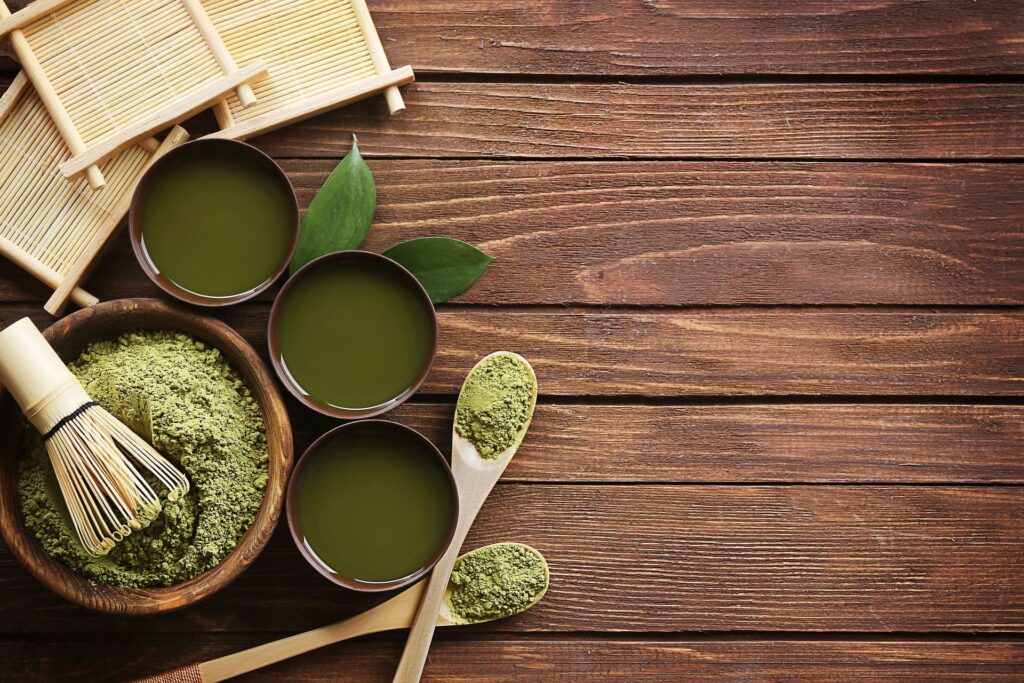
When most travelers think of a traditional Japanese tea ceremony, Kyoto immediately comes to mind. But for visitors staying in Osaka, booking an Osaka tea ceremony experience can be the more practical choice. You can enjoy matcha, traditional etiquette, kimono dressing, and English-friendly cultural guidance without adding another crowded day trip to your Kansai itinerary.
Osaka is especially convenient if you want a tea ceremony before or after Dotonbori, Namba, Shinsaibashi, or Osaka Castle sightseeing. The key is choosing the right area: Namba / Dotonbori for convenience, or the Osaka Castle area if kimono photos are your priority.
Quick Answer: What to Know Before You Book
- Typical cost: A simple tea ceremony in Dotonbori can start around ¥3,900–¥4,000. Kimono-included or kimono-option experiences usually cost more, and the total price can vary by date, booking platform, group size, and inclusions.
- Time required: Plan around 45–60 minutes for tea ceremony only, or 1.5–3 hours if kimono dressing, photos, or another cultural activity are included.
- Best area for convenience: Choose Namba / Dotonbori if you want to continue straight into food, shopping, and nightlife.
- Best area for photos: Choose the Osaka Castle area if you want kimono photos with castle walls, moats, and park scenery.
- Booking advice: Reserve online in advance, especially during cherry blossom season, autumn foliage season, weekends, and Japanese holidays.
For travelers who want kimono dressing, tea, and cultural guidance handled in one booking, check the latest inclusions, cancellation policy, meeting point, and available times before planning the rest of your Osaka day.
👉 Check current availability and inclusions for an Osaka tea ceremony with kimono experience
Why Choose an Osaka Tea Ceremony Instead of Kyoto?
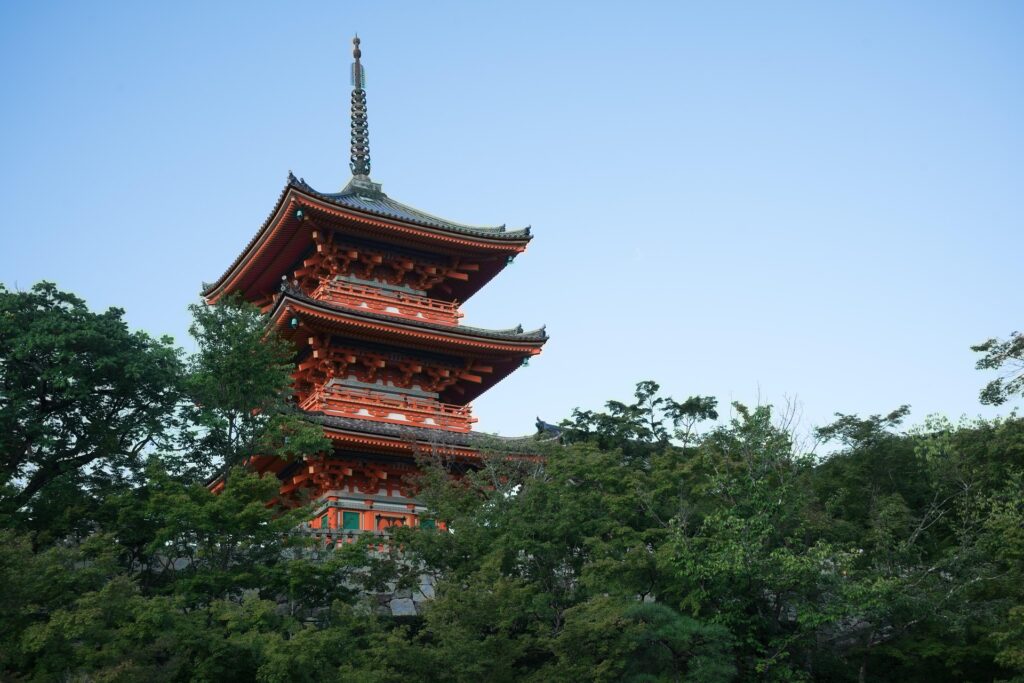
Kyoto is beautiful and historically important, but it is not always the easiest place for first-time visitors to fit in a cultural experience. Popular streets can be crowded, transport between sightseeing areas takes time, and well-known experiences may sell out during peak travel periods.
An Osaka tea ceremony is a strong alternative if you want a more flexible cultural activity inside the city where you are already staying. It will not replace Kyoto’s historic atmosphere, but it can be easier to schedule and more convenient for travelers with limited time.
- Better itinerary flow: You can combine a tea ceremony with Dotonbori, Shinsaibashi, Namba, Kuromon Market, or Osaka Castle on the same day.
- Less travel friction: You avoid spending extra time moving between Osaka and Kyoto just for one activity.
- Good English-friendly options: Some Osaka tea ceremony experiences aimed at international visitors offer English guidance, but always confirm the language on the official site or booking page before reserving.
- More relaxed city pairing: Osaka works well if you want traditional culture in the morning and food, shopping, or nightlife later in the day.
How Much Does an Osaka Tea Ceremony Cost?
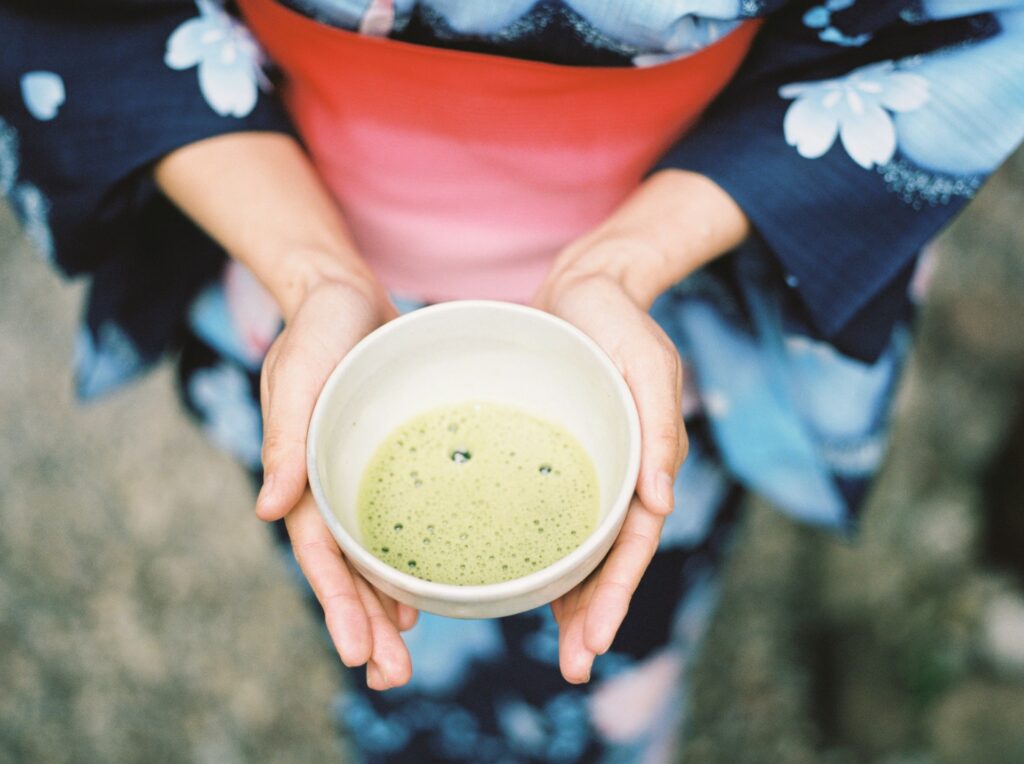
Prices vary depending on whether you choose a simple tea ceremony, kimono rental, calligraphy, private instruction, or an Osaka Castle photo-friendly location. Use Japanese yen as the main reference because US dollar equivalents change with exchange rates.
The examples below are based on official or booking-page information checked in June 2026. Always recheck the latest price, inclusions, taxes, cancellation policy, meeting point, and extra fees before booking.
| Option | Example Price | Typical Time | Best For |
|---|---|---|---|
| Tea Ceremony Only Dotonbori / Namba area, no kimono |
around ¥3,900–¥4,000 | about 45 minutes | Travelers who want a budget-friendly cultural experience without taking up half a day |
| Tea Ceremony + Kimono Rental or Kimono Option Namba, Honmachi, or Osaka Castle area |
usually higher than tea only; some plans charge kimono rental separately | about 1.5–2.5 hours | Travelers who want kimono photos and a more immersive experience |
| Tea + Kimono + Additional Cultural Activity Examples may include calligraphy or another traditional activity |
varies by date, platform, group size, and inclusions | about 2–3 hours | Culture-focused travelers who prefer several traditional activities in one booking |
| Short Matcha Stop at Toyomatsuan / Toshoan Inside Osaka Castle Nishinomaru Garden, no kimono |
¥1,500 plus separate Nishinomaru Garden admission | about 25 minutes | Casual visitors who want matcha and sweets, not a full guided kimono tea ceremony |
Important: Do not compare only the headline price. Some Osaka Castle-area tea ceremony plans may charge separate fees, such as a tea room usage fee or optional kimono dressing fee. Check whether kimono rental, dressing, tea room use, sweets, photos, language support, and cancellation terms are included before booking.
Best Areas for Your Osaka Tea Ceremony Experience
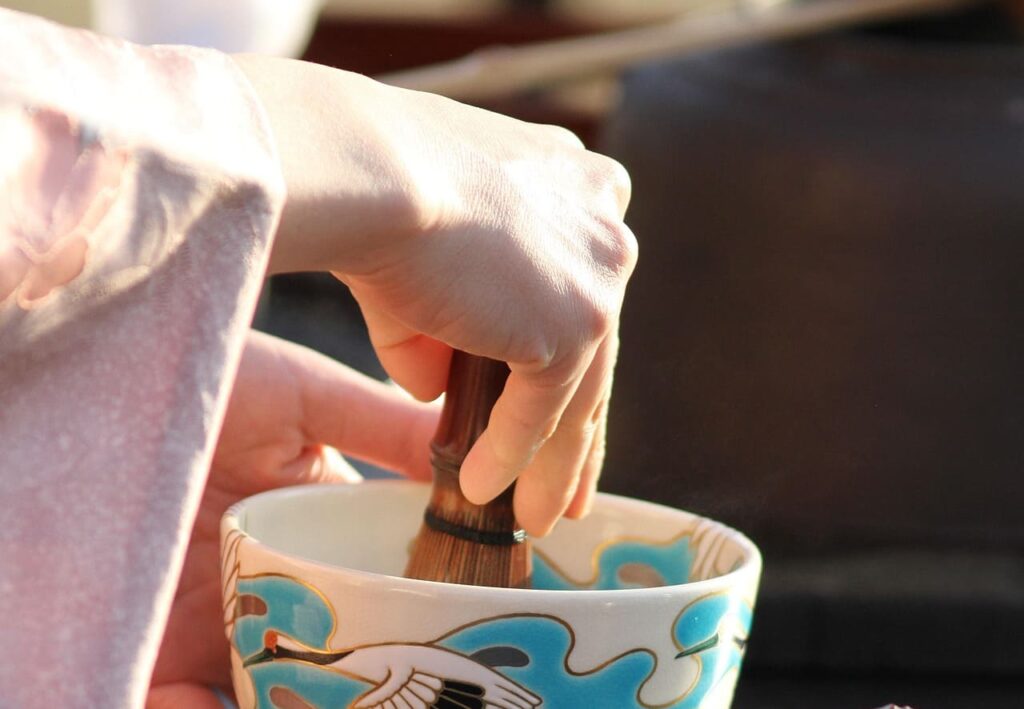
Location matters more than many travelers expect. A tea ceremony in Namba or Dotonbori is easy to fit between city sightseeing stops, while an Osaka Castle-area experience is better if your main goal is kimono photography.
| Area | Vibe & Setting | Best For | After the Experience |
|---|---|---|---|
| Namba / Dotonbori | Central, lively, and convenient. Traditional interiors are often hidden inside the busy city center. | Travelers who want a quick cultural experience before food, shopping, or nightlife. | Change back into regular clothes and head straight to Dotonbori, Shinsaibashi, Kuromon Market, or your next Osaka stop. |
| Osaka Castle Area | More scenic and spacious, with park paths, stone walls, moats, and castle views nearby. | Travelers who want kimono photos with a historic backdrop. | Keep the kimono on if your rental plan allows outdoor use, then walk around Osaka Castle Park for photos. |
If you plan to visit Osaka Castle Museum after the ceremony, note that the castle tower admission is separate from any tea ceremony or kimono rental. As of June 2026, Osaka Castle Museum admission is listed at ¥1,200 for adults and ¥600 for university and high school students. Nishinomaru Garden is also separate; Osaka Castle Park information indicates the adult admission changed to ¥300 from April 2026. Always check the latest official information before going, especially during cherry blossom season or special events.
For travelers whose priority is kimono photos around Osaka Castle, compare the total price, meeting point, return time, outdoor walking rules, and extra fees before choosing your area.
👉 Check current dates, prices, and inclusions for a tea ceremony in kimono near Osaka Castle
Best Osaka Tea Ceremony Options by Travel Style
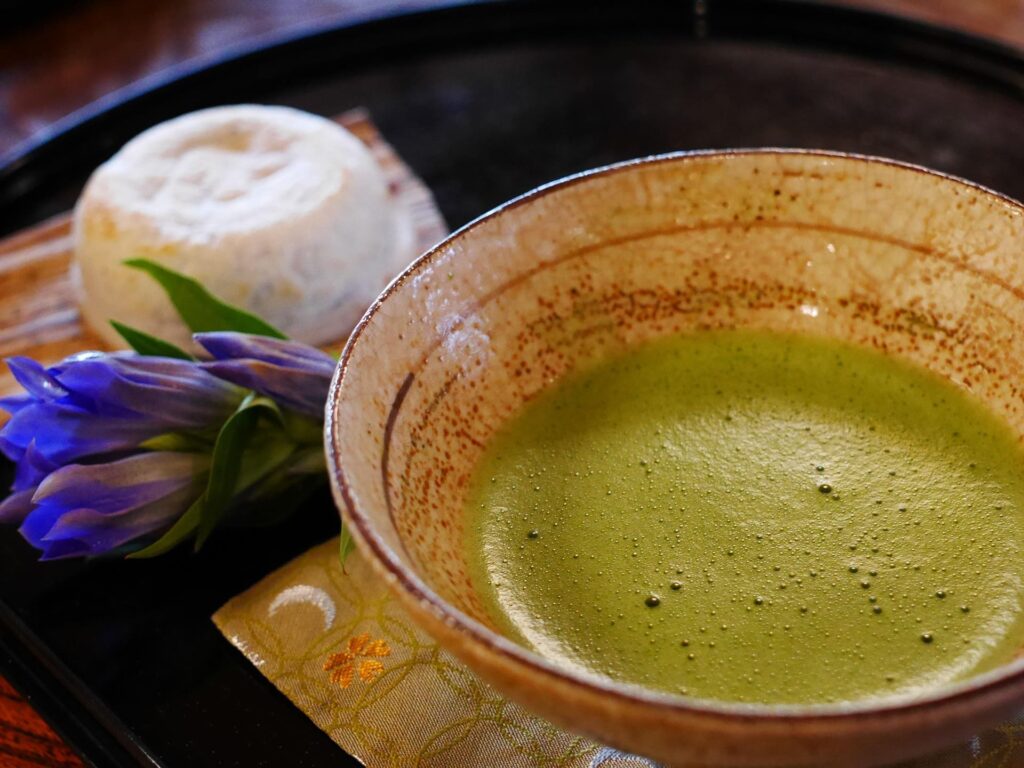
1. Tea Ceremony Osaka The Osaka — Best for Budget and Convenience
This Dotonbori-area tea ceremony is one of the most practical choices if you want a short, English-friendly introduction to matcha culture without renting a kimono. It is located around the Namba / Shinsaibashi / Dotonbori area, so it works well before lunch, shopping, or an evening food walk.
- Best for: Budget-conscious travelers, solo travelers, couples, and first-time visitors.
- Example price: The official shared plan is listed at ¥3,900 per person as of June 2026.
- Typical duration: about 45 minutes.
- Language: The official information states that experiences are conducted in English, but it is still wise to confirm your selected time slot before booking.
- Good to know: This is better for the tea ceremony itself than for kimono photos.
2. Osaka Tea Ceremony with Kimono — Best for Photos and Cultural Immersion
A kimono-included or kimono-option tea ceremony takes more time, but it gives the experience a stronger sense of occasion. Staff usually help with dressing because wearing a kimono properly involves layers, ties, and an obi belt. Some plans include simple hair styling or accessories, but inclusions vary.
- Best for: Couples, friends, first-time Japan travelers, and anyone who wants photos.
- Typical duration: around 1.5–2.5 hours, depending on dressing time, group size, and photo time.
- Good to know: Confirm whether kimono rental is included or charged as an optional extra. Also confirm the kimono return time before leaving the shop.
3. Tea Ceremony Plus Another Cultural Activity — Best for a Deeper Session
Some Osaka experiences combine a tea ceremony with another traditional activity, such as calligraphy or a guided cultural explanation. These packages can be a good use of time when you prefer one organized booking instead of arranging separate activities.
- Best for: Culture enthusiasts, couples, and travelers who want more than a short matcha session.
- Typical duration: about 2–3 hours, depending on the plan.
- Good to know: Prices, group size, cancellation terms, language support, and exact inclusions vary by platform and date.
👉 Compare current availability, reviews, and inclusions for an Osaka tea ceremony experience
4. Toyomatsuan / Toshoan at Osaka Castle Nishinomaru Garden — Best for a Short Matcha Stop
Toyomatsuan, also romanized on some English pages as Toshoan, is best treated as a short matcha-and-sweets experience rather than a full guided tea ceremony with kimono rental. It is useful if you are already visiting Osaka Castle and want to enjoy matcha in a traditional setting inside Nishinomaru Garden.
- Best for: Casual visitors already planning to enter Nishinomaru Garden.
- Example price: ¥1,500 for the matcha experience, plus separate Nishinomaru Garden admission.
- 2026 schedule: As listed by Osaka tourism information and checked in June 2026, the experience is scheduled for April–June and September–November 2026, every Thursday, 10:00–16:00, with last entry at 15:30.
- Reservation: Advance reservations are not accepted for this listed experience; on-site reception is used.
- Good to know: It may close when the tea room is reserved for another tea ceremony or event, so check the latest official information before going.
What to Expect During an Osaka Tea Ceremony with Kimono
The exact flow depends on the venue, but many kimono-included or kimono-option tea ceremony experiences follow a similar structure.
Step 1: Check-In, Kimono Selection, and Dressing
First, you choose your kimono, obi belt, and sometimes small accessories. Professional staff help dress you because the layers and ties are difficult to manage alone. This part often takes 30–45 minutes, and it can take longer when the venue is busy or your group is large.
Step 2: Tea Ceremony Explanation and Demonstration
The instructor usually explains the meaning of the tea ceremony, basic etiquette, and how matcha is prepared. You may watch a demonstration, receive a Japanese sweet called wagashi, and learn why sweets are served before drinking matcha.
Step 3: Whisking and Drinking Matcha
Many beginner-friendly experiences let guests try whisking their own bowl of matcha with a bamboo whisk. Do not worry about doing everything perfectly. These experiences are designed for visitors, so the goal is to learn respectfully rather than perform a formal ceremony without mistakes.
Step 4: Photo Time
After the ceremony, some venues allow photos in the room or garden. If you booked near Osaka Castle and your kimono rental allows outdoor use, you can continue taking photos around the park. Always follow staff instructions about where photography is allowed.
Sample Half-Day Itinerary: Tea Ceremony and Osaka Castle Photos
This is only a sample. Adjust the timing based on your actual booking time, kimono dressing speed, weather, Osaka Castle opening hours, and kimono return rules.
| Time | Activity | Notes |
|---|---|---|
| Morning | Arrive at the kimono rental or tea ceremony venue | Check in, choose your kimono, and allow enough time for dressing. |
| Late morning | Join the tea ceremony | Learn the basics, enjoy sweets, and try matcha. |
| Before lunch | Take photos near the venue | Use indoor photo areas first in case the weather changes. |
| Midday | Walk around Osaka Castle Park | Castle walls, moats, and park paths are good kimono photo backdrops. |
| Early afternoon | Optional Osaka Castle Museum or Nishinomaru Garden visit | Admission fees are separate. Check the latest official hours before entering. |
| Before the rental deadline | Return the kimono or continue sightseeing if allowed | Return times vary by shop. Confirm this before leaving the venue. |
If you book in Namba or Dotonbori instead, keep the itinerary simpler: do the tea ceremony in the morning, then continue to Dotonbori lunch, Shinsaibashi shopping, or the city’s best Osaka photo spots.
Practical Tips for First-Time Visitors
Book Early During Peak Seasons
For cherry blossom season, autumn foliage season, weekends, and Japanese holidays, book as early as your schedule allows. English-friendly experiences can sell out, and last-minute time slots may not match your itinerary.
Wear the Right Clothes If You Skip the Kimono
When joining in regular clothes, avoid short skirts, very tight pants, or anything uncomfortable for sitting. You may need to sit on tatami mats or low seating. Bring or wear clean socks because bare feet on tatami are not ideal.
Confirm the Kimono Return Time
This is one of the easiest mistakes to make. A kimono rental may look like a full-day experience, but the shop can have a strict return deadline. Confirm the return time before you plan lunch, Osaka Castle, or evening sightseeing.
Carry Cash as a Backup
Even when you book online, carry some cash. Extra fees, tea room usage charges, lockers, small local purchases, or transport expenses may not always be card-friendly.
Check Caffeine and Dietary Options in Advance
Matcha contains caffeine, and Japanese sweets may include ingredients that matter for allergies or dietary restrictions. Some family-friendly venues can offer alternatives for children or guests who do not drink matcha, but you should request this before the day of your visit.
Have a Rain Plan for Kimono Photos
The tea ceremony itself is usually indoors, so rain is not a major problem for the activity. The issue is photography. When outdoor kimono photos are important, ask whether the venue has indoor photo areas or nearby covered spots.
Frequently Asked Questions
Is it better to do a tea ceremony in Osaka or Kyoto?
Choose Osaka if you want convenience, easier itinerary planning, and a cultural experience near Namba, Dotonbori, or Osaka Castle. Choose Kyoto if the historic setting itself is your main priority and you have enough time to handle the crowds and extra travel.
How much does an Osaka tea ceremony cost?
A simple Dotonbori tea ceremony can start around ¥3,900–¥4,000. Kimono-included or kimono-option experiences usually cost more, and cultural packages with additional activities vary by platform, date, group size, and inclusions. Always compare the total price, not just the headline price.
Can I do a tea ceremony without wearing a kimono?
Yes. Many visitors join in regular clothes to save time and money. Wear comfortable clothing that allows you to sit, and bring clean socks.
Is an Osaka tea ceremony conducted in English?
Some popular experiences for international travelers offer English guidance, especially around Namba, Dotonbori, and major booking platforms. However, do not assume every venue does. Always confirm the language on the official site or booking page before reserving.
Can children participate in a tea ceremony?
Yes, but rules vary by venue. Some experiences have minimum age rules or require younger children to join a private plan. Others may offer shorter family-friendly formats or non-caffeinated alternatives. Check the age rules and drink options before booking.
Do I need to bring anything for kimono rental?
Usually, the shop provides the kimono, obi belt, sandals, and basic accessories. A low-neckline undershirt is helpful so it does not show under the kimono collar. In cooler months, avoid bulky clothing that is hard to layer underneath.
Can I walk around Osaka Castle in a kimono after the ceremony?
Sometimes, yes, but only when your rental plan allows outdoor use and the return time gives you enough flexibility. Confirm the walking area, return deadline, weather policy, and any extra fees before leaving the shop.
Is Toyomatsuan / Toshoan at Osaka Castle a full tea ceremony?
No. Treat the listed Toyomatsuan / Toshoan experience as a short matcha-and-sweets stop inside Nishinomaru Garden rather than a full guided kimono tea ceremony. It is a nice add-on if the schedule matches your visit, but it is not the same as a structured tea ceremony class.
Final Verdict: Which Osaka Tea Ceremony Should You Choose?
| Traveler Type | Best Choice | Why |
|---|---|---|
| Budget-conscious | Tea ceremony only in Dotonbori | Short, affordable, central, and easy to add before food or shopping. |
| Photo lovers | Tea ceremony with kimono near Osaka Castle | The park, stone walls, moats, and castle views create stronger kimono photos. |
| Culture enthusiasts | Tea ceremony plus kimono or another cultural activity | More depth than a short matcha session, with several traditional elements arranged together. |
| Families | Family-friendly tea ceremony in Namba or Dotonbori | Central location, shorter formats, and possible drink alternatives can make the experience easier with children. |
| Casual Osaka Castle visitors | Toyomatsuan / Toshoan matcha stop, if operating | Good for a quick taste of matcha, but not a full guided kimono tea ceremony. |
For most first-time visitors: choose Namba or Dotonbori if convenience matters most. Choose the Osaka Castle area if your main goal is kimono photos. Choose a multi-activity package if you want tea, kimono, and another cultural activity arranged together.
Adding an Osaka tea ceremony experience to your itinerary is one of the easiest ways to include traditional Japanese culture without making your Kansai schedule too complicated. Whether you choose a simple matcha session in Dotonbori or a kimono experience near Osaka Castle, the best option is the one that fits your route, budget, and energy level for the day.
For more Osaka planning help, read our 1-day Osaka itinerary, our Dotonbori street food guide, and our review of whether Osaka Castle is worth going inside.
Prices, opening hours, operating dates, transport schedules, kimono return rules, tea room fees, language support, cancellation policies, and activity inclusions can change. Always check official sources and your selected booking page before finalizing your trip.

Hi, I’m Kai. I’m a Tokyo-based travel writer, tourism industry insider, and the author of a published guidebook for international visitors to Japan. With over 10 years of professional experience at a leading Japanese tourism company, my mission is to help you skip the tourist traps and navigate Japan’s best destinations like a local. I believe the perfect day trip is like a traditional kaiseki meal: a beautiful balance of precise planning and unforgettable seasonal discovery. When I’m not out conducting field research, you’ll usually find me drafting new itineraries with one of my favorite fountain pens!