
Is 1 Day in Osaka Enough? (Quick Answer)
Yes, one day is enough to see Osaka’s major highlights if you plan your route efficiently. Osaka is easier to cover in a single day than Kyoto because many of its classic first-time visitor stops are connected by the Osaka Metro.
This 1-day Osaka itinerary covers Osaka Castle, Shinsekai, Dotonbori, and the Umeda Sky Building in a practical subway-based route. It is designed for travelers who want a busy but realistic day without wasting time on unnecessary backtracking.
- Pace: Moderate to fast. Many travelers may end up walking around 18,000–22,000 steps depending on detours, station exits, crowds, and walking pace.
- Best transport: Osaka Metro, usually with the Enjoy Eco Card if you are taking several subway rides.
- Best for: First-time visitors, day trippers from Kyoto, and travelers staying in Osaka for just one night.
- Not ideal for: Travelers who want a slow pace, families with very young children, or anyone trying to combine this with Universal Studios Japan.
If you like this route but do not want to manage subway transfers, timing, and long walks on your own, compare the current availability, inclusions, meeting point, and route for a guided 1-day Osaka highlights tour before deciding.
1-Day Osaka Itinerary at a Glance
Here is the full route in one simple schedule. The timing is flexible, but this order keeps the day efficient.
| Time | Area | What to Do | Approx. Time Needed |
|---|---|---|---|
| 9:00 AM | Osaka Castle | Photograph the castle exterior or visit the main tower museum | 45 min outside / 1.5–2 hr inside |
| 11:30 AM | Shinsekai | See Tsutenkaku Tower, explore the retro streets, and eat kushikatsu | 1–1.5 hr |
| 2:30 PM | Dotonbori & Namba | Walk the canal, see the Glico sign, eat street food, and consider a short cruise | 2–2.5 hr |
| 6:00 PM | Umeda Sky Building | Watch sunset or night views from the Kuchu Teien Observatory | 1–1.5 hr |
Budget range: If you use the subway and skip most paid attractions, this can be a relatively affordable Osaka day. If you add Osaka Castle’s main tower, the Tombori River Cruise, and Umeda Sky Building, compare attraction prices with the latest pass conditions before buying tickets.
The prices, hours, and pass conditions below were checked against official sources in June 2026, but they can change before your trip.
Step-by-Step 1-Day Osaka Itinerary
9:00 AM – Osaka Castle: Outside or Inside?
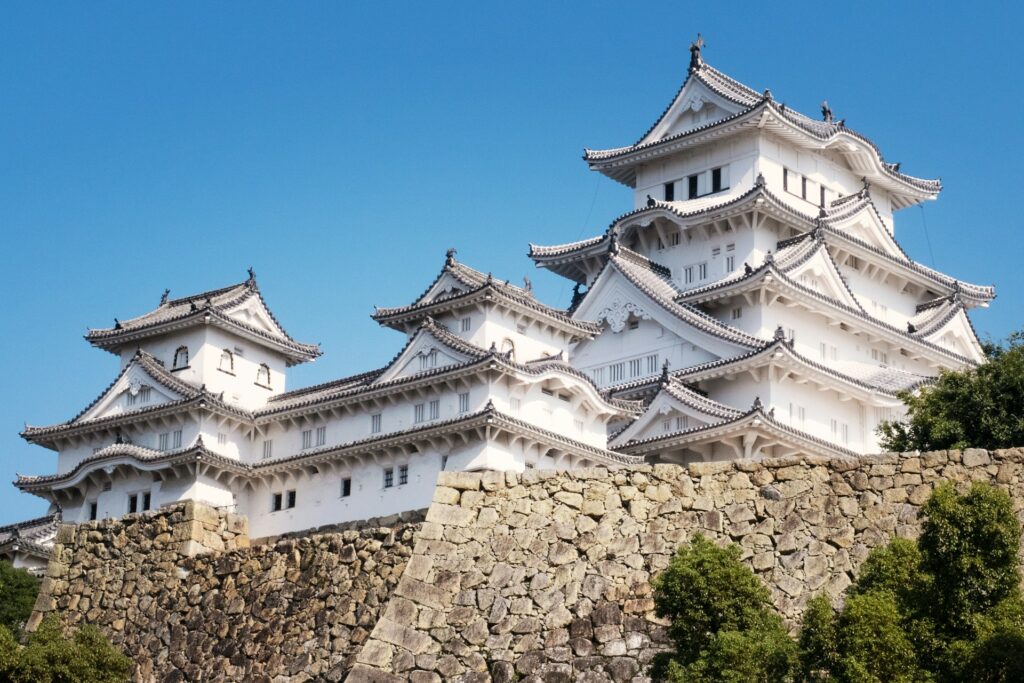
Start your day at Osaka Castle, one of the most famous landmarks in Japan. Take the Osaka Metro to Tanimachi 4-chome Station or Morinomiya Station. From either station, expect a 15 to 20-minute walk through the park to reach the main tower area.
The most important decision here is whether to go inside the castle. The grounds are large, and entering the main tower can take much more time than many first-time visitors expect.
| Option | Best For | Time Needed | Cost |
|---|---|---|---|
| Outside Only | Photos, moat views, castle exterior, and a faster itinerary | Approx. 45 min | Free |
| Main Tower Museum | History exhibits and the observation deck inside the reconstructed tower | Approx. 1.5–2 hr | Adults 1,200 JPY; university and high school students 600 JPY; junior high school students and younger free |
Verdict for a 1-day trip: If your goal is to see several different sides of Osaka in one day, admire Osaka Castle from the outside, take your photos, and move on. The exterior, moat, and park views are the most rewarding parts for many short-stay visitors.
- Main tower hours: Generally 9:00 AM to 6:00 PM, with last admission at 5:30 PM.
- Closed: Usually December 28 to January 1.
- Crowd tip: Arriving near opening time is best if you want to enter the museum. Queues are more likely later in the morning, especially on weekends and during cherry blossom season.
For a deeper breakdown of whether the museum is worth your limited time, read our full Osaka Castle review.
11:30 AM – Shinsekai: Retro Streets & Kushikatsu Lunch
From the Osaka Castle area, head south toward Shinsekai. Depending on your starting station, you can use the Osaka Metro and arrive around Ebisucho, Dobutsuen-mae, or Tennoji, then walk into the district.
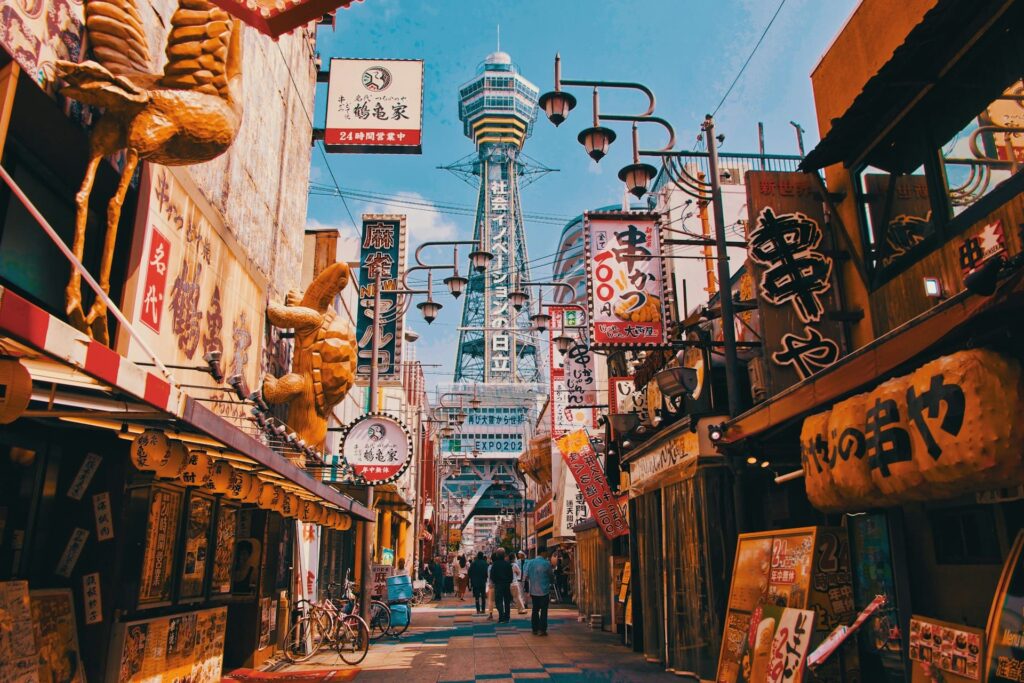
Shinsekai is one of Osaka’s most characterful neighborhoods. Centered around Tsutenkaku Tower, the area is known for bright signboards, old-school restaurants, game arcades, and a nostalgic atmosphere that feels very different from polished Umeda or modern Namba.
This is a good place for an early lunch. Shinsekai is strongly associated with kushikatsu, deep-fried skewers of meat, seafood, and vegetables. Many restaurants open around late morning or lunchtime, so arriving around 11:30 AM helps you beat the busiest lunch rush.
- What to eat: Kushikatsu set meals or assorted skewers.
- Typical food budget: A simple kushikatsu lunch can often fall around 1,000–2,000 JPY per person, depending on the restaurant and how much you order.
- Optional stop: Tsutenkaku Tower. It can be fun, but skip it if time is tight because Umeda Sky Building gives you a stronger city-view finale later.
For more food and photo ideas in the area, see our detailed Shinsekai guide.
2:30 PM – Dotonbori & Namba: Street Food, Canal Views & Neon
From Shinsekai, head to Namba or Nippombashi by subway, then walk into Dotonbori. The ride itself is short, but allow extra time for station exits and crowds.
Dotonbori is the heart of Osaka’s food and entertainment scene. Even in the afternoon, the area is busy, colorful, and energetic. Walk along the canal, take the classic photo with the Glico Running Man sign, and explore the side streets around Namba.
This is the best point in the day to snack rather than sit down for a long meal. Osaka’s most famous foods are easy to find here:
- Takoyaki: Octopus balls, often sold in portions of 6–8 pieces.
- Okonomiyaki: A savory pancake-style dish that works better as a sit-down meal.
- Kushikatsu: Also available here if you skipped it in Shinsekai.
Optional break: Tombori River Cruise
If your feet need a rest, consider the Tombori River Cruise. As of June 2026, it is usually a 20-minute canal cruise through Dotonbori, departing from the Tazaemonbashi Pier area near Don Quijote. Regular operations are generally from 11:00 AM to 9:00 PM, often with departures on the hour and half hour.
As of June 2026, the regular fare is 2,000 JPY for adults, 1,000 JPY for students, and 500 JPY for elementary school children. However, schedules, weather conditions, river conditions, maintenance closures, and ticket availability can change. Popular evening departures may sell out, so do not build your entire afternoon around the cruise unless you have confirmed the latest details.
The cruise is useful if you want a quick seated break without leaving Namba. It is not essential, so skip it if the ticket queue is long or if you would rather spend more time eating and walking.
If you want to add the cruise to your afternoon, check current Dotonbori cruise options and details before locking it into your schedule.
Dinner note: You can eat a full dinner in Namba before going to Umeda, or keep this stop snack-focused and have dinner near Osaka/Umeda Station after the observatory.
For more ideas on what to eat, read our Osaka street food in Dotonbori guide.
6:00 PM – Umeda Sky Building: Sunset & Night Views
From Namba Station, take the Osaka Metro Midosuji Line directly to Umeda Station. The train ride is short, but the walk from Osaka/Umeda Station to the Umeda Sky Building usually takes another 10 to 15 minutes. Use Google Maps and follow the signs, as the station area can be confusing for first-time visitors.
The Umeda Sky Building’s Kuchu Teien Observatory, also called the Floating Garden Observatory, offers one of Osaka’s best skyline views. The open-air rooftop is especially memorable around sunset and after dark.
Best timing: Aim to arrive around 30 minutes before sunset if the weather is clear. Sunset time changes a lot by season, so check the day’s forecast before planning your exact arrival.
- Opening hours: Generally 9:30 AM to 10:30 PM, with last entry at 10:00 PM.
- Admission: As of June 2026, regular adult admission is 2,000 JPY. Children aged 4–12 are 500 JPY, and children under 4 are free.
- Pass warning: If you are using the Osaka Amazing Pass or Osaka e-Pass, free entry to Umeda Sky Building is generally limited to 9:30 AM–3:00 PM; later visits may receive only a discount. This matters if you are aiming for sunset.
- Weather warning: The rooftop is open-air and may close in bad weather. If rain or strong wind is likely, consider an indoor alternative such as Harukas 300 in Tennoji.
Harukas 300 is an indoor observatory in Tennoji, so it is easier to enjoy in poor weather than an open-air rooftop. For this itinerary, however, Umeda Sky Building is the stronger finale if the weather is good and you want a memorable open-air view.
If your Osaka date is fixed and you want to plan around sunset, check current Umeda Sky Building ticket options, entry details, and pass restrictions before finalising your evening plan.
For sunset timing, photo spots, and nearby dinner ideas, see our Umeda Sky Building sunset guide.
Which Osaka Transport Pass Should You Buy?
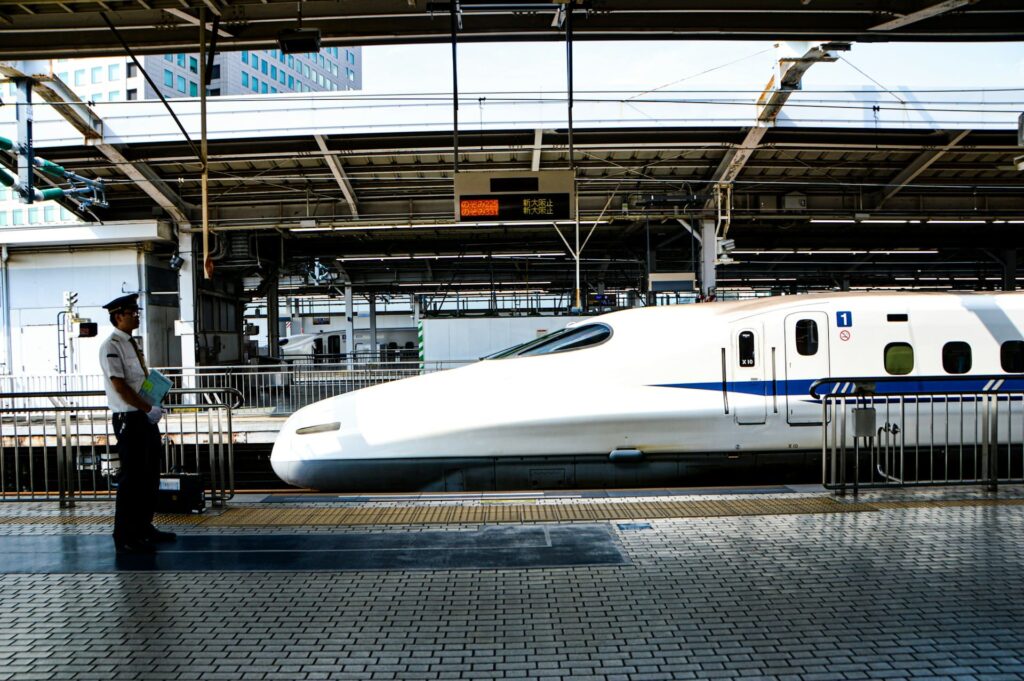
For this itinerary, most travelers should compare the Enjoy Eco Card and the Osaka Amazing Pass. The best choice depends on whether you only need subway rides or plan to enter multiple paid attractions.
| Pass | Typical Price | Covers | Best For |
|---|---|---|---|
| Enjoy Eco Card | Adults 820 JPY on weekdays; 620 JPY on weekends and national holidays; children 310 JPY | Unlimited Osaka Metro and Osaka City Bus rides for one day, excluding Yumeshima Station and some specific bus routes | Travelers who mainly need transport and plan to skip most paid attractions |
| Osaka Amazing Pass | 1-day pass: 3,500 JPY for the 2026 season | Unlimited rides on covered transport plus entry or benefits at many participating attractions | Travelers planning to use several included attractions in the same day |
Choose the Enjoy Eco Card if you mainly want a simple subway pass for Osaka Castle, Shinsekai, Dotonbori, and Umeda. It usually pays off after several subway rides and keeps the day flexible.
Consider the Osaka Amazing Pass if you are entering multiple paid attractions. However, do not judge it by headline prices alone. Some attractions have time restrictions, seasonal conditions, or changed participation rules. For example, if you want Umeda Sky Building specifically at sunset, check whether your pass gives free entry or only a discount at that time of day.
Important pass note: The Osaka Amazing Pass is not a 24-hour pass. For the 2026 season, sightseeing benefits are treated by service day rather than by the exact hour you start using it, and transport validity follows the covered transport rules for that day. Check the official purchase, activation, and validity rules before your travel date.
Where to buy: Enjoy Eco Card tickets are usually available from Osaka Metro ticket machines. Osaka Amazing Pass is a digital pass, so review the official purchase and activation rules before your trip.
Essential Tips for a Smooth 1-Day Osaka Trip
Crowd Avoidance & Best Timing
- Osaka Castle: Go early if you want to enter the museum. If you only want exterior photos, you can keep this stop shorter.
- Shinsekai: Arriving before the main lunch rush makes restaurants easier.
- Dotonbori: Expect crowds almost all day. Evening has the best neon atmosphere but also the heaviest foot traffic.
- Umeda Sky Building: Sunset is the most popular time. For fewer people, visit slightly later for night views.
What to Do on a Rainy Day
This route includes several outdoor sections, so bad weather may require adjustments.
- Swap Umeda Sky Building for Harukas 300 if the rooftop is affected by rain or wind.
- Spend more time in Namba using covered arcades, shopping streets, and indoor restaurants.
- Shorten Osaka Castle to exterior photos if the park is wet and uncomfortable.
- Use the Tombori River Cruise only if it is operating and the weather or river conditions allow it.
- Carry an umbrella or buy one from a convenience store if rain starts suddenly.
Luggage Storage
If you are arriving from Kyoto or Tokyo with luggage, do not carry it through this itinerary. Store it before starting.
- Best option: Osaka Station or Umeda Station if you need to collect luggage before heading to Shin-Osaka, the airport, or your hotel.
- Good option: Namba Station if you are staying or departing from the south side of the city.
- Less ideal: Shinsekai and smaller stations, where large lockers may be limited.
Coin locker prices and availability vary by station and size. Carry coins or an IC card, and have a backup station in mind during peak travel seasons.
Breakfast & Dinner Suggestions
- Breakfast: Many restaurants open later in the morning, so convenience stores, bakeries, coffee shops, or a simple hotel breakfast are the easiest options before a 9:00 AM start.
- Lunch: Eat kushikatsu in Shinsekai or save your appetite for Dotonbori snacks.
- Dinner: Choose Namba if you want a lively food-focused evening, or Umeda if you prefer to eat after the observatory near major stations and department stores.
What to Skip If You Are Short on Time
Trying to do everything in Osaka in one day is the fastest way to ruin the day. If your schedule is tight, skip these.
- Universal Studios Japan: USJ needs a full day on its own. Do not combine it with this city itinerary.
- Osaka Aquarium Kaiyukan: It is excellent, but it sits in the bay area and takes several hours once you include transport and viewing time.
- Inside Osaka Castle: Worth considering for history fans, but not essential for a first-time 1-day highlights route.
- Too many observatories: Choose either Umeda Sky Building or Harukas 300, not both, unless you have a special interest in skyline views.
Frequently Asked Questions
Can I do a day trip to Osaka from Kyoto?
Yes. Osaka is an easy day trip from Kyoto. Depending on your starting point and chosen train line, central Osaka is usually around 30 to 45 minutes away. You do not need the Shinkansen for most Kyoto-to-Osaka day trips.
Can I do a day trip to Osaka from Tokyo?
Technically yes, but it makes for a very long day. The Tokaido Shinkansen from Tokyo to Shin-Osaka takes around 2.5 hours each way, so you need an early start and a late return. If possible, spend at least one night in Osaka or nearby Kansai.
Is the JR Pass useful for this Osaka itinerary?
The JR Pass can help with long-distance travel to Osaka, but it is not very useful for moving around this specific route. Dotonbori, Shinsekai, and many central Osaka stops are easier by Osaka Metro, which is not covered by the JR Pass.
Do I need cash in Osaka?
Use both cards and cash. Major attractions, department stores, hotels, and convenience stores usually accept cards. Still, carry cash as a backup for small restaurants, street food stalls, coin lockers, and some ticket machines.
Is this itinerary suitable for families with children?
It depends on your children’s ages and energy levels. The route involves a lot of walking, station transfers, and crowded areas. For younger children, skip the Osaka Castle interior, add more rest breaks, consider the Tombori River Cruise, and avoid peak commuter times where possible. Strollers are possible on Osaka Metro, but elevator exits and crowded platforms can slow you down.
What if I cannot start at 9:00 AM?
If you start late, cut one major stop. The easiest option is to skip Osaka Castle or view it only briefly from the outside. Another option is to focus on Shinsekai, Dotonbori, and Umeda, which work better later in the day.
Is Harukas 300 better than Umeda Sky Building?
Harukas 300 is taller and indoors, making it a strong rainy-day backup. Umeda Sky Building feels more unique because of its open-air rooftop and architecture. For this itinerary, Umeda Sky Building is the better finale if the weather is good.
Final Verdict: Is This 1-Day Osaka Itinerary Right for You?
Choose this itinerary if:
- You are visiting Osaka for the first time.
- You want a mix of history, retro streets, street food, neon, and skyline views.
- You are comfortable using the subway independently.
- You do not mind a full day with a lot of walking.
Choose a guided tour instead if:
- You do not want to manage subway routes and timing yourself.
- You are traveling with elderly family members or young children.
- You want commentary and context at each stop.
- You prefer fewer decisions during the day.
For many first-time visitors, the best version of this day is simple: see Osaka Castle from outside, eat lunch in Shinsekai, spend the afternoon in Dotonbori, and finish with night views from Umeda Sky Building. That gives you four very different faces of Osaka without trying to turn one day into three.
If the self-guided version sounds a little too busy, compare the current availability, reviews, inclusions, and meeting point for a guided Osaka highlights tour before finalising your plan.
Prices, opening hours, transport schedules, pass conditions, attraction benefits, ticket rules, payment methods, tour inclusions, and weather-related operations can change. Always check official sources and your selected booking page before finalizing your trip.

Hi, I’m Kai. I’m a Tokyo-based travel writer, tourism industry insider, and the author of a published guidebook for international visitors to Japan. With over 10 years of professional experience at a leading Japanese tourism company, my mission is to help you skip the tourist traps and navigate Japan’s best destinations like a local. I believe the perfect day trip is like a traditional kaiseki meal: a beautiful balance of precise planning and unforgettable seasonal discovery. When I’m not out conducting field research, you’ll usually find me drafting new itineraries with one of my favorite fountain pens!