
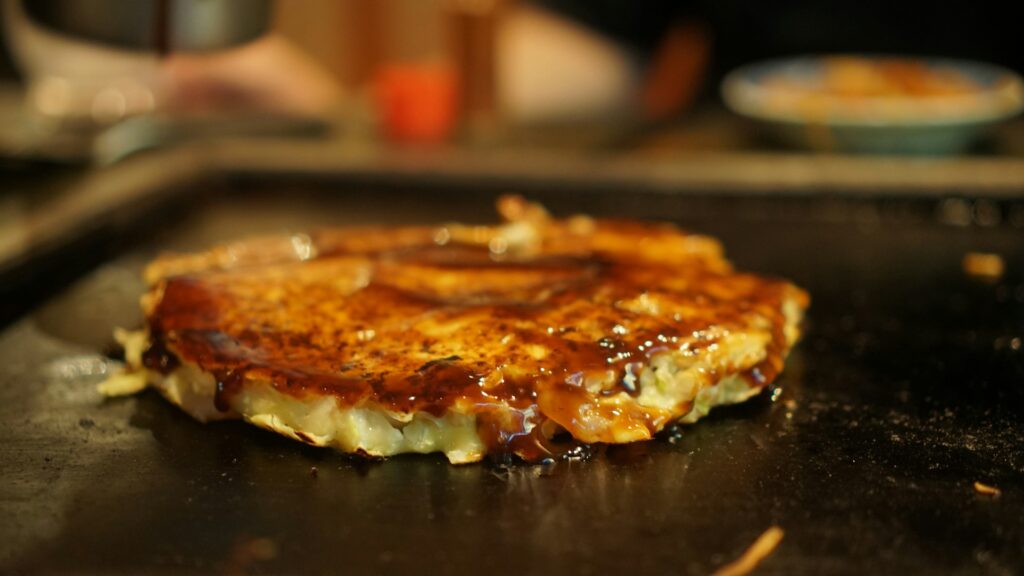
Osaka is known as Japan’s kitchen—a city where the local motto is kuidaore (eat until you drop). But for many travelers, one question comes up quickly: is an Osaka food tour actually worth the money, or should you just explore on your own?
For rough planning, many standard evening food tours in Osaka fall around $70 to $130 USD per person, while shorter tasting walks or premium small-group tours can fall below or above that range. Prices change by operator, date, inclusions, exchange rate, and booking platform, so always check the current tour page before deciding.
A DIY street-food crawl in Dotonbori can cost much less, especially if you stick to takoyaki, okonomiyaki, kushikatsu, and a drink or two. The real question is not only “How much food do I get?” It is whether a guide helps you access local izakayas, understand Japanese food culture, avoid ordering stress, and use your limited Osaka nights better.
Quick Answer: Is an Osaka Food Tour Worth the Cost?
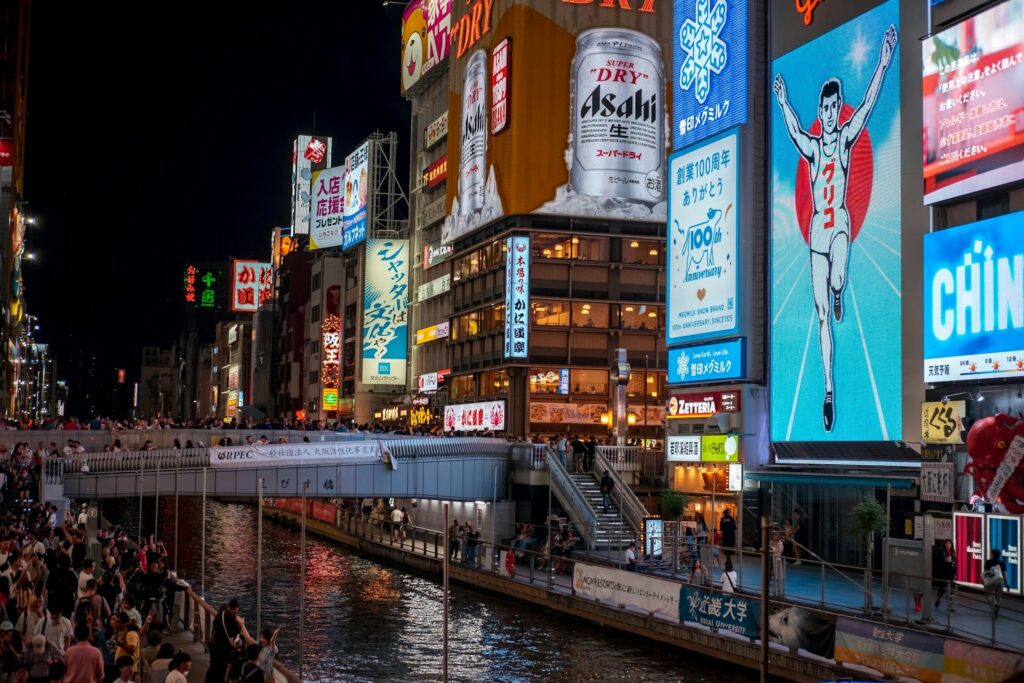
- Skip the tour and go DIY if: you mainly want to eat takoyaki, okonomiyaki, melon pan, and other easy street foods under the neon lights of Dotonbori. This area is tourist-friendly, full of photo spots, and often easy to enjoy without a guide.
- Book a tour if: you want to explore local food neighborhoods like Shinsekai, Ura-Namba, or Tenma, where tiny izakayas, standing bars, handwritten menus, table charges, and unspoken rules can feel intimidating for first-time visitors.
If cultural connection, hidden local spots, and stress-free ordering matter more than saving every dollar, a guided Osaka food tour can be well worth it—especially on your first night in the city.
If Shinsekai’s izakaya and standing-bar scene sounds like the part of Osaka you do not want to navigate alone, check the latest availability, inclusions, group size, and traveler reviews for this Shinsekai food tour before locking in your evening plans.
What to Expect on an Osaka Food Tour
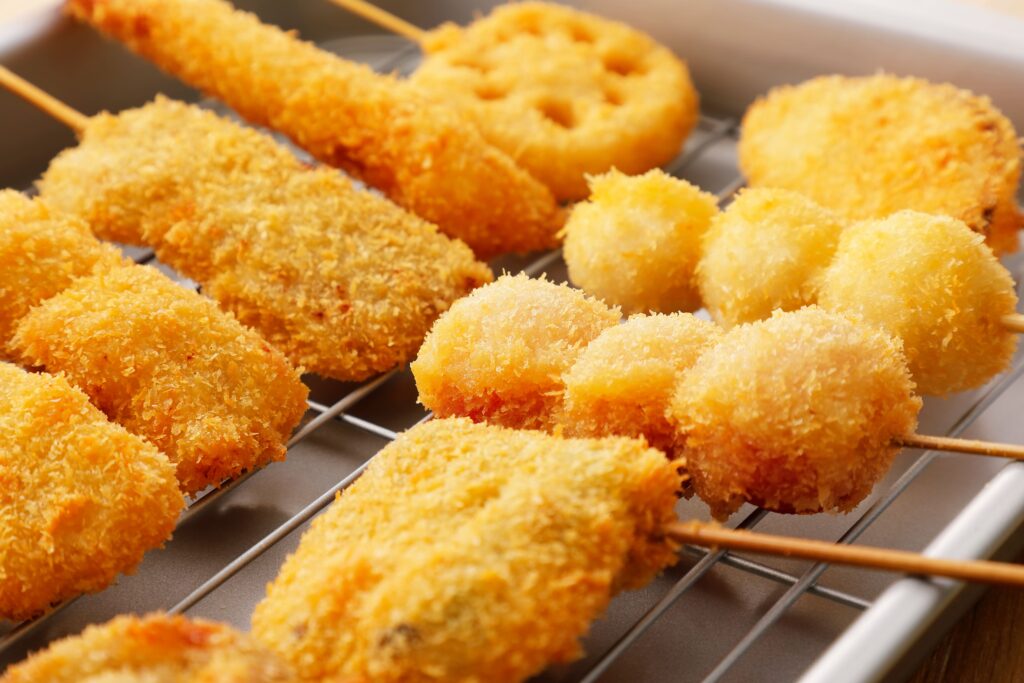
A food tour in Osaka is rarely just about eating as much as possible. A good tour works more like a cultural shortcut: it helps you understand what to order, how local dining customs work, and why certain Osaka dishes matter.
Average Cost and What Is Usually Included
As a rough guide, many evening Osaka food tours cost around $70 to $130 USD per person, though prices can change by season, platform, exchange rate, group size, and what is included. Some simple tasting walks may cost less, while premium or smaller-group tours may cost more.
A typical 3-hour food tour may include:
- An English-speaking local guide who translates menus, explains dishes, and helps with etiquette.
- Several food stops, often mixing street food, casual restaurants, and izakaya-style venues.
- Enough food to replace dinner, depending on the tour format and your appetite.
- One or more drinks, usually alcoholic or non-alcoholic, with extra drinks at your own expense.
- Pre-arranged stops that can reduce the stress of finding seats in small local venues.
The reality check: If you calculate only the raw cost of the food, a DIY night will usually be cheaper. The extra value of a tour comes from the guide’s local knowledge, translation help, smoother ordering, cultural context, and access to places you might skip on your own.
How to Compare Osaka Food Tours Before Booking
Instead of choosing only by price or star rating, compare what the tour actually gives you. Review counts, ratings, prices, routes, and food inclusions change often, so treat booking platforms as current snapshots rather than permanent facts.
| What to Check | Why It Matters |
|---|---|
| Neighborhood | Shinsekai, Ura-Namba, and Tenma usually benefit more from a guide than Dotonbori. |
| Food and drink inclusions | Some tours include a full dinner-style amount of food, while others are lighter tasting walks. |
| Group size | Smaller groups usually work better in tiny izakayas and standing bars. |
| Dietary policy | Vegetarian, vegan, gluten-free, and allergy requests are not always possible on standard group tours. |
| Recent reviews | Recent traveler feedback tells you more than old review totals, especially for food quality and guide performance. |
| Cancellation terms | Useful if your Osaka dates, weather, or travel plans might shift. |
How to Read Osaka Food Tour Reviews
When checking reviews, do not focus only on the overall score. Review totals and star ratings can change, and older reviews may not reflect the current guide, route, portion sizes, or restaurant lineup.
| Review Detail | What It Tells You |
|---|---|
| Guide quality | Look for comments about storytelling, translation help, food explanations, and how well the guide handled the group. |
| Portion size | Check whether travelers felt the food replaced dinner or was closer to a light tasting walk. |
| Number and type of stops | A mix of izakayas, standing bars, and local restaurants usually gives more value than repeated tourist snacks. |
| Group size | Recent complaints about large groups matter because small Osaka venues can feel cramped. |
| Local vs touristy feel | Reviews that mention places travelers would not have entered alone are a good sign for izakaya-style tours. |
| Dietary handling | If you have restrictions, look for recent reviews from travelers with similar needs, then confirm directly with the operator. |
Positive reviews are most useful when they mention specific strengths, such as a guide explaining izakaya etiquette, helping travelers order confidently, or choosing places the reviewer would not have entered alone. Be more cautious if recent reviews mention rushed pacing, unclear inclusions, repeated menu items, or too many people for small venues.
Why Group Size Matters
Many local Osaka izakayas and standing bars are small. A large group can feel awkward, especially in narrow alleys or compact counter-style restaurants. For a more personal experience, look for tours that clearly state a small-group format and a maximum participant number.
A smaller group usually means more time with the guide, easier conversation, and a better chance of fitting naturally into local venues.
Neighborhood Matters: Where Your Tour Goes Changes Everything
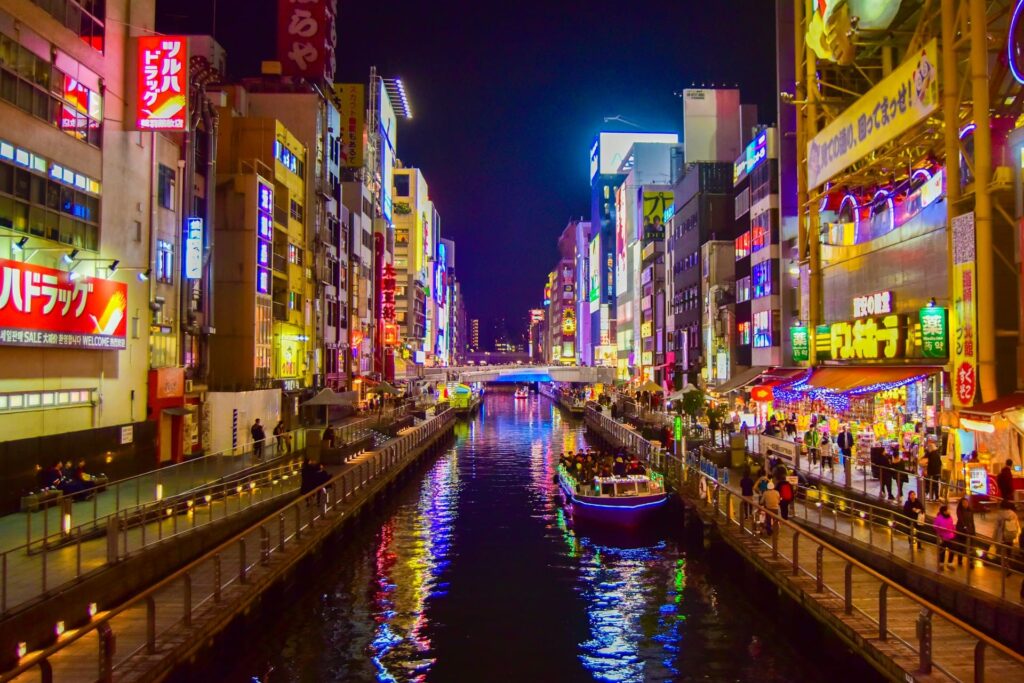
Not all Osaka food tours offer the same value. The neighborhood is one of the biggest factors in whether you actually need a guide.
Dotonbori: Tourist-Friendly and Easy for DIY
Dotonbori, centered around the famous Glico Running Man sign, is bright, loud, crowded, and fun. It is also one of the easiest places in Osaka to eat without help. Many restaurants and stalls are used to international visitors, and you will often find picture menus, English menus, or simple point-and-order options.
You do not need a guide to eat well in Dotonbori. If your main goal is to walk around, take photos, and snack on classic Osaka street food, DIY is usually the better value.
For a casual DIY evening, a few snacks and a drink can be much cheaper than a guided tour. A rough self-guided food budget of around $20 to $40 USD can be realistic for many travelers, depending on appetite, drinks, exchange rate, and how many sit-down stops you add.
Shinsekai and Ura-Namba: Local Atmosphere, Higher Intimidation
Shinsekai, the retro district beneath Tsutenkaku Tower, and Ura-Namba, the alley-filled area behind Namba Station, offer a deeper local food experience. These neighborhoods are packed with casual izakayas, kushikatsu shops, standing bars, and small restaurants where the atmosphere can be much more local than Dotonbori.
The food is often excellent, but the intimidation factor is higher. Menus may be handwritten in Japanese, seating rules may not be obvious, and some places are easier to enter with someone who knows the local rhythm. This is where a guide can earn their fee.
Tenma and Tenjinbashi-suji: Izakaya Hopping for Confident Eaters
Tenma and the Tenjinbashi-suji shopping street area are excellent for travelers who want a more local side of Osaka nightlife. The area has narrow lanes, casual counters, standing bars, and small restaurants that feel less staged for tourists than Dotonbori.
That local feel is exactly what makes Tenma rewarding—but also harder to navigate. If you do not speak Japanese, a guided tour or a very well-researched plan can make the evening smoother.
DIY vs Guided Tour: The Reality of Osaka Izakaya Hopping
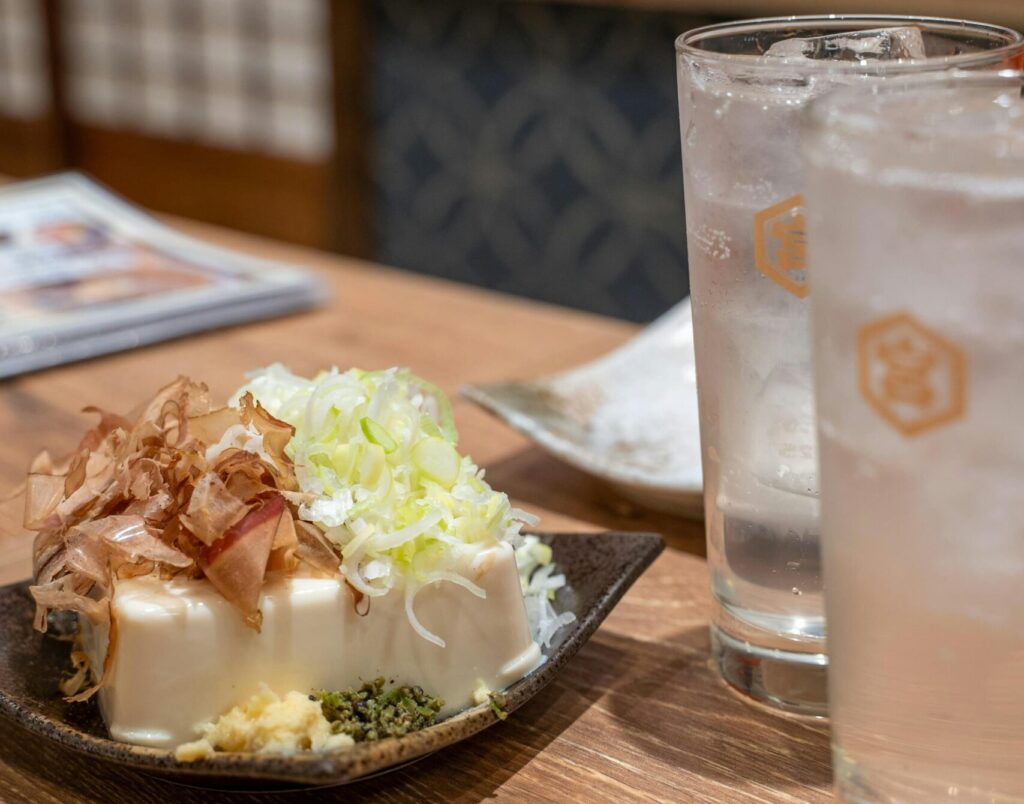
Here is the clearest way to think about the choice: DIY is cheaper and more flexible, while a guided tour is easier, more social, and usually better for local izakaya culture.
| Feature | DIY Self-Guided Evening | Guided Osaka Food Tour |
|---|---|---|
| Total Cost | Usually cheaper, especially in Dotonbori street-food areas | Higher upfront cost, but usually includes guide, food, and some drinks |
| Ease of Ordering | Easy in tourist hubs; harder in local izakaya areas | Guide helps translate, order, and explain dishes |
| Local Interaction | Limited unless you speak Japanese | Higher, especially when the guide connects you with staff or owners |
| Hidden Costs | You need to understand table charges, cover fees, and drink expectations | Most included items are explained in advance, but always check the booking page |
| Menu Access | English menus in tourist areas; Japanese-only menus in local areas | Guide can read, translate, and recommend |
| Time Efficiency | You may spend time searching, waiting, or deciding where to go | Pre-arranged route can make the night smoother |
| Best For | Budget travelers, independent explorers, Dotonbori-first visitors | First-timers, solo travelers, foodies, and culture-focused travelers |
The Hidden Challenges of a DIY Izakaya Night
If you decide to go beyond Dotonbori and explore the back alleys of Shinsekai, Tenma, or Ura-Namba on your own, be ready for a few cultural hurdles.
- Otoshi or table charges: Many izakayas serve a small appetizer and add a seating or table charge, often around 300 to 500 yen per person. It is a common custom in Japan, but the amount can vary by venue.
- One-drink expectations: At many pubs and izakayas, each person is generally expected to order at least one drink, alcoholic or non-alcoholic.
- Handwritten menus: Daily specials may be written on paper strips or wall menus. Translation apps can help, but handwritten Japanese is not always easy to scan accurately.
- Standing-bar etiquette: At a tachinomi standing bar, space is tight. Knowing where to stand, when to order, and how long to stay can require reading the room.
- Smoking rules: Some small or older venues may still allow smoking under legal exceptions or designated arrangements. If smoke is a concern, check the tour details or ask the operator in advance.
- Payment style: Major tourist restaurants often accept cards, but smaller local spots may not. Carry some cash as a backup.
The True Value of a Local Osaka Food Tour Guide
A good guide does more than walk you from restaurant to restaurant. They act as a cultural mediator.
They can explain what each dish is, help you avoid ordering mistakes, introduce local dining etiquette, and make tiny venues feel less intimidating. Instead of spending your evening searching for a place with English support and available seats, you follow a planned route with someone who understands the area.
This matters most in local izakaya neighborhoods. A tour can make it easier to try dishes you might otherwise skip, such as different styles of kushikatsu, seasonal seafood, yakitori cuts, or small side dishes that rarely appear on tourist menus.
For deep-local izakaya hopping, review the guided tour details carefully, including the route, included dishes, drinks, group size, dietary notes, and recent traveler feedback, so you know whether it fits your expectations.
Who Should Book an Osaka Food Tour?
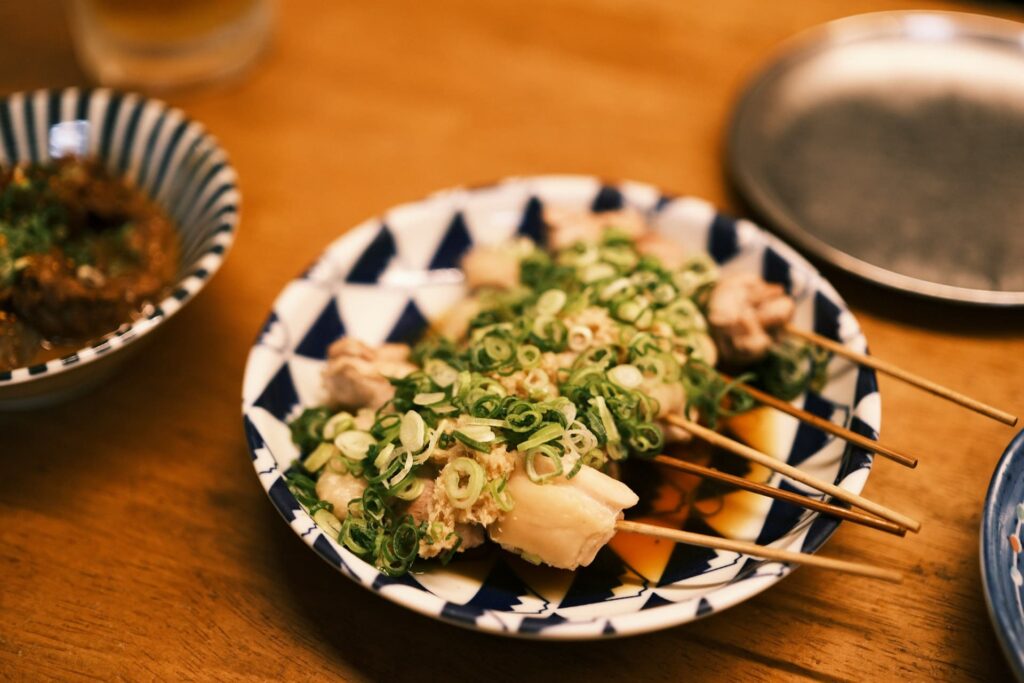
Book a guided Osaka food tour if:
- You have limited time in Osaka. If you only have one or two nights, a tour can reduce research time and lower the risk of wasting your evening on random choices.
- You want to explore Shinsekai, Tenma, or Ura-Namba. These areas are rewarding but harder to navigate without Japanese.
- You are traveling solo or as a couple. A small-group tour can turn dinner into a more social evening.
- You feel nervous about Japanese dining etiquette. A guide can explain table charges, ordering customs, and how to eat certain dishes.
- You care about context, not just calories. The best tours explain Osaka’s food culture, neighborhood history, and local habits.
Skip the tour and go DIY if:
- You are on a strict budget. Dotonbori street food is usually much cheaper than a guided tour.
- You mainly want famous Osaka snacks. Takoyaki, okonomiyaki, kushikatsu, and grilled seafood are easy to find in tourist-friendly areas.
- You have strict dietary restrictions. Many standard group tours may not fully accommodate vegetarian, vegan, gluten-free, or allergy-sensitive diets.
- You want total flexibility. DIY is better if you prefer eating very early, very late, or at your own pace.
Tip: If your travel dates fall during busy periods such as cherry blossom season, autumn foliage season, long weekends, or year-end holidays, small-group food tours can sell out earlier, especially on weekends and popular evening time slots.
If your travel dates are already set, check this Shinsekai night food tour on Klook for current dates, prices, inclusions, group size, and recent reviews as an alternative option.
Frequently Asked Questions
Are Osaka food tours suitable for vegetarians or vegans?
Sometimes, but you should not assume they are. Osaka’s food culture uses a lot of pork, beef, seafood, and dashi, a fish-based broth commonly used in Japanese cooking. Takoyaki, okonomiyaki, kushikatsu sauces, and soup bases may contain animal products even when they do not look meat-heavy.
Do not assume a standard group tour can handle vegetarian, vegan, gluten-free, or allergy-sensitive diets. Some operators can adapt, but you should message the operator before booking and get written confirmation. A specialized private or vegan-focused tour may be safer than a standard group food tour.
Can I bring kids on an Osaka izakaya tour?
It depends on the tour. Some food tours allow children, while others set age limits or are unsuitable for younger travelers because they visit bars, drinking-focused venues, late-night areas, or tight counter-style restaurants.
Even when children are allowed, Japan’s legal drinking age is 20, and evening izakaya venues may feel crowded, smoky, noisy, or adult-oriented. For families, a daytime street-food walk in Dotonbori, Kuromon Market, or another casual food area may be easier. Always check the exact age policy on the booking page before reserving.
How far in advance should I book an Osaka food tour?
During busy travel periods, small-group food tours can sell out earlier, especially on weekends and popular evening time slots. It is smart to check availability once your Osaka dates are fixed.
During quieter periods, you may find options closer to your travel date, but the best-reviewed small-group tours are still worth checking early.
What is the typical group size for an Osaka food tour?
Group size varies by operator. For izakaya hopping, smaller groups usually work better because many local venues are compact. Before booking, check the maximum number of participants and whether the tour is described as small-group, private, or standard group.
Can I order extra food or drinks during the tour?
Usually, yes, but it depends on the venue and tour format. Most tours include a set amount of food and drinks, while extra items are at your own expense. Bring some cash as a backup, because smaller local spots may not always handle payment the way larger tourist restaurants do.
Is it cheaper to just do a DIY food tour in Dotonbori?
Yes. If your only goal is to eat popular Osaka street food and you do not mind crowds, DIY in Dotonbori is usually much cheaper than a guided tour. You can eat well, take photos, and enjoy the atmosphere without paying for a guide.
However, Dotonbori street-food hopping and a local izakaya tour are not really the same experience. DIY is best for snacks and flexibility; a guided tour is better for cultural context, local venues, and stress-free ordering.
Final Verdict: Which Option Is Right for You?
Choose a guided food tour if:
- You have only one or two nights in Osaka and want a well-organized food evening.
- You want to eat in Shinsekai, Tenma, or Ura-Namba without worrying about Japanese menus.
- You are a foodie who wants context, not just a checklist of famous snacks.
- You are traveling solo and want a social dinner experience.
- You feel nervous about table charges, ordering etiquette, or entering small local venues.
Choose DIY if:
- You are on a tight budget and street food is enough for you.
- You are staying near Dotonbori and plan to eat there anyway.
- You have strict dietary restrictions that a group tour may not handle well.
- You prefer total control over timing, pace, and spending.
For first-time visitors to Japan: a guided tour can be worth it if you want to understand local dining culture quickly and avoid the awkwardness of figuring everything out alone.
For budget travelers: go DIY in Dotonbori. You will still eat well, and the area is built for easy self-guided food hopping.
For repeat visitors or confident travelers: consider doing both. Take a tour on your first night to learn the local rhythm, then try your own izakaya crawl later with more confidence.
If you are leaning toward a tour, compare the route, included food, drinks, group size, dietary notes, and recent traveler reviews before booking. The best Osaka food tour for you is not always the cheapest one—it is the one that matches the neighborhood, pace, and level of local help you actually want.
Prices, opening hours, tour routes, food and drink inclusions, group sizes, age rules, smoking policies, dietary accommodations, cancellation terms, and traveler reviews can change. Always check the latest official information and your selected booking page before finalizing your Osaka food plans.

Hi, I’m Kai. I’m a Tokyo-based travel writer, tourism industry insider, and the author of a published guidebook for international visitors to Japan. With over 10 years of professional experience at a leading Japanese tourism company, my mission is to help you skip the tourist traps and navigate Japan’s best destinations like a local. I believe the perfect day trip is like a traditional kaiseki meal: a beautiful balance of precise planning and unforgettable seasonal discovery. When I’m not out conducting field research, you’ll usually find me drafting new itineraries with one of my favorite fountain pens!