
Osaka is known as Japan’s kitchen, but the food culture does not stop when the sun goes down. If you are planning a night out in Namba and wondering where to go, how Japanese izakayas work, and how to stay safe while bar hopping, this guide will help you choose the right area and avoid common first-timer mistakes.
Osaka has major nightlife areas on both the Kita side around Umeda and the Minami side around Namba. This guide focuses on Namba and Minami, where Ura-Namba, Hozenji Yokocho, Dotonbori, and Amemura can be combined without relying on train transfers during the evening.
Quick answer: Head to Ura-Namba for casual standing bars and local energy, Hozenji Yokocho for quieter traditional bars, and Amemura if you want late-night bars and clubs. Expect a small izakaya cover charge called otoshi, carry cash as a backup, ignore street touts, and check your last train before you start drinking.
This guide was fact-checked in September 2026, but nightlife venues, tour inclusions, train schedules, prices, and local rules can change.
If navigating Namba on your first night sounds overwhelming, a guided bar-hopping tour can be a useful starting point. You can check current availability, start times, reviews, inclusions, and age rules for this Namba izakaya night tour before deciding whether to explore on your own.
At a Glance: What to Expect from Osaka Nightlife
- For a first night, Minami is easy to keep compact: Namba, Dotonbori, Shinsaibashi, Ura-Namba, and Amemura are all close enough to combine in one evening.
- Pick your area by mood: Ura-Namba is casual and lively, Hozenji Yokocho is calmer and more traditional, and Amemura is better for late-night bars and clubs.
- Izakayas often charge otoshi: This small appetizer or seating charge is usually added automatically. It is normal Japanese izakaya culture, not a tourist scam.
- Cash helps: Larger venues often accept cards, but smaller standing bars and local izakayas may be cash-only.
- Do not follow street touts: In nightlife areas, avoid anyone aggressively pulling you into bars, clubs, cabarets, or adult entertainment venues.
- Check the last train: Last trains from Namba vary by line, direction, day, and destination. Some leave before midnight, while others leave shortly after midnight.
Best Nightlife Areas Around Namba: Where Should You Go?
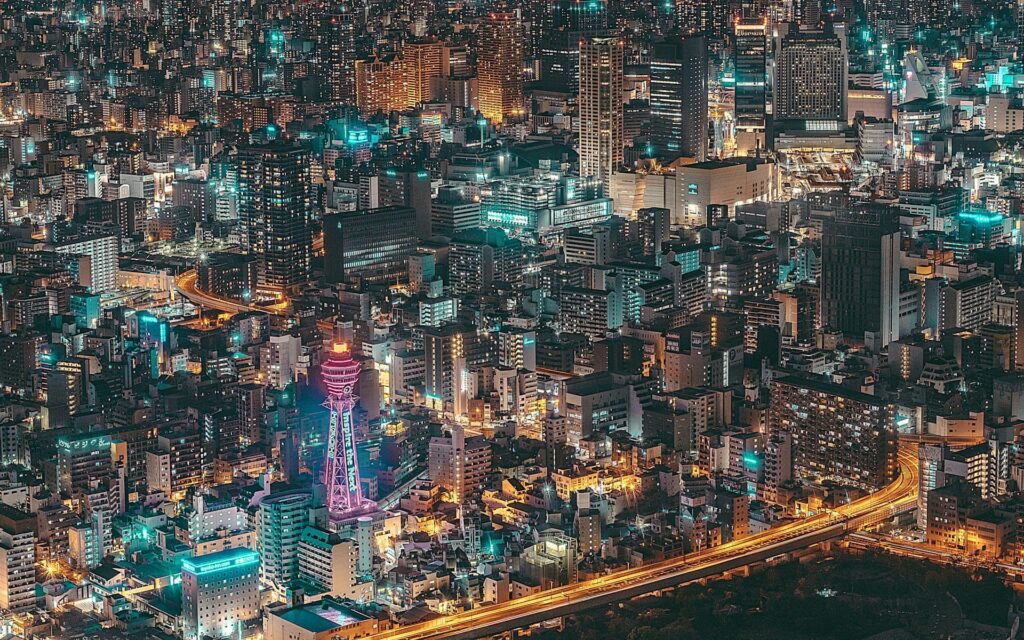
Osaka’s Minami district is a dense grid of shopping arcades, canals, restaurants, and back alleys. The atmosphere changes quickly from street to street, so choosing the right area is the most important step for a good night out.
| Area | The Vibe | Best For | Typical Budget Feel | General Access |
|---|---|---|---|---|
| Ura-Namba | Lively, casual, local | Budget travelers, solo travelers, bar-hoppers | Lower to moderate | East and southeast of Nankai Namba Station, around Sennichimae |
| Hozenji Yokocho | Quiet, historic, traditional | Couples, older travelers, relaxed drinks | Moderate to higher | A short walk from Dotonbori and Namba Station |
| Amemura & Dotonbori | Energetic, neon, loud | Groups, clubbers, late-night partygoers | Moderate | Between Dotonbori, Shinsaibashi, and America-mura |
Ura-Namba: Best for Local Izakayas and Tachinomi
If you want the casual, energetic side of Osaka’s drinking culture, start in Ura-Namba. The area sits around the backstreets east and southeast of Namba Station, with many small eateries, yakitori shops, kushikatsu spots, seafood izakayas, and tachinomi, which are Japanese standing bars.
Official Osaka tourism information describes Ura-Namba as a popular bar-hopping area with more than 100 restaurants and many standing bars, especially around Sennichimae and the backstreets near Namba. That makes it one of the easiest places in Osaka to try several casual spots in one evening.
Because tachinomi bars have limited space and quick turnover, the mood is usually relaxed and social. You order a drink, choose a few small dishes, stay for a short while, then move to the next place. This makes Ura-Namba one of the best areas for casual DIY bar hopping.
Hozenji Yokocho: Best for Quiet, Traditional Bars
Just a few minutes from the bright signs of Dotonbori, Hozenji Yokocho feels much calmer. Its narrow stone-paved lanes, traditional restaurants, and small bars make it a good choice when you want a slower, more atmospheric night.
Official Osaka tourism information describes Hozenji Yokocho as a small alley behind Hozenji Temple with about 60 bars, izakayas, and restaurants. It is still very central, but the mood is more traditional than the main Dotonbori streets.
This area is better for a seated drink, a quiet conversation, or a more polished meal than for fast, cheap bar hopping. Prices and cover charges can be higher than in Ura-Namba, but the setting is more romantic and relaxed.
Amemura and Dotonbori: Best for Neon Lights and Late-Night Energy
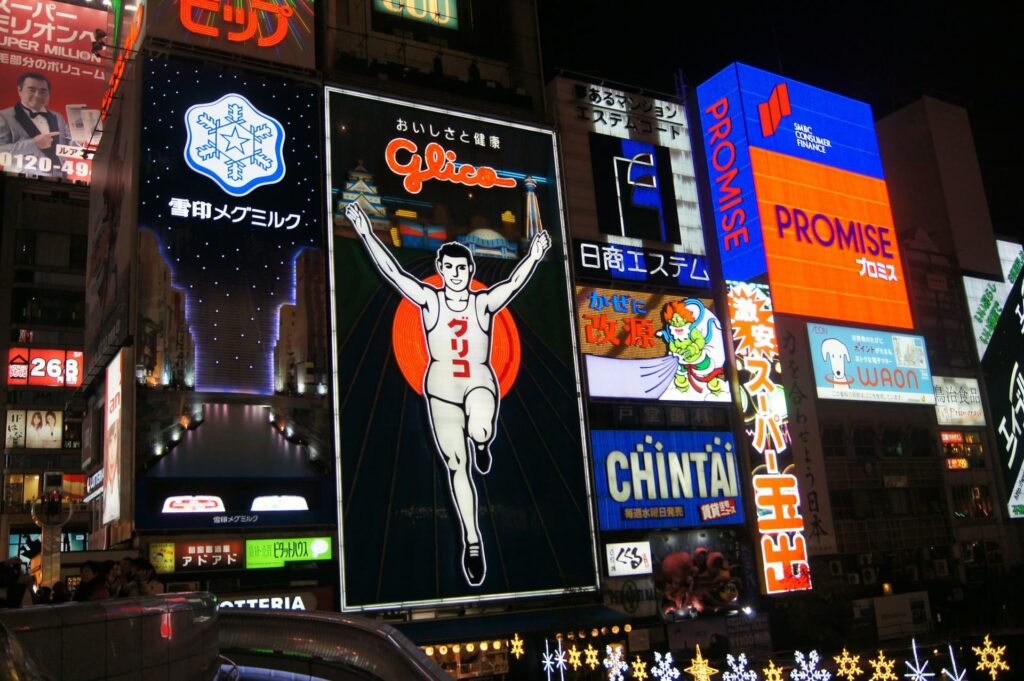
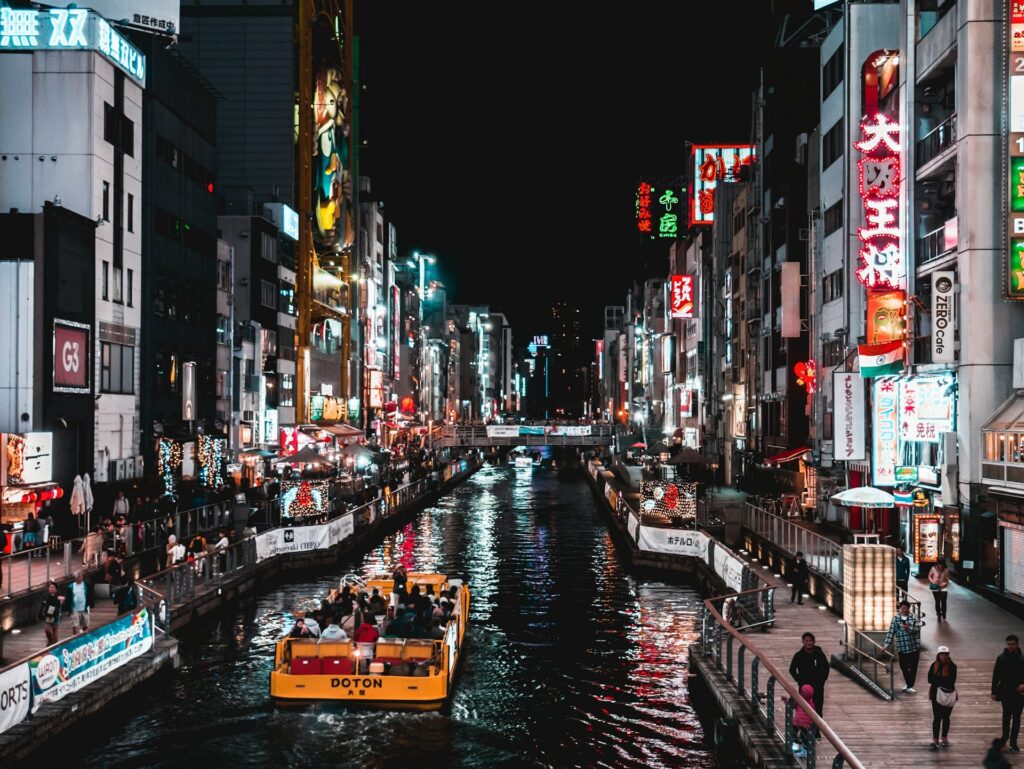
Dotonbori is the classic neon-lit Osaka scene, with the Glico Running Man sign, giant restaurant displays, canalside crowds, and plenty of places to eat. It is excellent for photos and a first walk through Osaka at night.
For a later, younger, and louder atmosphere, head north toward Amemura, also called America-mura. This area has more DJ bars, music venues, and clubs. If you plan to enter a club, check its current age, ID, and dress-code rules before going and bring an accepted photo ID.
How to Navigate Japanese Izakayas Like a Pro
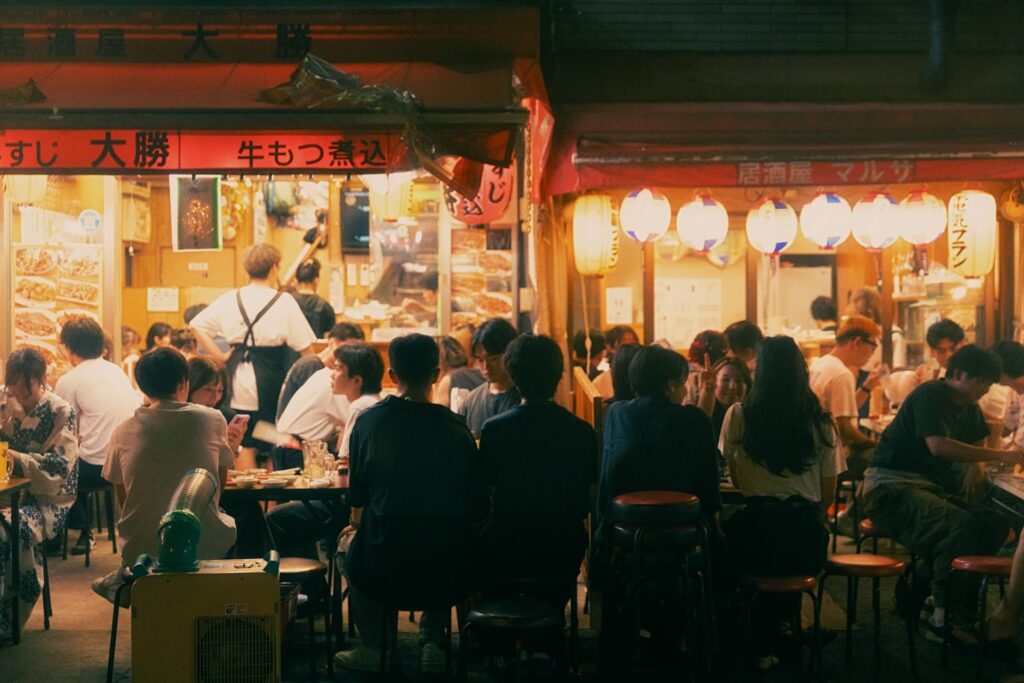
For many travelers, stepping into a local izakaya is one of the best parts of an Osaka trip. Izakayas are casual drinking restaurants where people order drinks and small plates to share. They are fun, but a few customs can surprise first-time visitors.
Understanding Otoshi, the Table Charge
When you sit down at many izakayas, the server may bring a small dish that you did not order. This is called otoshi. It works like a small seating charge and appetizer.
The amount and format vary by venue, and some restaurants may also list a separate table or seating charge. Otoshi is standard practice at many izakayas rather than a tourist scam, but you can check the menu or ask staff if you are unsure.
Ordering Drinks and Food at Izakayas
Food is usually ordered as shared small plates rather than one main dish per person. Some bars and tours may have their own minimum-order or drink rules, so check the venue or booking page instead of assuming a one-drink minimum everywhere.
- Carry cash: Cards are becoming more common, but small local bars may still prefer or require cash.
- Do not tip: Tipping is not expected in Japan, and staff may think you accidentally left money behind.
- Use simple Japanese: Pointing at the menu and saying kore kudasai (“this, please”) works well.
- Check smoking rules: Osaka restaurants are generally subject to indoor smoking restrictions, but qualifying older small venues can still have smoking areas or permit smoking under transitional rules. Check the entrance signage if smoke matters to you.
- Order at your pace: Izakayas are social places, but you do not need to match the drinking speed of people around you.
Essential Safety Tips for Bar Hopping in Osaka
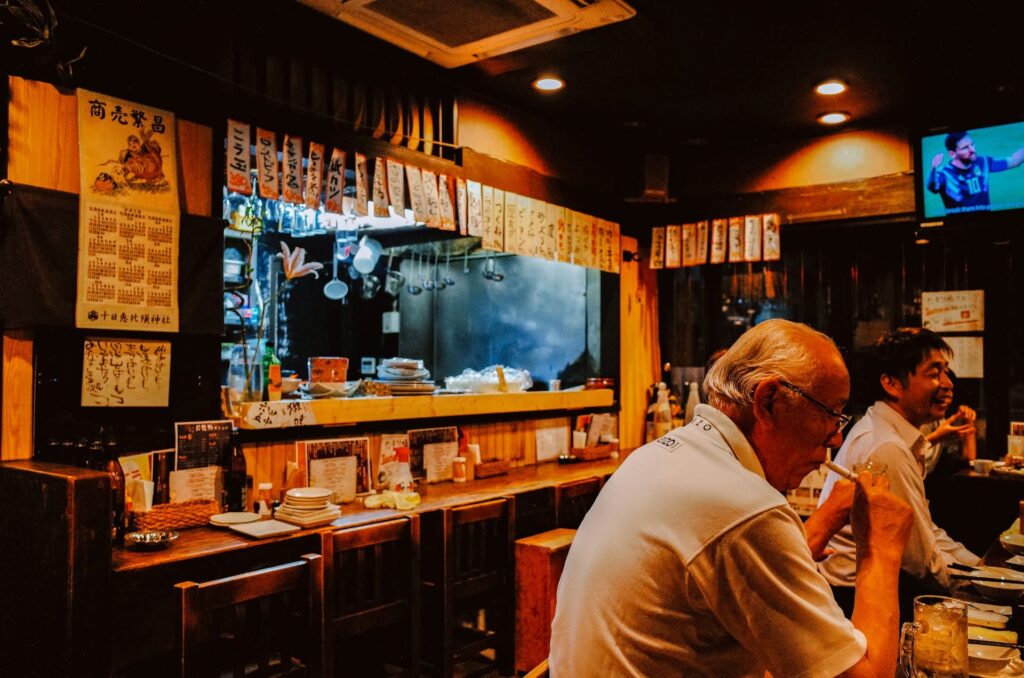
Osaka is generally a comfortable city for travelers at night, especially in busy central areas. Still, nightlife districts require common sense. The biggest risks are usually not violent crime, but overcharging, hidden fees, drinking too much, losing belongings, or missing your way home.
Avoid Street Touts
If someone on the street aggressively tries to bring you into a bar, club, cabaret, or adult entertainment venue, do not follow them. This is especially important around entertainment streets near Dotonbori and Soemoncho.
Choose the venue yourself rather than following a tout. Osaka City actively regulates street touting in parts of Minami, including Dotonbori and Namba, and enforcement continued in 2026. If someone approaches you, keep walking and use a venue you selected yourself.
Check the Last Train Before Drinking
Osaka’s trains and subways do not run all night. Last trains from Namba vary by line, direction, day, and destination. Some final trains leave before midnight, while others leave shortly after midnight.
Even on the Midosuji Line, the last useful train depends on your destination because late services may terminate before the end of the line. Before your first drink, check the exact final train that reaches your hotel area using the official railway timetable or your preferred route app.
This is especially important if you are staying outside Namba, Umeda, Shinsaibashi, or another central area.
If you miss the last train, you usually have three options:
- Take a taxi: Taxis are safe and reliable, but late-night or early-morning surcharges may apply.
- Stay nearby until the first train: Karaoke rooms, internet cafes, and late-night restaurants may be options, depending on the area.
- Stay within walking distance: If nightlife is a major part of your Osaka plan, booking a hotel near Namba can make the night much easier.
DIY Bar Hopping vs Guided Tour: Which Is Better?
The biggest question for first-time visitors is whether to explore Namba nightlife alone or join a guided izakaya tour. Both options can work well, but they suit different travelers.
| Factor | DIY Bar Hopping | Guided Izakaya Tour |
|---|---|---|
| Freedom | You choose when to start, where to go, and how long to stay. | The route and schedule are fixed by the operator. |
| Cost | Often cheaper if you drink lightly and keep food simple. | Usually costs more upfront, but food and drinks may be included depending on the tour. |
| Language Barrier | You may need to use a translation app, picture menus, or simple Japanese. | An English-speaking guide can help with ordering and explanations. |
| Local Insight | You might find great places, but you may also choose at random. | The guide usually takes you to selected local spots. |
| Hidden Fees Risk | Low if you avoid touts and check menus before entering. | Lower, because the route and inclusions are usually explained in advance. |
If you are comparing guided options, focus less on the headline price and more on what is included: number of stops, food, drinks, start time, group size, cancellation policy, dietary support, age rules, and meeting point.
- Namba izakaya night tour: A good fit if you want an English-guided introduction to local bars around Namba and Ura-Namba. Check current availability, reviews, start times, inclusions, and age rules on GetYourGuide.
- Dotonbori and Ura-Namba izakaya crawl: A useful comparison option if you want to see a route focused on the Dotonbori, Sennichimae, and Ura-Namba area. Compare the current route, price, language options, meeting point, reviews, and availability on Klook.
Sample 3-Hour DIY Namba Bar-Hopping Route
If you decide to go DIY, keep your first night simple. The route below stays within a compact walking area and avoids relying on fixed train transfers during the evening.
| Approx. Time | Stop | What to Do | Budget Guide |
|---|---|---|---|
| 6:00 PM | Start at Osaka Yakiton Center in Ura-Namba | Use this as a concrete first stop for the standing-bar experience: order a drink and a few pork skewers, then move on rather than settling in for a full dinner. The first-floor standing area does not take reservations. The current listing marks the venue as smoking throughout and says guests under 20 cannot enter; if that or a full house makes it unsuitable, switch immediately to nearby Tachinomi “Sai,” which is non-smoking and does not take reservations. | Lower to moderate |
| 7:00 PM | Optional second Ura-Namba stop | If you started at Osaka Yakiton Center and want another drink, move to Tachinomi “Sai” for sake. If you already used Sai as your 6:00 PM fallback, skip this stop and head toward Hozenji Yokocho early rather than doubling back. | Lower to moderate |
| 8:00 PM | Walk toward Hozenji Yokocho | Switch from standing bars to a quieter lane. Choose a seated drink or simply walk the stone-paved alley if you have already had enough food and alcohol. | Moderate to higher |
| 9:00 PM | Finish in Dotonbori | Take photos, grab a snack if you are still hungry, then either end the night near Namba or continue toward Amemura if you specifically want later bars or clubs. | Flexible |
Do not treat this as a fixed-price itinerary. Your total depends on what you order, how many venues you enter, and whether a venue adds otoshi or another table charge. Check current menus before you go if you are trying to keep the night under a set budget.
Who Should Book a Guided Tour?
A guided tour is not necessary for everyone, but it can be worth it if the language barrier or decision fatigue would stop you from enjoying the night.
- Book a guided tour if: This is your first time in Japan, you are traveling solo and want company, you feel nervous entering small bars alone, or you want someone else to handle ordering.
- Go DIY if: You have visited Japan before, enjoy spontaneous wandering, want to control your budget, or prefer staying longer at places you like.
- For solo travelers: Ura-Namba can be solo-friendly because standing bars naturally encourage short interactions. A group tour may still feel easier on your first night.
- For non-drinkers: Some izakayas have soft drinks, but bar-hopping tours are usually designed around drinking culture. Check each operator’s rules before booking.
- For families or teens: Namba nightlife is generally adult-oriented. Venue rules vary, and many bar tours are not suitable for guests under Japan’s legal drinking age.
- For dietary restrictions: Tours and izakayas vary widely in how well they can support vegetarian, vegan, gluten-free, halal, or allergy-related requests. Check before booking or entering.
Frequently Asked Questions
Is it safe to walk around Namba and Dotonbori at night?
Generally, yes. The main streets around Namba and Dotonbori are usually busy and well-lit at night. The biggest thing to avoid is following street touts into unknown bars, clubs, cabarets, or adult entertainment venues. Stay aware of your belongings, drink responsibly, and choose venues yourself.
Do I need to tip at bars and izakayas in Osaka?
No. Tipping is not expected in Japan. If you leave extra money on the table, staff may think you forgot your change.
Can I go bar hopping alone in Namba?
Yes. Many standing bars and casual izakayas in Ura-Namba are suitable for solo visitors. Choose busy, open-looking places, carry cash, and avoid any venue promoted by street touts.
Do bars in Osaka accept credit cards?
Some do, especially larger chains and higher-end venues, but smaller local bars may be cash-only. Carry cash as a backup if you plan to visit several small izakayas or standing bars.
What time do trains stop running in Osaka?
Last train times vary by line, direction, day, and destination, and some late services terminate partway along the line. Check the exact final train that reaches your hotel area before you start drinking.
Do I need to speak Japanese to enjoy Osaka nightlife?
Not necessarily. Picture menus, plastic food displays, translation apps, and simple phrases like kore kudasai can help a lot. Smaller local bars may have limited English, so patience and pointing go a long way.
Is there a dress code for izakayas or bars in Namba?
Most izakayas are casual. Jeans, sneakers, and simple travel clothes are usually fine. Some clubs or higher-end bars may have their own rules, so check before going if you plan a club night.
Can vegetarians or vegans enjoy Osaka bar hopping?
Vegetarians can usually find some options with planning, such as edamame, tofu, vegetable tempura, and grilled vegetables. Vegans and gluten-free travelers may find izakayas more difficult because broths, sauces, and seasonings often contain fish, meat, or wheat. Bring a dietary card in Japanese and check tour policies before booking.
Is Namba nightlife good for first-time visitors to Japan?
Yes, if you keep your plan simple. Start early, stay in busy areas, avoid touts, and choose one compact route instead of trying to visit every nightlife area in one night. Ura-Namba plus Hozenji Yokocho is a good first-night combination.
Final Verdict: Is Osaka Nightlife Worth It?
Yes. Osaka nightlife is one of the easiest and most enjoyable introductions to Japan’s casual drinking culture, especially around Namba. The area is compact, lively, and full of different moods within a short walk.
Choose DIY bar hopping if you like exploring spontaneously, want to control your spending, and feel comfortable entering small local places with limited English. Start with Ura-Namba and keep your route simple.
Book a guided tour if you want a structured evening, help with ordering, and a low-stress introduction to izakaya culture. This is especially useful for first-time visitors, solo travelers, and anyone who does not want to choose bars at random.
If you want a guided option as a backup, compare the latest details before booking:
- Check current availability, start times, inclusions, reviews, and age rules for a Namba izakaya night tour on GetYourGuide
- Compare the current route, price, language options, meeting point, reviews, and availability for a Dotonbori and Ura-Namba izakaya crawl on Klook
For more food-focused planning, you may also want to read our Dotonbori street food guide, Osaka food tour comparison, Osaka solo travel guide, and Osaka budget guide.
Prices, opening hours, transport schedules, cover charges, tour inclusions, age rules, dietary support, payment methods, smoking rules, and seasonal operations can change. Always check official sources and your selected booking page before finalizing your trip.

Hi, I’m Kai. I’m a Tokyo-based travel writer, tourism industry insider, and the author of a published guidebook for international visitors to Japan. With over 10 years of professional experience at a leading Japanese tourism company, my mission is to help you skip the tourist traps and navigate Japan’s best destinations like a local. I believe the perfect day trip is like a traditional kaiseki meal: a beautiful balance of precise planning and unforgettable seasonal discovery. When I’m not out conducting field research, you’ll usually find me drafting new itineraries with one of my favorite fountain pens!