
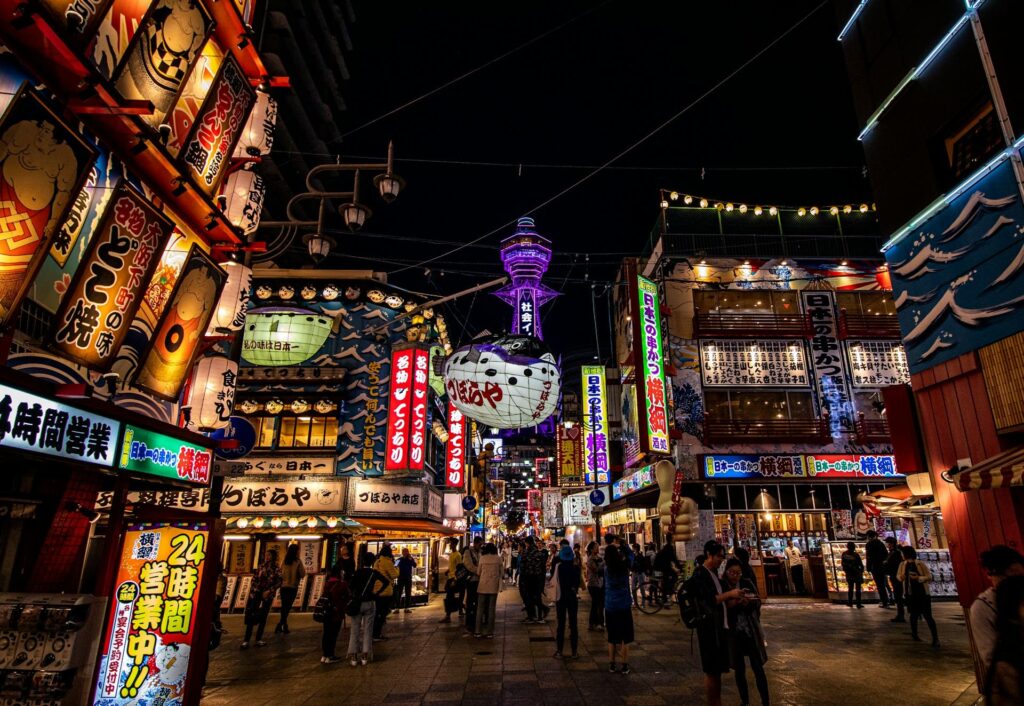
Planning an Osaka solo travel adventure but wondering if it is safe, whether eating alone feels awkward, or where to leave your luggage before check-in? You are not alone — and the short answer is that Osaka is one of the easiest cities in Japan for solo travelers.
Known as Japan’s Kitchen, Osaka combines street food, nightlife, friendly local energy, and practical transport. It feels lively without being as overwhelming as Tokyo, and it is especially comfortable if you want to eat, explore, and move around at your own pace.
- Safety: Yes. Osaka is generally very safe for solo travelers, including at night in major areas like Dotonbori, Namba, Umeda, and Shinsekai. Use normal city precautions, stay aware in nightlife districts, and ignore street touts.
- Dining alone: Not awkward at all. Japan has a strong counter-seat culture, so ramen shops, kushikatsu counters, sushi chains, standing bars, and some yakiniku restaurants are comfortable for solo diners.
- Logistics: Easy. Osaka has coin lockers, staffed luggage counters, app-based storage, IC cards, and useful sightseeing passes. The main challenge is choosing the right area to stay and not overloading your itinerary.
- Best base: Choose Namba for food and nightlife. Choose Umeda for day trips to Kyoto, Kobe, Himeji, or other Kansai cities.
If you want your first solo evening in Osaka to feel easier, a guided food tour through Dotonbori and Shinsekai can help you skip the restaurant guesswork and meet other travelers without forcing a group trip for your whole stay.
Is Osaka Safe for Solo Travel?
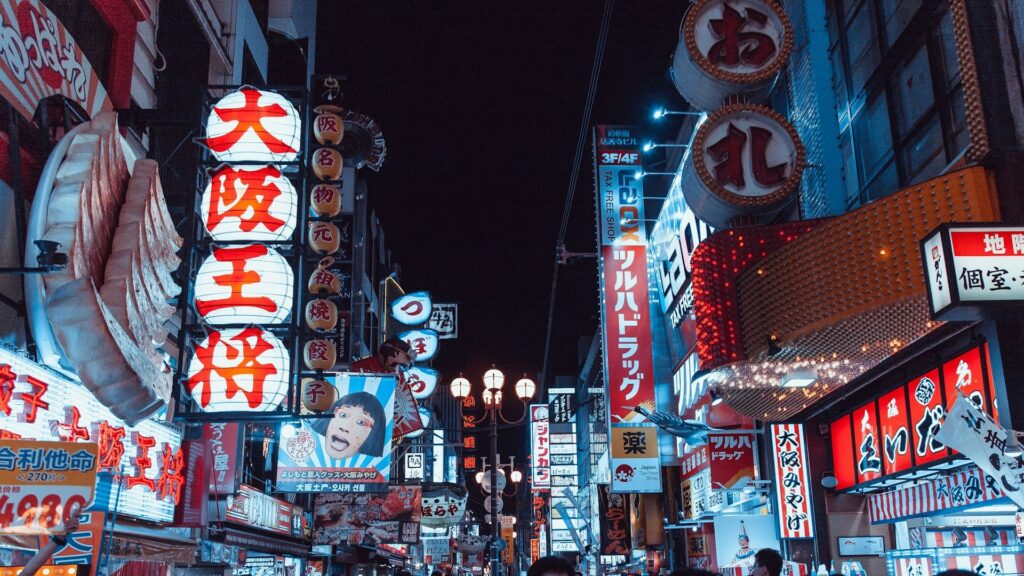
Yes, Osaka is generally a safe city for solo travelers. Serious trouble is unlikely if you stick to normal travel habits: keep your valuables close, avoid following strangers into bars or clubs, and choose accommodation in a convenient, well-reviewed area.
The safest way to think about Osaka is this: it is low-stress, but it is still a big city. You do not need to be afraid of walking around central areas at night, but you should still use the same common sense you would use in any nightlife district.
Nighttime Safety in Dotonbori, Namba, Umeda, and Shinsekai
Osaka’s popular nightlife areas — especially Dotonbori, Namba, Umeda, and Shinsekai — are usually busy, bright, and easy to explore in the evening. For many solo travelers, walking through Dotonbori at night is one of the highlights of the trip.
That said, nightlife districts still require normal big-city caution. Keep these safety tips in mind:
- Ignore street touts. In Minami, Namba, Shinsaibashi, and parts of Umeda, you may be approached by promoters trying to bring you into bars, clubs, or adult entertainment venues. Do not follow them.
- Stay on busier streets late at night. Main streets are usually comfortable, but narrow side alleys can feel less pleasant after midnight.
- Watch your belongings in cafés and restaurants. Pickpocketing is not common, but leaving a phone, wallet, or passport unattended is still a bad idea.
- Be careful with alcohol. If you are drinking alone, keep your drink with you, avoid overly aggressive bar invitations, and leave if a place feels wrong.
- Know your last train or use a taxi. If you stay out late in Namba or Umeda, check your route back to the hotel before the night gets too long.
Is Osaka Safe for Solo Female Travelers?
Osaka is a strong choice for solo female travelers. Central areas are well-connected, hotels are used to solo guests, and dining alone is normal. Many women travel around Osaka alone without issue.
For extra comfort on trains, Osaka Metro has women-only cars on the Midosuji Line and Tanimachi Line. As of June 4, 2026, public guidance lists women-only cars on weekdays all day on the Midosuji Line, and on weekdays from the first train until 9:00 a.m. on the Tanimachi Line. Check the platform markings and current Osaka Metro guidance before boarding, as operation details can change.
Standard precautions still matter: choose a hotel near a station, avoid poorly reviewed nightlife venues, and do not feel rude for walking away from anyone who makes you uncomfortable.
Best Time to Visit Osaka Solo
Osaka works well year-round, but the best season depends on your travel style.
- Spring: March to May
Great weather and cherry blossoms make spring beautiful, but late March to early April can be crowded and expensive. Book accommodation early if you are visiting during sakura season. - Summer: June to August
Summer is hot and humid, with occasional heavy rain. It is still manageable if you plan indoor breaks, museums, shopping streets, and evening food walks. - Autumn: October to November
This is arguably the easiest season for solo travel. The weather is comfortable, walking is pleasant, and autumn colors add interest to parks, temples, and day trips. - Winter: December to February
Winter is chilly but usually manageable. Crowds are thinner outside the New Year period, and the city is still excellent for food, shopping, and nightlife.
Solo travel tip: Avoid relying only on coin lockers during Golden Week, Obon, New Year holidays, or major event periods. Large lockers and cheap rooms can disappear quickly.
Eating Alone in Osaka: Why It Is Not Awkward
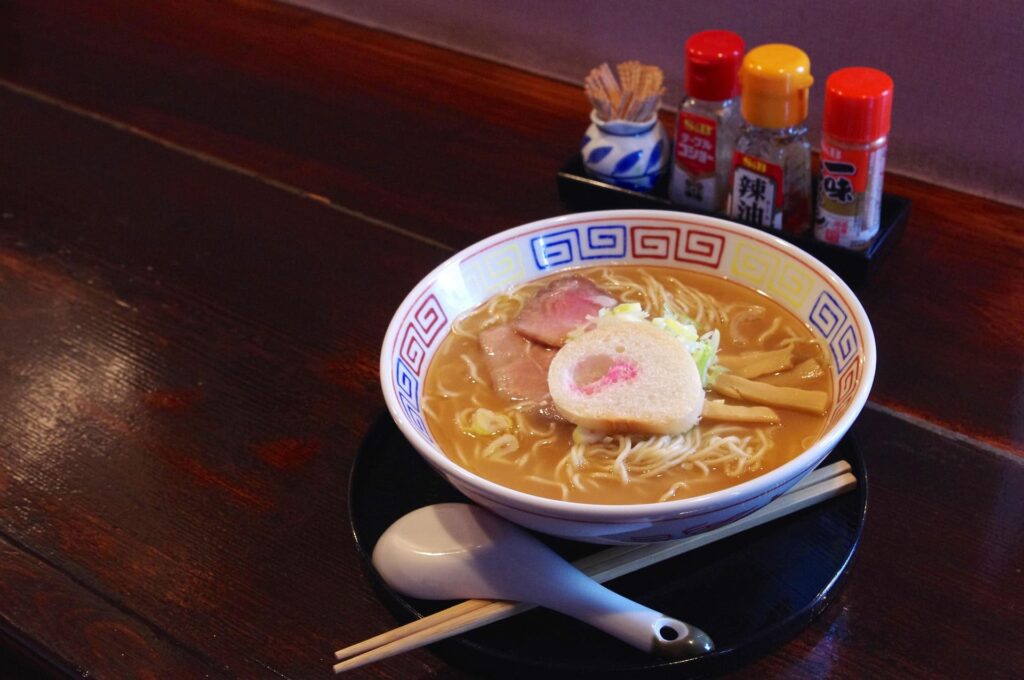
One of the biggest worries for first-time solo travelers is eating alone. In Osaka, this is one of the easiest parts of the trip.
Japan has a strong counter dining culture. Many restaurants are designed around solo guests sitting at a counter facing the kitchen. You order, eat, pay, and leave without needing to explain why you are alone. Nobody will think it is strange.
Best Solo-Friendly Foods in Osaka
- Ramen and udon: The classic solo meal. Many shops have ticket machines or simple menus, and counter seats are standard.
- Kushikatsu: Shinsekai is a great area for kushikatsu, Osaka’s deep-fried skewers. You can order a few pieces at a time, which makes it easy to control your budget and appetite.
- Okonomiyaki: Many okonomiyaki restaurants have counter seats around the hot plate. The chef cooks in front of you, so it feels like dinner and entertainment at the same time.
- Conveyor belt sushi: Kaitenzushi chains are very solo-friendly. You can order by tablet at many locations and eat at your own pace.
- Solo yakiniku: Some yakiniku chains have individual grills or small counter-style seats, making Japanese BBQ possible even without a group.
- Standing bars: Tachinomi-style bars in areas like Tenma and Ura-Namba are casual, affordable, and easy for solo travelers who want a drink and a few small dishes.
If you want a deeper food route, start with Dotonbori street food, then branch out to Shinsekai, Tenma, or Ura-Namba once you feel comfortable.
Because Osaka locals are known for being open and talkative, counter seats can also lead to casual conversations with staff or nearby diners. But there is no pressure. Eating quietly by yourself is completely normal too.
If choosing restaurants one by one feels overwhelming on your first night, a food tour can be a smart soft landing.
👉 Compare included foods, start times, and recent reviews for the Osaka food tour
Solo Traveler’s Guide to Luggage in Osaka
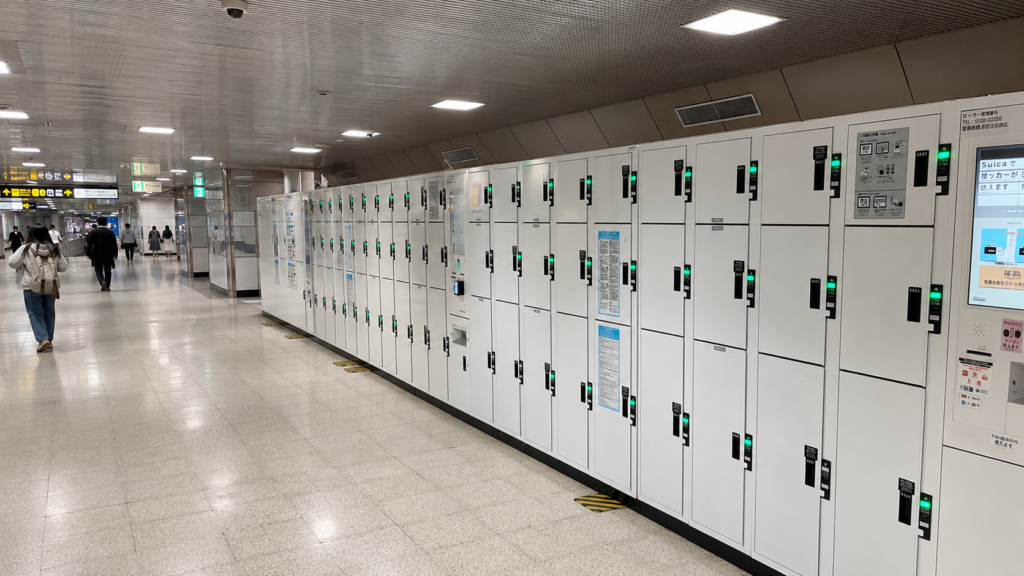
Luggage is one of the few parts of solo travel that genuinely feels harder alone. Nobody can watch your suitcase while you go to the restroom, and dragging a large bag through Osaka Station or Namba can drain your energy fast.
Fortunately, Osaka has several good storage options.
Coin Lockers vs. Staffed Counters vs. Storage Apps
| Storage Type | Typical Cost | Best For | Watch Out For |
|---|---|---|---|
| Station coin lockers | Usually around ¥300–¥900 depending on size | Short storage near stations, especially with small or medium bags | Large lockers can sell out quickly during weekends, holidays, and late mornings |
| Staffed luggage counters | Often around ¥1,000 per item per day at major station counters | Large suitcases, early arrivals, and travelers who do not want to hunt for lockers | Operating hours vary, and counters may stop accepting bags when full |
| Luggage storage apps | Often around ¥500–¥1,000 per day depending on bag size and location | Booking storage in advance near your hotel or sightseeing area | Availability, accepted bag size, and opening hours depend on the partner shop |
As of June 4, 2026, Crosta Osaka at JR Osaka Station lists temporary luggage storage at ¥1,000 per day, with service hours from 9:00 a.m. to 8:00 p.m. Crosta Shin-Osaka lists temporary storage at ¥1,000 per day, with service hours from 9:00 a.m. to 11:00 p.m. These counters are useful for large suitcases, but hours, availability, and acceptance limits can change, especially during weekends, holidays, and crowded travel periods.
App-based storage can also be useful. Services such as ecbo cloak let you search for nearby participating shops and reserve luggage space online. Some participating convenience stores may appear on these platforms, but do not assume every store accepts luggage or that every location is open for storage at all hours. Check the exact store, time, price, and bag size inside the app before going.
Best Luggage Strategy for Solo Travelers
- Before hotel check-in: Use a staffed counter at Osaka Station or Shin-Osaka Station if you have a large suitcase.
- After check-out: Use your hotel storage first if available. If not, book app-based storage near your final sightseeing area.
- For Dotonbori at night: Do not drag a suitcase through the crowds if you can avoid it. Store it before dinner.
- For day trips: Keep your main bag in Osaka and travel with a small daypack.
Getting Around Osaka Alone
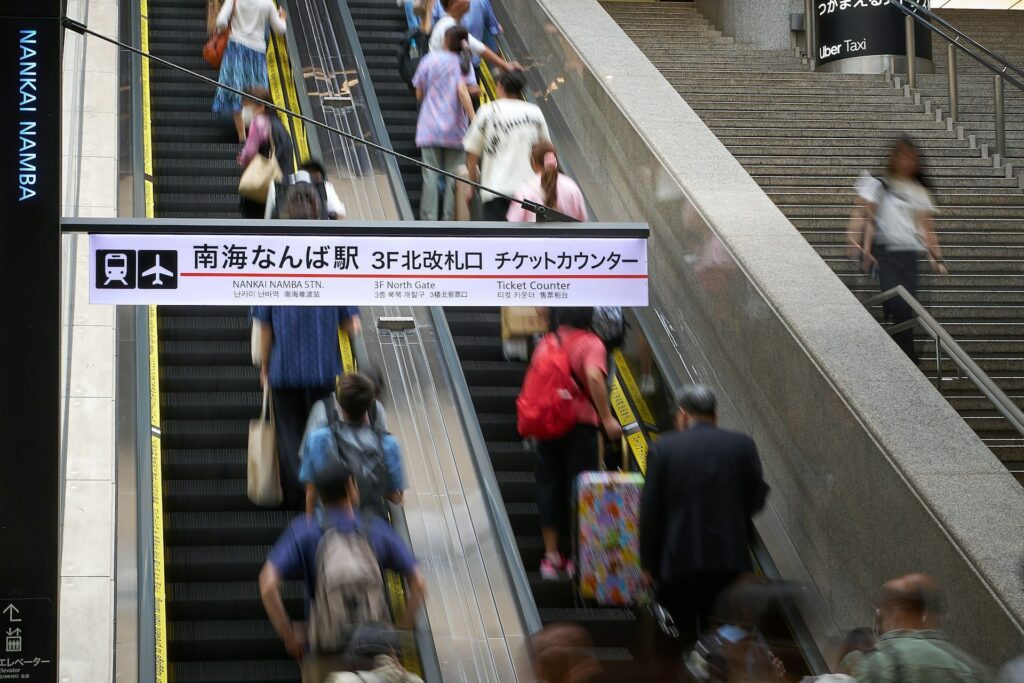
Osaka is easy to navigate alone once you understand three things: IC cards, subway lines, and when a sightseeing pass actually saves money.
IC Cards: The Easiest Default Option
For most solo travelers, an IC card is the simplest transport tool. In the Kansai region, ICOCA is the local IC card, but Suica and PASMO also work across most major transit systems in Osaka.
iPhone and Apple Watch users can often add ICOCA, Suica, PASMO, or TOICA to Apple Wallet, depending on device and payment card compatibility. Android support is more device-dependent, especially for overseas visitors, so be ready to use a physical ICOCA card if mobile setup does not work.
An IC card is especially useful for solo travel because you do not need to stop at ticket machines for every ride. You can also use it at many convenience stores, vending machines, lockers, and some restaurants.
Osaka Amazing Pass vs. Osaka e-Pass
If you plan to visit several paid attractions in one or two days, compare the Osaka Amazing Pass and Osaka e-Pass before buying. They sound similar, but they are not the same.
The prices and conditions below were checked against official information on June 4, 2026. Covered attractions, transport coverage, sales periods, temporary closures, and pass rules can change, so always check the latest official pass page and your booking page before purchasing.
| Pass | Price Checked for 2026 | Includes Transport? | Includes Attractions? | Best For |
|---|---|---|---|---|
| Osaka Amazing Pass | ¥3,500 for 1 day ¥5,000 for 2 days |
Yes. Includes eligible Osaka Metro, Osaka City Bus, New Tram, and selected private railway sections mainly within Osaka City | Yes. Approximately 40 sightseeing spots are included | Solo travelers visiting multiple paid attractions across different parts of Osaka in a compact schedule |
| Osaka e-Pass | ¥2,400 for 1 day ¥3,000 for 2 consecutive days |
No. Transport is not included | Yes. More than 25 attractions are included | Solo travelers who want attraction entry but prefer to pay for trains separately with an IC card |
Important: The Osaka Amazing Pass is not a rolling 24-hour or 48-hour pass. Current official guidance treats one day as 3:00 a.m. to 2:59 a.m. the next day, while transport is valid from the first to last train of the service day. Do not activate it late at night expecting a full 24 hours of use.
For a busy attraction day, the Osaka Amazing Pass can be good value. For a slower day focused on food, shopping, and one or two sights, an IC card may be enough. The Osaka e-Pass is useful if your route includes several covered attractions but you do not need bundled transport.
👉 Check the latest Osaka Amazing Pass details, covered transport, and attraction list
👉 Compare the Osaka e-Pass option if you prefer to pay for transport separately
Where to Stay in Osaka as a Solo Traveler
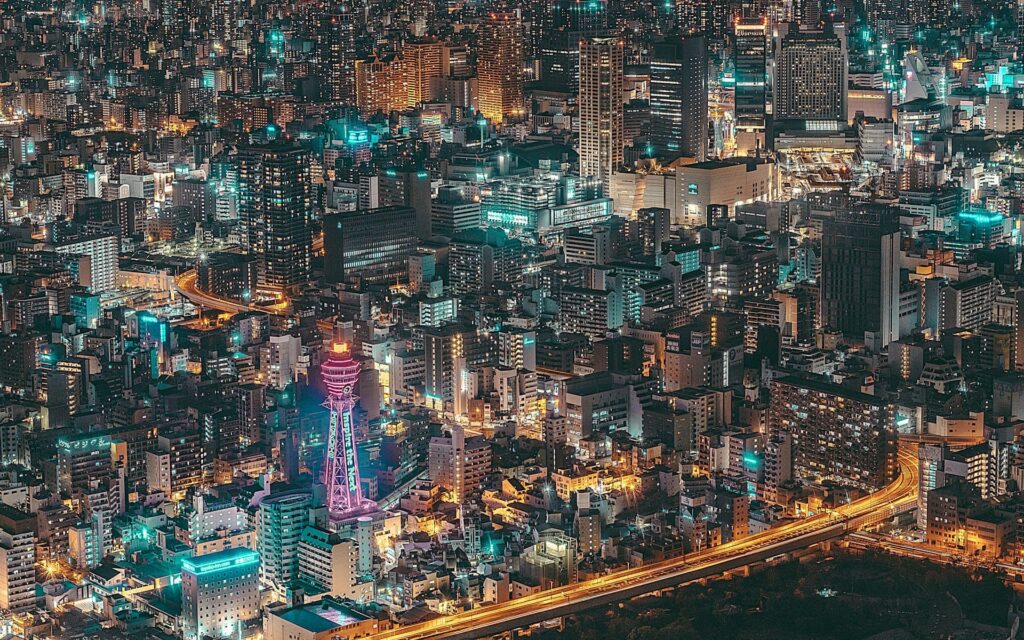
Your base matters more when you are traveling alone. You want a neighborhood that feels easy after dinner, has convenient stations, and does not require a long transfer every time you go out.
Namba vs. Umeda: Which Area Is Better?
| Factor | Namba / Minami | Umeda / Kita |
|---|---|---|
| Best For | Food, nightlife, Dotonbori, first-time Osaka energy | Day trips, shopping, transport convenience, slightly calmer evenings |
| Atmosphere | Lively, neon-lit, chaotic in a fun way | Modern, commercial, polished, station-focused |
| Food Access | Excellent for Dotonbori, Hozenji Yokocho, Ura-Namba, and Shinsekai | Excellent for department store dining, underground malls, and Tenma access |
| Transport | Good for south Osaka, Nara, and Kansai Airport access | Excellent for Kyoto, Kobe, Himeji, and JR-based day trips |
| Solo Hotel Style | Many hostels, capsule hotels, budget hotels, and nightlife-friendly stays | More business hotels, mid-range hotels, and convenient station hotels |
Choose Namba if your main goals are food, nightlife, street snacks, and walking back to your hotel after exploring Dotonbori. It is the most exciting base for a first Osaka solo trip.
Choose Umeda if you are using Osaka as a base for day trips to Kyoto, Kobe, Nara, or Himeji. Osaka Station and Umeda’s rail connections make early departures easier.
Best Accommodation Types for Solo Travelers
- Capsule hotels: Good for budget solo travelers who want privacy but do not need a full hotel room. Check luggage space and gender-separated floors before booking.
- Hostels: Best if you want to meet other travelers. Look for hostels with common areas, quiet hours, and recent reviews mentioning cleanliness and security.
- Business hotels: The easiest all-round choice. Rooms are compact but private, usually close to stations, and ideal if you want quiet after a long day.
- Apartment-style hotels: Useful for longer solo stays, especially if you want laundry facilities or a small kitchenette.
Sample 1-Day Osaka Solo Itinerary
This is a realistic one-day route for a first-time solo traveler. It balances sightseeing, food, breaks, and nighttime atmosphere without trying to do everything.
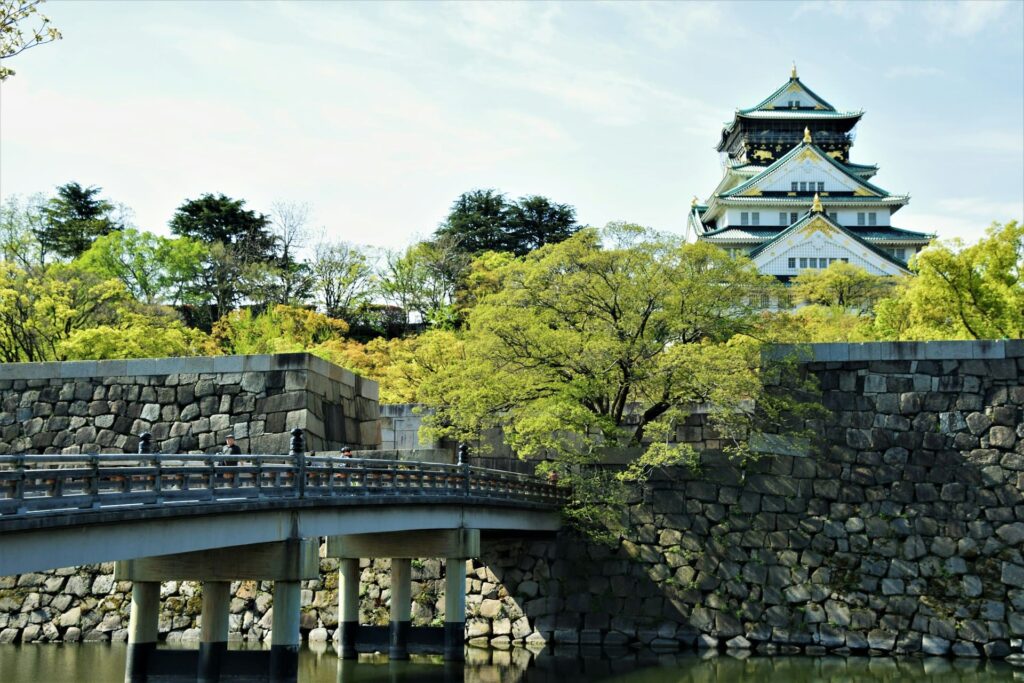
Morning: Osaka Castle Area
- Around 9:00 a.m. Start at Osaka Castle Park. The park grounds are free to walk around and pleasant in the morning.
- Late morning Visit Osaka Castle Museum if you are interested in history and city views. As of June 4, 2026, official admission is ¥1,200 for adults, ¥600 for university and high school students with eligible ID, and free for junior high school students and younger with proof of age.
- Before lunch Walk toward Morinomiya or Osakajokoen Station and head to your next area before the midday crowds build.
Lunch: Tenma or Namba
- Option A: Go to Tenma for casual local restaurants and shopping streets.
- Option B: Head to Namba for ramen, sushi, udon, or an easy counter-seat lunch.
Afternoon: Aquarium, Shopping, or Retro Osaka
- Option A: Visit Osaka Aquarium Kaiyukan if you want an indoor attraction, especially in summer or rainy weather.
- Option B: Explore Shinsaibashi and Amerikamura for shopping and cafés.
- Option C: Walk through Den Den Town if you like electronics, anime, games, or hobby shops.
Evening: Dotonbori, Hozenji Yokocho, or Shinsekai
- Early evening Arrive in Dotonbori before the heaviest dinner crowds if you can. Take the Glico sign photo, then eat slowly instead of rushing from stall to stall.
- After dinner Explore Hozenji Yokocho for a more atmospheric side of Namba.
- Later in the evening Continue to Shinsekai for kushikatsu, or stay around Ura-Namba for bars and small restaurants.
If you are nervous about doing the first evening alone, this is the best place to use a food tour. After one guided night, Osaka usually feels much easier to explore independently.
Common Mistakes Solo Travelers Make in Osaka
- Staying too far from a useful station. A cheaper hotel can become annoying if you need a long walk or awkward transfer every day.
- Dragging luggage through Dotonbori. Store your bag first. Crowded food streets are not fun with a suitcase.
- Relying only on coin lockers. Large lockers may be full during busy periods. Have a staffed counter or app-based backup.
- Following street touts. This is one of the easiest problems to avoid. Keep walking.
- Overplanning with a pass. A sightseeing pass only helps if your actual route matches the covered attractions and transport.
- Forgetting cash. Osaka is increasingly cashless, but small food stalls, older restaurants, temples, and lockers may still require cash. Carry cash as a backup.
- Trying to eat every Osaka specialty in one night. Takoyaki, okonomiyaki, kushikatsu, ramen, sushi, and izakaya food are better spread across several meals.
- Using Osaka only as a place to sleep. Kyoto and Nara are wonderful, but Osaka itself deserves proper evening time.
Frequently Asked Questions
Is Osaka safe for solo female travelers at night?
Yes, Osaka is generally safe for solo female travelers at night, especially in central areas such as Namba, Dotonbori, Umeda, and around major stations. Still, avoid following street promoters, stay on well-lit streets, and choose accommodation with strong recent reviews.
Is eating alone in Osaka weird?
No. Eating alone in Osaka is normal. Ramen shops, udon counters, conveyor belt sushi, kushikatsu restaurants, standing bars, and many casual restaurants are designed for solo diners. Counter seats make the experience feel natural.
Should I stay in Namba or Umeda for a solo trip?
Stay in Namba if food, nightlife, Dotonbori, and street-level Osaka energy are your priorities. Stay in Umeda if you plan to take several day trips or want easier access to JR lines, department stores, and large station facilities.
Where can I store luggage before hotel check-in?
Use station coin lockers for small or medium bags, staffed counters such as Crosta at Osaka Station or Shin-Osaka Station for large suitcases, or app-based luggage storage if you want to reserve a spot near your hotel or sightseeing area. Always check current hours, prices, and bag-size rules before relying on a specific location.
Do I need the Japan Rail Pass for Osaka solo travel?
Usually, no. For Osaka city travel, an IC card is more practical. The Japan Rail Pass only makes sense if you are taking enough long-distance JR trains or Shinkansen rides during your wider Japan itinerary. For local Osaka sightseeing, compare an IC card, Osaka Amazing Pass, or Osaka e-Pass instead.
Should I carry cash in Osaka?
Yes. Carry some cash as a backup, ideally in small bills and coins. Many chain stores, stations, and attractions accept cards or IC cards, but small restaurants, market stalls, older shops, temples, and some lockers may still be cash-only.
Is Osaka better than Tokyo for solo travel?
It depends on your style. Tokyo has more scale, neighborhoods, and English-friendly nightlife. Osaka feels more compact, food-focused, and casual. For a first solo trip to Japan, Osaka can feel easier because the main food and nightlife areas are concentrated around Namba and Umeda.
Is Osaka good for introverted solo travelers?
Yes. Osaka can be social if you want it to be, but it is also easy to enjoy quietly. Solo counter dining, museums, shopping arcades, river walks, cafés, and day trips all work well without needing to talk much.
Final Verdict: Is Osaka Worth It for Solo Travel?
Yes — Osaka is one of the best cities in Japan for solo travel. It is generally safe, food-focused, easy to navigate, and naturally comfortable for people eating or exploring alone.
- Choose Osaka if: You want street food, nightlife, casual restaurants, friendly city energy, and a solo trip that does not feel lonely.
- Choose Namba if: You want to be close to Dotonbori, Hozenji Yokocho, Ura-Namba, and late-night food.
- Choose Umeda if: You want the best base for day trips and easy rail connections.
- Use a pass if: You will visit several covered attractions in one or two days. Otherwise, an IC card may be simpler.
- Book luggage storage if: You arrive early, leave late, or travel during a crowded season.
Pack light, bring cash as a backup, ignore touts, and trust the counter culture. Osaka solo travel feels less like being alone and more like having the whole city as your dining companion.
Prices, opening hours, transport schedules, pass conditions, attraction coverage, luggage storage rules, payment methods, tour inclusions, and seasonal operations can change. Always check official sources and your selected booking page before finalizing your trip.
Hi, I’m Kai. I’m a Tokyo-based travel writer, tourism industry insider, and the author of a published guidebook for international visitors to Japan. With over 10 years of professional experience at a leading Japanese tourism company, my mission is to help you skip the tourist traps and navigate Japan’s best destinations like a local. I believe the perfect day trip is like a traditional kaiseki meal: a beautiful balance of precise planning and unforgettable seasonal discovery. When I’m not out conducting field research, you’ll usually find me drafting new itineraries with one of my favorite fountain pens!