
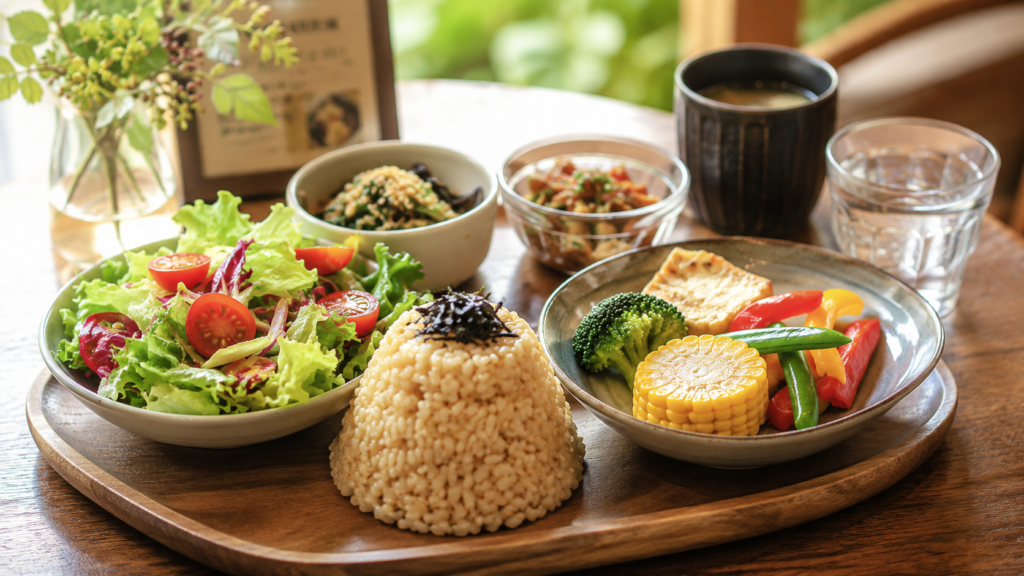
Osaka is famous as “Japan’s Kitchen” — a city of okonomiyaki, takoyaki, kushikatsu, ramen, late-night snacks, and lively food streets. But for vegetarian, vegan, or gluten-free travelers, eating in Osaka can be surprisingly tricky.
The main reason is dashi, a Japanese soup stock often made with bonito fish flakes. It can be hidden in batters, sauces, broths, dipping sauces, and dishes that look meat-free at first glance.
This guide explains how to avoid the “dashi trap,” where to find vegetarian and gluten-free okonomiyaki and takoyaki in Osaka, and which restaurants are best for different dietary needs.
Quick Answer: Can You Eat Okonomiyaki and Takoyaki as a Vegetarian in Osaka?
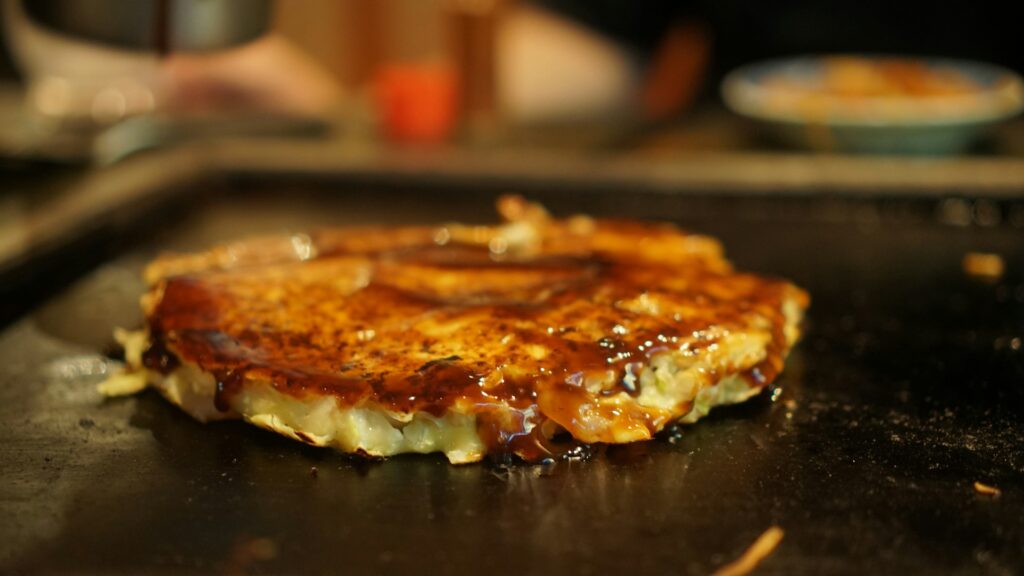
- Yes, but you need to choose carefully. Simply ordering “no meat” at a regular okonomiyaki or takoyaki shop usually does not make the dish vegetarian.
- The batter is often the main problem. Traditional okonomiyaki and takoyaki batters may contain dashi, usually made with bonito fish flakes.
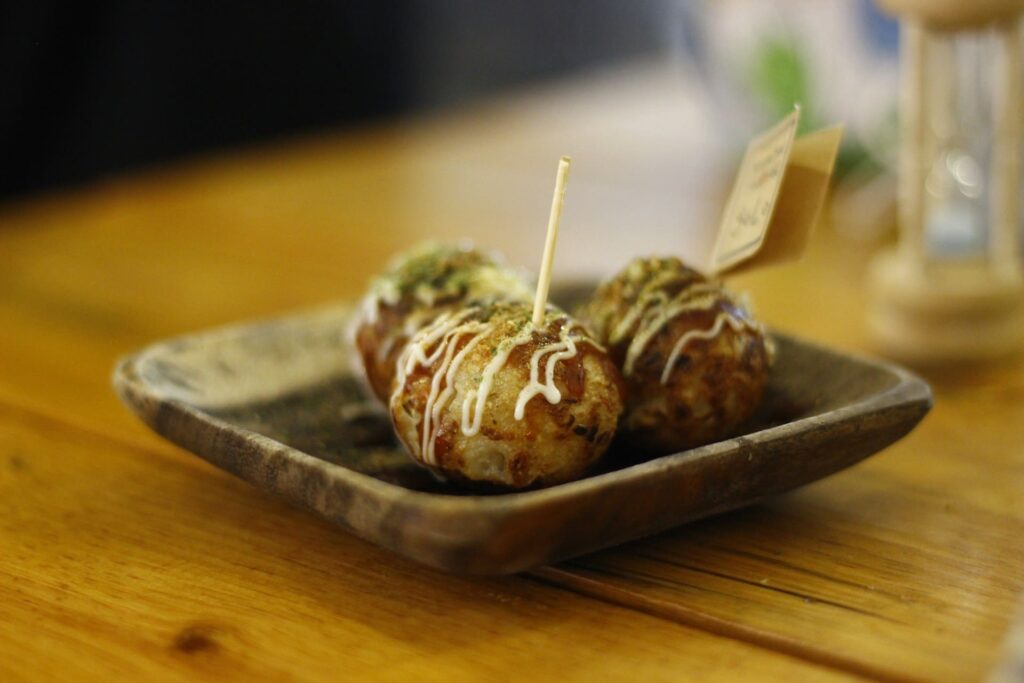
- Takoyaki is usually not vegetarian. Standard takoyaki contains octopus, and the batter and toppings may also contain fish-based or animal-derived ingredients.
- Gluten-free options do exist. Some Osaka restaurants use wheat-free bases or gluten-free recipes instead of standard wheat batter.
- The easiest areas to start are Shinsaibashi and Namba. These central neighborhoods have some of Osaka’s most useful options for vegan and gluten-free local food.
- Strict gluten-free, celiac, or allergy travelers should confirm directly. Even when a restaurant advertises gluten-free dishes, ingredients, handling practices, and shared cooking surfaces can change.
If your main priority is a gluten-free Osaka cooking experience, check the current ingredients, allergens, and booking notes for this gluten-free takoyaki and okonomiyaki cooking class in Osaka before booking. Note that this class may not suit vegetarians, vegans, or allergy travelers unless the provider confirms substitutions and handling details in advance.
The “Dashi Trap”: Why Ordering “No Meat” Is Not Enough
If you remember one thing before eating in Osaka, make it this: in Japan, “no meat” often means no beef, pork, or chicken. It does not always mean no fish.
That matters because many classic Osaka dishes are built around fish-based flavor. A dish may look vegetarian but still contain bonito, fish extract, or fish-based broth.
- Okonomiyaki batter: Standard batter often includes wheat flour and dashi.
- Takoyaki batter: Traditional takoyaki usually contains dashi and pieces of octopus.
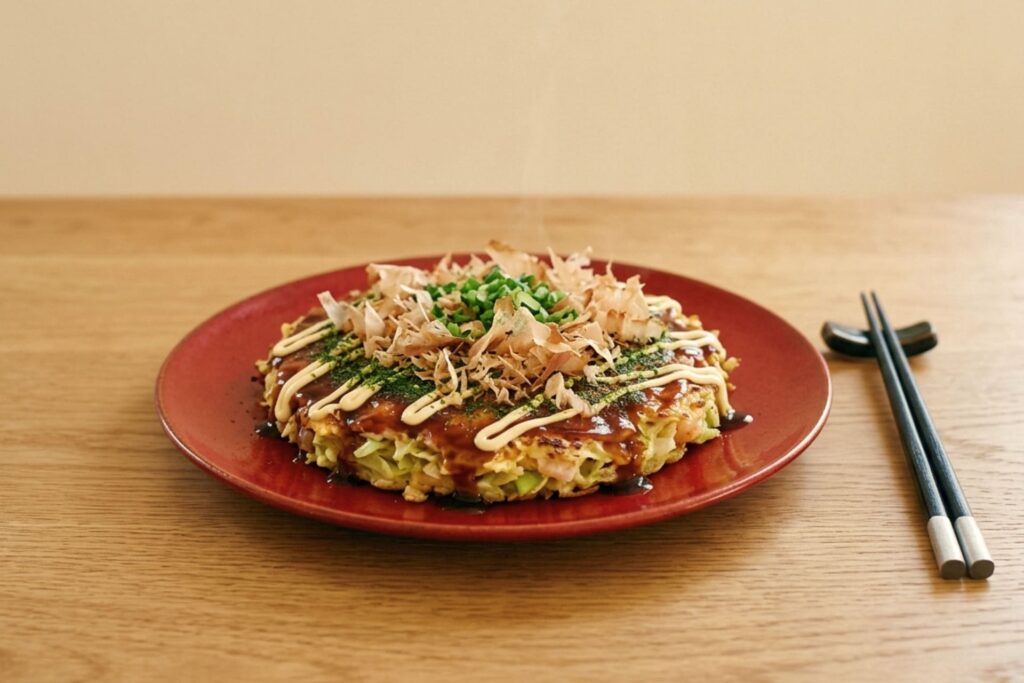
- Toppings: Okonomiyaki and takoyaki are commonly topped with mayonnaise, bonito flakes, and sauces that may contain animal-derived or wheat-based ingredients.
- Soy sauce: Regular soy sauce usually contains wheat, so gluten-free travelers need to ask about tamari or other wheat-free alternatives.
- Griddles and fryers: Some traditional shops may use shared cooking surfaces, shared fryers, or animal fats. This matters for strict vegans, vegetarians, people with celiac disease, and allergy travelers.
Because these ingredients are often prepared in advance, many regular restaurants cannot simply remove them after you order. For a lower-stress meal, choose restaurants that clearly understand vegetarian, vegan, and gluten-free requests.
Useful Japanese Phrases for Vegetarian and Gluten-Free Travelers
English menus are more common in central Osaka than in smaller towns, but it still helps to have a few clear phrases ready. Show these to staff before ordering, especially at small restaurants.
- I do not eat meat: Niku wa taberaremasen.
- I do not eat fish or fish stock: Sakana ya dashi wa taberaremasen.
- Does this contain dashi? Kore ni dashi wa haitteimasu ka?
- I cannot eat wheat: Komugi wa taberaremasen.
- Is the soy sauce gluten-free? Shoyu wa gluten-free desu ka?
- Are the fryer or grill shared? Furaayā ya teppan wa kyōyū desu ka?
These phrases can help, but they do not replace direct confirmation. If you have celiac disease or a serious allergy, confirm ingredients, sauces, cooking surfaces, and cross-contact precautions before eating.
Best Vegetarian and Gluten-Free Okonomiyaki in Osaka
Osaka now has several places where travelers can enjoy local-style food without guessing every ingredient. The options below are among the most useful for visitors staying around Namba, Shinsaibashi, and Dotonbori.
OKO – Fun Okonomiyaki Bar, Higashishinsaibashi
OKO is one of Osaka’s best-known foreigner-friendly okonomiyaki spots for vegan, vegetarian, and gluten-free travelers. It is small, colorful, lively, and located in the Higashishinsaibashi / Nagahoribashi area, close to Shinsaibashi and Dotonbori.
OKO is vegan-friendly and known for gluten-free okonomiyaki options, but travelers should not assume fully vegan or allergy-safe handling without confirming with staff. It is a better starting point than a standard okonomiyaki shop, not a guarantee for every medical diet.
- Best for: First-time visitors who want a memorable Osaka-style okonomiyaki experience.
- Diet notes: Vegan options and gluten-free okonomiyaki are listed, but confirm current ingredients and handling if your diet is strict.
- Atmosphere: Small, quirky, casual, and social, with a bar-like feel.
- Price guide: As a rough listing-based budget, casual meals are often shown around the low-thousands of yen, but menu prices can change.
- Hours: Small restaurants can change opening hours, close unexpectedly, or sell out. Check the latest listing or social media before going.
- Reservations: Some listings show reservation options, but many travelers still report waits. Confirm the latest process before visiting.
- Area guide: Higashishinsaibashi / Nagahoribashi, within reach of Shinsaibashi and Dotonbori.
Gluten-Free & Vegan OKONOMIYAKI Vim, Namba
Gluten-Free & Vegan OKONOMIYAKI Vim is one of the most useful choices for travelers who want a restaurant that clearly advertises vegan and gluten-free okonomiyaki in central Osaka. It is located in Namba, making it easy to combine with Dotonbori, Kuromon Market, or an evening food walk.
The restaurant presents its dishes as gluten-free and vegan-friendly, which makes it a stronger option than trying to customize a standard teppan restaurant. Still, if you have celiac disease or a severe allergy, confirm current ingredients, sauces, cookware, and shared-surface practices directly before visiting.
- Best for: Travelers who want a clearly advertised vegan and gluten-free okonomiyaki option in Namba.
- Diet notes: The restaurant promotes gluten-free and vegan food. Reconfirm directly if you have a medical allergy or celiac disease.
- Menu: Okonomiyaki and related savory dishes using plant-based and wheat-free ingredients.
- Area: Namba, close to Dotonbori and Osaka-Namba Station.
- Hours: Current listings often show evening-focused hours and regular closure days. Confirm the latest schedule before going.
- Reservations: Reservation listings are available online, and booking ahead is a good idea because seating may be limited.
Quick Comparison: OKO vs Vim
| Feature | OKO – Fun Okonomiyaki Bar | Gluten-Free & Vegan OKONOMIYAKI Vim |
|---|---|---|
| Area | Higashishinsaibashi / Nagahoribashi | Namba |
| Best for | A fun, casual, local-style experience | A more clearly advertised vegan and gluten-free okonomiyaki option |
| Vegan suitability | Vegan-friendly options are listed; confirm if strict | Advertises vegan-friendly food; confirm if strict |
| Gluten-free suitability | Gluten-free okonomiyaki options are listed | Advertises gluten-free okonomiyaki |
| Atmosphere | Quirky, tiny, lively | Central, focused, and easier to plan around if reserved |
| Main caution | Do not assume allergy-safe handling without asking | Confirm cross-contact practices if you have celiac disease or severe allergies |
Where to Find Vegan Takoyaki in Osaka
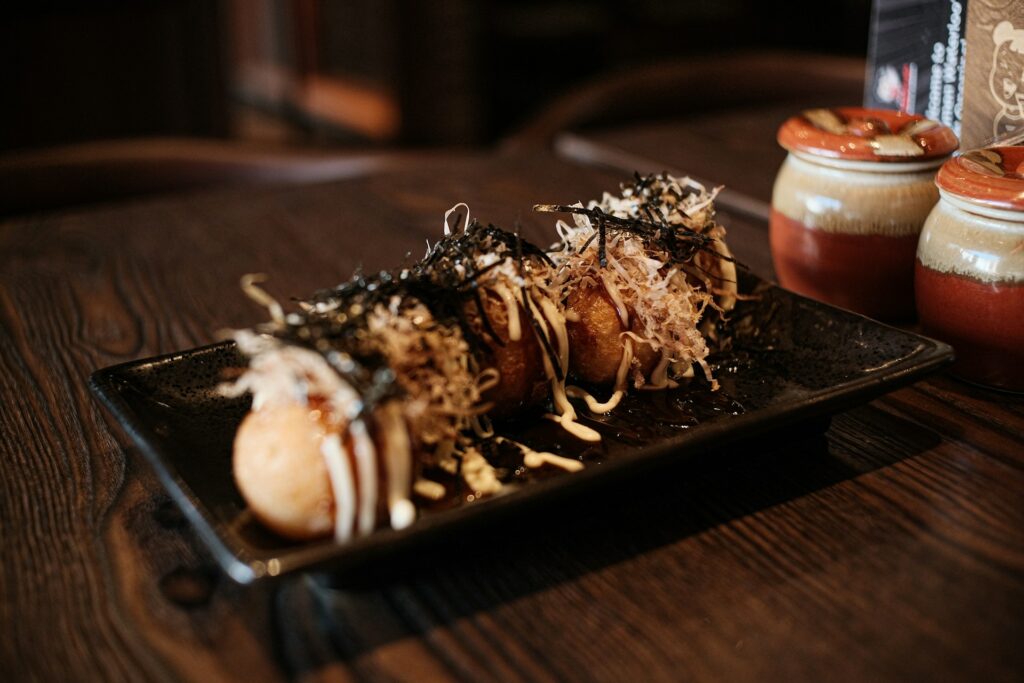
Takoyaki is one of Osaka’s most famous street foods, but the traditional version is not vegetarian. It usually contains octopus, dashi-based wheat batter, mayonnaise, takoyaki sauce, and bonito flakes.
That makes vegan and gluten-free takoyaki rare. Fortunately, there are a few specialized options worth knowing.
OKO Takoyaki, Higashishinsaibashi
OKO Takoyaki is a small shop connected with the OKO family of restaurants and is one of the most useful places in Osaka for travelers who want plant-based, gluten-free takoyaki-style food.
- Best for: Travelers who want the Osaka street-food experience without standard octopus takoyaki.
- Diet notes: Vegan and gluten-free takoyaki-style dishes are reported. Confirm current ingredients before ordering if you have a severe allergy or celiac disease.
- Texture substitute: Plant-based fillings may be used instead of octopus, but the exact ingredients can change.
- Other dishes: Vegan kushikatsu-style items may also be available.
- Seating: Very limited. Expect a small, casual space and possible waits during busy times.
- Area: Higashishinsaibashi, close to OKO’s okonomiyaki location.
If you would rather learn the basic cooking method yourself and your main need is gluten-free food, compare the current details for this gluten-free takoyaki and okonomiyaki cooking class in Osaka. Confirm vegetarian, vegan, allergy, and ingredient substitutions before booking.
More Vegan, Vegetarian, and Gluten-Free-Friendly Spots in Osaka
Okonomiyaki and takoyaki are often the hardest parts of Osaka food culture for vegetarian and gluten-free travelers. Once you know where to handle those, it is worth adding a few more restaurants to your map.
Genji Soba, Namba Area
Genji Soba is a useful option for gluten-free travelers craving noodles. It is known for jyuwari soba, which is made with 100% buckwheat flour. The restaurant also advertises gluten-free and vegan-friendly options, including wheat-free soy sauce and vegan dashi options.
Best for: Gluten-free travelers who want noodles without relying on ramen.
Important note: Soba restaurants may still serve non-gluten-free items, tempura, or standard dipping sauces. Confirm your order clearly before eating, especially if you have celiac disease or a serious allergy.
Mercy Vegan Factory, Tanimachi 9-chome / Namba Area
Mercy Vegan Factory is a plant-based cafe and bakery-style stop that can work well for lunch, a snack, or a sweet break. It is not as central as Dotonbori itself, but it is useful if you are moving around the Namba and Tanimachi areas.
Best for: Vegan travelers who want a casual cafe meal, sandwich, baked goods, or a lighter break between sightseeing stops.
Gluten-free note: Do not assume the whole menu is gluten-free. Ask about individual items, wheat flour, soy sauce, and shared equipment.
Vegan Ramen by Playpen Friends, Nipponbashi Area
Vegan Ramen by Playpen Friends is a strong option for travelers who want plant-based ramen in Osaka. The ramen menu is vegan-focused, but menus can evolve, and ingredients may change.
Best for: Vegan travelers craving ramen near Nipponbashi.
Gluten-free note: Standard ramen noodles are usually wheat-based, so this is not the right choice for gluten-free travelers unless the shop confirms a gluten-free option.
Aju, Nakazakicho Area
Aju is a tiny vegan izakaya-style restaurant near Nakazakicho. It is best suited to solo travelers or couples who want a small, homestyle vegan dinner rather than a large restaurant experience.
Best for: Vegan travelers who enjoy intimate, reservation-focused places.
Planning note: Seating is very limited, and opening details can change. Check current booking instructions before going.
Traditional Okonomiyaki Restaurants
Some traditional okonomiyaki restaurants may be willing to adjust toppings or make a vegetable-heavy version, but this is not the same as a fully vegetarian, vegan, or gluten-free meal. Batter, sauces, griddles, and dashi are still the main concerns.
Best for: Flexible pescatarians or travelers with mild preferences, not strict vegetarian, vegan, celiac, or allergy needs.
Safer approach: If your diet is strict, choose a restaurant that clearly advertises vegan or gluten-free options instead of trying to customize a standard dish.
DIY vs Guided Food Experience: Which Is Better?
You can absolutely explore Osaka’s vegetarian and gluten-free food scene on your own. The key is choosing specialized restaurants instead of walking into random street-food shops and hoping for the best.
However, a cooking class or guided food experience can be helpful if you are nervous about language barriers, ingredient checks, or planning around small restaurants with limited hours.
| Factor | DIY Restaurant Hopping | Guided Cooking Class or Food Experience |
|---|---|---|
| Control | You choose each restaurant and dish yourself | The menu is pre-arranged, but less flexible |
| Stress level | Higher if you need to ask about every ingredient | Lower if dietary details are confirmed in advance |
| Best for | Confident travelers and people who prefer flexibility | First-timers, families, or travelers who want fewer moving parts |
| Gluten-free safety | Can be safer at dedicated restaurants if you verify carefully | Depends on the provider’s ingredients and handling practices |
| Vegetarian or vegan suitability | Good if you choose plant-based restaurants | Only good if substitutions are clearly confirmed before booking |
| Food variety | You can try several restaurants across the city | You usually focus on a smaller set of dishes |
| Cost | Pay per dish; casual meals often start in the low-thousands of yen depending on the restaurant | Usually higher, but includes instruction, setup, and support |
If you have celiac disease or a severe allergy, do not assume a tour or class is automatically safer than a restaurant. The safest option is the one where the provider clearly confirms ingredients, cooking surfaces, sauces, and cross-contact precautions before you book.
For travelers whose main priority is gluten-free Osaka-style cooking, check the current details for the gluten-free takoyaki and okonomiyaki cooking class. If you are vegetarian, vegan, or allergy-sensitive, ask the provider about octopus, egg, pork, sauces, substitutions, and shared equipment before booking.
Sample One-Day Vegetarian and Gluten-Free Food Itinerary in Osaka

Here is a simple Osaka food day that keeps you around Namba, Shinsaibashi, and nearby central areas. Confirm opening hours before using this plan, because small restaurants can change schedules or sell out.
Lunch: Genji Soba or Mercy Vegan Factory
Start with something easier than okonomiyaki. Gluten-free travelers can consider Genji Soba for jyuwari soba and wheat-free options. Vegan travelers who want a cafe-style lunch can consider Mercy Vegan Factory.
Afternoon: Dotonbori and Shinsaibashi Walk
Walk through Dotonbori and Shinsaibashi, but treat the street-food stalls as sightseeing unless they clearly understand your dietary needs. This is where the dashi trap is easiest to forget.
If you want a broader overview of the area before deciding what to eat, see this Osaka street food and Dotonbori guide.
Early Dinner: OKO – Fun Okonomiyaki Bar or Vim
Choose OKO if you want a lively, quirky Osaka experience and can clearly communicate your dietary needs. Choose Vim if you want a restaurant that more clearly advertises vegan and gluten-free okonomiyaki in Namba.
Evening Snack: OKO Takoyaki
If the timing works, finish with vegan and gluten-free takoyaki-style food at OKO Takoyaki. Go with patience: small shops often mean limited seats, slower service, and occasional waits.
FAQ About Vegetarian and Gluten-Free Food in Osaka
Can I ask a regular okonomiyaki restaurant to make it vegetarian?
Usually, no. Even if the restaurant removes meat toppings, the batter may already contain fish-based dashi. The sauce, mayonnaise, bonito flakes, and cooking surface can also be issues. Strict vegetarians and vegans should choose a restaurant that clearly offers plant-based options.
Is takoyaki vegetarian if I remove the octopus?
No. Regular takoyaki batter usually contains dashi, and the toppings often include mayonnaise and bonito flakes. Removing the octopus alone does not make it vegetarian or vegan.
What is bonito?
Bonito is a type of fish. In Japanese cooking, dried bonito flakes are commonly used to make dashi and are also sprinkled on top of dishes like okonomiyaki, takoyaki, tofu, noodles, and salads.
Is gluten-free food hard to find in Osaka?
It is getting easier, but it still requires planning. Wheat appears in flour-based batters, ramen noodles, soy sauce, sauces, tempura, gyoza skins, and many fried foods. Look for restaurants that clearly advertise gluten-free options, and ask about soy sauce, shared fryers, and cooking surfaces.
Are the restaurants in this guide safe for celiac disease?
Some restaurants in this guide are much stronger options for gluten-free travelers than standard restaurants, but no article can guarantee celiac safety. If you have celiac disease, contact the restaurant or booking provider directly and ask about wheat-free ingredients, shared cooking surfaces, shared fryers, sauces, and cross-contact.
Do I need to carry cash?
Yes. Some small restaurants in Osaka accept cards or electronic payments, but policies can change, and small independent shops may still prefer cash. Carry cash as a backup, especially when visiting tiny vegan or gluten-free restaurants.
Are these places child-friendly?
Some are fine for children, but many are small. OKO-style restaurants can be fun for older kids, while tiny counters may be tight with strollers. If you are traveling with young children, check seating, wait times, and stroller space before going.
Can I take vegetarian or gluten-free okonomiyaki to go?
Sometimes, but not always. Okonomiyaki and takoyaki are best fresh, and small restaurants may not offer takeout during busy periods. Ask directly when ordering.
Final Verdict: Which Osaka Restaurant Should You Choose?
The best choice depends on how strict your diet is and what kind of experience you want.
- Best first-time Osaka food experience: OKO – Fun Okonomiyaki Bar, if you want a quirky, memorable atmosphere and can clearly explain your dietary needs.
- Best for a clearly advertised vegan and gluten-free okonomiyaki option: Gluten-Free & Vegan OKONOMIYAKI Vim, with direct confirmation if you have allergies or celiac disease.
- Best for takoyaki-style street food: OKO Takoyaki, one of the rare central Osaka options for vegan and gluten-free takoyaki-style food.
- Best for gluten-free noodles: Genji Soba, especially if you want jyuwari soba and wheat-free options.
- Best for vegan ramen cravings: Vegan Ramen by Playpen Friends, but not for gluten-free travelers unless a gluten-free option is confirmed.
- Best for nervous first-timers: A cooking class or guided food experience where ingredients can be discussed before booking.
If your Osaka dates are already fixed and you want a structured gluten-free cooking activity, compare the latest availability, ingredients, allergens, and dietary notes for this gluten-free takoyaki and okonomiyaki cooking class. Vegetarian, vegan, celiac, and allergy travelers should confirm suitability directly before booking.
Prices, opening hours, menus, reservation rules, payment methods, tour inclusions, ingredients, and allergy-handling practices can change. Always check official restaurant listings, current booking pages, and direct restaurant information before finalizing your trip.

Hi, I’m Kai. I’m a Tokyo-based travel writer, tourism industry insider, and the author of a published guidebook for international visitors to Japan. With over 10 years of professional experience at a leading Japanese tourism company, my mission is to help you skip the tourist traps and navigate Japan’s best destinations like a local. I believe the perfect day trip is like a traditional kaiseki meal: a beautiful balance of precise planning and unforgettable seasonal discovery. When I’m not out conducting field research, you’ll usually find me drafting new itineraries with one of my favorite fountain pens!