
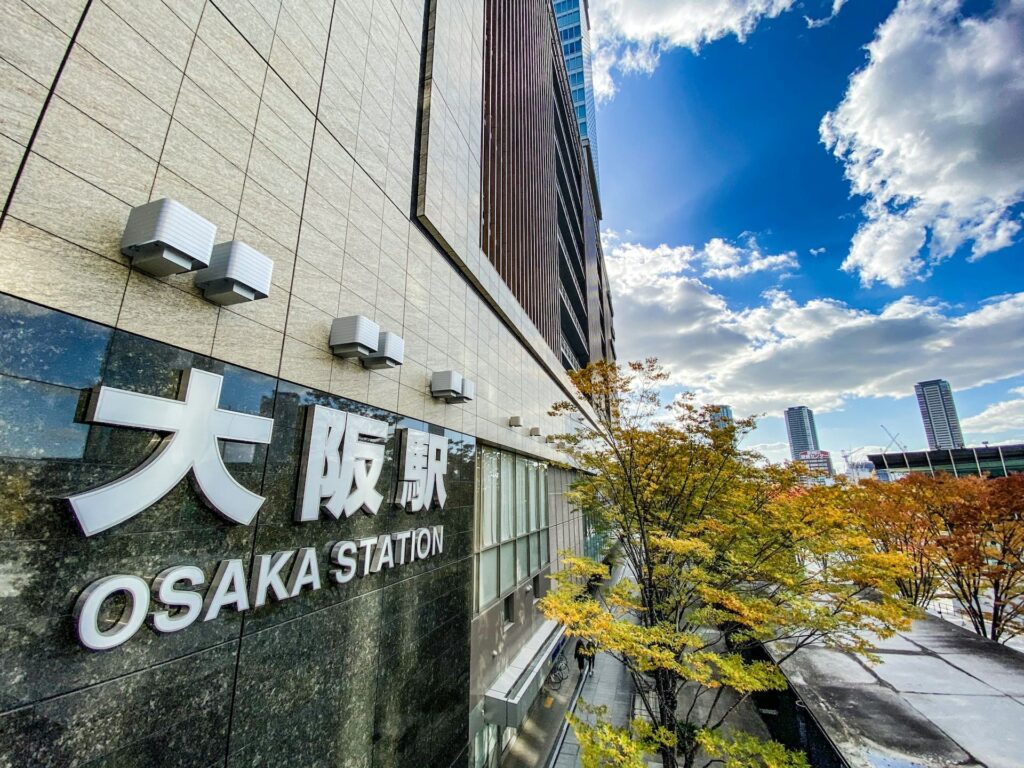
If you are searching for the best day trips from Osaka, here is the short answer: Osaka works extremely well as a base for Kyoto, Nara, Kobe, Himeji, Hiroshima, Uji, and several smaller Kansai side trips because you can return to the same hotel each night instead of moving luggage every few days.
- Kyoto — about 30 minutes by JR Special Rapid from Osaka Station. Best for temples, bamboo groves, and traditional districts.
- Nara — about 40 minutes by Kintetsu Rapid Express from Osaka-Namba Station. Best for Todai-ji, Nara Park, and the famous deer.
- Kobe — about 25 minutes from Osaka Station by JR Special Rapid, or about 45 minutes direct from Namba by Hanshin Line. Best for Kobe beef, harbor views, and a relaxed city break.
- Himeji — about 65 minutes by JR Special Rapid from Osaka Station. Best for one of Japan’s most impressive original castles.
- Hiroshima and Miyajima — about 80–90 minutes by Sanyo Shinkansen from Shin-Osaka to Hiroshima. Best for the Peace Memorial Park and Itsukushima Shrine.
- Uji — about 60 minutes via Kyoto. Best for matcha, Byodo-in Temple, and a quieter alternative to central Kyoto.
The key rule is simple: your Osaka hotel location determines which station you should use. Stay near Osaka Station or Umeda for JR routes, Himeji, Kyoto, and Hiroshima. Stay near Namba or Shinsaibashi for Nara, nightlife, street food, and private railway routes.
If Hiroshima is one of your planned day trips, compare the pass option before buying individual Shinkansen tickets.
👉 Check current JR Kansai-Hiroshima Area Pass prices, coverage, valid routes, and pickup details
At a Glance: Osaka Day Trip Quick Reference
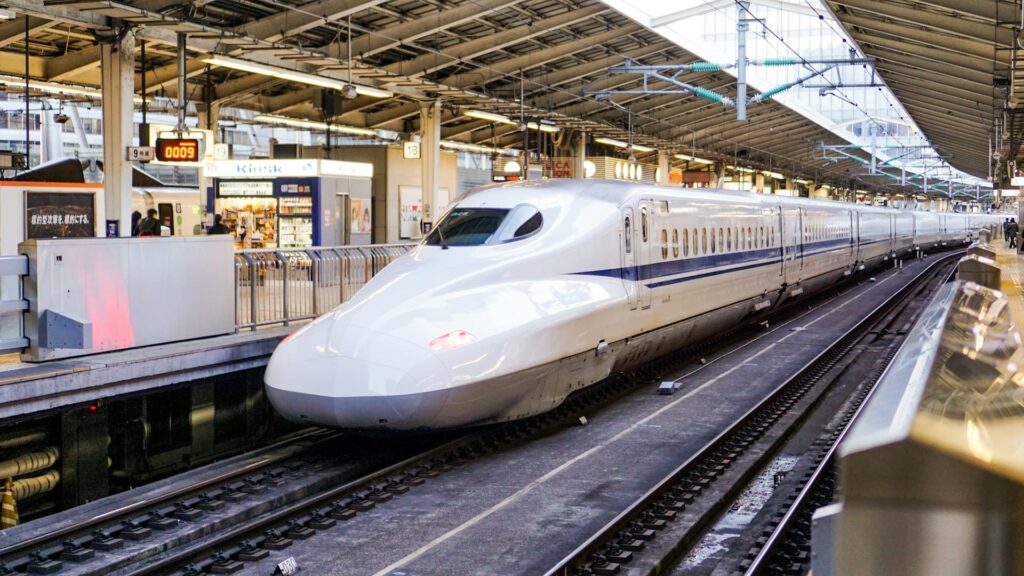
Use this table to compare the most practical day trips from Osaka by travel time, approximate fare, and best departure station.
| Destination | Best Departure Station | Travel Time One Way | Approx. Fare One Way | Best Train Line |
|---|---|---|---|---|
| Kyoto | Osaka Station / Umeda | About 30 min | About ¥580 | JR Kyoto Line Special Rapid |
| Nara | Osaka-Namba Station | About 40 min | About ¥680 | Kintetsu Nara Line Rapid Express |
| Kobe / Sannomiya | Osaka Station or Namba | About 25–45 min | About ¥410–¥800 | JR Kobe Line or Hanshin Line |
| Himeji | Osaka Station / Umeda | About 65 min | Around ¥1,500 | JR Kobe Line Special Rapid |
| Hiroshima | Shin-Osaka Station | About 80–90 min | Around ¥10,000–¥11,000 | Sanyo Shinkansen |
| Uji | Osaka Station via Kyoto | About 60 min | Around ¥820–¥960 | JR Kyoto Line + JR Nara Line |
Fares are approximate one-way adult fares for standard routes, checked against official or current route information as of June 2026 where possible. Train fares, pass prices, seat rules, and exchange conditions can change, so always confirm the latest fare before traveling.
Which Osaka Hotel Area Should You Choose?
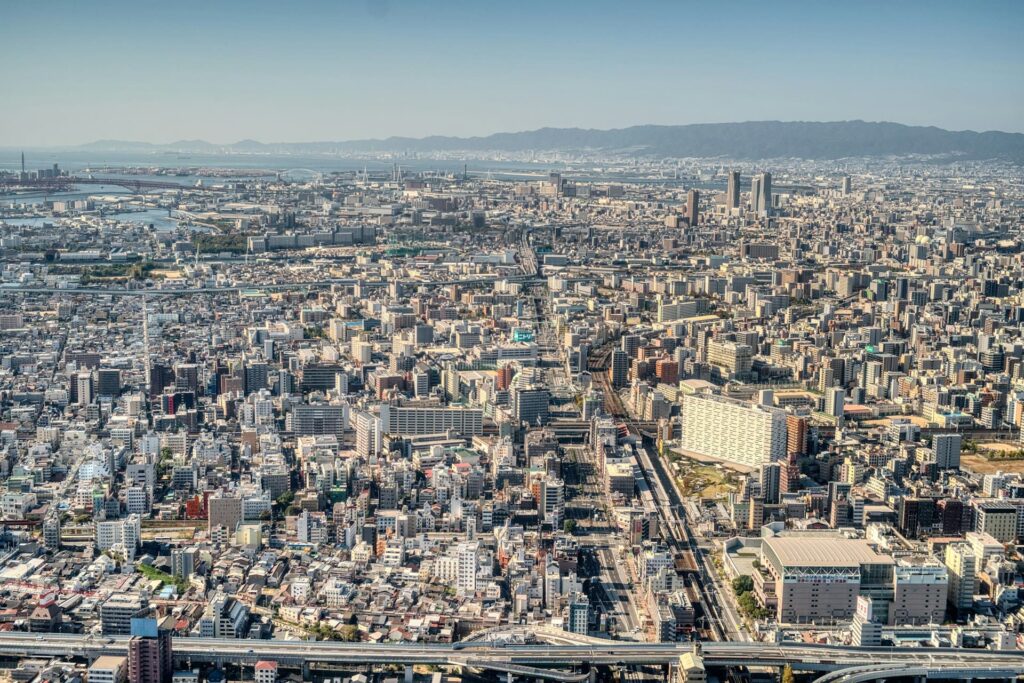
The “Osaka as a base camp” strategy works brilliantly, but only when your hotel location matches your day trip plans. Osaka Station, Umeda, Namba, and Shin-Osaka are not the same place, and choosing the wrong base can add unnecessary transfers every morning.
| Choose This Area | Best For | Best Day Trip Routes | Evening Vibe |
|---|---|---|---|
| Osaka Station / Umeda | JR users, Shinkansen riders, first-time visitors | Kyoto, Himeji, Kobe, Hiroshima via Shin-Osaka | Department stores, underground dining, rooftop bars |
| Namba / Shinsaibashi | Nightlife lovers, foodies, Nara day-trippers | Nara by Kintetsu, Kobe by Hanshin, Koyasan by Nankai | Dotonbori neon, street food, late-night izakayas |
| Shin-Osaka | Shinkansen-heavy itineraries | Hiroshima, Himeji by Shinkansen, long-distance rail days | Convenient but less atmospheric than Umeda or Namba |
- Staying in Umeda? You are close to JR Osaka Station. Kyoto, Kobe, and Himeji are easy. For Hiroshima, take the Midosuji Subway or JR to Shin-Osaka.
- Staying in Namba? You have direct Kintetsu access to Nara and direct Hanshin access to Kobe. You can still reach Kyoto via Umeda or the Keihan route from Yodoyabashi.
- Staying in Shin-Osaka? This is convenient for Shinkansen days but less fun at night. It works best for travelers prioritizing rail logistics over food and nightlife.
For a detailed breakdown of accommodation costs across Osaka areas, see our Osaka budget guide.
The 3 Easiest Day Trips from Osaka
These three trips are the easiest choices for most visitors. They do not require Shinkansen tickets, advance reservations, or complicated planning.
1. Kyoto — Best for Temples, Shrines, and Traditional Streets
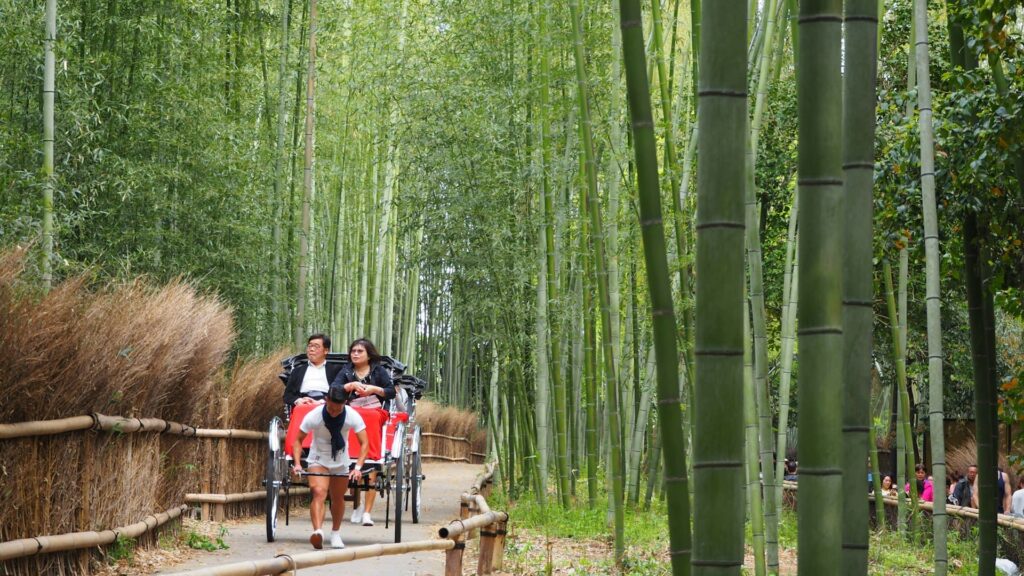
Kyoto is the classic cultural day trip from Osaka. It is close enough that many travelers visit Kyoto over two or three separate days rather than trying to squeeze Arashiyama, Kinkaku-ji, Fushimi Inari, Gion, and Kiyomizu-dera into one exhausting route.
How to get there from Osaka Station: Take the JR Kyoto Line Special Rapid train from Osaka Station to Kyoto Station. The ride usually takes about 30 minutes and costs about ¥580 one way. For most travelers, this is more practical than taking the Shinkansen from Shin-Osaka to Kyoto.
How to get there from Namba: Take the Midosuji Subway north to Umeda, then transfer to JR Osaka Station. Alternatively, take the subway to Yodoyabashi and use the Keihan Railway if you are heading directly to Fushimi Inari, Gion, or eastern Kyoto.
Best time to go: Start early. Arashiyama Bamboo Grove is much more enjoyable early in the morning. Fushimi Inari can also work well later in the afternoon, when some day crowds begin to thin.
Common mistake: Trying to see too much. Kyoto is spread out, and buses can be slow during busy seasons. Pick two or three main areas per day and save the rest for another trip.
Who it is for: First-time visitors, temple lovers, photographers, couples, and anyone who wants the most famous traditional scenery in Japan.
2. Nara — Best for Families, Deer, and a Compact Historic Route
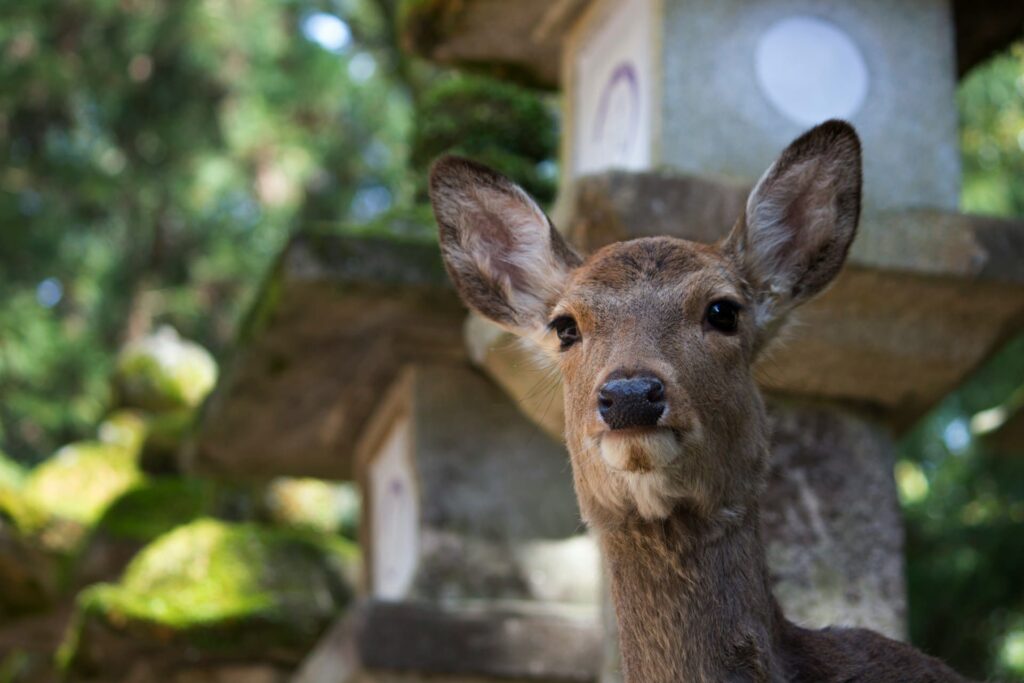
Nara is one of the easiest and most satisfying day trips from Osaka. It is smaller and easier to navigate than Kyoto, and its main highlights are clustered around Nara Park.
How to get there: From Osaka-Namba Station, take the Kintetsu Nara Line Rapid Express to Kintetsu-Nara Station. The trip usually takes about 40 minutes and costs about ¥680 one way. Limited Express trains are faster and more comfortable but require an additional limited express ticket.
Why Kintetsu is usually better than JR: Kintetsu-Nara Station is much closer to Nara Park, Todai-ji, and the deer area. JR Nara Station is useful for JR pass holders, but it is farther from the main sightseeing zone and usually requires a longer walk or a short bus ride.
Best route: Start at Kintetsu-Nara Station, walk through Nara Park, visit Todai-ji, continue toward Kasuga Taisha, then loop back through the park. Carry some cash for deer crackers, temple entry, snacks, and small shops.
Who it is for: Families with children, animal lovers, history fans, and travelers who want a full but manageable day without racing between neighborhoods.
3. Kobe — Best for Food, Harbor Views, and an Easy Evening Return
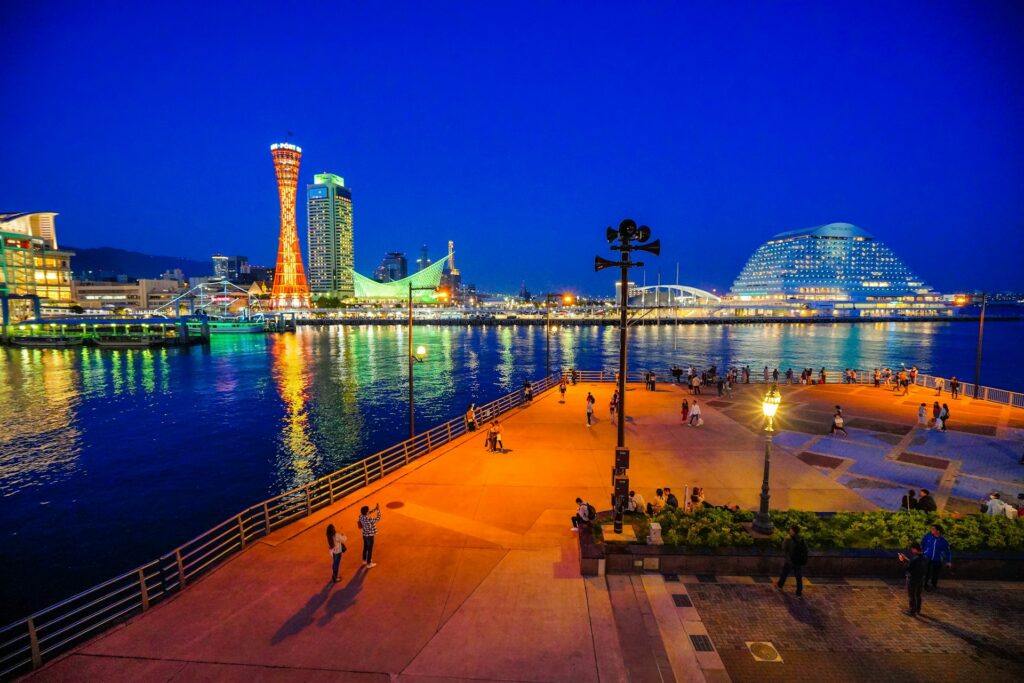
Kobe feels different from Kyoto and Nara. It is a port city with sea views, hillside neighborhoods, western-style architecture, Chinatown, shopping streets, and excellent food.
How to get there from Osaka Station: Take the JR Special Rapid train to Sannomiya Station. This is the main downtown hub for Kobe and is usually more useful for sightseeing than Kobe Station itself. The trip takes about 25 minutes and costs from around ¥410.
How to get there from Namba: Take the Hanshin Namba Line directly toward Kobe-Sannomiya. It takes about 45 minutes, costs around ¥800, and avoids a transfer through Umeda.
How to structure your day: Start around Sannomiya, visit Kitano-cho or the Nunobiki Herb Gardens, have a Kobe beef lunch or a more budget-friendly meal in Nankinmachi Chinatown, then end near the harbor around sunset.
Who it is for: Foodies, couples, shoppers, and travelers who want a more relaxed city day after several temple-heavy itineraries.
Longer Day Trips Worth the Extra Travel Time
These trips take more planning, but they are still realistic from Osaka when you start early and understand the train route.
4. Himeji Castle — Best for One of Japan’s Most Impressive Original Castles
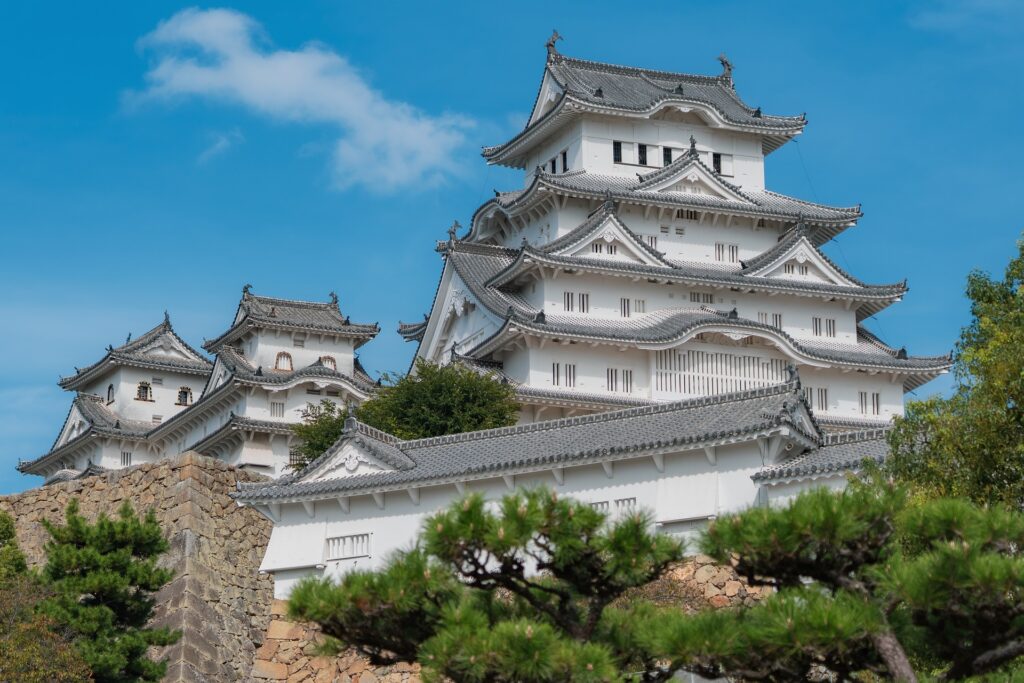
Himeji Castle is one of Japan’s most famous and visually striking castles. Its white exterior, large defensive complex, and preserved wooden interior make it much more rewarding than many reconstructed concrete castles.
How to get there: From JR Osaka Station, take the JR Special Rapid train toward Himeji. The ride usually takes about 65 minutes and costs around ¥1,500 one way. From Himeji Station, the castle is visible down the main boulevard and is about a 15–20 minute walk.
Do you need the Shinkansen? Usually, no. The Shinkansen from Shin-Osaka to Himeji is faster but much more expensive unless you already have a valid pass that covers the route. For most travelers, the JR Special Rapid is the best balance of cost and convenience.
Important cost note: As of June 2026, Himeji Castle admission is ¥2,500 for non-resident adults aged 18 and over. The Himeji Castle & Koko-en Garden combined ticket is ¥2,600, so it is usually the better choice if you plan to visit both.
Time needed: Allow at least 2–3 hours for the castle and nearby garden. The castle interior has steep wooden stairs, so wear comfortable shoes and avoid carrying large luggage.
Pair with Kobe: Himeji and Kobe sit on the same JR corridor. A strong day plan is Himeji Castle in the morning, Kobe for lunch or dinner, then back to Osaka in the evening.
Who it is for: Castle lovers, photographers, history fans, and anyone who wants one of the strongest sightseeing payoffs within easy reach of Osaka.
5. Hiroshima and Miyajima — Best for a Big, Meaningful Day Trip
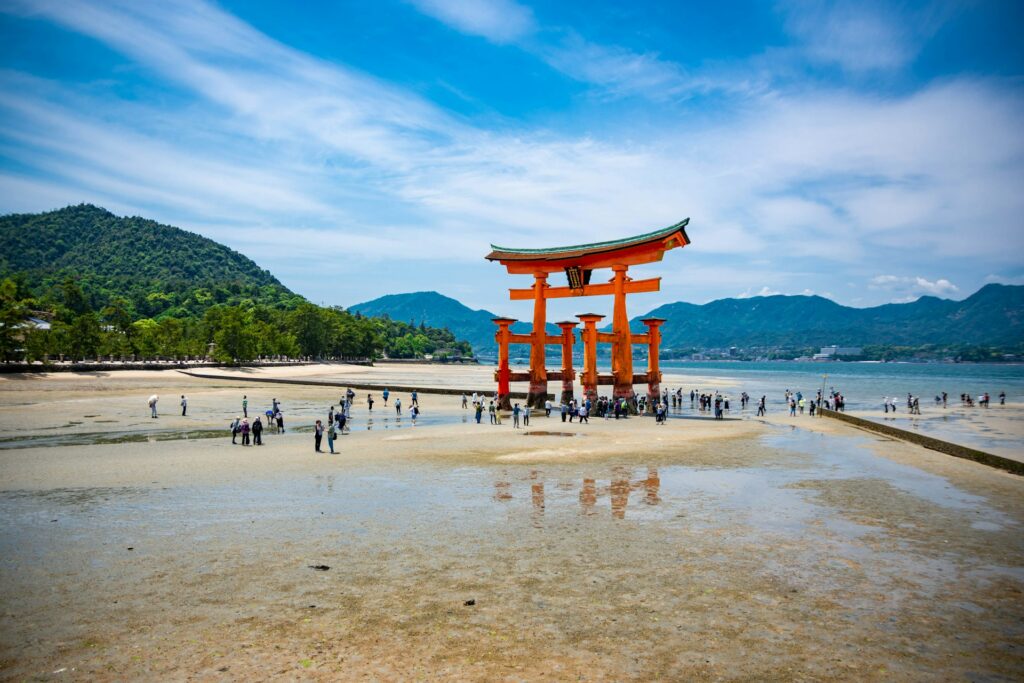
Hiroshima and Miyajima make a long but realistic day trip from Osaka. This is not a casual low-cost local train day. It requires the Shinkansen, an early start, and a clear route, but it can be one of the most memorable days of your Japan trip.
How to get there: Travel from Shin-Osaka Station to Hiroshima Station by Sanyo Shinkansen. The ride usually takes about 80–90 minutes depending on the train. From Hiroshima Station, you can reach the Peace Memorial Park by streetcar or local transport. For Miyajima, take a local train toward Miyajimaguchi and then a ferry to the island.
The cost warning: A regular one-way Shinkansen trip between Shin-Osaka and Hiroshima can cost around ¥10,000–¥11,000 depending on seat type and ticket conditions, so a round trip can easily exceed ¥20,000. The JR Kansai-Hiroshima Area Pass can be a strong-value option because it covers eligible Sanyo Shinkansen travel between Shin-Osaka and Hiroshima, JR local routes in the valid area, and the JR West Miyajima Ferry. Compare it against your exact dates, seat type, and remaining JR trips before buying.
DIY vs guided tour:
| DIY Self-Planned Trip | Guided Day Trip from Osaka | |
|---|---|---|
| Best for | Independent travelers, rail pass users, flexible planners | First-timers who want commentary and less route planning |
| Cost style | Shinkansen or rail pass + local transport + ferry + meals | Usually one package price, with inclusions varying by tour |
| Flexibility | High flexibility, but more logistics | Fixed schedule, but less planning stress |
| Main risk | Poor timing can make Miyajima rushed | Less freedom to change pace or skip stops |
Essential tip for Miyajima: Check tide times before going. At high tide, the torii gate appears to float on the water. At low tide, you may be able to walk closer to it. Both are worthwhile, but the experience changes a lot with the tide and weather.
Who it is for: Travelers with limited time in Japan who want to visit both Hiroshima Peace Memorial Park and one of Japan’s most iconic shrine landscapes in a single day.
If you prefer a structured route with fewer moving parts, compare a guided option before building the route yourself.
👉 Compare current Hiroshima and Miyajima day trip details from Osaka
6. Uji — Best for Matcha, Byodo-in Temple, and a Quieter Kyoto-Area Day
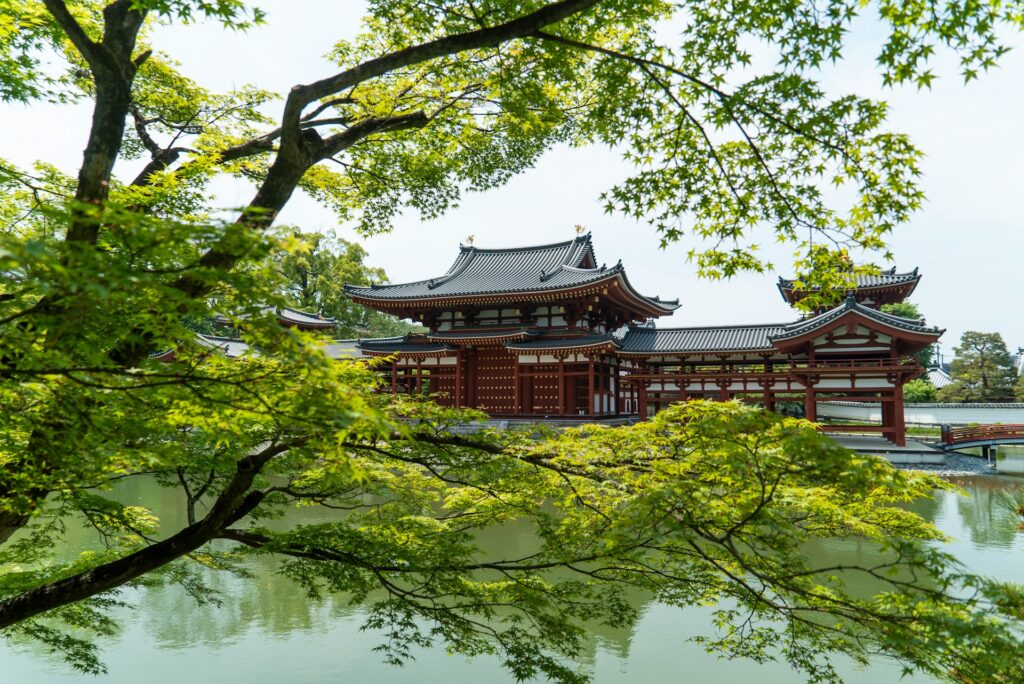
Uji sits between Kyoto and Nara and is one of the best smaller day trips from Osaka. It is famous for matcha green tea, riverside walks, tea houses, and Byodo-in Temple, the temple shown on the back of the Japanese 10-yen coin.
How to get there: From JR Osaka Station, take the JR Kyoto Line to Kyoto Station, then transfer to the JR Nara Line for Uji Station. The total journey usually takes around 60 minutes depending on transfers. Kyoto to Uji by JR Nara Line costs about ¥240, and the total fare from Osaka varies by exact route.
What to do in Uji:
- Visit Byodo-in Temple. As of June 2026, standard adult admission for the garden and museum is ¥700, with an additional ¥300 fee for Phoenix Hall interior viewing when available.
- Walk across Uji Bridge and along the river.
- Try matcha soba, matcha sweets, or a tea experience at a local tea shop.
- Visit Ujigami Shrine or combine Uji with Fushimi Inari if you are comfortable with a fuller day.
Who it is for: Tea lovers, repeat Kyoto visitors, slower travelers, and anyone who wants cultural atmosphere without the same level of crowding as central Kyoto.
Other Osaka Day Trip Ideas
The six trips above are the most practical choices for most first-time visitors, but Osaka also works as a base for several other side trips.
- Koyasan: A spiritual mountain area reached mainly by Nankai Railway from Namba. It is possible as a long day trip, but it is better as an overnight temple stay.
- Wakayama: A quieter coastal and castle city south of Osaka. Good for repeat visitors who have already seen Kyoto and Nara.
- Minoh Falls: A nature escape north of Osaka, especially attractive in autumn. Best for travelers who want a lighter half-day trip.
- Kurashiki: A preserved canal town that can be paired with Okayama when using a wider rail pass, but it is a longer day.
Which Rail Pass Should You Buy?
Rail passes can save money, but only when they match your route. Do not buy a pass just because it sounds convenient. Compare the pass price against your actual planned train rides.
JR Kansai Area Pass — Best for JR-Based Kansai Days
The JR Kansai Area Pass covers eligible JR local, rapid, and special rapid trains in the Kansai region. It is sold in 1-day, 2-day, 3-day, and 4-day versions. As of June 2026, adult prices are ¥2,800 for 1 day, ¥4,800 for 2 days, ¥5,800 for 3 days, and ¥7,000 for 4 days.
- Buy it when: You are staying near Osaka Station or Umeda and plan a JR-heavy day, especially Himeji.
- Skip it when: Your main trips are Nara by Kintetsu, Kobe by Hanshin, or short Osaka–Kyoto rides only.
- Important limitation: It does not cover the Shinkansen to Hiroshima.
Kansai Railway Pass LITE — Best for Private Railway Routes
The Kansai Railway Pass LITE replaced the older Kansai Railway Pass format in 2026. It covers participating metro and private railway lines in Kansai and is most useful for travelers using routes such as Kintetsu to Nara, Keihan toward Kyoto, Hanshin to Kobe, or Nankai toward Koyasan.
As of June 2026, the pass is available as a 2-day pass for ¥5,200 and a 3-day pass for ¥6,500. However, the 2026 version has a limited sales and usage period, so do not plan around it without confirming current availability and validity dates.
- Buy it when: You are staying in Namba and plan multiple private railway trips on valid lines.
- Skip it when: You are mostly using JR trains from Osaka Station or planning Hiroshima by Shinkansen.
- Important limitation: It does not cover JR, Kyoto City Subway, buses, Randen, or the Keihan Otsu lines.
👉 Compare current Kansai Railway Pass LITE options before buying individual tickets
JR Kansai-Hiroshima Area Pass — Best for Hiroshima from Osaka
The JR Kansai-Hiroshima Area Pass is the main pass to consider when Hiroshima is part of your Osaka-based itinerary. As of June 2026, it is a 5-day pass priced at ¥17,000 for adults. It covers eligible Sanyo Shinkansen travel between Shin-Osaka and Hiroshima, JR routes in the valid area, and the JR West Miyajima Ferry.
- Buy it when: You plan to visit Hiroshima or Miyajima from Osaka and can use the remaining pass days for JR day trips such as Himeji, Kyoto, Kobe, or airport travel within the valid area.
- Skip it when: You are only visiting Kyoto, Nara, and Kobe by local or private railways.
- Important limitation: It does not cover the Tokaido Shinkansen between Shin-Osaka and Tokyo, the Sanyo Shinkansen beyond Hiroshima toward Hakata, or the Kyushu Shinkansen.
👉 Check current JR Kansai-Hiroshima Area Pass prices, exchange details, and valid routes
Sample Osaka Day Trip Itineraries
3 Nights in Osaka: 2 Full Days
- Day 1: Kyoto day trip. Visit Fushimi Inari early, then choose either Higashiyama and Gion or Arashiyama and Kinkaku-ji.
- Day 2: Nara day trip. Visit Todai-ji, Nara Park, and Kasuga Taisha, then return to Osaka for dinner in Dotonbori.
5 Nights in Osaka: 4 Full Days
- Day 1: Kyoto classic route, focusing on two or three major areas.
- Day 2: Nara in the morning and Uji in the afternoon, or a slower full day in Nara.
- Day 3: Himeji Castle in the morning, then Kobe for lunch, Chinatown, and harbor views.
- Day 4: Hiroshima and Miyajima with an early Shinkansen start, ideally after comparing the JR Kansai-Hiroshima Area Pass against normal tickets.
7 Nights in Osaka: 6 Full Days
- Days 1–4: Follow the 5-night plan above.
- Day 5: A second Kyoto day for Kiyomizu-dera, Nishiki Market, the Philosopher’s Path, or another area you skipped.
- Day 6: Choose Koyasan, Wakayama, Minoh Falls, or a relaxed extra Osaka day using our 1-day Osaka itinerary.
Frequently Asked Questions
Which is a better base: Osaka Station or Namba?
Choose Osaka Station or Umeda if you plan to use JR trains often, especially for Kyoto, Himeji, Kobe, or Hiroshima via Shin-Osaka. Choose Namba if you prioritize nightlife, Dotonbori street food, Nara by Kintetsu, Kobe by Hanshin, or Koyasan by Nankai Railway.
Can I visit Kyoto and Nara in one day from Osaka?
Technically yes, but it is not ideal for most travelers. Kyoto and Nara both deserve time. Combining Fushimi Inari, Todai-ji, Nara Park, and another Kyoto district in one day usually creates a rushed itinerary. A better plan is one full day for Kyoto and one full day for Nara.
Is it worth taking the Shinkansen from Osaka to Kyoto?
Usually, no. The Shinkansen ride from Shin-Osaka to Kyoto is fast, but most travelers must first reach Shin-Osaka. The JR Special Rapid from Osaka Station to Kyoto Station is cheaper, frequent, and usually more practical unless you are already staying beside Shin-Osaka and have a valid pass.
Do I need to book Shinkansen tickets in advance for Hiroshima?
Advance booking is not always required, but it is recommended during busy periods, weekends, holidays, and cherry blossom or autumn foliage season. Seat rules and train availability can change, and some peak travel periods may have special reservation rules. Reserve seats when timing matters.
Are these day trips suitable for families with young children?
Nara and Kobe are usually the easiest choices for families. Nara has open park space and a compact route, while Kobe has harbor areas and many food options. Kyoto can work well, but limit the day to one or two areas. Hiroshima is meaningful but long, so bring snacks, entertainment, and a flexible plan.
What should I do if it rains?
- Kyoto: Focus on Nishiki Market, covered arcades, museums, or temples with shorter outdoor walks.
- Nara: Todai-ji and the Nara National Museum still work well in rain.
- Kobe: Use indoor options such as shopping arcades, museums, cafés, and Chinatown.
- Hiroshima: The Peace Memorial Museum is indoors and deserves time. Miyajima is less enjoyable in heavy rain, so check the forecast before committing.
Final Verdict: Which Osaka Day Trip Should You Choose?
For first-time visitors: Choose Kyoto and Nara first. These two give you the strongest contrast to Osaka and are easy by train.
For families: Choose Nara for deer and open spaces, then Kobe for an easy food-and-harbor day.
For history lovers: Choose Himeji Castle, Kyoto, Nara, and Hiroshima.
For budget travelers: Stick to Kyoto, Nara, and Kobe by local or private trains. Skip Hiroshima unless the JR Kansai-Hiroshima Area Pass fits your wider route.
For repeat visitors: Add Uji, Koyasan, Wakayama, Minoh Falls, or a second Kyoto day focused on a less crowded area.
The bottom line: Osaka is one of the best bases in Japan because it lets you visit multiple cities without changing hotels. Choose the right hotel area, match your rail pass to your actual route, and you can see temples in Kyoto, deer in Nara, castles in Himeji, harbor views in Kobe, matcha culture in Uji, and even Hiroshima without dragging luggage across Japan.
Prices, opening hours, train schedules, rail pass conditions, eligible routes, seat rules, tour inclusions, payment methods, and seasonal operations can change. Always check official sources and your selected booking page before finalizing your trip.

Hi, I’m Kai. I’m a Tokyo-based travel writer, tourism industry insider, and the author of a published guidebook for international visitors to Japan. With over 10 years of professional experience at a leading Japanese tourism company, my mission is to help you skip the tourist traps and navigate Japan’s best destinations like a local. I believe the perfect day trip is like a traditional kaiseki meal: a beautiful balance of precise planning and unforgettable seasonal discovery. When I’m not out conducting field research, you’ll usually find me drafting new itineraries with one of my favorite fountain pens!