
Quick Answer: How Much Does Osaka Cost in 2026?
For most travelers, Osaka costs less than Tokyo but more than many older Japan budget guides suggest. Attraction tickets, hotel rates, and major theme park costs have changed enough that relying on pre-2024 prices can leave you under-budgeted.
As a realistic 2026 estimate, plan around 8,000–10,500 JPY per day for a careful budget trip, 20,000–30,000 JPY per day for a comfortable mid-range trip, and 40,000+ JPY per day for a luxury trip.
These daily budgets include accommodation, food, local transport, and basic sightseeing. They do not include international flights, long-distance Shinkansen travel, major shopping, or a full Universal Studios Japan day.
- Budget traveler: 8,000–10,500 JPY / day
- Mid-range traveler: 20,000–30,000 JPY / day
- Luxury traveler: 40,000+ JPY / day
- USJ day: Treat this separately. Even without an Express Pass, Universal Studios Japan can easily become one of your most expensive Osaka days.
If your Osaka itinerary includes several paid attractions, it may be worth checking the latest Osaka Amazing Pass options, included facilities, and current availability before finalizing your daily budget.
How Much Does a Trip to Osaka Cost in 2026?
Your daily cost in Osaka depends heavily on your travel style, where you stay, how much you eat out, and how many paid attractions you visit. The table below shows realistic per-person, per-day estimates in Japanese Yen (JPY).
| Expense Category | Budget Traveler | Mid-Range Traveler | Luxury Traveler |
|---|---|---|---|
| Accommodation | 3,000–5,000 JPY (hostel bed or capsule hotel) |
12,000–20,000 JPY (business hotel or compact private room) |
30,000+ JPY (upscale hotel or larger room) |
| Food & Drinks | 2,000–3,500 JPY (konbini meals, ramen, casual snacks) |
5,000–8,000 JPY (set lunch, street food, izakaya dinner) |
10,000+ JPY (premium sushi, Kobe beef, cocktails) |
| Local Transport | 800–1,000 JPY | 1,000–1,500 JPY | 2,500+ JPY (including some taxis) |
| Sightseeing | 0–1,500 JPY (free sights and one low-cost attraction) |
2,000–4,000 JPY (1–2 paid attractions) |
5,000+ JPY |
| Estimated Total / Day | 8,000–10,500 JPY | 20,000–30,000 JPY | 40,000+ JPY |
If you travel as a couple or family, hotel rooms can often be shared, reducing the accommodation cost per person. Food, train fares, attraction tickets, and USJ tickets usually multiply per person.
Real Osaka Food Prices: What You Will Actually Pay
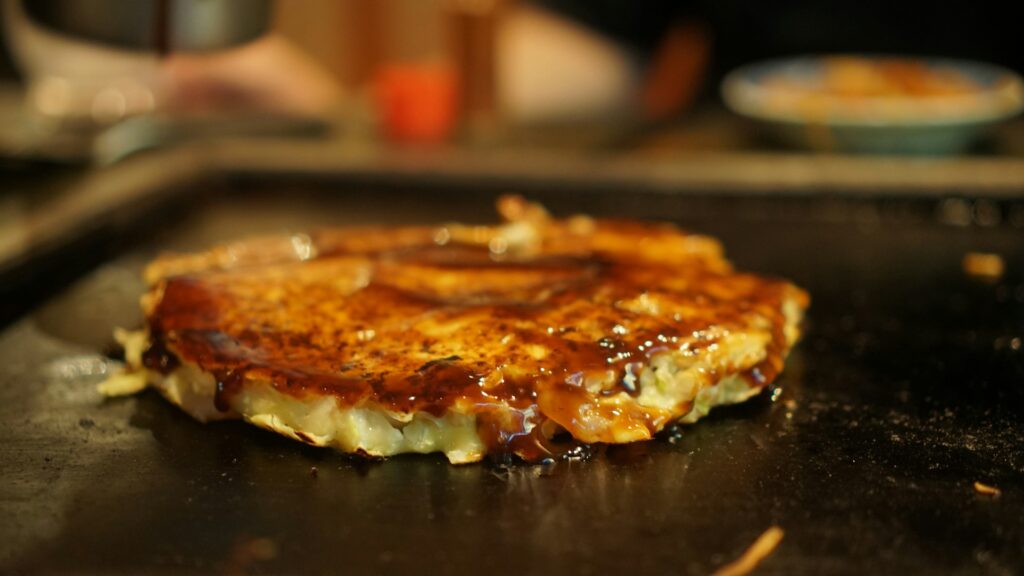
Osaka is known as Japan’s kitchen, so food is one of the best parts of the trip. Prices in busy tourist areas such as Dotonbori and Shinsekai are usually higher than in residential neighborhoods, but casual food in Osaka still offers strong value.
Here are typical 2026 food prices to budget for:
- Takoyaki: 500–800 JPY for 6–8 octopus balls. Expect the higher end around Dotonbori canal. For more ideas, see our Osaka street food guide.
- Okonomiyaki: 800–1,500 JPY. Neighborhood shops can be cheaper, while famous central restaurants may cost more.
- Kushikatsu: 150–300 JPY per skewer. A casual meal of several skewers plus a drink often lands around 1,500–2,500 JPY. Read our Shinsekai Osaka guide for more context.
- Ramen: 900–1,200 JPY for many popular central shops. Some budget chains or local shops may still be lower.
- Izakaya dinner: 3,000–5,000 JPY per person for shared plates and a few drinks.
- Convenience store meal: Around 500–900 JPY for items such as onigiri, sandwiches, fried chicken, salad, and a drink.
The Best Budget Hack: Convenience Stores
If you are watching your budget, Japanese convenience stores such as 7-Eleven, FamilyMart, and Lawson are extremely useful. A simple breakfast or light lunch from a konbini can often cost under 800 JPY, which saves a lot over several days.
Cost of Major Osaka Attractions
Many older Osaka budget guides still show outdated attraction prices. The adult prices below were checked against official sources in June 2026, but date-based tickets, special operations, and temporary closures can change. Confirm the latest information before buying tickets.
- Osaka Castle Main Tower: 1,200 JPY for adults. The surrounding park is free, but entering the museum tower requires a ticket. Read our Osaka Castle review before deciding whether to pay.
- Osaka Aquarium Kaiyukan: 2,700–3,500 JPY for adults depending on the date. Check the official ticket calendar before visiting.
- Umeda Sky Building Kuchu Teien Observatory: 2,000 JPY for adults. Sunset and night-view times are popular, so check hours and entry conditions before going.
- Tsutenkaku Tower: 1,500 JPY for adults from April 2026, including the general observatory and special outdoor observatory. Extra attractions such as the Tower Slider cost separately, and outdoor observation areas may close without notice in bad weather.
Universal Studios Japan: Plan This as a Separate Budget Day
Universal Studios Japan uses date-based pricing, so the exact ticket price depends on your visit date. Adult 1-Day Studio Pass prices often start around the high-8,000 JPY range on lower-priced dates, but busy dates can be much higher. Always check the official or authorized ticket calendar for your exact date.
Express Passes are separate from park admission and vary widely by date, ride package, and demand. On some dates, an Express Pass can cost as much as, or more than, the basic Studio Pass.
For budgeting, do not average USJ into your normal Osaka sightseeing day. A basic USJ day with park ticket, local transport, food, and drinks can already be a major splurge. If you add an Express Pass, character goods, or a special meal, the cost can rise sharply.
Transportation Costs in Osaka
Osaka has an efficient public transport system. Many standard central Osaka Metro rides fall in the 190–390 JPY range for adults depending on distance, although some routes, special sections, and Yumeshima-related travel can differ. Small fares add up quickly if you move between Namba, Umeda, Osaka Castle, Tennoji, and Shinsekai in one day.
IC Cards: ICOCA, Suica, and Mobile Options
If you do not already have a Suica, PASMO, ICOCA, or another compatible IC card, getting an ICOCA in Osaka is useful. It works on many trains, subways, buses, convenience stores, and vending machines across Japan.
- Physical ICOCA purchase example: 2,000 JPY total, including 1,500 JPY usable balance and a 500 JPY refundable deposit.
- Where to buy: JR West ticket machines and major JR stations, including Kansai Airport, Shin-Osaka, and Osaka Station.
- Refund note: Physical ICOCA deposits are refunded at JR West ticket offices, but handling conditions can apply.
- Digital option: Mobile ICOCA / Apple Wallet options may be available depending on your device and payment card.
If you already have a Suica or PASMO from Tokyo, you usually do not need to buy a new ICOCA just for Osaka. Keep using your existing IC card and recharge it as needed.
Osaka Pass Comparison: Which One Saves You the Most?
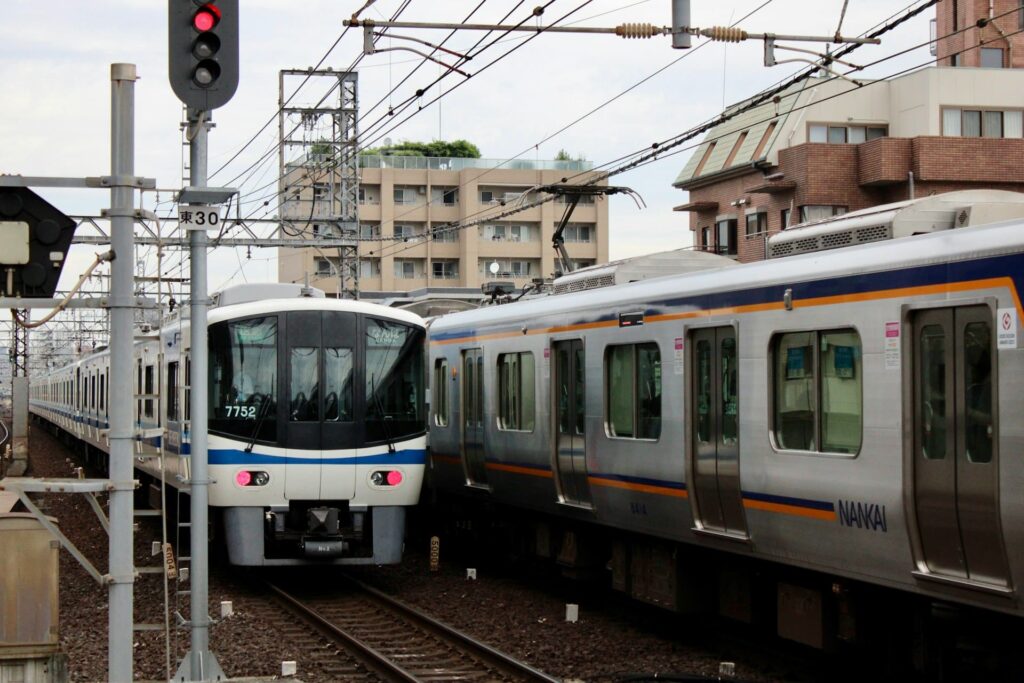
Do not choose one pass for your entire trip. The best strategy is to choose by day: use a sightseeing pass on heavy attraction days, a transit pass on busy train days, and an IC card on light days.
1. Osaka Amazing Pass
The Osaka Amazing Pass is best for travelers who want to visit several paid attractions in one day. For the March 2026–March 2027 sales period, the official price is 3,500 JPY for a 1-day pass and 5,000 JPY for a 2-day pass.
The pass includes unlimited rides on eligible transport routes and free entry to around 40 participating attractions. However, route coverage and facility conditions matter, so always check the latest included routes and facilities before buying. The pass is also a calendar-style digital ticket, not a rolling 24-hour or 48-hour ticket from the moment you first use it.
- Good for: First-time visitors planning a packed sightseeing day.
- Example value day: Osaka Castle Main Tower, Tombori River Cruise, Tsutenkaku, and several subway rides.
- Important Umeda Sky Building note: Free entry with the pass applies only until 3:00 PM. After 3:00 PM, the pass gives a discount instead of free admission.
Before buying individual attraction tickets, compare the current Osaka Amazing Pass details and included attractions against your planned route.
2. Osaka Metro 1-Day Pass / Enjoy Eco Card
If your day is mostly about eating, shopping, and moving around the city, the Osaka Metro 1-Day Pass / Enjoy Eco Card may be a better fit than the Osaka Amazing Pass.
As of 2026, the adult price is 820 JPY on weekdays and 620 JPY on weekends and public holidays. It covers Osaka Metro and Osaka City Bus routes, with exceptions such as Yumeshima Station, some specific bus routes, and on-demand buses.
This pass is usually worth considering if you plan to take four or more subway rides in one day and do not need the paid-attraction benefits of the Osaka Amazing Pass.
3. Pay-As-You-Go with an IC Card
For light days, an IC card is often the simplest choice. If you are only taking one to three rides, paying as you go with ICOCA, Suica, or PASMO may be cheaper and less restrictive than buying a day pass.
| Option | Typical Cost | Best For | Watch Out For |
|---|---|---|---|
| IC card | Pay per ride | Light travel days, day trips, convenience | No built-in attraction savings |
| Enjoy Eco Card | 820 JPY weekday 620 JPY weekend/holiday |
4+ Osaka Metro rides in one day | Some routes and stations are excluded |
| Osaka Amazing Pass | 3,500 JPY 1-day 5,000 JPY 2-day |
Heavy sightseeing days with paid attractions | Facility rules, route coverage, and time limits matter |
Tip: Use the Osaka Amazing Pass on your busiest sightseeing day, the Enjoy Eco Card on a shopping-and-food day, and an IC card for the rest. You do not need one pass for every day of your trip.
Is Osaka Cheaper Than Tokyo?
In general, Osaka is often cheaper than Tokyo for accommodation and casual nights out. Food prices at chains and convenience stores are similar across Japan, but Osaka has many affordable street food, izakaya, and casual dining options.
Hotel prices vary by season, area, events, and how far ahead you book. A central Osaka hotel in Namba, Umeda, or Shinsaibashi is often better value than a comparable room in Shinjuku or Shibuya, but this is not guaranteed during peak travel dates.
For budget-conscious travelers, Osaka offers one of the best value balances in urban Japan: big-city transport, excellent food, strong nightlife, and many free or low-cost things to do.
5 Practical Ways to Save Money in Osaka
1. Eat Your Main Meal at Lunch
Many restaurants offer lunch sets that cost less than dinner. If you want sushi, yakiniku, or a more expensive local meal, lunch is often the better value. Then keep dinner simple with street food, ramen, or konbini items.
2. Use Convenience Stores for Breakfast
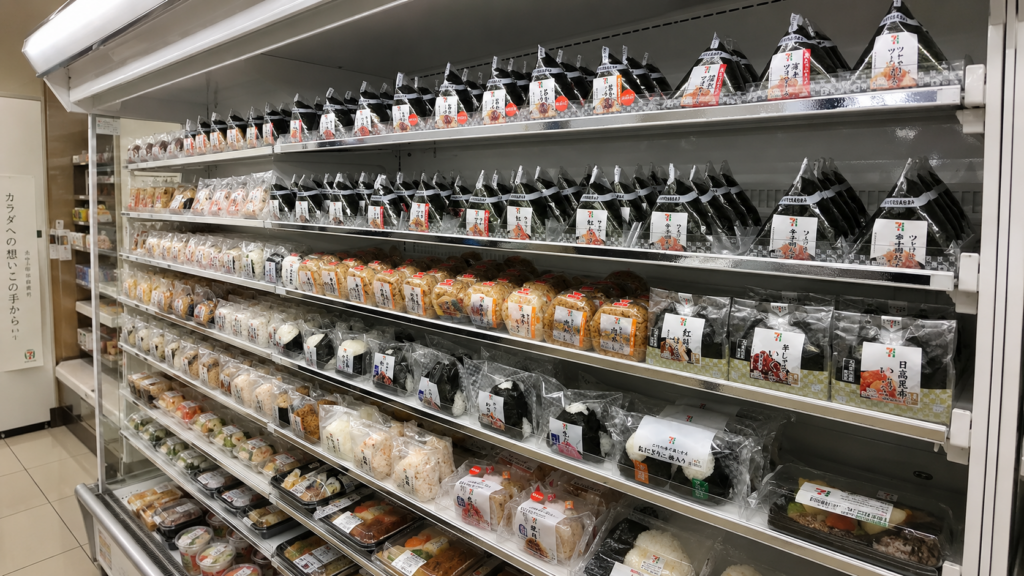
A cafe breakfast can cost 600–1,200 JPY, especially in central areas. A konbini breakfast with onigiri, sandwich, yogurt, and tea can often stay under 800 JPY.
3. Choose Passes by Day, Not by Trip
The biggest pass mistake is buying one transport pass and trying to force every day around it. Look at each itinerary day separately:
- 2–3 paid attractions in one day: Consider the Osaka Amazing Pass.
- 4+ subway rides and no paid attractions: Consider the Enjoy Eco Card.
- 1–3 rides or a relaxed day: Use an IC card.
4. Separate Your USJ Budget
Do not include USJ in your normal daily average. Budget it as its own expensive day, especially if you plan to buy an Express Pass or character merchandise.
5. Stay Near a Useful Station
A slightly cheaper hotel far from the subway can cost more in time and transit. For a first Osaka trip, areas near Namba, Shinsaibashi, Umeda, Tennoji, or Shin-Osaka can make transport easier, depending on your itinerary.
Seasonal Budget Variations in Osaka
Accommodation is the biggest variable in your Osaka budget. Food and local transport stay fairly stable, but hotels can rise sharply during sakura season, autumn foliage season, Japanese holidays, major events, and weekends.
| Season | Typical Months | Budget Impact | Notes |
|---|---|---|---|
| Lower Season | January–February excluding major holidays |
Often cheaper | Cold but good for budget travelers. |
| Shoulder Season | May–June September–October |
Good value | Often a strong balance of price, weather, and crowds. |
| High Season | March–April November–December |
More expensive | Sakura and autumn foliage can push up hotel prices. |
| Peak Holidays | Golden Week, Obon, New Year | Most expensive | Book early or avoid these periods if budget is tight. |
If your dates are flexible, shoulder season usually gives the best balance of comfortable weather and reasonable hotel prices.
Other Costs to Include in Your Osaka Budget
Beyond hotels, food, transport, and attractions, remember these common extra costs:
- IC card deposit: 500 JPY for a physical ICOCA card, refundable under JR West conditions.
- eSIM or pocket Wi-Fi: Prices vary by provider, data amount, and trip length.
- Coin lockers: Often around 300–700 JPY depending on locker size and station.
- Souvenirs: 2,000–5,000 JPY is enough for small snacks and gifts, but kitchen knives, ceramics, fashion, or anime goods can raise the budget quickly.
- Travel insurance: Cost depends on your country, age, coverage, and trip length, but it is worth considering before traveling.
Frequently Asked Questions
Do I need to carry cash in Osaka?
Yes, carry some cash as a backup. Cards, Apple Pay, and IC cards are widely accepted at hotels, convenience stores, department stores, and many restaurants, but small food stalls, older ramen ticket machines, local shops, and some family-run restaurants may still prefer or require cash. Keeping around 10,000–20,000 JPY available is practical for most travelers.
Do you tip in Osaka?
No. Japan does not have a normal tipping culture for restaurants, taxis, hotels, or casual services. Service is included in the price, and leaving coins or bills on the table may confuse staff.
Are convenience store meals actually good?
Yes. Convenience stores are a real part of budget travel in Japan. Onigiri, egg sandwiches, fried chicken, salads, bento boxes, and bottled drinks are affordable, reliable, and easy to find late at night.
Do I need an ICOCA card if I already have Suica or PASMO?
No. If you already have a Suica or PASMO card from Tokyo, you can usually keep using it in Osaka. The main difference is refund location: physical card deposits are generally refunded by the issuing company, so do not buy a new card just to get a local logo.
Is Osaka expensive for families?
Osaka can be family-friendly, but the budget depends on room size, child ages, and whether you visit USJ. A family of three traveling comfortably but not luxuriously should usually plan more than a solo mid-range traveler, even when children receive discounted fares or tickets.
Should I buy the Osaka Amazing Pass?
Buy it only for a busy sightseeing day. If you plan to visit several included attractions and use eligible transport multiple times, it can be excellent value. If you mainly want to shop, eat, and wander around free neighborhoods, the Enjoy Eco Card or an IC card may be better.
Can I visit Osaka on 8,000 JPY per day?
Yes, but only with careful choices: hostel or capsule accommodation, konbini breakfasts, cheap ramen or street food, limited paid attractions, and minimal nightlife. If you want a private room and several paid sights, a mid-range budget is more realistic.
Final Verdict: How Much Should You Budget for Osaka?
For a realistic Osaka trip in 2026, use these simple rules:
- Budget trip: 8,000–10,500 JPY per day if you are comfortable with hostels, konbini meals, cheap eats, and mostly free sightseeing.
- Mid-range trip: 20,000–30,000 JPY per day if you want a private hotel room, good casual meals, and 1–2 paid attractions per day.
- Luxury trip: 40,000+ JPY per day if you want upscale hotels, premium dining, taxis, shopping, and flexible sightseeing.
- USJ day: Budget separately. Ticket prices, Express Passes, food, and merchandise can make it far more expensive than a normal Osaka sightseeing day.
- First-time visitors: Aim for the mid-range budget. It gives you enough flexibility to enjoy Osaka’s food scene and major attractions without counting every coin.
Osaka is still one of the best-value major cities in Japan, especially for food. With a smart hotel choice, a daily pass strategy, and a separate budget for USJ or shopping, you can enjoy street food, neon nightlife, historic sights, and modern attractions without overspending.
For a full breakdown of included facilities and the latest pricing, check the current Osaka Amazing Pass details here before locking in your itinerary.
Prices, opening hours, transport schedules, pass conditions, attraction inclusions, ticket rules, payment methods, and seasonal operations can change. Always check official sources and your selected booking page before finalizing your trip.

Hi, I’m Kai. I’m a Tokyo-based travel writer, tourism industry insider, and the author of a published guidebook for international visitors to Japan. With over 10 years of professional experience at a leading Japanese tourism company, my mission is to help you skip the tourist traps and navigate Japan’s best destinations like a local. I believe the perfect day trip is like a traditional kaiseki meal: a beautiful balance of precise planning and unforgettable seasonal discovery. When I’m not out conducting field research, you’ll usually find me drafting new itineraries with one of my favorite fountain pens!