
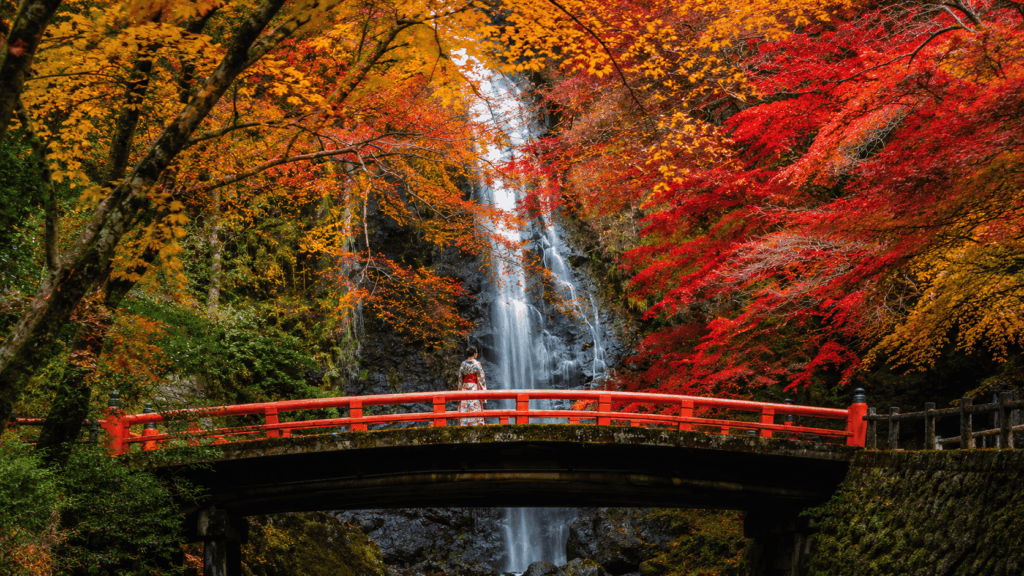
Quick Answer: Your Crowd-Free Osaka Day at a Glance
If you have already explored Dotonbori’s neon streets, tackled Universal Studios Japan, or visited Osaka Castle, you might be wondering: Is there a quieter, more local side of Osaka?
The answer is yes. Within easy reach of Umeda, you can find peaceful forest trails, retro cafe-lined alleyways, and guided neighborhood rides that show a different side of the city. Here is how to choose the right Osaka hidden gem for your travel style:
- For Nature Lovers → Minoh Forest (Minoh Park) – A paved forest walk to a 33-meter waterfall. Allow about half a day, including the train from Umeda and the walk to the falls.
- For Cafe Hoppers & Vintage Shoppers → Nakazakicho – A retro neighborhood of old wooden houses, indie cafes, thrift stores, and small galleries. Best visited in the afternoon unless you have checked a specific cafe’s morning hours.
- For Guided Local Context → Osaka E-Bike or Walking Tour – A structured way to cover several Osaka neighborhoods with a guide, without planning every route yourself.
If you already know you want a guided local experience, check the current availability, start times, route, group size, rider requirements, and reviews for this Osaka e-bike tour before finalising your itinerary.
Transport fares, facility fees, opening hours, and tour details in this guide were checked in June 2026 where official or booking-page information was available. They can still change, so always confirm the latest details before you travel.
Minoh Forest (Minoh Park): A Nature Retreat Near Central Osaka
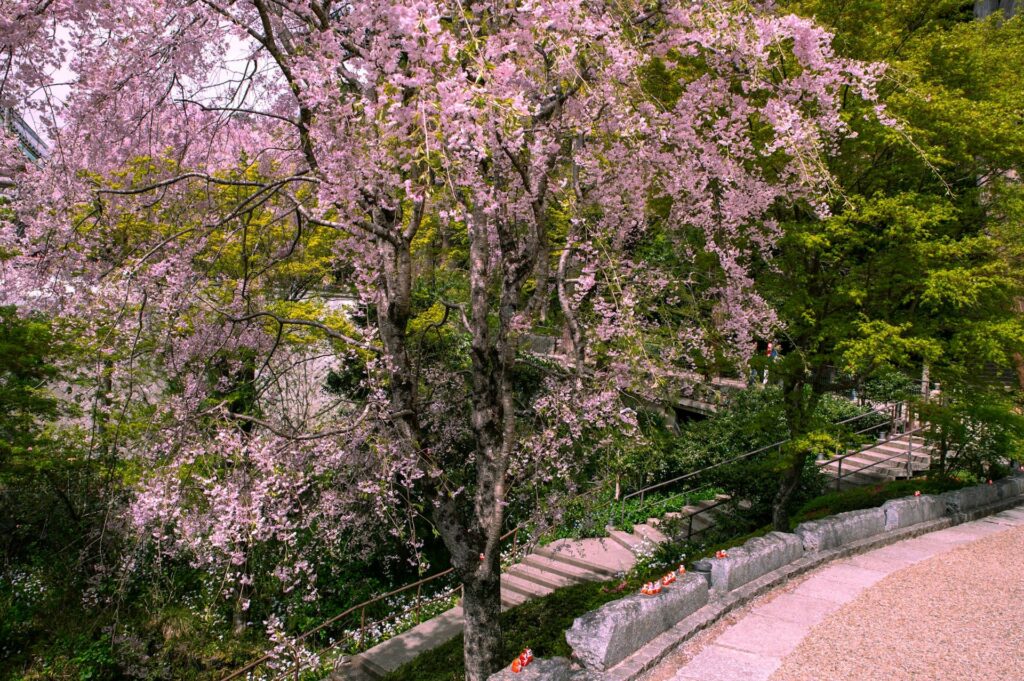
When most travelers think of Osaka, lush forests and waterfalls do not usually come to mind. Yet Minoh Park (also spelled Minoo) is one of the easiest nature escapes from the city. This forested valley has a paved walking trail along a stream, leading to Minoh Waterfall, a 33-meter waterfall that feels far removed from Osaka’s busy shopping streets.
It works especially well as a half-day trip from Umeda. You can visit in the morning, walk to the falls, try a local snack, and still return to central Osaka for lunch or an afternoon cafe stop. For more ideas beyond the city center, see other great Osaka day trip destinations.
How to Get to Minoh Park from Umeda
Minoh’s biggest advantage is accessibility. You do not need a car or long-distance train.
- Route: From Hankyu Osaka-umeda Station, take the Hankyu Takarazuka Line to Ishibashi handai-mae Station, then transfer to the Hankyu Minoo Line to Minoo Station.
- Travel Time: Usually around 25 to 30 minutes by train from Umeda.
- Cost: As of June 2026, the Hankyu fare is typically around 280 yen one way from Osaka-umeda to Minoo. Fares can change, so check the latest fare before traveling.
- JR Pass: The Hankyu route is not covered by the Japan Rail Pass.
Once you exit Minoo Station, the main walking route toward the waterfall, often called Takimichi, starts nearby. The route is simple enough for most first-time visitors to follow.
Trail Difficulty & What to Expect
Do not let the word “hike” intimidate you. The main path to Minoh Waterfall is more of a steady paved walk than a mountain trek.
- Distance: About 2.7 to 2.8 kilometers from Minoo Station to the waterfall.
- Time: Around 40 to 45 minutes each way at a comfortable walking pace.
- Terrain: Mostly paved with a gentle incline. Comfortable walking shoes or sneakers are recommended.
- Waterfall Height: 33 meters, making it a rewarding destination even for a short walk.
The trail is suitable for many families and older travelers, but it is still a real walk. In summer, bring water and insect repellent. In autumn, expect more crowds, especially on weekends.
Worthwhile Stops Along the Minoh Trail
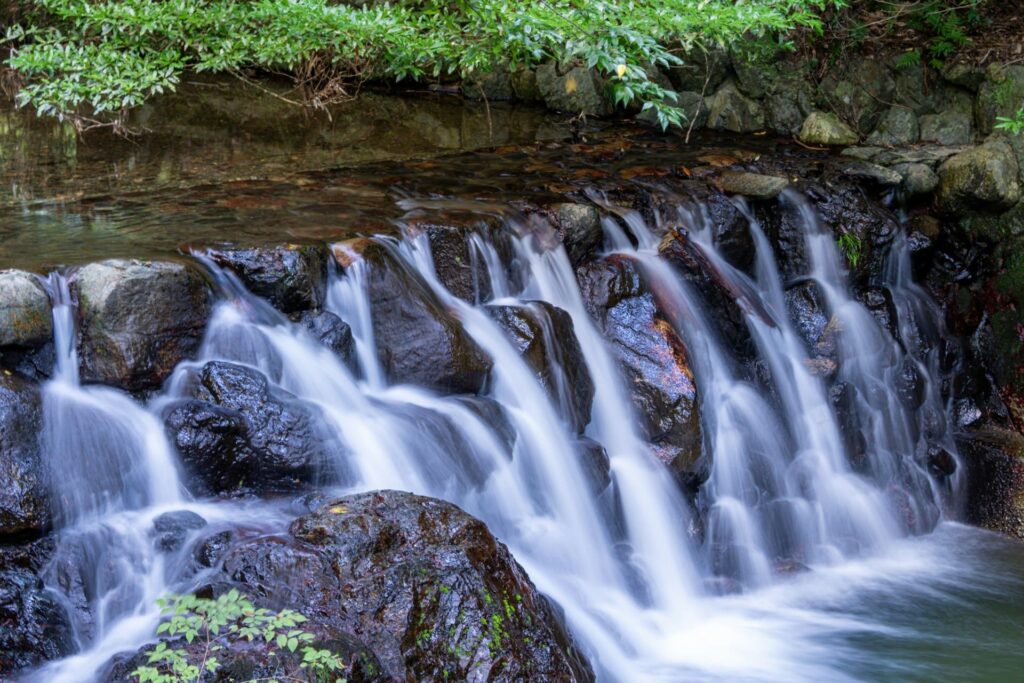
Many visitors walk straight to the waterfall and back, but the route has several small stops that can make the trip feel more local and less rushed.
- Hashimoto-Tei: A historic wooden building along the trail that has operated as a cafe and gallery space. Opening details can vary, so treat it as a pleasant stop if open rather than the main reason for your visit.
- Minoh Park Insectarium: A small insect museum and butterfly facility. As of June 2026, official tourism information lists admission at 280 yen for adults and free for junior high school students and younger, with opening hours from 10:00 to 17:00 and last entry at 16:30. It is usually closed on Tuesdays, with holiday exceptions, so check before going.
- Ryu-an-ji Temple: A historic temple on the route, worth a short pause if you enjoy quiet temple grounds.
- Wild Monkeys: Wild monkeys live in the Minoh mountains, but sightings are not guaranteed. If you see them, do not feed them, show food, touch them, or approach them for photos.
- Momiji Tempura Stalls: Deep-fried maple leaves in a sweet batter are a local Minoh specialty. They are especially associated with autumn, but stall openings and availability can vary by season and day.
Best Time to Visit Minoh Park
| Season | Why Visit | What to Watch For |
|---|---|---|
| Spring | Fresh greenery, mild temperatures, and some cherry blossoms near the lower part of the route. | Weekends can still be busier than weekdays. |
| Summer | The shaded trail and waterfall mist can feel refreshing compared with central Osaka. | Humidity, insects, and sudden rain. Bring water and repellent. |
| Autumn | The most famous season, with colorful maple leaves along the valley. | This is also the busiest period. Go early on weekends. |
| Winter | Quiet trails, crisp air, and fewer crowds. | Some stalls or small businesses may have shorter hours or closures. |
Local Tip: If you visit during autumn foliage season, aim to arrive at Minoo Station early in the morning on weekends. The trail is much more peaceful before the late-morning crowds arrive.
Who Should Visit Minoh?
Minoh Park is ideal for nature lovers, families, solo travelers, and anyone who needs a quiet reset from Osaka’s urban energy. It is also a good choice if you want a half-day escape without committing to a full rural day trip.
Who Should Skip It?
Skip Minoh if you cannot comfortably manage a 2.7 to 2.8-kilometer walk each way, even on paved ground. It is also not the best choice if you are looking for a strenuous mountain hike. There are more challenging routes beyond the waterfall, but the classic visitor route is designed as an easy forest walk.
Nakazakicho: Retro Cafes, Vintage Shops & Local Culture
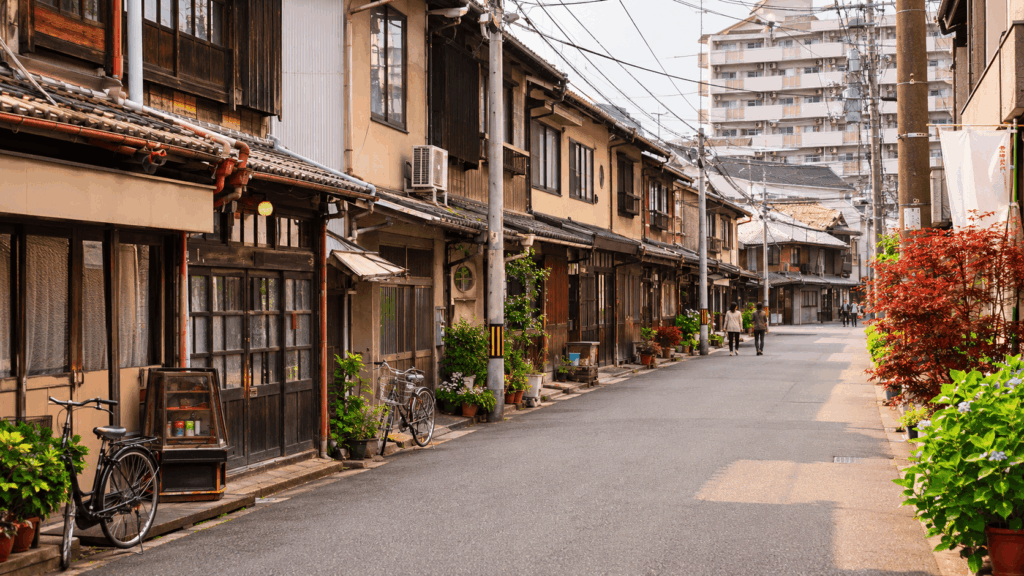
If city streets appeal to you more than forest trails, Nakazakicho is one of Osaka’s most enjoyable low-key neighborhoods. Located about a 10 to 15-minute walk from Umeda, it feels surprisingly different from the glass towers and department stores nearby.
The area is known for narrow lanes, old wooden houses, independent cafes, small galleries, vintage clothing shops, and relaxed local businesses. It is not a checklist-style sightseeing district. The main pleasure is wandering slowly and seeing what you find.
How to Get to Nakazakicho
- Walking from Umeda / Osaka Station: About 10 to 15 minutes. Head northeast from the main Umeda area toward the quieter side streets.
- By Subway: Take the Osaka Metro Tanimachi Line to Nakazakicho Station.
Once you arrive, do not over-plan every stop. Choose a cafe or shop as a loose starting point, then explore the surrounding lanes on foot.
Best Time to Visit: Afternoon, Unless You Have a Specific Cafe in Mind
The most common mistake is visiting Nakazakicho too early. Many independent shops and cafes open later than chain stores, and some keep irregular schedules.
- Best General Time: After 12:00 PM, with the area usually feeling liveliest between about 1:00 PM and 5:00 PM.
- Morning Exception: A few cafes may open in the morning, so early visits can work if you are going to a specific place and have checked its latest hours.
- Rest Days: Some independent shops may close on weekdays, including Tuesdays or Wednesdays, but this varies by business. Always check the latest shop information before making a special trip.
Cafes & Shops to Put on Your Radar
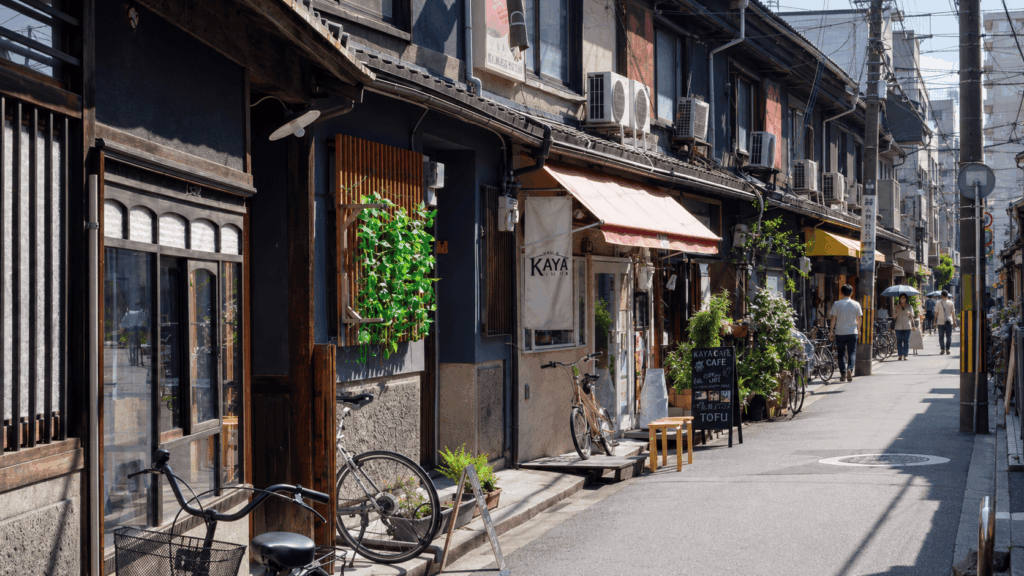
Wandering is part of Nakazakicho’s charm, but it helps to have a few names in mind.
- Cafe Taiyonotou: One of the best-known cafe brands associated with Nakazakicho, with a nostalgic retro atmosphere. Its main Nakazakicho shop has listed morning hours, while other branches may differ. Check the latest official news and branch information before visiting.
- Picco Latte: A photogenic dessert cafe known for cute sweets and takeaway-friendly items. Hours and closing days can change, so confirm before going.
- Green Pepe: A retro-style vintage shop often associated with Showa-era fashion and nostalgic goods. Treat it as a discovery stop and check current opening information if it is a must-visit for you.
Local Tip: In Nakazakicho, closed doors do not always mean a place is gone forever. Small shops may post handwritten notes or update social media more quickly than map listings.
Who Should Visit Nakazakicho?
Nakazakicho is perfect for cafe lovers, vintage shoppers, photographers, and travelers who enjoy slow, unstructured exploration. It is also a useful rainy-day alternative to outdoor plans like Minoh Park.
Who Should Skip It?
Skip Nakazakicho if you prefer major landmarks, predictable opening hours, big shopping malls, or a fast-paced itinerary. This neighborhood rewards patience more than efficiency.
Explore Osaka by E-Bike or Local Walking Tour
While Minoh offers nature and Nakazakicho offers retro cafe culture, a guided e-bike or walking tour gives you a third way to experience Osaka: seeing neighborhoods with local context instead of simply moving from one famous landmark to the next.
An e-bike tour is especially useful if you want to cover more ground without spending the whole day walking. However, it is important to understand what you are booking. The linked e-bike option is best understood as a guided Osaka overview by electric bike. It may mix major sights, shrines, shopping areas, riverfront districts, and local-feeling streets, rather than being a pure backstreet-only tour.
What to Expect on a Guided Osaka E-Bike Tour
Osaka is relatively flat, and an electric-assist bicycle can make neighborhood-hopping easier than using a standard bike. However, you still need to be comfortable cycling on city streets and following traffic rules.
Details vary by booking platform and date, but a typical guided Osaka e-bike tour may include:
- Duration: Around 3 to 3.5 hours.
- Guide: Usually an English-speaking local guide.
- Group Size: Often small-group, but maximum numbers vary by listing.
- Possible Stops: Stops vary by route and date, but the linked tour page has listed places such as Den Den Town, Shitennoji, Osaka Castle Park, Nakanoshima, America Town, and Namba Yasaka Shrine. Always check the current route before booking.
- Price: Often in the broad range of around 8,500 to 15,000 yen per person, but prices change by date, platform, inclusions, and exchange rate.
- Restrictions: Some tours may have age, height, fitness, or health restrictions. Check the booking page carefully before reserving.
A good guide does more than lead the route. They explain local history, help with food stops, point out details you would likely miss, and reduce the stress of navigating unfamiliar streets.
For travelers who like the idea of covering several Osaka neighborhoods without a long walking day, compare the latest route, start times, group size, rider requirements, cancellation policy, and reviews for this guided Osaka e-bike option.
DIY vs. Guided Tour: Which Is Right for You?
| Feature | DIY / Self-Guided | Guided Tour / E-Bike or Walking |
|---|---|---|
| Cost | Lowest cost. You mainly pay for transport, food, and entry fees. | Usually higher, often around 7,000 to 15,000 yen per person depending on the tour. |
| Flexibility | High. You can change plans anytime. | Medium. The route is structured, though some guides adapt to the group. |
| Language Barrier | Higher in small local shops, markets, and restaurants. | Lower because the guide can help with communication and ordering. |
| Depth of Insight | You see what is visible, but may miss context. | A guide can explain history, local customs, and neighborhood details. |
| Best For | Confident travelers who enjoy getting lost. | First-time visitors, families with older children, repeat visitors, or travelers who want context without planning everything. |
If you prefer walking to cycling, compare the route, guide language, current pricing, and included stops for this half-day Osaka walking tour that mixes iconic sights with lesser-known areas before choosing a DIY plan.
How to Combine These Hidden Gems: Two Sample Itineraries
Trying to fit Minoh Park, Nakazakicho, and a guided local tour into one day is possible, but it can feel rushed. For most travelers, it is better to choose the version that matches your energy level. For a more classic route covering the major sights, see our ultimate 1-day Osaka itinerary.
Option A: Nature + Cafe Day
Best for: Travelers who want a calm, self-guided day with variety.
- 9:00 AM: Depart Hankyu Osaka-umeda Station for Minoo Station, changing at Ishibashi handai-mae.
- 9:30 AM – 11:30 AM: Walk the paved trail to Minoh Waterfall and back. Take photos, enjoy the forest, and try momiji tempura if stalls are open.
- 11:30 AM – 12:30 PM: Return to Umeda and have a casual lunch near the station.
- 1:00 PM – 1:30 PM: Walk or take the subway to Nakazakicho.
- 1:30 PM – 4:30 PM: Explore Nakazakicho’s cafes, vintage shops, and side streets at a relaxed pace.
Why this works: You get nature in the morning and retro city charm in the afternoon without trying to do too much.
Option B: Guided Local Osaka Day
Best for: Travelers who want deeper local context and efficient neighborhood coverage.
- Morning: Keep the morning flexible. Sleep in, visit one nearby cafe, or do a short self-guided walk.
- Afternoon: Join a guided e-bike or walking tour, depending on your comfort level.
- Evening: Ask your guide for dinner recommendations near the tour finish point. Local guides often know casual places that are hard to find from search results alone.
Why this works: You avoid the planning burden and let a local guide connect the neighborhoods, food stops, and cultural context for you.
Frequently Asked Questions
How do I get to Minoh Falls from Umeda?
Take the Hankyu Takarazuka Line from Hankyu Osaka-umeda Station to Ishibashi handai-mae Station, then transfer to the Hankyu Minoo Line and get off at Minoo Station. The train ride usually takes around 25 to 30 minutes. From Minoo Station, the paved walk to the waterfall takes about 40 to 45 minutes each way.
Is Minoh Park free to enter?
The main park and walking route to Minoh Waterfall do not require an entrance fee. You will still need to pay for train fare, food, and optional paid facilities such as the insectarium. Facility fees and hours can change, so check current information before visiting.
When is the best time of day to visit Nakazakicho?
For most travelers, the afternoon is best. Aim for after 12:00 PM, with 1:00 PM to 5:00 PM usually being the most reliable window for cafes and shops. If you want to visit a specific cafe in the morning, check its latest hours first.
Can I visit Minoh Park and Nakazakicho in the same day?
Yes. Minoh works well in the morning, and Nakazakicho is best in the afternoon, so the timing pairs naturally. This is the easiest self-guided hidden-gems day from Umeda.
Is an e-bike tour in Osaka worth it for first-time visitors?
It can be worth it if you want to see several Osaka areas with local context without spending hours planning routes. E-bike tours are especially useful for travelers who want help with navigation, efficient neighborhood coverage, and commentary from a guide. However, you should still be comfortable riding a bicycle in an urban environment.
What should I bring for the Minoh Forest walk?
Bring comfortable walking shoes, water, and insect repellent in warmer months. In autumn and winter, bring a light layer because the shaded valley can feel cooler than central Osaka. Carry some cash as a backup for small shops and food stalls.
Are wild monkeys guaranteed in Minoh Park?
No. Wild monkeys live in the Minoh mountains, but sightings are not guaranteed. If you do see them, do not feed them, show food, touch them, or get close for photos.
Final Verdict: Which Osaka Hidden Gem Is Right for You?
Osaka’s hidden gems are not about ticking off famous landmarks. They are about choosing the experience that matches your travel style.
| You Are… | Choose This | Why |
|---|---|---|
| A nature lover who wants fresh air and a peaceful walk | Minoh Forest | Paved trail, waterfall, seasonal foliage, and an easy half-day escape from Umeda. |
| A cafe hopper or vintage shopper | Nakazakicho | Slow-paced, photogenic, full of small independent cafes, shops, and galleries. |
| A traveler seeking guided context | Guided E-Bike or Walking Tour | Covers more ground, adds cultural explanation, and reduces the planning burden. |
| A first-time visitor with limited time | Option A: Minoh + Nakazakicho | Two different sides of Osaka in one day without rushing too much. |
| A repeat visitor wanting something new | Option B: Guided Local Tour | A local guide can introduce details, routes, and food stops you likely missed the first time. |
If you prefer not to manage routes, transfers, and neighborhood planning yourself, a guided e-bike or walking tour is the easiest way to add local context to your Osaka day. If you prefer quiet independence, Minoh in the morning and Nakazakicho in the afternoon make the best self-guided combination.
Prices, opening hours, transport fares, pass conditions, tour routes, group sizes, reviews, cancellation policies, payment methods, and seasonal operations can change. Always check official sources and your selected booking page before finalizing your trip.

Hi, I’m Kai. I’m a Tokyo-based travel writer, tourism industry insider, and the author of a published guidebook for international visitors to Japan. With over 10 years of professional experience at a leading Japanese tourism company, my mission is to help you skip the tourist traps and navigate Japan’s best destinations like a local. I believe the perfect day trip is like a traditional kaiseki meal: a beautiful balance of precise planning and unforgettable seasonal discovery. When I’m not out conducting field research, you’ll usually find me drafting new itineraries with one of my favorite fountain pens!