
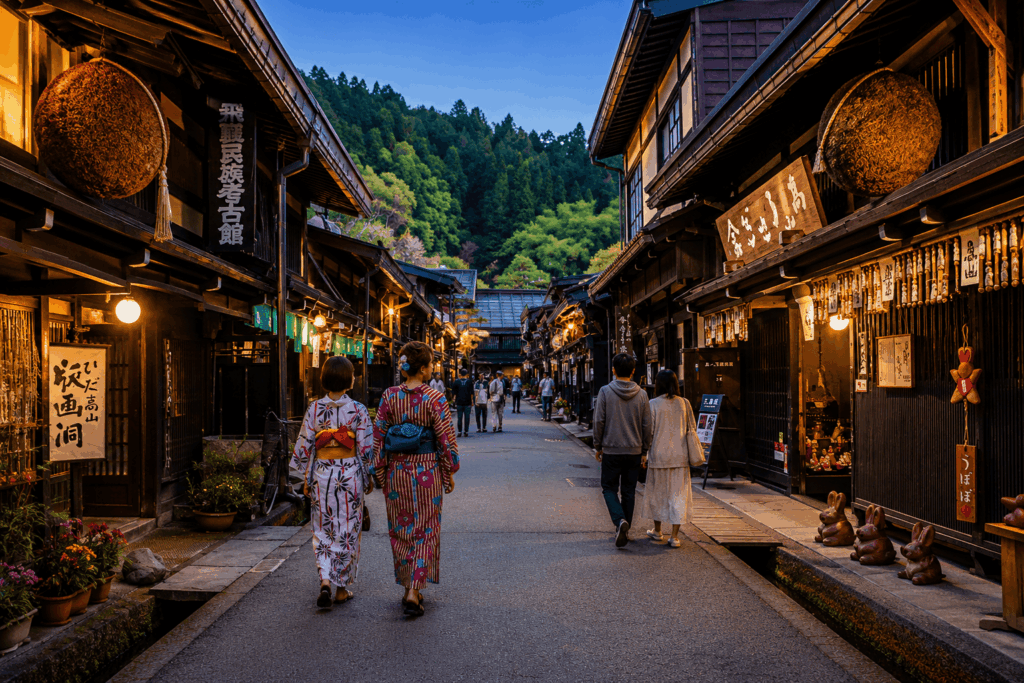
Takayama is one of those Japanese towns that looks deceptively simple on a map but somehow leaves travelers second-guessing their accommodation choice until the last minute. Should you stay near the station for easy access to your next destination? Or book a traditional ryokan in the old town for the full atmosphere? And is it even worth staying overnight — or is Takayama better as a day trip from Nagoya or Kanazawa?
This guide cuts through the confusion. I’ll walk you through each neighborhood, compare the different accommodation styles (full-service ryokan vs. station-side hotel vs. budget guesthouse), and help you match your travel style to the right area and property. By the end, you’ll know exactly where to book — and what traps to avoid.
If your dates are fixed, start by checking the three safest short-list options: TOKYU STAY Hida-Takayama Musubi no Yu or Spa Hotel Alpina Hida Takayama for a practical station-side onsen stay, or Honjin Hiranoya Kachoan if you want the full old-town ryokan splurge.
Should You Stay Overnight in Takayama?
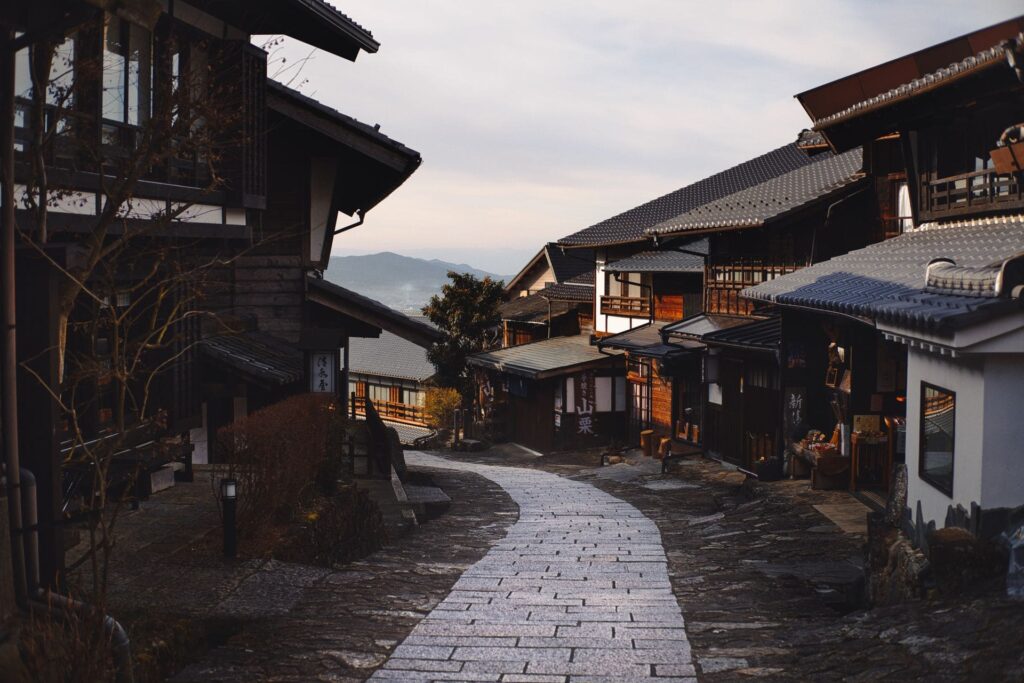
Let me start with an honest answer: Takayama is absolutely worth an overnight stay, but not for the reasons most guidebooks give you.
Yes, you can visit Takayama as a day trip from Nagoya (2.5 hours by limited express) or Kanazawa (2 hours). You’ll see the morning market, walk Sanmachi Suji, visit Takayama Jinya, and tick the boxes. But here’s what you’ll miss: the town after the day-trippers leave.
Kai’s tip: The single best reason to stay overnight in Takayama is the quiet transformation of Sanmachi Suji after 5 PM and before 7 AM. During the day, the old streets are packed with crowds shuffling between souvenir shops. By evening, the day-trip buses are gone, the lanterns come on, and you can stand in the middle of the same street with only the sound of the Miyagawa River. That contrast — the same place, completely different experience — is something no day trip can give you.
Stay overnight if you want:
- Early-morning access to the Miyagawa Morning Market before the crowds
- The experience of a ryokan with kaiseki dinner and onsen
- A relaxed pace to explore the Higashiyama Walking Course and Hida Folk Village
- To use Takayama as a base for Shirakawa-go or Kamikochi
Day trip is fine if you’re on a tight multi-city itinerary and accommodation elsewhere makes more sense logistically. But if you have even one free night on your Japan trip, spend it in Takayama.
Takayama at a Glance: Orientation & Key Areas
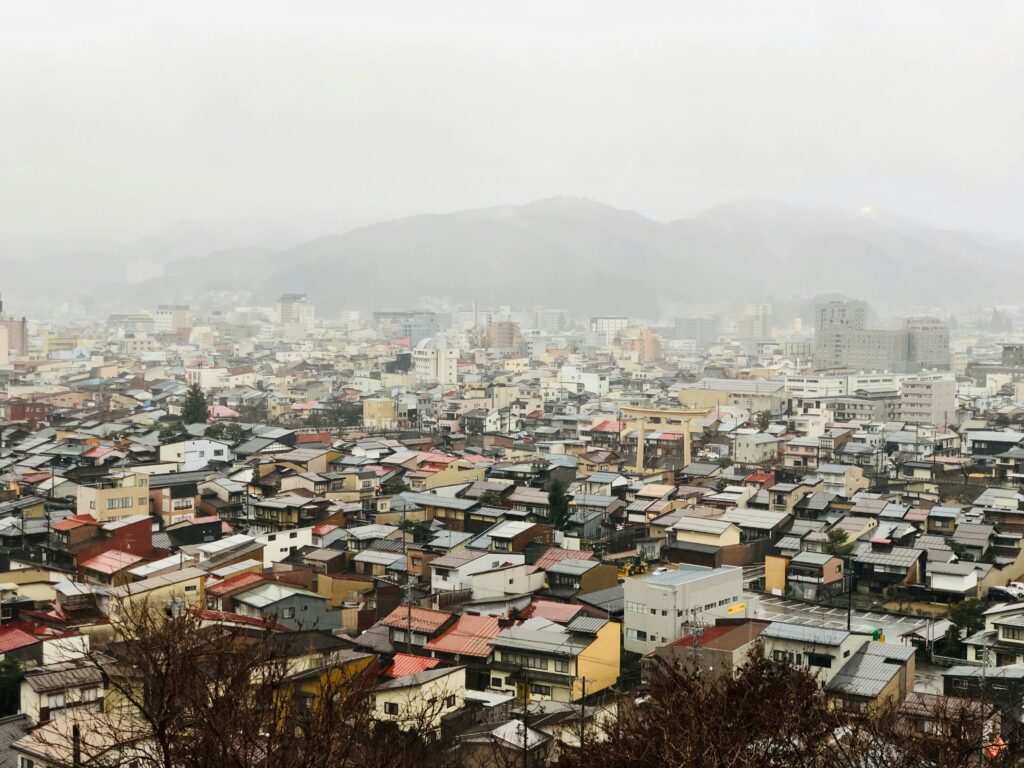
Before diving into specific areas, here’s the most important thing to know about Takayama’s layout: almost everything a visitor needs is within walking distance.
Kai’s tip: Many first-time visitors worry that choosing between “station area” and “old town” means a long commute each day. It doesn’t. Takayama Station to the heart of Sanmachi Suji is a flat 10–15 minute walk (about 1 km). The distance is genuinely negligible. The real decision isn’t about convenience — it’s about whether you prefer the modern energy near the station or the quieter, more atmospheric streets of the old town.
Here’s how the main areas relate to each other:
- Takayama Station Area: The transport hub with the widest range of hotels, restaurants, and convenience stores. Everything is a short walk from the station.
- City Centre (Mid-Town): The stretch between the station and the old town. A mix of shops, hotels, and local eateries. Good balance of access and quiet.
- Sanmachi Suji (Old Town): The historic district with preserved Edo-period buildings, sake breweries, and the Miyagawa River. The most atmospheric place to stay — and the quietest after dark.
- Higashiyama Temple Area: The eastern hillside with a cluster of temples and the Higashiyama Walking Course. Peaceful, local-feeling, and great for walkers.
Best Areas to Stay in Takayama — At a Glance
| Area | Best For | Old Town Access | Vibe | Typical Price Level | Who It’s Best For |
|---|---|---|---|---|---|
| Takayama Station Area | Convenience, first-time visitors, onward travel | 10–15 min walk | Modern, practical, lively | Mid-range | Travelers arriving late or leaving early; those with luggage; anyone linking Takayama to Nagoya/Kanazawa/Shirakawa-go |
| City Centre (Mid-Town) | Balance of convenience and charm | 5–10 min walk | Mixed — local shops, restaurants, some ryokan | Mid-range to high-end | Travelers who want a bit of both worlds without committing fully to the old town |
| Sanmachi (Old Town) | Atmosphere, culture, ryokan experience | 0–5 min walk (you’re already there) | Historic, serene (especially evenings), touristy by day | Mid-range to luxury | Couples, culture seekers, anyone wanting a ryokan-with-kaiseki experience; travelers willing to walk 10–15 min to the station with luggage |
| Higashiyama Temple Area | Peaceful walks, local vibe, walking course | 10–15 min walk | Temple-town atmosphere, very quiet | Varies; fewer options | Solo travelers, walkers, repeat visitors to Takayama, anyone who prefers temples over tourist streets |
Note on pricing: rates vary dramatically by season and can rise sharply during the Takayama Festival, Golden Week (late April–early May), and autumn foliage season (late October–November). Use the price-level column only as a relative guide, then compare live rates for your dates.
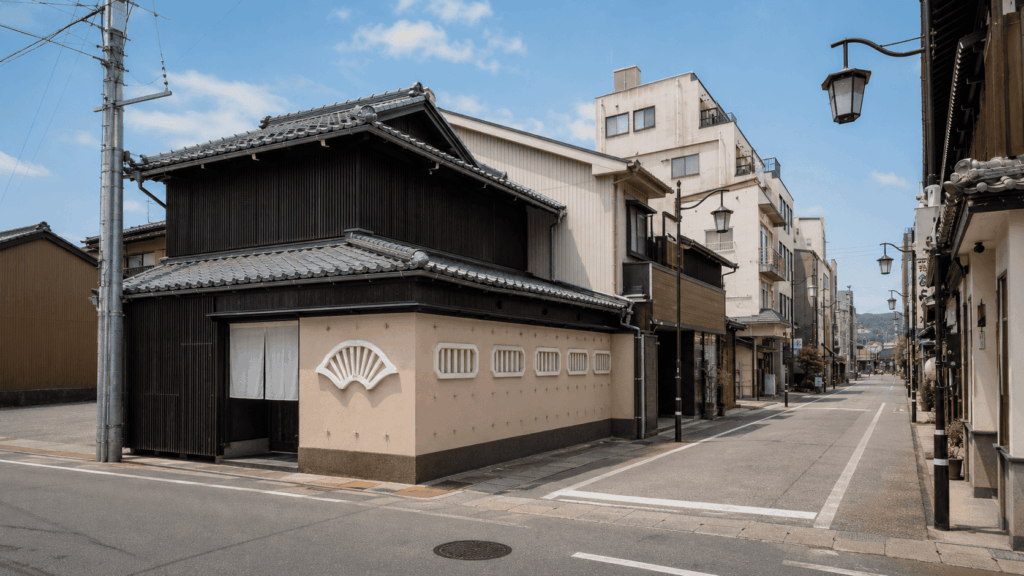
Takayama Station Area 
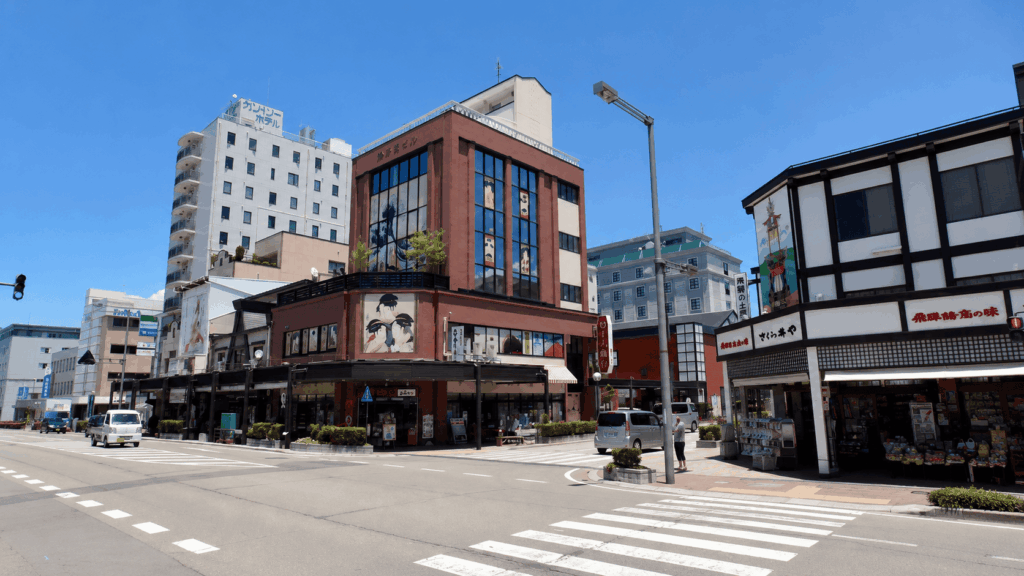
If convenience is your top priority, this is your area. The station itself is compact — you can walk from the ticket gate to the bus terminal in under a minute — and the surrounding streets are packed with hotels, restaurants, convenience stores, and rental car offices.
Who it’s best for: First-time visitors who want zero stress about connections. Travelers arriving late or departing early (many trains and buses to Shirakawa-go leave from here). Anyone doing a multi-city loop (Nagoya → Takayama → Kanazawa) who wants to be steps from the next departure.
Notable hotels in this area: TOKYU STAY Hida-Takayama Musubi no Yu (2-minute walk, onsen, modern rooms; its Residential room types add kitchenettes), Spa Hotel Alpina Hida Takayama (3 minutes, ninth-floor natural hot-spring baths with an open-air bath), Residence Hotel Takayama Station (literally next to the station, rooms with kitchen and washer — ideal for longer stays).
Trade-off: You trade a bit of old-town atmosphere for total ease. The station area feels modern and practical, not particularly charming. But the old town is still close enough to visit in the evening and walk back after dinner.
City Centre (Mid-Town)
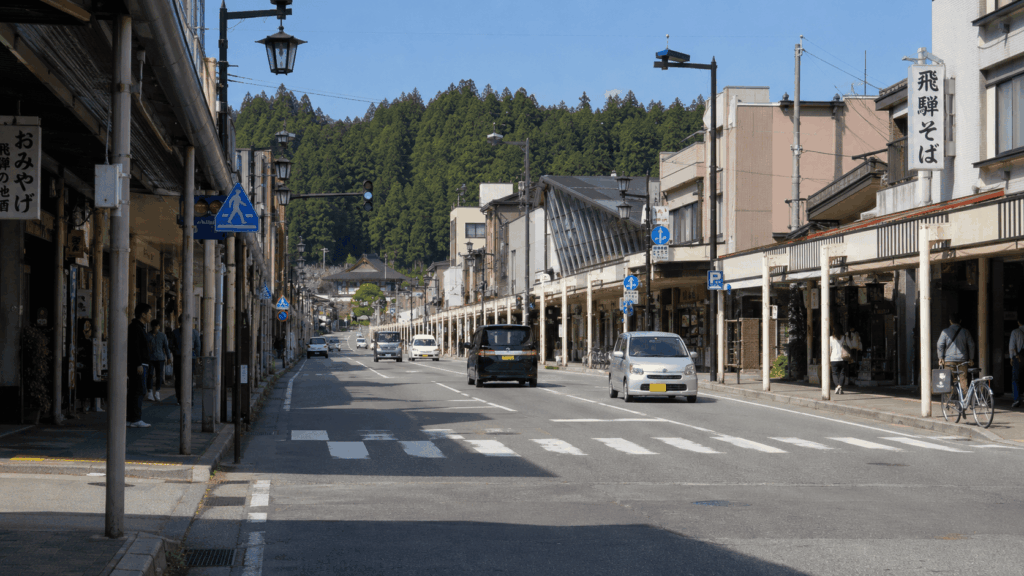
The area between the station and the old town is a useful middle ground. It doesn’t have a distinct name — you’ll see it on maps as the blocks along the main street heading toward Sanmachi — but it offers a comfortable blend of convenience and proximity.
Who it’s best for: Travelers who want to be close to both the station and the old town without fully committing to either end. Good for couples who want a nicer room without old-town prices.
Notable hotels in this area: Oyado Koto No Yume (a traditional ryokan near the station with a public onsen), Ryokan Asunaro (about a 5-minute walk from the station, with Japanese-style rooms and a public onsen), Takayama Ouan (known for its onsen facilities and free late-night ramen service), Hida Hotel Plaza (an established central property with rooftop bathing facilities).
Trade-off: You’re in a pleasant but unremarkable part of town. It’s convenient, but you won’t step out your door into the Edo period the way you would in the old town.
Sanmachi (Old Town)
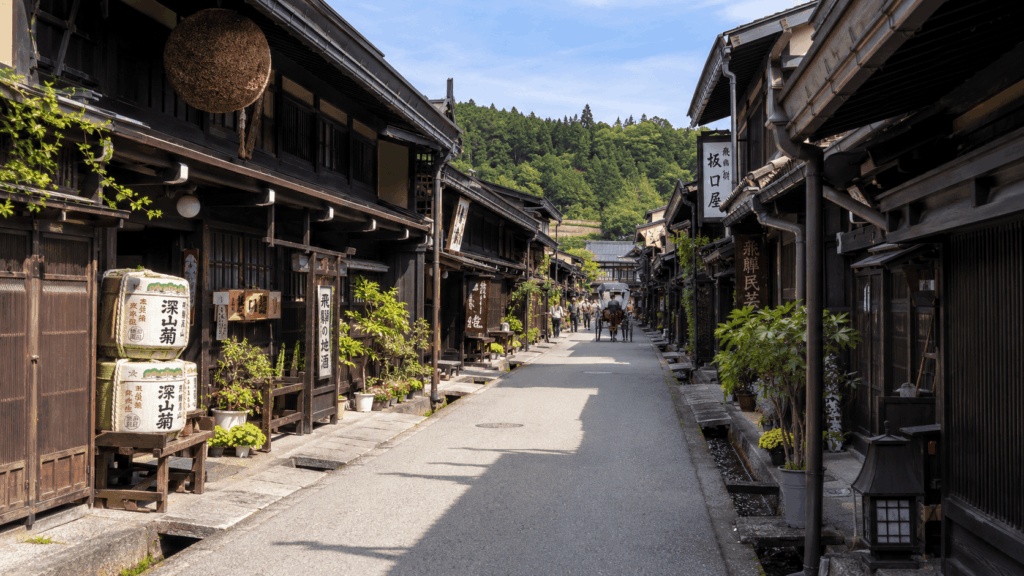
This is the heart of historic Takayama — the preserved streets of Sanmachi Suji, the Miyagawa River with its morning market, Takayama Jinya just a few blocks south, and sake breweries that have been operating for generations.
Staying here means you can experience the old town at its best: early in the morning before the tour buses arrive, and in the evening after they leave. The difference is remarkable, making it worth discovering what is actually open in Takayama at night.
Who it’s best for: Couples and solo travelers who value atmosphere above all. Anyone who wants a full ryokan experience (kaiseki dinner, onsen, tatami, yukata) in a historically rich setting. Culture-focused travelers who came to Japan for exactly this kind of experience.
Notable accommodations: Honjin Hiranoya Kachoan is the standout — a full-service luxury ryokan steps from Takayama Jinya, with kaiseki dining and onsen facilities. For a more modest option, Rickshaw Inn offers traditional Japanese-style rooms in a converted townhouse, with private bathroom facilities available in its current room lineup.
Trade-off: The station is walkable, but heavy suitcases or mobility concerns can make a short taxi ride more comfortable. Also, some ryokan with dinner plans have earlier check-in or meal deadlines, so check the exact conditions on your booking.
Higashiyama Temple Area
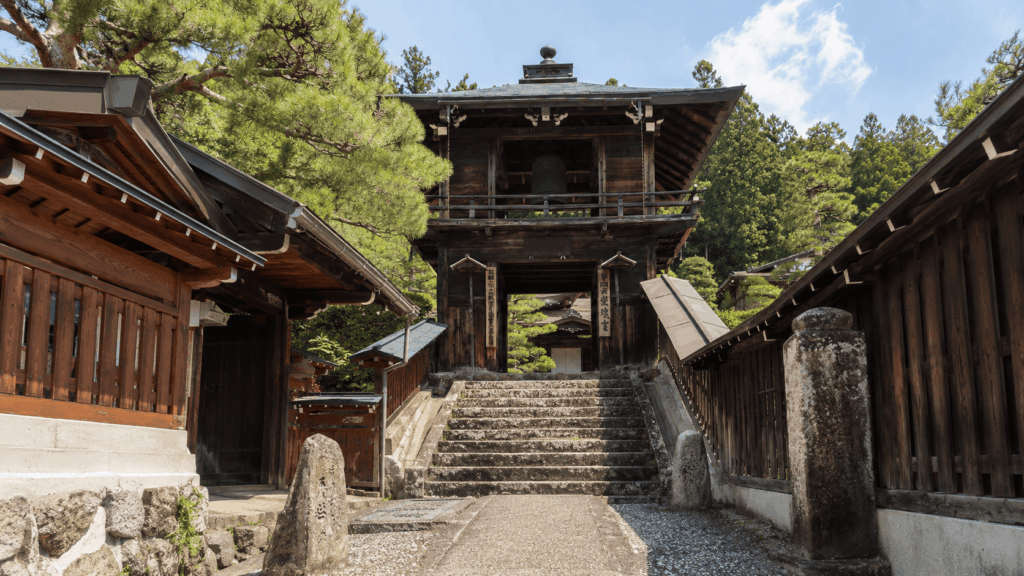
The eastern hillside of Takayama is lined with temples — about a dozen of them along the Higashiyama Walking Course, from Shiroyama Park down to the Hachiman Shrine area. This is the least touristy place to stay in central Takayama, with a calm, almost village-like atmosphere.
Who it’s best for: Solo travelers who prefer temples and walking paths over shopping streets. Photography enthusiasts who want the morning light on temple roofs. Anyone who values quiet over convenience and doesn’t mind a 10–15 minute walk to restaurants.
Notable accommodations: Accommodation is thinner here than around the station or old town, with a handful of small guesthouses and minshuku (family-run inns) in and around the eastern side of central Takayama.
Trade-off: Fewer dining options within immediate walking distance. You’ll likely walk toward the station or old town for dinner. The temple area can feel eerily quiet at night — which some travelers love and others find isolating.
Ryokan vs Hotel vs Guesthouse — How to Choose Your Stay Type
Area is one half of the decision. The other half is what kind of accommodation you want. In Takayama, you essentially have four options, and each comes with very different trade-offs.
| Stay Type | Typical Cost | Dinner / Kaiseki? | Check-in & Dinner Time Constraints | English Ease | Onsen Type | Convenience | Best For |
|---|---|---|---|---|---|---|---|
| Full-service Ryokan (dinner plan + onsen) | High | Often — if you book a dinner-inclusive plan; check the exact meal plan before paying | Tight if dinner is included — you may need to check in by late afternoon and eat at a fixed time | Varies — larger ryokan have English-speaking staff; smaller ones may rely on translation apps | Usually a private or shared indoor/outdoor onsen; some offer reservable private baths | Lower — often in the old town or central area; dinner plans may add schedule constraints | Couples, culture seekers, food-focused travelers willing to follow a schedule |
| Traditional Ryokan without Dinner | Mid-range to high | No dinner at some properties — breakfast may be available; eat out in town | Low — no dinner deadline, so your evening schedule is much more flexible | Generally good — these properties cater to international guests | Shared onsen (sometimes with reservable private baths) | Higher — often near station or mid-town; more flexible with check-in | Travelers who want tatami, onsen, and ryokan atmosphere without planning the evening around dinner service |
| Station-side Hotel with Onsen | Mid-range | No kaiseki — dinner is at nearby restaurants (or hotel restaurant, a la carte) | Minimal — standard hotel check-in (usually 3 PM onward); no dinner deadline | Excellent — these hotels are used to foreign guests | Large public onsen (indoor/outdoor); some have rooftop baths | High — steps from station; flexible eating schedule; late arrival OK | First-time visitors, families, practical travelers, anyone arriving late |
| Budget Guesthouse / Hostel | Low | No — self-catering or eat out | None — standard check-in, eat whenever you like | Varies — many hostels have English-speaking staff | Usually none (some have a small shared bath, but not a proper onsen) | Varies by location — some near station, some in old town | Solo travelers, backpackers, anyone on a tight budget |
Why these are the safest booking choices
- If you want a dinner-inclusive luxury ryokan experience, compare live dates and meal plans for Honjin Hiranoya Kachoan first. If you want a traditional ryokan without organizing your evening around dinner service, check Oyado Koto No Yume or Ryokan Asunaro.
- If convenience matters more than dinner service, check TOKYU STAY Hida-Takayama Musubi no Yu and Spa Hotel Alpina Hida Takayama for current prices, room types, and station-side availability.
- If you need more space or a longer-stay setup, Residence Hotel Takayama Station is the practical one to check before widening your search.
Full-service Ryokan: The Full Experience
A full-service ryokan is Japan’s traditional inn at its most complete: tatami floors, futon beds, yukata robes, access to an onsen, and — when you book the appropriate meal plan — a multi-course kaiseki dinner. Honjin Hiranoya Kachoan is the clearest example in this article.
Two things to be honest about, though. First, the schedule: if dinner is included, it is usually served at a fixed time, and you may need to check in by late afternoon. This is not a “wander in whenever” kind of stay. Second, the price: dinner-inclusive ryokan plans are usually one of the more expensive ways to stay in Takayama, especially during peak dates.
Is it worth it? If you value food and atmosphere as central to your travel experience, absolutely. For many travelers, the ryokan stay is a highlight of their entire Japan trip. But it requires planning.
Station-side Hotel with Onsen: The Practical Choice
This is the category that most travelers end up choosing, and for good reason. Hotels like TOKYU STAY Hida-Takayama Musubi no Yu, Spa Hotel Alpina Hida Takayama, and Takayama Ouan give you an onsen, comfortable rooms, and total flexibility — all within a short walk of the station.
You don’t get kaiseki dinner. You don’t get tatami and futon. But you get a clean, modern room with a private bathroom, a communal onsen (often with outdoor or rooftop options), and the freedom to eat dinner anywhere, at any time. For travelers who are out exploring all day and just want a good soak and a comfortable bed at night, this is the sweet spot.
Traditional Ryokan without Dinner: More Evening Freedom
Properties like Oyado Koto No Yume and Ryokan Asunaro let you keep the Japanese-inn atmosphere and onsen experience without building your evening around a ryokan dinner. Both are close to the station, and neither currently serves dinner.
This is a good option if you want tatami, baths, and ryokan character but would rather eat Hida beef or explore Takayama’s restaurants on your own schedule.
Recommended Ryokan & Hotels by Budget
Splurge ($$$): Full-service Ryokan
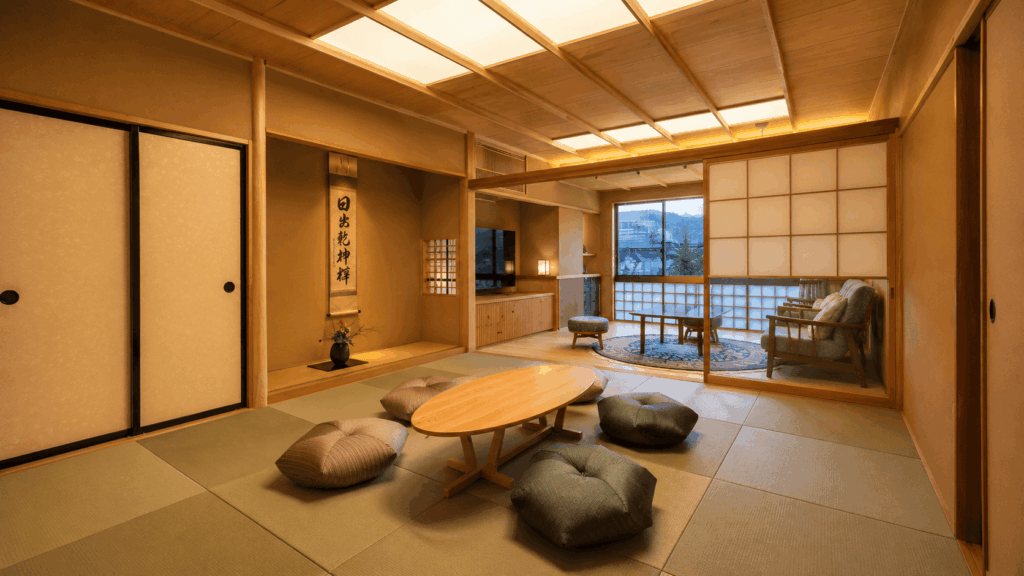
Honjin Hiranoya Kachoan — Location: Old Town (near Takayama Jinya). An exceptional ryokan with outstanding kaiseki, attentive service, and the feel of a traditional Japanese inn. The indoor/outdoor onsen is clean and relaxing, and the location puts you right in the heart of historic Takayama. Best for couples seeking a classic luxury ryokan experience.
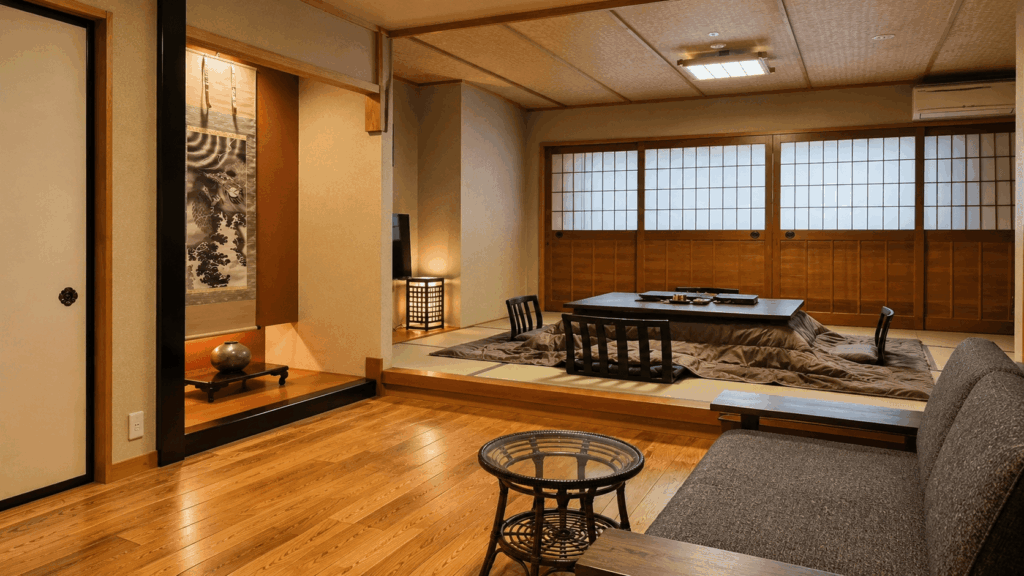
Oyado Koto No Yume — Location: City Centre (near station). A traditional ryokan close to the station with a public onsen and reservable private bath; breakfast is available, but dinner is not currently served. More accessible than Kachoan — closer to the station — while still delivering a distinctly Japanese stay. Best for travelers who want ryokan atmosphere without a dinner schedule.
Mid-Range ($$): Balance of Experience & Value
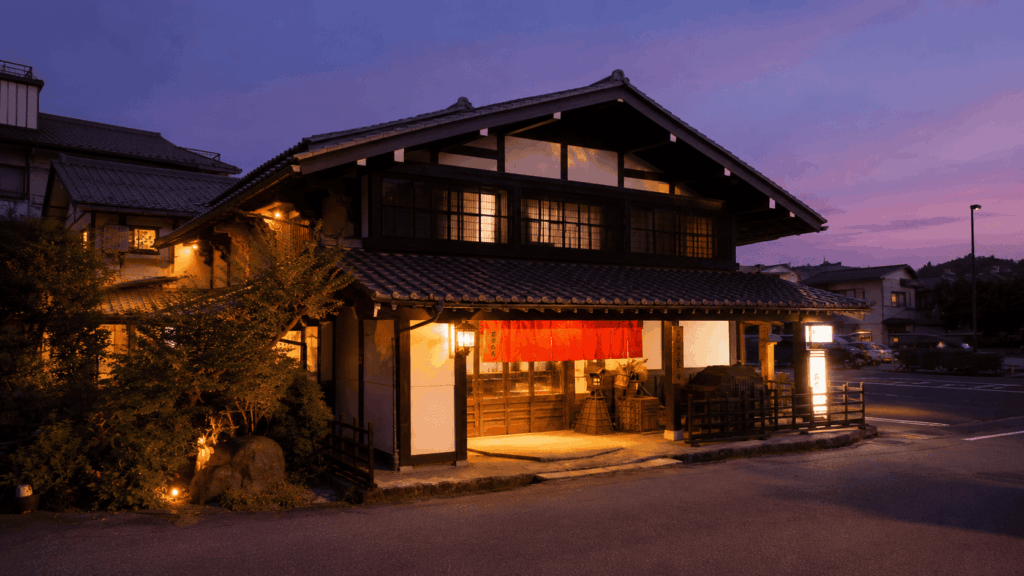
Ryokan Asunaro — Location: City Centre, about a 5-minute walk from Takayama Station. A warm traditional ryokan with Japanese-style rooms and a public onsen. Breakfast is available, but dinner is not currently served. Best for travelers who want ryokan atmosphere close to the station while keeping dinner plans flexible.
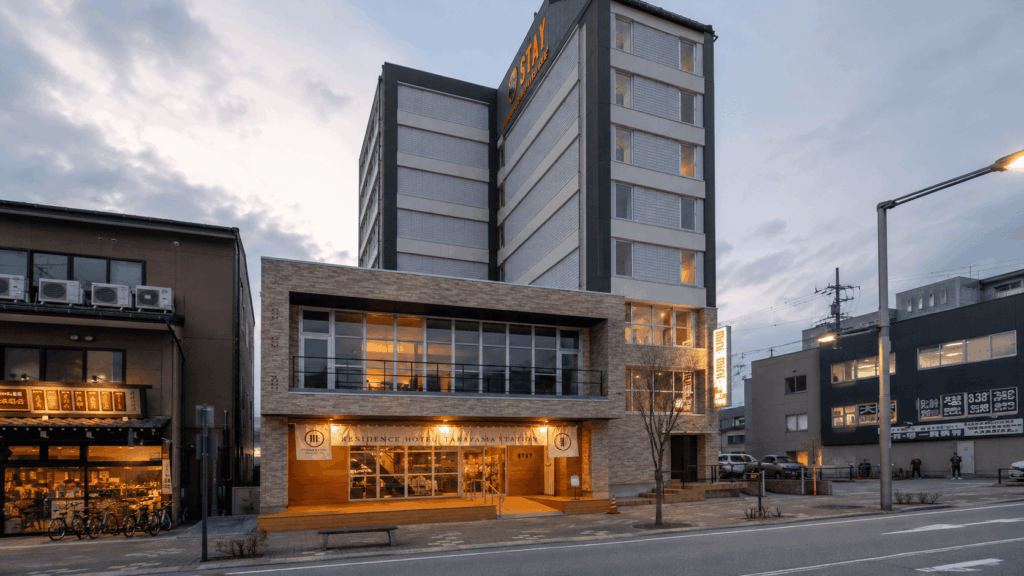
Residence Hotel Takayama Station — Location: Station area. Modern apartment-style rooms with a kitchenette and washing machine. No onsen. Best for longer stays, families, or travelers who prefer self-catering.
Station-side with Onsen ($$): Convenience-First
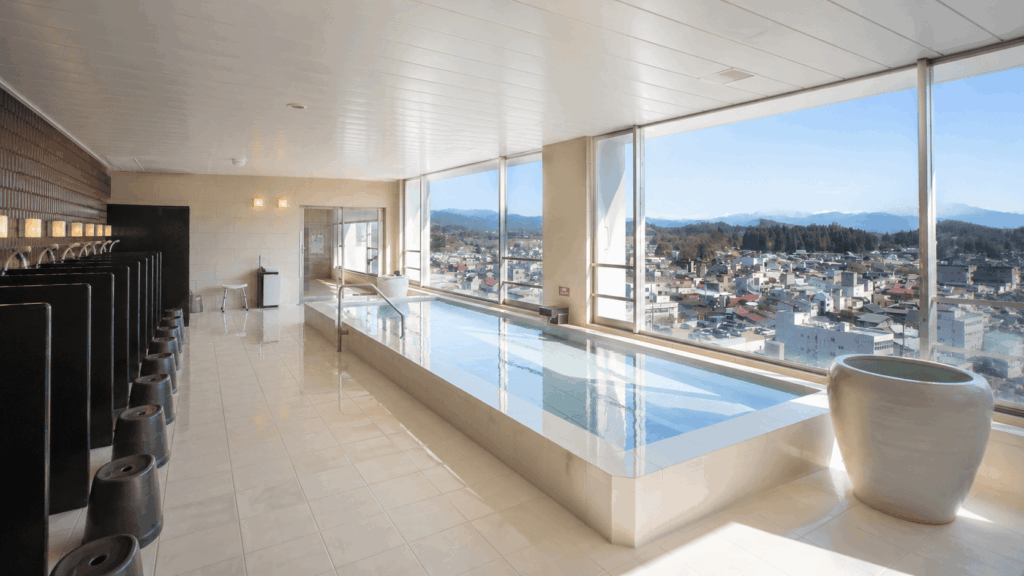
TOKYU STAY Hida-Takayama Musubi no Yu — Location: Station area (2 min walk). Opened in 2020, this hotel combines modern rooms with a proper onsen (large public bath, reservable private bath, foot bath). Best for practical travelers who want a clean, modern room with onsen access steps from the station.
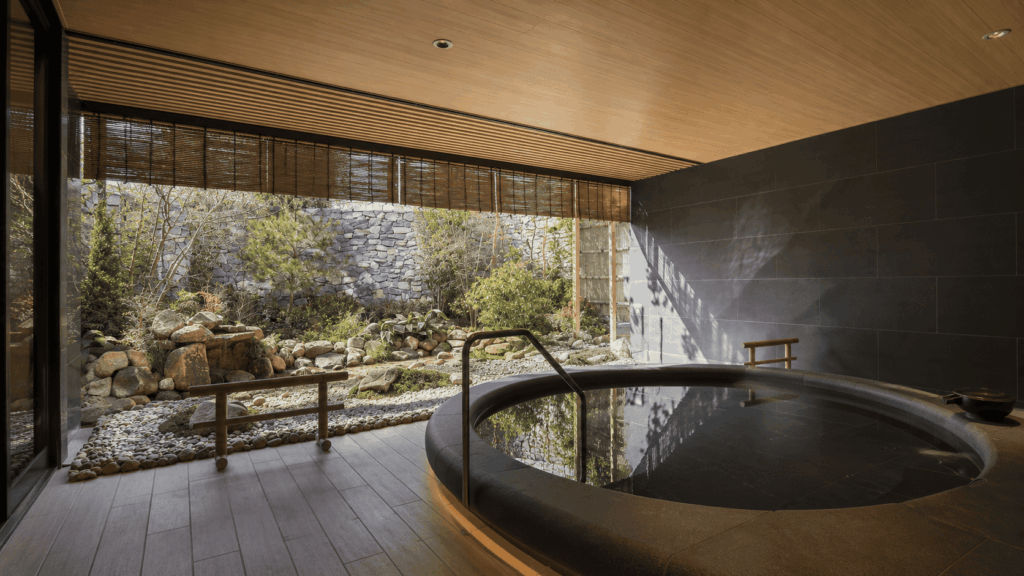
Spa Hotel Alpina Hida Takayama — Location: Station area (3 min walk). A long-standing favorite with ninth-floor natural hot-spring baths, including an open-air bath. Best for travelers who prioritize onsen access and station proximity.
Takayama Ouan — Location: City Centre (about a 5-minute walk from station). Known for its large public bath, three reservable private baths, and free late-night ramen service. Best for travelers who want a Japanese-style hotel with onsen access close to the station.
Value ($): Budget-Friendly Options
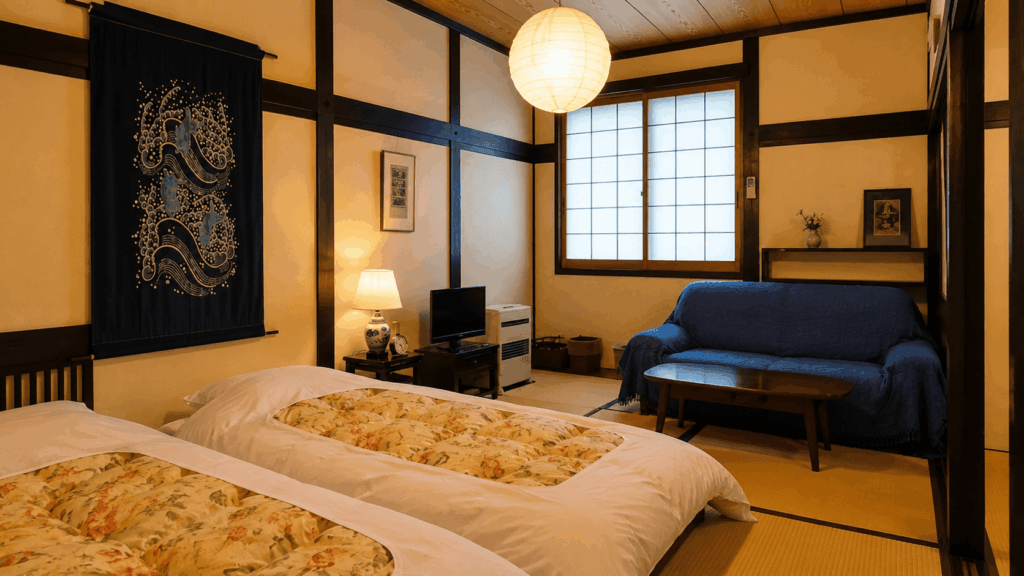
Rickshaw Inn — Location: Old Town. A converted townhouse with traditional Japanese-style rooms and private bathroom facilities available in its current room lineup. Simple, clean, and full of character. Best for solo travelers or couples who want old-town atmosphere in a simpler stay.
K’s House Takayama Oasis — Location: Hanasatomachi, about a 2-minute walk from Takayama Station. A well-run hostel with dorms and private rooms, known for cleanliness and a social atmosphere. Best for backpackers and solo travelers who want to meet other travelers. The original K’s House Takayama location is currently listed by the operator as closed, so make sure you are booking the Oasis property.
3 Common Mistakes Travelers Make When Booking Takayama Accommodation
Mistake 1: Booking a “Takayama” Ryokan That’s Actually an Hour Away
Kai’s tip: This is the trap I see most often. When you search “ryokan in Takayama,” results can include properties in Okuhida Onsen, Hirayu Onsen, and Shinhotaka. These areas are within Takayama City, but they are not in central Takayama and generally require a bus or car. Wanosato is another useful example: its address is in Takayama City, but the ryokan is in Ichinomiyacho rather than the walkable center, and its official access information provides scheduled, reservation-required transfers from Takayama Station. If your priority is walking to Sanmachi Suji in the evening, check the actual address and map distance from Takayama Station and the old town instead of relying on “Takayama” in the listing name.
Mistake 2: Underestimating Festival Season Demand
The Takayama Festival (Sanno Matsuri in spring, Hachiman Matsuri in autumn) is not a “maybe we’ll find something” event. The festival dates are fixed each year — April 14–15 (spring) and October 9–10 (autumn) — and Takayama is a small city with limited accommodation. Popular central properties can fill very early, and festival-period rates can rise sharply.
If your trip coincides with these dates, book as soon as your chosen property opens reservations rather than relying on a fixed number of months. If you’re flexible, consider arriving a day before or leaving a day after the festival to reduce the accommodation pressure while still catching part of the atmosphere.
Mistake 3: Assuming Every Ryokan Booking Includes Dinner
“Ryokan” describes the style of accommodation, not a guarantee that kaiseki dinner is included. Some Takayama ryokan sell dinner-inclusive plans, while others — including Oyado Koto No Yume and Ryokan Asunaro at the time of this update — do not currently serve dinner. Before you book, check the exact meal plan and any dinner or check-in deadline rather than assuming the room type tells you what is included.
Best Time to Visit Takayama — And When to Book
To help you plan your trip around specific seasonal events, check out our complete guide to the best time to visit Takayama.
| Season | Pros | Cons | Book By |
|---|---|---|---|
| Spring (April–May) | Cherry blossoms, pleasant weather, Spring Festival (April 14–15) | Spring Festival week is fully booked months ahead; Golden Week (late April–early May) is crowded and expensive | For festival dates, book as soon as your chosen property opens reservations; 2–3 months is a useful target for normal spring travel |
| Summer (June–August) | Green landscapes, fewer crowds, lower prices | Humid; some rain; no major festivals | 1–2 months ahead (usually fine) |
| Autumn (October–November) | Stunning foliage, comfortable temperatures, Autumn Festival (October 9–10) | Festival week is the busiest of the year; October weekends fill up fast | For festival dates, book as soon as your chosen property opens reservations; 2–3 months is a useful target for late October foliage season |
| Winter (December–March) | Snow-covered streets, fewer tourists, atmospheric onsen in the cold | Very cold (below freezing); shorter daylight hours; some restaurants close early | 1–2 months ahead (cheapest season) |
Practical Tips for Your Stay
- Luggage forwarding (takkyubin) is your friend. Luggage shipping is available in the Takayama Station area, and many staffed hotels can also help arrange forwarding. If you are staying in the old town, sending a large suitcase ahead can make the walk much easier.
- Hida beef is the local specialty. If you’re not staying at a ryokan with kaiseki, it helps to know what to eat in Takayama and book dinner at a Hida beef restaurant in advance — the popular ones (like Heianraku or Sakurajaya) fill up fast, especially on weekends.
- Onsen and tattoos: Tattoo rules vary by property, so do not assume a hotel or ryokan will allow tattoos in its public bath. Check the property’s current policy before booking; Ryokan Asunaro, for example, explicitly states that tattooed guests may use its onsen.
- Takayama accommodation tax: Takayama City has charged an accommodation tax since October 1, 2025. The tax is ¥100, ¥200, or ¥300 per person per night depending on the room rate, and the way it is collected can vary by property.
- Coin lockers are available at JR Takayama Station and the Nohi Bus Center. They are useful if you arrive before check-in or leave after checkout.
Frequently Asked Questions
Can you walk from Takayama Station to the old town?
Yes — it’s a flat, straightforward 10–15 minute walk (about 1 km) from Takayama Station to the heart of Sanmachi Suji. The route follows the main street directly northeast. No bus or taxi is needed for most travelers, though a short taxi ride is useful if you have heavy luggage or mobility concerns.
Is Takayama worth visiting as a day trip, or should I stay overnight?
You can visit as a day trip from Nagoya (2.5 hours) or Kanazawa (2 hours) and see the main sights. But the real magic of Takayama — the quiet, lantern-lit streets of Sanmachi Suji after the day-trippers leave, and the calm of the Miyagawa Morning Market before the crowds arrive — is only accessible to overnight guests. If your itinerary allows, one night is well worth it.
Is it expensive to stay in Takayama?
It depends on the stay type and date. Hostels and simple guesthouses sit at the lower end, station-side hotels with onsen are usually mid-range, and dinner-inclusive luxury ryokan are the expensive end of the market. Festival dates, Golden Week, and autumn weekends can push rates much higher than normal.
Do I need to book a ryokan months in advance?
For the Takayama Festival dates (April 14–15 and October 9–10), book as soon as your preferred property opens reservations because popular central stays can fill very early. Golden Week and autumn foliage weekends also reward early booking. Outside peak periods, availability is usually less pressured, but popular ryokan can still fill well ahead.
Can I visit Shirakawa-go as a day trip from Takayama?
Yes — and it’s one of the most popular routes. Direct buses run from Takayama Station to Shirakawa-go (about 50 minutes, ¥2,800 one way at the time of this update). Many travelers stay in Takayama for two nights and use one full day for a Shirakawa-go day trip. This is a much easier arrangement than lugging your suitcase to Shirakawa-go and on to Kanazawa. For a seamless day trip, see our detailed Shirakawago itinerary.
Are English speakers common at ryokan in Takayama?
Larger properties like Honjin Hiranoya Kachoan, Oyado Koto No Yume, and the major station-side hotels have English-speaking staff or English materials. Smaller, family-run ryokan may rely on translation apps and gesture-based communication. The staff are almost always warm and helpful regardless of language — but if you have specific dietary needs or complex requests, choosing a property that caters to international guests will make things smoother.
Do ryokan in Takayama accept credit cards?
Many major central hotels and ryokan accept credit cards, but payment rules vary by property and booking plan. Check the payment conditions on your booking page before arrival, especially for a small independently run inn; if the policy is unclear, contact the property directly.
Final Verdict — Which Area & Accommodation Is Right for You?
There’s no single “best” place to stay in Takayama — the right choice depends on your travel style, your priorities, and the kind of experience you’re looking for. Here’s how it breaks down:
For first-time visitors who want maximum convenience: Stay in the Takayama Station Area at TOKYU STAY Hida-Takayama Musubi no Yu or Spa Hotel Alpina. You’ll have an onsen, total flexibility with meals, and the old town is a 10-minute walk away. This is the simplest default for travelers who prioritize transport convenience.
For couples seeking a full ryokan experience: Book Honjin Hiranoya Kachoan in the old town. You’ll get an exceptional kaiseki dinner, a serene onsen, and the experience of waking up in historic Takayama. It’s expensive, but it’s the kind of stay you’ll remember long after you’ve forgotten hotel room numbers.
For travelers who want ryokan atmosphere without a dinner schedule: Try Oyado Koto No Yume or Ryokan Asunaro, both near the station. You still get a traditional Japanese stay and onsen access, but you are free to make your own dinner plans.
For families or longer stays: Residence Hotel Takayama Station is the clearest practical option in this list, with apartment-style rooms, kitchen facilities, and in-room laundry while keeping you close to the station.
For budget travelers and backpackers: Rickshaw Inn (old town atmosphere, private rooms) or K’s House Takayama Oasis (social hostel, station area) offer clean, affordable bases without sacrificing location.
For travelers visiting during the Takayama Festival: Stay somewhere central enough to explore on foot, then check the official map for that year before choosing purely by procession proximity. The spring and autumn festivals use different parts of central Takayama, and temporary road restrictions can affect taxi and car access.
What I’d tell a friend visiting for the first time: Book a station-side hotel with an onsen (TOKYU STAY or Spa Hotel Alpina), walk to the old town after check-in to see it in the evening light, wake up early the next morning for a quiet stroll through Sanmachi Suji before breakfast, and then head to the Miyagawa Morning Market. You get the convenience of the station area and the magic of the old town at its best — without the price tag or schedule constraints of a full ryokan. Save the splurge ryokan for a second visit when you know what you’re getting into and can fully enjoy it.

Hi, I’m Kai. I’m a Tokyo-based travel writer, tourism industry insider, and the author of a published guidebook for international visitors to Japan. With over 10 years of professional experience at a leading Japanese tourism company, my mission is to help you skip the tourist traps and navigate Japan’s best destinations like a local. I believe the perfect day trip is like a traditional kaiseki meal: a beautiful balance of precise planning and unforgettable seasonal discovery. When I’m not out conducting field research, you’ll usually find me drafting new itineraries with one of my favorite fountain pens!