
Is Tokyo Worth It with Kids? (Quick Answer)
Yes, Tokyo is worth visiting with kids — but only if you stop trying to see everything. The city is safe, clean, and full of family-friendly infrastructure, but its size, crowds, and complex train stations can wear out even well-prepared parents.
You do not need a packed itinerary. You need smart area choices, backup plans for rain and meltdowns, and a realistic idea of how far you can actually travel each day.
- Best for: Families who move slowly, plan indoor backups, and accept that two neighborhoods per day is enough.
- Skip if: You want to pack 10 sights per day or prefer spontaneous wandering without a backup plan.
- Best age range: Toddlers to teens. Tokyo works for all ages, but the strategy changes by age group.
- Budget note: You can keep costs low with convenience store meals, depachika food halls, and free parks — but paid experiences like workshops and theme parks add up fast.
Tokyo Family Travel at a Glance
The families who enjoy Tokyo most are the ones who move slowly and plan for friction. Here is what works:
- Plan no more than two areas per day. One main neighborhood plus one nearby backup area is usually enough with kids.
- Avoid weekday rush hour. Trains are most stressful around 7:30–9:30 AM and 5:00–7:00 PM. With a stroller, travel outside those windows whenever possible.
- Expect the elevator tax. Stroller-friendly routes often add 15–30 minutes because elevators may be far from the exit you actually want.
- Use easy food options. Family restaurants and depachika food halls are often calmer than tiny ramen shops or crowded izakaya-style restaurants.
- Build in indoor escapes. Department stores, station buildings, museums, aquariums, and malls are your best friends on rainy, very hot, or meltdown-prone days.
- Do not judge the day by how much you saw. A successful Tokyo day with kids may be one park, one good meal, one train ride, and no major meltdowns.
Which Tokyo Areas Are Easiest with Kids?
If this is your first time planning Tokyo with kids, start with areas that reduce friction. Wide paths, nearby food, bathrooms, indoor backups, and short transfers matter more than squeezing in famous sights.
| Area | Best For | Stroller Friction | Weather Backup | Food Stress | Best Age Range |
|---|---|---|---|---|---|
| Ueno | Parks, zoo, museums, short walking routes | Medium | Good | Low | Toddlers to elementary school kids |
| Odaiba / Toyosu | Indoor attractions, wider paths, malls, waterfront views | Low | Excellent | Low | Toddlers to teens |
| Shinjuku | Neon lights, gardens, shopping, easy transport connections | High | Good | Medium | Older kids, or younger kids with a clear escape plan |
| Asakusa / Sumida | Traditional Tokyo, short sightseeing walks, river views | Medium | Limited | Medium | Elementary school kids and up |
| Tokyo Station / Marunouchi | Rainy days, food halls, character shops, easy hotel breaks | Medium | Excellent | Low | All ages |
For most families, Ueno, Odaiba, Toyosu, and Tokyo Station are easier first-day choices than Shinjuku or Shibuya. Save the most crowded areas for a shorter visit once everyone has adjusted to Tokyo’s pace.
Where Should You Stay in Tokyo with Kids?
Your base matters more in Tokyo than in many other cities because you may want to return to your hotel mid-day for breaks. Choose an area that balances convenience, quiet hours, and easy meal options.
- Ueno: Good budget-to-convenience ratio. Parks, the zoo, and museums are close together, and the Keisei Skyliner gives direct access to Narita Airport. It is usually calmer at night than Shinjuku or Shibuya.
- Tokyo Station / Marunouchi: Excellent for rainy-day flexibility. You get underground malls, food halls, character shops, and major train lines. Hotels are often more expensive, but the location can save transit time.
- Shinjuku: Very convenient for train connections across Tokyo and beyond, but expect crowds, noise, and longer stroller routes. It works best if you know the station layout before you arrive.
- Odaiba: Spacious hotels, wide paths, malls, and waterfront views. It feels easier with toddlers, but train connections are less direct because you will often rely on the Yurikamome line.
If you plan to use Shinjuku as your base, read how to navigate Shinjuku Station before your trip. Knowing the station exits and elevator locations in advance saves more stress than almost any packing hack.
How to Use Trains and Strollers in Tokyo
You generally do not need to fold your stroller on Tokyo trains, and many train cars have multi-use spaces marked for wheelchairs and strollers. The real challenge is not the train car itself — it is getting from the street to the platform, changing lines, and finding the right elevator without ending up on the wrong side of a giant station.
- Use elevator routes, not the fastest route. Google Maps may show the quickest transfer, but that route can involve stairs. Look for elevator icons in stations and allow extra time.
- Expect big stations to slow you down. Shinjuku, Shibuya, Tokyo Station, and Ikebukuro can take much longer with a stroller than the map suggests.
- Board away from the busiest doors. The front or back of the train is often calmer than the center cars near major exits.
- Use digital IC cards when possible. A Suica or PASMO on your phone keeps your hands free and avoids ticket machines while managing kids.
- Check short-term visitor IC card options. As of 2026, TOURIST PASMO is a visitor-focused IC card valid for 28 days from purchase. Sales locations and conditions can change, so check the official PASMO information before you arrive.
- Keep one lightweight carrier. Even stroller-focused families may want a carrier for stairs, crowded transfers, or a sleeping child at the end of the day.
How to Eat Cheaply in Tokyo with Kids
Dining out in Tokyo with kids does not have to be expensive, but it does require choosing the right type of restaurant. The places that are famous online are not always the easiest for families. Tiny ramen counters, long queues, and restaurants with no stroller space can turn a simple meal into the hardest part of the day.
- Use family restaurants. Chains such as Gusto, Royal Host, and Saizeriya are casual, relatively spacious, and used to mixed-age groups. They often have kids’ menus, high chairs, drink bars, and tablet ordering. Some locations may also use robot servers, which many kids find fun.
- Try a depachika dinner. Department store basement food halls sell bento boxes, fried chicken, salads, fruit, sweets, and ready-to-eat meals. Taking dinner back to your hotel can be cheaper and calmer than forcing one more restaurant meal.
- Use convenience stores strategically. Onigiri, sandwiches, yogurt, fruit, and small snacks from 7-Eleven, Lawson, or FamilyMart can prevent hunger from turning into a crisis between activities.
- Avoid peak meal times. Eat lunch slightly early or late. A restaurant that is manageable at 11:15 AM may have a long line by 12:15 PM.
The best budget strategy is not only about saving money. It is about reducing decisions. When you already know where your next easy meal is coming from, Tokyo with kids becomes much less stressful.
What to Do on a Rainy Day in Tokyo with Kids
Rainy days are when Tokyo’s indoor infrastructure becomes incredibly useful. With young children, the goal is not to sightsee through the rain — it is to find one comfortable indoor space where the whole family can reset.
- Department stores and station malls. Tokyo Station and Marunouchi are especially useful in bad weather because you can combine food halls, character shops, train access, and indoor walking without constantly opening and folding umbrellas.
- Odaiba and Toyosu. These areas have large malls, wide indoor corridors, and waterfront views between showers. In Toyosu, teamLab Planets can be a strong indoor option if your children are comfortable with immersive, sensory-heavy spaces.
- Azabudai Hills. If you want teamLab Borderless, note that it is in Azabudai Hills, not Odaiba or Toyosu. It can work for older kids and teens, but check tickets, crowd levels, and sensory intensity before booking.
- Aquariums and museums. Shinagawa Aqua Park, Sunshine Aquarium in Ikebukuro, and the National Museum of Nature and Science in Ueno are all under cover and entertaining for a wide age range.
- Character shops and indoor play spaces. Kiddy Land in Harajuku, Pokémon Center locations, and indoor play areas in department stores can turn a rainy morning into a highlight.
Keep one backup indoor plan for every outdoor day. A good rule: if the morning forecast shows rain, switch your plan to a station-connected area before you leave the hotel.
Sample Family Day: An Easy Tokyo Itinerary
Here is what a realistic, low-stress Tokyo day with kids looks like. This example uses Ueno, but the structure works for almost any area.
| Time | Activity | Notes |
|---|---|---|
| 9:00 AM | Arrive at Ueno Park | Morning is usually the calmest time. Let kids walk, snack, and reset on the wide paths before crowds build. |
| 9:30–11:00 AM | Ueno Zoo or a museum | The zoo and museums can change opening days, hours, and exhibits, so check the official schedule before you go. Arriving early usually makes the visit calmer. |
| 11:15 AM | Early lunch | Eat before noon. Try a nearby family restaurant, or grab a bento from a convenience store and picnic if the weather is good. |
| 12:30–2:00 PM | Hotel break or quiet time | Return to the hotel for naps, screen time, or just escaping the crowd. This is not wasted time — it prevents late-afternoon meltdowns. |
| 3:00–4:30 PM | Light afternoon outing | Choose a short walk, a department store, a café, or a second nearby neighborhood. Keep it flexible. |
| 5:00 PM | Depachika dinner or early restaurant | Pick up dinner from a department store basement or eat early before the evening rush. |
That may look simple on paper, but it is much more enjoyable than crossing the city three times and eating every meal under time pressure.
Where Can Families Take a Break in Shinjuku?
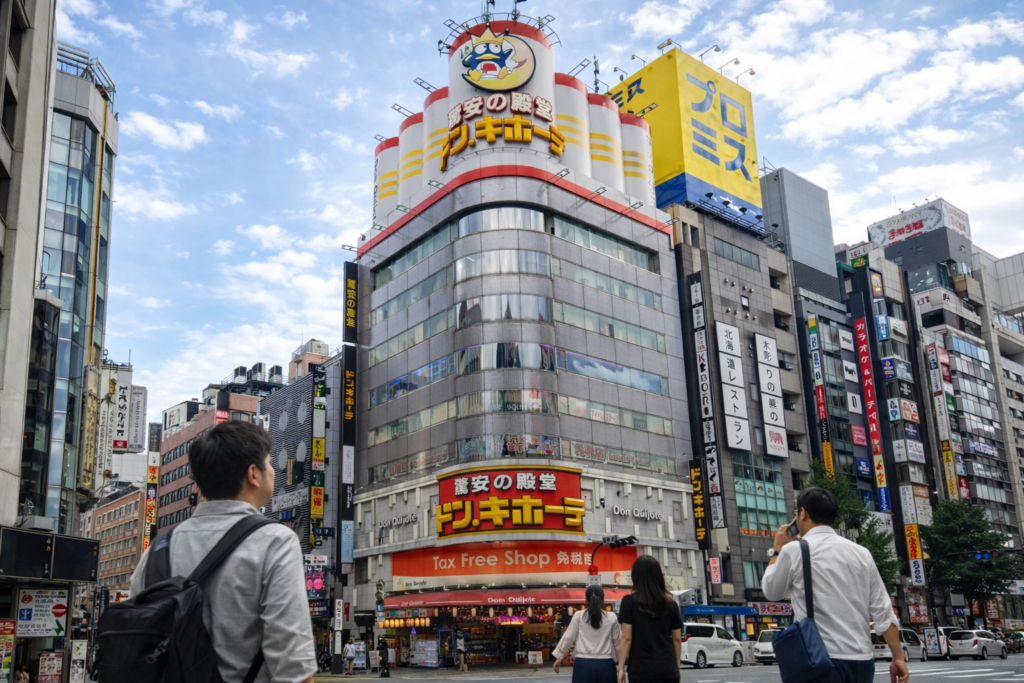
Shinjuku is exciting, bright, chaotic, and exhausting. It can be a brilliant Tokyo memory for kids, but it is not the place to wander without a plan. The key is knowing where to escape before everyone hits their limit.
- Department store baby rooms: Japanese department stores are some of the most useful family travel infrastructure in Tokyo. In Shinjuku, Isetan and Keio Department Store are good places to look for nursing rooms, changing tables, high chairs, and calmer rest spaces.
- Shinjuku Gyoen National Garden: When the crowds become too much, Shinjuku Gyoen gives kids space to run on wide lawns and stroller-friendly paths. As of 2026, admission is 500 JPY for adults and free for children aged 15 and under, but always check the official site before visiting.
- Station buildings and food floors: If the weather turns bad, use department store basements or station-connected malls for snacks, bathrooms, and a short reset before your next move.
Shinjuku works best as a short, planned stop, not a full day of wandering. For younger kids, pair one clear activity with one reliable break location, then leave before the evening crowds build.
Is a Paid Family Experience Worth It? (Sumo Workshop Review)
One of the hardest parts of Tokyo with kids is the transition between sightseeing and meals. After a busy train ride or cultural stop, your child may be hungry, overstimulated, or tired, and you still need to find a restaurant with space, a reasonable menu, and no long wait.
That is why 2-in-1 activities can work so well for families. Instead of planning entertainment first and food second, you choose one experience that gives kids something memorable to watch or do — then feeds everyone before the energy crash hits.
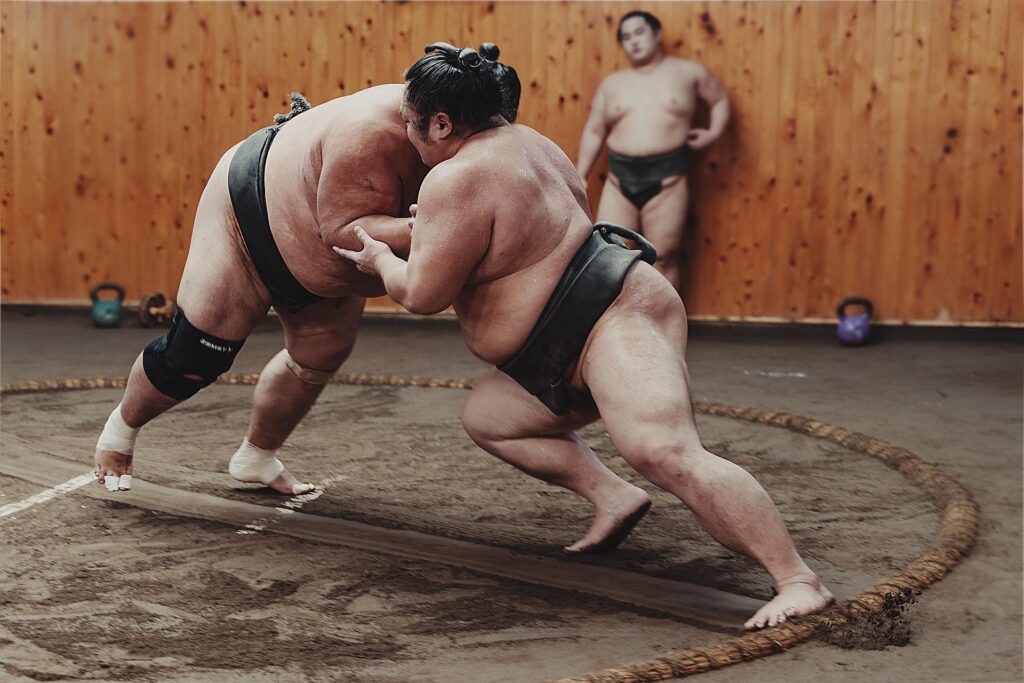
A family-friendly sumo workshop in Ryogoku is one example. Ryogoku is Tokyo’s sumo district, and a live demonstration with lunch can be easier for families than trying to understand how to see an official sumo show in Tokyo, especially if there is no tournament during your travel dates.
The exact rating, review count, price, schedule, dietary options, and inclusions can change by date and booking platform. Before you decide, check the current tour page carefully and make sure the meal, meeting point, language, and cancellation policy work for your family.
Sumo Workshop vs DIY Sightseeing
| Decision Point | DIY Sightseeing and Separate Meal | Sumo Workshop and Lunch Tour |
|---|---|---|
| Travel friction | You may need to move between a cultural site, a station, and a separate restaurant. | Entertainment and lunch happen in one place, which reduces transitions. |
| Meal planning | You still need to find a kid-friendly restaurant nearby. | Lunch is usually included, so there is one less decision to make. Check the booking page for the exact menu and inclusions. |
| Kid engagement | Shrines, museums, and viewpoints can require quiet behavior and patience. | The format is louder, more visual, and easier for energetic kids to follow. |
| Weather risk | Outdoor sightseeing can become difficult in rain, heat, or cold. | An indoor workshop is easier to keep as a backup on bad-weather days. |
| Booking | More flexible if you want to decide everything on the day. | Advance booking is usually better, especially for weekends and school holidays. |
| Best fit | Families who prefer total flexibility and very low-cost days. | Families who want one structured cultural experience with food included. |
👉 Check availability for the Family Sumo Workshop & Live Wrestling Show with Lunch
Who Is the Sumo Workshop Best For?
- Best for: Families who want a memorable Japanese cultural activity without planning a separate lunch stop.
- Best for: Kids who enjoy movement, performance, sports, or anything more interactive than a quiet museum.
- Best for: Parents who want one low-stress block in the day where the schedule, meal, and entertainment are already handled.
- Not ideal for: Extreme budget travelers who prefer convenience store meals, free parks, and self-guided sightseeing.
- Not ideal for: Very picky eaters who are unlikely to try Japanese hot pot or share family-style food.
Tokyo Family Travel FAQs
Do I Need to Fold My Stroller on Tokyo Trains?
Generally, no. You can usually keep your stroller open on Tokyo trains, and many cars have multi-use spaces marked for wheelchairs and strollers. The bigger challenge is not the train itself but the station route. Elevators may be far from your ideal exit, and transfers can take longer than expected.
During weekday rush hour — especially around 7:30–9:30 AM and 5:00–7:00 PM — an open stroller may be difficult to manage. Travel outside peak times whenever possible.
How Can I Save Money on Food with Kids in Tokyo?
The easiest family food strategy is to mix casual restaurants with takeout meals. Family restaurants such as Gusto, Royal Host, and Saizeriya are useful because they are casual, relatively spacious, and used to families. They often have kids’ menus, high chairs, drink bars, and tablet ordering.
For dinner, try a depachika — a department store basement food hall. You can buy bento boxes, fried chicken, fruit, salads, and sweets, then eat back at your hotel. This is often cheaper, calmer, and easier than asking tired kids to sit through another restaurant meal.
Do My Kids Need Their Own Suica or PASMO Card?
Children under 6 usually travel free on Tokyo trains and subways when accompanied by an adult. Children aged 6 to 11 generally need a child IC card to receive child fares. There are exceptions depending on the operator, seat type, and number of children traveling with an adult, so check the relevant railway or subway company if your route is unusual.
As of 2026, adults can often use mobile Suica or PASMO on a compatible phone. TOURIST PASMO is another short-term option for overseas visitors, valid for 28 days from purchase, but sales locations and conditions can change. Child IC cards for visitors usually require in-person setup with the child’s passport or other age verification. For Welcome Suica Child, the card is valid until March 31 after the child’s 12th birthday.
If you are deciding between IC cards and unlimited subway passes, this guide explains whether a Tokyo Subway Ticket is worth it for your itinerary.
What Should We Do in Tokyo with Kids on a Rainy Day?
Rainy days are when Tokyo’s indoor infrastructure becomes incredibly useful. Good low-stress options include department stores, station malls, aquariums, museums, indoor play spaces, food halls, and character shops.
Tokyo Station and Marunouchi are especially useful in bad weather because you can combine food halls, shops, train access, and indoor walking without constantly opening and folding umbrellas. Odaiba and Toyosu are also strong rainy-day areas because many attractions and restaurants are inside large complexes.
How Many Neighborhoods Should We Visit Per Day?
For most families, two neighborhoods per day is the upper limit. One main area plus one nearby backup area is usually better than crossing the city several times.
A realistic family day might be Ueno Park in the morning, lunch nearby, and a hotel break before a short evening walk. That may look simple on paper, but it is much more enjoyable than spending the whole day moving between train platforms.
Is Shinjuku Too Crowded with Kids?
Shinjuku can be overwhelming, but it is not impossible. The trick is to treat it as a short, planned stop rather than a place to wander all day. Go earlier, know your exit, choose one main goal, and have a break location ready before you arrive.
For younger children, Shinjuku Gyoen and department store baby rooms are much more useful than the busiest nightlife streets. For older kids, the lights and energy can be exciting — especially if you keep the visit short.
Is Tokyo Better with a Stroller or Baby Carrier?
For babies and toddlers, the best answer is often both. A stroller is helpful for long days, naps, and carrying bags, but a lightweight carrier can save you when you meet stairs, crowded transfers, or a station exit with an inconvenient elevator route.
If you only bring one, choose based on your child’s age and your tolerance for carrying. For toddlers who nap in a stroller, bring the stroller. For babies who are comfortable being carried, a carrier can make short train rides and busy stations easier.
What Is the Best First Day in Tokyo with Kids?
The best first day is usually simple and close to your hotel. Do not start with a cross-city itinerary or a major theme park unless everyone has adjusted well to the time zone.
Choose one easy outdoor space, one predictable meal, and one indoor backup. Ueno, Odaiba, Toyosu, and Tokyo Station are usually easier first-day choices than Shinjuku or Shibuya because they offer more ways to pause, eat, and reset.
Should We Book Any Family Activities in Advance?
Book anything with limited capacity, fixed times, or a meal included. Workshops, character cafes, popular museums, theme parks, and special experiences can sell out, especially on weekends, school holidays, and peak travel seasons.
Leave parks, food halls, convenience store meals, and neighborhood walks flexible. A good Tokyo with kids itinerary needs a mix of reserved anchors and open space.
Final Verdict: Is Tokyo with Kids Worth It?
Tokyo is worth it — but the version of Tokyo you will enjoy with kids is different from the version you might have traveled in your 20s. Here is how to decide:
- Choose Tokyo with kids if your family enjoys cities, trains, indoor-outdoor variety, and Japanese food. The safety, cleanliness, and family infrastructure make it one of Asia’s most comfortable cities for children.
- Skip it if your family prefers beach resorts, nature-only trips, or very unstructured travel. Tokyo rewards planning, not complete spontaneity.
- For families with toddlers: Focus on Ueno, Odaiba, Toyosu, and Tokyo Station areas. Use strollers, plan hotel breaks, and avoid rush hour. One paid experience per trip is usually enough.
- For families with elementary-age kids: Add Shinjuku and Asakusa for short visits. Character shops, sumo workshops, aquariums, and themed cafes can be highlights.
- For families with teens: Shibuya, Harajuku, Akihabara, Azabudai Hills, and teamLab-style attractions become more interesting. Let teens help plan one or two stops per day.
If you want one structured cultural experience that removes the meal-planning headache and keeps kids engaged, a sumo workshop with lunch is a practical choice. But the most important thing is not which experience you book — it is accepting that less is more in Tokyo with kids.
Prices, opening hours, transport schedules, IC card rules, pass conditions, tour inclusions, payment methods, animal exhibits, and seasonal operations can change. Always check official sources and your selected booking page before finalizing your trip.

Hi, I’m Kai. I’m a Tokyo-based travel writer, tourism industry insider, and the author of a published guidebook for international visitors to Japan. With over 10 years of professional experience at a leading Japanese tourism company, my mission is to help you skip the tourist traps and navigate Japan’s best destinations like a local. I believe the perfect day trip is like a traditional kaiseki meal: a beautiful balance of precise planning and unforgettable seasonal discovery. When I’m not out conducting field research, you’ll usually find me drafting new itineraries with one of my favorite fountain pens!