
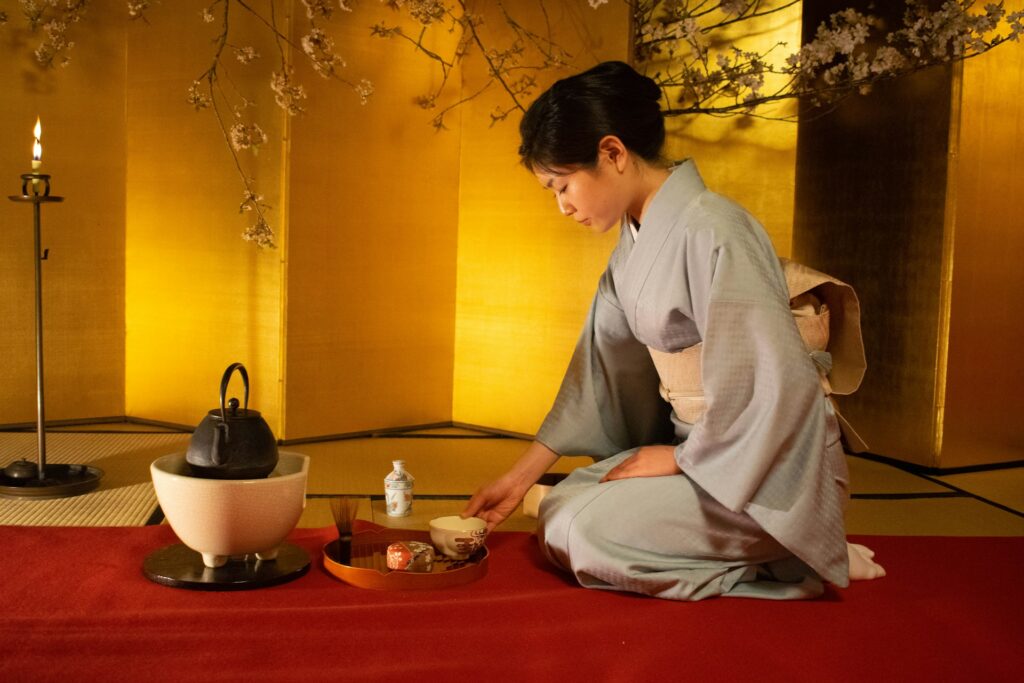
If you are planning a tea ceremony in Tokyo for the first time, you probably have three questions: Will I understand what to do, do I have to sit in seiza, and which experience should I book?
Quick answer: Yes, first-timers can join a tea ceremony in Tokyo. Choose an English-friendly session, wear clean socks, remove watches or rings before handling the bowl, avoid strong perfume, and request chair seating in advance if sitting in seiza is difficult for you.
The good news is that many Tokyo tea ceremony experiences are designed specifically for international visitors. You do not need previous knowledge of Japanese tea culture, and an English-speaking host can usually guide you through the etiquette step by step.
This guide covers the practical details that matter before you book: basic manners, what to wear, how kneeling works, whether chair seating is available, how long the experience may take, what to check about price, and how to choose an English-friendly matcha experience without feeling lost or uncomfortable.
Which Tokyo Tea Ceremony Experience Should You Book?
The right tea ceremony depends on your comfort level, schedule, and how much cultural context you want. Use this comparison before choosing a venue.
| Experience | Area | Best For | Typical Time | Current Price | Key Practical Point |
|---|---|---|---|---|---|
| Chazen | Ginza / Asakusa | Travelers who want a tea-focused introduction without a long time commitment | 45 minutes | ¥3,500 shared | English available; traditional tatami tea room |
| Shizu-Kokoro | Tawaramachi / Asakusa area | Travelers who want a deeper introduction to chado | 90 minutes | ¥5,500 including tax | English workshop; hands-on lesson; designed for ages 10+ |
| TIA Asakusa | Asakusa | Travelers short on time or who prefer not to sit on the floor | 20–30 minutes | ¥3,500 standard tea-only plan when available | English-friendly; table-and-chair seating |
| Tokyo Cha An | Shibuya | Travelers already planning time around Shibuya | 45–60 minutes | ¥3,900 shared | English guidance; hands-on matcha; about five minutes from Shibuya Station |
| Shinjuku Authentic Tea Ceremony with Matcha & Kimono | Shinjuku | Travelers who want kimono, photos, and tea in one booking | About 90 minutes | Check current booking price | Kimono included; English guidance; chairs available on request |
Seasonal note: TIA states that its standard ¥3,500 tea-only plan is unavailable from October 1 to November 30, 2026, when seasonal plan availability and pricing apply. Check the current booking page for your travel date.
If you want the most traditional atmosphere, Asakusa and historic venues can be appealing. If you want easier transport connections, an English-friendly explanation, and a kimono package in central Tokyo, Shinjuku is often the simpler choice for first-timers. If a suitable experience already fits the area you plan to visit, there is usually little reason to cross Tokyo solely for another tea ceremony.
Shinjuku Matcha and Kimono Experience: What First-Timers Should Know
The Shinjuku Authentic Tea Ceremony with Matcha and Kimono is a strong option for first-timers who want a guided cultural experience rather than a strict formal gathering. The provider listing states that the experience includes English-speaking guidance, kimono dressing, hairstyling for many guests, matcha, and Japanese sweets.
One of the biggest advantages for nervous first-timers is that chair seating can be requested or is available according to the provider’s current conditions. This makes it a more comfortable option for travelers who are worried about sitting in seiza, but you should still confirm the seating arrangement before booking.
As of the provider details checked for this update, the Shinjuku experience is a package-style session that includes kimono dressing and tea ceremony time. The provider listing also states that children under 7 are not permitted. These details can change, so check the latest age policy, inclusions, duration, and price on the booking page before reserving.
The Shinjuku location is helpful if you are already planning your day around central Tokyo. Because the area is busy and station exits can be confusing, it is worth checking how to navigate Shinjuku Station before your appointment.
If your main goal is taking photos in traditional clothing, a package with kimono dressing included is simpler than arranging a separate rental before the ceremony. For comparison, you can also read our Asakusa kimono rental guide if you are deciding between Shinjuku and Asakusa.
If your travel dates are already fixed, compare the latest start times, inclusions, seating details, and cancellation rules before planning the rest of your day.
Check availability for the Shinjuku matcha and kimono tea ceremony
Who Is This Experience Best For?
- First-time visitors who want clear English guidance.
- Travelers who want a tea ceremony and kimono experience in one booking.
- Couples or friends who want photos in traditional clothing.
- Visitors who are nervous about etiquette and want step-by-step support.
- Travelers with knee or back concerns who want to request chair seating in advance.
Who Should Choose Something Else?
- Advanced tea practitioners looking for a highly formal, quiet, multi-hour gathering.
- Travelers who do not want to wear a kimono or spend time on dressing.
- Families with very young children, especially if the selected provider has a minimum age rule.
- Visitors staying in Asakusa who mainly want a short tea ceremony near Senso-ji.
- Travelers who only want a quick matcha session without kimono dressing or photos.
Can First-Timers Join a Tea Ceremony in Tokyo?
Yes. A beginner can absolutely join a tea ceremony in Tokyo. For most travelers, the best option is not a silent, highly formal tea gathering, but a visitor-friendly session where the host explains the ritual in English and shows you what to do.
You should still know a few basics before you arrive. Wear clean socks, avoid strong perfume, remove jewelry or watches before handling the tea bowl, and follow your host’s instructions rather than trying to memorize every movement in advance.
If kneeling is your biggest concern, look for an experience that offers chair seating or Ryurei-style seating. Still, request this before your visit and confirm the latest conditions on your selected booking page.
A tea ceremony is also a good rainy-day activity in Tokyo because it takes place indoors. During heavy rain or typhoon season, allow extra time for trains and station transfers, especially if your booking is in a busy area such as Shinjuku.
Tea Ceremony Etiquette: What Really Matters
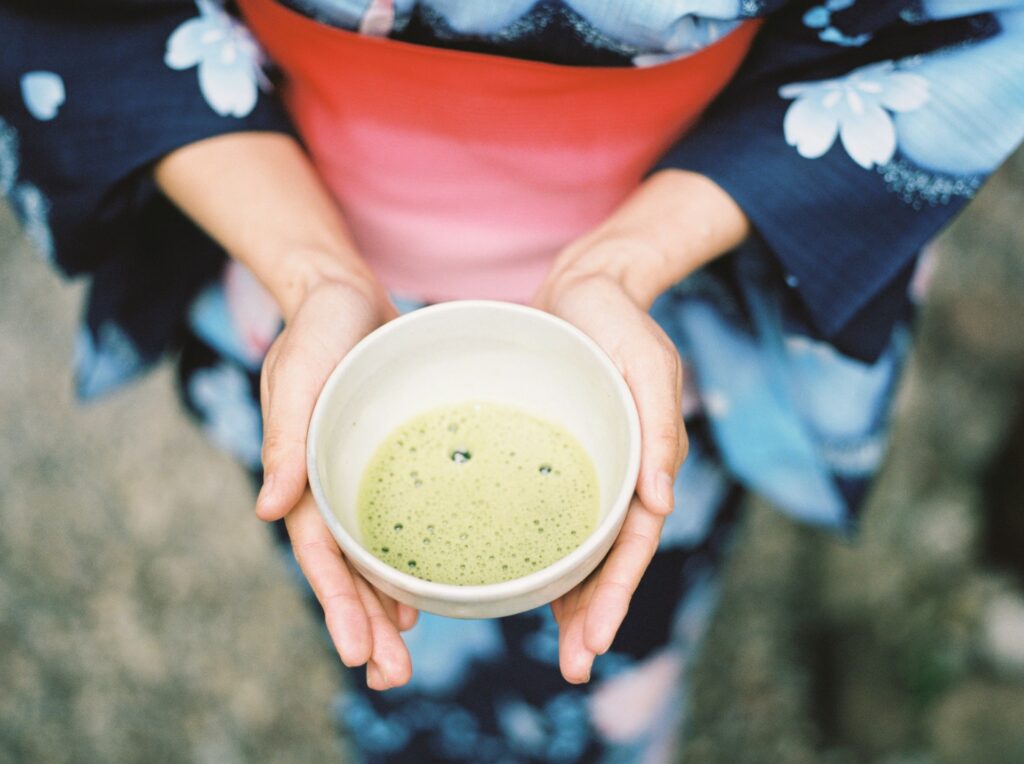
You do not need to know every detail of Japanese tea ceremony etiquette before attending. A good host will guide you gently. However, a few rules show respect for the tea room, the utensils, and the atmosphere.
Wear Clean Socks
You will often step onto tatami, the woven straw mats used in traditional Japanese rooms. Bare feet are not appropriate in most tea rooms, so bring or wear clean socks. White socks are the traditional standard because they look neat and clean, but tourist-friendly experiences usually care most that your socks are clean.
This is similar to the etiquette you may encounter when staying at a traditional Tokyo ryokan, where shoes are removed before entering certain indoor spaces.
Remove Jewelry and Watches
Remove rings, bracelets, and watches before the ceremony if you will handle the bowl. Tea bowls can be handmade, delicate, or valuable, and metal accessories can scratch the surface when you lift or turn the bowl.
Store small accessories safely in your bag before entering the tea room so you do not need to remove them awkwardly during the session.
Skip Strong Perfume
Avoid strong perfume, cologne, or heavily scented lotion on the day of your tea ceremony. Matcha, incense, seasonal flowers, and the quiet atmosphere are all part of the experience. Strong scents can distract from that.
How to Handle the Tea Bowl
The host will show you what to do, so do not worry about perfect technique. In many beginner-friendly ceremonies, you will pick up the bowl with both hands, turn it slightly before drinking, and return it carefully after you finish.
The exact movement can vary by school, venue, and type of session. Follow the host in front of you rather than trying to perform a memorized rule from the internet.
Do You Have to Sit in Seiza?
Seiza is the traditional Japanese kneeling position used on tatami. It can be uncomfortable or painful if you are not used to it, especially during a longer ceremony.
In a formal setting, guests may be expected to sit in seiza. In many visitor-friendly tea ceremonies, however, hosts understand that international travelers may not be able to sit that way. You may be allowed to shift your legs, sit with your legs to the side, or use a chair if the venue offers that option.
Good news for first-timers: Some tea ceremony venues in Tokyo now offer chair seating for guests who prefer not to sit on the floor. TIA Asakusa uses table-and-chair seating, while the Shinjuku matcha and kimono experience featured above currently states that chair seating is available on request. However, do not assume every provider can arrange this automatically on the day. Check the listing and request chair seating in advance when possible.
If you have knee, back, hip, or mobility concerns, do not leave this until the last minute. Choose an experience that clearly mentions chair seating or Ryurei-style seating, and confirm it before booking.
What Happens During a Tea Ceremony?
You do not need to memorize the full sequence before attending. Knowing the basic flow simply helps you relax.
- Arrival and preparation: You may remove your shoes, put on clean socks if needed, and enter the tea room quietly.
- Greeting: The host may introduce the room, the utensils, the seasonal decoration, or the meaning of the ceremony.
- Sweets first: A Japanese sweet, called wagashi, is usually served before the tea. Eat it before drinking the matcha so the sweetness balances the tea’s bitterness.
- Watching the tea preparation: The host prepares matcha using a tea bowl, bamboo whisk, tea scoop, and hot water.
- Receiving the tea: When the bowl is placed in front of you, follow the host’s instructions for bowing, lifting, and turning it.
- Drinking the matcha: Drink calmly rather than rushing. In a beginner-friendly session, the host will tell you whether to finish it in a few sips or simply enjoy it naturally.
- Returning the bowl: After drinking, place the bowl down carefully as instructed. If there is a specific way to wipe or turn the bowl, the host will explain it.
The most important rule is not perfection. It is attentiveness. Move slowly, listen to your host, and treat the space and utensils with care.
What to Check Before Booking
Before you reserve any tea ceremony in Tokyo, check the latest provider details carefully. This is especially important for seating, age limits, cancellation rules, and what is included in the price.
- Seating: If you cannot sit in seiza, choose a venue that clearly states chair seating is available. Some providers offer chairs as a standard option, while others may need advance notice.
- Language: Choose a listing that clearly mentions English guidance if you do not speak Japanese.
- Kimono: Check whether kimono dressing, hairstyling, accessories, and photo time are included or optional.
- Duration: A simple matcha and sweets session is usually shorter than a package that includes kimono dressing. Plan extra time if you want photos or a walk around the neighborhood afterward.
- Age limits: Confirm the minimum age before booking for a family trip. Some tourist-friendly experiences set a minimum age because of hot water, delicate utensils, the quiet atmosphere, or the kimono dressing process.
- Price: A kimono package usually costs more than a simple matcha-only session. Prices vary by provider, season, platform, exchange rate, and inclusions, so check the current booking page before comparing options.
- Cancellation policy: Do not assume all platforms use the same rules. Always check the latest cancellation policy on your selected booking page before paying.
Frequently Asked Questions
Do I Need to Wear a Kimono to a Tea Ceremony in Tokyo?
No. Many tourist-friendly tea ceremonies allow regular clothing. Smart-casual outfits are safer than very casual clothes. Avoid ripped jeans, tank tops, short skirts, and anything difficult to sit in.
If you want photos and a more immersive cultural experience, booking a package that includes kimono dressing is the easiest option. It also saves you from arranging a separate rental before your tea ceremony.
What If I Cannot Sit in Seiza?
Do not panic. Many English-friendly tea ceremony hosts understand that seiza is difficult for visitors who are not used to it. Depending on the venue, you may be able to shift your legs, sit to the side, or use chair seating.
The safest option is to choose a listing that clearly mentions chair seating and request it in advance. Do not assume every venue can arrange this on the spot, especially during busy travel periods.
How Much Does a Tea Ceremony in Tokyo Cost?
Prices depend on the type of experience. A simple matcha and sweets session is usually cheaper than a full package that includes kimono dressing, hairstyling, photos, English guidance, and a longer cultural explanation. Private or premium sessions can cost more.
Because prices can change by season, provider, booking platform, group size, and exchange rate, check the current price on your selected booking page before making plans around a fixed amount.
How Long Does a Tea Ceremony Take?
A matcha-only session with sweets and tea preparation is usually shorter than a package that includes kimono dressing and photos. Many kimono and tea ceremony packages take around 90 minutes, but the exact timing depends on the provider and what is included.
If you are adding a kimono walk around the neighborhood afterward, allow extra time rather than scheduling another activity immediately after the ceremony.
Is a Tea Ceremony Good on a Rainy Day?
Yes. Because the ceremony takes place indoors, it can be one of the better cultural activities to book on a rainy day in Tokyo.
Just allow extra travel time during heavy rain, especially if you are crossing a large station such as Shinjuku or wearing a kimono before or after the session.
Can I Take Photos During the Ceremony?
It depends on the venue and the moment. In many tourist-friendly tea ceremonies, you may be allowed to take photos of the room, the utensils, and your kimono. However, it is best to avoid taking photos during quiet ceremonial moments unless your host says it is okay.
Ask your host when photos are appropriate. Some venues offer dedicated photo time before or after the session.
Should I Choose Asakusa or Shinjuku for a Tea Ceremony?
Choose Asakusa if you want a more old-Tokyo atmosphere near Senso-ji, traditional streets, and kimono rental shops. Choose Shinjuku if you want central transport links, an easier fit with a busy Tokyo itinerary, and a package-style experience that combines kimono dressing with a guided tea ceremony.
Both areas have English-friendly tea ceremony options, so the deciding factor is usually which neighborhood fits your day’s route better.
Can Children Join a Tea Ceremony in Tokyo?
It depends on the provider. Some tea ceremonies welcome children, while others set a minimum age because of the quiet atmosphere, hot water, delicate utensils, or kimono dressing process.
For the Shinjuku matcha and kimono experience mentioned above, the provider listing states that children under 7 are not permitted as of the details checked for this update. Check the latest rules before booking if you are traveling with children.
Are There Vegetarian or Allergy Concerns with Wagashi?
Traditional Japanese sweets, called wagashi, are often made with ingredients such as rice flour, red bean paste, and agar. Some may be suitable for vegetarians or vegans, but recipes vary by venue and season.
If you have serious allergies or dietary restrictions, contact the provider before booking. Do not assume all sweets are allergy-safe, and carry any necessary medication if you have a severe allergy.
Final Verdict: Is a Tea Ceremony in Tokyo Worth It for First-Timers?
Yes, a tea ceremony in Tokyo is worth it if you choose the right type of experience. For first-timers, the best option is usually an English-friendly session that explains the etiquette clearly, allows you to enjoy matcha without stress, and offers a practical solution if you cannot sit in seiza.
A formal tea gathering can be fascinating, but it is not always the best starting point for travelers. A guided matcha and kimono experience gives you a more relaxed introduction while still helping you understand the beauty, quietness, and care behind Japanese tea culture.
Use the comparison above to choose by priority: a tea-focused session if learning about chado matters most, a table- or chair-seated option if seiza is a concern, or a kimono-inclusive package if traditional clothing and photos are part of the experience you want. Advanced tea practitioners looking for a highly formal, multi-hour gathering should choose a specialist tea setting rather than a visitor-friendly introduction.
If the Shinjuku experience fits your schedule and comfort needs, compare the latest start times, inclusions, seating details, price, and cancellation policy before booking.
Check availability for the Shinjuku authentic tea ceremony with matcha and kimono
Prices, opening hours, transport schedules, age rules, seating arrangements, cancellation policies, tour inclusions, payment methods, and seasonal operations can change. Always check official sources and your selected booking page before finalizing your trip.

Hi, I’m Kai. I’m a Tokyo-based travel writer, tourism industry insider, and the author of a published guidebook for international visitors to Japan. With over 10 years of professional experience at a leading Japanese tourism company, my mission is to help you skip the tourist traps and navigate Japan’s best destinations like a local. I believe the perfect day trip is like a traditional kaiseki meal: a beautiful balance of precise planning and unforgettable seasonal discovery. When I’m not out conducting field research, you’ll usually find me drafting new itineraries with one of my favorite fountain pens!