
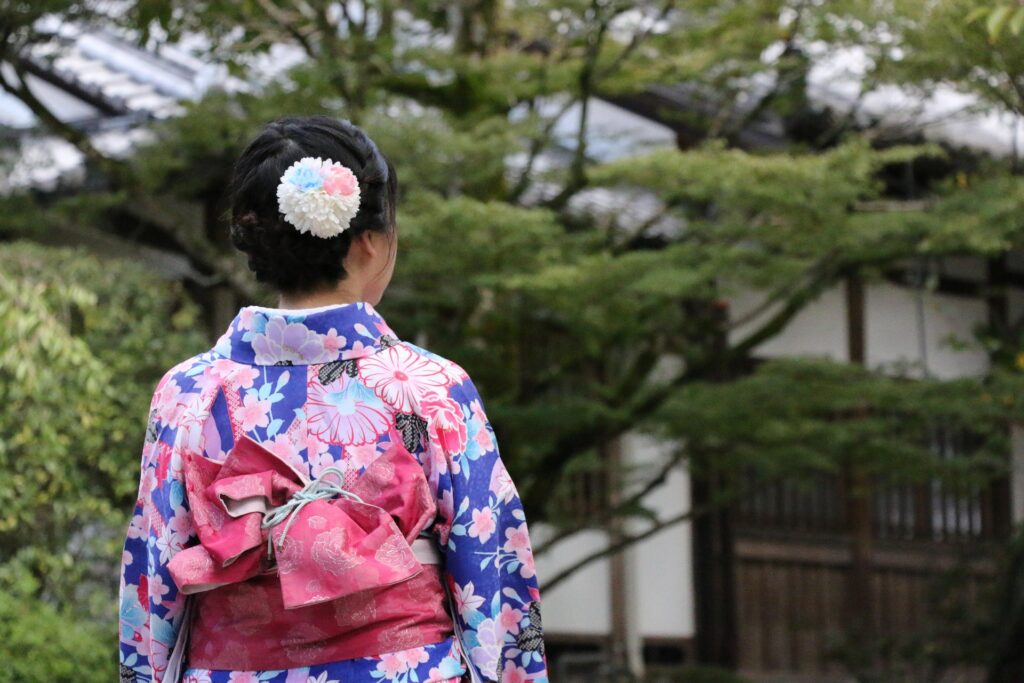
Can you stay in a real ryokan in Tokyo without traveling to Kyoto, Hakone or the countryside? Yes — but expect a city version of the experience. Tokyo has classic small inns, modern Japanese-style hotels and luxury high-rise ryokans with tatami rooms, low beds or futons, public baths and, in some cases, real hot spring water.
The challenge is choosing the right area and property. A Tokyo ryokan can mean anything from a small tatami inn in Asakusa to a polished city hotel in Shinjuku or a luxury ryokan-style retreat near Tokyo Station. This guide compares the best Tokyo ryokan areas — Asakusa, Shinjuku and Ginza/Tokyo Station — so you can choose the right stay for your budget, comfort level and travel style.
Quick Answer: Can You Find a Real Ryokan in Tokyo?
Yes, but most Tokyo ryokans are urban, compact or hybrid properties. You can still enjoy tatami flooring, Japanese hospitality, yukata, futons or low beds, and a relaxing bath at the end of the day. What you should not always expect is a countryside setting with wooden buildings, gardens, mountain views and a full kaiseki dinner included.
- Choose Asakusa if you want old-Tokyo atmosphere, temples, small inns and classic tatami rooms near Senso-ji Temple.
- Choose Shinjuku if you want easy train access, nightlife nearby and a modern ryokan-style hotel with a public bath.
- Choose Ginza or Tokyo Station if you want a luxury ryokan experience, refined service and premium bath facilities.
Important bath note: Not every Tokyo ryokan has a natural onsen. Some use transported hot spring water, some have reservable private baths, some offer open-air baths only in select room categories, and some simply provide a traditional Japanese-style bath. Always check the exact bath type and room category before booking.
How this guide was chosen: The ryokans below were selected for location, Japanese-style rooms, bath facilities, first-timer comfort and access to major sightseeing areas. Facility details can change, so always confirm the latest room type, bath access, meal plan, tattoo policy and cancellation conditions before booking.
At a Glance: Asakusa vs Shinjuku vs Ginza
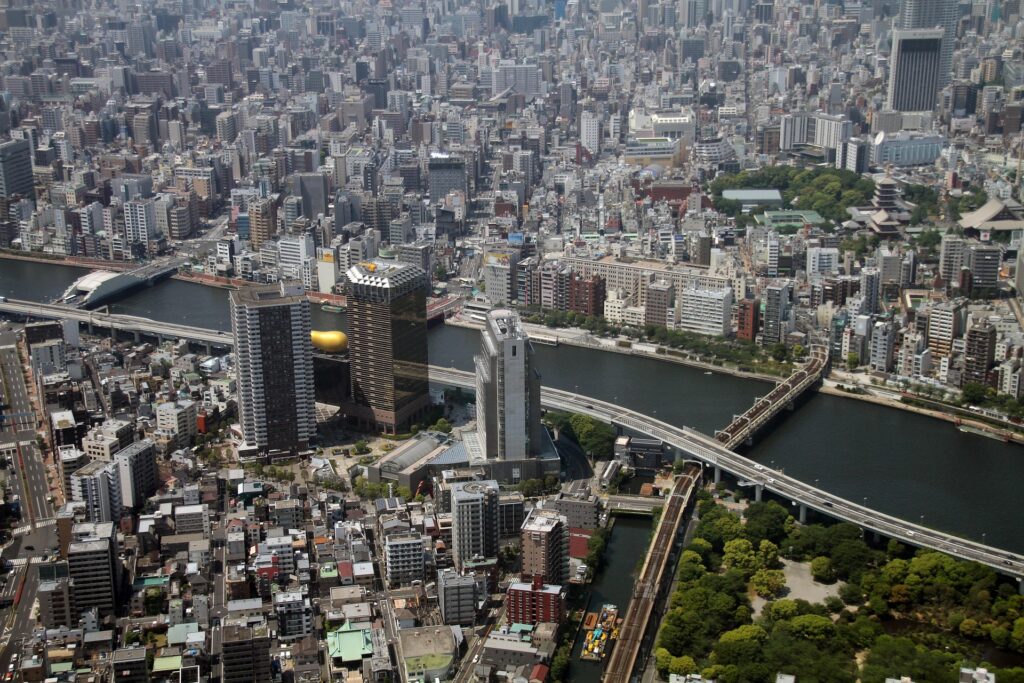
Choosing the right area depends heavily on your itinerary, especially if you are still deciding where to stay in Tokyo for your first time. Use this table to compare the main Tokyo ryokan areas before looking at individual properties.
| Area | Ryokan Style | Bath Reality | Sleep Setup | Budget Level | Choose This If | Avoid If |
|---|---|---|---|---|---|---|
| Asakusa | Classic small inn or traditional-style ryokan | Private or shared baths; not always natural onsen | Futons on tatami or hybrid low beds | Most approachable | You want old-Tokyo charm near Senso-ji Temple | You want luxury nightlife or large hotel rooms |
| Shinjuku | Modern urban ryokan hotel | Public bath; some properties use transported hot spring water | Low beds with tatami-style design | Mid-range to upper-mid-range | You want train access, nightlife and modern comfort | You need spacious rooms or a quiet historic setting |
| Ginza / Tokyo Station | Luxury high-rise ryokan or premium city ryokan | Natural hot spring, transported hot spring water or private in-room bath depending on the property | Premium beds with refined Japanese interiors | Luxury to ultra-luxury | You want privacy, service and a special-occasion stay | You are traveling on a tight budget |
Planning tip: On the day you stay in a ryokan, avoid packing your schedule too tightly. The stay itself is part of what you are paying for, so leave time to check in, enjoy the bath, wear your yukata and slow down in the evening.
Best Tokyo Ryokans by Area
Asakusa: Best for Traditional Atmosphere
Asakusa is Tokyo’s historic heart and the easiest area for a classic ryokan feel. If you want to step outside and begin an Asakusa half-day itinerary among temples, craft shops, rickshaws and old shopping streets, this is the most natural place to start.
Ryokan Kamogawa Asakusa
Ryokan Kamogawa Asakusa is a small, traditional-style inn close to Nakamise shopping street and Senso-ji Temple. It is best for travelers who want tatami rooms, futon bedding and a more intimate atmosphere than a large city hotel. Rooms are Japanese-style, and some room types include a bathroom and toilet.
- Bath type: Private bath access may be available, but confirm the current system directly before booking.
- Bedding: Traditional futons on tatami.
- Best for: First-timers who want a small-inn atmosphere in the heart of Asakusa.
- Watch out for: Do not assume the bath is a natural onsen unless the property confirms this for your stay.
Check current rates and room details on Booking.com
Prostyle Ryokan Tokyo Asakusa
Prostyle Ryokan Tokyo Asakusa is a polished hybrid stay with dark wood interiors, tatami-style design and low Western-style beds. Choose this if you like the look and atmosphere of a ryokan but prefer not to sleep directly on a floor futon. Some room categories include an open-air bath, so check the exact room type carefully before booking.
- Bath type: Open-air baths are available only in select room categories.
- Bedding: Low Western-style beds with Japanese interior design.
- Best for: Travelers who want traditional aesthetics with modern sleeping comfort.
- Watch out for: Promotional photos may show premium rooms, not every room type.
Check current rates and room types on Booking.com
Best for Asakusa overall: First-time visitors who want traditional atmosphere, easy sightseeing and a softer landing into ryokan culture.
Main thing to check: Room size, bath type and whether your chosen room uses futons or low beds. Asakusa feels historic, but not every property is a full countryside-style ryokan.
Shinjuku: Best for Modern Comfort and Transport Access
Shinjuku is known for skyscrapers, nightlife and one of Tokyo’s busiest train hubs. It also works well if you want a ryokan-style stay without giving up transport convenience. This area suits travelers who plan to visit several parts of Tokyo and want an easy base at night.
Onsen Ryokan Yuen Shinjuku
Onsen Ryokan Yuen Shinjuku is a modern urban ryokan with minimalist Japanese design, compact rooms and low beds. Its standout feature is an open-air public bath using hot spring water transported from Hakone, which makes it one of the most convenient central-Tokyo options for travelers who want an onsen-style bath without leaving the city.
- Bath type: Gender-separated public bath with transported Hakone hot spring water.
- Bedding: Low beds in compact, modern Japanese-style rooms.
- Best for: First-timers, solo travelers and couples who want a stylish ryokan atmosphere with strong transport access.
- Watch out for: Rooms are compact, and the public bath requires standard Japanese bathing etiquette.
Check current rates and availability on Booking.com
Best for Shinjuku overall: Travelers who want a stylish ryokan atmosphere, city convenience and a real hot spring-style bath experience.
Main thing to check: Room size and shared bath rules. This is not the same as a quiet countryside ryokan with large rooms and private gardens.
Planning your day around Shinjuku? If you are still learning the area, this guide to how to navigate Shinjuku Station can help you save time getting back to your ryokan before the evening bath.
Ginza and Tokyo Station: Best for Luxury
For travelers willing to splurge, Ginza and the Tokyo Station area offer some of the most refined ryokan-style stays in the city. These properties are less about old-town nostalgia and more about privacy, service, design and a calm retreat in the middle of Tokyo.
HOSHINOYA Tokyo
HOSHINOYA Tokyo is a luxury high-rise ryokan in Otemachi, within walking distance of Tokyo Station. Guests remove their shoes on arrival, and the building is designed around tatami floors, quiet guest lounges and a retreat-like atmosphere. The property uses Otemachi Onsen, a natural hot spring drawn from deep below ground, in its guest-only bath facilities.
- Bath type: Guest-only natural hot spring bath.
- Bedding: Premium beds with refined Japanese interiors.
- Best for: Travelers who want a highly polished ryokan experience without leaving central Tokyo.
- Watch out for: This is a luxury property, so treat it as a special-occasion stay rather than a budget ryokan.
Check current details on the official HOSHINOYA Tokyo website
FUFU Tokyo Ginza
FUFU Tokyo Ginza is a high-end city ryokan suited to couples, honeymooners and travelers who prioritize privacy. Its key appeal is that guest rooms feature private bathing with natural hot spring water brought from Atami. This makes it a strong option if you want a premium bath experience without using a shared public bath.
- Bath type: Private in-room bath with Atami-sourced natural hot spring water.
- Bedding: Premium beds with refined Japanese design.
- Best for: Couples, honeymooners and luxury travelers who value privacy.
- Watch out for: Room layouts and bath styles vary, so check the exact room category before booking.
Check current details on the official FUFU Tokyo Ginza website
Best for Ginza / Tokyo Station overall: Couples, honeymoons, luxury travelers and anyone who wants a peaceful stay with premium bath facilities.
Main thing to check: Price, room category and whether the bath style shown in photos matches the room you are actually booking.
How to Choose the Right Tokyo Ryokan
Once you have narrowed down the area, compare the details that will actually affect your stay. In Tokyo, the word “ryokan” can cover everything from a small traditional inn to a luxury high-rise property with tatami floors and hot spring facilities.
What Bath Type Do You Want?
This is the most important detail to check before booking. A “bath” at a Tokyo ryokan can mean several different things.
- Natural hot spring: Water from a natural source on-site, such as the Otemachi Onsen used at HOSHINOYA Tokyo.
- Transported hot spring water: Real hot spring water brought in from another hot spring area, such as Hakone or Atami.
- Reservable private bath: A bath you can reserve for private use, useful for couples, families or travelers who feel nervous about communal bathing.
- Private in-room bath: A bath inside your own room, usually found in premium or luxury room categories.
- Public bath: A shared bathing area where standard Japanese bath etiquette applies.
If having a private bath is essential, do not rely on the general hotel description. Check the exact room category, booking conditions and bath access before confirming your stay.
Futons vs Low Beds: Which Should You Choose?
Traditional ryokans usually use futons laid directly on tatami floors. Many modern Tokyo ryokans use low Western-style beds instead, which can be more comfortable for international travelers who are not used to sleeping on the floor.
- Choose futons if you want the most classic Japanese inn experience.
- Choose low beds if comfort, back support or getting up from the floor is a concern.
Always check the room photos and bedding description before booking. A property may have both futon rooms and low-bed rooms, and the cheapest room may not be the one shown in the most attractive photos.
How Much Should You Expect to Spend?
Tokyo ryokan prices vary widely by season, room type, day of the week, exchange rate, meal plan and whether private bath access is included. Treat any price you see online as date-specific rather than permanent.
- Asakusa: Usually the most approachable area for classic ryokan-style stays.
- Shinjuku: Often mid-range to upper-mid-range, with strong transport convenience.
- Ginza / Tokyo Station: Usually luxury to ultra-luxury, especially for private baths and refined service.
For the safest comparison, search the same dates, same number of guests and similar cancellation rules across properties. Comparing a weekday Asakusa room with a weekend Ginza suite will not give you a fair idea of value.
Should You Book Direct or Use a Booking Platform?
- Booking directly can make it easier to confirm room-specific details such as bath type, meal plans, tattoo policies and bedding style.
- Booking platforms can be useful for comparing recent reviews, cancellation rules, room photos and date-specific rates quickly.
For ryokans with private baths, open-air baths or special room types, confirm the details carefully. The cheapest room may not include the bath, view or bedding style shown in promotional images.
How to Plan Your Day Around a Ryokan Stay
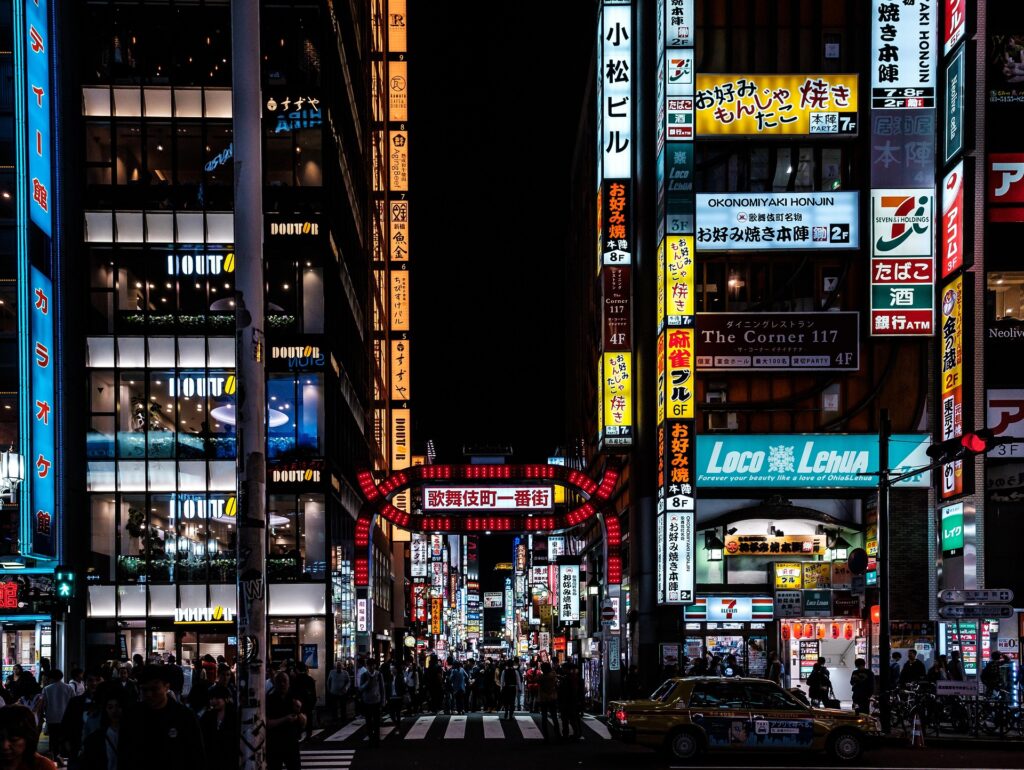
One of the easiest mistakes is treating a ryokan like a standard hotel where you only return to sleep. A ryokan stay is part of the experience, so plan your day with enough space to enjoy it.
- In Asakusa: Keep sightseeing nearby with Senso-ji Temple, Nakamise shopping street, Kappabashi, Ueno or a walk along the Sumida River.
- In Shinjuku: Focus on Shinjuku Gyoen, Meiji Jingu, Harajuku, Yoyogi or west-side viewpoints rather than crossing the city too many times.
- In Ginza / Tokyo Station: Explore Ginza department stores, Marunouchi, the Imperial Palace East Gardens or nearby dining areas.
Tokyo’s train system is excellent, but it can be tiring if you are still learning major hubs. On your ryokan night, aim to return early enough to bathe, change into your yukata and slow down before bed.
Want to keep your ryokan day relaxed? If your sightseeing day feels too complicated to plan alone, a private local guide can help you see the key sights efficiently and return to your ryokan early enough to enjoy the evening bath.
👉 Check availability for a Tokyo private city highlights tour
Ryokan Etiquette for First-Timers
Staying in a ryokan is not difficult, but a few basic manners will make the experience smoother.
- Remove your shoes: Take off your shoes at the entrance or room genkan when instructed. Slippers may be provided for hallways, but do not wear slippers on tatami mats.
- Wash before bathing: In a public bath or onsen, wash and rinse your body at the shower area before entering the shared water.
- Do not wear swimwear in the bath: Japanese public bathing is usually done without swimsuits. Use the small towel for modesty while walking, but do not put it in the water.
- Check tattoo rules: Tattoo policies vary by property. If you have large tattoos, ask in advance or choose a room with a private bath.
- Wear the yukata correctly: Wrap the left side over the right side. The opposite style is associated with funerals.
- Keep shared spaces quiet: Ryokans are designed for calm, especially around baths, corridors and guest lounges.
More Tokyo Ryokan Options to Consider
The properties above are strong choices for Asakusa, Shinjuku and Ginza/Tokyo Station, but they are not the only options. If your priority is a smaller classic inn rather than a luxury property, also compare these names before booking.
- Ryokan Asakusa Shigetsu: A traditional Asakusa ryokan known for its Japanese cypress bath on the sixth floor with views toward Tokyo Skytree and Senso-ji Temple’s pagoda.
- The Edo Sakura: A small Japanese-style stay in the Ueno/Iriya area that may suit travelers who want a quieter neighborhood than central Asakusa.
- Ito Ryokan: A classic family-run inn option to compare if you want a more old-fashioned Tokyo stay.
- TOKYO RYOKAN: A specific small property in Asakusa with only a few rooms. Note that this is a property name, not a general category.
Smaller inns often offer more personality and personal service, while larger ryokan-style hotels usually offer easier booking, elevators, English support and more predictable amenities. Neither is automatically better; the right choice depends on how traditional, private or comfortable you want the stay to feel.
FAQ About Staying in a Tokyo Ryokan
Are Tokyo ryokans the same as the ones in Kyoto or Hakone?
Not usually. Tokyo ryokans are often more urban, compact and modern. You can still find tatami rooms, futons, Japanese hospitality and baths, but you should not expect every property to feel like a countryside inn with wooden buildings, gardens and multi-course kaiseki dinners.
Is Tokyo Ryokan a hotel name or a type of stay?
It can be both. “Tokyo ryokan” can describe a ryokan-style stay in Tokyo, but TOKYO RYOKAN is also the name of a specific small property in Asakusa. If you are searching for general options, compare several properties rather than assuming one result represents all ryokans in the city.
Which Tokyo ryokan area is best for first-time visitors?
Asakusa is best if you want traditional atmosphere and easy sightseeing around Senso-ji Temple. Shinjuku is best if you want transport convenience and a modern city base. Ginza or Tokyo Station is best if you want a luxury stay, refined service and easier access to central Tokyo or the Shinkansen.
Do Tokyo ryokans have real beds or only futons?
Both exist. Traditional inns may use futons on tatami floors, while modern ryokan-style hotels often use low Western-style beds with Japanese interiors. Always check the room photos and bedding description before booking.
Do Tokyo ryokans usually include dinner?
Not always. Countryside ryokans often include dinner and breakfast, but many Tokyo ryokans work more like city hotels. Some offer breakfast, some have restaurants, and some expect you to eat nearby. Check the meal plan carefully before booking.
Can you stay in a Tokyo ryokan with tattoos?
It depends on the property and bath rules. Some modern hotels are more flexible, while some shared baths may still restrict visible tattoos. If this matters for your trip, contact the ryokan in advance or book a room with a private bath or reservable bath access.
Are Tokyo ryokans good for families?
They can be, especially if you book a larger tatami room or a property with private bath access. Families should check room size, bedding setup, child policies, breakfast options and whether the bath is shared or private.
Final Verdict: Is a Tokyo Ryokan Worth It?
A Tokyo ryokan is worth it if you want a Japanese-style stay without leaving the capital. It is especially valuable for travelers who do not have time to add Kyoto, Hakone or a countryside onsen town to their itinerary.
Stay in a Tokyo ryokan if:
- You want tatami rooms, Japanese design or ryokan-style hospitality in the city.
- You like the idea of slowing down after a busy sightseeing day.
- You want to experience public bathing, a private bath or a more traditional sleeping setup.
- You are choosing your hotel as part of the trip experience, not just a place to sleep.
Choose a standard hotel instead if:
- You need a larger room at a lower price.
- You do not care about baths, tatami or Japanese-style interiors.
- You plan to stay out late every night and only return to sleep.
- You prefer a fully Western hotel experience with minimal etiquette rules.
Final recommendation by traveler type:
- For first-time visitors: Choose Asakusa for traditional atmosphere and easy sightseeing.
- For transport convenience: Choose Shinjuku if you want a modern ryokan-style stay with strong train access.
- For couples and honeymooners: Choose Ginza or Tokyo Station for privacy, refined service and premium bath facilities.
- For travelers who prefer beds over futons: Choose a modern ryokan-style hotel such as Prostyle Ryokan Tokyo Asakusa or Onsen Ryokan Yuen Shinjuku.
For most first-time visitors, the safest choice is Asakusa for traditional atmosphere, Shinjuku for convenience or Ginza/Tokyo Station for luxury. Whichever area and property you choose, check the bath type, bedding style and room category carefully — and leave enough time in your schedule to enjoy the stay properly.
Want to keep your ryokan day relaxed? A private local guide can help you see Tokyo efficiently and return to your ryokan early enough to enjoy the bath and evening atmosphere.
👉 Check availability for a Tokyo private city highlights tour
Prices, opening hours, transport schedules, room categories, bath access, tattoo policies, meal plans, booking conditions and tour inclusions can change. Always check official sources and your selected booking page before finalizing your trip.
Hi, I’m Kai. I’m a Tokyo-based travel writer, tourism industry insider, and the author of a published guidebook for international visitors to Japan. With over 10 years of professional experience at a leading Japanese tourism company, my mission is to help you skip the tourist traps and navigate Japan’s best destinations like a local. I believe the perfect day trip is like a traditional kaiseki meal: a beautiful balance of precise planning and unforgettable seasonal discovery. When I’m not out conducting field research, you’ll usually find me drafting new itineraries with one of my favorite fountain pens!