
If you are searching for kimono rental Asakusa, you have probably seen prices starting from around ¥3,000. The real question is not whether that price exists — it is what you actually pay by the time you leave the shop. In this guide, you will find realistic 2026 price ranges, what is usually included, which details to check before booking, and how to choose a kimono rental plan without surprise fees.
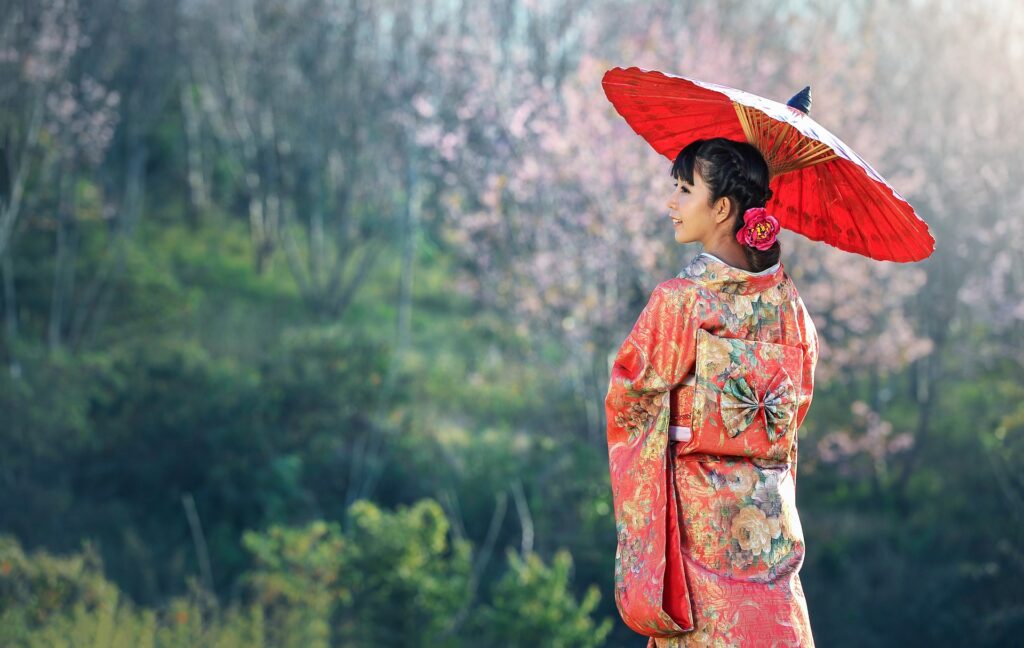
Quick Answer: How Much Does Kimono Rental in Asakusa Really Cost?
A realistic budget for kimono rental in Asakusa is usually around ¥4,000 to ¥8,000 per person before optional extras such as professional photos, premium styling, next-day return, or late-return fees. Some shops advertise lower starting prices, but the final value depends on what the plan includes.
The biggest price difference for many women is hair styling. Some Asakusa shops include a simple women’s hair set in the main plan, while others include it only in selected plans or charge separately. Always check the exact plan page before booking.
- Best for most first-time visitors: A plan that clearly includes dressing, hair styling, basic accessories, sandals, socks, and a bag.
- Cheapest realistic option: A simple plan around ¥3,000 to ¥4,000 if you are comfortable with a basic look and limited add-ons.
- Most common surprise fee: Hair styling, premium accessories, premium kimono designs, next-day return, or late return.
- Time needed at the shop: Allow about 45 to 60 minutes total, even if dressing itself takes less time.
- Booking advice: Reserve ahead for weekends, cherry blossom season, autumn foliage, Japanese holidays, and photoshoot add-ons.
- Weather note: Light rain usually does not cancel a rental, but wet sandals, slippery stone paths, and outdoor photos can make the day less comfortable.
- Season note: Many shops offer lighter yukata during Tokyo’s hot and humid summer months.
Price note: Prices, inclusions, return times, cancellation rules, and seasonal operations can change by shop, date, and booking platform. The shop-specific examples below were checked in June 2026, but you should always confirm the current total on the official site or final booking screen before paying.
What Is Usually Included in a Kimono Rental Plan?
A standard kimono rental plan in Asakusa typically includes the kimono, obi sash, dressing assistance, sandals, socks, and a small traditional bag. However, the details vary by shop and plan. This is where the gap between the advertised starting price and your real total can appear.
Usually Included
- Kimono or yukata: The main garment. In summer, many shops switch to yukata or offer yukata plans.
- Obi sash: The belt worn around the waist.
- Dressing assistance: Essential if you have never worn kimono before.
- Sandals: Usually zori or geta, depending on the plan and season.
- Split-toe socks: Often included with kimono plans, though yukata plans may differ.
- Small traditional bag: Useful for a phone, wallet, and small essentials.
Not Always Included — Check Before Booking
- Women’s hair styling: Some shops include it, some include it only in selected plans, and some charge extra.
- Hair accessories: Basic pieces may be included, while premium pieces can cost extra.
- Premium kimono designs: Lace, antique-style, formal, or highly decorative designs may have different rules depending on the shop.
- Large luggage storage: Many shops can hold your clothes and shoes, but large suitcases may not be accepted or may require a separate arrangement.
- Makeup service: Usually not included in basic rental plans.
- Professional photoshoot: Usually an add-on that should be booked in advance.
- Late return or next-day return: Rules and fees vary by shop, so check before planning evening activities.
Real Price Breakdown: Why a Cheap Plan Can Cost More
A low starting price can still be a good deal, but only if the base plan matches what you actually want. Before choosing the cheapest option, check whether you would add hair styling, accessories, a better design, a photoshoot, or a later return.
| Decision Point | Cheaper Base Plan | More Complete Plan |
|---|---|---|
| Final price risk | Higher if hair styling, accessories, or upgrades are separate | Lower if the plan clearly lists what is included |
| Women’s hair styling | May be separate or limited to selected plans | Often included, but check the style type |
| Hair accessories | May be basic, limited, or an add-on | Often includes simple accessories |
| Kimono selection | May have fewer designs or basic patterns | Usually gives more confidence before arrival |
| Return rules | Can become expensive if you miss the deadline | Still needs checking, but rules are often clearer |
| Best for | Travelers who only need a simple outfit for a short walk | First-time visitors who want fewer surprises |
The best-value plan is not always the cheapest plan. For many first-time visitors, a mid-range plan with clear inclusions is less stressful than a low base price that requires several decisions after arrival.
Best Asakusa Kimono Rental Shops Compared
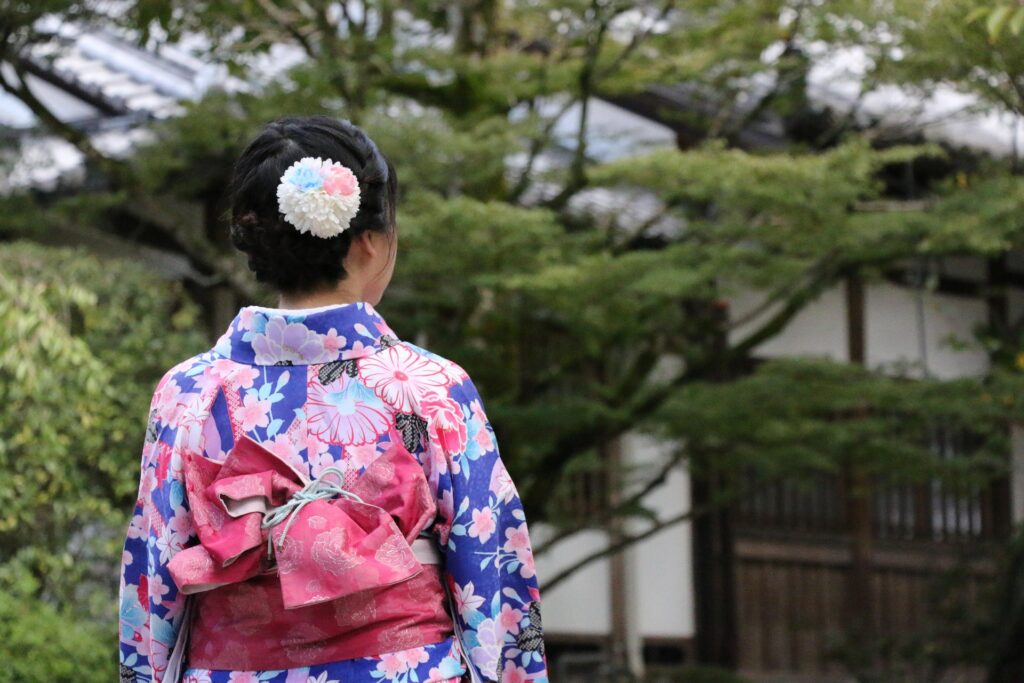
No single shop is best for every traveler. Below are several popular Asakusa kimono rental shops to compare based on price clarity, hair styling, location, return time, photoshoot options, and how much decision-making you want after arrival.
Miu Kimono Rental — Best for Clear Inclusions and English Support
Miu Kimono Rental is a practical choice if you want to understand the core rental cost before you arrive. As of June 2026, Miu’s official site listed a kimono booking price of ¥6,000 per person for men, women, and children, with kimono, ladies’ hair set, obi, socks, sandals, bag, and dressing included. The walk-in price was listed as ¥7,000.
Miu’s main advantage is price clarity. The booking price already includes many core items that travelers often worry about, especially the women’s simple hair set and basic accessories. Optional services such as photoshoots, next-day return, and special arrangements can still cost extra, so check the current booking page before paying.
- Best for: First-time visitors who want clear inclusions, language support, and a calmer booking experience.
- Hair styling: A simple ladies’ hair set is included in the kimono plan.
- Location: Convenient for Asakusa Station, Sensoji Temple, and nearby photo spots.
- Photoshoot option: Outdoor photos around Sensoji Temple can be added when available.
- Return time: Miu listed a same-day return time of 16:50 as of June 2026.
- Not ideal for: Travelers who want the absolute lowest starting price, very elaborate curled hairstyles, or a late evening kimono walk without paying for a different return arrangement.
- Important note: Miu states that it does not provide dressing service for pregnant guests.
Want a kimono rental in Asakusa with clear inclusions?
Miu Kimono Rental is worth checking if you want a simple hair set included, language support, and the option to add a professional photoshoot near Sensoji Temple.
Check Miu Kimono Rental Availability and Current Inclusions Here
Other Asakusa Kimono Rental Shops to Compare
Miu is not the only good option in Asakusa. Use the table below as a starting point, then confirm current plan details on the shop’s official site or your selected booking platform.
| Shop | Useful If You Want | What to Check Before Booking |
|---|---|---|
| Miu Kimono Rental | Clear inclusions, simple women’s hair set, language support, and optional photos near Sensoji Temple | Current price, deposit, return time, photoshoot availability, and whether the simple hair set matches your style preference |
| Waraku Asakusa | A close-to-station shop with women’s plans that can include hair styling and luggage storage | Current plan price, tax-included total, student or group conditions, next-day return rules, and large-luggage policy |
| Wargo Asakusa | A central location near Sensoji Temple, walk-in flexibility, plus-size availability, later return time, and photo options | Which plan you are booking, online discount conditions, return deadline, next-day return fee, and pregnancy restrictions |
| Reiwafuku | All-inclusive-style plans, women’s hair styling included, many kimono choices, and no extra charge for lace or antique kimono on listed plans | Current plan price, student or group conditions, gender rules for hair styling, same-day availability, and peak-season price changes |
Waraku Asakusa is useful if you want a shop close to Asakusa Station with plans that bundle kimono rental, dressing, hair styling for women, accessories, and luggage storage. Their official page also lists a same-day rental flow, but busy seasons can still limit availability.
Wargo Asakusa is convenient if you want a central shop near Sensoji Temple, walk-in flexibility, plus-size availability, and photoshoot plans. Wargo’s official page lists a return deadline of 18:00 and next-day return options, but always confirm the current rules before planning dinner or evening activities.
Reiwafuku is a strong comparison option for travelers who want women’s hairstyling included and a wide kimono selection. Its official English page lists women’s hair styling with all plans and no extra charge for lace or antique kimono, but prices and peak-season conditions should still be checked before booking.
The best choice is not always the shop with the lowest advertised price. If you are visiting Asakusa only once, a plan with clearer inclusions can be less stressful than a cheaper base plan with several decisions after arrival.
How to Choose the Right Plan for You
Your ideal kimono rental depends on your priorities: budget, convenience, photo quality, family comfort, or how much time you want to spend comparing details. Use this as a practical guide.
| Traveler Type | Recommended Approach | Suggested Budget |
|---|---|---|
| First-time visitor who wants a smooth experience | Choose a mid-range plan with dressing, hair styling, accessories, sandals, socks, and a bag clearly included. | Around ¥5,000–¥7,000 per person |
| Budget traveler who does not need hair styling | A simple base plan can work if you are comfortable with a basic design and fewer styling options. | Around ¥3,000–¥4,000 per person |
| Couple or group wanting photos together | Look for a shop with a photoshoot add-on and book an earlier time slot so you are not rushed. | Rental plus photo add-on |
| Family with children | Check children’s sizes, stroller access, elevator access, toilet breaks, and how long the fitting process may take. | Varies by age and plan |
| Summer visitor | Choose a yukata or summer-friendly plan, wear breathable inner layers, and avoid packing the day too tightly. | Often similar to or slightly below kimono plans |
| Traveler planning evening activities | Check the return deadline before booking dinner, river cruises, Skytree plans, or night photography. | Add budget for late or next-day return if needed |
Do You Need to Book in Advance?
Yes, advance booking is the safer choice if you want a morning time slot, a wider kimono selection, or a professional photoshoot. Walk-ins may be possible on quiet weekdays, but popular times can fill quickly.
When to Book Early
- Cherry blossom season: Late March to early April is one of the busiest times for kimono photos in Tokyo.
- Autumn foliage season: November to early December can also be busy.
- Japanese holidays and long weekends: Morning slots and popular patterns may disappear first.
- Major Asakusa events: Festival periods can affect availability, crowds, and photoshoot operations.
- Professional photoshoots: Book the rental and photographer together when possible.
When Walk-In Might Work
- Quiet weekday mornings outside peak seasons
- Later time slots if you only want a short rental experience
- Large shops that accept same-day reservations or walk-ins, depending on inventory
Where to Book
You can book directly through the shop’s official website or through booking platforms such as GetYourGuide, Klook, or Viator. Platform prices may differ from official prices because of currency conversion, commissions, discounts, or package differences. Always compare the final total on the payment screen, including cancellation policy and what is included.
What to Wear Under a Kimono
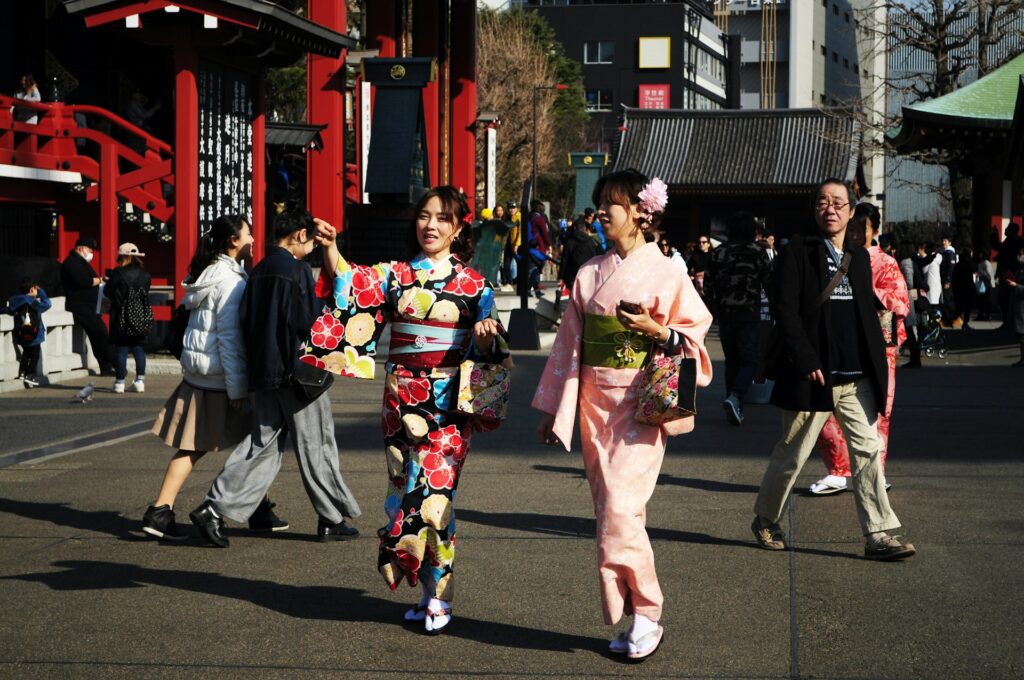
What you wear underneath matters more than many first-time visitors expect. Kimono and yukata are fitted closely around the body, so bulky layers, high collars, and full-length tights can feel uncomfortable or show in photos.
What to Wear in Winter
- Choose a U-neck or V-neck thermal top: A low neckline helps keep the traditional collar line clean.
- Avoid turtlenecks: They show above the collar and can make the outfit look messy.
- Wear ankle-length leggings: Full tights with feet do not work well with split-toe socks.
- Bring heat packs: Disposable warmers help if you plan to walk around Sensoji Temple for several hours.
- Keep your outerwear simple: A coat is fine between photos, but it may hide the kimono in pictures.
What to Wear in Summer
- Expect yukata at many shops: Yukata is lighter and more suitable for hot weather than heavier kimono.
- Wear breathable inner layers: A light camisole or thin undershirt can help with sweat.
- Avoid heavy makeup if you overheat easily: Tokyo can feel very humid in summer.
- Bring a fan or cooling towel: This is useful if you plan to walk between Asakusa Station, Sensoji Temple, and the Sumida River.
- Drink water before and after dressing: A tightly fitted outfit can feel warmer than regular travel clothes.
Best Photo Spots in Asakusa for Kimono
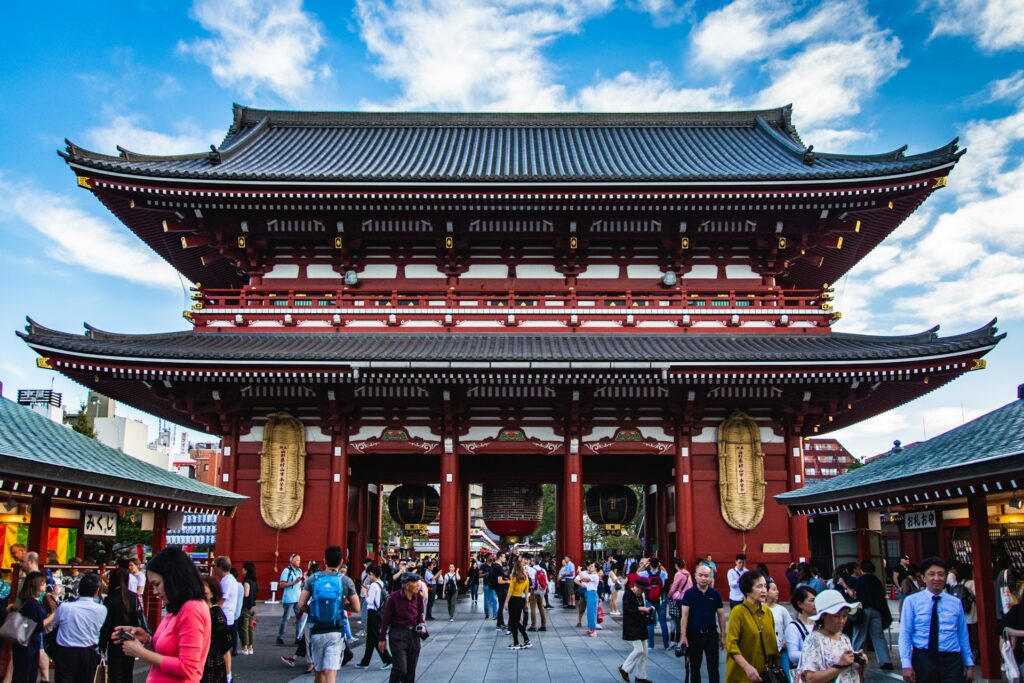
Asakusa is one of Tokyo’s best areas for kimono photos because many famous photo spots are close together. The challenge is crowd management, especially from late morning onward.
Kaminarimon Gate
Kaminarimon is the classic Asakusa photo spot. Go early if you want fewer people in the background. After late morning, expect crowds and be ready to wait, crop carefully, or use side angles.
Sensoji Temple Main Hall and Five-Story Pagoda
The main hall and pagoda give your photos a strong Asakusa sense of place. The area can be very busy, so take a mix of wide shots, close-ups, and side-angle photos instead of waiting for a completely empty background.
Denboin Street
Denboin Street has traditional shopfronts, signs, and a calmer atmosphere than Nakamise Shopping Street. It is a good choice for solo travelers, couples, and groups who want a more relaxed background.
Hoppy Street (Hoppi-dori / ホッピー通り)
Hoppy Street has a retro Showa-era atmosphere with casual izakaya energy. It can work well for street-style photos, but be respectful around restaurants, staff, and other customers. It is better for casual snapshots than formal portraits.
Sumida River and Azumabashi Bridge
The Sumida River area gives you wider space and views toward Tokyo Skytree. It is a useful option if the temple area feels too crowded or if you want full-length kimono photos with a more open background.
Rainy Day Indoor and Covered Options
If the weather is poor, the easiest nearby indoor break is the Asakusa Culture Tourist Information Center near Kaminarimon. The observation area and indoor spaces can be useful for a short rest, although they are not a replacement for a full photoshoot location.
If you are willing to leave Asakusa, the Edo-Tokyo Museum in Ryogoku can be a larger indoor backup for a history-focused day. It is not a five-minute walk from Asakusa Station, so check transport and opening information before using it as a rainy-day alternative.
Sample Itinerary: A Relaxed Kimono Half Day in Asakusa
This is a sample schedule, not a fixed plan. Adjust it around your shop’s opening time, dressing slot, photoshoot reservation, lunch plans, and return deadline.
| Timing | Activity | Notes |
|---|---|---|
| Around opening time | Arrive at the rental shop | Choose your kimono pattern, accessories, and confirm the return time. |
| First 45–60 minutes | Dressing, hair styling, and luggage storage | Busy days can take longer, so do not schedule a photoshoot too tightly. |
| After dressing | Kaminarimon Gate and Nakamise area | Take classic Asakusa photos before the area gets too crowded. |
| Late morning | Sensoji Temple grounds and side streets | Use side angles near the pagoda and quieter backstreets for better photos. |
| Lunch break | Choose an easy nearby restaurant or snack stop | Avoid messy foods if you are worried about staining the kimono. |
| Early afternoon | Optional photoshoot, Denboin Street, or Sumida River walk | Keep walking distance realistic, especially in sandals. |
| Before return deadline | Return to the shop and change | Set a phone alarm and aim to arrive early, not exactly at the deadline. |
Is a Professional Kimono Photoshoot Worth It?
A professional kimono photoshoot in Asakusa is worth considering if you want polished couple photos, family portraits, solo portraits, or group shots where everyone is included. It is less necessary if you only want casual phone photos during a short walk.
| Decision Point | DIY Photos | Professional Photoshoot |
|---|---|---|
| Best for | Casual memories and flexible sightseeing | Couples, families, groups, and special occasions |
| Crowd management | You may need to wait or crop around people | A photographer can suggest better angles and quieter spots |
| Group photos | Someone may be missing unless you ask a stranger | Everyone can be in the frame |
| Time use | Flexible, but you may spend longer trying to get good shots | More structured, but easier if you want reliable results |
| Extra cost | No added fee | Usually an add-on that should be booked in advance |
If you are already following an Asakusa itinerary, a photoshoot can save time because you combine sightseeing with planned photo stops. If your priority is budget, skip the photoshoot and use quieter spots such as Denboin Street, temple side angles, and the Sumida River area.
What Should You Check Before Booking?
Before you reserve any Asakusa kimono rental, confirm the practical details that affect your day. These details matter more than the lowest advertised price.
How Long Does the Dressing Process Take?
Dressing and hair styling may take only part of the visit, but you should allow 45 to 60 minutes total at the shop. Choosing a kimono pattern, selecting accessories, checking in, storing your clothes, and waiting during busy periods all add time.
If you book a photoshoot, leave more room in your schedule. Starting earlier in the day is usually better than rushing back for the return deadline.
Can You Leave Luggage at the Shop?
Most kimono rental shops can hold your everyday clothes and shoes while you are out. Large suitcases, strollers, or bulky items may have different rules depending on the shop. If you are visiting Asakusa before hotel check-in or after checkout, consider using station coin lockers before going to the rental shop.
Are Tattoos Allowed?
Most Asakusa kimono rental shops are unlikely to reject small tattoos, but policies can vary. If you have large or highly visible tattoos and are concerned, contact the shop before booking. In photos, you can also use sleeves, inner layers, or angles if you prefer a more traditional look.
Do Shops Offer Men’s and Children’s Kimono?
Many major Asakusa shops offer men’s kimono, and some offer children’s sizes. Availability depends on the shop, the child’s height, and the date. If you are booking for a family, confirm sizes, fitting time, stroller access, and whether girls’ hair styling is included.
Can Pregnant Guests Rent Kimono?
Some shops do not provide kimono dressing for pregnant guests for safety reasons. If you are pregnant, do not assume the shop can accommodate you. Contact the shop directly before booking and ask about their current policy.
What Happens if It Rains?
Kimono rental usually still operates in light rain, but rain can affect walking comfort and outdoor photos. Wet sandals can feel slippery on stone paths near Sensoji Temple, and kimono hems are harder to keep clean. If you booked a professional photoshoot, check the shop’s weather policy before paying.
What Time Do You Need to Return the Kimono?
Return times vary by shop and plan. Some shops require same-day return in the late afternoon, while others offer later return or next-day return for an added fee. Always check the return deadline before planning dinner, river cruises, evening photos, or another Tokyo activity.
Late-return fees can make a cheap rental much less cheap. Set an alarm on your phone before leaving the shop.
FAQ
Is kimono rental in Asakusa worth it?
Yes, kimono rental in Asakusa is worth it for many first-time visitors, especially if you want memorable photos around Sensoji Temple, Kaminarimon Gate, Nakamise Shopping Street, and the surrounding backstreets. It is most worthwhile when you choose a plan with clear inclusions and enough time before the return deadline.
How much does kimono rental in Asakusa cost?
A realistic budget is usually around ¥4,000 to ¥8,000 per person before optional photos, premium styling, next-day return, or late-return fees. Some shops advertise lower starting prices, but the final total depends on the plan and what you add.
Is hair styling included in Asakusa kimono rental?
Sometimes. Some shops include a simple women’s hair set in the main plan, while others include it only in selected plans or charge separately. Always check whether the price includes hair styling and hair accessories before confirming.
Can I rent a kimono in Asakusa on the same day?
Same-day kimono rental may be possible on quiet weekdays, but it is not reliable during weekends, cherry blossom season, autumn foliage, holidays, festival periods, or busy morning hours. Book ahead if you want a specific time slot, a wider selection, or a photoshoot.
Can I wear a kimono in summer?
Yes, but many shops offer yukata during summer instead of heavier kimono. Yukata is lighter and more suitable for Tokyo’s hot, humid weather. Wear breathable inner layers and plan breaks if you are walking for several hours.
What should I avoid wearing under a kimono?
Avoid turtlenecks, high-neck tops, bulky sweaters, and full tights with feet. Low-neck thermal tops, camisoles, and ankle-length leggings work better because they do not interfere with the kimono collar or split-toe socks.
Can men rent kimono in Asakusa?
Yes. Many major shops offer men’s kimono plans. Men’s kimono usually has simpler styling and may take less time to put on than women’s kimono, but prices and included items vary by shop.
Are there size limits for kimono rental?
Yes, size availability varies by shop. Some shops list plus-size options, while others may have more limited sizing. If you are outside average Japanese sizing, contact the shop in advance to confirm availability and comfort.
Should I pay extra for a professional photoshoot?
Pay extra for a photoshoot if you want polished photos, group shots, couple photos, or less stress in crowded areas. Skip it if you only want casual phone photos and prefer to spend your budget on food, shopping, or another activity.
What happens if I return the kimono late?
Late-return rules vary by shop. Some shops charge by the hour, while others have different same-day or next-day return rules. Check the return time before booking and set a reminder on your phone after leaving the shop.
Final Verdict: Which Kimono Rental Should You Choose?
The best Asakusa kimono rental depends on what matters most to you: lowest price, clear inclusions, hair styling, photos, return time, or family comfort.
Choose Miu Kimono Rental if: You are a first-time visitor who wants clear core inclusions, a simple women’s hair set, language support, and the option to add a professional photoshoot near Sensoji Temple.
Choose Waraku if: You want a close-to-station shop with women’s plans that can include hair styling and luggage storage, and you are willing to compare current plan conditions.
Choose Wargo if: You want walk-in flexibility, plus-size availability, a central location near Sensoji Temple, photo options, or a later same-day return deadline.
Choose Reiwafuku if: You want all-inclusive-style plans, women’s hair styling included, many kimono choices, and no extra charge for lace or antique kimono on listed plans.
For most travelers — especially first-timers — a plan in the ¥5,000 to ¥7,000 range that clearly states what is included will usually feel less stressful than a very cheap base plan with several optional add-ons.
Ready to compare current availability?
Miu Kimono Rental is a practical option to check if you want clear core inclusions, a simple women’s hair set, language support, and an optional photoshoot near Sensoji Temple.
Check Miu Kimono Rental Availability and Current Inclusions Here
Prices, opening hours, return times, cancellation rules, luggage storage, photoshoot availability, payment methods, pregnancy policies, size availability, and seasonal operations can change. Always check official sources and your selected booking page before finalizing your trip.
Hi, I’m Kai. I’m a Tokyo-based travel writer, tourism industry insider, and the author of a published guidebook for international visitors to Japan. With over 10 years of professional experience at a leading Japanese tourism company, my mission is to help you skip the tourist traps and navigate Japan’s best destinations like a local. I believe the perfect day trip is like a traditional kaiseki meal: a beautiful balance of precise planning and unforgettable seasonal discovery. When I’m not out conducting field research, you’ll usually find me drafting new itineraries with one of my favorite fountain pens!