
Tokyo cherry blossoms usually bloom from late March to early April. In 2026, the Japan Meteorological Agency recorded Tokyo’s official flowering date as March 19 and full bloom as March 28. For most visitors, the strongest viewing window was the last week of March into the first few days of April.
But choosing the right week is only half the plan. The better question is: which sakura spot fits your travel style? This guide compares the top Tokyo cherry blossom spots by atmosphere, crowd level, access, and practical rules, so you can pick the right place on your first visit.
When Is the Best Time to See Tokyo Cherry Blossoms?
Quick answer: Tokyo cherry blossoms typically flower in late March and reach full bloom in late March to early April. In 2026, Tokyo’s official flowering date was March 19, and full bloom was recorded on March 28.
- Typical flowering period: Late March
- Typical full bloom period: Late March to early April
- Best travel window for Tokyo: Usually the last week of March and the first few days of April
- How long they last: Usually about one to two weeks from first bloom, depending on rain, wind, and temperature
Cherry blossoms are weather-sensitive. Heavy rain or strong wind can shorten the season quickly, while cooler weather can help the flowers last longer. If you are planning a future spring trip to Tokyo, the last week of March is often the safest starting point, but you should check official forecasts and park updates closer to your travel dates.
How to Check Real-Time Bloom Status
If you want to confirm the bloom stage before heading out, check current updates rather than relying only on annual averages.
- Japan Meteorological Agency: Useful for official flowering and full-bloom records after the season.
- Japan Meteorological Corporation / Otenki Navigator: Useful for seasonal forecasts and spot-by-spot bloom information.
- Official park and city websites: Especially important for entry rules, illuminations, crowd controls, and boat tickets.
- Recent social posts: Same-day photos from official accounts or visitors can help you judge whether a spot is worth visiting that day.
Which Tokyo Cherry Blossom Spot Should You Choose?
If you only have one or two days in Tokyo, do not try to visit every famous sakura spot. Choose based on the experience you want. The table below compares four of the most popular spots at a glance.
| Spot | Best For | Nearest Station | Peak Crowd Level | Night Sakura | Recommended Stay | Key Rule or Risk |
|---|---|---|---|---|---|---|
| Shinjuku Gyoen | Peaceful picnics, families, photography | Shinjuku-gyoemmae Station or Shinjuku Station | High, but spacious | No major party-style illumination | 1.5–2 hours | Alcohol is prohibited; peak dates may require special entry rules |
| Ueno Park | Lively hanami, food stalls, festive atmosphere | Ueno Station | Very high | Yes, during festival periods | 1–2 hours | Main paths become extremely crowded |
| Chidorigafuchi | Moat views, romantic walks, boats, night sakura | Kudanshita Station or Hanzomon Station | Very high at peak bloom | Yes, during illumination periods | 45 minutes for a walk, longer with boats | Boats can require advance tickets and may be affected by weather |
| Meguro River | Night sakura, photography, cafe hopping | Nakameguro Station, Meguro Station, or Gotanda Station depending on the area | Very high in narrow areas | Yes, depending on the section and event year | 45 minutes–1 hour | Not suitable for picnics; narrow paths get packed |
Top Cherry Blossom Spots in Tokyo
Shinjuku Gyoen
Best for: peaceful picnics, families, couples, and photographers who want more space.
Access: Shinjuku Gyoen is easiest from Shinjuku-gyoemmae Station on the Marunouchi Line. You can also walk from Shinjuku Station, although the walk is longer and the station itself can be busy.
Shinjuku Gyoen National Garden is one of the best Tokyo cherry blossom spots for first-time visitors because it is large, scenic, and easier to enjoy at a slower pace than Ueno Park or Meguro River. It also has different varieties of cherry trees, which can slightly extend the viewing window compared with spots that depend heavily on one peak bloom period.
- Entry fee: 500 JPY for adults, with some free or discounted categories
- Best time to visit: Soon after opening on a weekday
- Atmosphere: Calm, clean, spacious, and family-friendly
- Alcohol rule: Alcohol is prohibited
- Family tip: Many paths are stroller-friendly, and the open lawns make it easier for children to move around than at narrow riverside spots.
- Rainy day plan: Shinjuku Gyoen has limited covered areas, so consider a shorter visit and a nearby cafe if rain is heavy.
- Important note: During peak cherry blossom dates, Shinjuku Gyoen may introduce timed-entry tickets or special admission rules. In 2026, reservations applied on selected peak dates and time slots. Check the official Shinjuku Gyoen website before visiting during peak season.
Choose Shinjuku Gyoen if you want a beautiful sakura experience without the full party atmosphere. It is also a good choice if you are traveling with children or want to take photos without constantly moving through narrow crowds.
Ueno Park
Best for: traditional hanami, lively crowds, food stalls, and a festive local atmosphere.
Access: Ueno Park is very close to JR Ueno Station and Ueno Subway Station. The park is easy to reach, but the station area can become very crowded during peak bloom.
Ueno Park is one of Tokyo’s most famous cherry blossom locations. During peak bloom, the central pathway becomes a tunnel of sakura, with groups sitting on picnic sheets, eating, drinking, and enjoying the season. It is crowded, noisy, and energetic, but that is exactly why many visitors love it.
- Entry fee: Free
- Best time to visit: Early morning for photos with fewer people, or evening for a livelier atmosphere
- Night sakura: Lanterns and illuminations are usually part of the seasonal festival atmosphere, but exact dates and times change by year.
- Atmosphere: Festive, busy, traditional, and crowded
- Alcohol rule: Drinking is common during hanami, but always follow posted park rules and temporary restrictions.
- Family tip: Ueno has museums, restrooms, food options, and Ueno Zoo nearby. However, strollers can be difficult to maneuver on crowded weekends.
- Rainy day plan: Combine a short sakura walk with Tokyo National Museum, the zoo, or nearby Ameya-Yokocho.
- Important note: Walkways can become extremely congested at peak bloom, especially on weekends and evenings.
Choose Ueno Park if you want to experience the social side of hanami. It is less peaceful than Shinjuku Gyoen, but it gives you a stronger sense of how Tokyo celebrates cherry blossom season.
Chidorigafuchi
Best for: dramatic moat views, romantic walks, night sakura, and iconic Tokyo photos.
Access: Chidorigafuchi is near Kudanshita Station and Hanzomon Station. The walkway runs along the northwestern side of the Imperial Palace moat.
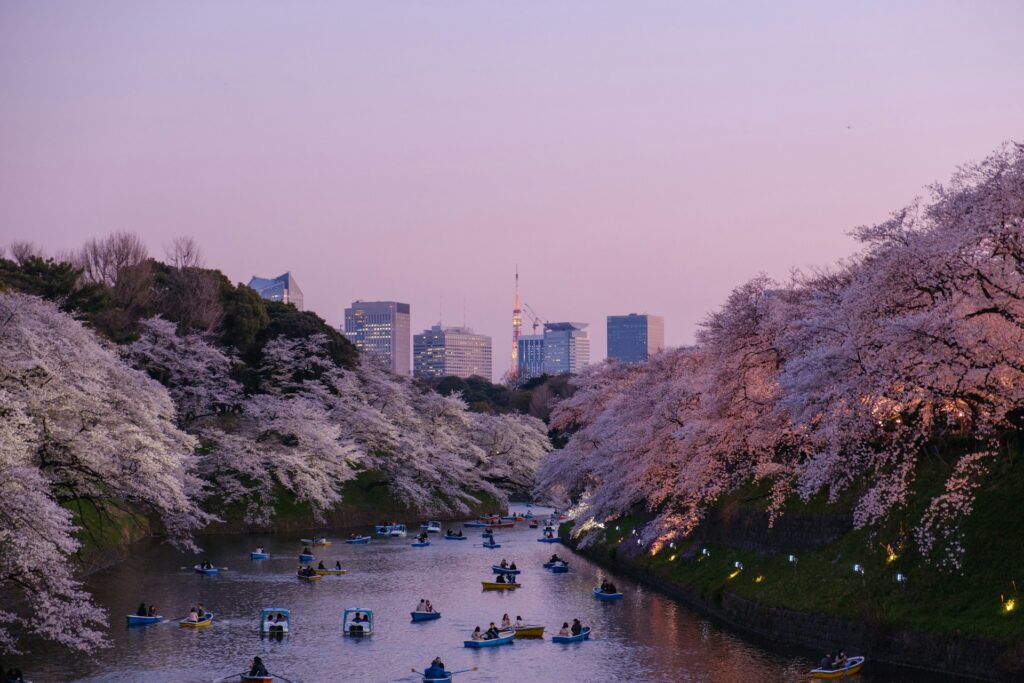
Chidorigafuchi is one of Tokyo’s most scenic sakura spots. Cherry trees hang over the stone walls and water, creating one of the city’s most famous spring views. The walking path is beautiful on its own, even without renting a boat.
- Entry fee: Free to walk along the green way
- Boat fee: During the 2026 sakura season, Chidorigafuchi used a special Smart Ticket system for rowboats, with prices from 12,000 JPY per boat for up to three people. Ticket systems and prices can change by year.
- Night sakura: Illuminations are usually held during the Chiyoda Sakura Festival period, but dates and times vary each year.
- Best time to visit: Early morning for fewer people and better photos, or evening for illuminations
- Atmosphere: Scenic, romantic, and very crowded at peak bloom
- Family tip: The walking path is relatively flat, but boats may not be ideal for small children because of safety rules, waiting time, and limited space.
- Rainy day plan: Boats are weather-dependent and may be suspended. Avoid making the boat the center of your plan on a windy or rainy day.
- Important note: During peak bloom and illumination periods, temporary traffic restrictions, crowd controls, and photography rules may apply. Check the Chiyoda City Sakura Festival information before visiting.
You do not need to rent a boat to enjoy Chidorigafuchi. The walking route is already beautiful, especially if you arrive early enough to move at your own pace. If boating is a must-do for you, check the latest operating rules, ticket system, and weather conditions before building your day around it.
Meguro River
Best for: night sakura, photography, cafes, and a stylish evening walk.
Access: Meguro River can mean several different riverside areas. Nakameguro is the most famous section for visitors, while Meguro and Gotanda also have seasonal lights and riverside cherry blossoms depending on the year.
Meguro River is not a picnic-style hanami spot. It is better for walking under cherry trees, taking photos from bridges, and stopping at nearby cafes or shops. The narrow riverside paths can become packed during peak bloom, but the atmosphere is one of the most photogenic in Tokyo.
- Entry fee: Free
- Night sakura: Around Nakameguro, lanterns often create the classic riverside sakura atmosphere. Farther south around Gotanda, seasonal light-up events may have different dates, hours, and lighting styles.
- Best time to visit: Early morning for photos with softer light and fewer people, or evening for the night sakura atmosphere
- Atmosphere: Urban, stylish, crowded, and photogenic
- Family tip: The path is narrow and can be difficult with a stroller during peak hours. If you visit with children, go early in the morning.
- Rainy day plan: The riverside has many cafes and restaurants where you can wait out a shower. Nakameguro, Daikanyama, Meguro, and Gotanda all have food options nearby.
- Important note: This spot is best for walking and photography, not for sitting down for a long picnic. Keep moving, avoid blocking bridges, and follow local crowd guidance.
Choose Meguro River if your priority is photography or evening sakura scenery rather than a relaxed picnic.
Shinjuku Gyoen vs Ueno Park: Which Should You Choose?
Many travelers narrow their Tokyo cherry blossom plan down to Shinjuku Gyoen or Ueno Park. Both are excellent, but they offer very different experiences.
| Decision Point | Shinjuku Gyoen | Ueno Park |
|---|---|---|
| Best for | Calm picnics, families, couples, photography | Traditional hanami parties, food stalls, lively crowds |
| Entry fee | Paid entry | Free entry |
| Alcohol | Prohibited | Common during hanami, but follow posted rules |
| Crowd pressure | Busy, but more spread out | Very crowded on main paths |
| Best arrival time | Weekday morning or soon after opening | Early morning for photos, evening for atmosphere |
| Facilities | Clean restrooms, lawns, some benches, limited food | Museums, zoo, food stalls, more nearby facilities |
| Choose this if | You want a calmer, more scenic park day | You want the full hanami party experience |
If this is your first Tokyo cherry blossom trip and you only have time for one major park, choose Shinjuku Gyoen for a more comfortable day and Ueno Park for a more energetic cultural experience.
Other Sakura Spots Worth Your Time
If you have extra time or want a quieter alternative, these spots are also worth considering:
- Sumida Park: Best if you are visiting Asakusa. Cherry trees line the Sumida River with Tokyo Skytree in the background. Seasonal light-ups may be held during peak bloom.
- Yoyogi Park: A casual, free hanami option near Harajuku and Meiji Shrine. It feels more relaxed than Ueno, but it can still become busy during peak bloom.
- Rikugien Garden: Best known for its elegant garden atmosphere and famous weeping cherry tree. Entry rules and evening illumination schedules can change by year.
For most first-time visitors, the easiest plan is to choose one main daytime spot, such as Shinjuku Gyoen or Ueno Park, and add one evening spot, such as Chidorigafuchi or Meguro River, if the weather is clear.
Sample Half-Day Cherry Blossom Itinerary
If you have one day for cherry blossoms in Tokyo, keep the plan realistic. You will enjoy sakura more if you avoid rushing between too many famous locations.
| Time | Activity | Tip |
|---|---|---|
| 9:00 AM – 10:30 AM | Shinjuku Gyoen: Arrive at or just before opening. Walk the main garden areas, take photos, and enjoy the calmer morning atmosphere. | On peak dates, check whether timed-entry rules apply before you go. |
| 11:30 AM – 12:30 PM | Chidorigafuchi: Stroll the moat path and look for the classic cherry blossom views over the water. | If boat tickets are sold out or the wait is long, skip the boat and enjoy the walking route. |
| 12:30 PM – 2:00 PM | Lunch near Kudanshita or Jimbocho: These areas have casual ramen, soba, curry, and cafe options. | A seated lunch is usually easier than fighting crowded food areas at peak parks. |
| Evening | Meguro River or Chidorigafuchi: Return for night sakura if the weather is clear and you still have energy. | Arrive before sunset if you want to see the transition from daylight to night lights. |
This route keeps you in central Tokyo, avoids too many rushed transfers, and gives you two distinct sakura experiences in one day. If you prefer a slower pace, choose just one morning spot and one evening spot.
Hanami Rules and Etiquette
Hanami is one of the best parts of visiting Tokyo in spring, but the parks can become extremely crowded. A little etiquette makes the experience better for everyone.
- Do not touch the branches: Cherry blossom trees are delicate. Never pull flowers, snap branches, or shake a tree for photos.
- Take your trash with you: Trash cans can be limited or full during peak season, so bring a small bag for your own garbage.
- Use only the space you need: If you sit on a picnic sheet, do not block paths, tree roots, entrances, or emergency access.
- Check alcohol rules before drinking: Shinjuku Gyoen prohibits alcohol. Other parks may have different rules or temporary restrictions.
- Keep noise reasonable: Even at festive spots, avoid loud music or behavior that disturbs nearby groups.
- Respect photography rules: At crowded spots, tripods, drones, and long photo sessions may be restricted or discouraged.
- Follow temporary crowd controls: During peak bloom, some parks, bridges, or walking paths may introduce one-way routes, entry limits, or special rules.
How to Avoid the Worst Sakura Crowds
The easiest way to avoid the worst cherry blossom crowds in Tokyo is to visit popular spots early, choose weekdays when possible, and avoid trying to see too many famous locations in one day.
- Go early: Morning is usually better for photos and easier walking.
- Avoid peak weekend afternoons: Saturday and Sunday afternoons are when major parks and riverside paths often feel most crowded.
- Choose one main area per half-day: Jumping between Ueno, Shinjuku, Chidorigafuchi, and Meguro can waste time on trains.
- Keep a rain backup: If the weather is poor, choose a shorter walk, a nearby cafe area, or a museum close to your sakura route.
- Use an IC card: Keeping Suica, Pasmo, or another IC card ready helps you avoid ticket machine lines at busy stations.
- Check rules before leaving your hotel: Peak bloom can bring temporary admission systems, festival changes, traffic restrictions, and weather-related cancellations.
If you plan to use subways heavily during your stay, it may also be worth comparing your route with the Tokyo Subway Ticket, especially if your hotel and sightseeing plans fit the covered lines.
Is a Private Guide Worth It During Sakura Season?
A private guide is not necessary for every traveler. Tokyo is safe, public transportation is excellent, and you can absolutely visit the major cherry blossom spots on your own with a little planning.
However, sakura season adds two challenges: crowds and timing. The best-looking spot can change quickly depending on bloom progress, rain, wind, and the time of day. Stations near famous parks can also become stressful if you are jet-lagged, traveling with children, or trying to fit several neighborhoods into one day.
A private Tokyo guide may be worth it if you want to combine cherry blossoms with places such as Asakusa, Meiji Shrine, Tsukiji Outer Market, Shibuya, or the Imperial Palace area without planning every transfer yourself.
| Travel Style | Best Choice |
|---|---|
| You have a full week in Tokyo and enjoy exploring slowly | DIY is usually enough |
| You only have one or two days in Tokyo | A guide can help save time |
| You are traveling with children or older family members | A guide can help reduce walking and transfer stress |
| You mainly want one park picnic | DIY is usually enough |
| You want sakura plus several major landmarks in one day | A private route is more efficient |
If you prefer a customized day with help navigating Tokyo during the busiest spring period, compare availability, start times, inclusions, and reviews before booking:
Tokyo: Private City Highlights Tour with Local Guide
Frequently Asked Questions
When was the best time to see Tokyo cherry blossoms in 2026?
In 2026, Tokyo’s official cherry blossom flowering date was March 19, and full bloom was recorded on March 28. For most travelers, the strongest viewing window was the last week of March into early April, depending on the exact spot and weather.
How many days do cherry blossoms last in Tokyo?
Cherry blossoms usually last about one to two weeks from first bloom, but the best full-bloom period can be much shorter. Heavy rain, strong wind, or warm weather can make the petals fall quickly, so it is better to keep your Tokyo itinerary flexible during sakura season.
Which Tokyo cherry blossom spot is best for first-time visitors?
Shinjuku Gyoen is the easiest recommendation for many first-time visitors because it is spacious, scenic, and less chaotic than Ueno Park or Meguro River. Choose Ueno Park if you want a louder, more traditional hanami atmosphere, and choose Chidorigafuchi if you want iconic moat views.
Do I need a reservation for Shinjuku Gyoen during cherry blossom season?
Not always, but peak cherry blossom dates may have timed-entry systems or special rules. In 2026, reservations were required on selected peak dates and time slots. If Shinjuku Gyoen is a must-visit for your trip, check the official website before going, especially on weekends during full bloom.
Can I drink alcohol while viewing cherry blossoms in Tokyo?
It depends on the location. Shinjuku Gyoen prohibits alcohol. At some other parks, drinking is common during hanami, but rules can change during crowded periods. Always follow posted signs and official park guidance.
Where is the best place to see night sakura in Tokyo?
Chidorigafuchi and Meguro River are two of the most popular night sakura areas. Chidorigafuchi is best for dramatic moat views with illuminations, while Meguro River is better for an urban evening walk with photos, cafes, and seasonal lights.
Is Chidorigafuchi worth visiting without renting a boat?
Yes. The walking path along Chidorigafuchi is beautiful during peak bloom, and you can still enjoy the cherry trees over the water without waiting for a boat. If boat tickets are sold out, expensive, or affected by weather, the walking route is still worth your time.
Where should I go if it rains during cherry blossom season?
If it rains lightly, choose a shorter sakura walk near cafes, shops, or museums rather than planning a long picnic. Meguro River works for a quick walk with cafe stops nearby, and Ueno has museums within the park. Avoid making Chidorigafuchi boats the center of your plan on a rainy or windy day, as they may be suspended.
Final Verdict
For most first-time visitors, the best Tokyo cherry blossom plan is simple: aim for the last week of March, choose one main daytime spot, and add one evening sakura walk if the weather is clear.
Choose Shinjuku Gyoen if you want a calmer, more comfortable park experience with beautiful scenery and space to breathe.
Choose Ueno Park if you want the classic hanami atmosphere with food, drinks, and crowds.
Choose Chidorigafuchi for dramatic moat views, romantic evening illuminations, and iconic Tokyo photography.
Choose Meguro River for night sakura, cafe hopping, and a stylish urban walk.
The biggest mistake is trying to see every famous spot in one day. Tokyo is large, spring crowds are intense, and cherry blossom viewing is more enjoyable when you leave time to slow down.
If your time in Tokyo is limited and you want a route that combines sakura with major city highlights, a private local guide can help you avoid inefficient transfers and adjust the day around crowds, weather, and bloom conditions.
Tokyo: Private City Highlights Tour with Local Guide
Prices, opening hours, transport schedules, ticket rules, pass conditions, tour inclusions, payment methods, illuminations, boat operations, and seasonal event details can change. Always check official sources and your selected booking page before finalizing your trip.
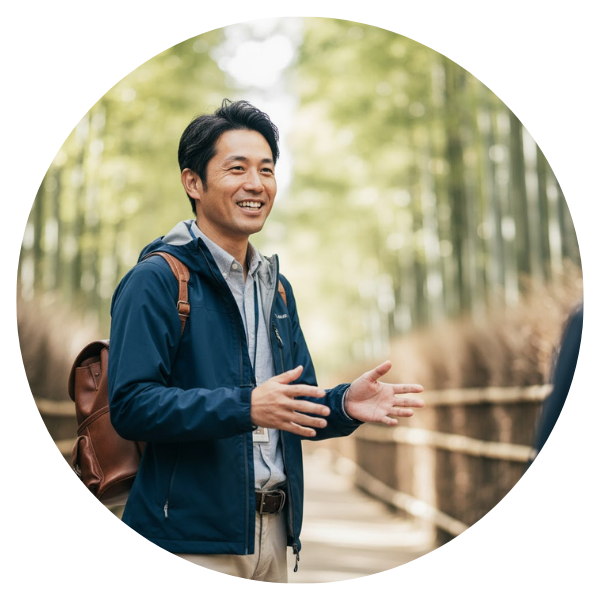
Hi, I’m Kai. I’m a Tokyo-based travel writer, tourism industry insider, and the author of a published guidebook for international visitors to Japan. With over 10 years of professional experience at a leading Japanese tourism company, my mission is to help you skip the tourist traps and navigate Japan’s best destinations like a local. I believe the perfect day trip is like a traditional kaiseki meal: a beautiful balance of precise planning and unforgettable seasonal discovery. When I’m not out conducting field research, you’ll usually find me drafting new itineraries with one of my favorite fountain pens!