
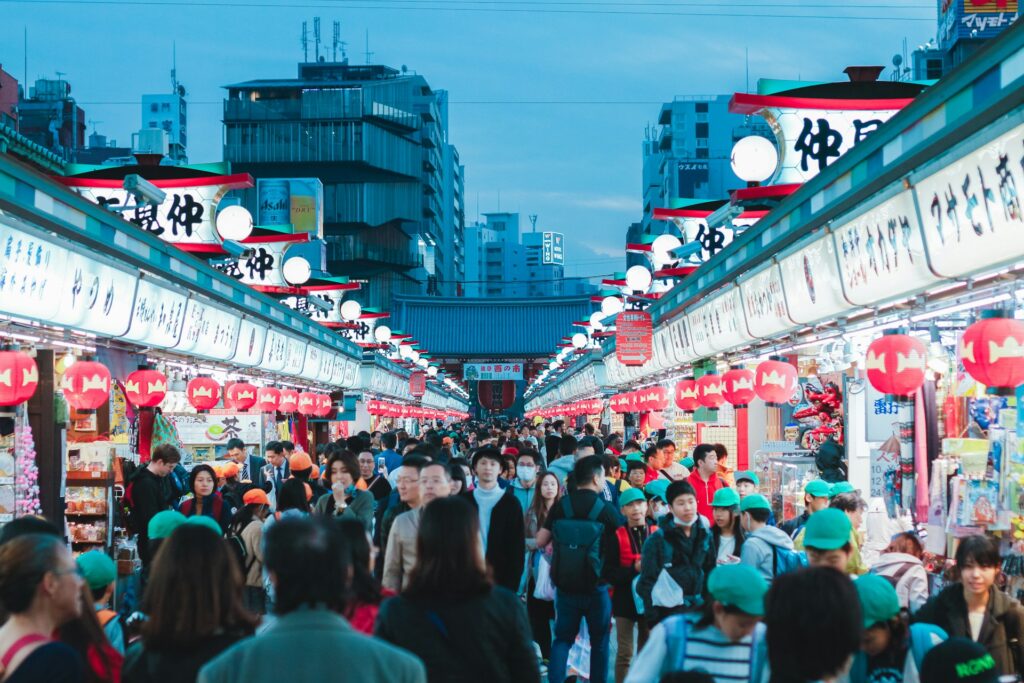
If you are searching for a private English tour guide in Tokyo, you are probably wondering whether the cost is justified, what a guide actually does during the day, and whether you would be better off exploring on your own, joining a group tour, or booking a private car tour instead.
Tokyo is safe, clean, and exciting, but it is also huge. A simple sightseeing day can involve several train companies, confusing station exits, crowded transfers, restaurants with limited English menus, and a lot of walking. A private guide does not make Tokyo “easy” by removing every challenge. The value is that someone local helps you handle the small decisions that can drain your time and energy.
This guide compares private English guides with DIY travel, group tours, volunteer guides, licensed guides, and private car tours. By the end, you should know which option fits your travel style, group size, budget, and comfort level.
Is a Private Tour Guide in Tokyo Worth It? Quick Answer
Yes, a private English tour guide in Tokyo is worth it if you want help navigating the train system, a flexible route adjusted to your interests, English support for restaurants and cultural sites, and someone to manage logistics while you focus on enjoying the day.
It is especially useful for first-time visitors, families with children, older travelers, multigenerational groups, and anyone with limited time in the city. The main value is usually not a luxury vehicle. Many private guide tours in Tokyo are walking and public transit tours. The value is route planning, station navigation, local context, and flexible pacing.
A private guide is probably not worth it if you are on a very tight budget, enjoy planning every route yourself, specifically want a chauffeur-driven vehicle, or already know Tokyo well.
| Decision Point | What to Know |
|---|---|
| Best for | First-time visitors, families, older couples, short-stay travelers, and groups that want less planning stress |
| Skip if | You want the cheapest option, dislike walking, or specifically need a private vehicle |
| Typical format | Walking and public transit unless the listing clearly says a private car is included |
| Pricing model | Direct guides may quote per group; booking platforms may show per-person or variable pricing |
| Main value | Route planning, English support, hotel pickup, flexible pacing, and local decision-making |
| Extra costs | Transportation, meals, entrance fees, guide expenses, taxis, and personal expenses may be separate |
| Best duration | 4 hours for a focused first-day orientation, 6 to 8 hours for multiple neighborhoods |
How Much Does a Private English Guide in Tokyo Cost in 2026?
There is no single standard price for a private guide in Tokyo. The cost depends on the guide, booking platform, date, group size, tour length, language, route, and what is included.
As a rough reference, direct private walking guides in Tokyo may quote a flat per-group rate, while booking platforms often display prices per person or calculate the total based on your group size and selected date. A half-day private walking guide is usually cheaper than a full-day guide, and a private car tour is usually more expensive than a walking and public transit tour.
Direct Guide vs Booking Platform Pricing
| Booking Style | How Pricing Often Works | Best For | Watch Out For |
|---|---|---|---|
| Direct private guide | Often quoted per group or by tour length | Families and groups that want better per-person value | You need to check reviews, cancellation terms, language ability, and exactly what is included |
| Booking platform | Often shown as a per-person or variable live price | Travelers who want reviews, easier comparison, customer support, and clearer cancellation rules | The live total can change by date, group size, duration, and availability |
| Private car tour | Usually priced higher because a vehicle and driver may be included | Older travelers, families, summer trips, or guests with mobility concerns | Traffic can slow down cross-city routes, and some walking is still required at sights |
For budget planning, do not look only at the headline price. Compare the live total price, cancellation policy, meeting point, tour length, language, vehicle inclusion, and extra costs before deciding.
What Extra Costs Should You Budget For?
The guide fee usually covers the guide’s time and planning support, not everything you spend during the day. Depending on the tour, you may need to pay separately for:
- Train and subway fares for your group
- Transportation costs for the guide, if required by the booking terms
- Meals, snacks, coffee breaks, and drinks
- Entrance fees for gardens, museums, observation decks, or paid attractions
- Optional taxi rides if your group needs a break from walking
- Shopping, souvenirs, and personal expenses
Always read the live inclusions and exclusions before booking. If the listing is unclear, ask whether you are expected to cover the guide’s transportation, meals, or admission fees during the tour.
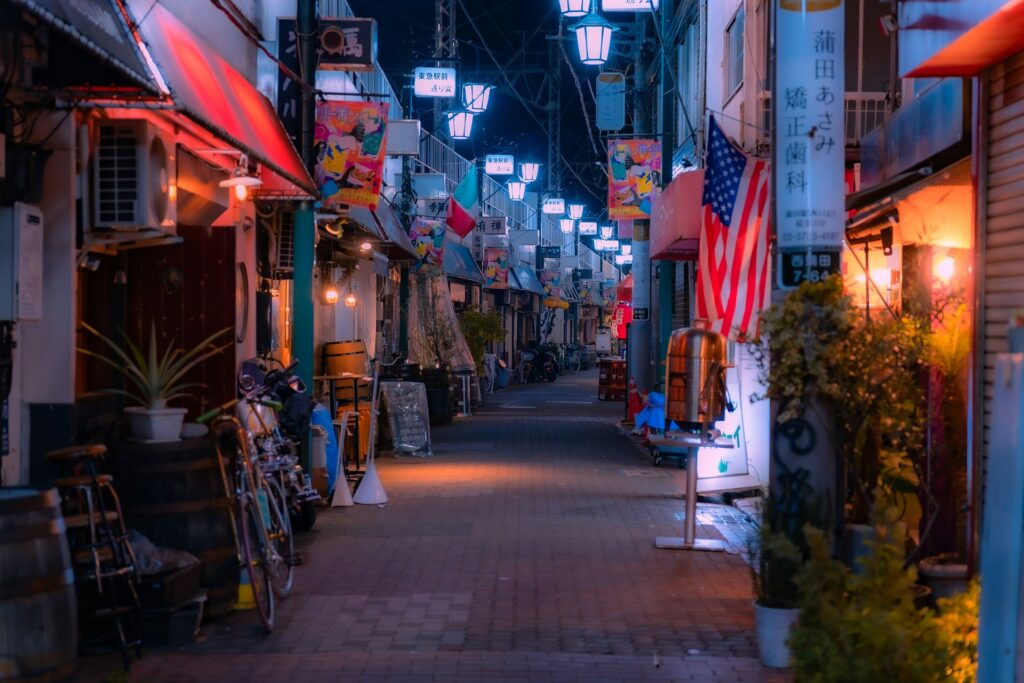
What Does a Private Guide Actually Help With?
Tokyo is not difficult because it is unsafe. It is difficult because it is huge, layered, and fast-moving. A private guide helps most when you want to connect the city’s highlights without spending the whole day solving small logistical problems.
How Does a Guide Make Tokyo’s Train System Easier?
Tokyo’s public transportation is excellent, but major stations such as Shinjuku, Shibuya, Tokyo, and Ikebukuro can feel like underground cities. They have multiple train companies, many exits, long corridors, and transfer routes that are not always obvious to first-time visitors.
A private guide reduces navigation fatigue. You do not have to stop every few minutes to check maps, choose an exit, compare train lines, or work out whether a transfer is worth it. This is especially helpful when navigating complex stations like Shinjuku. For more detail, see our guide on how to navigate Shinjuku Station.
A guide can also help you buy or recharge an IC transit card, choose a practical route, avoid unnecessary transfers, and adjust the plan if a station is too crowded or a connection is inconvenient.
How Does a Guide Help With Language and Restaurants?
Major tourist areas in Tokyo have plenty of English signage, but smaller restaurants, local shops, shrines, and backstreets may have limited English information. A guide can help you order food, ask about ingredients, explain dietary restrictions, and understand basic customs before entering a temple, shrine, or local restaurant.
This is particularly useful if you want to try a local izakaya, small ramen shop, sushi counter, depachika food hall, or neighborhood cafe without relying entirely on translation apps. For more food planning, see our guide to local Japanese izakaya restaurants in Tokyo.
How Does a Guide Adjust the Pace for Families?
A private guide is more flexible than a large group tour. If your children need a snack break, your parents want to avoid a long stairway, or your group decides to spend more time shopping in Harajuku, the route can usually be adjusted on the spot.
This flexibility matters because distances in Tokyo can be deceptive. A route that looks simple on a map may involve long station corridors, crowded crossings, multiple train platforms, stairs, escalators, and a lot of standing. Families planning Tokyo with kids often benefit from having someone manage the route while they focus on keeping the day enjoyable.
If your travel dates are fixed, compare the latest start times, inclusions, cancellation rules, and route options before planning the rest of your itinerary.
Check current availability and prices for the Tokyo Private City Highlights Tour
Private Guide vs DIY vs Group Tour vs Car Tour: Which Is Best?
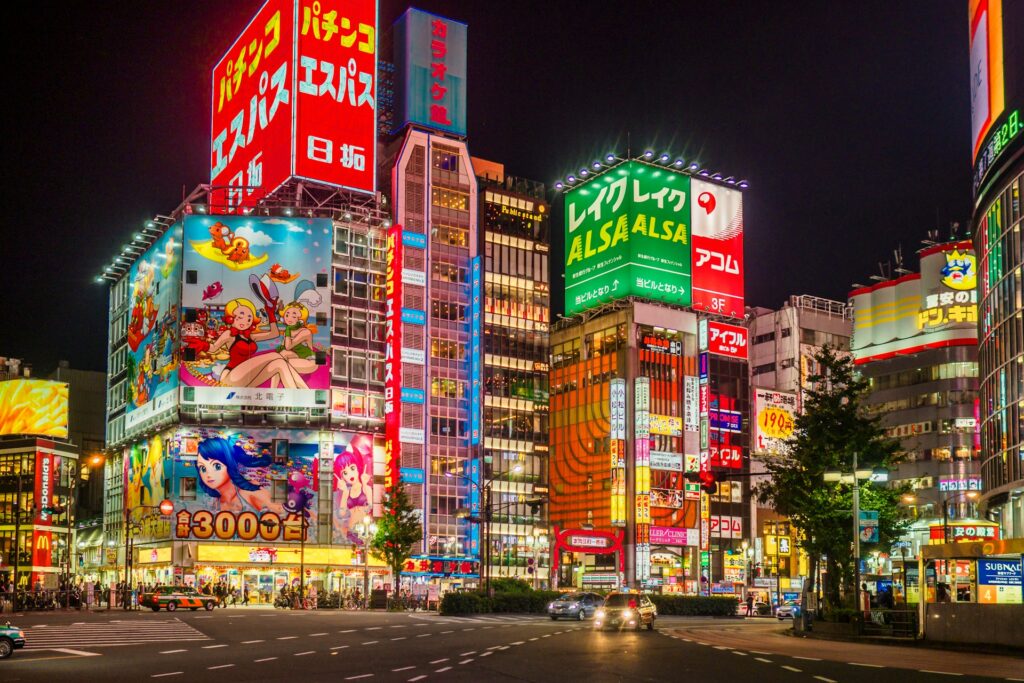
The best choice depends on your budget, energy level, group composition, and how much uncertainty you are comfortable handling during the day.
| Travel Style | Best For | Pricing Style | Vehicle? | Walking Load | Customization | English Support |
|---|---|---|---|---|---|---|
| DIY Travel | Budget travelers and confident planners | Lowest, usually transit and entry fees only | No | High because you handle every route yourself | High, but you must plan it | Apps, signs, and your own research |
| Group Bus Tour | Travelers who want a fixed route and minimal decisions | Often per person | Usually yes, depending on tour type | Low to moderate, but the pace can feel rushed | Low | Guide speaks to the whole group |
| Private Walking Guide | Families, first-timers, couples, and short-stay travelers | May be per group, per person, or variable by platform | No, unless the listing clearly says otherwise | Medium to high depending on route and duration | High | Personalized support throughout the day |
| Private Car Tour | Travelers who need less walking or easier mobility | Usually highest | Yes | Lower, though some walking is still required at sights | Medium to high | Depends on the guide and provider |
For most visitors, the real question is not whether Tokyo can be done alone. It can. The question is whether you want to spend your limited vacation time managing routes, station exits, restaurant decisions, and schedule changes yourself.
- Choose DIY if you have plenty of time, enjoy planning, and want to save money.
- Choose a group bus tour if you want a lower-cost option with a fixed route and less decision-making.
- Choose a private walking guide if you want flexibility, personal attention, English support, and help with public transit.
- Choose a private car tour if walking is difficult, the weather is extreme, or someone in your group has mobility concerns.
Free Volunteer Guide vs Paid Private Guide vs Licensed Guide
Before booking a paid private guide, it helps to understand the main alternatives. Each solves a different problem.
| Option | Best For | Main Advantage | Main Trade-Off |
|---|---|---|---|
| Free volunteer guide | Flexible travelers who want cultural exchange | Lower cost and a local perspective | Availability is not guaranteed, and you may need to request well in advance |
| Casual greeter-style walk | Travelers who want a short neighborhood introduction | Friendly, informal, and usually good for orientation | Usually shorter and less suitable for a full custom sightseeing day |
| Paid private English guide | Travelers who want a confirmed schedule, custom route, and smoother logistics | More control over timing, interests, and pace | Higher cost, and transport or entrance fees may be separate |
| Government-licensed guide | Travelers who want deeper historical, cultural, architectural, or specialist explanations | Stronger professional interpretation and subject knowledge | May cost more and may require earlier booking |
| Private car tour | Older travelers, summer visitors, families, or guests with mobility concerns | Less transit stress and fewer long station transfers | More expensive, and traffic can slow down routes across central Tokyo |
Do You Need a Licensed Guide in Tokyo?
Not always. A licensed guide can be valuable if you want deeper explanations of Japanese history, religion, architecture, gardens, art, or specialist themes. For a general first-day orientation, food-focused walk, family route, shopping day, or neighborhood overview, a well-reviewed English-speaking local guide may be enough.
If having a licensed guide matters to you, do not assume every “private guide” listing includes one. Check the booking page carefully or ask the provider before reserving.
Sample Itineraries: What Can You Do in 4, 6, or 8 Hours?
One of the hardest parts of visiting Tokyo is deciding how much to include in one day. A private guide can help you build a route that fits your energy level instead of simply chasing the longest sightseeing list.
4-Hour Tour: Asakusa and a Gentle First-Day Orientation
- Meet at your hotel: Your guide helps you start without finding an unfamiliar meeting point.
- Travel to Asakusa: Learn how to use trains, exits, and IC cards in a low-pressure way.
- Senso-ji Temple area: Visit the temple grounds, shopping street, and nearby side streets at a comfortable pace.
- Local lunch or snack stop: Your guide can help you choose a restaurant or casual food option.
- Optional Sumida River or cafe stop: Good for photos or a slower finish if your group is tired.
Best for first-day orientation, jet-lagged travelers, families with young children, and anyone who wants to learn how Tokyo works before exploring alone.
6-Hour Tour: Asakusa, Harajuku, and Shibuya
- Morning in Asakusa: Start with traditional Tokyo, Senso-ji, and local shopping streets.
- Move to Harajuku: Combine youth culture, fashion streets, and Meiji Jingu if your group has enough energy.
- Late afternoon in Shibuya: See Shibuya Crossing, Hachiko, shopping areas, or an optional observation deck if tickets are available.
- Finish with dinner advice: Ask your guide for a practical area to eat based on your hotel location.
Best for visitors who want a balanced day of culture, pop culture, food, shopping, and city energy.
8-Hour Tour: Asakusa, Akihabara, Harajuku, and Shibuya
- Morning in Asakusa: Start with temples, local streets, and classic Tokyo atmosphere.
- Akihabara: Add electronics, anime, gaming culture, or themed cafes if those match your interests.
- Lunch stop: Your guide can suggest an area that works with the route and your dietary needs.
- Harajuku: Visit Takeshita Street, Omotesando, or Meiji Jingu depending on your pace.
- Shibuya: End with the crossing, shopping, photos, or dinner recommendations.
Best for short-stay travelers who want to see several distinct neighborhoods in one day. Expect significant walking, standing, and train transfers.
Paid attractions, observation decks, gardens, museums, and themed cafes may require separate tickets, reservations, or waiting time. Treat sample routes as flexible outlines, not guaranteed schedules.
What to Know Before Booking a Walking and Transit Tour
The phrase “private tour” can be misleading if you assume it automatically means a private vehicle. Many Tokyo private guide experiences are walking tours that use trains, subways, and sometimes taxis. This is often the fastest way to move around the city, but it requires realistic expectations.
How Much Walking Should You Expect?
Expect a moderate to high amount of walking, especially on a 6-hour or 8-hour itinerary. Even when train rides are short, stations can involve long corridors, stairs, escalators, and crowded platforms. Comfortable walking shoes matter more than a stylish outfit.
If you are traveling with older parents, young children, a stroller, or anyone with limited mobility, contact the provider before booking. Ask whether the route can prioritize elevators, shorter transfers, taxi segments, and more frequent breaks.
What If It Rains or Gets Too Hot?
Tokyo summers can be hot and humid, and rainy days can make outdoor sightseeing less comfortable. A flexible private guide can usually adjust the route toward indoor markets, department stores, museums, covered shopping streets, cafes, or shorter outdoor stops.
This flexibility is one of the biggest advantages over a fixed group tour. Instead of forcing the original plan, you can ask to slow down, shorten the route, or shift the day toward easier neighborhoods. For rainy day planning, see our guide to Tokyo rainy day activities.
Is a Private Guide Accessible for Wheelchairs or Strollers?
Some tours and providers may be able to adapt routes for wheelchairs, strollers, or slower walking speeds, but you should not assume every Tokyo station, attraction, or restaurant will be easy. Elevators can be far from the most convenient exits, and some older restaurants or small shops may have steps or narrow entrances.
Before booking, explain your group’s needs clearly. Ask about elevator-friendly stations, taxi segments, rest breaks, restaurant access, and whether a shorter route would be more comfortable.
Who Should Book a Private Guide in Tokyo?
Best For
- First-time visitors: You can start your trip with a smoother understanding of trains, neighborhoods, food etiquette, and local customs.
- Families with children: A private guide can help adjust the pace, add breaks, simplify station transfers, and avoid overloading the day.
- Older couples or multigenerational groups: Flexible pacing matters when long walks, stairs, heat, or crowded trains become tiring.
- Short-stay travelers: If you only have one or two days in Tokyo, a guide can help you avoid wasting half a day on inefficient routing.
- Travelers nervous about language barriers: English support is especially helpful in restaurants, local shops, shrines, and less touristy neighborhoods.
- Visitors who want a custom day: A private guide works better than a bus tour if you want to combine classic sights with personal interests.
Skip If
- Strict budget travelers: DIY sightseeing is much cheaper if you are comfortable with maps, trains, and translation apps.
- Travelers who want a private vehicle: Choose a dedicated private car tour instead of a walking and public transit guide.
- People who dislike walking: Tokyo private guide tours often involve long station corridors, stairs, and several hours on foot.
- Experienced Tokyo visitors: If you already know the city well, you may only need a guide for a specialist theme such as architecture, history, food, or nightlife.
- Travelers who enjoy detailed planning: If researching routes and building your own itinerary is part of the fun, a guide may feel unnecessary.
Questions to Ask Before You Book
A few questions can prevent the most common misunderstandings. Ask these before paying, especially if your group includes children, older travelers, or anyone with mobility concerns.
- Is the tour walking and public transit only, or is any vehicle included?
- Can the route be adjusted for elevators, fewer stairs, taxi segments, or slower pacing?
- Are transportation costs, entrance fees, meals, and the guide’s expenses included or separate?
- Can the guide help with food allergies, dietary restrictions, or restaurant choices?
- What happens if it rains heavily or the weather is extremely hot?
- Will the guide contact you before the tour to discuss your interests?
- Can you choose a 4-hour, 6-hour, or 8-hour route depending on your energy level?
- Is the guide government-licensed, and does that matter for your itinerary?
- What is the cancellation policy if your plans change?
For most travelers, a 4-hour tour works best for one focused area or a gentle first-day orientation. A 6-hour or 8-hour tour is better if you want to cross the city and combine areas such as Asakusa, Shibuya, Harajuku, Ginza, Tsukiji, or Akihabara.
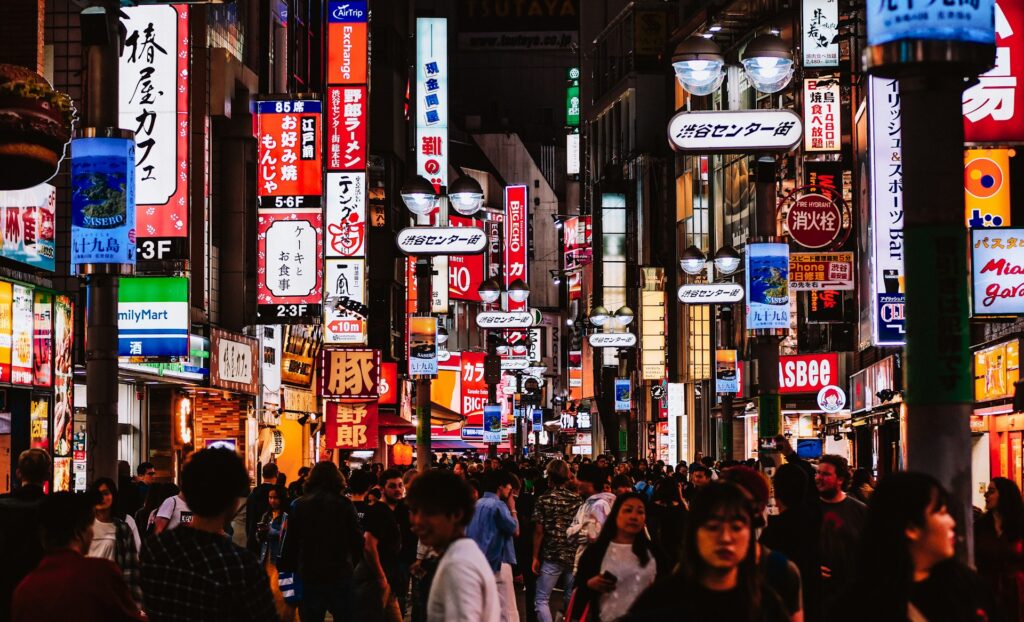
Final Verdict: Is a Private Guide in Tokyo Worth It?
An English private tour guide in Tokyo is worth it if your priority is a smoother, more flexible, and less stressful day. The strongest reasons to book are hotel pickup, route planning, train navigation, English communication, and the ability to adjust the itinerary around your group in real time.
- For first-time visitors: A half-day guide on your first morning can help you understand Tokyo’s trains, neighborhoods, etiquette, and food options before you explore independently.
- For families: A private guide can reduce decision fatigue and help the day move at a pace that works for children.
- For older travelers: A shorter tour with elevator-friendly stations, rest breaks, and possible taxi segments may be more comfortable than a long full-day route.
- For short-stay travelers: A guide can help you connect several neighborhoods without losing time to inefficient routing.
- For strict budget travelers: DIY travel or a free volunteer guide may be a better fit if you are comfortable planning and staying flexible.
If a private guide sounds right for your trip, compare the current availability, live total price, inclusions, exclusions, walking level, cancellation policy, and whether a vehicle is included before you finalize your plans.
Check current availability and prices for the Tokyo Private City Highlights Tour
FAQ
How much does a private English guide in Tokyo cost?
Prices vary by guide, tour length, group size, date, language, booking platform, and what is included. Direct private guides may quote a per-group rate, while platforms may show a per-person or variable live price. Always check the current total price before booking, not just the headline “from” price.
Does a Tokyo private tour guide include a car?
Not always. Many private guide tours in Tokyo are walking and public transit tours. This can be faster than driving because traffic in central Tokyo can be slow and parking near major sights can be inconvenient. If you need a vehicle for comfort or mobility reasons, book a tour that clearly says “private car” or “private vehicle” is included.
Are transportation costs included in the guide fee?
Usually not, unless the tour listing explicitly says otherwise. Budget separately for train or subway fares, possible taxi rides, entrance fees, meals, drinks, and personal expenses. Also check whether you are expected to cover the guide’s transportation or admission costs during the tour.
Is a private guide better than a group tour?
A private guide is better if you want flexibility, personal attention, and a route built around your interests. A group tour is better if you want a lower fixed price, a vehicle, and less decision-making. Families, older travelers, and first-time visitors often benefit more from the flexibility of a private guide.
Can families with kids book a private guide in Tokyo?
Yes. A private guide can be a good choice for families because the pace can usually be adjusted. You can add snack breaks, avoid overly long transfers, choose kid-friendly neighborhoods, and change the route if everyone gets tired. Before booking, ask whether the guide can adapt the day for children, strollers, or early finishes.
Is a private guide good for older travelers?
It can be, but you should be realistic about walking and station transfers. Tokyo stations can involve long corridors, stairs, escalators, and crowded platforms. Older travelers should ask for a slower route, more breaks, elevator-friendly stations, taxi segments where useful, or a shorter 4-hour tour. If walking is a major concern, compare private car tours instead.
Can we change the itinerary on the day?
Usually, yes. Flexibility is one of the main reasons to book a private guide. If it rains, a neighborhood is too crowded, someone gets tired, or your group wants to spend more time eating, shopping, or taking photos, the guide can usually adjust the plan within the available time. Major changes may still depend on distance, tickets, reservations, and tour length.
Do I need a licensed guide in Tokyo?
Not always. A licensed guide is useful if you want deeper historical, cultural, architectural, or specialist explanations. For a general first-day orientation, neighborhood walk, family route, or food-focused day, a well-reviewed English-speaking local guide may be enough. If licensing matters to you, confirm it before booking.
What happens if it rains?
A private guide can usually help shift the route toward indoor or covered options such as department stores, food halls, museums, shopping arcades, cafes, observation decks, or shorter outdoor stops. Heavy rain still affects comfort, so bring a compact umbrella, comfortable shoes, and a flexible attitude.
Do I need to tip my private tour guide in Tokyo?
No. Tipping is not expected in Japan, and this usually applies to private guides as well. Good service is considered part of the professional experience. If you want to show appreciation, a sincere thank-you is usually enough.
How far in advance should I book?
Book earlier if you are visiting during busy periods such as cherry blossom season, autumn foliage season, Golden Week, school holidays, or year-end travel dates. Good English-speaking guides can become harder to secure when demand is high. If your schedule is fixed, early booking gives you more choice.
Check current availability and prices for the Tokyo Private City Highlights Tour
Prices, opening hours, transport schedules, pass conditions, tour inclusions, guide availability, payment methods, and seasonal operations can change. Always check official sources and your selected booking page before finalizing your trip.

Hi, I’m Kai. I’m a Tokyo-based travel writer, tourism industry insider, and the author of a published guidebook for international visitors to Japan. With over 10 years of professional experience at a leading Japanese tourism company, my mission is to help you skip the tourist traps and navigate Japan’s best destinations like a local. I believe the perfect day trip is like a traditional kaiseki meal: a beautiful balance of precise planning and unforgettable seasonal discovery. When I’m not out conducting field research, you’ll usually find me drafting new itineraries with one of my favorite fountain pens!