
Meiji Shrine opens around sunrise and closes around sunset every day of the year, and entry to the main shrine grounds is free. The catch is that closing time shifts a lot between summer and winter. In June, the gates usually stay open until 6:30 pm, while in December they close at 4:00 pm. This guide covers the current official monthly gate hours, the best walking route from Harajuku Station, and whether a guided tour is worth adding to your Tokyo itinerary.
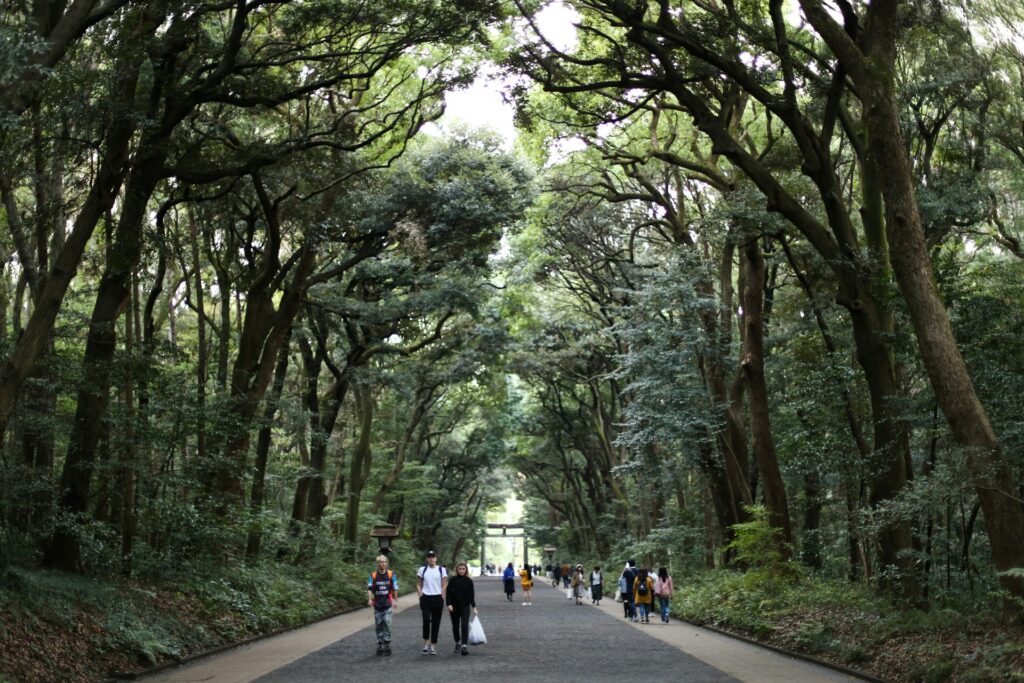
Meiji Shrine at a Glance
| Question | Quick answer |
|---|---|
| Is Meiji Shrine free? | Yes. Entry to the main shrine grounds is free. The Inner Garden and Meiji Jingu Museum are paid facilities. |
| What are the opening hours? | The shrine opens around sunrise and closes around sunset. Gate hours change by month, so check the table below before visiting. |
| Best entrance for first-time visitors? | Use Harajuku Station or Meiji-jingumae Station for the classic forest approach. |
| How long do you need? | Allow 45 to 60 minutes for a basic visit. Plan around 1.5 to 2 hours if you add the Inner Garden, museum, or a guided tour. |
| Is a guide worth it? | DIY is fine for a quiet walk and photos. A guided tour is better if you want to understand Shinto rituals, Imperial history, and the meaning behind the sake and wine barrels. |
| Is there luggage storage? | No. There are no suitcase storage counters inside the shrine grounds. Use station-area lockers before entering if you have large bags. |
| Do I need cash? | Carry cash as a backup, especially for omamori, omikuji, goshuin, and small offerings. |
Meiji Shrine Opening Hours in 2026
Meiji Shrine is open every day of the year and does not charge admission for the main shrine grounds. The gates follow sunrise and sunset, so the times change significantly by season. The table below reflects the official monthly gate hours listed by Meiji Jingu as of June 2026.
| Month | Opening time | Closing time |
|---|---|---|
| January | 6:40 am | 4:20 pm |
| February | 6:20 am | 4:50 pm |
| March | 5:40 am | 5:20 pm |
| April | 5:10 am | 5:50 pm |
| May | 5:00 am | 6:10 pm |
| June | 5:00 am | 6:30 pm |
| July | 5:00 am | 6:20 pm |
| August | 5:00 am | 6:00 pm |
| September | 5:20 am | 5:20 pm |
| October | 5:40 am | 4:40 pm |
| November | 6:10 am | 4:10 pm |
| December | 6:40 am | 4:00 pm |
Important Notes About These Hours
- Paid facilities keep shorter hours. The Inner Garden and Meiji Jingu Museum do not necessarily follow the same hours as the main shrine gates. Visit them earlier in the day, not right before closing.
- The Meiji Jingu Museum has fixed daytime hours. As of June 2026, the museum is listed as open from 10:00 am to 4:30 pm, with last admission at 4:00 pm, and is closed on Thursdays.
- New Year is different. Around Hatsumode, the first shrine visit of the year, opening hours and crowd levels can be very different from a normal day. Check the official New Year schedule if you plan to visit from December 31 to early January.
- Do not arrive at the last minute. Even if the main gate is still open, arriving less than 30 minutes before closing does not give you enough time for a relaxed visit.
How to Get to Meiji Shrine from Harajuku Station
For most first-time visitors, the best route starts from Harajuku Station on the JR Yamanote Line or Meiji-jingumae Station on the Tokyo Metro Chiyoda and Fukutoshin Lines. Both bring you close to the south approach, which gives you the classic walk through the forest, past the large torii gates and the sake and wine barrel displays, before reaching the main shrine area.
Walking time from the shrine entrance to the main shrine buildings: allow at least 10 minutes. The route from the station to the entrance adds a little more time, and the path is mostly gravel, so comfortable walking shoes are much better than heels, thin sandals, or hard-soled dress shoes.
A simple Harajuku route looks like this:
- Exit Harajuku Station or follow the signs from Meiji-jingumae Station.
- Enter through the large torii gate at the south approach.
- Walk along the wide forest path toward the shrine.
- Stop at the sake barrel display and the French wine barrel display.
- Continue toward the large Ootorii gate and the main shrine area.
- Visit the main shrine courtyard for prayer, photos, and a quiet break from the city.
- Add the Inner Garden or Meiji Jingu Museum if you have extra time.
You can check the official Meiji Jingu precinct map before you go. It is especially useful if you plan to enter from Yoyogi, Kita-sando, or Sangubashi instead of Harajuku.
Meiji Shrine History in Brief
Unlike many temples in Kyoto that date back over a thousand years, Meiji Shrine is relatively modern. Its importance comes from the people it honors and the role they played in Japan’s transformation into a modern nation.
Meiji Shrine is dedicated to the deified spirits of Emperor Meiji and Empress Shoken. Emperor Meiji ruled during the Meiji period, from 1868 to 1912, when Japan moved from a feudal society into a modern industrial state.
The shrine was established in 1920 to commemorate the virtues of the Imperial couple. One of the most remarkable parts of its history is the forest itself. The roughly 70-hectare woodland was carefully planned rather than naturally occurring. More than 100,000 trees were donated from across Japan and overseas, then planted to create a self-sustaining forest in the middle of Tokyo.
Note: Most of the original shrine complex was destroyed during the air raids of World War II in 1945, while the surrounding forest survived. The shrine was rebuilt in 1958 with support from public donations.
If you want to dive deeper into Japan’s modern royal history, many visitors pair Meiji Shrine with a guided tour of the Tokyo Imperial Palace.
What to See Inside the Shrine Grounds
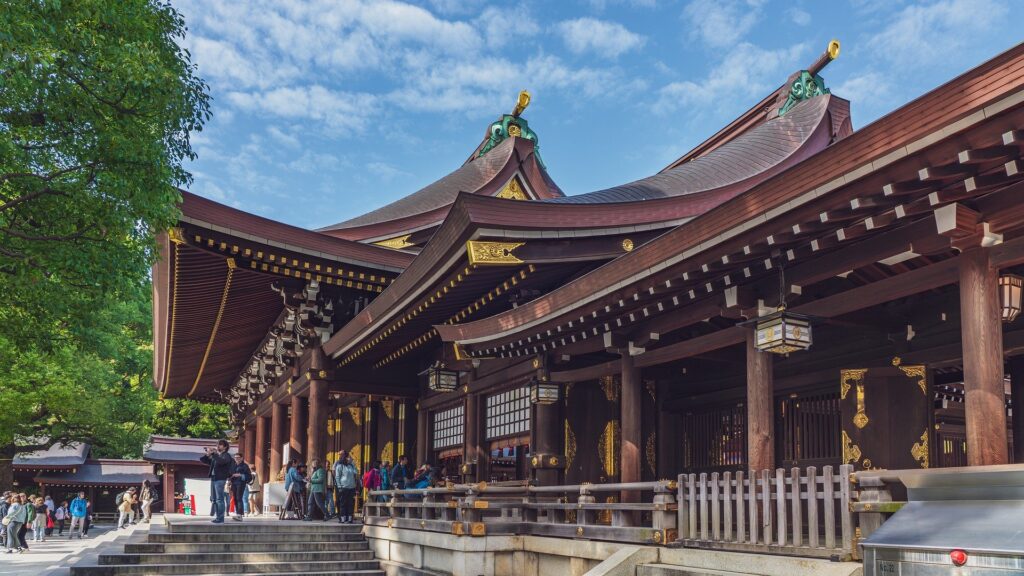
After you pass through the forest approach and reach the main courtyard, you can either keep your visit simple or add one of the paid areas inside the grounds. These are the main highlights to know about before you go.
Main Shrine Area
The main shrine area is the core of any visit. This is where visitors pray, make small offerings, and observe Shinto ceremonies. The usual prayer sequence at a Shinto shrine is to bow twice, clap twice, pray quietly, and bow once more. You do not need to be Shinto to participate respectfully.
Photography is allowed in many outdoor areas, but do not take photos or videos in front of the main shrine where people are praying. You should also avoid photographing the amulet office and follow any signs on the day of your visit.
Sake Barrels and Wine Barrels
One of the most memorable photo stops on the Harajuku approach is the display of Japanese sake barrels and French wine barrels. The sake barrels are offerings from members of the Meiji Jingu Nationwide Sake Brewers Association. The wine barrels symbolize the relationship between Japan and France and the Meiji period’s blend of Japanese tradition with overseas influence.
The wine barrels themselves should not be described as Meiji-era barrels. They are modern donations that represent the cultural exchange associated with Emperor Meiji’s era.
Meiji Jingu Inner Garden
The Inner Garden is a quiet strolling garden near the south approach. It requires a maintenance contribution of ¥500 as of June 2026 and is best known for its seasonal flowers, especially iris blooms in June, and Kiyomasa’s Well, a natural spring often described by visitors as a Tokyo power spot.
This is the best add-on if you want a calmer break from Harajuku and Shibuya. It also works well for travelers interested in seasonal flowers, photography, or a more reflective walk before leaving the shrine grounds. Because garden hours can differ from the main gate hours, check the latest official information before visiting.
Meiji Jingu Museum
The Meiji Jingu Museum is a paid museum inside the shrine grounds. Designed by Kengo Kuma, it opened in 2019 and blends into the surrounding forest. The museum displays objects connected to Emperor Meiji, Empress Shoken, and the shrine’s history.
- Admission: ¥1,000 for adults and ¥900 for high school students or younger, as of June 2026
- Hours: 10:00 am to 4:30 pm, with last admission at 4:00 pm
- Closed: Thursdays
- Best for: Travelers interested in the Meiji era, Imperial history, or contemporary Japanese architecture
The museum is compact, so many visitors can see it in about 20 to 30 minutes. Still, do not leave it until the end of the day because it closes earlier than the main shrine gates.
Omikuji, Omamori and Shrine Etiquette
Meiji Shrine is an active religious site, not just a sightseeing spot. Before approaching the main shrine, you may see visitors purifying their hands and mouth at the water pavilion. You can also receive omamori charms, draw omikuji fortunes, write ema prayer plaques, or collect a goshuin stamp.
Bring small cash if you plan to receive charms, fortunes, or goshuin. Credit cards are not always accepted for shrine-related items, so cash is the safer backup.
DIY Visit vs Guided Tour: Which Should You Choose?
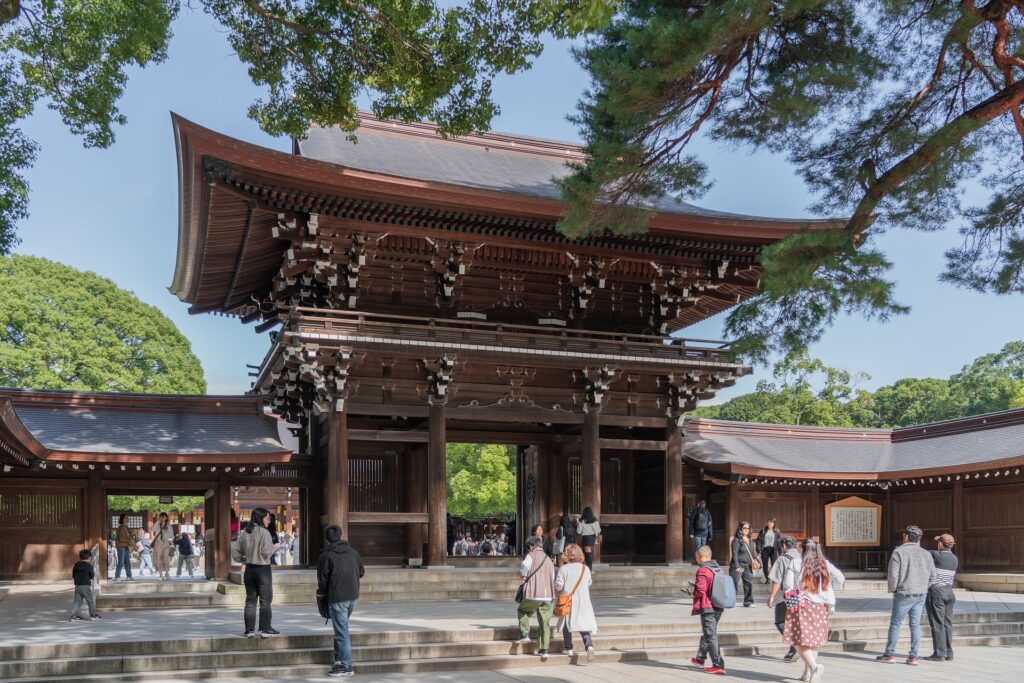
Because the main grounds are free, a DIY visit works well if you mainly want a peaceful forest walk, photos, and a quick stop at the main shrine. The downside is that English explanations inside the grounds are limited. Many visitors leave without understanding the rituals, the Imperial symbolism, or why the forest exists.
There is no official non-Japanese guided tour run by the shrine itself. Tours inside the grounds are usually operated by third-party companies, so always check the latest start time, meeting point, inclusions, and cancellation rules before booking.
| Decision point | DIY visit | Guided walking tour |
|---|---|---|
| Time needed | About 45 to 60 minutes | Usually around 1.5 hours |
| Cost | Free for the main shrine grounds | Paid third-party tour |
| Route confidence | Good if you use the Harajuku approach | Easier if you want highlights explained in order |
| History depth | Basic, unless you read beforehand | Stronger explanation of the Meiji era, Shinto, and the Imperial connection |
| Etiquette help | You need to follow signs or observe others | Useful for purification, prayer steps, and shrine manners |
| Weather flexibility | Easy to shorten if it rains or gets too hot | Better structure, but less flexible once booked |
| Best for | Budget travelers, repeat visitors, and quick photo stops | First-time visitors who want context rather than just scenery |
A guide is most useful if you want to understand why French wine barrels sit near Japanese sake barrels, what the Meiji Restoration changed, and what Shinto purification rituals mean before you step into the shrine area. If you are deciding whether an English private tour guide in Tokyo is worth it, Meiji Shrine is a good example of where local context can change the experience.
If your travel dates are already fixed, compare the latest start times, inclusions, meeting point, and cancellation rules for this guided Meiji Shrine experience: Tokyo: Meiji Shrine Walking Tour — Shinto & Imperial System
Best Time to Visit Meiji Shrine
The best time to visit Meiji Shrine is early in the morning. The forest path is quieter, the air feels cooler in summer, and the main shrine area is easier to enjoy before larger crowds arrive.
- Summer: The shrine opens very early, so morning is the best time to avoid heat and crowds.
- Winter: The shrine closes much earlier, so avoid late-afternoon visits if you want time for the Inner Garden or museum.
- Spring and autumn: These are comfortable seasons for walking, but weekends and public holidays can still be busy.
- New Year: Hatsumode brings very large crowds and special schedules. Visit another time if you want a quiet forest walk.
- Weekdays: A weekday morning is usually the best choice for a calmer visit.
Practical Tips for Your Visit
Luggage
There are no suitcase storage counters inside the shrine grounds. Use station-area lockers before entering if you have large bags. Large suitcases are inconvenient on the gravel paths and can make the walk less comfortable.
Cash
Carry cash as a backup. The shrine’s official Q&A says credit cards can be used at the restaurant and gift shop, but not at the amulet office, Kaguraden, or goshuin counter. Small cash is useful for offerings, omamori, omikuji, ema, and goshuin.
Food and Drink
Eating, drinking, and smoking are limited to designated areas. The main approach paths and the area in front of the shrine are not appropriate places for snacking. If you need a break, use designated rest areas or nearby cafés outside the main worship area.
Photography
Photography is allowed in many outdoor areas of the grounds. Do not take photos or videos at the main sanctuary where people are praying, and do not photograph the amulet office. Avoid photographing ceremonies or weddings without permission, and follow signs on the day of your visit.
Accessibility
The main approach is wide, but much of it is gravel. Wheelchairs are available at the shrine entrances, according to the official access information. If you or someone in your group has mobility concerns, allow extra time and check the latest access information before visiting.
Rainy Day Visit
A visit to Meiji Shrine is mostly outdoors. Bring an umbrella or rain jacket and wear shoes that can handle wet gravel. The forest path can feel atmospheric in light rain, but heavy rain makes photography and longer walks less comfortable. Consider skipping the Inner Garden in poor weather if you are short on time.
Nearby Attractions: Combine with Harajuku, Yoyogi and Shibuya
Meiji Shrine is easy to combine with nearby neighborhoods because the Harajuku entrance sits between several major Tokyo stops. A simple half-day plan is:
- Start at Meiji Shrine in the morning.
- Walk back toward Harajuku Station.
- Explore Takeshita Street for youth fashion and snacks, or Omotesando for shopping and architecture.
- Continue toward Shibuya on foot if you still have energy.
- End around Shibuya Crossing for a completely different Tokyo atmosphere.
Because the shrine itself may take only 45 to 60 minutes for a basic visit, it pairs well with this Harajuku to Shibuya walking route. This gives you a strong contrast between a sacred forest, youth fashion streets, upscale Omotesando architecture, and the energy of Shibuya Crossing.
Frequently Asked Questions
Is Meiji Shrine free to enter?
Yes. Entry to the main shrine grounds is free. You only need to pay if you enter paid facilities such as the Inner Garden or Meiji Jingu Museum.
What are the Meiji Shrine opening hours?
Meiji Shrine opens around sunrise and closes around sunset, so the hours change by month. As of June 2026, the official gate hours range from 5:00 am to 6:30 pm in June and 6:40 am to 4:00 pm in December. Check the monthly table above before visiting.
How much time do I need for Meiji Shrine?
Allow 45 to 60 minutes for a basic visit from Harajuku Station to the main shrine and back. If you add the Inner Garden, Meiji Jingu Museum, or a guided walking tour, plan for around 1.5 to 2 hours.
What is the best station for Meiji Shrine?
Harajuku Station and Meiji-jingumae Station are the best choices for most first-time visitors. They lead to the classic south approach through the forest and are easy to combine with Harajuku, Omotesando, Yoyogi Park, or Shibuya.
Is Meiji Shrine the same as Meiji Jingu?
Yes. “Meiji Shrine” is the common English name, while “Meiji Jingu” is the Japanese name used on signs, maps, and official materials.
Is there a dress code?
There is no strict enforced dress code for regular visitors, but Meiji Shrine is a sacred religious site. Modest, respectful clothing is appreciated. Comfortable shoes are more important than formal clothing because the approach paths are long and mostly gravel.
Is there luggage storage at Meiji Shrine?
No. There are no suitcase storage counters inside the shrine grounds. Use station-area lockers before entering if you are carrying large bags.
Do I need cash for omamori or goshuin?
Yes, cash is the safest option. Credit cards are not always accepted for shrine-related items such as omamori, omikuji, ema, and goshuin.
Can I visit Meiji Shrine in the rain?
Yes, but the visit is mostly outdoors. Bring an umbrella or rain jacket and wear shoes suitable for wet gravel. The forest path can still be beautiful in light rain, but heavy rain makes longer walks less comfortable.
Can I take photos at Meiji Shrine?
Photography is allowed in many outdoor areas. Do not take photos or videos at the main sanctuary where people are praying, and avoid photographing the amulet office, ceremonies, or weddings without permission.
Is a guided tour of Meiji Shrine worth it?
A guided tour is worth it if you care about history, Shinto rituals, and the Imperial background of the shrine. If you only want a peaceful walk and a few photos, a DIY visit is enough. Choose a third-party guided walking tour if you want context that is not always obvious from signs inside the grounds.
Final Verdict
Meiji Shrine is worth visiting because it gives you a rare pause in the middle of Tokyo: a vast forest, an active Shinto shrine, and a direct link to Japan’s modern history. For most travelers, the best plan is to arrive from Harajuku in the morning, follow the forest approach to the main shrine, and then decide whether to add the Inner Garden, museum, or a guided tour.
- Choose a DIY visit if you are short on time, traveling on a budget, or mainly want the atmosphere of the forest and a few photos.
- Choose a guided walking tour if you want the meaning behind the rituals, the Meiji Restoration, the sake and wine barrels, and the Imperial symbolism explained as you walk.
- For families with children, the wide paths are manageable, but expect gravel, crowds on weekends, and limited places to sit near the main shrine area.
- For photographers, early morning usually gives you quieter paths and softer light through the forest. Always follow photography restrictions around the main sanctuary and amulet office.
- For repeat visitors, consider adding the Inner Garden, the museum, or a seasonal visit during iris bloom or autumn foliage.
If your travel dates are already fixed, check the latest availability, price, meeting point, inclusions, and cancellation terms for this guided Meiji Shrine tour: Tokyo: Meiji Shrine Walking Tour — Shinto & Imperial System
Prices, opening hours, transport conditions, facility schedules, tour inclusions, payment methods, photography rules, and seasonal operations can change. Always check official sources and your selected booking page before finalizing your trip.

Hi, I’m Kai. I’m a Tokyo-based travel writer, tourism industry insider, and the author of a published guidebook for international visitors to Japan. With over 10 years of professional experience at a leading Japanese tourism company, my mission is to help you skip the tourist traps and navigate Japan’s best destinations like a local. I believe the perfect day trip is like a traditional kaiseki meal: a beautiful balance of precise planning and unforgettable seasonal discovery. When I’m not out conducting field research, you’ll usually find me drafting new itineraries with one of my favorite fountain pens!