
If you are visiting Tokyo and want to see sumo wrestling — Japan’s national sport — you have more options than you might think. Official tournaments happen only a few times a year in Tokyo, but tourist-friendly sumo shows are usually available throughout the year with English explanation, audience participation, and a more relaxed format. This guide compares the main options so you can choose the right sumo experience for your trip.
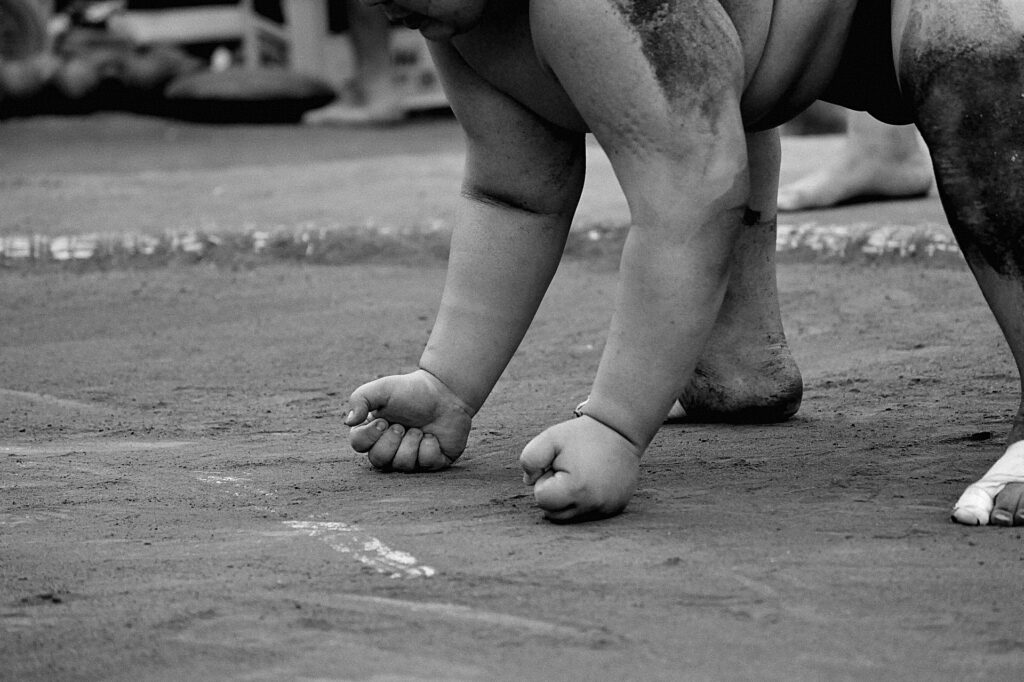
Quick Answer: What Is the Best Way to See Sumo in Tokyo?
There are three main ways to experience sumo in Tokyo. Here is the short answer for most first-time visitors:
- Choose a sumo show if you want the easiest, most flexible, and most English-friendly option. There is no tournament calendar to plan around, the rules are more relaxed, and many shows include explanations, audience participation, and photos.
- Choose a Grand Tournament if your Tokyo dates overlap with an official tournament and you want to see real professional championship matches at Ryogoku Kokugikan.
- Choose a morning practice if you are a serious sumo fan and are comfortable with strict viewing etiquette, early timing, and limited flexibility.
For most travelers — especially families, couples, and short-stay visitors — a tourist-friendly sumo show in Tokyo is the most practical way to experience Japan’s national sport. The Shinjuku Sumo Show is particularly convenient because of its central location, short runtime, English-friendly format, and no mandatory dinner.
Quick verdict: Choose a Grand Tournament if you want real professional competition and your dates match the official schedule. Choose a morning practice if you want a quieter, more serious training environment. Choose a sumo show if you want the most flexible, family-friendly, and easy-to-understand option.
Can You See a Sumo Show in Tokyo Year-Round?
Yes, in most cases. Official Grand Tournaments in Tokyo are held only during selected months at Ryogoku Kokugikan, but tourist-friendly sumo shows and sumo experience events are usually available throughout the year, including months when no tournament is taking place.
In 2026, Tokyo’s official Grand Tournament dates are scheduled for January 11–25, May 10–24, and September 13–27. As of June 2026, the remaining Tokyo tournament for the year is the September tournament. Always check the official sumo calendar before planning around tournament dates, because schedules and ticket sales can change.
If you want a short, English-friendly experience that does not require a long dinner, the Shinjuku Sumo Show is one of the easiest options to fit into a Tokyo itinerary. It is designed around entertainment, explanation, photos, and audience participation rather than a full restaurant meal. Because the show is indoors, it can also work well as a rainy-day or evening activity.
Which Tokyo Sumo Experience Should You Choose?
Before booking anything, it helps to understand the main ways visitors can experience sumo in Tokyo. They may sound similar, but the atmosphere, rules, schedule, and booking difficulty are very different.
| Best for | Grand Tournament | Morning Practice | Sumo Show |
|---|---|---|---|
| Main appeal | Real professional matches in the official arena | A serious look at training inside a sumo stable | An interactive performance with explanations and photos |
| Typical availability | Tokyo tournaments are held only during selected months | Depends on the stable and tour schedule | Usually available throughout the year on booking platforms |
| Typical duration | Several hours if you want the full tournament atmosphere | Early morning, often around 1–3 hours with a tour | About 1.5 hours for Shinjuku; longer for dinner shows |
| Typical price | Official seat prices vary by seat type, day, venue, and fees | Often around $50–$100+ for guided tours | Shinjuku often starts from around $61; dinner shows are usually higher |
| Meal required? | No | No | Depends on the show; Shinjuku is show-focused, while Asakusa and Ryogoku options often include chanko-nabe |
| English support | Limited unless you book a guided package | Often limited, with strict etiquette rules | Usually English-friendly; the Shinjuku show includes English explanation |
| Participation and photos | Watch from your seat | Usually restricted | Often includes photos and a chance for volunteers to enter the ring |
| Booking difficulty | High during tournament dates; popular seats can sell out quickly | Limited and schedule-dependent | Usually easier to book, but popular dates and evening slots can sell out |
| Best for most first-time visitors | Sports fans visiting during tournament season | Serious sumo fans comfortable with strict rules | Families, couples, and short-stay travelers |
For purists and hardcore sports fans, a Grand Tournament is still the dream option. But for casual travelers, families, and visitors outside tournament months, a sumo show is usually the easiest and most relaxed way to enjoy sumo in Tokyo.
Shinjuku Sumo Show: Price, Schedule & What to Expect
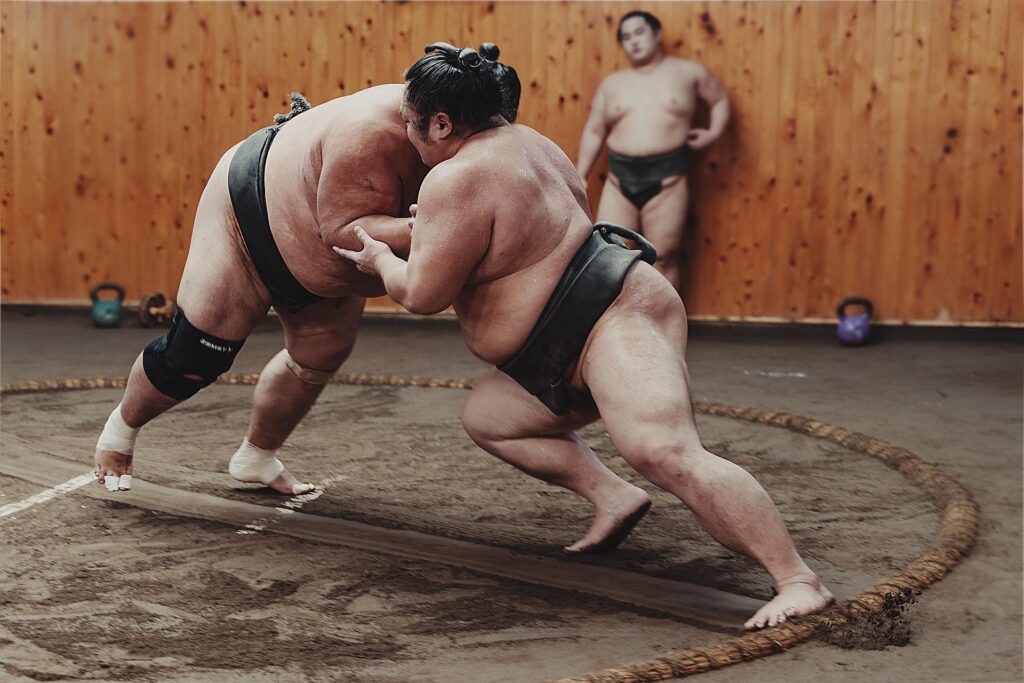
The Shinjuku Sumo Show is one of the most convenient tourist-friendly sumo experiences in Tokyo. Here is what to check before booking.
Price, Duration, and Ratings
- Price: Shinjuku sumo show listings often start from around $61 per person, but the final price depends on the booking platform, date, currency, age category, and season.
- Duration: About 1.5 hours, which makes it one of the easiest sumo experiences to fit into an afternoon or evening.
- Ratings: The Shinjuku show is highly rated on major booking platforms, but review counts and scores change over time. Check the latest reviews before booking.
- Language: The experience is designed for international visitors and typically includes English explanation or an English-speaking MC.
- Cancellation: Many listings offer free cancellation up to 24 hours before the experience, but always confirm the cancellation rule on your selected booking page.
Location & How to Get There
- Area: Shinjuku district, central Tokyo. The exact meeting point is usually provided after booking.
- Nearest major station: Shinjuku Station. Some listings describe the venue as a short walk from the East Exit, but always use the address provided in your confirmation email.
- Useful lines: JR Yamanote Line, Chuo Line, Saikyo Line, Marunouchi Line, Toei Shinjuku Line, and Toei Oedo Line all serve the broader Shinjuku area.
Shinjuku is one of Tokyo’s most convenient hubs. If you are staying in or passing through Shinjuku, Shibuya, Ikebukuro, or other central areas, this location is easy to include in your day.
What’s Included vs Not Included
✅ Usually included:
- Live sumo demonstrations or sparring by former sumo wrestlers
- English explanation of rules, rituals, techniques, and sumo culture
- A welcome drink, such as water or tea, depending on the listing
- Opportunity for selected guests to step into the ring and challenge a wrestler
- Photo opportunity with the wrestlers
❌ Usually not included:
- Full dinner or chanko-nabe meal
- Hotel pickup or drop-off
- Transportation to the venue
This is one of the main reasons to choose Shinjuku: it is a show-focused sumo experience, not a long dinner show. That gives you more freedom to choose your own restaurant afterward.
Cancellation Policy & Booking Tips
- Check cancellation rules before paying. Many platforms offer free cancellation up to 24 hours before the start time, but policies can differ by listing.
- Reserve early for popular travel periods. Cherry blossom season, Golden Week, summer vacation, and tournament months can be busier.
- Evening slots can sell out first. If you want to pair the show with dinner in Shinjuku, book the time slot before building your restaurant plan.
- Check child ticket rules carefully. Some listings may offer child pricing, but age rules and free-entry policies vary by platform and date.
- Use the official meeting point from your booking confirmation. Shinjuku Station is large and exits can be confusing.
Who Should Book the Shinjuku Sumo Show?
- First-time visitors who want a simple and entertaining introduction to sumo.
- Families with children who need something shorter and more interactive than a formal tournament day.
- Couples and groups who want a memorable Tokyo activity before dinner or nightlife.
- Travelers outside tournament season who still want to see sumo-style demonstrations.
- Visitors who do not want a mandatory meal and prefer to choose their own restaurant afterward.
Who Should Choose Something Else
- Hardcore sumo fans may prefer an official tournament or a carefully arranged morning practice.
- Food-focused travelers who want chanko-nabe may prefer a dinner show in Asakusa or Ryogoku.
- Visitors who want the most traditional atmosphere possible should understand that a sumo show is designed for tourists, with explanation, humor, photos, and audience participation.
If your Tokyo dates are already fixed, compare the latest start times, inclusions, cancellation rules, and real-time availability before planning the rest of your evening: check Shinjuku Sumo Show availability and ticket options.
What Happens During the Shinjuku Sumo Show?
The exact flow can vary by date and operator, but most tourist-friendly sumo shows follow a clear structure. The goal is to help visitors understand what they are watching instead of simply seeing two wrestlers collide in the ring.
English Introduction and Sumo Basics
The experience usually begins with an introduction to sumo culture, rules, rituals, and daily training. This is one of the biggest advantages of a sumo show over watching alone at an arena: you get context in English, which makes the rituals and movements much easier to understand.
Live Demonstrations by Former Wrestlers
Former sumo wrestlers demonstrate common techniques, training movements, winning moves, and sometimes moves that are not allowed in real matches. This gives you a closer view of the strength, balance, and speed involved in sumo.
Audience Participation
Many shows invite volunteers to step into the ring and try to challenge a wrestler. This part is designed to be safe, light-hearted, and memorable rather than competitive. It is often the moment guests remember most clearly after the trip.
Photo Session
Most sumo shows include a photo opportunity with the wrestlers. This is a major difference from morning practice, where photography may be restricted, and from tournaments, where you usually take photos from your seat. For photos, videos, and flash use during the performance, follow the MC’s instructions on the day.
Shinjuku vs. Asakusa vs. Ryogoku: Which Sumo Experience Is Best for You?
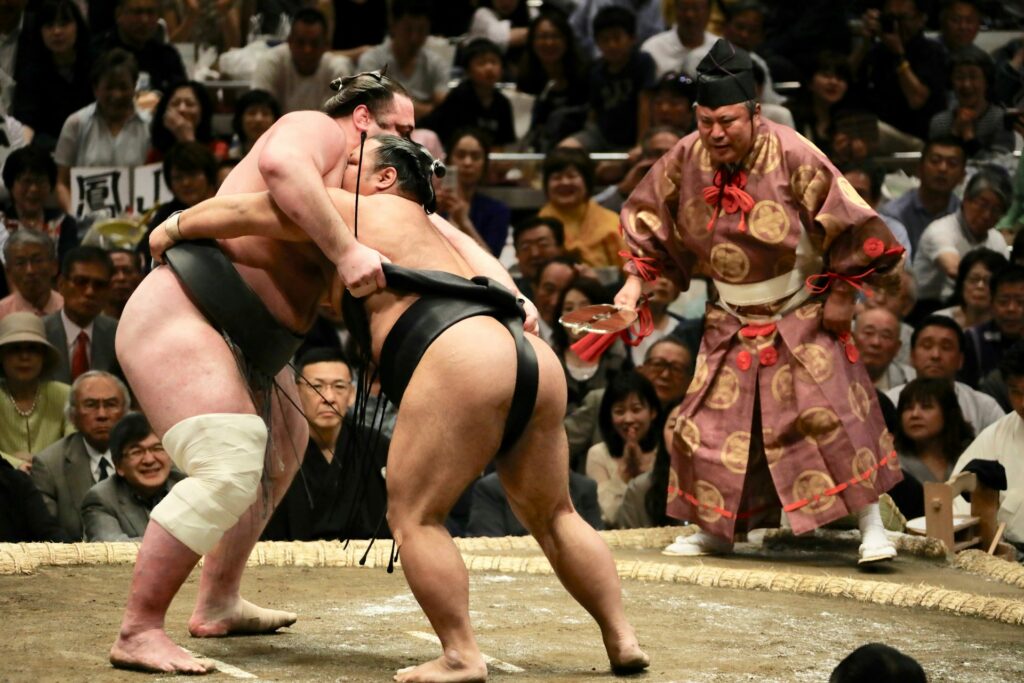
Shinjuku is a strong choice if you want a short, convenient, show-focused experience. But depending on your schedule, food preferences, and interest in traditional sumo culture, another option may fit your trip better.
| Experience | Typical price | Typical duration | Food | English support | Best for |
|---|---|---|---|---|---|
| Shinjuku Sumo Show | Often from around $61 | About 1.5 hours | Usually welcome drink only | ✅ English-friendly | Flexible travelers who want a quick, show-only experience |
| Asakusa Sumo Show with chanko-nabe | Often $100+ | Usually about 2 hours or more | ✅ Often includes chanko-nabe | ✅ Often English-friendly | Foodies who want sumo plus a traditional hot pot meal |
| Ryogoku Sumo Experience | Varies by tour and meal inclusion | Often 2–3 hours | Often includes or pairs with chanko-nabe | ✅ Usually English-friendly if booked as a tour | History fans who want the classic sumo neighborhood atmosphere |
| Grand Tournament at Ryogoku Kokugikan | Official seat prices vary by seat type and day | Several hours for the full experience | No required meal; food may be available at the arena | ⚠️ Limited without a guided tour | Sports fans visiting during official tournament dates |
| Morning Practice Tour | Often around $50–$100+ | Often 1–3 hours | No | ⚠️ Depends on the guide and stable | Serious sumo fans who want to observe real training |
Asakusa Sumo Shows
Asakusa sumo shows are often a good fit if you are already planning temple sightseeing, street food, or a traditional Tokyo neighborhood walk. They can pair well with an Asakusa half-day itinerary, especially if you want to keep your day focused on older Tokyo atmosphere.
Most Asakusa experiences are closer to dinner shows than short performances. That usually means a longer event, a higher price, and a chanko-nabe meal included. Choose Asakusa if the meal is part of the experience you want — not something you are trying to avoid.
If you want a sumo experience that includes chanko-nabe, compare the Asakusa option before booking the shorter Shinjuku show: check the Asakusa sumo show with chanko-nabe.
Ryogoku Sumo Experiences
Ryogoku is Tokyo’s traditional sumo district and the home of Ryogoku Kokugikan, the main sumo arena in the city. If you care about sumo history, museums, sumo-themed restaurants, and the atmosphere of a neighborhood closely tied to the sport, Ryogoku is worth considering.
Ryogoku experiences are often best for travelers who want a deeper sumo-themed outing rather than the fastest option. They may include chanko-nabe, a restaurant setting, or a guided visit around the area. However, for a faster and easier evening activity, Shinjuku is more convenient — especially if you are staying in west Tokyo.
Official Grand Tournament Tickets
If your Tokyo dates overlap with a Grand Tournament, official tournament tickets are the most authentic way to see professional sumo. In 2026, Tokyo Grand Tournaments are scheduled for January 11–25, May 10–24, and September 13–27. As of June 2026, only the September Tokyo tournament remains for the year.
Official ticket prices vary by seat type, day, venue, and fees. Arena seats can start from a relatively affordable price, while box seats are often sold by box rather than by individual person. Always check the official ticket site before comparing tournament tickets with tours or sumo shows.
Choose a tournament if you want the real competition and do not mind planning around a fixed calendar. Choose a sumo show if your priority is flexibility, English explanation, photos, and a shorter time commitment.
If your travel dates match a Grand Tournament, check the guided tournament option before choosing a show — especially if you want English context and help with the fixed schedule: see the Tokyo sumo tournament tour details.
Morning Practice Tours
Morning practice tours are best for serious sumo fans who want to observe training at a stable. They can be fascinating, but they are usually stricter than shows. Visitors may need to stay quiet, remain seated, avoid disruptive photography, and follow the guide’s instructions carefully.
This can be a memorable experience for adults who are deeply interested in sumo, but it is not always the easiest option for families, young children, or travelers who want a relaxed and interactive activity.
If you prefer a real training environment rather than an entertainment show, compare a guided morning practice option before deciding — the rules and schedule can be harder to manage on your own: see the guided sumo morning practice tour details.
Sample Evening: Shinjuku Sumo Show Plus Dinner
One of the biggest advantages of the Shinjuku Sumo Show is that it leaves your evening flexible. If you book an early evening slot, you can usually finish in time for dinner nearby. Treat the timing below as an example, not a fixed schedule.
- Before the show: Arrive in Shinjuku with extra time. Shinjuku Station is huge, so use the exact meeting point from your booking confirmation rather than relying only on the station exit name.
- During the show: Watch the demonstrations, listen to the English explanations, take photos when allowed, and join the audience participation if you feel adventurous.
- After the show: Walk to a nearby restaurant for dinner. Shinjuku has hundreds of options within a short walk, from casual izakaya and ramen shops to department-store restaurants.
For a casual post-show meal, Omoide Yokocho is popular for yakitori and nostalgic alleyway atmosphere. If you prefer something easier or quieter, the restaurants around Shinjuku Gyoen, Takashimaya Times Square, or major department stores may be more comfortable.
This plan works especially well if you want to avoid the rigid schedule of a dinner show. You get the sumo experience first, then choose what to eat afterward.
Is the Shinjuku Sumo Show Good for Families?
Yes, for many families, a sumo show is easier than a tournament or morning practice. It is shorter, more visual, more interactive, and easier to understand with English explanation.
That said, families should check a few details before booking:
- Child pricing: Age categories and free-entry rules vary by platform and date, so check your selected booking page carefully.
- Strollers: Venue space may be limited. If you are bringing a stroller, confirm the meeting point and storage situation in advance.
- Noise and participation: The show is more relaxed than a formal sumo setting, but children should still be able to sit through the explanation and follow staff instructions.
- Late evening slots: If your child gets tired early, choose an earlier slot when available.
If you are planning a broader family itinerary, you may also find this guide to traveling through Tokyo with children useful.
Frequently Asked Questions
Is the Sumo Show in Tokyo explained in English?
Most tourist-friendly sumo shows in Tokyo — especially the Shinjuku Sumo Show — are designed for international visitors and include English explanation or an English-speaking MC. This is one of the biggest reasons to choose a show over trying to understand a tournament or practice session on your own.
Can I see sumo in Tokyo if there is no tournament?
Yes. Official Tokyo Grand Tournaments are limited to selected months, but tourist-friendly sumo shows are usually available throughout the year. If you are visiting outside tournament season, a sumo show is often the most reliable option.
Should I choose Shinjuku or Asakusa for a sumo show?
Choose Shinjuku if you want a shorter, show-focused experience without a mandatory dinner. Choose Asakusa if you want to combine sumo with a traditional neighborhood visit and are interested in a chanko-nabe dinner show.
Should I choose Ryogoku instead?
Choose Ryogoku if you want to be in Tokyo’s classic sumo district and are interested in sumo history, the Kokugikan area, or sumo-themed restaurants. For a faster and easier evening activity, Shinjuku is more convenient for many travelers staying in west or central Tokyo.
Is a sumo show authentic?
A sumo show is not the same as an official Grand Tournament or a private training session. It is a tourist-friendly performance designed to explain sumo in an entertaining way. That said, many shows feature former sumo wrestlers, demonstrate real techniques and rituals, and help visitors understand the sport much better than watching without context.
Do I have to eat chanko-nabe at a sumo show?
Not always. The Shinjuku Sumo Show is generally show-focused and does not require a full dinner. Asakusa and Ryogoku experiences often include chanko-nabe. Always check the listing details before booking.
Are sumo shows good for kids?
Yes, sumo shows are often one of the better sumo options for families. They are usually more relaxed, more interactive, and easier to understand than a tournament or morning practice. Check child pricing, age rules, stroller handling, and start times on your selected booking page.
Can guests take photos with the wrestlers?
Most tourist-friendly sumo shows include a photo opportunity with the wrestlers. This is a major difference from morning practice, where photography may be restricted, and tournaments, where you usually take photos from your seat only. Follow the MC’s instructions for photos, videos, and flash use during the performance.
How far in advance should I book?
For ordinary dates, a few days in advance may be enough. During cherry blossom season, Golden Week, summer vacation, tournament months, and weekends, book earlier if you want a specific time slot. Popular evening shows can sell out.
What is the cancellation policy for the Shinjuku Sumo Show?
Many booking platforms offer free cancellation up to 24 hours before the scheduled start time, but this is not guaranteed for every listing. Always confirm the cancellation rule, payment timing, and refund conditions before booking.
Final Verdict: What Is the Best Sumo Show in Tokyo for Most Visitors?
For most first-time visitors, a short interactive sumo show is the easiest way to experience sumo in Tokyo without fighting for tournament tickets or following strict morning practice rules.
Choose the Shinjuku Sumo Show if:
- You want a convenient central Tokyo location near Shinjuku Station
- You prefer a show-focused format with no mandatory dinner
- English explanation, audience participation, and a photo opportunity are important to you
- You want to keep your evening flexible for dinner elsewhere
- You are visiting Tokyo outside the official tournament calendar
Choose Asakusa or Ryogoku if:
- You specifically want a chanko-nabe dinner show
- You are already planning to explore Asakusa’s traditional neighborhood or Ryogoku’s sumo district
- You want a longer food-and-culture experience rather than a quick show
Choose a Grand Tournament if:
- Your Tokyo dates overlap with an official tournament
- You want to see real professional championship matches at Ryogoku Kokugikan
- You do not mind the fixed schedule, ticket competition, and limited interactivity
Choose a morning practice tour if:
- You are a serious sumo fan and comfortable with quiet, strict viewing rules
- You want to observe real training rather than a performance
- You are comfortable with early timing and limited schedule flexibility
For a flexible Tokyo itinerary, the Shinjuku option offers the best balance of convenience, entertainment, and ease of booking. It fits easily into an afternoon or evening without disrupting your dinner plans — and that flexibility is exactly what most travelers need.
Before you build the rest of your evening, compare the latest dates, start times, prices, cancellation rules, and inclusions for the Shinjuku option here: check Shinjuku Sumo Show dates and ticket options.
Prices, opening hours, transport schedules, official tournament dates, ticket conditions, tour inclusions, child policies, accessibility details, payment methods, cancellation rules, and seasonal operations can change. Always check official sources and your selected booking page before finalizing your trip.

Hi, I’m Kai. I’m a Tokyo-based travel writer, tourism industry insider, and the author of a published guidebook for international visitors to Japan. With over 10 years of professional experience at a leading Japanese tourism company, my mission is to help you skip the tourist traps and navigate Japan’s best destinations like a local. I believe the perfect day trip is like a traditional kaiseki meal: a beautiful balance of precise planning and unforgettable seasonal discovery. When I’m not out conducting field research, you’ll usually find me drafting new itineraries with one of my favorite fountain pens!