
If you are planning a trip to Tokyo as a vegan or vegetarian, you have probably heard mixed things. Some travelers say Japan is difficult for plant-based eating. Others say Tokyo is surprisingly easy. The truth is: Tokyo can be one of the best cities in the world for vegan food if you know where to go and what to ask. Without a little planning, hidden fish broth, bonito flakes, and wheat-based soy sauce can turn a simple meal into a guessing game.
This guide explains where to find vegan restaurants in Tokyo by area, how to avoid dashi, when a private food tour can help, and what to do when you need a simple backup meal.
tl;dr — Quick Answer for First-Time Vegan Visitors
Yes, you can eat well in Tokyo as a vegan. The easiest areas for first-time visitors are usually Shinjuku, Ueno, Tokyo Station, Shibuya, and Harajuku. The biggest risk is not obvious meat. It is dashi, the Japanese soup stock that often contains dried bonito fish flakes.
Download a vegan restaurant app such as HappyCow before your trip, save restaurant names offline, and learn a few Japanese phrases for “no fish broth.” If your time is short, your dietary needs are strict, or you are traveling with a group, a private vegan and vegetarian food tour in Tokyo can reduce the amount of ingredient-checking you need to do yourself.
What Is Dashi and Why Should Vegans in Tokyo Care?
The single most important thing to understand about vegan food in Japan is dashi. Dashi is a traditional soup stock that gives Japanese food its deep savory flavor. Many versions are made with katsuobushi, or dried bonito flakes, sometimes combined with kelp.
This means many dishes that look plant-based may not be vegan or vegetarian.
- Miso soup: Often contains fish-based dashi even when the visible ingredients are tofu and seaweed.
- Udon, soba, and ramen broth: Many noodle soups use fish, pork, chicken, or mixed animal-based stock.
- Simmered vegetables: Vegetable side dishes may be cooked in dashi.
- Dipping sauces: Tsuyu for soba or tempura often contains fish stock and wheat-based soy sauce.
- Restaurant communication: Asking for “no meat” is not enough, because some staff may not count fish broth as meat.
The safest question is not only “Does this contain meat?” but also “Does this contain dashi, bonito flakes, fish stock, or chicken stock?”
Where Are the Best Vegan Restaurants in Tokyo by Area?
Tokyo’s vegan scene is spread across the city. Planning by neighborhood is more useful than keeping one long restaurant list. The restaurants below are useful starting points, but menus, opening hours, ticket-gate access, and branch details can change, so always check the latest official information before you go.
Shinjuku — Vegan Pancakes, Curry, and Easy Dinner Options
Shinjuku is one of the easiest neighborhoods for vegan travelers. It has major hotels, nightlife, train connections, and several plant-based dining options.
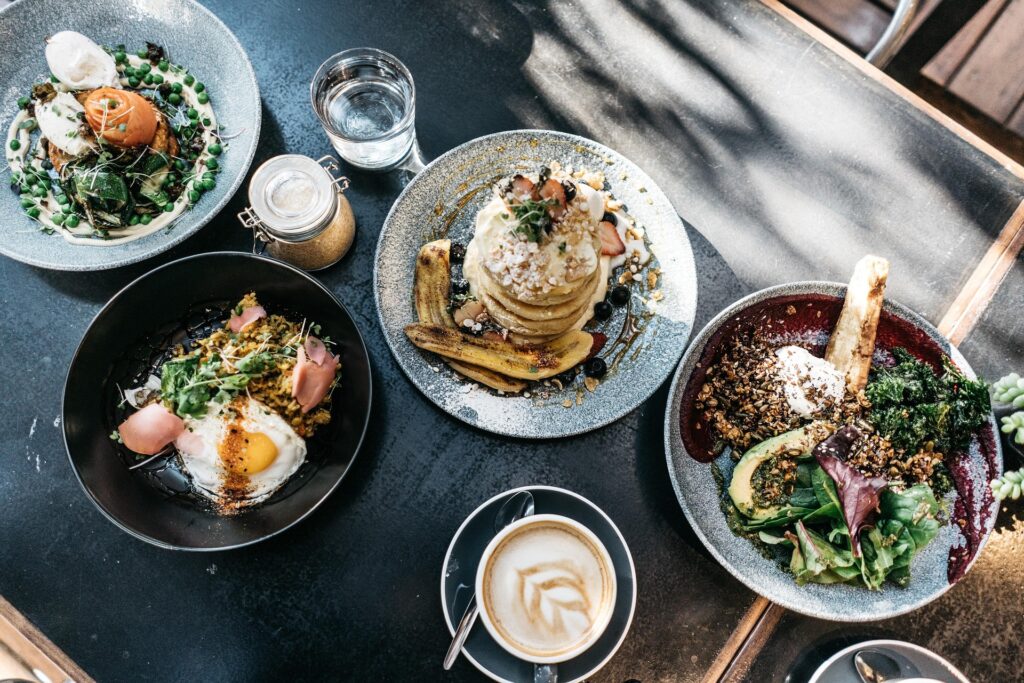
- AIN SOPH. Journey Shinjuku: A well-known vegan restaurant near Shinjuku-Sanchome, famous for its “Heavenly Vegan Pancakes” and creative plant-based dishes. Reservations are recommended, and opening hours can change, so check the official page or social media before visiting.
- CoCo Ichibanya: Some branches offer a vegetarian curry option made with plant-based ingredients. Do not assume every branch has it, and do not order from the standard curry menu unless you have checked the ingredients. Choose from the vegetarian menu and confirm availability at the specific branch.
Shinjuku is also a good area for backup planning. Restaurants can be busy in the evening, and smaller vegan-friendly places may close early, sell out, or operate irregularly.
Ueno and Tokyo Station — Convenient Vegan Ramen Stops
Ueno and Tokyo Station are especially useful if you are visiting museums, Asakusa, Akihabara, Ueno Park, or taking a Shinkansen.
- T’s Tantan Tokyo Station: A popular vegan ramen shop inside the JR Tokyo Station ticket gates. It is known for rich plant-based tantanmen and other animal-free noodle dishes. Because it is inside the ticket gates, you need a valid JR ticket, IC card journey, or admission ticket to enter if you are not already traveling by train.
- T’s Tantan Ecute Ueno: A convenient vegan ramen option inside JR Ueno Station’s ticket gates. It is useful before or after Ueno Park, museums, or eastern Tokyo sightseeing. Check the latest official hours before visiting, especially on Sundays, holidays, or during long holiday periods.
Station restaurants are convenient, but they can also be confusing. Before you go, confirm whether the restaurant is inside or outside the ticket gates. If it is inside, plan your route so you are not paying extra just to reach lunch.
Shibuya and Harajuku — Trendy Vegan Cafes and Casual Meals
Shibuya and Harajuku are useful for casual lunch, sweets, and shopping-day stops. Options change quickly in this part of Tokyo, so check current official listings, maps, and social media before building your day around one restaurant.
- Vegan Bistro Jangara: A dedicated vegan ramen restaurant near Harajuku, useful if your sightseeing route includes Meiji Jingu, Takeshita Street, or Omotesando. Confirm current hours before going.
- Vegan-friendly cafes: Shibuya and Harajuku often have plant-based sweets, smoothie bowls, and casual cafe meals, but not every “healthy” cafe is vegan. Check ingredients carefully, especially dairy, honey, egg, and fish-based seasonings.
If you are in Shibuya or Harajuku for sightseeing, keep at least one backup option saved. Small cafes may close early or sell out of popular items.
Shojin Ryori — Traditional Buddhist Vegan Cuisine
Before modern veganism became common in Japan, there was Shojin Ryori, traditional Buddhist temple cuisine. It avoids animal products and focuses on tofu, seasonal vegetables, mountain greens, seaweed, sesame, and careful preparation.
A Shojin Ryori meal is not just a practical vegan option. It can also be one of the most culturally meaningful meals of your Tokyo trip. Many restaurants serve fixed multi-course meals, so check the price, reservation rules, location, and meal length before booking.
Best for: Travelers who want a calm, traditional meal experience and are comfortable with set menus.
Skip if: You are on a tight budget, short on time, or looking for a quick casual meal.
Can You Eat Vegan at Convenience Stores in Tokyo?
Yes, but with important caveats. Convenience stores, or konbini, such as 7-Eleven, FamilyMart, and Lawson are everywhere in Tokyo and can save you on arrival days, late evenings, or between meals. However, do not assume everything labeled “vegetable” or “plant-based” is vegan.
Possible backup options to check:
- Plain onigiri: Salt or ume pickled plum rice balls can work, but always check the ingredient label because some versions may contain dashi or other seasonings.
- Inarizushi: Fried tofu pockets with rice are often vegetarian-friendly, but the seasoning may contain fish-based ingredients.
- Edamame: Usually a simple and useful backup snack.
- Nuts, bananas, dried fruit, and cut fruit: Good emergency options when you do not have time for a restaurant.
- Plain rice: Safer than seasoned rice, but still check labels when possible.
Be careful with potato salad, pasta salad, hot snacks, flavored rice, and ready-made soups. These may contain egg, dairy, chicken extract, fish stock, or wheat-based seasonings. Convenience stores are a useful backup, but they should not be your only meal plan for a week in Tokyo.
How to Eat Gluten-Free and Vegan in Tokyo
Gluten-free dining in Tokyo is a separate challenge from vegan dining. A dish can be vegan but still contain wheat, and a dish can be gluten-free but still contain fish broth or animal-based seasoning.
The biggest issue is soy sauce. Standard Japanese soy sauce, or shoyu, is usually brewed with wheat. This affects sushi, ramen, soba dipping sauce, teriyaki, marinades, dressings, and many simmered dishes.
- Ask about soy sauce: Do not assume a dish is gluten-free just because it is rice-based or vegetable-based.
- Look for tamari: Some restaurants may have wheat-free tamari, but you should confirm before ordering.
- Be careful with soba: Many soba noodles contain wheat flour. Ask for juwari soba, which means 100% buckwheat, and check the dipping sauce separately.
- Search for komeko: Komeko means rice flour and can be useful when looking for gluten-free sweets, bread, or baked goods.
- Consider cross-contact: If you have celiac disease or a severe allergy, ask directly about shared fryers, shared pans, and preparation surfaces.
Dedicated vegan restaurants are a good starting point for gluten-free vegan travelers, but they are not automatically gluten-free. Vegan ramen may still use wheat noodles, and vegan sauces may still contain regular soy sauce.
Vegan in Tokyo: DIY or Private Food Tour?
You can find vegan food in Tokyo on your own, especially if you enjoy restaurant research. However, the right choice depends on your budget, schedule, language comfort, and how strict your dietary needs are.
| Decision Point | DIY Vegan Dining | Private Vegan Food Tour |
|---|---|---|
| Best For | Travelers with time to research, flexible diets, and a lower budget | Travelers with strict vegan, vegetarian, or gluten-free needs who want local support |
| Dashi Risk | Higher if you rely only on English menus or translation apps | Lower when restaurants and dishes are checked in advance |
| Ingredient Checking | You confirm dashi, sauces, broths, and menu changes yourself | A guide can help translate questions and communicate restrictions |
| Backup Planning | You need at least one backup restaurant per area | The route can be planned around your restrictions and sightseeing schedule |
| Gluten-Free Concerns | You must ask separately about wheat, soy sauce, and cross-contact | A guide can help communicate restrictions, but severe allergies still require caution |
| Cost | Usually lower because you pay only for your own meals and transport | Usually higher because you pay for planning, guidance, and translation support |
Go DIY if:
- You enjoy researching restaurants and checking menus.
- You are comfortable using translation apps and asking ingredient questions.
- You do not mind changing plans if a restaurant is closed, full, or out of vegan options.
- You are happy with convenience store backups and casual meals when needed.
Consider a private vegan food tour if:
- You are worried about hidden dashi, bonito flakes, meat extract, or fish-based sauces.
- You want help communicating vegan, vegetarian, or gluten-free restrictions in Japanese.
- You have limited time and do not want to spend each meal searching for a safe option.
- You want to try ramen, curry, sushi-style dishes, or Shojin Ryori with more confidence.
- You are traveling with family or a group with mixed dietary needs.
If a guided experience makes sense for your trip, check the latest start times, inclusions, route details, and dietary options for this Tokyo vegan and vegetarian private food tour before planning the rest of your day.
Useful Japanese Phrases for Vegan and Gluten-Free Dining
Save these phrases on your phone and show them to restaurant staff before ordering. In busy restaurants, written Japanese can be clearer than spoken English.
| English | Japanese Phrase | When to Use It |
|---|---|---|
| I am vegan. | Watashi wa vegan desu. | Start here, but follow up with specific ingredients. |
| I cannot eat meat or fish. | Niku to sakana wa taberaremasen. | Useful for vegetarian and vegan travelers. |
| Does this contain dashi or bonito flakes? | Dashi ya katsuobushi wa haitte imasu ka? | Use this for soup, noodles, sauces, and simmered dishes. |
| Does this contain egg or dairy? | Tamago ya nyuseihin wa haitte imasu ka? | Useful for desserts, bread, pancakes, and curry toppings. |
| Does this contain wheat flour? | Komugiko wa haitte imasu ka? | Use this if you are gluten-free or avoiding wheat. |
| Does this contain soy sauce? | Shoyu wa haitte imasu ka? | Important for gluten-free travelers because standard soy sauce often contains wheat. |
Even if staff understand the word “vegan,” be specific about fish broth, bonito flakes, egg, dairy, honey, and meat extract. For gluten-free travelers, also ask about wheat, soy sauce, and shared cooking equipment.
Sample One-Day Vegan Tokyo Itinerary
If you are not sure how to fit vegan dining into a typical sightseeing day, here is a realistic example that combines meals, culture, and minimal backtracking. Treat it as a planning idea, not a fixed schedule.
Morning: Asakusa
Start at Senso-ji Temple and Nakamise Street. If you want a simple breakfast, eat near your hotel first or prepare a convenience store backup, because vegan breakfast options can be more limited than lunch and dinner.
Late Morning or Lunch: Ueno
Head toward Ueno for museums, Ueno Park, or Ameyoko. If you want vegan ramen, check the latest hours and ticket-gate access for T’s Tantan Ecute Ueno before you go.
Afternoon: Ueno Park or Akihabara
Ueno Park is close to Ueno Station and works well for museums, the pond, and a slower cultural stop. Alternatively, Akihabara is only a short train ride away if you are interested in electronics, anime, or game culture.
Late Afternoon: Shinjuku
Head to Shinjuku for shopping, city views, or an evening walk. The Tokyo Metropolitan Government Building observation decks are a popular free option when open, but hours and entry rules can change.
Dinner: AIN SOPH. Journey Shinjuku or another saved backup
Reserve ahead if possible, especially for weekends and holidays. If your first choice is full or closed, use your saved backup list rather than searching from scratch while hungry.
Evening: Omoide Yokocho or Golden Gai
Walk through Omoide Yokocho or Golden Gai for atmosphere, but do not expect most food stalls to be vegan-friendly. For drinks, choose simple options and check ingredients when needed.
FAQ About Vegan Food in Tokyo
Are vegan restaurants easy to find in Tokyo?
Yes, if you plan by area. Shinjuku, Ueno, Tokyo Station, Shibuya, and Harajuku are useful starting points. Vegan restaurants are not evenly spread across the city, so save a backup option before leaving your hotel.
Do regular Japanese restaurants have vegan menus?
Rarely. Traditional izakayas, sushi shops, ramen shops, and small local restaurants usually do not have separate vegan menus. Even simple-looking dishes such as miso soup, noodles, or simmered vegetables may contain fish-based dashi. If you want to visit an izakaya, it helps to understand their specific etiquette and menu structure before you go.
Is dashi always made from fish?
No. Dashi can be made from kombu seaweed or shiitake mushrooms, but many standard restaurant versions use bonito flakes or other fish-based ingredients. Vegans and vegetarians should ask what kind of dashi is used rather than assuming it is plant-based.
Can vegetarians eat miso soup in Japan?
Not always. Miso itself is usually plant-based, but the soup stock often contains fish-based dashi. A bowl of miso soup with tofu and seaweed can still be unsuitable for vegetarians if the broth contains bonito flakes.
Is soy sauce gluten-free in Japan?
Usually, no. Standard Japanese soy sauce often contains wheat. If you need gluten-free soy sauce, ask for tamari or bring travel-sized gluten-free soy sauce packets. If you have celiac disease or a severe allergy, also ask about cross-contact.
Is Tokyo good for gluten-free vegan travelers?
Tokyo can work for gluten-free vegan travelers, but it requires more planning than vegan travel alone. Check soy sauce, wheat flour, noodle ingredients, frying oil, and shared preparation areas. Dedicated vegan restaurants are a good starting point, but they are not automatically gluten-free.
Do I need reservations for vegan restaurants in Tokyo?
For casual ramen or curry, you may be able to walk in. For popular vegan cafes, dinner spots, and Shojin Ryori restaurants, reservations are recommended, especially on weekends, holidays, and peak travel seasons.
What is the difference between vegan and vegetarian in Japan?
In Japan, “vegetarian” is sometimes understood loosely and may not automatically exclude fish broth, bonito flakes, or seafood-based seasoning. “Vegan” is becoming more widely recognized, but you should still explain the specific ingredients you cannot eat.
Can I eat vegan at convenience stores in Tokyo?
Yes, with limited options. Plain rice, some simple onigiri, edamame, fruit, nuts, and simple snacks can work, but you still need to check labels for dashi, egg, dairy, fish extract, and wheat-based seasonings. Convenience stores are best as a backup, not your main Tokyo food strategy.
Final Verdict — Choose Your Vegan Tokyo Strategy
Choose self-guided dining if: You enjoy researching restaurants, have a flexible diet, and are comfortable using translation apps and backup plans.
Consider a private vegan food tour if: You are worried about hidden dashi, have limited time, want help communicating in Japanese, or are traveling with family members who have different dietary needs.
For gluten-free vegan travelers: Plan more carefully than a standard vegan traveler. Confirm soy sauce, noodle ingredients, and cross-contact at every restaurant.
For first-time visitors: Start with Shinjuku, Ueno, or Tokyo Station. These areas have some of the most convenient plant-based options and better backup plans if your first choice falls through.
For budget travelers: Focus on casual ramen, vegetarian curry where available, and carefully checked convenience store backups. Use restaurant apps and maps to find additional options near your hotel.
If you decide a guided experience would make your trip easier, check current availability, start times, inclusions, and dietary options for a private Tokyo vegan food tour before finalizing your itinerary.
Restaurant hours, menus, station-gate access, tour inclusions, prices, payment methods, and dietary handling can change. Always check official restaurant pages, transport information, and your selected booking page before finalizing your trip.

Hi, I’m Kai. I’m a Tokyo-based travel writer, tourism industry insider, and the author of a published guidebook for international visitors to Japan. With over 10 years of professional experience at a leading Japanese tourism company, my mission is to help you skip the tourist traps and navigate Japan’s best destinations like a local. I believe the perfect day trip is like a traditional kaiseki meal: a beautiful balance of precise planning and unforgettable seasonal discovery. When I’m not out conducting field research, you’ll usually find me drafting new itineraries with one of my favorite fountain pens!