
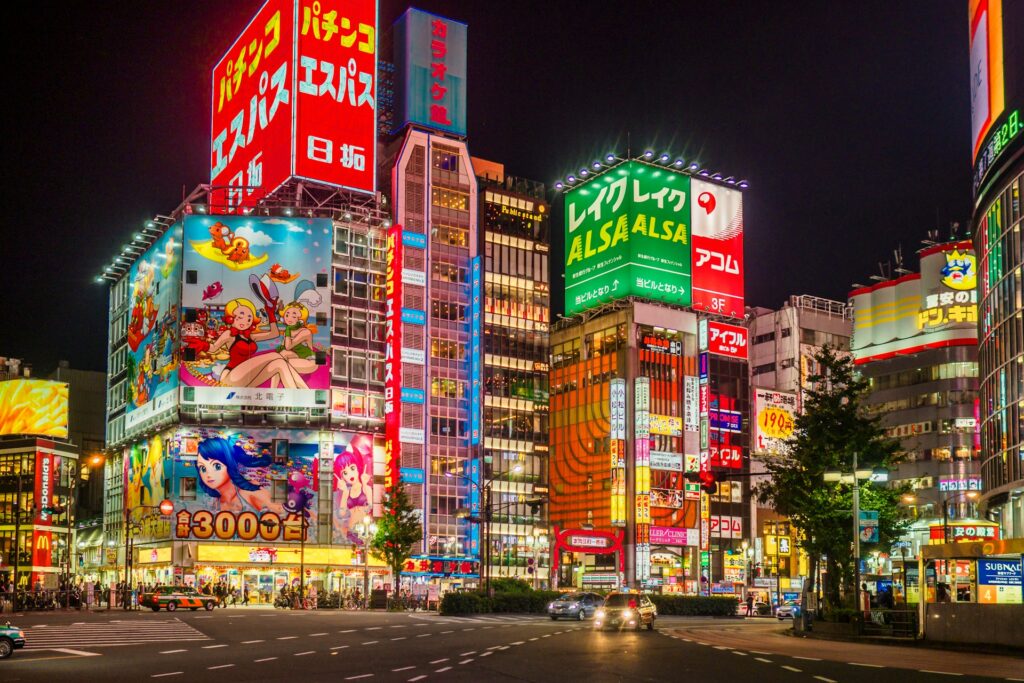
Shinjuku Kabukicho is Tokyo’s most famous entertainment district: neon signs, late-night restaurants, bars, arcades, host clubs, and the giant Godzilla Head above Toho Cinemas. It is also a red-light and nightlife district, so it is completely normal to ask: Is Shinjuku Kabukicho safe at night?
The honest answer is not a simple yes or no. Kabukicho is generally safe to walk through on the main streets, but it is not a place where you should follow strangers into bars, clubs, or restaurants. If you already know how to navigate Shinjuku Station, the walk into Kabukicho is straightforward. The harder part is knowing which invitations to ignore once you arrive.
In 2026, official safety advice for visitors remains very clear: do not follow street touts. Recent enforcement and public warnings have put more attention on Kabukicho’s touting and overcharging problems, but scams can still happen. This guide explains where Kabukicho feels safe, what scams tourists should avoid, and how to enjoy Shinjuku nightlife without turning a fun evening into an expensive mistake.
Is Shinjuku Kabukicho Safe at Night? Quick Answer
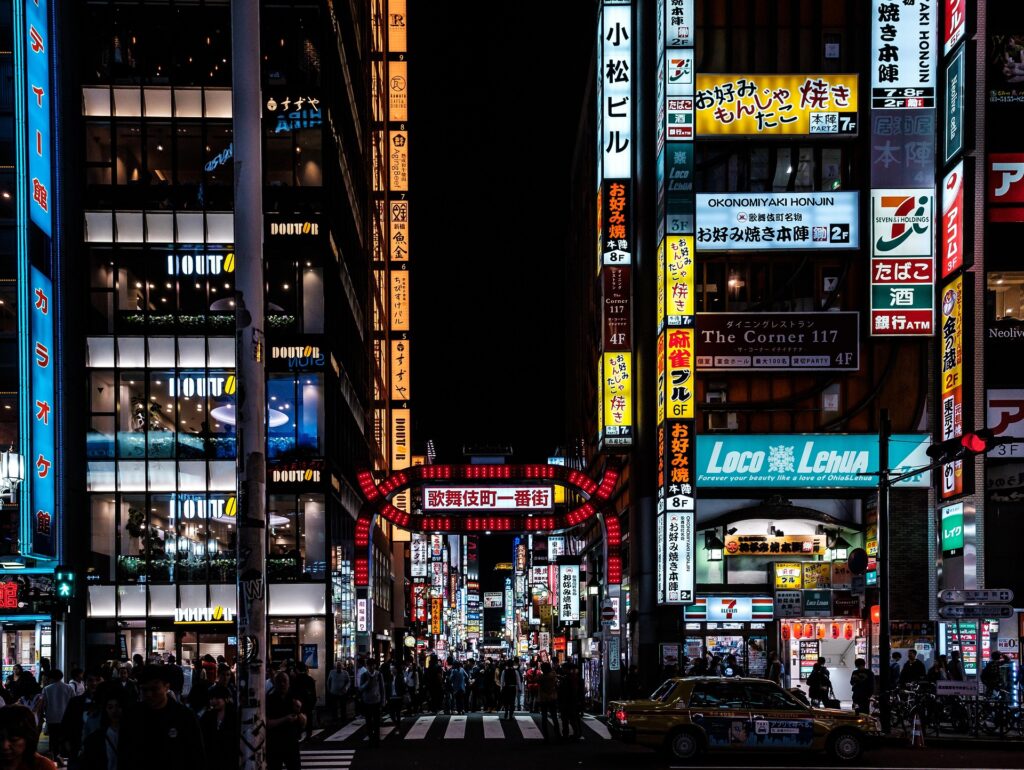
Yes, Shinjuku Kabukicho is generally safe to walk through at night, especially on the main streets around Central Road, Toho Cinemas, and the Godzilla Head. These areas are bright, busy, and full of tourists, office workers, couples, and local nightlife crowds taking photos or heading to restaurants.
For most visitors, the more practical risk is not random street violence. The bigger risk is financial: hidden charges, rip-off bars, aggressive touts, drink-related incidents, and credit card problems in venues you entered because someone on the street invited you in.
The safest rule is simple: enjoy the lights, take photos, eat at places you chose yourself, and never follow a street tout into a bar, club, or restaurant.
| Question | Practical answer |
|---|---|
| Is Kabukicho safe to walk around? | Usually yes, especially on busy, well-lit main streets. Avoid isolated side alleys late at night. |
| Is Kabukicho safe for nightlife? | Yes, if you choose reputable venues yourself and avoid street invitations. |
| What is the biggest tourist risk? | Following touts into bars or clubs with hidden charges, also known as bottakuri scams. |
| Should you accept drinks from strangers? | No. Keep your drink with you and do not leave it unattended. |
| Is it safe to use a credit card? | Use cards only at reputable places. Check the bill carefully before paying. |
| When is the easiest time to visit? | Earlier in the evening is usually easier for first-time visitors than very late at night. |
8 Safety Rules for Kabukicho in 2026
These rules cover the most common situations tourists face in Kabukicho. Follow them and you remove most of the avoidable risk.
- Never follow a tout. No trustworthy restaurant or bar needs to drag tourists off the street with unbelievable drink deals. If someone approaches you, keep walking.
- Only enter venues with clear pricing. Check menus, cover charges, seating fees, service fees, and drink rules before you sit down.
- Choose places yourself. Use your own research, hotel recommendations, trusted booking pages, or reputable maps rather than street invitations.
- Be careful with upper-floor bars and clubs. A venue upstairs is not automatically unsafe, but you should be extra cautious if prices are unclear or someone led you there from the street.
- Know where to get help. If you feel pressured, walk toward a main street, convenience store, hotel lobby, station entrance, or police box.
- Carry your hotel address in Japanese. This helps if you need a taxi late at night or have trouble explaining where you are staying.
- Watch your drink. Do not accept open drinks from strangers and do not leave your drink unattended.
- Leave before you feel tired or pressured. Bad nightlife decisions often happen when people are drunk, lost, or trying to be polite.
What Are the Real Risks in Kabukicho?
The most important thing to avoid in Kabukicho is not a particular street. It is a behavior: following someone who approaches you on the street.
These street promoters are often called touts. In Japanese, you may also see the word kyakuhiki. They stand near busy corners, side streets, and nightlife buildings, sometimes speaking English and offering cheap drinks, girls’ bars, clubs, karaoke, or “local” izakayas.
Do not follow them. Legitimate restaurants and bars in Tokyo do not need to pull foreign tourists off the street with deals that sound too good to be true.
How Do Kabukicho Bar Scams Usually Work?
The classic Kabukicho scam is often called bottakuri, which means a rip-off or overcharging scam. It usually starts with a friendly invitation and ends with a bill far higher than anything you agreed to.
- The cheap drink hook: A tout promises an all-you-can-drink deal that sounds too good to be true.
- The fake safe option: A promoter may claim that a popular restaurant is full and offer to take you to a “sister store” nearby.
- The hidden charges: Once inside, the bill may include cover charges, service fees, seating fees, staff drinks, weekend fees, or unexplained extras.
- The pressure to pay: If you argue, staff may intimidate you or insist that you go to an ATM.
- The card risk: In the worst cases, tourists may later find unexpected or inflated credit card charges.
Police and local authorities regularly warn visitors not to follow street touts in nightlife districts such as Kabukicho. Even when enforcement increases, the safest approach is still prevention: choose your own venue, check the price before ordering, and leave if anything feels unclear.
How to Handle Street Touts
Do not stop, do not negotiate, and do not try to be overly polite. A quick “No, thank you” is fine, but the safest response is usually to keep walking without engaging.
Do’s and Don’ts
- Do keep walking when a tout approaches you.
- Do move toward busy main streets, convenience stores, hotel lobbies, station entrances, or a police box if you feel pressured.
- Do check prices, cover charges, seating fees, and service charges before sitting down.
- Don’t follow anyone to a second location.
- Don’t enter a building because someone on the street recommended it.
- Don’t believe urgent claims such as “this place is closing soon” or “the main branch is full.”
- Don’t hand over your credit card before checking the full bill.
- Don’t leave your drink unattended or accept open drinks from strangers.
If you feel intimidated, walk toward a brighter main street, convenience store, hotel lobby, train station entrance, or police box. Kabukicho has visible police presence, and its police box is known for foreign-language assistance, but availability can vary. Prevention is much easier than trying to fix an overcharging dispute afterward.
Where Can You Walk Safely in Kabukicho?
For a first visit, stick to the obvious, busy parts of Kabukicho. The main streets are where most tourists go for photos, casual restaurants, arcades, cinemas, and the atmosphere. The deeper side streets and upper-floor nightlife venues are where you should be more selective.
Kabukicho is generally easier for first-time visitors earlier in the evening, when there are more diners, sightseers, office workers, and casual visitors around. Later at night, the area shifts more toward drinking, clubs, host clubs, and adult nightlife.
| Area | Why it works for first-time visitors | What to watch for |
|---|---|---|
| Central Road | A bright, busy entrance route into Kabukicho with lots of foot traffic. | Ignore anyone trying to redirect you into a bar or club off the main route. |
| Godzilla Head and Toho Cinemas | The easiest photo stop in Kabukicho and one of the most recognizable landmarks. | The surrounding area is busy, so keep an eye on your belongings. |
| Kabukicho Tower | A newer high-rise complex with restaurants, entertainment, and indoor options. | Still use normal nightlife caution when choosing specific venues inside or nearby. |
| Main restaurant streets | Good for casual food if you choose places yourself and check menus before entering. | Avoid places recommended by street touts and check prices before sitting down. |
| Shinjuku Batting Center | A retro, low-pressure activity that feels different from the bar scene. | Walk there by a direct route and avoid being pulled into side venues on the way. |
| Side streets with host clubs and bars | Interesting to look at, but not necessary for most first-time visitors. | Higher chance of being approached by touts or promoters. Skip these areas if you feel unsure. |
Can You Visit the Godzilla Head Safely?
Yes. The Godzilla Head above the Shinjuku Toho Building is one of the safest and easiest Kabukicho landmarks to visit. The street leading toward it is usually crowded, well-lit, and full of people taking photos.
This is also one reason Shinjuku is often popular with first-time visitors deciding where to stay in Tokyo. You can experience Tokyo’s night scenery without needing to commit to bars, clubs, or late-night drinking.
Is Shinjuku Batting Center Safe?
Shinjuku Batting Center is a fun, casual stop if you want something more local than simply taking neon photos. It has a retro atmosphere and is popular with people blowing off steam after work.
The activity itself is low-risk. The main point is to walk there directly, avoid unnecessary detours into narrow side streets, and ignore anyone who tries to pull you into a nearby venue.
Kabukicho at Night: Best Time to Visit
Kabukicho changes character throughout the evening. The best time to visit depends on what you want to see and do.
| Time | Atmosphere | Best for |
|---|---|---|
| Early evening | Bright, busy, and more mixed, with diners, office workers, tourists, and casual visitors. | First-time visitors, families, sightseeing, dinner, and photos of the Godzilla Head. |
| Later evening | Louder and more nightlife-focused. Touts and promoters may become more noticeable. | Bar hopping, izakaya hopping, and nightlife experiences if you already have a plan. |
| Very late night | More alcohol-focused, with fewer casual sightseers and more adult nightlife activity. | Confident nightlife visitors only. Not ideal for first-timers without a plan. |
General advice for first-time visitors: arrive after dark, enjoy the lights and a meal, then head back to your hotel or a quieter area before the night gets too heavy. You still get the full neon experience without the late-night complications.
Should You Explore Kabukicho Alone or With a Guide?
You can visit Kabukicho by yourself if your goal is to walk around, take photos, see the Godzilla Head, and eat at restaurants you have chosen in advance. The area becomes riskier when you want to improvise a full night of bar hopping without Japanese language skills, reservations, or local knowledge.
If you are mainly interested in food and nightlife, it can be worth joining a guided food tour. A guide does not make nightlife risk disappear completely, but it can reduce the biggest Kabukicho problem: accidentally entering the wrong venue because someone on the street convinced you to.
If you plan to explore independently, it is also worth reading up on Japanese izakaya rules and etiquette before your night out.
DIY Bar Hopping vs. Guided Food Tour
| Decision point | DIY bar hopping | Guided food tour |
|---|---|---|
| Exposure to touts | Higher if you wander without a plan or follow street invitations. | Lower because the route and venues are arranged in advance. |
| Hidden charges | Possible if you enter unknown bars, clubs, or upper-floor venues without checking fees. | Lower risk because inclusions and prices are shown before booking. |
| Language barrier | Menus, seating charges, and house rules may be unclear without Japanese reading skills. | The guide can help explain the food, venues, and basic etiquette. |
| Food discovery | Flexible, but hit or miss if you do not know where to go. | More structured, with pre-selected stops in one evening. |
| Time efficiency | You choose when to arrive and leave, but planning takes more effort. | Less guesswork, but the schedule and route are fixed. |
| Best for | Confident repeat visitors, Japanese speakers, and travelers who enjoy planning. | First-time visitors, solo travelers, couples, and food-focused travelers who want less guesswork. |
Who Should Consider a Shinjuku Food Tour?
A guided Shinjuku food tour makes the most sense if you want to experience the local eating and drinking culture without spending the whole evening checking reviews, translating menus, or worrying about hidden charges.
It is especially useful for:
- First-time visitors who want a more structured introduction to Shinjuku nightlife.
- Solo travelers who prefer a small-group evening instead of wandering alone.
- Couples who want food-focused nightlife without choosing random bars.
- Food-focused travelers who want to try several local dishes without planning every stop.
It may not be the best fit if you are on a strict backpacker budget, dislike group activities, or prefer to build your own restaurant list in advance.
If a guided tour suits your style, check the current price, inclusions, meeting point, cancellation policy, and availability for the Tokyo Shinjuku Food Tour on GetYourGuide before booking.
Why Does Kabukicho Have This Reputation?
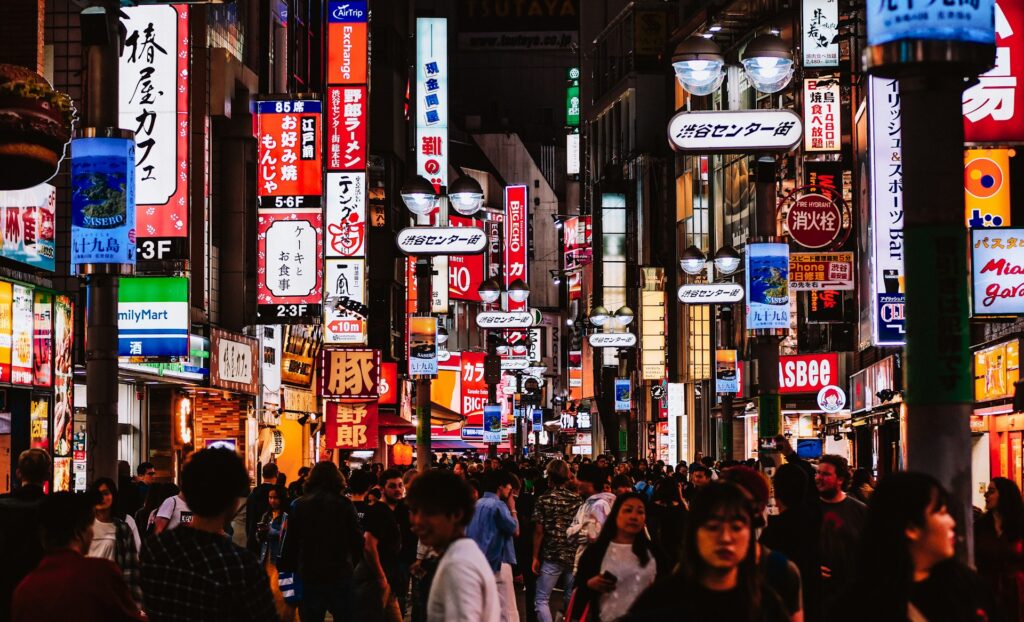
Kabukicho has a reputation because it combines several different versions of Tokyo nightlife in one compact area. You will find cinemas, arcades, ramen shops, izakayas, hotels, host clubs, hostess clubs, adult entertainment venues, karaoke buildings, and late-night bars all mixed together within a few blocks.
Before World War II, the area was much quieter. After the war, redevelopment plans included a kabuki theater, which is where the name “Kabukicho” came from. The theater was never built, but the district grew into one of Tokyo’s biggest entertainment zones.
That history matters because Kabukicho is not dangerous in the way some travelers imagine. It is not a lawless area where tourists are attacked on the street. It is a dense nightlife district where the main risk comes from making bad venue choices, especially after drinking or when following strangers into buildings.
Safer Alternatives Near Kabukicho
If Kabukicho feels too intense for your first night in Tokyo, you do not need to skip Shinjuku entirely. Several nearby areas let you enjoy food, lights, and nightlife with a slightly easier first-time visitor experience.
Is Omoide Yokocho a Better First Stop?
Omoide Yokocho is a small network of narrow food alleys near Shinjuku Station, best known for tiny yakitori shops and casual izakayas. It still feels lively and crowded, but the purpose is more straightforward: eating and drinking in small restaurants.
For many first-time visitors, Omoide Yokocho is a good place to start before walking toward Kabukicho for photos. Just remember that small restaurants may have seating charges, limited English, and little space for large luggage.
Is Golden Gai Safer Than Kabukicho?
Golden Gai is famous for its tiny bars and old-school atmosphere. It can be a memorable place to visit, but it is not automatically “safer” just because it is smaller.
The main thing to check in Golden Gai is the cover charge. Some bars clearly welcome tourists, while others are more local or regular-customer focused. Look for posted prices, avoid places that feel pushy, and do not enter a bar just because someone on the street tells you to.
Is Shinjuku 3-Chome a Calmer Option?
Shinjuku 3-chome is usually a calmer choice if you want dinner, drinks, or a relaxed bar without diving straight into Kabukicho. It has many restaurants and is still close enough that you can walk over to Kabukicho later for the neon scenery.
For a low-stress evening, a good route is to eat around Shinjuku 3-chome or Omoide Yokocho first, then walk into Kabukicho to see Central Road and the Godzilla Head, and leave before you feel tired or pressured to make random nightlife decisions.
What to Do If You Get Overcharged in Kabukicho
If you think you have been overcharged, stay calm and avoid escalating the situation inside the venue.
- Ask to see an itemized bill.
- Take photos of the menu or posted prices if it is safe to do so.
- Do not sign anything you do not understand.
- If you feel intimidated, leave the venue and move to a public place as soon as possible.
- Go to a nearby police box or ask police for help if you feel threatened.
- Ask your hotel front desk for help with translation or dispute guidance.
- Contact your credit card company if you believe your card was charged incorrectly.
In practice, prevention is much easier than solving the problem afterward. That is why the best strategy is to avoid street-tout venues completely, check prices before ordering, and use cash or a trusted card only at reputable places.
Frequently Asked Questions About Kabukicho Safety
Is Kabukicho safe for solo female travelers?
Yes, the main streets of Kabukicho are generally safe for solo female travelers to walk through, especially earlier in the evening when the area is crowded and well-lit. The main concern is unwanted attention from hosts, touts, or promoters.
The safest approach is to stay on busy streets, avoid isolated side alleys late at night, and ignore anyone trying to lead you into a bar, club, or private venue. If you feel uncomfortable, walk toward Shinjuku Station, a convenience store, a hotel lobby, or a police box.
Is Kabukicho safe for families?
Kabukicho can be fine for families who want to see the lights, take photos of the Godzilla Head, visit arcades, or eat earlier in the evening. However, it is still a red-light and nightlife district, so it may not be ideal for young children late at night.
If you are traveling with kids, visit before the late-night bar crowd builds, stay on the main streets such as Central Road, and avoid host-club and adult-entertainment side streets.
Is it safe to stay in a hotel in Kabukicho?
Staying in a hotel in Kabukicho can be convenient because you are close to Shinjuku Station, restaurants, nightlife, and transport links. Many travelers stay in the area without problems.
However, it is not the quietest part of Tokyo. If you are sensitive to noise, traveling with children, or nervous about late-night crowds, you may prefer a hotel just outside Kabukicho, such as elsewhere in Shinjuku, Shinjuku 3-chome, or near the quieter side of the station.
What time should you leave Kabukicho?
There is no single cutoff time, but first-time visitors will usually have an easier experience earlier in the evening. The later it gets, the more the area shifts from sightseeing and dinner crowds toward heavier drinking and adult nightlife.
If you are visiting for photos and casual food, consider arriving after dark and leaving before the very late-night period. If you plan to stay out late, decide your route home in advance and check your last train or taxi options before drinking.
Are there police in Kabukicho?
Yes. Kabukicho has a visible police presence, and there is a police box in the area. Some official police information describes Kabukicho’s police box as a model police box with foreign-language assistance, but you should not assume that every situation will be handled instantly in English. If you need help, go to a police box, call emergency services when necessary, or ask your hotel for translation support.
Are Golden Gai and Omoide Yokocho safer than Kabukicho?
They can feel less intense than Kabukicho, but they still require common sense. Omoide Yokocho is more food-focused, while Golden Gai is more bar-focused. In both areas, check prices, respect small venues, and avoid following street promoters.
The safest option is not a specific neighborhood. It is choosing your own venue, checking the rules before entering, and leaving if anything feels unclear or pushy.
Can you take photos in Kabukicho?
Yes, you can take photos of streets, signs, and landmarks such as the Godzilla Head. Be careful when photographing people, private businesses, hosts, hostesses, or adult-entertainment venues. If someone asks you not to take photos, put the camera away and move on.
What is the number one rule for Kabukicho?
The number one rule is simple: never follow a tout. If someone approaches you on the street and tries to take you to a bar, club, restaurant, or “special deal,” ignore the invitation and keep walking.
This one habit removes most of the common tourist problems in Kabukicho.
Final Verdict: Is Shinjuku Kabukicho Safe in 2026?
Shinjuku Kabukicho is safe enough for most tourists to visit, especially if your plan is to walk the main streets, see the neon lights, take photos, visit the Godzilla Head, eat at reputable restaurants, and leave when you are ready.
It becomes risky when you follow street touts, enter unknown bars or clubs, accept drinks from strangers, ignore hidden charges, or make late-night decisions while drunk or tired.
Choose Kabukicho if:
- You want to see Tokyo’s most famous nightlife district with your own eyes.
- You enjoy neon scenery, photography, and busy urban energy.
- You plan your own route and choose restaurants by their menus, reputation, or trusted recommendations.
Skip Kabukicho or go with a guide if:
- You are a first-time visitor and nervous about navigating nightlife solo.
- You are a solo traveler who wants a structured evening without guesswork.
- You are traveling with young children and want a quieter night out.
- You prefer to try multiple local dishes without researching each venue yourself.
For families: visit earlier in the evening, stick to Central Road and the Godzilla Head, and skip the side streets. Arcades and casual restaurants can be fine for earlier visits.
For budget travelers: Kabukicho is free to walk through. Spend on food you choose yourself. Convenience stores and chain restaurants near the station are budget-friendly alternatives to random bars.
For first-time visitors who want less guesswork: a guided food tour can help you enjoy Shinjuku nightlife without choosing random venues on the street. Check the latest availability, price, inclusions, and cancellation policy for the Tokyo Shinjuku Food Tour here.
Prices, opening hours, transport schedules, tour inclusions, payment methods, police assistance, and local nightlife conditions can change. Always check official sources, your selected venue, and your booking page before finalizing your plans.
Hi, I’m Kai. I’m a Tokyo-based travel writer, tourism industry insider, and the author of a published guidebook for international visitors to Japan. With over 10 years of professional experience at a leading Japanese tourism company, my mission is to help you skip the tourist traps and navigate Japan’s best destinations like a local. I believe the perfect day trip is like a traditional kaiseki meal: a beautiful balance of precise planning and unforgettable seasonal discovery. When I’m not out conducting field research, you’ll usually find me drafting new itineraries with one of my favorite fountain pens!