
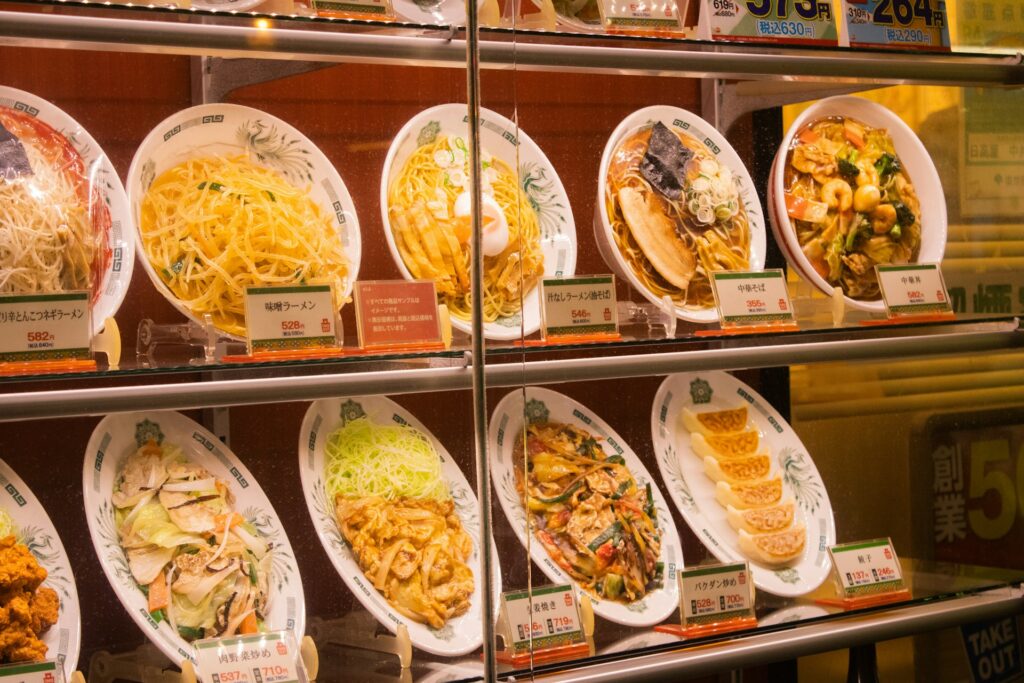
Quick Answer: Is it Hard to Be Vegan in Tokyo?
The short answer is: Yes and no. While Tokyo is undoubtedly a global culinary capital, navigating its food scene as a vegan, vegetarian, or someone with a gluten allergy (much like those following a Halal diet) requires serious preparation.
Over the past few years, the number of dedicated vegan restaurants in areas like Shinjuku, Shibuya, and Ueno has grown significantly. However, walking into a random Japanese restaurant and simply asking for a “meat-free” dish is highly risky. The language barrier combined with Japan’s unique culinary foundation means that hidden animal products—particularly fish broth—are in almost everything.
If you know exactly where to go or have a local expert guiding you, you will eat incredibly well. If you try to wing it, you might end up eating plain convenience store rice balls for dinner.
The Hidden Trap: Understanding “Dashi” (Fish Broth)
The biggest hurdle for vegans and vegetarians in Japan is Dashi. Dashi is a traditional Japanese soup stock, and its most common form is made from katsuobushi (dried bonito flakes/fish) and kelp. It is the core flavor profile of Japanese cuisine, providing the famous “umami.”
Here is what you need to know about the Dashi trap:
- It’s in almost everything: Miso soup, noodle broths (udon, soba, ramen), simmered vegetables, savory egg custards, and even dipping sauces typically contain fish dashi.
- “No meat” does not mean vegan: In Japan, the concept of “vegetarian” often leans towards pescatarian. If you point to a vegetable dish and ask if it has meat, the staff will honestly say “no,” completely forgetting that the sauce is fish-based.
- Language barriers: Explaining that you cannot eat fish extract, bonito flakes, or oyster sauce in a busy restaurant without speaking Japanese is highly stressful and often leads to miscommunication.
DIY vs. Guided Tour: Finding Vegan Food in Tokyo
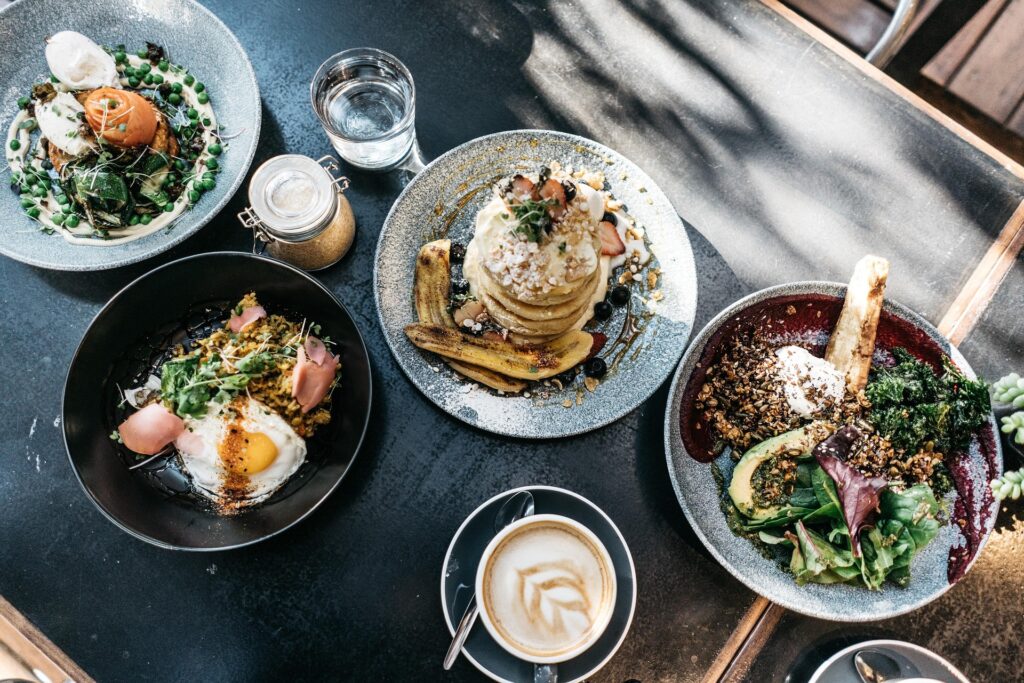
When planning your meals in Tokyo, you essentially have two options: doing it all yourself (DIY) or booking a specialized local food tour. Both are valid depending on your travel style, but understanding the trade-offs is crucial for a stress-free trip.
| Feature | DIY (Self-Guided) | Private Vegan Food Tour |
|---|---|---|
| Cost | Lower (just the cost of the food) | Higher (includes guide, planning, and food) |
| Stress Level | High (double-checking ingredients, navigating apps) | Zero (the guide handles all communication) |
| Hidden Ingredients Risk | Moderate to High (due to translation errors) | None (restaurants are pre-vetted) |
| Time Spent Searching | High (can take hours to find an open, accommodating spot) | None (itinerary is customized for you) |
| Cultural Insight | Minimal | Deep (learn about Japanese plant-based history like Shojin Ryori) |
If you are a budget backpacker with plenty of time, the DIY route is entirely possible with heavy reliance on translation apps and thorough pre-trip research. However, if you are on a shorter vacation, traveling with family, or simply want to experience authentic Japanese cuisine without the constant anxiety of accidentally consuming fish broth or gluten, hiring an English private tour guide is highly recommended.
Want to skip the stress and dive straight into the best plant-based food Tokyo has to offer? A customized private tour ensures every bite is 100% safe for your specific dietary needs, allowing you to taste authentic dishes you might never find on your own.
Check Availability: Tokyo Vegan & Vegetarian Plant-Based Private Food Tour
Top Vegan & Vegetarian Restaurants in Tokyo by Area
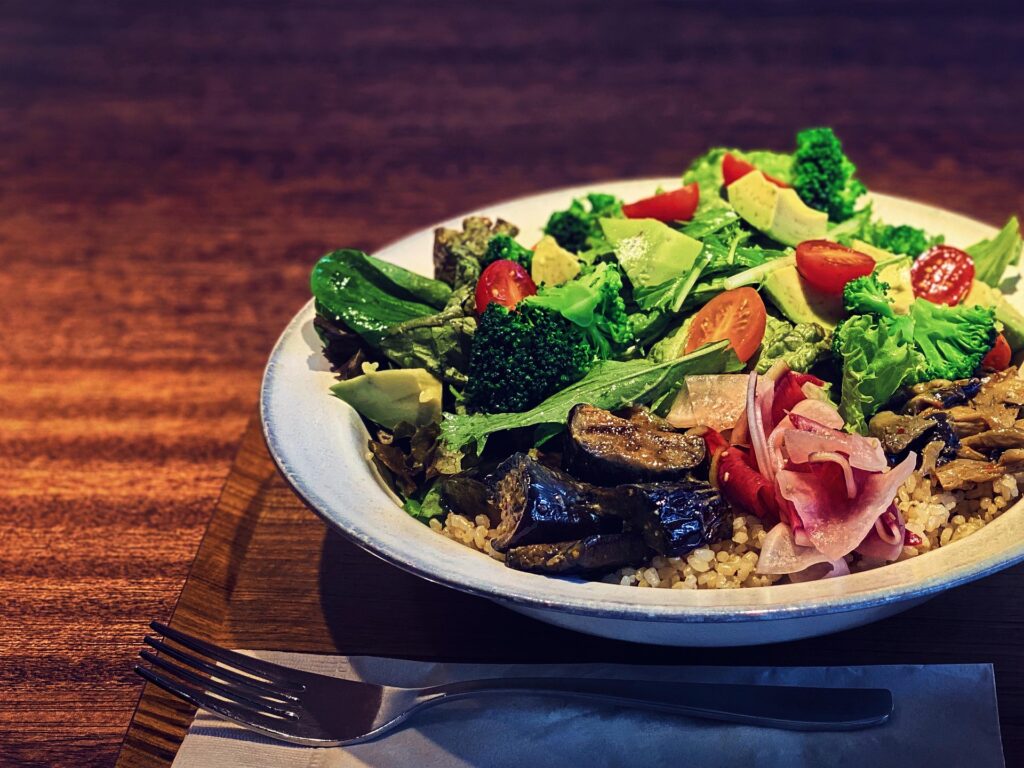
Finding a reliable spot requires knowing exactly where to look. While apps like HappyCow are essential in Japan, here is a curated look at major hubs where you can find guaranteed plant-based meals. Note: Operating hours and specific menus change frequently in Tokyo, so always verify on Google Maps or official websites before visiting.
Shinjuku: Best Vegan & Vegetarian Spots
Shinjuku is a massive entertainment district with a growing number of vegan options.
- Ain Soph. Journey Shinjuku: A pioneer in Tokyo’s vegan scene. They are famous for their heavenly vegan pancakes, but they also serve excellent savory dishes like curries and fusion Japanese plates. It is an entirely vegan establishment.
- CoCo Ichibanya (Select Shinjuku locations): A ubiquitous Japanese curry chain that offers a specific “Vegetarian Curry” menu. It is cheap, fast, and customizable. Just ensure you are ordering from the dedicated vegetarian menu, as their standard curries contain meat extracts.
Ueno & Tokyo Station: Vegan Ramen & Casual Eats
If you are exploring the traditional eastern side of Tokyo or catching a bullet train, you have excellent options.
- T’s Tantan (Ecute Ueno & Keiyo Street at Tokyo Station): This is arguably the most famous vegan ramen spot in Japan. They serve incredibly rich, sesame-based vegan Tantanmen (spicy noodle soup) with no animal products whatsoever. Keep in mind these locations are inside the station ticket gates (you need a valid train ticket or IC card to enter).
Shojin Ryori: Traditional Japanese Buddhist Cuisine
Before modern veganism existed, Japan had Shojin Ryori. Developed by Zen Buddhist monks, this traditional cuisine uses absolutely no animal products, focusing heavily on tofu, seasonal vegetables, and mountain greens. Dining at a Shojin Ryori restaurant (often found near major temples) is not just a meal; it is a profound cultural experience that every vegan visiting Japan should try at least once.
Navigating Tokyo Gluten-Free (The Soy Sauce Issue)
If you have Celiac disease or a severe gluten allergy, Tokyo presents an additional challenge: Soy Sauce (Shoyu). Almost all standard Japanese soy sauce is brewed with wheat. This means traditional sushi, teriyaki, and most marinades are off-limits unless specified.
To eat gluten-free in Tokyo, look for these keywords and strategies:
- Tamari (Gluten-Free Soy Sauce): Some high-end sushi restaurants or dedicated gluten-free spots carry Tamari. It is wise to carry small, travel-sized packets of your own gluten-free soy sauce just in case.
- Juwari Soba: Regular soba noodles usually contain wheat flour as a binder. You must specifically ask for Juwari Soba (100% buckwheat), which is naturally gluten-free. Just avoid the dipping sauce (Tsuyu) if it contains regular soy sauce.
- Komeko (Rice Flour): Japan has a strong rice culture, and bakeries or cafes using Komeko are becoming more popular for gluten-free sweets and breads.
Useful Japanese Phrases for Dietary Restrictions
Memorize these phrases or keep them saved on your phone to show restaurant staff:
- “Watashi wa vegan desu.” (I am vegan.) – Note: While becoming understood, you still need to be specific.
- “Niku to sakana wa taberaremasen.” (I cannot eat meat or fish.)
- “Dashi ya katsuobushi wa haitte imasu ka?” (Does this contain dashi broth or bonito flakes?)
- “Komugiko wa haitte imasu ka?” (Does this contain wheat/flour?)
Who Should Book a Private Vegan Food Tour?
Deciding how to tackle Tokyo’s food scene comes down to your priorities. A dedicated food tour is not for everyone, but for many, it is the highlight of their trip.
A private vegan food tour is NOT for you if:
- You are traveling on a very strict backpacker budget.
- You enjoy spending hours researching menus and translating ingredients on your phone.
- You are perfectly happy eating convenience store salads and plain rice if a restaurant hunt fails.
A private vegan food tour IS for you if:
- You have severe anxiety about accidentally consuming hidden animal products like fish broth (Dashi).
- You want to taste authentic, complex Japanese flavors (like ramen, sushi, or Shojin Ryori) that are guaranteed 100% plant-based or gluten-free.
- You have limited days in Tokyo and want to maximize your time eating, not wandering around looking for English menus.
- You want a local expert to explain the cultural history behind Japanese plant-based cuisine and act as a translator.
If you fit into the latter category, securing a local guide can transform your Tokyo culinary experience from stressful to unforgettable. Because it is a private tour, the itinerary and tastings are customized entirely to your specific dietary restrictions, whether you are a strict vegan, vegetarian, or gluten-free.
Book Your Customized Tokyo Vegan & Vegetarian Private Food Tour Here
FAQ About Vegan Food in Tokyo
Do regular Japanese restaurants have vegan menus?
Rarely. Traditional izakayas (Japanese pubs)—though fun to visit once you know their specific rules and etiquette—or sushi shops usually do not have separate vegan menus. Even simple vegetable dishes like edamame might sometimes be boiled in fish broth. You must actively ask about ingredients rather than assuming a dish is safe just because it looks plant-based.
Is soy sauce gluten-free in Japan?
No. Standard Japanese soy sauce (shoyu) contains roasted wheat. If you need gluten-free soy sauce, you must specifically look for or ask for “Tamari.”
What is the difference between vegan and vegetarian in Japan?
In Japan, the term “vegetarian” is often loosely understood and frequently includes pescatarians (people who eat fish). Many locals assume vegetarians still consume fish broth (dashi). “Vegan” is generally understood to mean no animal products at all, but explaining exactly what that entails (no honey, no dairy, no fish flakes) is still highly recommended to avoid mistakes.

Hi, I’m Kai. I’m a Tokyo-based travel writer, tourism industry insider, and the author of a published guidebook for international visitors to Japan. With over 10 years of professional experience at a leading Japanese tourism company, my mission is to help you skip the tourist traps and navigate Japan’s best destinations like a local. I believe the perfect day trip is like a traditional kaiseki meal: a beautiful balance of precise planning and unforgettable seasonal discovery. When I’m not out conducting field research, you’ll usually find me drafting new itineraries with one of my favorite fountain pens!