
Rain during your Okinawa trip does not mean you are stuck at the hotel. Even without a rental car, you can visit world-class aquariums, walk through massive limestone caves, browse covered markets, and spend hours in museums without building your whole day around the beach forecast.
This guide covers where to go in Okinawa when it rains, how to reach each spot without a car, and when it is worth booking a private tour instead of trying to connect buses in bad weather.
Quick Answer: What Should You Do in Okinawa When It Rains Without a Car?
If you are staying in Naha and want the easiest rainy day, stay close: combine the Okinawa Prefectural Museum, Makishi Public Market, covered shopping arcades, or DMM Kariyushi Aquarium. If this is your first Okinawa trip and you still want a major “I’m glad we came” experience, Okinawa Churaumi Aquarium is the strongest rainy-day choice, but the transport from Naha needs planning.
For families, groups, or travelers who dislike long wet transfers, my practical pick is a private northern Okinawa tour with Churaumi Aquarium. It is not the cheapest option, but it solves the hardest rainy-day problem: moving between far-apart sights without standing around at exposed bus stops.
| Rainy day option | Best for | Indoor coverage | Good without a car? | Travel effort from Naha | Ticket note |
|---|---|---|---|---|---|
| Okinawa Churaumi Aquarium | First-time visitors, families, marine life | High | Yes, with direct bus or tour | Long full-day outing | Check current admission and tour inclusions |
| Okinawa World & Gyokusendo Cave | Caves, culture, crafts | Medium to high | Possible, easier by tour or taxi | Moderate | Ticket packages vary; confirm before visiting |
| DMM Kariyushi Aquarium | Naha-area travelers, short rainy day plans | High | Yes | Easy — near Naha Airport area | Check current ticket platform and official hours |
| Okinawa Prefectural Museum & Art Museum | Culture, history, slow travel days | High | Yes | Easy — within Naha | Check exhibition schedule and closing days |
| Makishi Public Market | Food, short breaks, Kokusai Street area | Medium | Yes | Easy — on Kokusai Street | Free to enter; pay for food |
| Mihama American Village | Cafes, shopping, evening plans | Medium | Yes, by taxi, bus, or tour | Moderate | Free to enter; pay per activity |
For a broader no-car route, also see my Okinawa without a car itinerary guide and 3-day Okinawa itinerary without a car.
How to Get Around Okinawa in the Rain Without a Car
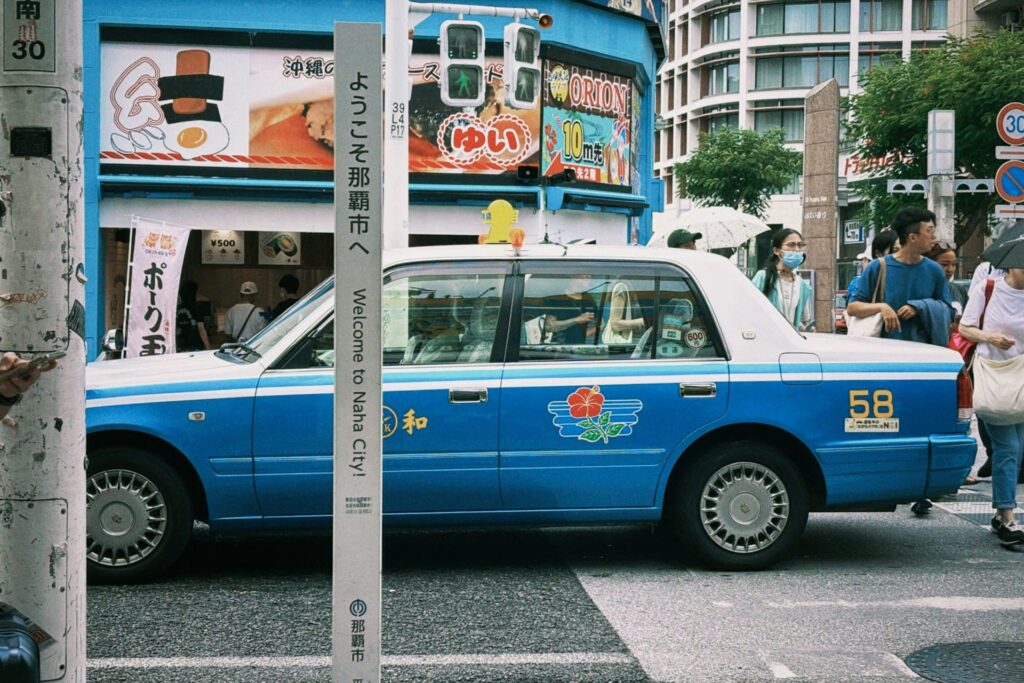
Rain changes how you move around Okinawa. A route that looks simple on a map can become frustrating when you are waiting at an uncovered bus stop, crossing a large parking lot in strong wind, or carrying a wet umbrella through a crowded station. The solution is not to avoid rain completely — it is to choose a transport method that matches the weather.
Yui Rail (Monorail) + Walking
The Yui Rail monorail is the most practical option for rainy day travel within Naha. It connects the airport, Kokusai Street, Shintoshin, and the Shuri Castle area. Stations are covered, trains are frequent by Okinawa standards, and you can reach Naha-based attractions like the Okinawa Prefectural Museum and Makishi Public Market without spending long periods outside.
The limitation is important: the monorail does not reach Churaumi Aquarium, Okinawa World, American Village, or most northern and central Okinawa attractions. For those, you need a bus, taxi, or tour.
Kai’s tip: The mistake I see travelers make is treating Okinawa like Tokyo or Osaka, where a train station usually solves the problem. In Okinawa, “near a bus stop” can still mean waiting in wind and rain with limited shelter. On wet days, I always tell readers to choose fewer stops and more direct transport, even if the map says a multi-bus route is technically possible.
Highway Bus or Direct Bus
If you want to reach Churaumi Aquarium from Naha without a car, a direct express-style bus is usually more realistic than stitching together local buses. It can work well in ordinary rain, but you still need to check the current timetable, boarding point, and last return option before committing to the day.
In heavy rain or strong wind, the bus itself is not the hard part. The harder part is the waiting, the walk between stops and entrances, and the risk that one missed connection turns the whole day into a transport problem. For more detail, read my Churaumi Aquarium tour from Naha guide.
Taxi or Ride-Share
Taxis are useful for short distances around Naha and southern Okinawa, especially when you want to avoid walking with luggage or children in rain. They make sense for airport-area attractions, hotels around Kokusai Street, and short hops between indoor stops.
For northern Okinawa, a regular point-to-point taxi can become expensive quickly. If you want Churaumi Aquarium, Kouri Island, Cape Manzamo, or American Village in one day, compare the cost and comfort of a private tour before assuming a taxi will be simpler.
Private Tour or Sightseeing Bus
A tour is often the most comfortable rainy day option if you want to visit northern or central Okinawa without a car. The main advantage is not that every stop is indoors. The advantage is that you reduce wet transfers, avoid navigating unfamiliar roads, and let someone else handle long-distance driving in slippery conditions.
Before booking a tour for a rainy day, check these three points:
- Pickup location — Is it from your hotel, cruise port, or a nearby meeting point?
- Admission inclusions — Does the tour include Churaumi Aquarium or Okinawa World tickets, or do you pay separately on site?
- Severe weather policy — What happens if a typhoon warning is issued? Can you cancel or reschedule?
For hotel planning, my Okinawa hotel area guide explains why your base matters so much when you do not have a car.
Best Indoor Activities in Okinawa for Rainy Days

The best rainy day choice depends on how much travel time you are willing to accept. If you want a short and easy day, stay around Naha or southern Okinawa. If you want a major Okinawa experience, even a rainy trip to Churaumi Aquarium can be worth the journey.
1. Okinawa Churaumi Aquarium
Okinawa Churaumi Aquarium is one of the strongest rainy day choices because the main experience is indoors and substantial enough to justify a full-day plan. Located in Ocean Expo Park in Motobu, the aquarium’s highlight is the Kuroshio Sea tank, where whale sharks, manta rays, and other large marine species move through a huge viewing space.
Beyond the main tank, the aquarium offers coral reef displays, deep-sea exhibits, and enough indoor areas to fill several hours without feeling like you settled for a backup plan.
- Best for: First-time visitors, families, couples, and anyone who wants a major Okinawa attraction that still works in the rain.
- Skip if: You are short on time, staying only in Naha, or unwilling to spend a large part of the day on transport.
- Rainy day advantage: The main aquarium is indoors. Ordinary rain does not ruin the core experience.
- Watch out for: The long journey from Naha, potential crowding on rainy days, and temporary closures during severe weather.
- Without a car: Use a direct express-style bus, a highway bus from Naha Bus Terminal, or a tour that includes pickup. Avoid combining multiple local buses in heavy rain.
Ticket and hours note: Admission prices, hours, and closing information can change, especially around holidays or severe weather. Check the official Churaumi Aquarium page before heading north.
2. Okinawa World & Gyokusendo Cave
Okinawa World is a strong rainy day option in southern Okinawa, especially if you prefer culture and nature over another aquarium. The main draw is Gyokusendo Cave, a long limestone cave route with illuminated stalactites, underground pools, and dramatic rock formations.
The cave path is protected from rain, though it can be damp underfoot. Wear shoes with good grip. Above ground, Okinawa World includes cultural craft areas, shops, performances, and food. Some parts are indoors or covered, while others require short walks between buildings.
Kai’s tip: What catches people out at cave attractions is not the rain outside, but the floor underfoot. Smooth soles, flip-flops, and rushing for photos are a bad combination on damp cave paths. I would treat Gyokusendo as a slow walk, not a place to squeeze between two tight bus connections.
- Best for: Travelers interested in caves, Ryukyu culture, hands-on crafts, and a southern Okinawa plan.
- Skip if: You have mobility issues with uneven cave surfaces, or you prefer completely indoor attractions without outdoor connecting areas.
- Rainy day advantage: The cave is largely protected from weather and stays cooler than outside.
- Watch out for: Slippery cave paths, outdoor sections between buildings, and variable ticket packages.
- Without a car: Possible by bus from Naha, but usually easier and more comfortable with a tour or taxi.
Ticket and hours note: Okinawa World ticket packages and operating hours may change. Always check the official Okinawa World website for current hours and ticket options.
3. DMM Kariyushi Aquarium
DMM Kariyushi Aquarium is one of the easiest rainy day choices if you are staying in Naha, near the airport, or in southern Okinawa. Located inside iias Okinawa Toyosaki shopping complex, it combines marine life displays with digital art projections, interactive lighting, and modern visual effects.
This is not the same type of destination aquarium as Churaumi. It is smaller, more modern, and easier to pair with shopping, cafes, and a relaxed indoor afternoon.
- Best for: Naha-based travelers, families with young children, airport-area stays, and short rainy day plans.
- Skip if: You are looking for a large-scale aquarium experience with whale sharks and massive tanks — choose Churaumi instead.
- Rainy day advantage: Fully indoors inside a shopping complex. Easy to combine with lunch, coffee, and covered shopping.
- Watch out for: Smaller than Churaumi. Ticket prices and conditions can vary by booking platform.
- Without a car: Very easy by taxi from central Naha or by bus from the airport area. Check current routes before departure.
Ticket and hours note: Prices and hours may vary by date and booking platform. Check the official DMM Kariyushi Aquarium page before visiting.
4. Okinawa Prefectural Museum & Art Museum
If you want a rainy day plan that stays within Naha, the Okinawa Prefectural Museum and Art Museum is one of the most practical choices. It offers a deep look into Okinawa’s natural history, Ryukyu culture, traditional crafts, and modern art under one roof.
This is a good option for a slower travel day. It is not as dramatic as Churaumi or Gyokusendo Cave, but it is easy to reach, easy to schedule, and unaffected by bad weather.
- Best for: Culture and history lovers, travelers who want to understand Okinawa beyond the beaches, and anyone looking for a calm indoor day.
- Skip if: You prefer interactive or visual-heavy attractions, or you have limited time and want one “wow” experience.
- Rainy day advantage: Fully indoors and located in central Naha. Works well without a car.
- Watch out for: Closing days and special exhibition schedules.
- Without a car: Take the Yui Rail to Omoromachi Station, then walk when the weather allows.
Ticket and hours note: Admission, exhibitions, and closing days can change. For current exhibitions and schedules, visit the official museum website.
5. Makishi Public Market
Makishi Public Market is a useful rainy day stop if you are already around Kokusai Street. It works best as a food-focused break rather than a full-day attraction. The market area is good for fresh seafood, local ingredients, Okinawan snacks, and casual meals.
- Best for: Food lovers, short breaks, and travelers staying near Kokusai Street or Naha.
- Skip if: You are looking for a sit-down museum or an indoor attraction that fills more than an hour.
- Rainy day advantage: Covered market and nearby arcades. Easy to combine with Naha shopping streets and the Yui Rail.
- Watch out for: The surrounding streets can still be wet and crowded. Bring a compact umbrella.
- Without a car: Very easy. Walk from Makishi Station or from any Kokusai Street hotel.
Food-focused travelers may also like my Okinawa food guide for Naha.
6. Mihama American Village
Mihama American Village in Chatan is a popular rainy day backup because it offers restaurants, cafes, shops, arcades, and entertainment in one area. It is not fully indoors, but many sections have covered walkways, indoor shops, and places to wait out a shower.
This is a better choice for eating, shopping, and relaxed evening plans than for serious sightseeing. On a rainy day, do not expect perfect ocean views or sunset photos. Treat it as a flexible stop for food, souvenirs, and comfort when beach plans are off the table.
- Best for: Cafes, casual dining, shopping, couples, families, and evening plans.
- Skip if: You want a fully indoor experience or your main goal is sightseeing rather than shopping.
- Rainy day advantage: Plenty of covered areas and indoor shops. Easy to duck between buildings.
- Watch out for: Not completely covered. Strong wind can make moving between buildings uncomfortable.
- Without a car: Reachable by taxi or bus from Naha, depending on your starting point. Many sightseeing tours include it as a stop.
Rainy Day Okinawa Itineraries Without a Car
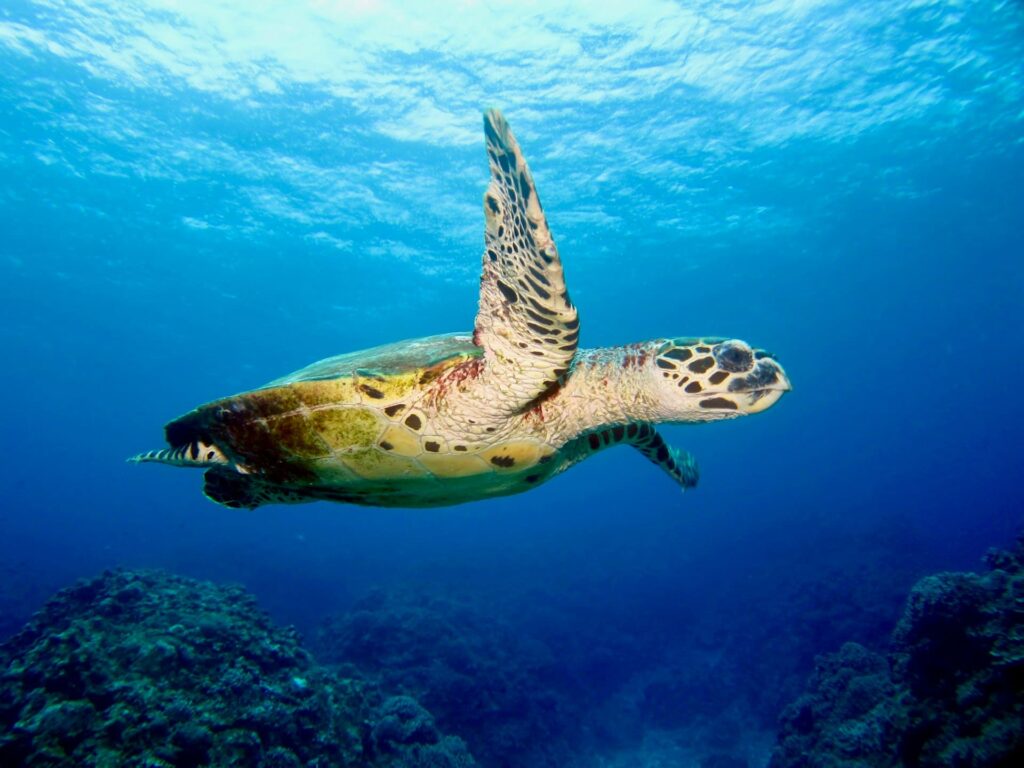
The best rainy day plan depends on where you are staying and how much travel time you want to commit. Here are three realistic options that do not require a rental car.
Kai’s tip: If I had one rainy day in Okinawa without a car, I would decide the transport first and the attractions second. That sounds backward, but it prevents the classic mistake of choosing three good places that are awkward to connect in wet weather. A simple Naha day often beats an ambitious day spent chasing buses.
Option 1: Easy Naha Day — Zero Long-Distance Travel
Best for: Travelers staying in Naha who want to stay dry and keep logistics simple.
| Part of day | Activity |
|---|---|
| Morning | Okinawa Prefectural Museum & Art Museum near Omoromachi |
| Lunch | Makishi Public Market or a covered arcade near Kokusai Street |
| Afternoon | Covered shopping streets, souvenir shops, and a cafe break |
| Evening | Dinner near the monorail line so you are not stuck walking far in rain |
Transport: Yui Rail + walking. No long-distance bus needed.
Option 2: Southern Okinawa — Caves & Indoor Aquarium
Best for: Travelers based in Naha or southern Okinawa who want a mix of indoor and covered activities.
| Part of day | Activity |
|---|---|
| Morning | Okinawa World — explore Gyokusendo Cave and the cultural areas |
| Lunch | Eat at Okinawa World or choose a nearby restaurant depending on your route |
| Afternoon | DMM Kariyushi Aquarium at iias Okinawa Toyosaki, with shopping and cafes |
| Evening | Return to Naha for dinner |
Transport: A taxi, private tour, or carefully planned bus route works best. Okinawa World and DMM Kariyushi Aquarium are not side-by-side, so check the route before assuming this will be easy by public bus in rain.
Option 3: Northern Okinawa — Churaumi Aquarium by Tour or Bus
Best for: First-time visitors who want Okinawa’s top aquarium even in the rain.
| Part of day | Activity |
|---|---|
| Morning | Depart Naha early by direct bus or tour pickup |
| Late morning | Okinawa Churaumi Aquarium — allow several relaxed hours indoors |
| Lunch | Eat around Ocean Expo Park or the aquarium area |
| Afternoon | If weather improves, add nearby stops. If rain is heavy, keep the day simple and return comfortably |
| Evening | Dinner and rest in Naha |
Transport: Use a direct express-style bus or an organized tour with pickup. Avoid combining multiple local buses in heavy rain.
My Rainy-Day Pick for Northern Okinawa: Private Tour with Churaumi
If you are traveling as a couple, family, or small group and want Churaumi Aquarium plus northern Okinawa without renting a car, this is the point where I would seriously compare a private tour against the DIY bus route.
Why I’d book this one:
- It solves the wet-transfer problem. On a rainy day, the comfort difference between hotel pickup and multiple bus waits is huge.
- It keeps the route flexible. Outdoor stops like Cape Manzamo, Kouri Island, and American Village can be adjusted around rain, wind, and visibility.
- Reviewers consistently mention the guide and logistics. Recent traveler reviews highlight flexible planning, helpful English communication, and smooth pickup, including trips where rain affected the day.
Check availability for the private Okinawa tour with Churaumi, Kouri Island and hotel pickup →
| Option | Best for | Main upside | Main trade-off | Cost note |
|---|---|---|---|---|
| Private tour | Families, couples, groups, rainy days | Pickup, flexibility, fewer wet transfers | Higher cost than public transport | Check current price and inclusions |
| Sightseeing bus tour | Budget-minded travelers who still want structure | Lower cost than private tour | Fixed route and timing | Check ticket and admission rules |
| DIY direct bus | Solo travelers prioritizing cost | Cheapest if you only want the aquarium | Longer, less flexible, more weather exposure | Check current timetable and fares |
Should You Book a Tour Instead of Driving?
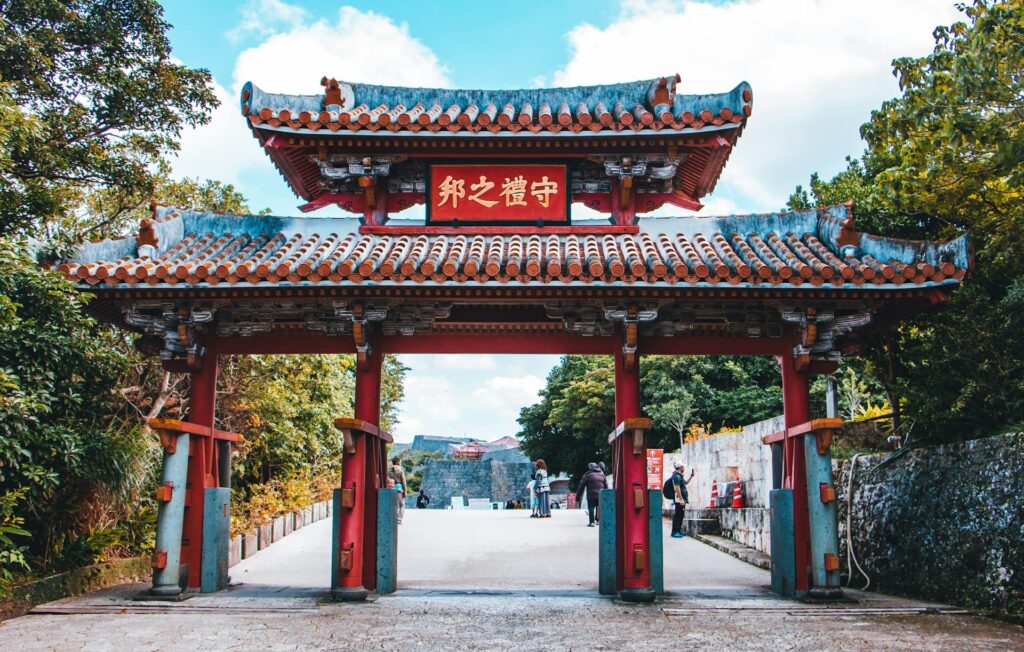
A tour can be worth it on a rainy day if your main problem is transportation. This is especially true if you are planning to visit northern Okinawa — Churaumi Aquarium, Cape Manzamo, Kouri Island, or American Village — without a rental car.
The key is choosing the right type of tour:
- Sightseeing bus tour — More affordable, but less flexible. Stops and timing are fixed. You may share the vehicle with other travelers.
- Private car tour with driver-guide — More comfortable in bad weather. Flexible pickup, adjustable timing, and fewer wet transfers. However, it does not make every outdoor stop weatherproof.
Based on the public traveler reviews for the private northern Okinawa tour linked in this guide, the strongest recurring themes are flexible route planning, helpful communication in English, smooth pickup, and guides who adjust the day around weather or traveler needs. I would treat those points as especially relevant for rainy days, because the value of a private tour is not just “more sightseeing.” It is the ability to remove friction when conditions are not ideal.
Be realistic about outdoor stops. Cape Manzamo and Kouri Island can still be windy, wet, and less photogenic in the rain. The value of a tour on a rainy day is not perfect sightseeing conditions. The value is easier transport, fewer wet transfers, and less stress on unfamiliar roads.
Before booking, check these details carefully:
- Whether pickup is available from your hotel, cruise port, or nearby meeting point
- Whether Churaumi Aquarium admission is included or paid separately on site
- Whether the itinerary uses a private vehicle or a shared sightseeing bus
- What happens if a typhoon warning or severe weather is issued
- How much time is actually spent at indoor vs. outdoor stops
If the tour matches your location, budget, and the day’s forecast, it can be one of the easiest ways to save a rainy Okinawa day without renting a car.
What to Know Before Visiting Okinawa in the Rain
Rainy Season & Typhoon Season
Okinawa’s rainy season typically runs from mid-May to late June. It does not mean every day is ruined, but it does mean you should build flexibility into your itinerary. Avoid scheduling all beach and snorkeling activities on consecutive days with no backup plan.
Typhoons can affect Okinawa from summer into early fall. During severe weather, attractions may close, ferries may stop, flights may be delayed, and tours may be canceled. Do not treat a typhoon warning like ordinary rain. If a typhoon is approaching, check official updates from attraction websites, your airline, and your tour operator before leaving your accommodation.
For a full breakdown of seasonal weather patterns, see our best time to visit Okinawa weather guide. If your rainy-day backup involves islands, also read my Okinawa ferry cancellation warning.
What to Wear & Bring
- Footwear: Wear shoes with good grip, especially for Gyokusendo Cave, wet parking areas, and waterfront districts. Avoid open sandals on rainy days.
- Rain jacket over umbrella: A compact rain jacket is more useful than relying only on an umbrella in windy Okinawa weather. Strong gusts can break or flip umbrellas easily.
- Dry bag or zip pouch: Keep your phone, wallet, and any paper tickets dry. This matters most on long bus rides and cave walks.
- Spare socks: If your feet do get wet, a dry pair of socks in your day bag makes a big difference.
Kai’s tip: I always tell readers to pack for wind, not just rain. In Okinawa, an umbrella can be awkward near waterfronts, exposed bus stops, and large parking areas. A light rain shell plus shoes with grip will usually make the day feel much less miserable.
Tickets & Opening Hours
Always check opening hours and ticket rules before traveling long distances. This matters most for:
- Okinawa Churaumi Aquarium — Check for temporary closures during severe weather
- Okinawa World — Ticket packages vary; confirm which areas are included
- Okinawa Prefectural Museum & Art Museum — Check closing days and exhibition schedules
- Any tour — Confirm whether attraction admission is included or paid separately
Frequently Asked Questions
Is Okinawa worth visiting in the rainy season?
Yes. Okinawa can still be enjoyable in the rainy season if you plan around indoor attractions and keep your schedule flexible. Aquariums, caves, museums, markets, and covered shopping areas work well even when the weather is poor. The main trade-off is losing some beach, snorkeling, and island-hopping time.
What is the best indoor activity in Okinawa for a rainy day?
For most first-time visitors, Okinawa Churaumi Aquarium is the strongest choice because the main experience is indoors and substantial enough to justify the journey. If you are staying in Naha and want something closer, DMM Kariyushi Aquarium or the Okinawa Prefectural Museum & Art Museum are more practical options.
Are tours canceled when it rains in Okinawa?
Most tours still operate in ordinary rain. Severe weather — typhoon warnings, dangerous wind conditions, road closures, or official safety restrictions — is different. In those cases, tours may be canceled or rescheduled. Always read the operator’s cancellation policy and check your messages before departure.
What indoor activities in Okinawa are good for families with kids?
Okinawa Churaumi Aquarium and DMM Kariyushi Aquarium are both family-friendly and mostly indoor. Churaumi has large tanks that captivate children, while DMM Kariyushi offers interactive digital displays and a simpler Naha-area plan. For a shorter stop, Makishi Public Market is entertaining for older kids who enjoy food.
Can I visit Okinawa without a car and still enjoy rainy day activities?
Yes. Within Naha, the Yui Rail and walking give you access to museums, markets, and covered shopping streets. For Churaumi Aquarium or Okinawa World, use direct buses, taxis, or guided tours. The key is to minimize wet transfers by choosing direct transport rather than multiple connecting buses.
Is a private tour worth it for rainy Okinawa?
A private tour can be worth it if you want to visit northern Okinawa without renting a car, especially with children, older travelers, luggage, or a group. It is not automatically the cheapest option, but it can reduce wet transfers, simplify pickup, and make it easier to adjust outdoor stops around the forecast.
Final Verdict
The best rainy day plan depends on where you are staying and how much travel you are willing to accept.
Choose a Naha-based day if: You want the easiest logistics. Visit DMM Kariyushi Aquarium, the Prefectural Museum, Makishi Market, or covered shopping arcades — all reachable by monorail, walking, or short taxi ride.
Choose Churaumi Aquarium if: This is your first Okinawa trip and you still want a major attraction. The journey from Naha takes effort, but the indoor experience is substantial enough to make the trip worthwhile in ordinary rain.
Choose a private tour if: You do not have a rental car and want to visit northern or central Okinawa without the stress of wet bus transfers and unfamiliar roads. This is the option I would compare first for families, couples, cruise passengers, and small groups who value comfort over the lowest possible cost.
Check availability for the private Okinawa tour and confirm pickup, inclusions and weather policy →
For families: DMM Kariyushi Aquarium is the easy choice, while Churaumi Aquarium is the bigger experience. Pair Churaumi with a private or guided northern route if you want to reduce transit stress.
For solo or budget travelers: Stick with Naha-based options using the Yui Rail, or take a direct bus to Churaumi if you are comfortable with a long travel day. The museum and market combo costs little and keeps the day simple.
The bottom line: rain in Okinawa does not mean a lost day. Choose the right indoor spot, plan your transport carefully, and you can still leave with good memories — even if the beach has to wait.

Hi, I’m Kai. I’m a Tokyo-based travel writer, tourism industry insider, and the author of a published guidebook for international visitors to Japan. With over 10 years of professional experience at a leading Japanese tourism company, my mission is to help you skip the tourist traps and navigate Japan’s best destinations like a local. I believe the perfect day trip is like a traditional kaiseki meal: a beautiful balance of precise planning and unforgettable seasonal discovery. When I’m not out conducting field research, you’ll usually find me drafting new itineraries with one of my favorite fountain pens!