
Planning a trip to the Kerama Islands but worried about an Okinawa ferry cancellation? Your concern is realistic. Ferries to Zamami, Aka, and Tokashiki can be canceled because of strong wind, high waves, or rough sea conditions, even when the sky in Naha looks sunny.
The biggest mistake is treating the ferry like a guaranteed airport transfer. If you are staying on Zamami or Tokashiki, a same-day return to Naha before your flight can become risky because the final sailing decision may not be clear until the morning of departure.
Quick answer: Do not plan to return from Zamami or Tokashiki to Naha on the same day as your flight. Build in at least one buffer night on Okinawa Main Island before flying out. If you do not have that buffer, skip the Kerama ferry and choose a main-island itinerary instead.
This matters most during typhoon season, winter north-wind periods, and any forecast showing high waves or strong wind. The sky can look calm in Naha while the offshore route is still unsafe for high-speed boats.
- Best rule: Return to Naha at least one day before your flight.
- Most important check: Official ferry status around 8:00 AM on the day of travel.
- Biggest weather trap: Sunny skies do not mean calm seas.
- Highest-risk boat type: High-speed boats are usually more vulnerable to rough sea conditions than larger ferries.
- Safest choice with no buffer: Skip the island ferry and choose a main-island itinerary instead.
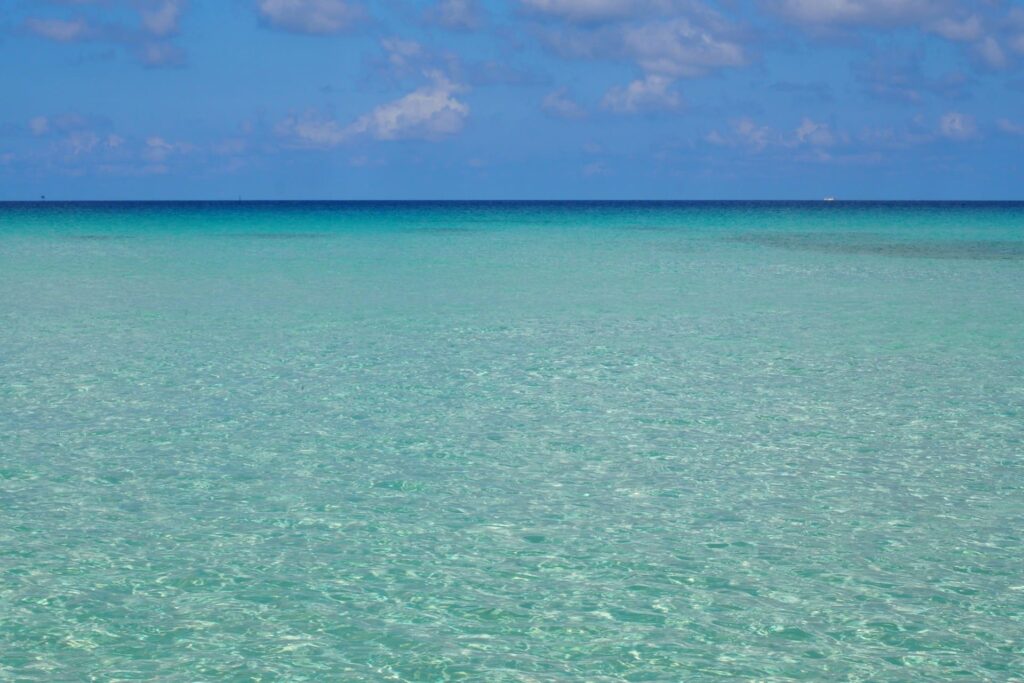
How the Kerama Island Ferries Work
Two separate village-owned ferry systems connect Naha to the Kerama Islands. Each operates its own high-speed boat and a slower, more stable car ferry. Knowing the difference helps you understand your cancellation risk.
Zamami Village Ferries: Zamami & Aka Islands
Queen Zamami is the high-speed boat between Naha and Zamami Village. It is fast and convenient, but it is also more exposed to rough-sea cancellations. Ferry Zamami is the larger passenger ferry. It usually feels more stable, but it is still subject to weather cancellations, schedule changes, and full bookings.
- Typical travel time: Queen Zamami is usually under 1 hour to Zamami; Ferry Zamami is usually around 2 hours.
- Fares: Check the official reservation page before booking, because fares and ticket rules can change.
- Online booking: Available in advance via the Zamami Village reservation page.
- Phone: +81 98-868-4567. Check the official site for current reception hours and language support.
- Visitor tax: A small environmental/visitor tax may be collected at boarding. Check the current rule when booking.
Tokashiki Village Ferries: Tokashiki Island
Marine Liner Tokashiki is the high-speed boat between Naha and Tokashiki. Ferry Tokashiki is the slower car ferry. Both depart from Tomari Port, and the car ferry can carry vehicles only when properly reserved in advance.
- Typical travel time: Marine Liner Tokashiki is usually around 40 minutes; Ferry Tokashiki is usually around 70 minutes.
- Fares: Check the official Tokashiki ferry portal before booking, because fares and ticket rules can change.
- Online booking: Available in advance via the Tokashiki Ferry portal.
- Phone: +81 98-868-7541. Check the official site for current reception hours.
- Visitor tax: A small environmental/visitor tax may be collected at boarding. Check the current rule when booking.
All ferries depart from Tomari Port, also called Tomarin, in Naha. The terminal is about a 10-minute walk from Miebashi Station on the Yui Monorail. Paid parking is available underneath the terminal, but it can fill early during busy periods.
Kai’s tip: The mistake I see travelers make is arriving at Tomari Port as if it were a train station. Ferry counters, piers, check-in rules, and boarding areas are route-specific, so give yourself extra time the first time you use the terminal. I always tell readers to confirm both the boat name and the pier before relaxing with coffee or breakfast.
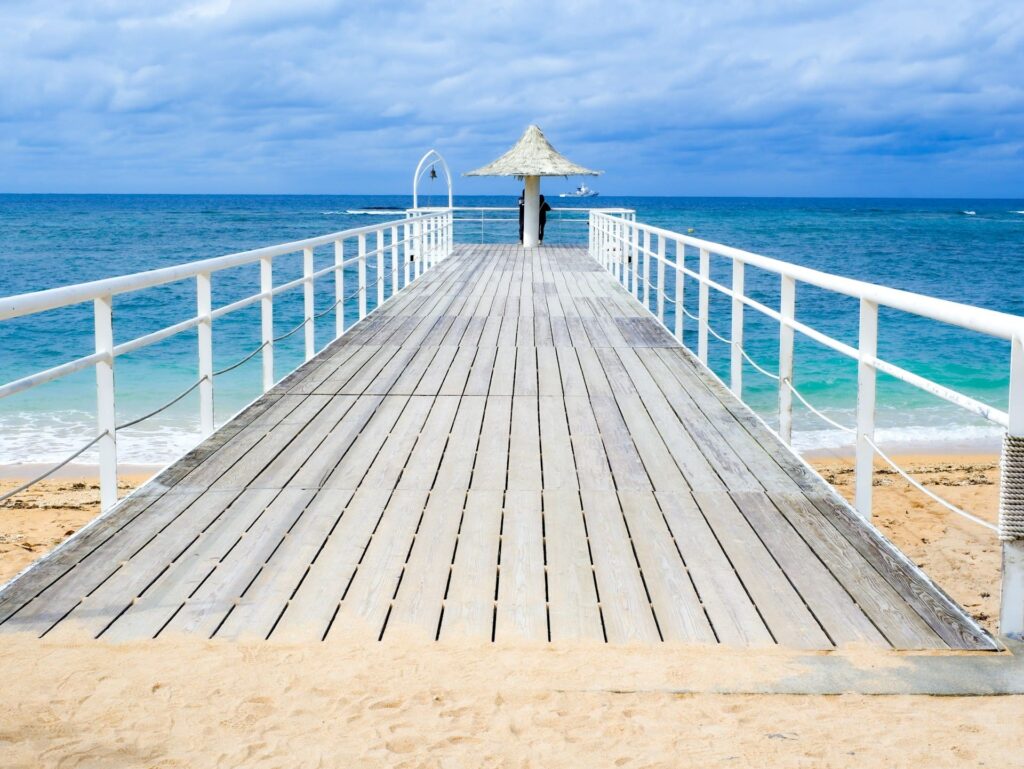
Can an Okinawa Ferry Cancellation Leave You Stranded?
Yes. If ferries stop running, you may have to stay on the island until sea conditions improve. Zamami, Aka, and Tokashiki are not connected to Okinawa Main Island by bridge, and there are no regular tourist flights from these islands back to Naha.
The Zamami Village Tourism Association states that boats between Naha and Zamami Village may be canceled because of adverse weather conditions such as strong wind and high waves. The decision is made each morning around 8:00 AM for that day, and it can be difficult to predict whether boats will depart until the actual day of departure.
For Tokashiki, the village’s English visitor information says travelers should check sailing status at 8:00 AM on the day of travel and pay close attention to rough-wave cancellation guidance.
What Wave Height Cancels Okinawa Ferries?
Wave height is often more important than rain. A ferry can be canceled on a bright day if offshore swells or strong winds make the route unsafe.
For Tokashiki, the official English guidance gives specific rough-wave thresholds for Marine Liner Tokashiki and Ferry Tokashiki. For Zamami, the official tourism information confirms cancellations due to strong wind and high waves, but travelers should not assume the same fixed English thresholds apply to every route or boat type. Always treat the official same-day status as the final answer.
Kai’s tip: What catches people out is reading only the rain forecast. For Kerama ferry planning, I look at wind, wave height, and whether there is distant swell from a typhoon system. Even if you do not understand every marine-weather term, a forecast showing higher waves should change how close you place the ferry to your flight.
| Ferry or Route | Typical Travel Time | Fare Check | Cancellation Trigger to Watch | 8:00 AM Check Needed? | Flight-Day Risk | Best For |
|---|---|---|---|---|---|---|
| Queen Zamami high-speed boat | Usually under 1 hour from Naha to Zamami | Confirm on the official Zamami reservation page | Strong wind, high waves, rough seas, and same-day schedule changes | Yes | Avoid for same-day flight returns | Travelers with a buffer night in Naha |
| Ferry Zamami passenger ferry | Usually around 2 hours from Naha to Zamami | Confirm on the official Zamami reservation page | Strong wind, high waves, schedule changes, and full bookings | Yes | Still risky without a buffer | Travelers who can return to Naha one day early |
| Marine Liner Tokashiki high-speed boat | Usually around 40 minutes from Naha to Tokashiki | Confirm on the official Tokashiki ferry portal | Official rough-wave guidance, strong wind, and same-day status updates | Yes | Avoid for same-day flight returns | Day trips or overnight stays with a flexible schedule |
| Ferry Tokashiki car ferry | Usually around 70 minutes from Naha to Tokashiki | Confirm on the official Tokashiki ferry portal | Official rough-wave guidance, strong wind, and vehicle/seat availability | Yes | Safer than high-speed, but not guaranteed | Travelers with a backup plan and enough time |
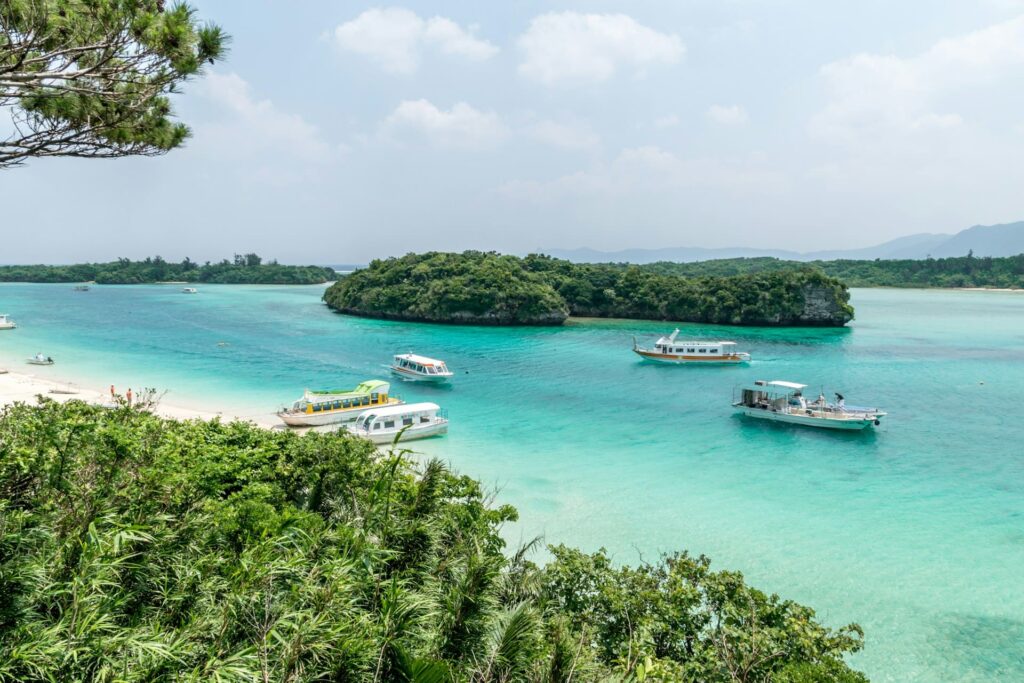
Why Can Ferries Be Canceled on a Sunny Day?
A common Okinawa travel mistake is looking out of a hotel window in Naha, seeing blue sky, and assuming the ferry will operate. That can be wrong. Ferry safety depends on sea conditions along the route, not just the weather above the city.
Rough-sea conditions can be caused by distant typhoons, seasonal northerly winds, offshore swells, or changing wind direction around the Kerama Islands. Understanding the best time to visit Okinawa can help you anticipate when these weather patterns and typhoons are most likely to disrupt your travel. This is why an Okinawa high speed boat rough sea warning can matter even when there is no heavy rain in Naha.
The practical lesson is simple: check the official ferry status first, then decide whether to go to Tomari Port. Do not rely only on a general weather app, hotel-window visibility, or the fact that your beach day still looks possible.
Kai’s tip: If I had one day and a flight the next morning, I would not gamble that day on an offshore ferry. I would keep the Keramas for a trip with more slack and use the main island for a predictable final day. Okinawa has enough good coastal scenery that you do not need to force an island ferry into the wrong schedule.
Should You Return to Naha on Your Flight Day?
No. If you are staying overnight on Zamami, Aka, or Tokashiki, you should not schedule your ferry return to Naha on the same day as your flight from Okinawa.
A same-day return creates a chain reaction. If the morning ferry is canceled, delayed, fully booked, or changed, you may lose the only realistic route back to Naha Airport in time. Even if a larger ferry still operates after a high-speed boat cancellation, seats can disappear quickly because many other passengers will be trying to switch at the same time.
The safer plan is to treat your final night in Okinawa as a main-island night. Return to Naha at least one day before your flight, keep your airport transfer simple, and use the final day for places that are not dependent on ferry operations. If you are building a wider schedule without renting a car, this Okinawa 3-day itinerary without a car can help you choose more predictable main-island days.
Seasonal Risk at a Glance
| Season | Months | Primary Risk | Cancellation Likelihood | Travel Advice |
|---|---|---|---|---|
| Calm season | April – June | Generally milder conditions, though rough seas can still happen. | Lower | Still keep 1 buffer night. Book early around Golden Week. |
| Typhoon season | July – October | Direct typhoon hits, distant swell, and sudden schedule disruption. | Moderate to High | Strongly consider 2 buffer nights. Monitor forecasts several days ahead. |
| Winter north wind | November – February | Strong northerly winds can create rough seas even on sunny days. | Moderate | High-speed boats may be affected first. Larger ferries are not guaranteed. |
| Whale watching peak | January – March | Winter winds combined with higher demand for ferry seats and lodging. | Moderate | Book ferries and accommodation well in advance. |
How to Book a Kerama Island Ferry
Booking in advance is recommended year-round and essential during peak seasons. Here is what you need to know for each route.
Zamami: Queen Zamami & Ferry Zamami
- Online: Book through the Zamami Village reservation system. Check the official page for the current booking window and ticket rules.
- By phone: Call +81 98-868-4567. Confirm current hours and language support before relying on phone booking.
- Walk-up: Unreserved seats may be available on a first-come basis, but during Golden Week, summer holidays, and Obon, many sailings can sell out.
- Payment: Check the official page for current online and counter payment options.
Tokashiki: Marine Liner Tokashiki & Ferry Tokashiki
- Online: Book via the Tokashiki Ferry portal. Check the official page for the current booking window, purchase deadline, and check-in rules.
- By phone: Call +81 98-868-7541. Confirm current hours and language support before relying on phone booking.
- Walk-up: Available at the Tokashiki counter inside Tomari Port terminal when seats remain.
- Vehicle reservations: Required in advance. Do not assume you can bring a rental car without a confirmed vehicle booking.
Cancellation & Refund Policy
| Route | Weather Cancellation | Voluntary Cancellation | Refund Timeline |
|---|---|---|---|
| Zamami | Weather-canceled services may be refunded or handled according to the official reservation rules. | Rules and fees can vary. Check the official reservation page before booking. | Refund speed depends on payment method and card issuer. |
| Tokashiki | Suspended services and linked reservations may be handled automatically according to the official ferry rules. | Rules and fees can vary. Check the official portal before booking. | Refund speed depends on payment method and card issuer. |
Important: If you booked a round trip and your outbound ferry is canceled, do not assume your return reservation is still valid. Check the official portal or contact the reservation center before rebooking hotels, tours, or flights.
What to Do If Your Ferry Is Canceled
If your ferry is canceled while you are still in Naha, do not go to Tomari Port just to “see what happens.” First, check the official ferry status, then decide whether to rebook, change your itinerary, or stay on Okinawa Main Island for the day. If the cancellation is due to a passing storm, having a backup list of things to do in Okinawa when it rains can help you easily salvage your schedule.
If you are already on Zamami, Aka, or Tokashiki, speak with your accommodation as soon as the cancellation is confirmed. You may need an extra night, and other travelers will be trying to do the same thing at the same time.
- Check the official status first: Use the Zamami Village boat status page or the Tokashiki official ferry information, not only a general weather app.
- Do not assume another boat will save the day: A larger ferry may operate when a high-speed boat is canceled, but seats can sell out quickly because many other passengers will be trying to switch at the same time.
- Protect your flight: If your departure from Okinawa is close, prioritize returning to Naha as early as possible, even if it means paying for a last-minute accommodation on the main island.
- Keep cash and essentials ready: Small islands and beach areas may have limited ATM access. Bring enough cash from Naha for meals, taxis, accommodation changes, and emergency ferry tickets.
- Contact your hotel and airline early: If you are likely to miss a flight, changing plans early is usually better than waiting until the last minute.
Kai’s tip: The first hour after a cancellation is when useful options disappear fastest. I always tell readers to contact their accommodation before searching social media or waiting in a long counter line. A local hotel or guesthouse usually knows whether extra rooms, port transfers, or alternative sailings are realistically available that day.
Who Should Skip the Kerama Ferry?
An island ferry trip can be worth it if you have enough flexibility. The problem is not the ferry itself — it is booking it too close to a flight, a cruise departure, or a prepaid hotel transfer that cannot be changed.
You should consider skipping the Kerama ferry and staying on Okinawa Main Island if any of these apply:
- You fly out of Naha on the same day you planned to return from Zamami or Tokashiki.
- You have no spare night in Okinawa before your flight.
- The forecast shows high waves, strong wind, a nearby typhoon, or big offshore swell.
- You are traveling during peak seasons when ferries and accommodation can fill quickly.
- You would rather have a predictable sightseeing day than monitor ferry updates at 8:00 AM.
My Recommended Backup If You Have No Buffer Night
If the list above sounds like your trip, the safer choice is not “try the ferry anyway.” It is to move your big sightseeing day back onto Okinawa Main Island, where a cancellation at sea will not trap you away from Naha Airport.
For this situation, I would look at a private main-island tour covering major northern and central Okinawa stops such as Manza Cape, Kouri Island, Churaumi Aquarium, and American Village. It keeps the day scenic, but removes the offshore ferry risk.
Why I’d book this one
- It solves the exact problem in this article: You still get a full Okinawa sightseeing day without depending on Kerama ferry operations.
- It is easier for English-speaking visitors: Reviewers consistently mention clear English communication, local explanations, and a guide who helps the day feel manageable.
- It is flexible when weather changes: Recent traveler feedback repeatedly highlights route flexibility, which matters in Okinawa when rain, wind, or traffic changes the best order of stops.
| Option | Best For | Weather Risk | Price Check |
|---|---|---|---|
| Private main-island tour | Travelers with no ferry buffer, families, and first-time visitors who want fewer logistics | Not dependent on offshore ferry status | Check the booking page for current pricing |
| Group bus tour | Budget-focused travelers who are comfortable with fixed timing | Not dependent on offshore ferry status | Compare options in this Okinawa day trip by bus guide |
| Kerama ferry day | Travelers with a buffer night and a flexible schedule | Dependent on same-day sea conditions | Check the official ferry pages |
In that situation, compare the Kerama Islands with a main-island route instead of treating the ferry as a guaranteed transfer. Places such as Manza Cape, Kouri Island, Churaumi Aquarium, and American Village are not dependent on offshore ferry conditions, making them easier to fit around a tight flight schedule.
Is a Kerama Ferry Trip Worth the Risk?
Yes, if you build the itinerary correctly. Zamami, Aka, and Tokashiki are beautiful, and the ferry ride is part of what makes the Kerama Islands feel special. But they are not places to visit with a zero-buffer schedule.
Final Verdict by Traveler Type
| Traveler Type | Recommendation | Why |
|---|---|---|
| First-time visitor to Okinawa | Visit the Keramas — but only with 1 buffer night | The islands are beautiful, but missing your flight is not worth the risk. |
| Return visitor with tight schedule | Skip the ferry, choose main island | You have already seen Okinawa’s island side or can save it for a slower trip. |
| Family with young children | Consider main island unless you have 2+ buffer nights | If a cancellation forces an extra night on a small island, accommodation options and supplies for kids can be limited. |
| Solo traveler / backpacker | Go for it — with 1 buffer night | You have more schedule flexibility. Just do not push it to the flight day. |
| Traveler during typhoon season or winter north-wind periods | Skip unless you have 2 buffer nights | Weather disruption is more likely during these periods. |
| Photographer / nature lover | Worth it — plan for 2–3 nights on the island | Staying multiple days gives you weather windows and better light. |
Final Recommendation: Protect the Flight First
If your ferry plan has a buffer night, the Keramas can be a wonderful part of an Okinawa trip. If your ferry plan touches your flight day, I would change the plan before you book anything non-refundable.
- Good plan: Visit Zamami or Tokashiki, then return to Naha at least one day before your flight.
- Risky plan: Stay on an island and try to return to Naha on your flight day.
- Safer backup: If you have no buffer night, choose an Okinawa Main Island itinerary instead.
If you want the lowest-stress replacement for a risky ferry day, choose a guided main-island route that still feels like a real Okinawa day, not just a filler plan. Check availability, pickup options, reviews, and current pricing for the private full-day Okinawa tour covering Manza Cape, Kouri Island, Churaumi Aquarium, and American Village.
Frequently Asked Questions
Is it safe to take the ferry back to Naha on the same day as my flight?
No. It is not a safe plan. If the ferry is canceled, delayed, fully booked, or changed because of rough sea conditions, you may not have enough time to reach Naha Airport. Return to Naha at least one day before your flight.
Where can I check the Okinawa ferry cancellation status?
For Zamami, check the official Zamami Village boat status page and the tourism association boat information before traveling. For Tokashiki, check the official Tokashiki ferry portal and the village English ferry information. Do this around 8:00 AM on the day of travel, because same-day sailing decisions and schedule changes are common during rough sea conditions.
If the high-speed boat is canceled, can I take the larger ferry instead?
Sometimes, but do not rely on it as your main backup. Larger ferries can be more stable than high-speed boats, but they can still be canceled, delayed, or full. When a high-speed boat is canceled, many travelers may try to switch to the slower ferry at the same time.
What wave height cancels the Tokashiki ferry?
Tokashiki Village’s English information provides rough-wave cancellation guidance for Marine Liner Tokashiki and Ferry Tokashiki. Because official guidance, conditions, and schedules can change, always check the official Tokashiki ferry information on your travel day rather than relying on a number saved in an old note.
Does Zamami use the same wave-height rules as Tokashiki?
Do not assume that. Zamami’s official tourism information confirms that boats may be canceled because of strong wind, high waves, and other adverse weather conditions, and that the decision is made around 8:00 AM for that day. Check Zamami’s official status directly on your travel day.
What happens to my reservation if the Tokashiki ferry is canceled?
Tokashiki ferry reservations for suspended services are handled according to the official reservation rules. If your outbound ferry is canceled, do not assume your return reservation or replacement seat remains valid. Check the official portal or contact the ferry office before making new plans.
Can travel insurance solve the problem if I get stranded?
Travel insurance may help with some financial losses, depending on your policy, but it cannot make the ferry operate or create a guaranteed route back to Naha. The more practical protection is a one-night buffer on Okinawa Main Island before your flight.
What should I do instead if I have no buffer night?
Choose a main-island plan that is not dependent on ferry operations. This is especially sensible during typhoon season, winter north-wind periods, or any forecast showing high waves. A guided main-island route can be easier than trying to rent a car at the last minute or navigating long bus transfers under time pressure. Check this private full-day Okinawa tour covering Manza Cape, Kouri Island, Churaumi Aquarium, and American Village — a practical alternative that does not depend on ferry schedules.

Hi, I’m Kai. I’m a Tokyo-based travel writer, tourism industry insider, and the author of a published guidebook for international visitors to Japan. With over 10 years of professional experience at a leading Japanese tourism company, my mission is to help you skip the tourist traps and navigate Japan’s best destinations like a local. I believe the perfect day trip is like a traditional kaiseki meal: a beautiful balance of precise planning and unforgettable seasonal discovery. When I’m not out conducting field research, you’ll usually find me drafting new itineraries with one of my favorite fountain pens!