
Quick answer: October is the best time to visit Okinawa for most first-time travelers. The summer humidity has usually eased, the sea is often still warm enough for swimming, and typhoon disruption is generally less likely than in August or September. If you want beaches, sightseeing, and one efficient northern Okinawa day without renting a car, October gives you the best overall balance.
This guide breaks down every season by weather, sea temperature, typhoon risk, crowds, and what you can realistically do — so you can pick the month that matches your travel style instead of relying only on air temperature.
When Is the Best Time to Visit Okinawa?
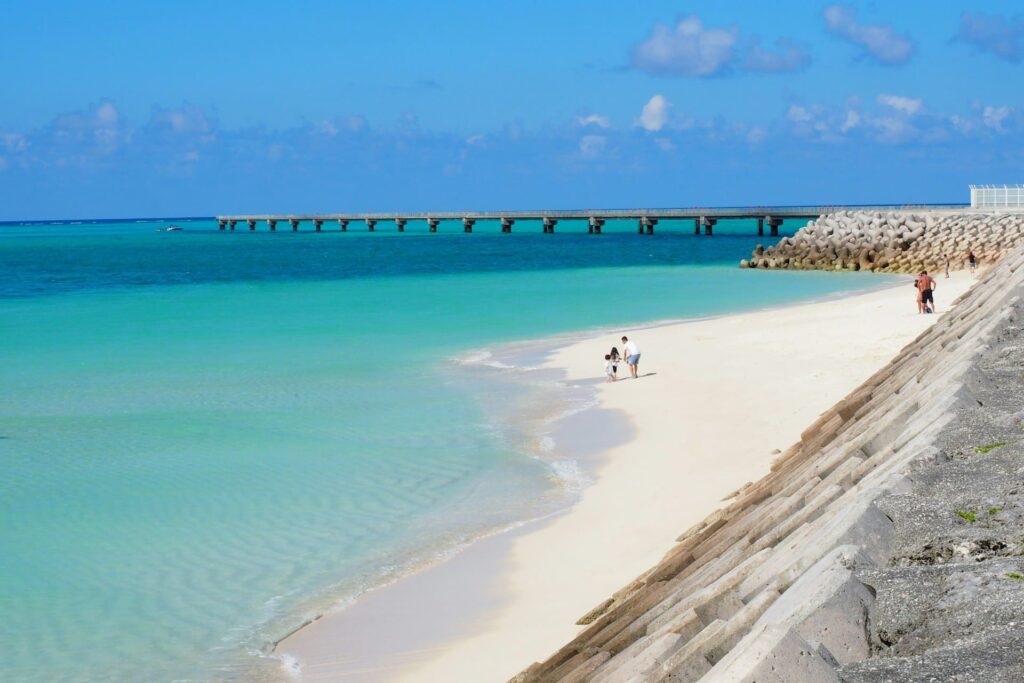
The best time to visit Okinawa overall is October to early November. By then, the harsh summer humidity has eased, the sea is still warm enough for most travelers to swim, and the risk of major typhoon disruption is lower than in late summer.
That said, there is no single perfect month for everyone. Here is a quick breakdown to help you narrow down your dates:
- Best overall: October to early November — warm water, comfortable air, lower disruption risk
- Best for beaches & swimming: Late June to July, after the rainy season and before the most disruptive part of typhoon season
- Best for sightseeing & road trips: March, April and November — cooler, less humid, comfortable for walking and driving
- Best for avoiding crowds: Mid-January to early February, and early December
- Most affordable: Late January to February, and early March before spring break demand rises
- Highest typhoon risk: Late August and September — cancellations of flights, ferries and marine activities are possible
- Most overrated period: Golden Week (late April to early May) — heavy domestic travel demand pushes up prices and crowds
If you want the safest all-round answer, choose October. If you want classic summer beach weather and can handle the heat, choose late June or July. If you care more about sightseeing than swimming, choose spring or late autumn.
Okinawa Weather & Climate by Month
The biggest planning mistake is looking only at the air temperature. For Okinawa, you also need to check sea temperature, humidity, typhoon risk, wind conditions, and whether your planned activities — swimming, snorkeling, island hopping, hiking — are realistically available.
Kai’s tip: I always tell readers to plan Okinawa by “activity comfort,” not just by the forecast high. A 27°C day can feel very different depending on humidity, wind, UV and whether you are walking around castle ruins or sitting on a boat. Before locking in your month, decide whether your real priority is swimming, sightseeing, snorkeling, or island hopping.
The table below includes approximate values based on long-term averages. Actual conditions vary by year, so always check the latest forecast, beach notices, and tour operator updates before your trip.
| Month | Avg High | Avg Low | Sea Temp | Rainfall Days | Typhoon Risk | Best For | Verdict |
|---|---|---|---|---|---|---|---|
| March – April | 22–25°C / 72–77°F | 16–19°C / 61–66°F | 21–23°C / 70–73°F | 11–12 days | Low | Sightseeing, castle ruins, botanical gardens, scenic drives | Great for sightseeing. Sea is often too cool for long swims without a wetsuit. |
| Golden Week (late Apr – early May) | 25°C / 77°F | 19°C / 66°F | 23°C / 73°F | 11 days | Low | Travelers with fixed holiday dates only | Avoid if your dates are flexible. Crowds and prices can rise sharply. |
| Mid-May – late June (Rainy season) | 27–29°C / 81–84°F | 22–25°C / 72–77°F | 25–27°C / 77–81°F | 14–16 days | Low to moderate | Indoor attractions, lower-season bargains, flexible travel | Manageable with indoor backup plans. Not ideal for beach-focused trips. |
| Late June – July | 31–32°C / 88–90°F | 26–27°C / 79–81°F | 28–29°C / 82–84°F | 10–12 days | Moderate | Beaches, snorkeling, classic summer scenery | Best summer beach window. Heat and UV are intense — plan around midday. |
| August – September | 31–32°C / 88–90°F | 26–27°C / 79–81°F | 29°C / 84°F | 12–14 days | High | Warm sea activities, if weather cooperates | Beautiful when calm, but risky for short vacations with fixed dates. |
| October – early November | 26–28°C / 79–82°F | 22–23°C / 72–73°F | 26–27°C / 79–81°F | 9–11 days | Low to moderate, decreasing | Beaches, snorkeling, sightseeing, road trips | Best overall balance for most first-time visitors. |
| Late November – February | 19–21°C / 66–70°F | 15–16°C / 59–61°F | 21–23°C / 70–73°F | 10–12 days | Low | Quiet sightseeing, food tourism, relaxed driving, budget travel | Good for a calm, affordable trip. Not suitable for a tropical beach vacation. |
Note: Temperature and rainfall values are long-term averages for Naha, Okinawa’s main city. Sea temperatures vary by location, depth, wind and currents. Offshore and northern areas may differ. Always check current conditions before planning water activities.
Which Months Should You Approach with Caution?
You do not need to avoid Okinawa completely during any season, but three periods require realistic expectations: Golden Week, the rainy season, and the late-summer typhoon peak.
Why Avoid Golden Week If Your Dates Are Flexible?
Golden Week is a cluster of Japanese national holidays from late April to early May. It is one of Japan’s busiest domestic travel periods, and Okinawa is a major destination for Japanese tourists. Hotels become expensive, rental cars sell out early, popular restaurants require long waits, and attractions feel crowded.
The weather can be pleasant, but the experience is often less relaxed than international visitors expect. If you must travel during Golden Week, book accommodation, rental cars and popular activities as early as possible. If your dates are flexible, shifting by even one week can transform your trip.
What Is Okinawa’s Rainy Season Really Like?
Okinawa’s rainy season (tsuyu) typically runs from around mid-May to late June. It does not rain all day every day, but humidity is intense and sudden heavy showers are common.
This period can still work if you plan around indoor attractions, covered shopping streets, cafes, workshops and flexible transport. It is less reliable if your trip depends on guaranteed blue skies, clear snorkeling conditions and full beach days.
How Risky Is the Typhoon Season?
Typhoons can affect Okinawa from early summer into autumn, but late August and September are the months that require the most caution. A typhoon does not mean just bad weather — it can ground flights, stop ferries, cancel snorkeling tours, close beaches and leave you indoors for a full day or longer.
This matters most for short trips. If you only have three or four days in Okinawa and a typhoon arrives, you could lose a large part of your itinerary. If you visit during this period, keep your schedule loose, avoid same-day ferry connections before international flights, and consider travel insurance that covers weather-related disruption.
Kai’s tip: What catches people out is that ferry disruption can start before the worst weather reaches your hotel and continue after the sky looks clear again. Boats respond to wind and sea conditions, not just rain. If a remote island or diving trip is the highlight of your Okinawa visit, do not put it on your final day.
Why October Is Often the Best Month for Okinawa
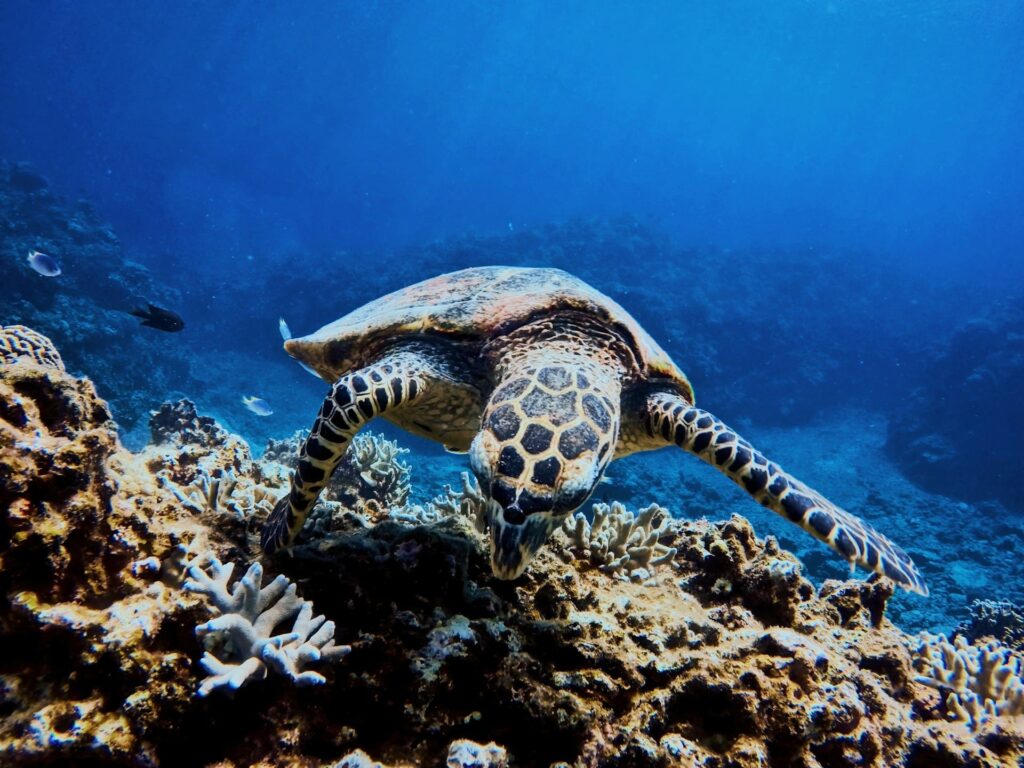
October is the sweet spot because the air cools down faster than the ocean. After months of summer heat, the sea often remains warm enough for swimming and snorkeling, while the suffocating humidity of midsummer drops significantly.
This makes October especially good for travelers who want both beach time and sightseeing. You can spend part of the day near the water, then still have enough energy to visit castle ruins, viewpoints, markets or northern Okinawa without feeling completely drained by the heat.
October also brings fewer crowds and lower accommodation prices than the peak summer months, especially after the first week when Japanese summer holidays are over. Rental car availability can improve, and restaurants often feel less pressured.
However, October is not risk-free. Typhoons are less likely than in August and September, but they can still affect flights, ferries and marine tours. If you are visiting outer islands such as Ishigaki, Miyako or the Kerama Islands, build in an extra buffer day. Ferry and flight disruption can affect the days before and after severe weather passes.
When Can You Swim in Okinawa?
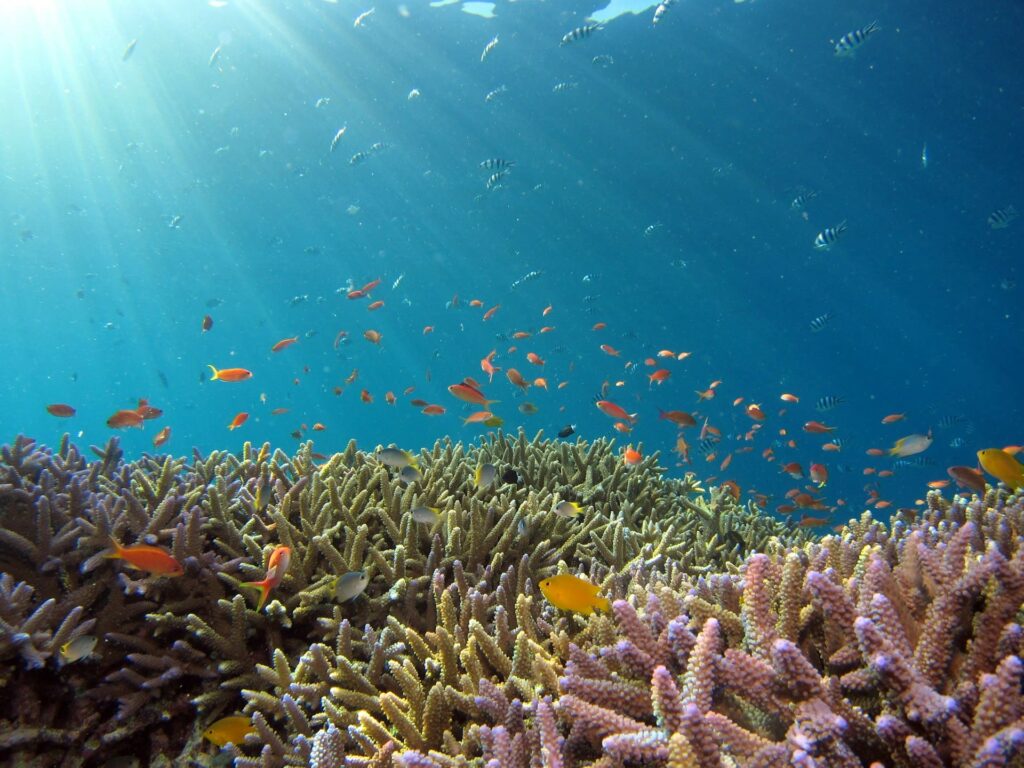
For most travelers, the comfortable swimming window in Okinawa is late June through October, with the best months usually being July and October. Here is a more detailed look:
- Late June to July: Warm sea and classic summer swimming conditions. Strong UV — use reef-safe sunscreen and a rash guard.
- August to September: The warmest water of the year, but higher typhoon risk can close beaches or make conditions unsafe.
- October to early November: Sea temperature is often still comfortable for swimming, especially in the afternoon. Beach facilities and lifeguards may begin reducing hours toward late October.
- April: Can look like summer on land, but the water often feels cold for extended swimming. Snorkeling with a wetsuit is possible but not enjoyable for everyone.
Kai’s tip: The mistake I see travelers make is treating any beautiful beach as automatically safe for swimming. In Okinawa, I would prioritize official beaches with marked swimming areas, lifeguard information, and protective nets during jellyfish season. A rash guard is not just for sunburn — it also gives you an extra layer of protection in the water.
Beach safety is important year-round. The box jellyfish season in Okinawa typically runs from around May to October. Swim at official beaches with protective nets, follow local warning signs, and wear a rash guard or wetsuit to reduce the risk of stings and sun exposure.
Note that many of Okinawa’s monitored beaches operate with lifeguards and facilities only during the official beach season, often from spring through late October depending on the beach. Outside this window, swimming may still be possible but at your own risk.
Okinawa in October — Sample 3-Day Itinerary
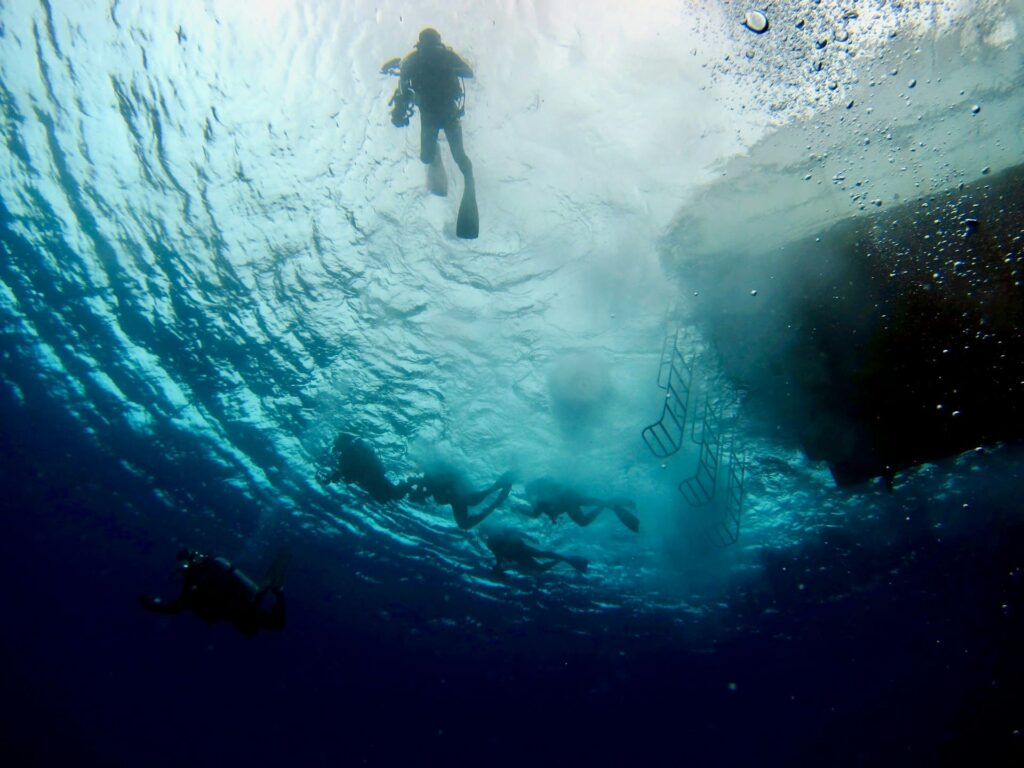
If you choose October for your Okinawa trip, here is what a balanced 3-day itinerary could look like. The goal is to mix beach time, sightseeing, and local culture while taking advantage of the milder weather.
Day 1: Southern Okinawa & Beach Time
- Morning: Visit Gyokusendo Cave / Okinawa World — a large limestone cave complex that stays cool year-round. Good for the first day to adjust to the climate.
- Lunch: Try Okinawan soba at a local restaurant in the Itoman or Naha area.
- Afternoon: Head to a beach on the southern or western coast such as Naminoue Beach (central) or Mibaru Beach (southeast). October water is still comfortable for many travelers.
- Evening: Explore Kokusai Street in Naha. The humidity is lower than in summer, making evening walks much more pleasant.
Day 2: Northern Okinawa & Scenic Drive
- Morning: Drive north to Okinawa Churaumi Aquarium. The drive itself can take around 1.5–2 hours from Naha depending on traffic and route, and the west coast scenery is part of the experience.
- Lunch: Eat near the aquarium or at one of the roadside cafes overlooking the ocean.
- Afternoon: Visit Kouri Island via Kouri Ohashi Bridge and Cape Manzamo. October’s lower humidity makes outdoor stops much more comfortable than in midsummer.
- Evening: Stop by American Village for dinner and shopping before returning south.
My Recommended No-Rental-Car Choice for Day 2
If you are visiting Okinawa for the first time and do not want to rent a car, this is the point in the itinerary where I would stop trying to patch together local buses. Northern Okinawa is spread out, and the best stops — Churaumi Aquarium, Cape Manzamo, Kouri Island, scenic beaches and American Village — work much better when the transport is already solved.
Why I’d book this one:
- It solves the biggest Okinawa planning problem: distance. You can cover several major main-island sights in one day without spending the day checking bus transfers or parking rules.
- It fits October travel well: you can mix indoor time at Churaumi Aquarium with outdoor viewpoints such as Cape Manzamo and Kouri Island, then adjust if rain or wind changes the mood of the day.
- Reviewers consistently mention flexibility: recent guests highlight the English-speaking guide, direct pickup, route adjustments, and a relaxed private pace rather than a rushed group-bus feeling.
👉 Check availability for the Okinawa Private Tour: Castle, Aquarium, Manzamo & Kouri — best for first-time visitors, couples, families, cruise passengers, or anyone who wants a private northern Okinawa day without renting a car. Use the booking page to confirm the latest price, route options, start times, inclusions and cancellation policy before you build the rest of your itinerary.
| Option | Best For | Flexibility | Price | My Take |
|---|---|---|---|---|
| Private Okinawa highlights tour | Couples, families, first-timers, cruise passengers, travelers without a rental car | High — private pace, pickup, route discussion, weather adjustments | Check current price on booking page | Best choice if your time in Okinawa is limited and you want the smoothest Day 2. |
| Public bus or standard group tour | Budget travelers and solo travelers who do not mind fixed timing | Lower — fixed route and less room to adjust | Usually cheaper, but confirm current pricing | Can work if cost is the priority, but less comfortable for a weather-sensitive October itinerary. |
Day 3: Culture, Markets & Snorkeling
- Morning: Snorkeling at a beach with equipment rental, such as Maeda Point / Blue Cave area, or a guided tour in the Kerama Islands if sea conditions are calm. October visibility can be good, though you should check the forecast and tour availability in advance.
- Lunch: Makishi Public Market in Naha — choose fresh seafood from the stalls and have it prepared upstairs if that service is available during your visit.
- Afternoon: Visit Shurijo Castle Park and explore the surrounding historical area.
- Evening: Final dinner in Naha with Okinawan cuisine — try goya champuru, rafute, and awamori if you drink alcohol.
Rainy Day & Heat Escape Plan
Even in a good season, Okinawa weather can change quickly. A sunny morning can turn into heavy rain, and even in October a sudden downpour can last for a few hours. Your trip will be much easier if you plan at least one weather-proof option in advance.
The best rainy-day and heat-escape options include:
- Okinawa Churaumi Aquarium — a major indoor-friendly attraction with the famous Kuroshio Sea tank. It is one of the strongest backup options when beach conditions are poor.
- Ryukyu glass and craft workshops — make your own souvenir while staying dry. Popular in the Yomitan area.
- Indoor shopping arcades — Kokusai Street has covered sections, and there are large shopping malls such as San-A Naha Main Place and Aeon Mall Okinawa.
- Makishi Public Market — covered market with food stalls and local products.
- Cafes and izakayas — Okinawa has a growing specialty coffee and cafe culture. Spending an hour at a local cafe is part of the experience.
If you are not renting a car, or if rental cars are sold out during a busy travel period, a guided private tour can make bad weather easier to handle. Instead of waiting at exposed bus stops or connecting multiple local routes, you stay in an air-conditioned vehicle and can still visit several major sights in one day.
Island Hopping & Ferry Planning Tips
Okinawa is not just the main island. Many travelers also plan side trips to the Kerama Islands, Ishigaki, Miyako, or smaller outer islands. These trips can be unforgettable, but they are more vulnerable to weather disruption than a main-island itinerary.
- Ferry and flight cancellations: Services can be suspended because of wind, waves or approaching typhoons — even when the weather looks fine from your hotel.
- Kerama Islands (Tokashiki, Zamami, Aka): Around 1 hour by ferry from Naha depending on route and service. Best from spring to autumn, but always check sea conditions.
- Ishigaki and Miyako: Require flights from Naha. These southern islands often have a longer warm season, but they are still exposed to weather disruption.
- Rule of thumb: Never schedule a remote island ferry or diving trip on the same day as an international flight home. Add at least one buffer day on the main island.
Kai’s tip: When I send friends to Okinawa with an outer-island plan, I tell them to keep the final night on the main island whenever possible. It is not the most romantic advice, but it protects your international flight connection. Weather buffers are boring until the one day you really need them.
If an outer island is the main purpose of your trip, add extra buffer time. A flexible day on the main island at the beginning or end of your itinerary can save you from a stressful missed connection later.
Okinawa Travel by Traveler Type — Who Should Go When
Not every month suits every traveler. Here is a quick guide based on who you are traveling with and what you want to do.
| Traveler Type | Best Months | Why |
|---|---|---|
| First-time visitors | October – early November | Best balance of beach comfort, sightseeing weather, lower crowds and manageable typhoon risk. Gives you a realistic taste of all Okinawa offers. |
| Families with children | Late June – July, or October | July gives classic beach weather for kids. October offers warm sea without extreme heat — better for young children who struggle with high temperatures. Avoid the August–September typhoon window if your dates are not flexible. |
| Couples & honeymooners | October, or late April to May after Golden Week | October for quiet romantic dinners and warm evenings. Late April to May for blooming flowers and fewer crowds if you avoid Golden Week itself. |
| Solo travelers / backpackers | November – February | Low season means cheaper accommodation and fewer crowds. Sea is too cool for most swimming, but sightseeing, hiking and local culture are excellent. |
| Divers & snorkelers | Late June – July, October – early November | Summer gives warm water. October offers comfortable sea temperatures with less intense heat. August–September has very warm water but higher cancellation risk. |
| Photographers | March – April, October – November | Spring and autumn light can be easier to work with than harsh midsummer sun. Outdoor shooting is also more comfortable. |
| Budget travelers | Late January – February, early March | Lower flight and hotel demand. Fewer tourists, though some beach facilities and island ferry schedules may be reduced. |
Final Verdict
- Choose October if: You want the safest all-round experience — swimming, sightseeing, snorkeling and a relaxed atmosphere.
- Choose late June to July if: Classic summer beaches and snorkeling are your top priority, and you can handle heat and UV.
- Choose March, April or November if: You care more about sightseeing, driving, local food and comfortable walking weather than swimming.
- Choose a different month if: You are on a tight budget, or you want the warmest possible water and can accept typhoon risk.
- Avoid if possible: Golden Week and the late August to September typhoon peak, especially for short vacations.
The simple rule is this: do not choose Okinawa dates based only on air temperature. Match your month to your real goal — whether that is swimming, snorkeling, sightseeing, island hopping, or simply avoiding canceled plans.
Best Next Step If You Choose October
If you decide on October, I would build the trip around one strong northern Okinawa day, then keep the other days flexible for beaches, Naha, markets, and weather-dependent snorkeling. This is especially useful if you are not renting a car or you only have three to four days on the main island.
👉 Check availability for the Okinawa Private Tour: Castle, Aquarium, Manzamo & Kouri — see the latest route choices, pickup details, start times, pricing and cancellation policy before you decide which day to reserve for northern Okinawa.
Okinawa Weather FAQ
What Is the Absolute Best Month to Visit Okinawa?
October is usually the best single month for most travelers. The sea is still warm from summer, the air is more comfortable than in July and August, and the risk of major typhoon disruption is lower than during the late-summer peak.
When Is Typhoon Season in Okinawa?
Typhoons can affect Okinawa from early summer into autumn, but August and September are the months that require the most caution. During a typhoon, flights, ferries, beaches and marine activities may be canceled, and you may need to stay indoors until conditions improve.
Can You Swim in Okinawa in April?
You can swim in Okinawa in April, but many travelers find the water too cool for long swims or snorkeling without a wetsuit. April is usually better for sightseeing, road trips and outdoor attractions than for a beach-focused vacation.
Is October Still Beach Season in Okinawa?
Yes, October can still feel like beach season in Okinawa, especially compared with mainland Japan. The sea often remains comfortable for swimming and snorkeling. Check each beach’s swimming rules, because facilities and lifeguard coverage may be reduced from mid-October onward.
Is Okinawa Worth Visiting During the Rainy Season?
Okinawa can still be worth visiting during the rainy season if you plan realistically. Expect humidity and sudden heavy showers, and build your itinerary around indoor attractions, short sightseeing stops and flexible transport. It is not the best season if your main goal is guaranteed blue skies and full beach days.
Should You Avoid Okinawa in August?
You do not have to avoid Okinawa in August, but it is a high-risk choice for a short vacation. The sea is warm and the scenery can be beautiful, but heat, strong UV and typhoon disruption are real concerns. If you visit in August, keep your plans flexible and avoid tight ferry or flight connections.
When Is the Best Time to Visit Okinawa for Snorkeling?
Late June to July and October to early November are usually the best windows for snorkeling. Late June and July offer warm summer water, while October often gives you comfortable sea temperatures with less intense heat. Always check sea conditions, beach warnings and tour operator updates before entering the water.
Do Beaches Have Lifeguards in October?
Many of Okinawa’s major monitored beaches operate lifeguard services and facility rentals from spring through late October. By late October, some beaches may have reduced coverage or close for the season. Check the specific beach’s official schedule before visiting.
What Should I Pack for Okinawa in October?
Pack light clothing for daytime, a light jacket or sweater for evenings, reef-safe sunscreen, swimwear, a rash guard for snorkeling, and a travel umbrella or rain jacket in case of sudden showers. If you plan to swim or snorkel often, a rash guard is one of the most useful items you can bring.
Planning without a rental car? A private guided tour can help you cover major Okinawa sights in one day while avoiding the stress of driving, parking and weather-related itinerary changes.
👉 Check availability for the Okinawa Private Tour: Castle, Aquarium, Manzamo & Kouri — ideal for travelers who want Churaumi Aquarium, Cape Manzamo, Kouri Island and other main-island highlights in one flexible day. Confirm the latest price, route, inclusions and cancellation policy on the booking page before planning your day.

Hi, I’m Kai. I’m a Tokyo-based travel writer, tourism industry insider, and the author of a published guidebook for international visitors to Japan. With over 10 years of professional experience at a leading Japanese tourism company, my mission is to help you skip the tourist traps and navigate Japan’s best destinations like a local. I believe the perfect day trip is like a traditional kaiseki meal: a beautiful balance of precise planning and unforgettable seasonal discovery. When I’m not out conducting field research, you’ll usually find me drafting new itineraries with one of my favorite fountain pens!