
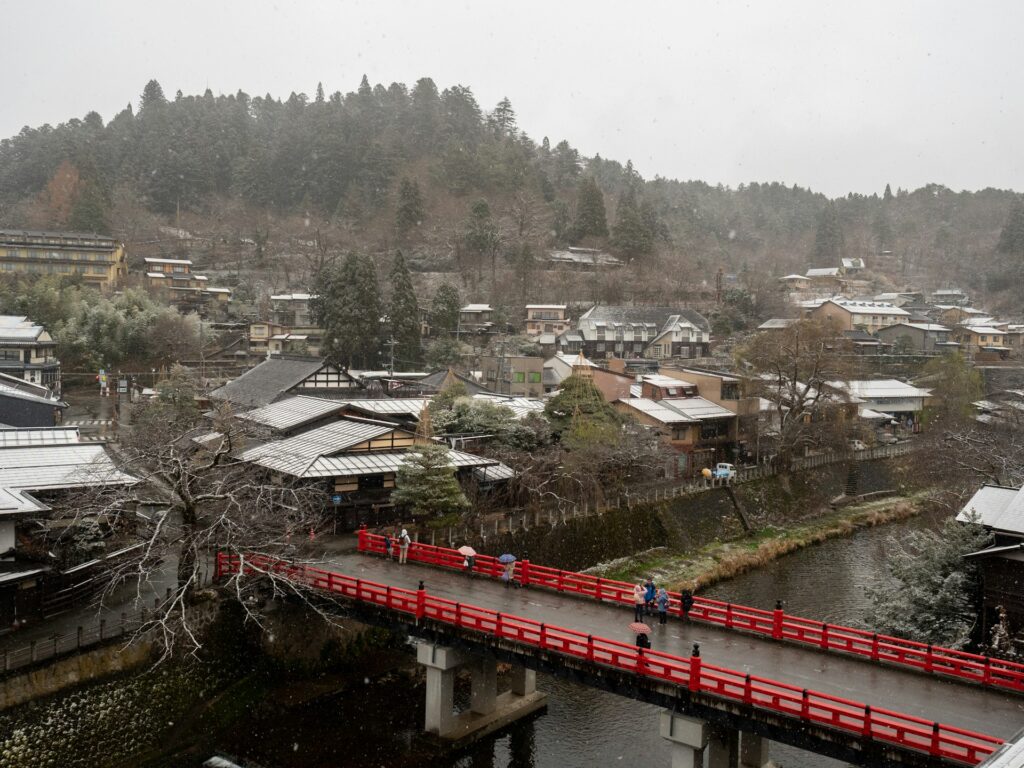
Let’s be honest: Takayama is no longer a secret. The “Little Kyoto” streets (Sanmachi Suji) are beautiful, but by 10:00 AM, they are often packed with tourists.
If you are searching for “Takayama hidden gems,” you likely want to experience the traditional atmosphere without the elbow-to-elbow crowds. You want the quiet temples, the local crafts, and the mountain solitude that the Hida region is famous for.
Quick Verdict
Yes, you can still find peace in Takayama, but you must leave the main street.
- For true quiet: Head to the Higashiyama Walking Course (15 mins walk from center) or take a short train to Hida Furukawa (neighboring town).
- For efficiency: If you are based in Kanazawa and trying to see Shirakawa-go and Takayama in one day, DIY logistics can be a nightmare. A streamlined tour is often the smarter choice to save time on travel so you can spend it exploring.
What is your priority?
- “I want deep exploration and have a full day.”[Jump to the DIY Hidden Gems Guide]
- “I want to see the highlights (Shirakawa-go + Takayama) without the travel stress.”[Check the Efficient Kanazawa-Takayama Loop Tour]
The “Hidden” Side of Takayama (DIY Guide)
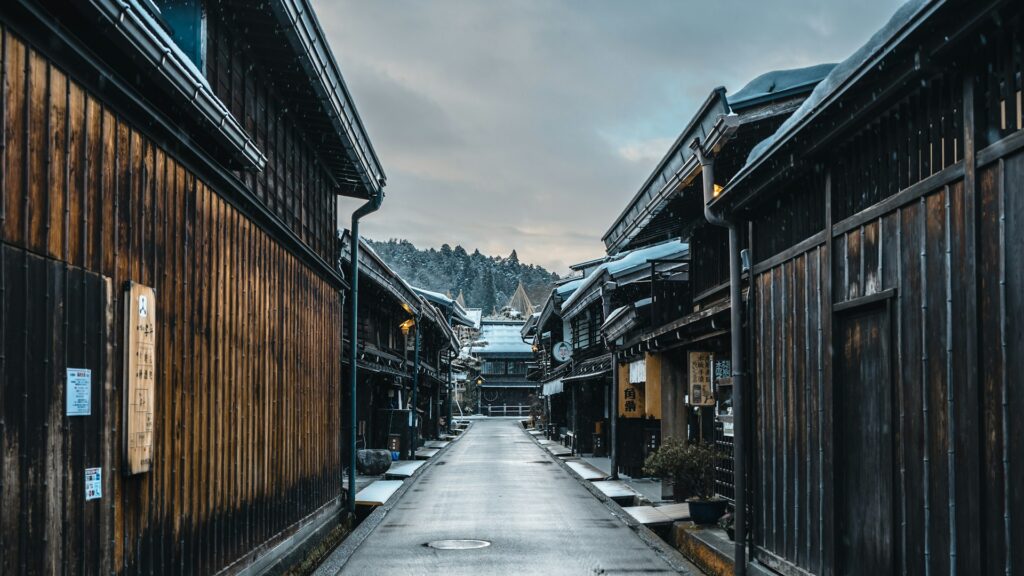
If you are already staying in Takayama or have a full day dedicated just to this town, skip the Sanmachi Suji crowds and head to these three spots.
1. The Higashiyama Walking Course (Temple Town)
While 90% of tourists squeeze into the Old Town, the Higashiyama Walking Course remains surprisingly quiet. This 3.5km trail winds through the wooded hills east of the city center, passing over a dozen temples and shrines.
- Why it’s a gem: It feels like Kyoto’s Philosopher’s Path but without the people. You walk through quiet mossy graveyards, ring ancient temple bells (where permitted), and see the ruins of Takayama Castle.
- Time required: 1.5 to 2 hours at a slow pace.
- Difficulty: Moderate (some slopes).
2. Hida Furukawa (The Neighboring Town)
Just a 15-minute train ride north of Takayama lies Hida Furukawa. It has the same white-walled storehouses and canal-lined streets as Takayama, but a fraction of the tourists.
- Why it’s a gem: It became famous for the anime Your Name (Kimi no Na wa), but the real charm is the canal filled with hundreds of colorful carp. It is peaceful, authentic, and locals are genuinely happy to see you.
- Key Stop: The Hida Furukawa Festival Exhibition Hall.
3. Takayama Showa-kan (Nostalgia Museum)
If you need a break from temples, this interactive museum is a fantastic indoor “hidden gem.” It recreates a Japanese town from the 1950s (Showa era).
- Why it’s a gem: Unlike stuffy museums behind glass, you can touch almost everything. You can sit in the old barber chairs, play vintage pinball machines, and enter a retro classroom. It is a surreal time-slip experience often missed by day-trippers.
The Logistics Reality Check
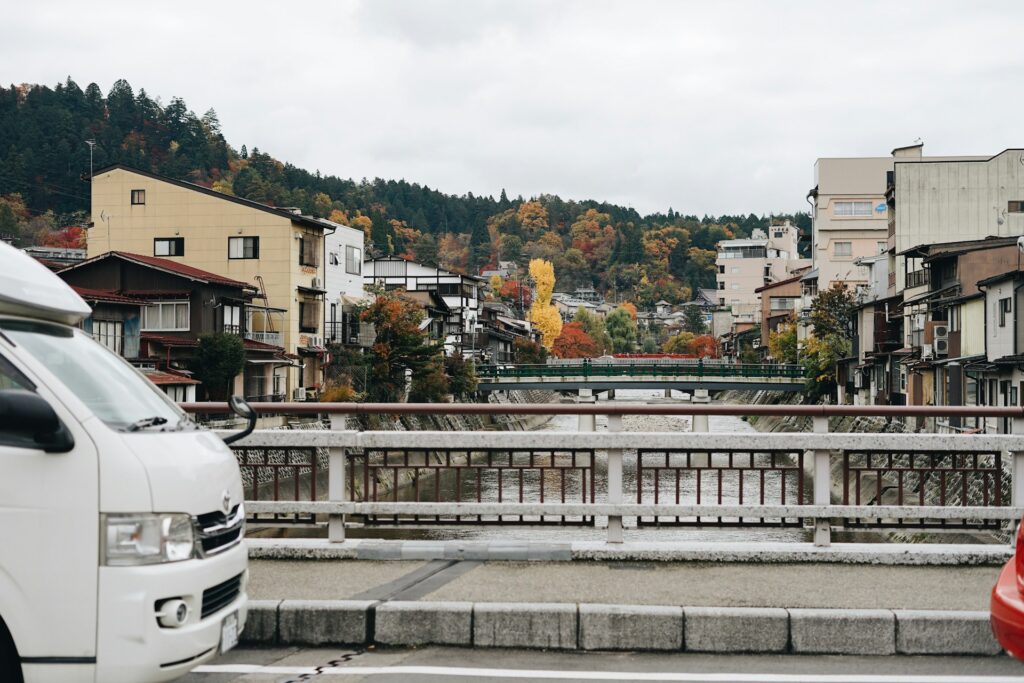
Exploring these hidden gems requires one thing: Time.
- Higashiyama takes ~2 hours of walking.
- Hida Furukawa requires timing your day around the JR Takayama Line trains (which only run about once per hour).
The Trap: If you are visiting Takayama as a day trip from Kanazawa and also want to see Shirakawa-go on the way, doing this “DIY” is extremely difficult.
Nohi Bus reservations for the Kanazawa → Shirakawa-go → Takayama route sell out weeks in advance. If you miss one bus, your whole itinerary collapses, leaving you no time to see the quiet spots you came for.
Need detailed help with the bus schedules?
See our deep-dive guide on navigating the Dragon Route.
➡️[From Kanazawa or Takayama: Private Shirakawa-go & Takayama Day Tour — Is It Worth It?].
The Efficient Alternative: Combine Highlights & Free Time
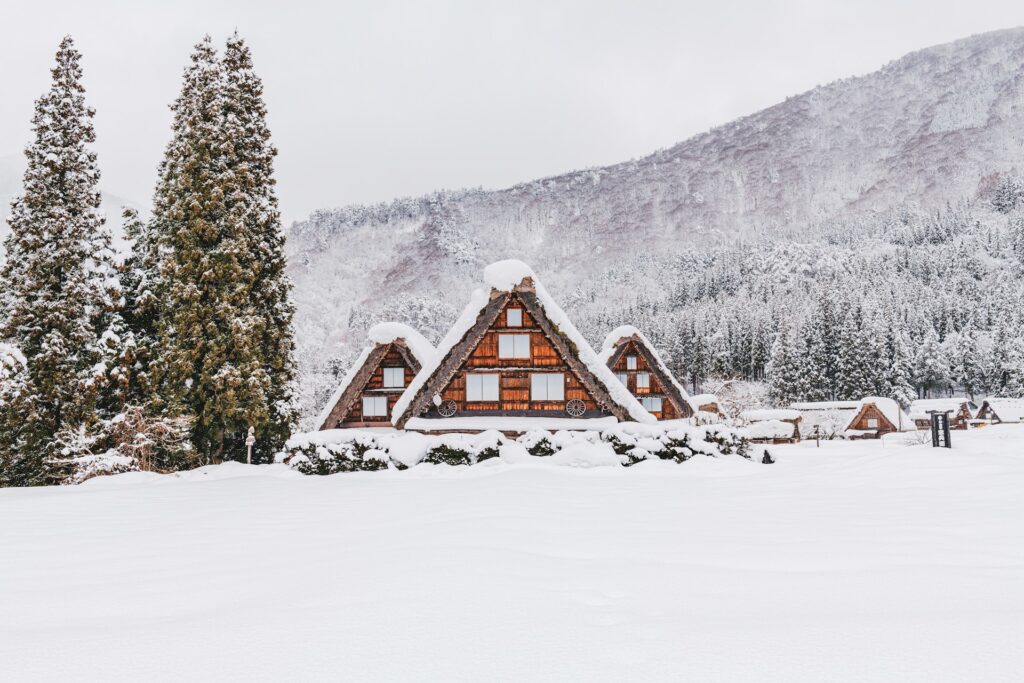
If you are based in Kanazawa and short on time, booking a tour isn’t about “following a flag”—it’s about buying back your time.
By using a tour vehicle for the difficult cross-mountain transport, you skip the bus waiting times and luggage hassles. This specific route covers the “Must-Sees” efficiently, leaving you energy to explore during the free time.
Tour Snapshot: Kanazawa to Shirakawa-go & Takayama
This is a transfer-style tour that hits the key spots without the logistical headache.
- The Route: Pickup (Kanazawa) $\rightarrow$ Shirakawa-go (2 hours) $\rightarrow$ Hida no Sato (Folk Village stop) $\rightarrow$ Takayama (Free time) $\rightarrow$ Drop-off.
- Hidden Gem Bonus: This tour visits Hida no Sato (Hida Folk Village). This is an open-air museum of farmhouse architecture that is often much less crowded than Shirakawa-go’s main street, giving you great photo ops without people in the frame.
- Flexibility: It offers multiple drop-off options (return to Kanazawa OR stay in Takayama).
Why choose this? It guarantees you get from Kanazawa to the mountains and back (or across) even when public buses are fully booked.
Verdict: Which Plan is For You?
Choose the DIY Route if:
- You are staying overnight in Takayama.
- You are okay with walking 10km+ to find the quiet corners like Higashiyama.
- You have already secured your bus tickets months in advance.
Choose the Tour if:
- You are staying in Kanazawa and want a hassle-free day trip.
- You want to see Shirakawa-go and Takayama in a single day.
- You prefer spending your time looking at the scenery, not checking bus timetables.
Secure your seat on the efficient route before it sells out:
FAQ
Q: Is Takayama worth visiting in 2025 despite the crowds?
A: Yes. The food (Hida Beef) and history are incredible. However, to enjoy it, you must arrive before 9:00 AM or stay overnight to explore after the day-trippers leave at 5:00 PM.
Q: Can I do Shirakawa-go and Takayama in one day from Kanazawa?
A: Yes, but it is a very long day (10-11 hours). Doing it by public bus requires strict planning. A guided tour or car charter makes this significantly easier and less stressful.
Q: What is the best time to visit the “hidden gems”?
A: Early morning is best for the Higashiyama Walking Course. For Hida Furukawa, check the train schedule carefully—aim for the mid-morning train (around 9:39 AM or 10:48 AM) to maximize your time.
Q: Do I need to book the tour in advance?
A: Yes. Tours covering the Kanazawa-Shirakawa-go route are extremely popular, especially in winter (snow season) and spring, often selling out weeks ahead.