
Planning a Mt. Fuji & Hakone day trip from Tokyo and wondering whether a guided bus tour is actually worth your time and money? This review breaks down the real stops, pace, price range, and trade-offs so you can decide in minutes — not hours of research.
The biggest appeal of this tour is simple: it bundles two regions that are awkward to combine by public transport into one long, straightforward day. Instead of juggling trains, buses, ropeway connections, and traffic timing on your own, you get a fixed route that covers Hakone Shrine, the Hakone Ropeway, Owakudani, Lake Yamanaka, and Oshino Hakkai.
The trade-off is just as important to understand before booking. This is not a slow scenic escape with long lunch breaks or extra time for photography. It is a fast-paced highlights tour built for travelers who want maximum coverage in one day.
Quick Verdict — Is This Tour Worth It?
This Mt. Fuji & Hakone day tour is worth it if your priority is convenience, variety, and seeing both regions in a single day from Tokyo. Expect to pay roughly ¥15,000–¥20,000 per person (~$100–$130 USD) for the bus round-trip version, with the tour running about 10–11 hours from morning pickup to evening drop-off.
It is a strong fit for you if:
- You only have one free day and want to see both Mt. Fuji viewpoints and Hakone highlights.
- You do not want to deal with train transfers, regional buses, or local transport timing.
- You are comfortable with a fixed schedule and short stops (typically 20–40 minutes per location).
- You want an easier logistics day for a family group, older travelers, or first-time visitors to Japan.
It is not the right fit if:
- You want a slow Hakone day with time for an onsen, museum, café stop, or lakeside walk.
- You hate rushed sightseeing or want long photo sessions at each stop.
- You have asthma, respiratory conditions, or heart conditions and are sensitive to volcanic fumes at Owakudani.
- You want full flexibility in case the weather changes during the day.
The biggest downside: the itinerary is efficient, but it can feel rushed. Most stops are short, and weather or traffic can affect the order, visibility, or transport elements on the day.
➡️ Check live availability, exact pricing, and cancellation terms for your travel dates here
Tour at a Glance
| Feature | Details |
|---|---|
| Price range (bus round trip) | Roughly ¥15,000–¥20,000 (~$100–$130 USD) per adult, varies by operator and season |
| Total duration | About 10–11 hours, sometimes longer with traffic |
| Typical departure | 7:30–8:00 AM from Tokyo Station or Shinjuku |
| Typical return | 7:00–8:00 PM, but can be later on weekends and holidays |
| Bus time (total) | Around 4 hours round trip, depending on pickup point and traffic |
| Pace | Fast — this is a highlights-focused itinerary rather than a deep exploration day |
| Main stops | Hakone Shrine, Lake Ashi area, Hakone Ropeway, Owakudani, Lake Yamanaka, and Oshino Hakkai |
| Mt. Fuji viewing chances | Better than a single-stop trip because you get multiple viewpoints, but visibility is never guaranteed |
| Ropeway access | Often included, but operations can change due to weather, maintenance, or safety conditions |
| Lake Ashi cruise | Included on some tours, optional on others — always check your exact booking details |
| Lunch style | Self-paid and quick — typically snacks or a short meal during the Oshino Hakkai stop |
| Weather disruption risk | Moderate — Mt. Fuji may be hidden, and transport elements may be adjusted |
| Return traffic risk | Moderate to high on weekends, holidays, and peak travel seasons |
| Mobility load | Manageable for many travelers, but includes queues, walking, steps, uneven surfaces, and a long schedule |
How Much Does It Cost? Price Breakdown
Prices vary by operator, date, and add-ons, but a standard Mt. Fuji & Hakone bus tour from Tokyo with a bus return typically falls in the ¥15,000–¥20,000 (~$100–$130 USD) range per adult. The bullet train return version costs more — usually around ~¥24,000 (~$158 USD) — but gets you back to Tokyo faster and more reliably.
What is usually included:
- Round-trip transport by coach from Tokyo (bus or bullet train return depending on the plan)
- An English-speaking or multilingual guide
- A structured multi-stop itinerary across Hakone and the Fuji area
- Selected local transport, often including the Hakone Ropeway
What may cost extra:
- Lunch, snacks, and drinks — budget around ¥1,000–¥2,000 per person
- The Lake Ashi sightseeing cruise / Hakone Pirate Ship, if not included in your booking (roughly ¥1,200–¥2,200 per person)
- Souvenirs, shrine purchases, and optional personal spending
What to double-check before paying:
- Whether the Lake Ashi cruise is included or optional in your specific plan
- Whether ropeway changes or closures are covered by a substitute plan
- The exact cancellation terms for your selected departure
- Luggage rules, especially if you plan to bring a suitcase
If your main goal is pure value for money, this tour makes the most sense when you would otherwise struggle to coordinate Hakone and the Fuji lakes area independently in one day. If your goal is depth, flexibility, or a slow travel day, it is usually not the best-value format.
What Stops Does the Tour Make?
Hakone Shrine & Lake Ashi
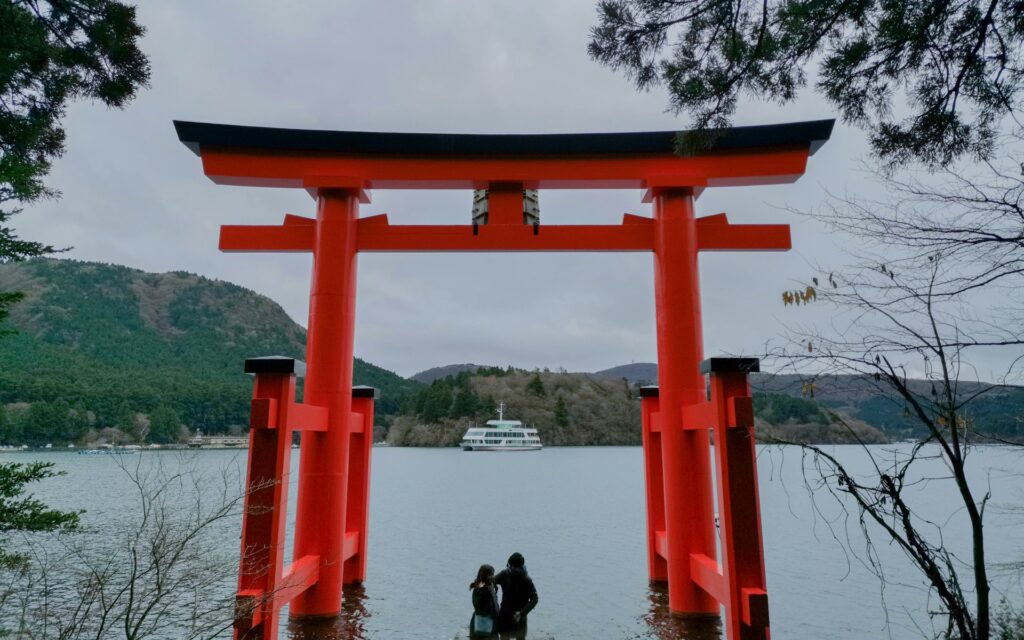
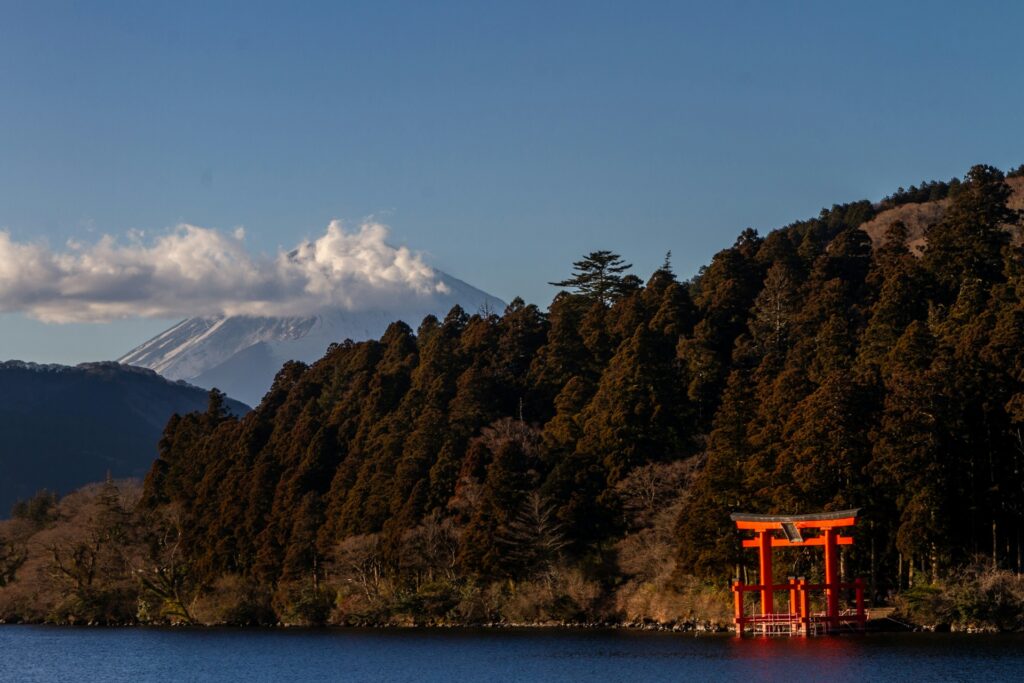
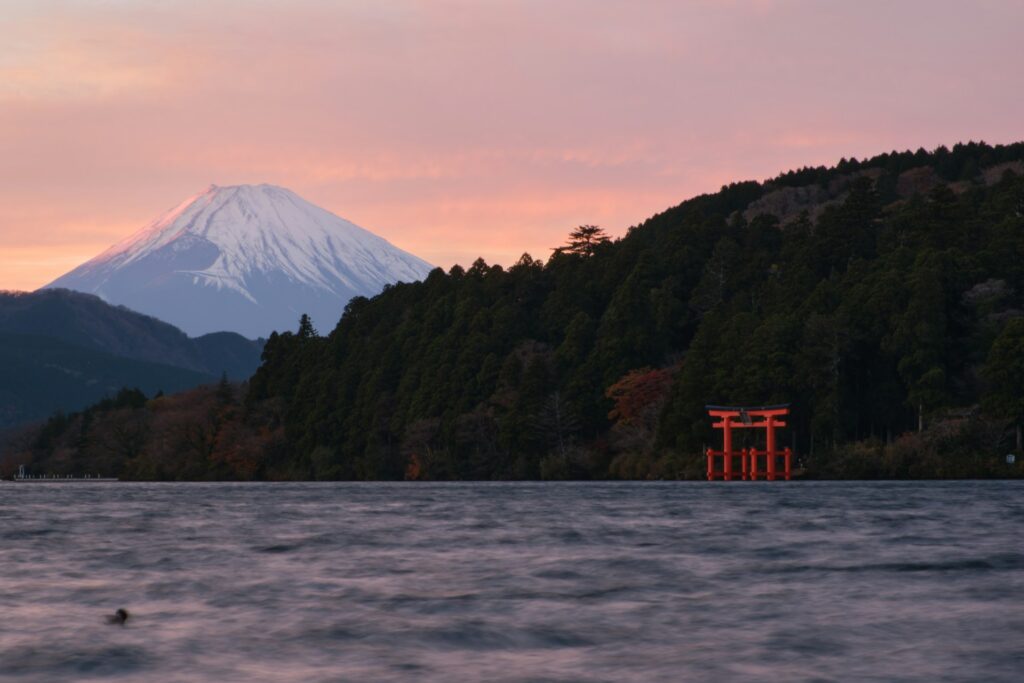
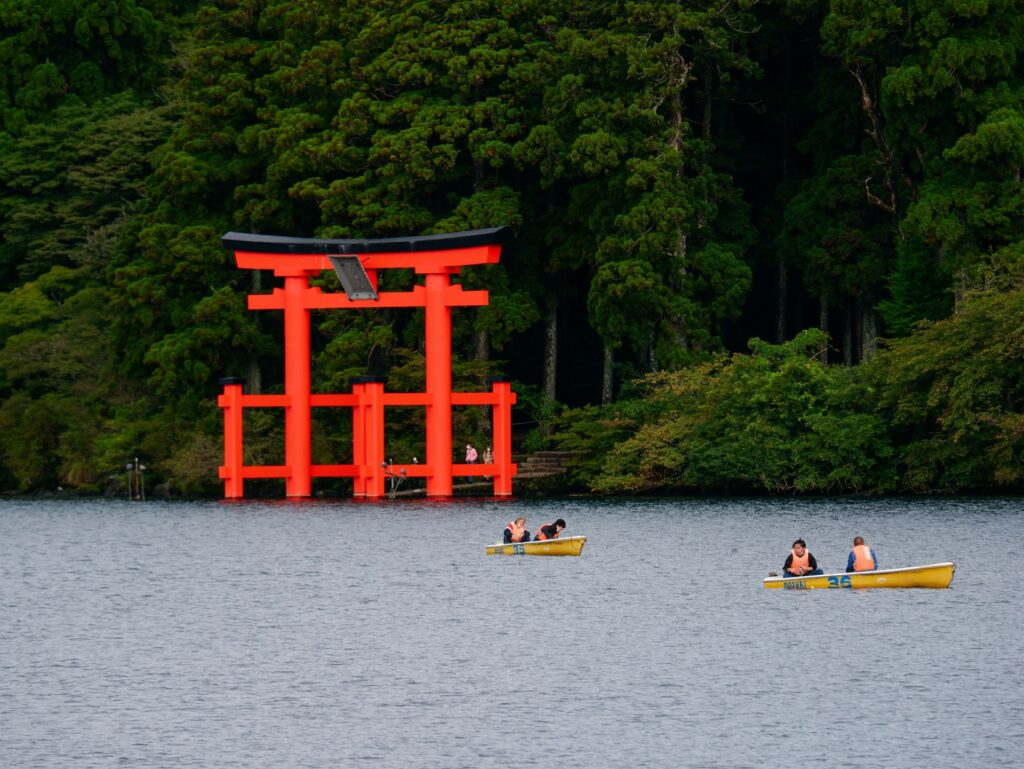
This is often the first major sightseeing stop, and it tends to set the tone for the whole day. The scenery is beautiful, the shrine atmosphere is memorable, and the lakeside torii is one of the most photographed spots in the region. Expect around 30–40 minutes here — enough for photos and a quick look, but not for a relaxed exploration.
The catch is time. On a guided day tour, you usually do not have enough time to do everything at a relaxed pace. You need to decide what matters more:
- Getting the classic torii photo from the water’s edge
- Walking up to the shrine grounds and enjoying the cedar-lined approach
- Using any available free time for the lake area instead of joining a long photo queue
If photos are your main priority, go straight to the torii area as soon as you arrive. If your priority is atmosphere and fewer queues, the main shrine grounds may feel more rewarding.
Photo guide: How to Capture the Iconic Floating Torii Without the Crowds
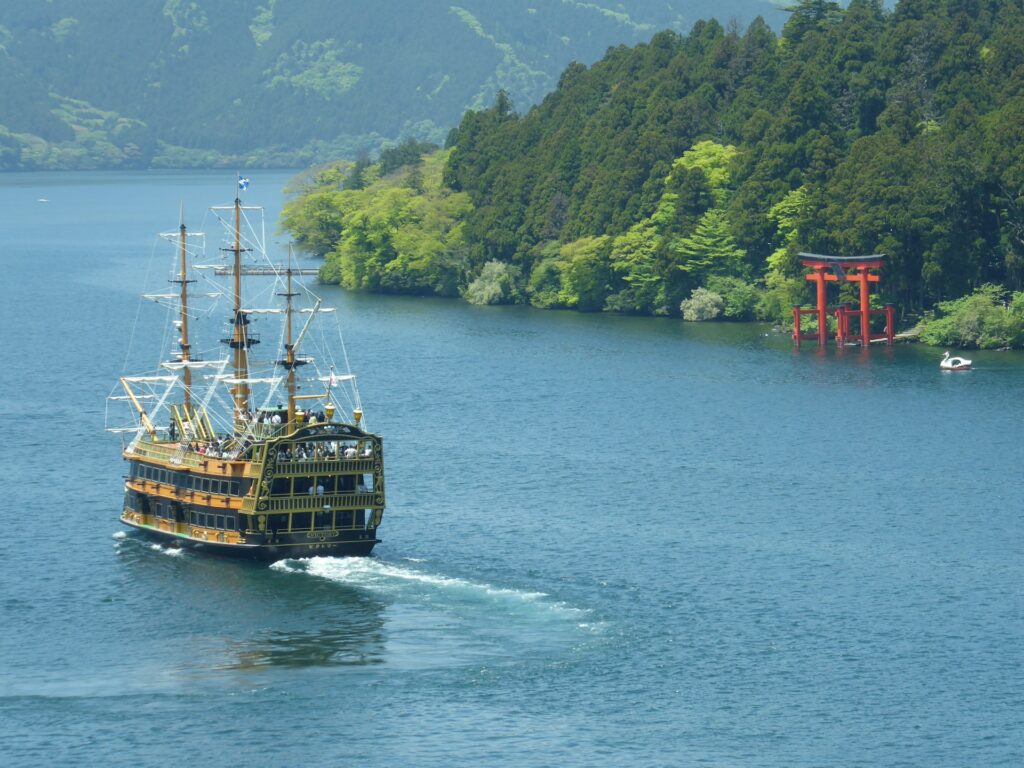
Depending on the booking option, this part of the day may also connect with a Lake Ashi sightseeing cruise (Hakone Pirate Ship). Some travelers love it for the open lake views, while others prefer to use their limited time on land, so whether this is a selling point depends on your travel style. If included, the cruise typically takes about 30 minutes across the lake.
Hakone Ropeway & Owakudani
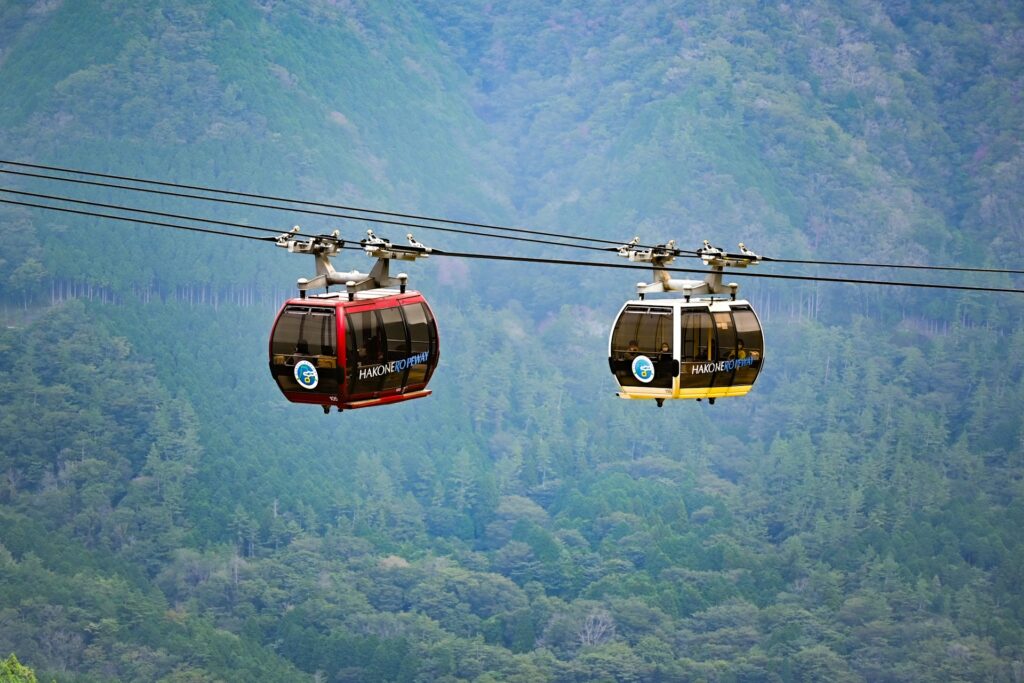
This is usually the most dramatic section of the itinerary. The ropeway ride adds a scenic transport element that many independent travelers also prioritize in Hakone, and on a clear day it can deliver one of the most exciting Mt. Fuji reveals of the trip.
Owakudani is also one of the stops that makes this tour feel distinctly different from a simple lake-and-shrine outing. The geothermal landscape, sulfur smell, steam vents, and black eggs give the day a strong sense of contrast.
What makes this stop worth it:
- It is visually different from the shrine and lake scenery earlier in the day
- The ropeway adds a memorable scenic transition rather than just another bus transfer
- It is one of the best places in the itinerary for a strong Mt. Fuji view if the weather cooperates
⚠️ Important note for winter travelers: The Hakone Ropeway undergoes regular maintenance each winter. In 2026, the ropeway was scheduled to be partially closed from January 13 to February 20 (exact dates vary by section). Substitute buses operate during this period, but the experience will be different. Always check the latest ropeway status before booking if this stop is a priority for you.
What else to know before you go:
- The sulfur smell can be intense
- If you have asthma, respiratory conditions, or heart conditions, this stop may not be comfortable
- Weather or safety conditions can also affect ropeway operations on any given day
- You may not have enough time for a slow meal here, so think of it as a sightseeing stop rather than a lunch break
Related guide: Owakudani Guided Tour Options
Lake Yamanaka & Oshino Hakkai
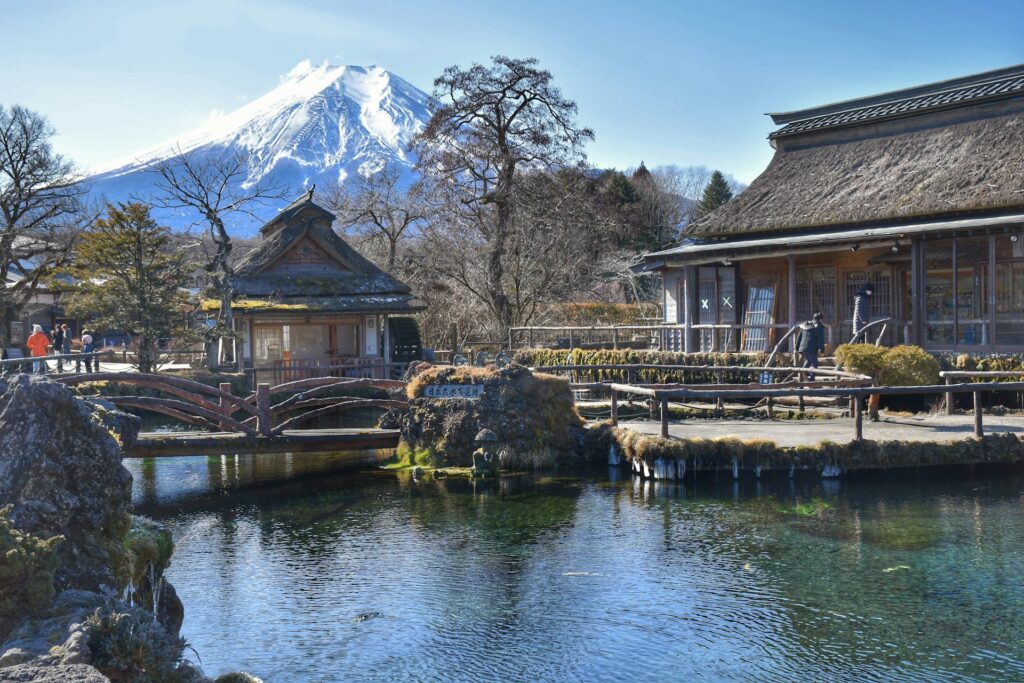
After Hakone, the tour usually shifts toward the Fuji side of the day. This helps the itinerary feel broader, and it gives you another shot at Mt. Fuji if earlier viewpoints were cloudy.
Lake Yamanaka is usually a short scenic stop (15–20 minutes) rather than a deep exploration stop. The value here is the open view across the water. When visibility is good, it can be one of the cleanest Mt. Fuji viewpoints of the day, easily ranking among the best Mt. Fuji photo spots on this route.
Oshino Hakkai is typically the most useful stop for both sightseeing and practical needs. The village is compact, photogenic, and much better suited to a quick self-paid meal than some of the earlier stops. You usually get 40–50 minutes here — the longest free time of the day.
Why Oshino Hakkai matters on this itinerary:
- It often gives you the longest free time of the day
- It works well as the de facto lunch stop
- It adds a different atmosphere from Hakone, with spring ponds, traditional buildings, and snack stalls
What to expect for lunch:
- A quick self-paid meal rather than a formal restaurant break
- Street food, soba, grilled snacks, sweets, and light meals that are easy to eat within limited time
- Budget around ¥1,000–¥2,000 per person for a filling meal
- Some smaller vendors still prefer cash, so carrying some yen is a smart backup
Food guide: Oshino Hakkai Food Guide
Bus Tour vs DIY: Which Is Better for You?
On paper, doing Hakone and the Mt. Fuji area independently can look cheaper. In reality, combining both zones in a single day from Tokyo often becomes a puzzle of rail connections, local buses, timing pressure, and limited room for mistakes.
Here is a realistic cost and effort comparison to help you decide.
| Factor | This Bus Tour | DIY (Independently) |
|---|---|---|
| Cost per person (approx.) | ¥15,000–¥20,000 (~$100–$130) | ¥7,100+ (Hakone Free Pass 2-day, Shinjuku round trip) + ¥3,000–¥5,000 for Fuji-side transport & food |
| Planning effort | None — fixed route, guide handles logistics | High — multiple train changes, bus schedules, ropeway timing |
| Pace control | Fixed schedule, short stops | Full control — stay longer or skip stops |
| Regions covered | Both Hakone and Fuji Five Lakes in one day | Doable but tight — most travelers pick one region per day |
| Seating guarantee | Yes — reserved seat on the coach | No — standing on trains during peak hours is possible |
| Return time certainty | Depends on traffic (weekend/holiday risk) | Controlled — bullet train or limited express offers fixed timing |
| Best for | Convenience seekers, first-timers, families | Flexibility seekers, slow travelers, budget-focused explorers |
This tour makes more sense than DIY if:
- You are short on time and want a one-day overview rather than a deep dive
- You are visiting Japan for the first time and want lower transport stress
- You want guaranteed seating for the long journey back to Tokyo
- You are traveling with people who would find multiple transfers tiring
DIY usually makes more sense if:
- You want to focus only on Hakone or only on the Fuji Five Lakes area
- You want to linger at one viewpoint for photos
- You want an onsen-heavy or museum-heavy day
- You prefer building your own route around weather conditions
The three main trade-offs of this tour to accept before booking:
- Speed: You are buying range, not depth.
- Crowds: Popular photo spots can involve queues, especially on weekends and holidays. If you are traveling during peak season, knowing how bad the Mt. Fuji crowds actually get will help you set realistic expectations.
- Weather: Mt. Fuji visibility is never guaranteed, and transport elements can change if conditions are poor.
Better Alternatives for Different Travel Styles
This tour is not the best answer for every traveler. Its strength is efficiency, but that only matters if efficiency is your main goal.
A Hakone-only day trip is usually better if:
- You want a slower day with more time at Lake Ashi, museums, cafés, or an onsen
- You care more about atmosphere than checking off multiple regions
- You want the freedom to adjust your route during the day
If your schedule is extremely tight, you may also want to consider whether a Hakone half-day trip is a realistic plan rather than attempting a full-day marathon.
A Fuji-area-only day trip is usually better if:
- Your main priority is Mt. Fuji viewpoints and photography
- You want to spend more time around the Fuji Five Lakes
- You do not mind skipping Hakone’s ropeway-and-volcanic-valley experience
A bullet train return tour may suit you better if:
- You want to reduce the risk of a long traffic-heavy bus ride back to Tokyo
- You like the idea of mixing road sightseeing with a faster return (~$158 USD, 4.8★ with ~29,000 reviews across major platforms)
- You are comfortable with a slightly higher price for a more reliable return time
A private or custom day tour may be worth it if:
- You are traveling as a family or small group
- You want more control over pacing and photo time
- You need a more tailored approach for mobility, luggage, or specific stops
9 Practical Tips Before You Book
A few small decisions can make a big difference on a long day like this.
- Choose your departure point carefully: Pick the meeting point that is easiest for your morning, whether that is Tokyo Station or Shinjuku. A stressful start makes the whole day feel longer.
- Arrive early: Tour departures in Japan are usually punctual. Missing the bus is one of the easiest ways to ruin the day.
- Dress in layers: Temperatures and wind exposure can feel very different between central Tokyo, Hakone (cooler), and the Fuji area (windier).
- Wear comfortable shoes: Even though this is a coach tour, you will still deal with stairs, uneven paths, queues, and walking between viewpoints.
- Bring some cash in yen: Major transport purchases may accept cards, but smaller food stalls and souvenir shops are more variable.
- Do not count on a long sit-down lunch: It is smarter to think in terms of a quick meal or several small snacks during the Oshino Hakkai stop.
- Check the forecast, but stay realistic: A clear forecast improves your odds, but Mt. Fuji can still hide behind clouds even on a sunny Tokyo morning.
- Avoid tight evening plans in Tokyo: Weekend and holiday traffic can delay your return more than expected — avoid scheduling dinner reservations or activities before 8:30 PM.
- Confirm luggage rules in advance: Storage policies vary by operator, and large suitcases should never be assumed to be accepted without checking first.
Frequently Asked Questions
What happens if Mt. Fuji is hidden by clouds?
The tour normally still runs. Mt. Fuji visibility is never guaranteed, even on days that look promising in Tokyo. One advantage of this itinerary is that it includes multiple viewing areas, so you have more than one chance to see the mountain, but there is still a real possibility that it will stay hidden for most or all of the day.
What happens if the ropeway or another transport element is disrupted?
Weather, safety conditions, and maintenance can affect operations in Hakone. When that happens, operators may adjust the route, change the order of stops, or provide a substitute arrangement depending on the day and the exact tour. This is one reason to read the activity details carefully before booking.
Is lunch included?
Usually no. Most travelers should expect a self-paid meal, snacks, or a quick food stop rather than a long restaurant break. Oshino Hakkai is often the most practical place to eat during the tour. Budget around ¥1,000–¥2,000 per person.
Is the Lake Ashi cruise included?
Not always. Some tour options include it, while others treat it as an optional extra or skip it altogether. Always check your specific booking option instead of assuming it is part of the base price.
Is this tour suitable for children or older travelers?
It can be, especially for travelers who would rather avoid multiple public transport transfers. That said, it is still a long day with walking, waiting, and a fairly fixed schedule, so comfort depends more on pace tolerance than on age alone.
Is this tour suitable for travelers with mobility or health concerns?
That depends on the specific concern. Some transport elements in Hakone are accessible, but the day still involves queues, outdoor walking, changing conditions, and a tight schedule. Owakudani may also be uncomfortable for travelers with asthma, respiratory conditions, or heart conditions because of the volcanic fumes.
Can I bring luggage on the bus?
Do not assume that you can. Luggage rules vary by operator and vehicle size. If you need to bring a suitcase, contact the provider before booking and get confirmation in writing if possible.
How early should I book this tour?
During peak seasons (spring cherry blossom season, autumn foliage, Golden Week, and New Year), tours regularly sell out days or weeks in advance. Booking at least 2–4 weeks ahead is recommended for popular travel dates.
What time should I arrive at the meeting point?
At least 10–15 minutes before the scheduled departure time. Tours in Japan depart punctually, and late arrivals are usually not accommodated.
Final Verdict
The Mt. Fuji & Hakone day tour from Tokyo is worth it for travelers who want an efficient, low-stress way to see both regions in a single day.
Its biggest strength is convenience. It removes the hardest part of the plan: stitching together two popular but awkward-to-combine sightseeing areas without wasting time on transport decisions.
Its biggest weakness is pace. You are trading flexibility, long stops, and spontaneous detours for a structured highlights route that keeps moving.
Book this tour if:
- You want to cover both Hakone and Mt. Fuji in one day
- You value convenience more than freedom
- You are comfortable with short stops and a long schedule
- You would rather let a guide and driver handle the logistics
Skip this tour if:
- You want a slow travel day with time to linger
- You want to build your route around changing weather conditions
- You mainly care about one region and would prefer to explore it properly
For families: The tour removes the stress of navigating train transfers with children, but the long day and fixed schedule may be tiring for younger kids. Bring snacks and entertainment for the bus time.
For first-time visitors to Japan: This is one of the easiest ways to see both iconic regions without transport anxiety. The trade-off in pace is usually worth the convenience for first-timers.
For photographers: You will get multiple viewpoints, but you will not have long to compose shots at any single location. If photography is your primary goal, consider a Fuji-only or private tour instead.
➡️ Ready to book? Check availability and pricing for your travel dates here
Prices and details mentioned in this article are accurate as of May 2026 but may vary. Always check the latest listing for your specific travel dates before booking.

Hi, I’m Kai. I’m a Tokyo-based travel writer, tourism industry insider, and the author of a published guidebook for international visitors to Japan. With over 10 years of professional experience at a leading Japanese tourism company, my mission is to help you skip the tourist traps and navigate Japan’s best destinations like a local. I believe the perfect day trip is like a traditional kaiseki meal: a beautiful balance of precise planning and unforgettable seasonal discovery. When I’m not out conducting field research, you’ll usually find me drafting new itineraries with one of my favorite fountain pens!