
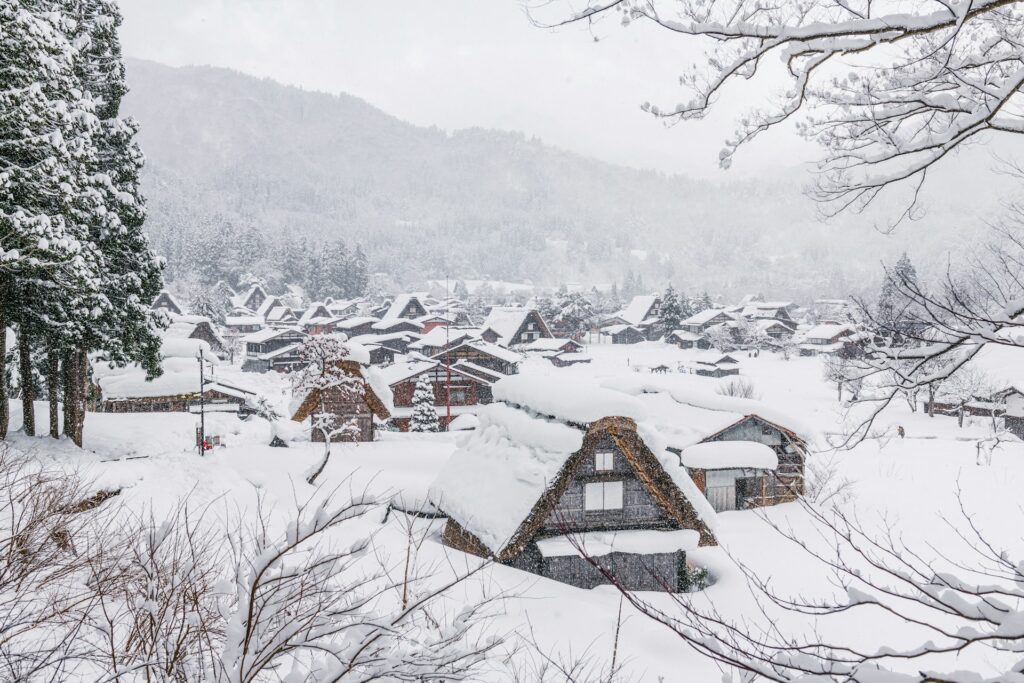
If you searched “shirakawago itinerary”, you’re probably trying to solve one of these problems: you don’t want to get stranded by bus timing, you don’t want to spend your whole visit in queues, and you want to know how much time is “enough” in the village. Good news: Shirakawa-go is compact and very doable in a day. The catch is that the best experience depends more on arrival time than on how fast you walk.
Quick Verdict
Shirakawago is worth it as a day trip if you can arrive early-ish and give the village about 3–4 hours (viewpoint + wandering + one interior stop + food). If you’re limited to around 90–120 minutes in the middle of the day, it can feel rushed and crowded. If you want a timing plan that avoids the worst crowd window and protects your return logistics, use our in-depth guide here: ➡️[From Kanazawa or Takayama: Private Shirakawa-go & Takayama Day Tour — Is It Worth It?]
Pick your starting point: Kanazawa vs Takayama (and why it matters)
From Kanazawa
Kanazawa is one of the easiest bases because the bus ride is short enough to do comfortably out-and-back. The main thing to watch is seat availability in peak seasons—if you’re aiming for a specific departure, don’t assume you can buy last-minute.
From Takayama
Takayama is even closer, which makes an early arrival much easier. It’s also a natural pairing if you want to combine Shirakawago with Takayama’s old town in one day without feeling like you’re sprinting.
From Toyama (or other Hokuriku stops)
Toyama can work well if you’re already moving through the region, but your day depends on clean connections and buffer time. If the day is tight, prioritize a plan that keeps your last return option safe.
The one rule that saves most Shirakawago day trips
Build your itinerary around transport first, sights second.
Shirakawago is popular year-round, and buses can sell out or fill up. Plan your “must-do” moments (especially the viewpoint) around the time you arrive, not around a perfect list of attractions.
A simple way to think about it:
- Arrive earlier → do the viewpoint first → wander as crowds build.
- Arrive midday → skip trying to “beat” crowds → focus on quieter backstreets and one paid interior stop.
The best Shirakawago itinerary for most people (3–4 hours in Ogimachi)
This plan assumes you arrive in Ogimachi and have enough time to explore at a relaxed pace without racing the clock.
1) Go to the viewpoint first (or last)
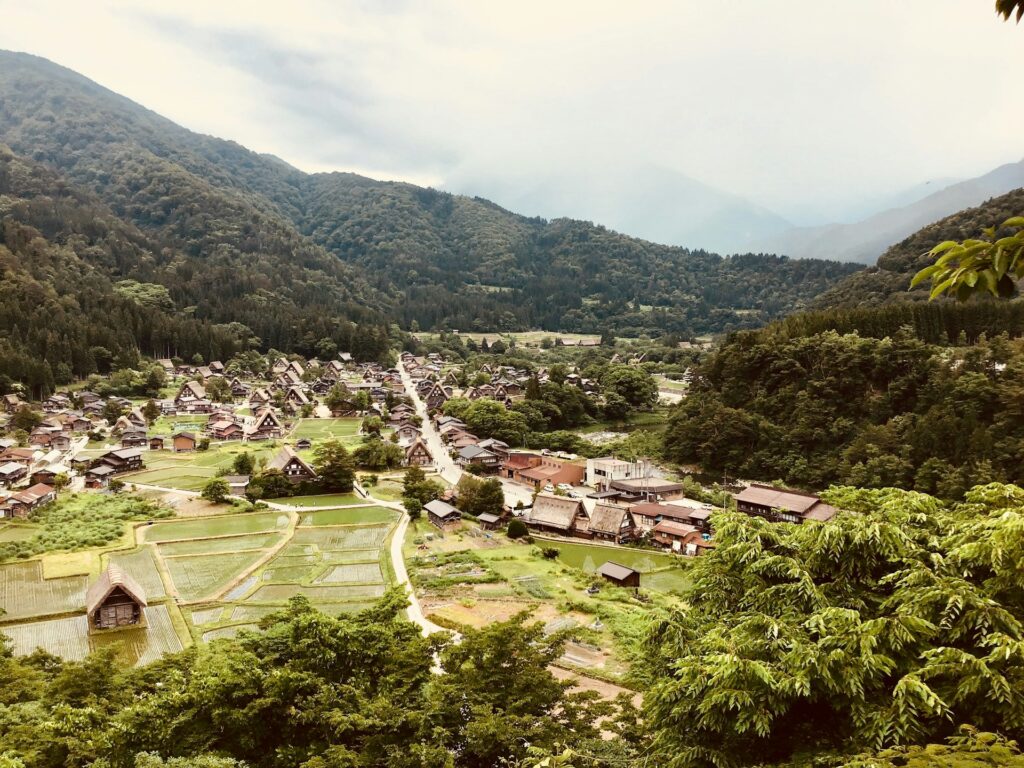
The panoramic viewpoint is the classic Shirakawago photo—and the classic bottleneck. If you arrive before late morning, do it first while your energy is high and lines are shorter. If you arrive around midday, consider saving it for the end so you’re not spending your best time waiting.
You’ll usually have two choices: walk up (steady incline) or use local transport when available. Either way, the viewpoint itself doesn’t take long—what takes time is getting there and back when it’s busy.
2) Do a slow loop through the village streets
Once you’re back down, treat Ogimachi like a “wander village,” not a checklist. The main lanes are charming, but the calmer photos usually come from:
- crossing the river area for wider views,
- drifting into side streets,
- and looping back through quieter edges of the village.
This is where Shirakawogo becomes more than a single postcard: you start noticing details—woodwork, gardens, small shrines, seasonal scenery, and the rhythm of a real place that also happens to be famous.
3) Pick one interior experience (don’t try to do them all)
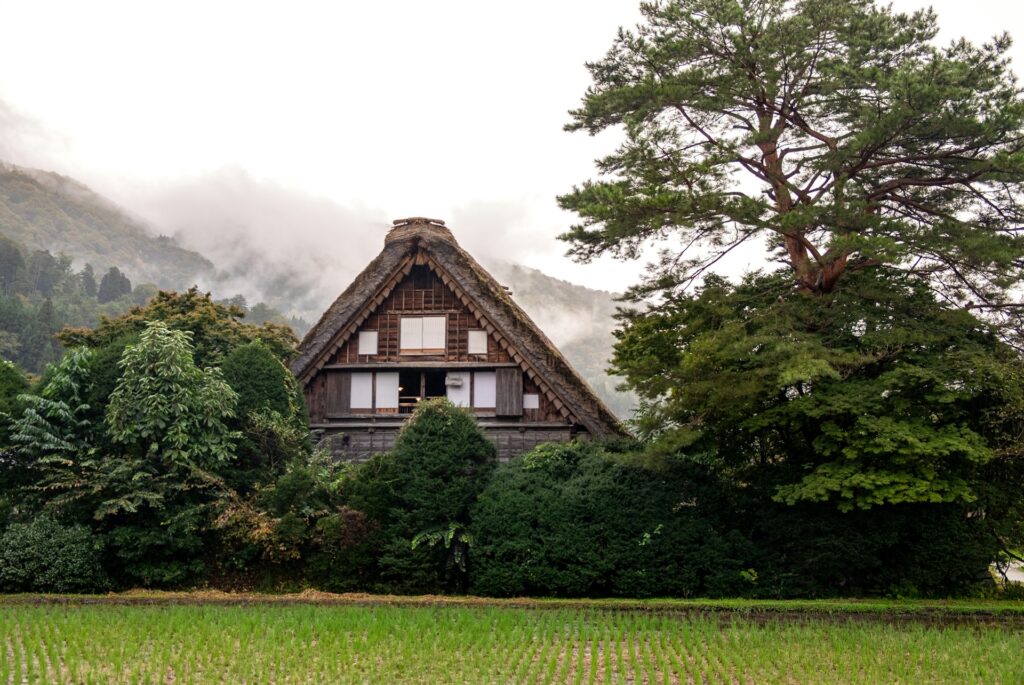
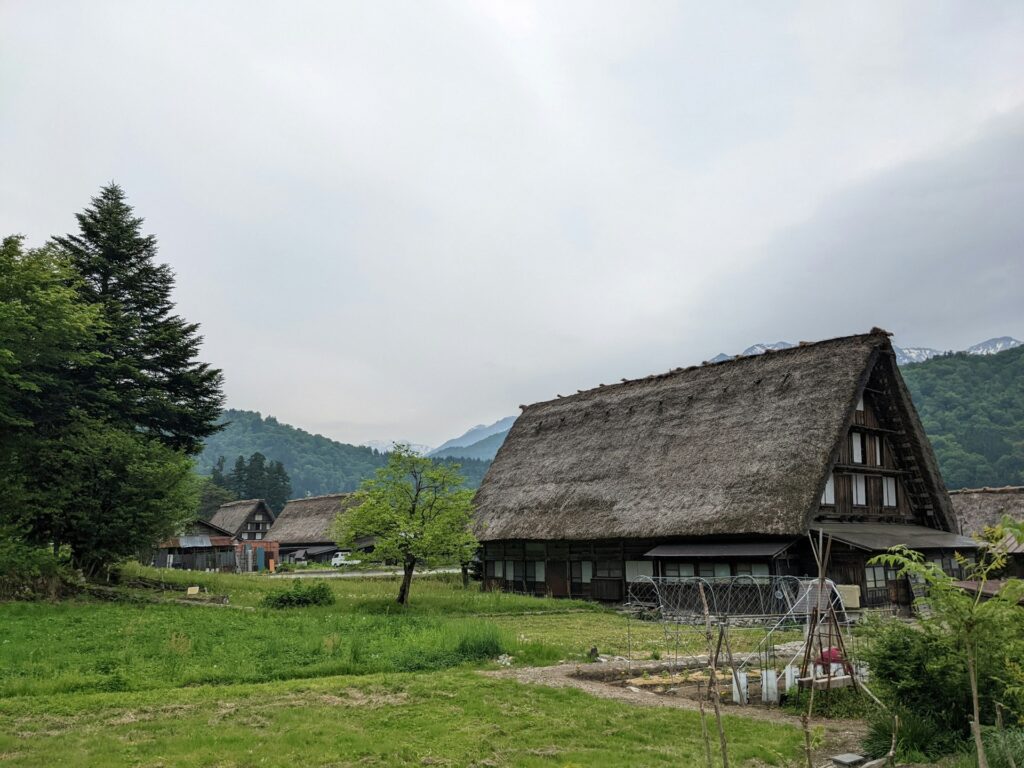
Choose one: a gassho-style house you can enter, or a museum-style stop. Interiors are valuable because they give context—architecture, tools, daily life—but they also eat time if you hop between multiple places. One good interior visit is usually enough to make the village “click.”
4) Eat strategically (early lunch or late lunch)
Food lines spike when buses arrive in waves. If you can, eat slightly off-peak:
- early lunch soon after you arrive, or
- a late lunch before you leave.
If you’re not hungry, a quick snack stop can be a better use of time than committing to a long sit-down queue.
5) Return-to-bus buffer (don’t cut it close)
Give yourself 15–25 minutes at the end for restrooms, a last river photo, lockers if you used them, and the walk back to the terminal. Shirakawago is easy to navigate, but crowds make everything slower right when you’re trying to leave.
If you only have 2 hours in Shirakawago
Two hours is doable, but you need to accept that you’re choosing highlights over depth.
A “minimum viable” route (that still feels good)
Start with either:
- the viewpoint (if lines are reasonable), then a short village loop, or
- skip the viewpoint if it’s slammed and instead do a calmer loop plus one interior stop.
The mistake is trying to do viewpoint + multiple interiors + a full meal in two hours. You’ll spend too much time waiting and not enough time enjoying.
Pairing Shirakawago + Takayama in one day without regret
This combo is popular because it gives you “storybook village” and “historic town” in one day, but only if you keep the pacing realistic.
Option A: Shirakawago first, Takayama second (the safest flow)
This works well because the village feels best earlier, and Takayama is enjoyable later in the day when you want to slow down. In Takayama, keep it simple: a wander in the old town streets, one key historical spot, and dinner.
Option B: Takayama first, Shirakawago later (best for softer light)
If you care about late-day atmosphere and don’t mind a shorter village visit, this can be rewarding. The risk is that you’re closer to the end of the day for return logistics—so this option is best when your transport plan has plenty of buffer.
Crowd-proofing your visit without waking up at dawn
Crowds are part of Shirakawago—what you want is to avoid turning your entire visit into a line-management exercise.
Here are the moves that actually help:
- Do the viewpoint first or last, not at peak midday.
- Walk the quieter edges of the village after you’ve seen the main lanes.
- Eat off-peak, or do a snack instead of a full lunch at the busiest hour.
- Commit to one interior stop, not three.
- Leave a buffer so you’re not stressed at the terminal.
Seasonal tweaks that change your itinerary the most
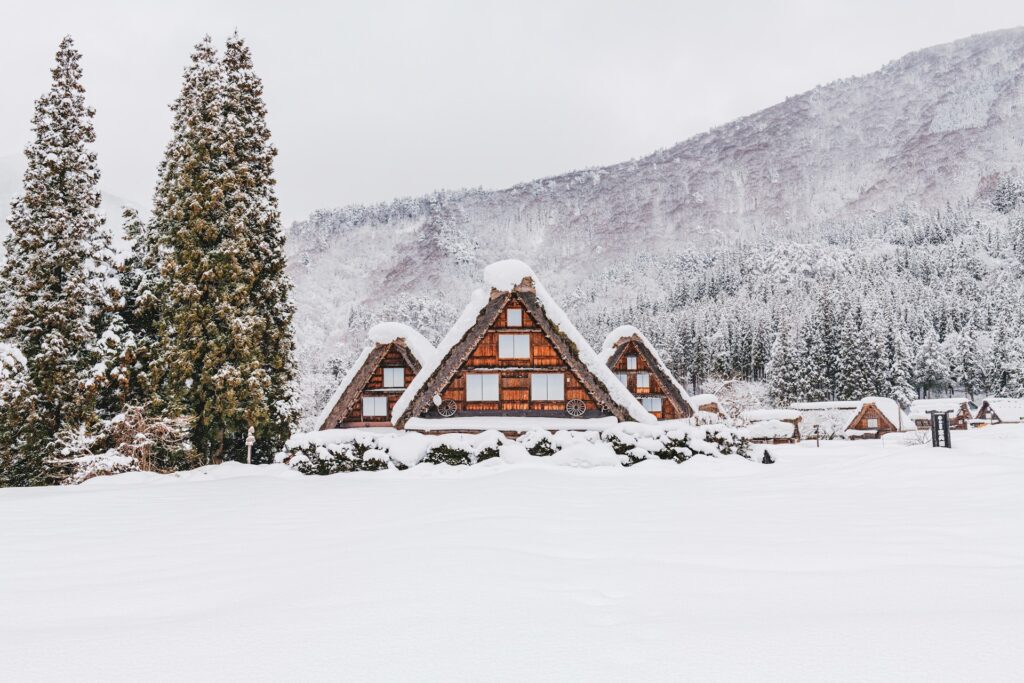
Winter (snow, short daylight, slower walking)
Winter can be stunning, but it’s less forgiving. Paths can be slippery, daylight is shorter, and weather can impact timing. Plan fewer “must-do” items, wear footwear with grip, and increase your buffer.
Autumn foliage (beautiful + busiest)
This is when “just wing it” tends to fail. If you’re traveling on weekends or during peak foliage, lock in transport early and aim for an early arrival so you’re not stuck with a compressed village window.
Spring and summer (more daylight, more tour volume)
Longer daylight makes pacing easier, but you’ll still see crowd waves. Heat and humidity can also make the viewpoint walk feel harder than expected—pace yourself and hydrate.
Practical details people forget (and then lose time on)
Luggage
If you’re in transit between cities, think through luggage before you arrive. Lockers can help, but they can fill up on busy days. If you have large bags, a plan that includes a vehicle trunk or a handled transfer can remove a lot of friction.
Respectful travel
Many buildings are private homes and working spaces. Stick to posted signs, keep voices low in residential lanes, and treat photo opportunities as shared space.
Bathrooms and “little delays”
Even small things—restrooms, buying a ticket, a snack line—take longer when multiple buses arrive. That’s why the end-of-visit buffer matters so much.
DIY vs private day tour: which one fits your trip?
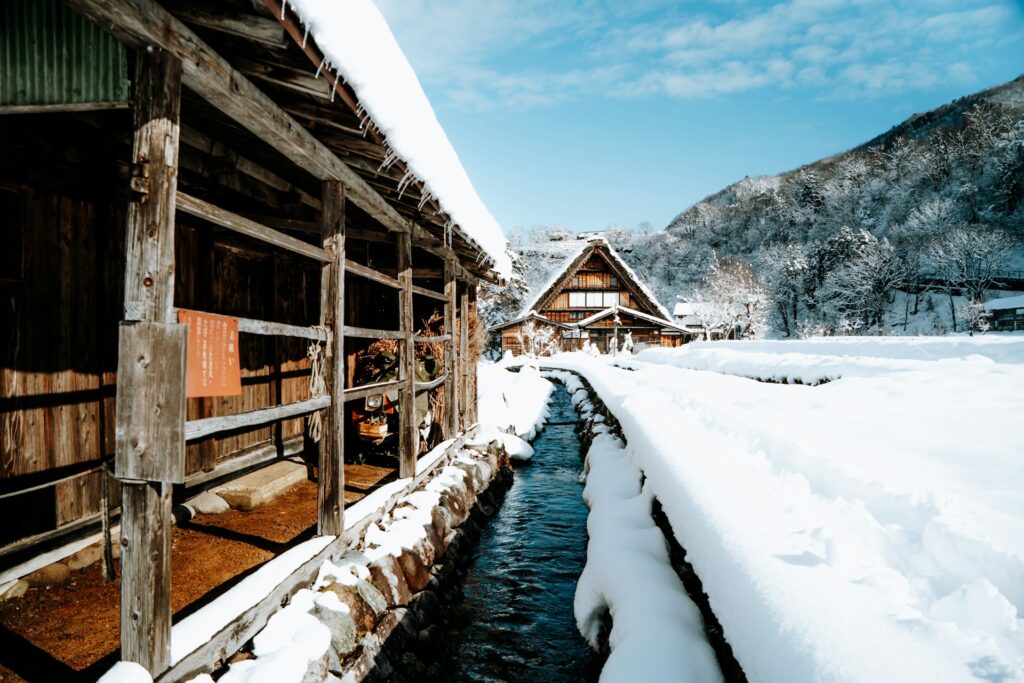
DIY is great if you’re comfortable planning around bus reservations, you’re fine with a fixed departure time, and you like having full control over how long you spend in the village.
A private day tour tends to fit better if you’re short on planning time, traveling with family, carrying luggage, or you want to combine multiple stops smoothly (especially if you’re linking Kanazawa, Shirakawago, and Takayama in one day). If you’d rather skip the logistics and keep the day flexible, this option is worth comparing: ➡️[From Kanazawa or Takayama: Private Shirakawa-go & Takayama Day Tour — Is It Worth It?]
What this tour includes (at a glance)
- Private group with hotel pickup (pickup areas vary by date/plan).
- Full-day duration with a driver, with a route that typically links Shirakawago with Takayama-area highlights.
- Cancellation flexibility (often free cancellation up to a set cutoff time).
- “Reserve now, pay later” style booking (when offered for your date).
- A paced itinerary with built-in transfers, so you don’t have to manage bus reservations.
Conclusion: the Shirakawogo itinerary that delivers the best experience
The best Shirakawago itinerary isn’t the one with the most stops—it’s the one that protects your arrival window, gets you to the viewpoint at a smart time, and leaves space to wander beyond the main photo spots. If you want a step-by-step timing plan (including how to choose your departure and return options), start here: ➡️[From Kanazawa or Takayama: Private Shirakawa-go & Takayama Day Tour — Is It Worth It?]. And if you’d rather let someone else handle the routing across cities, you can check the private day tour details here: ➡️[View tour details].
FAQ
How many hours do I need in Shirakawago?
For most travelers, 3–4 hours in Ogimachi is the sweet spot: viewpoint, village wander, one interior stop, and food without rushing. Less than 2 hours is possible but feels compressed.
Can I do a “half-day” Shirakawago trip?
Yes, but only if your transport timing cooperates. A half-day plan works best when you can arrive earlier and leave before late afternoon crowd waves—or when you accept a tighter “highlights only” route.
Do I need to reserve buses in advance?
Often, yes—especially in peak seasons, weekends, and holiday periods. Even when reservations aren’t mandatory for every departure, relying on last-minute seats can shrink your village time.
Is Shirakawago worth visiting in winter?
It can be amazing in winter for atmosphere and snow scenery, but the day is less forgiving. Expect slower walking, shorter daylight, and more weather sensitivity.
Is the viewpoint walk difficult?
It’s generally manageable for most people at a normal pace, but it’s an incline and can feel tougher in heat or snow/ice. If mobility is a concern, plan around local transport options and focus more on village-level viewpoints and river scenery.
Can I enter the famous gassho houses?
Some are open to visitors, and visiting one can add a lot of context. Just don’t try to cram multiple interiors into a short visit—choose one that fits your available time.
Always double-check the latest info on official sources.