
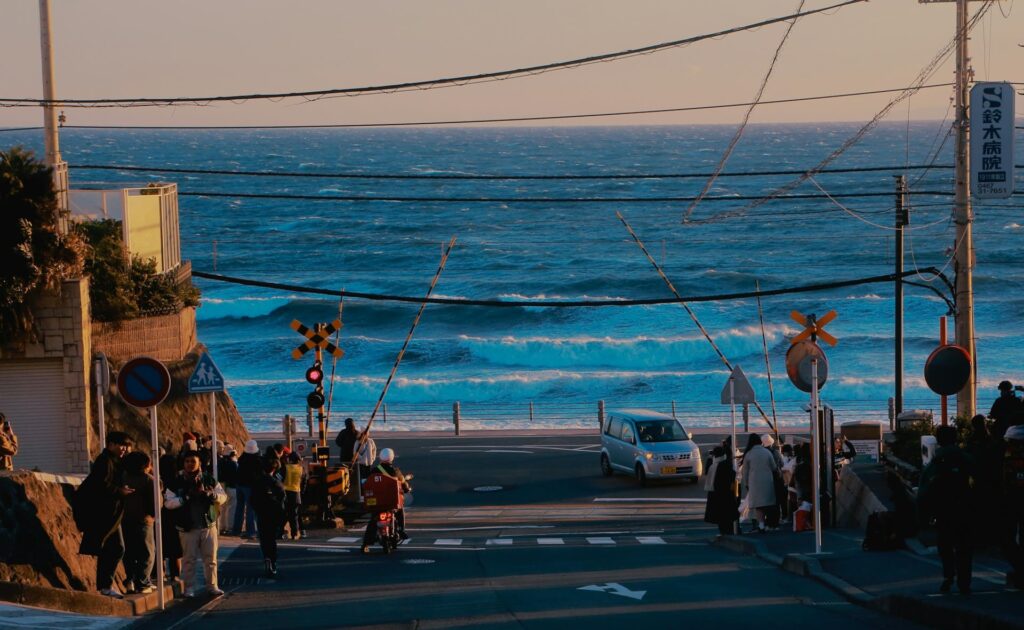
Kamakura vs Hakone is not really a question of which place is “better.” It is a question of which one fits your time, budget, and travel style better.
If you only have one free day in Tokyo and want an easy self-guided trip with temples, local food, and coastal scenery, Kamakura is usually the safer choice. If you want hot springs, mountain views, scenic transport, and your best shot at seeing Mt. Fuji, Hakone has the bigger payoff — but it asks for more planning, more money, and usually more time.
The way I’d frame it is simple: choose Kamakura when you want a smooth day trip. Choose Hakone when the experience itself matters more than convenience — especially if you are willing to stay overnight or use an organized tour to reduce the logistics.
Quick Answer: Kamakura vs Hakone at a Glance
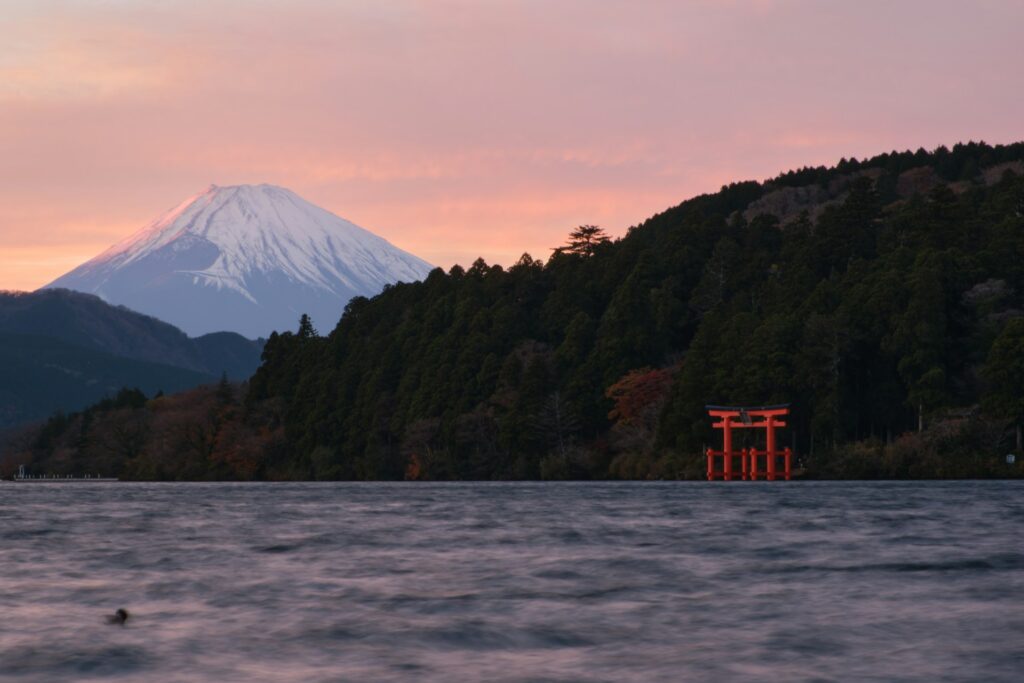
For most first-time visitors, the easiest way to decide is this: choose Kamakura for a simple, culture-focused day trip, and choose Hakone for a slower nature-and-onsen getaway with better Mt. Fuji potential.
If Hakone sounds more exciting but the transfers feel like too much for one day, compare an organized Mt. Fuji and Hakone tour before committing to the independent route.
Recommended Shortcut If Hakone Is the Place You Actually Want
If your real answer is “I want Hakone, but I do not want to manage the ropeway, lake cruise, buses, weather backup, and return timing myself,” this is where a guided tour can make sense.
Why I’d book this one:
- It solves the main Hakone day-trip problem: the independent route can feel like a chain of transfers. A guided tour bundles the big moving parts into one structured day.
- It targets the reasons people choose Hakone: Mt. Fuji-area scenery, Lake Ashi, Owakudani, ropeway-style viewpoints, and a more dramatic landscape than Kamakura.
- Reviewers consistently mention convenience: recent traveler feedback often highlights the ease of seeing several Fuji and Hakone-area stops in one day, while also noting the usual weather risk around Mt. Fuji.
| Option | Best For | Price / Conditions |
|---|---|---|
| Mt. Fuji & Hakone guided tour | Travelers who want Hakone scenery without planning every transfer | Check the booking page for the latest price, inclusions, meeting point, and cancellation rules |
| Independent Hakone with Hakone Freepass | Travelers who like flexible routing and do not mind several local transport connections | Check the latest Hakone Freepass conditions and add-ons before buying |
| Kamakura self-guided day trip | Travelers who want the easiest cultural escape from Tokyo | Usually the lower-cost option, depending on meals, temple stops, and train choices |
Who Should Choose Which?
- Choose Kamakura if you want the easier day trip from Tokyo — about one hour by direct JR train from Tokyo Station.
- Choose Hakone if hot springs, mountain scenery, and Mt. Fuji view potential matter more than convenience.
- Choose Kamakura if you are on a tighter budget. A full day can often be kept to around ¥3,500–5,500 per person, depending on meals and optional stops.
- Choose Hakone if you want a more romantic overnight escape. The Hakone Freepass from Shinjuku costs ¥7,100 for adults for 2 days as of June 2026, before meals, onsen, or the optional Romancecar limited express ticket.
- Choose Hakone if Mt. Fuji views are high on your wishlist — your chances are much better here, weather permitting.
| Feature | Kamakura | Hakone |
|---|---|---|
| Overall Vibe | Historic temples, shrines, shopping streets, and ocean air | Mountains, hot springs, lake views, and scenic transport |
| Best For | Culture seekers, food lovers, solo travelers, families, and easy day trippers | Couples, nature lovers, onsen fans, Mt. Fuji chasers, and slower-paced travelers |
| Travel Time from Tokyo | About 55–60 min direct from Tokyo Station by JR Yokosuka Line | About 80 min from Shinjuku by Romancecar, or about 2 hours by regular Odakyu trains |
| Best Trip Length | 1 day | 1 night or more if you want the relaxed version |
| Sample Day-Trip Cost | Around ¥3,500–5,500 with transport, temple fees, and casual food | Around ¥8,000–10,000+ with transport pass, meals, and optional onsen |
| Typical Pace | Walk, sightsee, snack, and move at your own pace | More structured, with trains, cable car, ropeway, boat, and bus connections |
| Mt. Fuji Potential | Occasional distant views on very clear days | Much better chance, especially on clear winter days |
The short version: Kamakura is the easier win for travelers who want a rewarding Tokyo day trip without much planning. Hakone has the bigger payoff if you care about onsen, dramatic scenery, and iconic Fuji-area views, but it usually asks for more time, money, and energy.
Reality Check Before You Choose
- Kamakura feels easy from the moment you arrive. Many sights are walkable or linked by short local train rides.
- Hakone is not hard to reach, but the sightseeing starts after you get there. You still need to connect local transport to experience the area properly.
- Mt. Fuji is never guaranteed. Even in Hakone, cloud cover can block the view completely.
- The Hakone Freepass can be good value if you plan to ride several parts of the classic Hakone Loop, but it is still worth comparing it against your exact route.
Kamakura vs Hakone: 5 Differences That Actually Matter
If you are still undecided, these are the differences that usually make the choice clear.
1. Vibe and Main Attractions
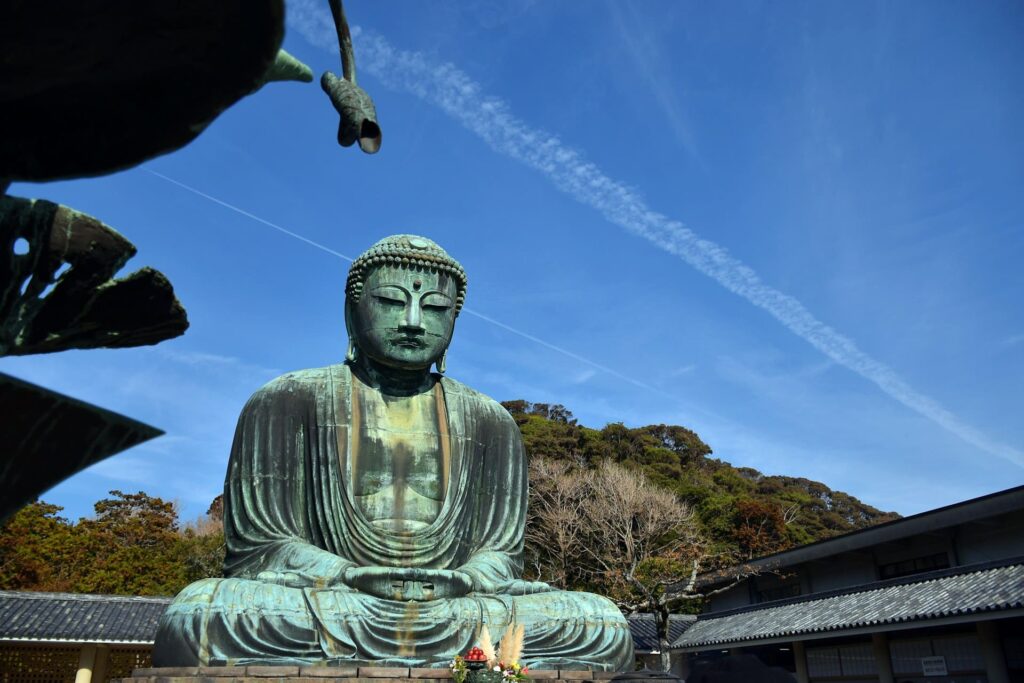
Kamakura is the better pick if you want history, temples, shrines, and a relaxed coastal atmosphere. A typical day here means visiting famous spots like the Great Buddha at Kotoku-in, walking through temple grounds, browsing Komachi Street, and possibly exploring Enoshima for sea views and sunset. It feels cultural, compact, and easy to understand.
As of June 2026, Kotoku-in general admission is ¥300 for adults, with a small additional fee if you want to enter the interior of the Great Buddha statue. Hase-dera admission is ¥400 for adults. These are modest fees, but always check the latest official information before visiting.
Hakone is more about scenery and experience than individual landmarks. People come here for hot springs, mountain air, Lake Ashi, the volcanic area around Owakudani, and the fun of moving through the region by train, cable car, ropeway, bus, and boat. It feels more like a getaway than a sightseeing checklist.
2. Travel Time and Ease from Tokyo
Kamakura is much easier for a true day trip. From Tokyo Station, the JR Yokosuka Line runs directly to Kamakura Station in just under one hour. A typical one-way fare from Tokyo Station is around ¥1,040, subject to fare revisions and ticket type. If you have a valid Japan Rail Pass, this JR route is covered.
Once you arrive, most major sights are within walking distance or a short Enoden train ride away. That makes Kamakura a strong option for travelers who want a low-stress day outside the city.
Kai’s tip: The mistake I see travelers make is comparing only the train time from Tokyo. Kamakura’s sightseeing begins almost as soon as you arrive, while Hakone’s main experiences usually begin after another sequence of local transport. That difference matters more than it looks on a map.
Hakone is still very doable from Tokyo, but it is less effortless. From Shinjuku Station, the fastest option is the Odakyu Romancecar limited express, which takes about 80 minutes to Hakone-Yumoto. The Romancecar requires a limited express ticket in addition to a regular passenger ticket or valid pass. As of June 2026, the limited express ticket from Shinjuku to Hakone-Yumoto is ¥1,200 one way.
Regular Odakyu trains usually take around two hours. Reaching Hakone-Yumoto is only the first step — after that, you usually need to connect several local transport options to see the most famous sights. That is part of Hakone’s charm, but it also makes the day feel more scheduled and less flexible.
3. How Much Time You Really Need
Kamakura is ideal for one day. You can leave Tokyo in the morning, visit major sights, stop for lunch and snacks, ride the Enoden, and return to Tokyo in the evening without feeling rushed. Most travelers can enjoy a satisfying route in 8–9 hours, depending on how much they walk and whether they add Enoshima.
Hakone can be done as a day trip, but it often feels tight. A realistic day trip might look like this:
- Early morning: Depart Shinjuku, ideally with reserved transport if using the Romancecar.
- Morning: Arrive at Hakone-Yumoto and start the classic sightseeing route.
- Late morning to afternoon: Move through Gora, Sounzan, Owakudani, Lake Ashi, and the bus or boat connections.
- Late afternoon: Add a quick onsen or rest stop only if your timing is comfortable.
- Evening: Return to Tokyo.
Kai’s tip: If I had one day for Hakone, I would decide the return plan before choosing the sightseeing stops. Work backward from your return train, last bus connection, or tour end point. Hakone feels relaxing only when you are not constantly wondering whether the next connection will work.
If you try to squeeze in the classic highlights in one day, you may spend more time watching the clock than relaxing. Hakone makes far more sense when you can stay overnight, enjoy an onsen, and move through the area at a slower pace.
4. Budget Breakdown
The cost difference between Kamakura and Hakone is significant. The sample costs below use official fares and typical travel costs checked in June 2026 where available. Future fare revisions, route choices, meals, optional stops, and pass conditions can change your total.
| Expense | Kamakura | Hakone |
|---|---|---|
| Round-trip transport | About ¥2,080 from Tokyo Station by JR Yokosuka Line | Hakone Freepass from Shinjuku: ¥7,100 for adults for 2 days as of June 2026; Romancecar limited express ticket costs extra |
| Temple / attraction fees | Often around ¥300–1,000 depending on stops; Great Buddha ¥300, Hase-dera ¥400, Tsurugaoka Hachimangu main grounds free | Many classic transport-based sights are covered by the Freepass route, but museums, onsen, and some attractions cost extra |
| Lunch + snacks | Usually around ¥1,000–2,000 for casual food | Usually around ¥1,500–3,000, depending on restaurants and snacks |
| Onsen | Not usually part of a standard Kamakura day trip | Day-use baths typically add extra cost and vary by facility |
| Sample Total | Around ¥3,500–5,500 | Around ¥8,000–10,000+, depending on route, Romancecar use, meals, and optional onsen |
Important note on the Hakone Freepass: The Hakone Freepass can be good value if you plan to ride several parts of the classic Hakone Loop, such as the Hakone Tozan Train, cable car, ropeway, Lake Ashi cruise, and local buses. However, it is not automatically the cheapest choice for every traveler. Compare it with your exact route, especially if you only plan to visit one or two places.
👉 Check the latest Hakone Freepass options, validity period, and pickup conditions here
If you are wondering whether your Japan Rail Pass covers either destination: the JR Pass covers JR trains to Kamakura. For Hakone, it does not cover Odakyu trains, the Romancecar limited express ticket, the Hakone Freepass, or most local Hakone sightseeing transport. If you travel by JR to Odawara first, that JR portion may be covered, but you will still need separate tickets for Hakone sightseeing.
5. Mt. Fuji Views and Overall Payoff
If seeing Mt. Fuji is one of your biggest priorities, Hakone is the better bet. On a clear day, the classic views around Lake Ashi and the ropeway area are exactly the kind of scenery many travelers imagine when planning a Japan trip.
For the best chance, winter and early spring usually offer clearer skies than humid summer months, but visibility is never guaranteed. Treat Mt. Fuji as a possible highlight rather than a promise.
If you want to see the main Hakone and Fuji-area highlights without piecing together the lake, ropeway, volcanic valley, and return journey yourself, a Mt. Fuji and Hakone day tour from Tokyo can be a useful option to compare with traveling independently. Tours typically include arranged transport, a guide, and key stops, but you lose the flexibility to linger where you want.
Kamakura is not a true Mt. Fuji destination. On exceptionally clear days, especially in cooler months, you may catch distant views from the coast or around Enoshima, but that should be seen as a bonus rather than a reason to choose it. Kamakura’s real appeal is its mix of temples, local atmosphere, and seaside pace.
Which Is Better for You? By Traveler Type
For First-Time Visitors to Japan
Kamakura is usually the better choice. It is simpler, easier to navigate, and gives you a strong taste of Japanese temple culture without the logistical overhead. You will feel accomplished at the end of the day without feeling exhausted.
For Couples or a Romantic Getaway
Hakone is the stronger pick. Onsen, mountain views, ropeway rides, Lake Ashi cruises, and ryokan stays make it feel more special. Stay overnight if you want the full experience rather than a rushed checklist.
For Families with Kids
Kamakura is usually easier. The distances are shorter, the Enoden train is fun, Komachi Street has plenty of snack options, and Enoshima can be added if everyone still has energy. Hakone’s longer transport chain can be tiring for young children.
For Solo Travelers
Both work well. Kamakura is better if you want to move at your own pace, walk between temples, browse cafes, and keep the day simple. Hakone is better if you want solitude, nature, and a relaxing onsen experience — especially with an overnight stay.
For Mt. Fuji Chasers
Hakone is the clear winner. It gives you much better Fuji-view potential than Kamakura, especially around Lake Ashi and the ropeway area. Just check the forecast and remember that clouds can ruin visibility at any time of year.
For Budget Travelers
Kamakura wins by a wide margin. You can enjoy a full and satisfying day for much less than Hakone, especially if you keep meals casual and focus on temples, local streets, and coastal walks.
Best Time to Visit Kamakura vs Hakone
Seasonal Highlights
- Spring, March–May: Kamakura has cherry blossoms around temples, shrines, and walking routes. Hakone’s higher elevation means some blooms and fresh greenery can arrive a little later.
- Summer, June–August: Kamakura’s coast can feel refreshing, and Enoshima is lively. Hakone is cooler than central Tokyo, but rainy season and humidity can reduce Mt. Fuji visibility.
- Autumn, October–November: Excellent for both. Hakone is especially popular for autumn foliage around the mountains and Lake Ashi. Kamakura temples are also beautiful in red and gold.
- Winter, December–February: Hakone usually has better Mt. Fuji visibility, while Kamakura is quieter and easier to explore without heavy crowds. Bring warm layers for both.
Kai’s tip: I always tell readers not to build a Hakone day around a guaranteed Fuji view. Your best chance is usually earlier in the day and in cooler, clearer seasons, but clouds can still win. Plan Hakone so it is enjoyable even if Mt. Fuji never appears.
When to Be Careful
- Golden Week, late April–early May: Both destinations can get extremely crowded. Reserve transport and accommodation early if needed.
- Peak autumn weekends in Hakone: Ropeway, cable car, bus, and Lake Ashi cruise lines can be long. Go on a weekday if possible.
- Kamakura weekends: Komachi Street, Hase, and the Great Buddha area can feel very crowded. Weekdays are more comfortable.
- Obon and major Japanese holidays: Expect heavier domestic travel and less flexibility.
Practical Tips for Your Day Trip
Getting Around Kamakura
The Enoden train line connects Kamakura Station with Hase, Inamuragasaki, Fujisawa, and the Enoshima area. It is charming, slow, and part of the experience. Many key temples are walkable from Kamakura Station, but a comfortable day usually involves a mix of walking and 2–3 short train or bus rides.
Getting Around Hakone
The classic Hakone Loop usually follows this general route: Hakone-Yumoto → Gora by train → Sounzan by cable car → Owakudani by ropeway → Togendai by ropeway → Lake Ashi by sightseeing cruise → Hakone-machi or Moto-Hakone by boat → bus back toward Hakone-Yumoto.
With a Hakone Freepass, many of these transport links are covered, but always check the latest pass conditions and any operation notices. Weather, volcanic gas, maintenance, crowds, and traffic can affect ropeways, boats, buses, and travel times.
Kai’s tip: What catches people out in Hakone is treating Owakudani as an absolutely fixed stop. It is a strong highlight when conditions are good, but ropeway operations, weather, and volcanic gas advisories can change the day. Keep one museum, onsen, or café-based backup in mind before you leave Tokyo.
What to Do on a Rainy Day
- Kamakura: Focus on Tsurugaoka Hachimangu, Komachi-dori, cafes, and indoor museum options such as the Kamakura National Treasure Museum. The Great Buddha is outdoors but still accessible in light rain. Do not rely on the Kamakura Museum of Literature for a rainy-day plan, as it is closed for major renovations until 2027.
- Hakone: Owakudani and Lake Ashi are less rewarding in rain or fog because visibility drops. Consider the Hakone Open-Air Museum, a day-use onsen, the Pola Museum of Art, or a slower ryokan-focused day. Ropeway or boat services may be suspended during bad weather.
Luggage Storage
- Kamakura: Coin lockers are usually available around Kamakura Station, but availability and sizes can be limited during busy periods. Carry cash as a backup.
- Hakone: Hakone-Yumoto Station has lockers and luggage services, and many hotels or ryokan can hold bags for guests before check-in. Confirm with your accommodation if you are staying overnight.
Can You Visit Both Kamakura and Hakone in One Day?
It is technically possible, but it is a poor use of time. You would spend too much of the day in transit and not enough time enjoying either place.
If you are in Tokyo for a longer trip and want to visit both, plan two separate days: Kamakura as an easy cultural day trip, and Hakone as either a long structured day or, ideally, an overnight onsen getaway.
The Verdict: Which Should You Choose?
Both are excellent escapes from Tokyo, but they solve different travel needs.
Choose Kamakura if…
- You only have one full day available.
- You want the easier and more flexible trip from Tokyo.
- You care more about temples, shrines, local streets, and coastal atmosphere than hot springs.
- You want a trip that is usually cheaper and less tiring.
- You like the idea of combining culture, food, and sea views in one day.
- You have a valid Japan Rail Pass and want to use it on a JR route from Tokyo.
Choose Hakone if…
- You can spare at least one night, or you are comfortable with a more structured day.
- You want to experience onsen, mountain scenery, and scenic transport.
- Mt. Fuji potential is a major reason for leaving Tokyo.
- You prefer a slower, more atmospheric getaway over a checklist of temples.
- You are comfortable spending more on transport, optional attractions, meals, and possibly accommodation.
Not Ideal If…
- Kamakura may feel less exciting if your main goal is hot springs, dramatic landscapes, or iconic Fuji views.
- Hakone may not be the best fit if you dislike transfers, want a cheap and simple outing, or only have a short day to work with.
Bottom line: For most travelers choosing a single Tokyo day trip, Kamakura is the safer and easier recommendation. Hakone becomes the better choice when you specifically want onsen, mountain scenery, Mt. Fuji view potential, and a more special overnight-style escape.
My Final Booking Recommendation
If you choose Kamakura, I would usually keep it self-guided unless you strongly prefer having transport, temple tickets, and a guide arranged for you. Kamakura is compact enough that many travelers can handle it independently with a good route.
If you choose Hakone as a day trip, I would be much more open to booking a structured tour. The value is not only the attractions — it is the reduced stress of connecting the mountain railway, ropeway, lake area, buses, and return to Tokyo in a single day.
Why I’d compare this Hakone tour before going independent:
- It fits the traveler who wants the Hakone payoff without the transfer puzzle. That is the exact pain point most first-time visitors underestimate.
- It gives you a cleaner decision point. If the listed stops, return option, and meeting point match your travel style, the tour may be easier than building the same day yourself.
- Review patterns are useful but realistic. Travelers often praise the guide and convenience, while less positive feedback tends to involve things no operator can fully control, such as clouds, rain, crowds, or altered visibility.
👉 Compare the Mt. Fuji and Hakone day tour here before deciding on the independent route
| Your Situation | Better Choice | Why |
|---|---|---|
| You want the easiest Tokyo day trip | Kamakura | Direct JR access, walkable sights, lower cost, simple planning |
| You want Fuji-area scenery in one structured day | Hakone tour | Reduces transfer stress and helps cover major stops efficiently |
| You want hot springs and a slower pace | Overnight Hakone | More time for ryokan, onsen, museums, Lake Ashi, and weather flexibility |
| You want temples, food streets, and coastal views | Kamakura | Better balance of culture, food, and easy movement in one day |
Frequently Asked Questions
Can Hakone really be done as a day trip?
Yes, but it often feels rushed. If you leave Tokyo early, you can see several classic Hakone highlights and return the same night. However, if you want to enjoy the ropeway, Lake Ashi, Owakudani, and an onsen without constantly checking the time, Hakone is much better with an overnight stay or a structured tour.
Is Kamakura better if I only have one free day in Tokyo?
In most cases, yes. Kamakura is easier to reach, easier to understand, and easier to enjoy in a single day. You can cover major sights without turning the day into a transport puzzle, especially if you follow a clear Kamakura day trip route.
Which is better for families with kids?
Kamakura is usually better for families. The distances are shorter, the Enoden train is fun for kids, Komachi Street offers plenty of snack options, and Enoshima can be added as a flexible extension. Hakone involves more waiting and transfers, which can be challenging with young children.
Can I use my Japan Rail Pass for Kamakura or Hakone?
Your Japan Rail Pass covers JR trains to Kamakura, including the JR Yokosuka Line from Tokyo Station. It does not cover Odakyu trains, the Romancecar limited express ticket, the Hakone Freepass, or most local Hakone sightseeing transport. If you travel to Odawara by JR first, that JR portion may be covered, but you will still need separate tickets for the Hakone area.
Which is better for Mt. Fuji views?
Hakone is clearly better for Mt. Fuji. It offers more famous viewpoints and a stronger overall Fuji-area atmosphere. Kamakura may occasionally give you a distant view from the coast, but that is not what most people go there for.
Can I visit both Kamakura and Hakone in one day?
It is technically possible, but it is not recommended. You would spend too much of the day in transit and not enough time enjoying either place. Unless you have a very specific reason, it is far better to choose one.
Is Kamakura still worth it if I am already visiting Kyoto?
Yes, if you want an easy day trip from Tokyo with temples, a coastal setting, and a more casual local feel. Kamakura is not a substitute for Kyoto, but it offers a different mix of history and seaside atmosphere that works very well on a Tokyo-based itinerary.
Which is better on a rainy day?
Kamakura is usually easier to manage in light rain because the trip is simpler and you can move between temples, cafes, and shopping streets without a long transport loop. Hakone can still be enjoyable in rain if you focus on museums and onsen, but its biggest scenic rewards are more weather-dependent.
Next Steps: Plan Your Trip
If Kamakura Won You Over
Make your day smoother with a guided Kamakura and Enoshima day trip from Tokyo that includes temple tickets and transport — useful if you want to reduce planning, train changes, and walking stress.
Or plan your own route with our detailed guide to getting from Tokyo to Kamakura and our full Kamakura day trip itinerary.
If Hakone Is Your Pick
Start by checking the Hakone Freepass on Klook to see whether it fits your planned route. It can be a good-value option if you plan to use several local transport links in the Hakone area.
For travelers who prefer not to coordinate the logistics, compare the Mt. Fuji and Hakone day tour from Tokyo. It can reduce schedule stress by combining transport and key stops in a single organized package.
About This Comparison
I’m Kai Tanaka, a Tokyo-based travel writer focused on practical Japan itineraries for inbound travelers. I compare trips like Kamakura and Hakone from the standpoint of what actually changes a visitor’s day: station access, transfer complexity, weather risk, walking load, and how much time remains after the “famous” transport steps are finished.
This guide is designed as a decision tool, not a sales page for one destination. Kamakura is the better answer for many travelers. Hakone is the better answer for a different kind of traveler — especially if Mt. Fuji-area scenery, onsen atmosphere, and mountain transport are worth the extra planning.
Prices, opening hours, transport schedules, pass conditions, tour inclusions, payment methods, seasonal operations, museum closures, weather-related transport suspensions, and Mt. Fuji visibility can change. The sample prices in this guide were checked in June 2026 where official information was available, but always check official sources and your selected booking page before finalizing your trip.

Hi, I’m Kai. I’m a Tokyo-based travel writer, tourism industry insider, and the author of a published guidebook for international visitors to Japan. With over 10 years of professional experience at a leading Japanese tourism company, my mission is to help you skip the tourist traps and navigate Japan’s best destinations like a local. I believe the perfect day trip is like a traditional kaiseki meal: a beautiful balance of precise planning and unforgettable seasonal discovery. When I’m not out conducting field research, you’ll usually find me drafting new itineraries with one of my favorite fountain pens!