
Planning a trip from Tokyo to Kamakura is straightforward: the main train routes are frequent, affordable, and easy to use. The best choice depends on where you are staying in Tokyo, whether you have a JR Pass, and whether you want to add Enoshima to the same day. This guide compares the JR Yokosuka Line, JR Shonan-Shinjuku Line, and Odakyu Enoshima-Kamakura Freepass so you can choose the right route quickly.
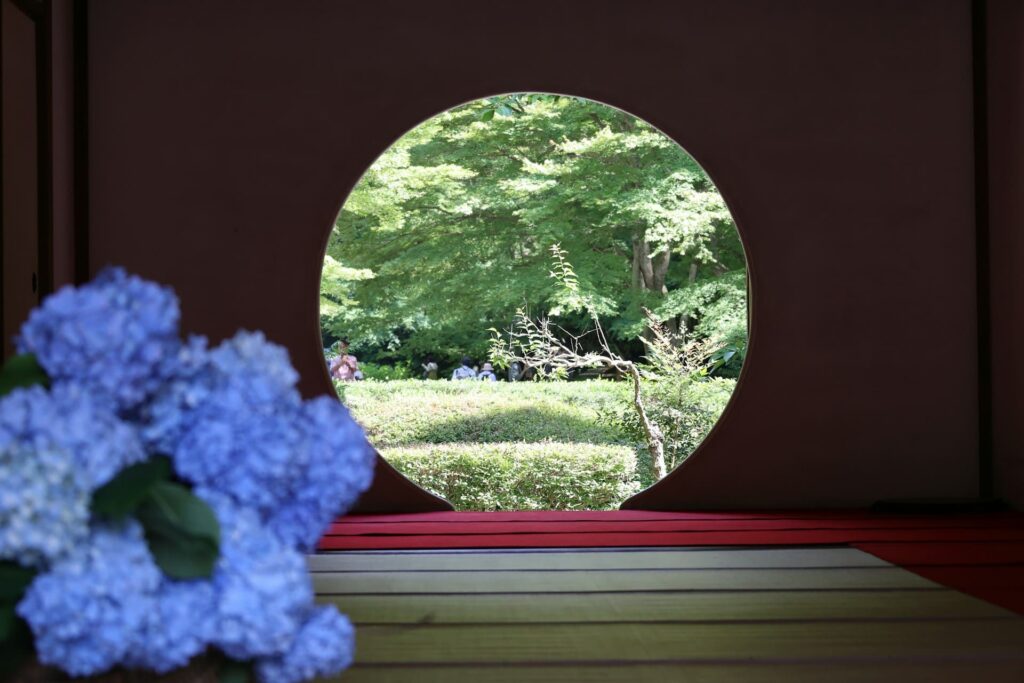
Quick Answer: Best Tokyo to Kamakura Route by Departure Area
The best way to get to Kamakura from Tokyo depends on where you are staying and what you plan to do. For most travelers, a direct JR train is the fastest and simplest option.
- Tokyo Station or Shinagawa → Take the JR Yokosuka Line direct to Kamakura.
- Shinjuku, Shibuya, or Ikebukuro → Take the JR Shonan-Shinjuku Line, but check the destination before boarding.
- Budget-friendly with Enoshima included → Take the Odakyu Enoshima-Kamakura Freepass from Shinjuku.
| Departure Area | Best Route | Direct? | Travel Time | Approx. Fare | JR Pass Covered? |
|---|---|---|---|---|---|
| Tokyo Station / Shinagawa | JR Yokosuka Line | Yes | About 55–60 min from Tokyo Station | Around ¥1,040 one way from Tokyo as of June 2026 | Yes |
| Shinjuku / Shibuya / Ikebukuro | JR Shonan-Shinjuku Line | Usually yes — check destination | About 55–70 min depending on departure station and train | From around ¥1,040 one way; Ikebukuro may be higher depending on route | Yes |
| Best value from Shinjuku with Enoshima | Odakyu Line + Enoden via Freepass | No — transfer around Fujisawa | About 90–110 min to the Kamakura area | ¥1,640 adult pass from Shinjuku as of June 2026 | No |
At a glance: Choose JR for speed and simplicity, Odakyu for value if you plan to ride the Enoden and visit Enoshima, and a guided day tour if you want to reduce transfer planning. Train times, fares, and pass conditions can change, so check the latest route and ticket information before traveling.
If you want to see both Kamakura and Enoshima in one day without managing every local transfer yourself, compare the current tour route, inclusions, walking requirements, and return options before deciding.
👉 Check current Kamakura & Enoshima day trip availability and details here.
1. JR Yokosuka Line — Best from Tokyo Station and Shinagawa
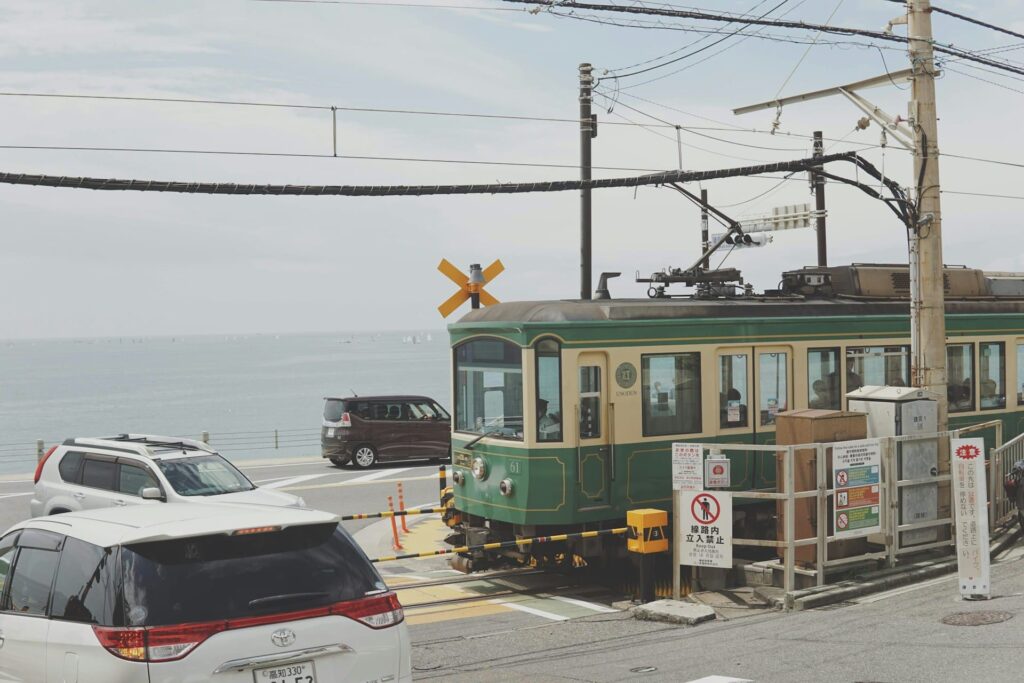
If you are staying near Tokyo Station, Marunouchi, Ginza, or Shinagawa, the JR Yokosuka Line is usually the easiest Tokyo to Kamakura train route. It takes you directly to Kamakura Station without changing trains.
- Best for: First-time visitors, families, and travelers who want the simplest route
- Travel time: About 55–60 minutes from Tokyo Station; slightly shorter from Shinagawa
- Fare: Around ¥1,040 one way from Tokyo as of June 2026, with IC fares slightly lower
- Transfers: None
- JR Pass: Covered with an active pass
At Tokyo Station, the Yokosuka Line uses underground platforms, so allow extra walking time if you are transferring from the Shinkansen, Yamanote Line, or Marunouchi Line. Once you are on the train, it is a straight ride to Kamakura Station, which puts you close to Komachi Street, Tsurugaoka Hachimangu Shrine, and the Enoden connection for Hase and Enoshima.
Keep in mind: JR trains to Kamakura are frequent during the day, but exact departure times vary by line, direction, and schedule. Seats can also be harder to find during weekday rush hours, weekends, and holiday periods. Some JR trains have Green Cars for an additional surcharge, but seats can still be limited during busy periods, so do not treat this as a guaranteed-seat solution.
2. JR Shonan-Shinjuku Line — Best from Shinjuku, Shibuya, and Ikebukuro
If your hotel is in Shinjuku, Shibuya, or Ikebukuro, the JR Shonan-Shinjuku Line is usually the most convenient west-side Tokyo option. Many trains continue directly to Kamakura, making this route much easier than crossing Tokyo to reach Tokyo Station first.
- Best for: Travelers staying on the west side of Tokyo
- Travel time: About 55–70 minutes depending on departure station and train
- Fare: From around ¥1,040 one way; fares may be higher from Ikebukuro or depending on the exact route
- Transfers: Often none, but some trains require a quick change at Ofuna
- JR Pass: Covered with an active pass
Important — check the destination before boarding: If the train is bound for Zushi, Yokosuka, or Kurihama, it usually continues directly toward Kamakura. If it ends at Ofuna, transfer there to the JR Yokosuka Line for the short final ride to Kamakura.
Common mistake: Do not board only because the train says “Shonan-Shinjuku Line.” Some services branch toward different destinations. Always check the final destination and your route app before getting on.
3. Odakyu Enoshima-Kamakura Freepass — Best Value for Kamakura + Enoshima
If you are leaving from Shinjuku and want a lower-cost day trip that includes Enoshima, the Odakyu Enoshima-Kamakura Freepass is a strong option. It includes a discounted round trip on the Odakyu Line and unlimited rides in the Enoshima-Kamakura area, including the Enoden.
- Best for: Budget travelers and visitors planning to see both Kamakura and Enoshima
- Travel time: About 90–110 minutes to the Kamakura area, depending on transfers
- Fare: ¥1,640 for adults and ¥430 for children from Shinjuku as of June 2026
- Validity: One day from Shinjuku
- Transfers: Yes — usually change from Odakyu Line to Enoden around Fujisawa
- JR Pass: Not covered
- Where to buy: Odakyu stations or eligible official digital ticket platforms
The pass is most useful if you plan to ride the Enoden several times between Fujisawa, Enoshima, Hase, and Kamakura. It may also include discounts at selected attractions and shops, but benefits can change. Check the official Odakyu Enoshima-Kamakura Freepass page before buying.
Want a reserved seat for part of the trip? You can add a Limited Express Romancecar ticket between Shinjuku and the Enoshima/Fujisawa area for an extra fee. This is separate from the Freepass and is useful if you prefer a reserved seat and a more comfortable ride. Check the current Romancecar timetable and surcharge before booking.
This is the best-value option if you want to enjoy the scenic Enoden and spend time in both coastal areas. It is cheaper than paying separately for multiple local train rides, but it is slower and less convenient if your only goal is to reach Kamakura Station as quickly as possible.
4. Which Route Should You Choose?
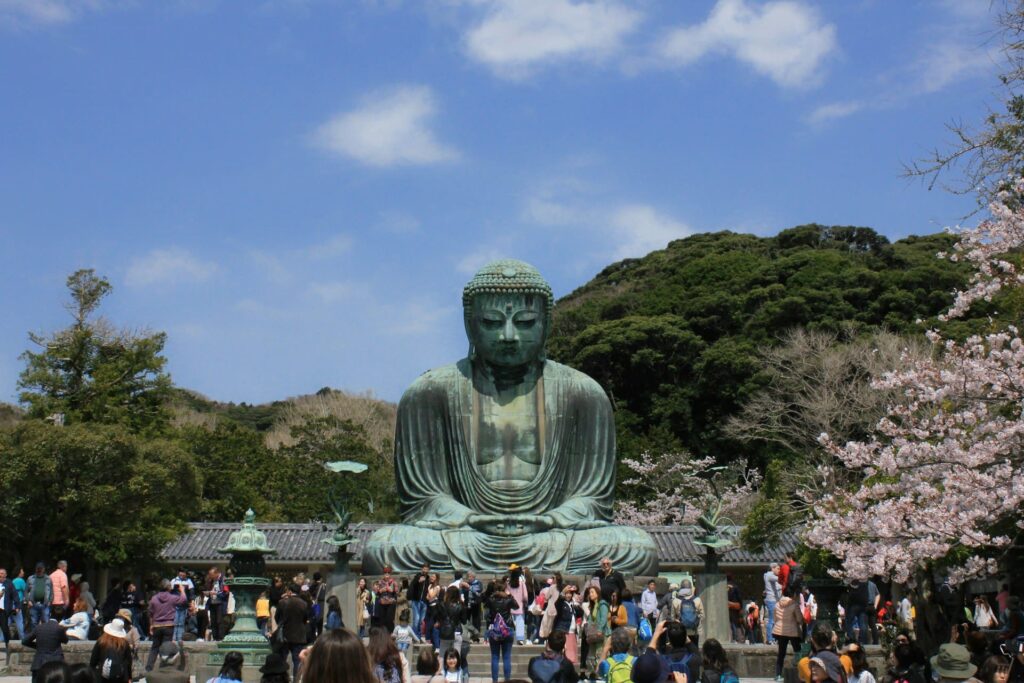
Still unsure? Use this quick decision guide.
| If you are… | Choose this route | Why |
|---|---|---|
| Staying near Tokyo Station or Shinagawa | JR Yokosuka Line | Direct, simple, and covered by the JR Pass |
| Staying near Shinjuku, Shibuya, or Ikebukuro | JR Shonan-Shinjuku Line | Fast and convenient from west Tokyo, but check the destination |
| On a tight budget and want Enoshima too | Odakyu Enoshima-Kamakura Freepass | Best value if you will ride the Enoden multiple times |
| Already using a JR Pass | JR Yokosuka or JR Shonan-Shinjuku Line | No extra JR fare to reach Kamakura |
| Short on time | JR direct train | Usually the fastest and least confusing option |
| Traveling with kids or avoiding transfer stress | Guided day tour | Less route planning and fewer local transport decisions |
For most visitors, the rule of thumb is simple: JR for speed and convenience, Odakyu for value, and a guided tour for less planning stress.
If your travel dates are fixed and you want to see both Kamakura and Enoshima in one day, compare the current tour route, meeting point, included stops, transport style, walking requirements, and cancellation rules before booking.
Check current availability for the Tokyo: Kamakura & Enoshima Day Trip here.
5. Can You Use the JR Pass for Kamakura?
Yes. If you have an active Japan Rail Pass, it covers JR trains such as the JR Yokosuka Line and JR Shonan-Shinjuku Line to Kamakura. That makes the JR route the most practical choice for many pass holders.
- Covered: JR Yokosuka Line, JR Shonan-Shinjuku Line, and other eligible JR local and rapid trains
- Not covered: Odakyu Line, Enoden, and other non-JR transport
If you already have a JR Pass, there is usually no reason to choose Odakyu just to reach Kamakura. However, if you want to ride the Enoden around Kamakura and Enoshima, you will need to pay separately for Enoden rides or use a non-JR pass that covers them.
Important value note: A nationwide Japan Rail Pass is not worth buying only for a Tokyo–Kamakura round trip. It can make sense only if you are also taking several long-distance JR trips during the same pass period. For current coverage and price rules, check the official Japan Rail Pass conditions and the official Japan Rail Pass price page.
6. Can You Visit Kamakura and Enoshima in One Day?
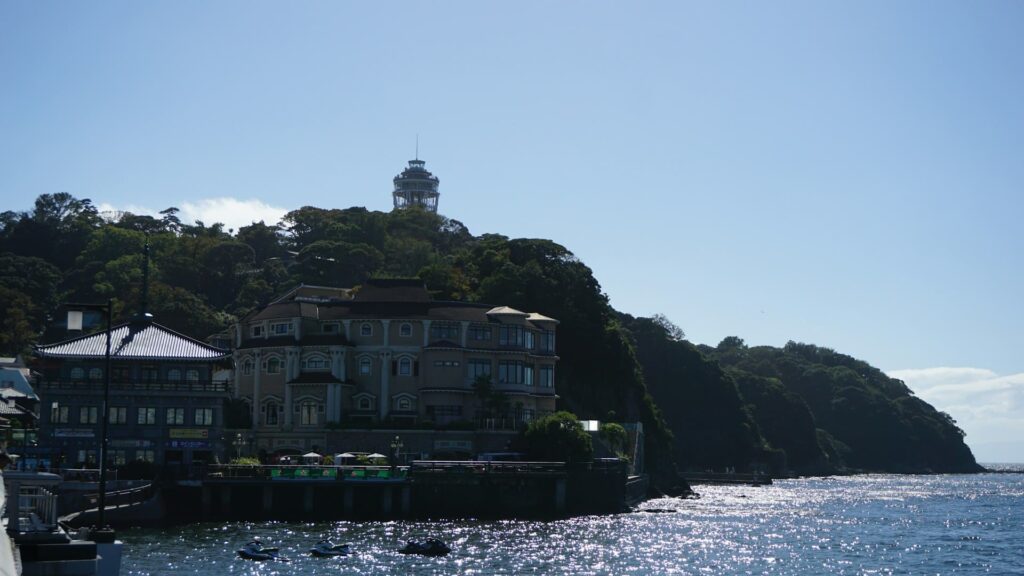
Yes, visiting both Kamakura and Enoshima in one day is possible, but only if you keep your schedule realistic. The challenge is not the train from Tokyo to Kamakura. The harder part is changing between local trains, walking between sights, waiting for the Enoden, and dealing with weekend crowds.
Typical one-day costs per person, excluding shopping:
- JR round trip from central Tokyo: Around ¥2,080 from Tokyo Station as of June 2026, or ¥0 extra with an active JR Pass
- Enoden local rides: Usually a few hundred yen per ride, depending on how many stops you make
- Temple entry examples: Great Buddha at Kotoku-in ¥300; Hase-dera ¥400; Tsurugaoka Hachimangu Shrine is generally free to enter
- Meals and snacks: Around ¥1,500–3,000 for a casual day
- Total DIY estimate: Around ¥4,000–6,500 per person for many visitors, depending on meals, route, and paid sights
| Trip Style | Works Best For | Reality Check |
|---|---|---|
| Kamakura only | Travelers who want a slower pace | Easiest for temples, Komachi Street, lunch, and relaxed wandering |
| Kamakura + Hase | Most first-time visitors | Good balance if the Great Buddha and Hase-dera are priorities |
| Kamakura + Enoshima | Fast-moving travelers with a full day | Possible, but expect more walking, transfers, and a tighter schedule |
| Guided day tour | Families, first-timers, and travelers who dislike logistics | A practical option if you want to cover both areas with less route planning |
Reality check: Kamakura and Enoshima in one day can work well if you start early. If you leave Tokyo late, travel on a crowded weekend, or want a relaxed temple day, choose Kamakura only or drop one stop from your plan.
Rainy day tip: The Kamakura Station area and Komachi Street can still work in light rain, but Enoshima involves more outdoor walking on the island. In bad weather, consider focusing on Kamakura Station, Hase-dera, and the Great Buddha instead.
7. Getting Around Kamakura: Local Transport and Route Tips
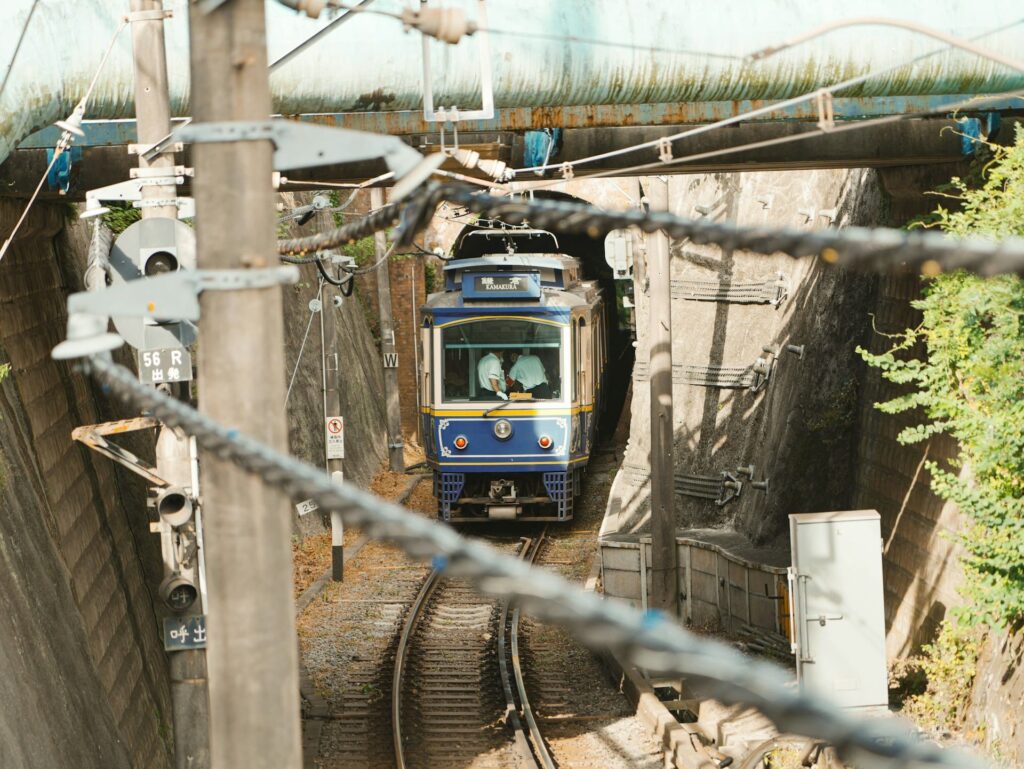
Once you arrive at Kamakura Station, the main sights are spread across different areas. Many travelers underestimate how much time local transport and walking can add to the day.
Recommended order for an efficient day: Kamakura Station area → Enoden to Hase → Hase-dera and Great Buddha → Enoden to Enoshima if you still have time and energy → return toward Tokyo.
Around Kamakura Station
This is the easiest area to explore on foot. Walk to Komachi Street for snacks, souvenirs, and street food, then continue to Tsurugaoka Hachimangu Shrine. You do not need extra transport for this part of the day.
Hase Station Area
To visit the Great Buddha at Kotoku-in and Hase-dera Temple, take the Enoden from Kamakura Station to Hase Station. The ride is short, but the tram can be very crowded on weekends and holidays. Walking from Kamakura Station to Hase takes about 30 minutes if the queue is long and the weather is comfortable.
Efficient order at Hase: Visit Hase-dera first if you arrive early, then walk to the Great Buddha at Kotoku-in. Hase-dera opening hours vary by season, so check the official site before planning around a fixed time.
Enoshima Area
If you continue beyond Hase, the Enoden connects you to Enoshima Station. From there, you still need to walk across the bridge to the island and move between the shrine area, sea views, and observation spots. Budget at least 1.5–2 hours for Enoshima itself if you want more than a quick photo stop.
Optional Stop: Kita-Kamakura for Zen Temples
If you are interested in Zen temples and quieter scenery, consider arriving at Kita-Kamakura Station, one stop before Kamakura on the JR Yokosuka Line. From there, you can visit temples such as Engaku-ji Temple and Kencho-ji Temple before continuing toward the main Kamakura area.
This works best if: You prefer temples over shopping streets and have at least 6–7 hours for your Kamakura day.
IC Cards and Luggage Tips
- IC cards: Suica, Pasmo, and compatible IC cards can be used on JR lines and the Enoden. Remember to tap when entering and exiting, especially at smaller Enoden stations with simple IC card readers.
- Luggage: Coin lockers are available around Kamakura Station, but they can fill up on busy days. The tourist information office near the west exit may offer luggage storage during business hours, but fees, hours, and availability can change. Check locally before relying on it.
Common mistake: Many visitors think all of Kamakura’s famous sights are close to Kamakura Station. In reality, the Great Buddha, Hase-dera, and Enoshima require extra transport or longer walks. Check the distances before setting out.
8. Sample Tokyo to Kamakura Day Trip Itineraries
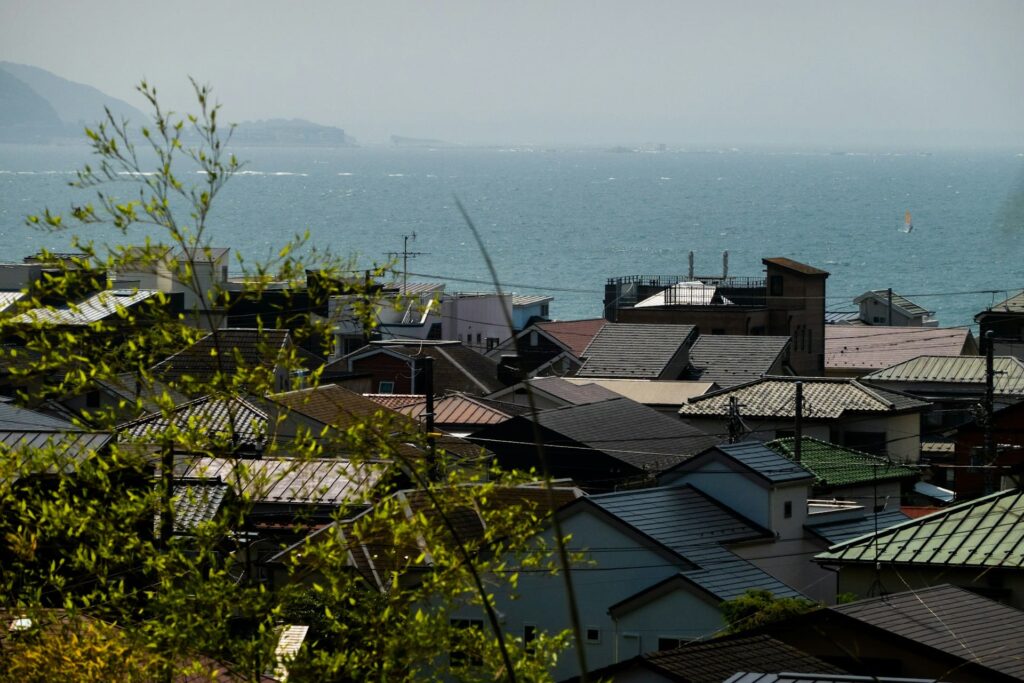
Not sure how to structure your day? Here are three realistic options depending on your energy, pace, and available time. For more detailed planning, see our complete Kamakura day trip itinerary guide.
Quick Loop: 3–4 Hours — Kamakura Station Area Only
- Arrive at Kamakura Station
- Walk along Komachi Street for snacks and souvenirs
- Visit Tsurugaoka Hachimangu Shrine
- Have lunch near the station
- Return to Tokyo
Best for: Travelers squeezing Kamakura into a busy Tokyo itinerary.
Half Day: 5–6 Hours — Kamakura + Great Buddha
- Arrive at Kamakura Station
- Visit Komachi Street and Tsurugaoka Hachimangu Shrine
- Take the Enoden to Hase Station
- Visit Hase-dera and the Great Buddha at Kotoku-in
- Return by Enoden and train back to Tokyo
Best for: First-time visitors who want the classic Kamakura highlights without rushing too much.
Full Day: 8–10 Hours — Kamakura + Enoshima
- Leave Tokyo early, ideally arriving in Kamakura in the morning
- Visit the Kamakura Station area and Tsurugaoka Hachimangu Shrine
- Take the Enoden to Hase for Hase-dera and the Great Buddha
- Continue by Enoden toward Enoshima
- Explore Enoshima in the afternoon if you still have enough time and energy
- Return to Tokyo in the evening
Best for: Fast-moving travelers who want a full coastal day trip. If you start late, consider dropping either Hase or Enoshima. If it is a sunny weekend, expect longer queues at the Enoden and popular sights.
9. DIY Train vs. Guided Tour: Which One Should You Choose?
For many travelers, the best option depends less on price and more on how much energy they want to spend on transportation. Taking the train is simple enough, but once you add local transfers, crowded platforms, and a full sightseeing schedule, the day can become more tiring than expected.
| Feature | DIY Train Trip | Guided Day Tour |
|---|---|---|
| Flexibility | High — you set the pace | Lower — follows a set schedule |
| Cost | Usually lower, depending on route, meals, and paid sights | Usually higher, depending on inclusions |
| Planning effort | You manage routes, transfers, and timing | Less planning after booking |
| Walking and transfers | Can be tiring with local train changes | May reduce transfer stress, depending on the tour route |
| Best for | Independent travelers, budget-conscious visitors, JR Pass holders | Families, first-time visitors, and travelers with limited time |
Choose DIY if you want full control, do not mind navigating local trains, and are happy to move at your own pace. You will usually save money and can adjust your plan during the day.
Choose a guided tour if you want to see Kamakura and Enoshima in one day with less concern about station layouts, train crowds, or route planning. This can be especially helpful if you are traveling with children, visiting Japan for the first time, or trying to fit several stops into one day.
Tour details vary by date and operator, so check the current meeting point, transport style, included stops, ticket inclusions, walking requirements, and cancellation rules before booking.
Check current availability for the Tokyo: Kamakura & Enoshima Day Trip here.
10. Frequently Asked Questions
What is the easiest way to get to Kamakura from Tokyo?
For most travelers, the easiest route is a direct JR train. Take the JR Yokosuka Line from Tokyo Station or Shinagawa, or the JR Shonan-Shinjuku Line from Shinjuku, Shibuya, or Ikebukuro. Both routes accept IC cards, paper tickets, and active JR Passes.
What is the cheapest way to get to Kamakura from Tokyo?
The cheapest popular option from Shinjuku is usually the Odakyu Enoshima-Kamakura Freepass. As of June 2026, the adult pass from Shinjuku is ¥1,640 and includes useful local travel coverage for Kamakura and Enoshima. It is best value if you plan to ride the Enoden more than once.
Do I need to book the train from Tokyo to Kamakura in advance?
No. Standard JR and Odakyu commuter trains do not require advance booking. Use an IC card such as Suica or Pasmo, buy a ticket at the station, or use your JR Pass where applicable. If you want to use the Odakyu Limited Express Romancecar, reserve that separately.
Is Kamakura worth a day trip from Tokyo?
Yes. Kamakura is one of the best day trips from Tokyo if you want temples, historic streets, local food, and a coastal atmosphere without traveling too far from the city. Many travelers find it easier to fit into a Tokyo itinerary than farther-away historic destinations.
Is it better to stay overnight in Kamakura or visit from Tokyo?
Most travelers visit Kamakura as a day trip from Tokyo. Staying overnight makes sense if you want a slower pace, early-morning temple visits, beach time, or extra time for Enoshima and the surrounding coast.
Can I use Suica or Pasmo on the Enoden?
Yes. Suica, Pasmo, and other compatible IC cards can be used on the Enoden. Tap when you enter and exit. At smaller stations, look for the IC card reader near the platform rather than a large ticket gate.
Are there coin lockers at Kamakura Station?
Yes. Coin lockers are available around Kamakura Station, but they can fill up during busy periods. Luggage storage services near the station may also be available, but hours, fees, and availability can change. Check locally before relying on this option.
What is the best time to visit Kamakura?
Weekdays are usually less crowded than weekends and public holidays. Early morning is best for popular temples and the Great Buddha area. Seasonal highlights include hydrangeas in early summer and autumn foliage later in the year, but bloom timing and colors vary by weather each year.
Final Recommendation
If your priority is speed and simplicity, take the JR Yokosuka Line or JR Shonan-Shinjuku Line depending on where you are staying in Tokyo. If your priority is saving money and including Enoshima, choose the Odakyu Enoshima-Kamakura Freepass. If your priority is seeing both Kamakura and Enoshima with less route-planning stress, consider a guided day tour and check the latest details before booking.
- Choose JR if: You want the fastest route, have a JR Pass, or prefer a simple direct ride.
- Choose Odakyu if: You are on a budget, plan to ride the Enoden multiple times, and want to visit both Kamakura and Enoshima from Shinjuku.
- Choose a guided tour if: You want help with logistics, are traveling with children, or prefer not to manage local transfers yourself on a tight schedule.
Whichever route you choose, Kamakura is one of the most rewarding day trips from Tokyo. With the right transport plan, you will spend less time navigating and more time enjoying the temples, coast, and local atmosphere.
Compare current tour details and availability here.
Prices, opening hours, transport schedules, pass conditions, tour inclusions, payment methods, luggage storage availability, and seasonal conditions can change. Always check official sources and your selected booking page before finalizing your trip.

Hi, I’m Kai. I’m a Tokyo-based travel writer, tourism industry insider, and the author of a published guidebook for international visitors to Japan. With over 10 years of professional experience at a leading Japanese tourism company, my mission is to help you skip the tourist traps and navigate Japan’s best destinations like a local. I believe the perfect day trip is like a traditional kaiseki meal: a beautiful balance of precise planning and unforgettable seasonal discovery. When I’m not out conducting field research, you’ll usually find me drafting new itineraries with one of my favorite fountain pens!