
Quick Answer: Is Kamakura Worth It?
Yes—Kamakura is worth it for most first-time Tokyo visitors. It offers a rare combination of historic temples, samurai-era landmarks, local food streets, and coastal scenery about one hour from central Tokyo.
As a rough planning estimate, a self-guided Kamakura day trip usually costs around ¥4,000–¥5,500 per person for round-trip train travel from Tokyo, a few temple admissions, local transport, and casual food. Guided Kamakura and Enoshima tours often start from around ¥8,000–¥10,000 per person, depending on the date, currency, inclusions, and discounts.
The main trade-off is not distance. It is logistics. Kamakura’s sights are spread out, and the Enoden local train can feel crowded on weekends and holidays. With a realistic plan, though, Kamakura can be one of the most rewarding day trips from Tokyo.
If you want to see Kamakura and Enoshima in one day without managing train transfers, compare the current tour schedule, inclusions, and prices before deciding.
👉 Check current availability, inclusions, and prices for the Tokyo: Kamakura & Enoshima Day Trip
At a Glance
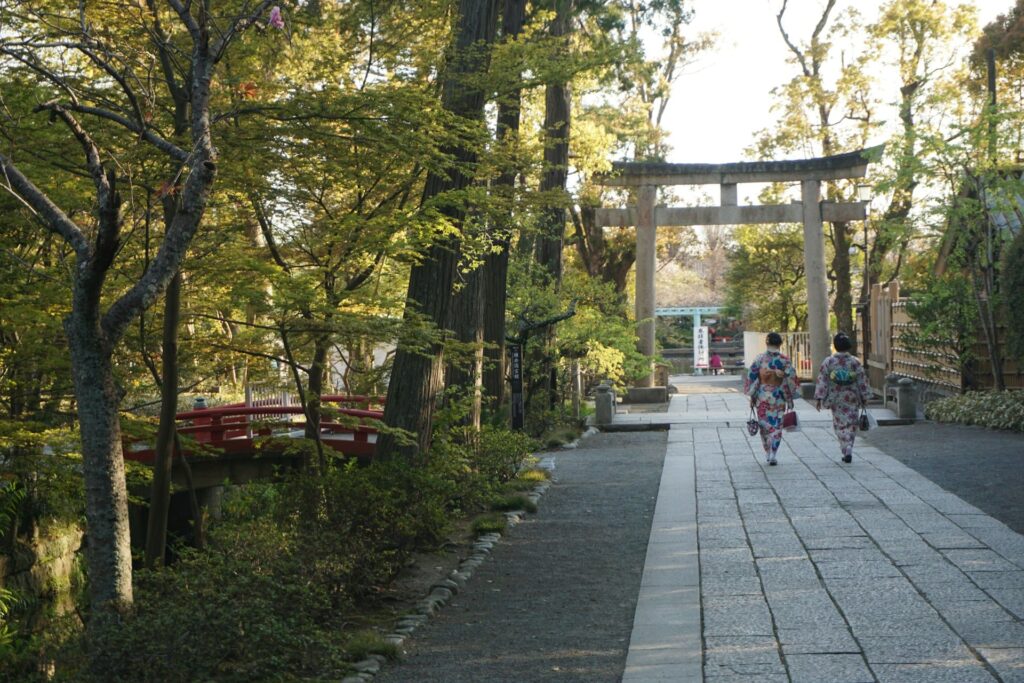
- Best for: Travelers who want history, temples, sea views, and a slower pace than Tokyo
- Works best as: A full-day trip from Tokyo
- Travel time from Tokyo: About 1 hour by JR train from major central stations
- Typical DIY cost: Around ¥4,000–¥5,500 per person, depending on route, food, and paid stops
- Main draw: The Great Buddha, major shrines, temple gardens, local shopping streets, and the coast
- Biggest downside: Sights are spread out, and local trains can get crowded
- Good fit for: First-time visitors, culture lovers, photographers, families with older children, and Slam Dunk anime fans
- Skip it if: You are short on Tokyo time, already have temple fatigue, or mainly want shopping, nightlife, and pop culture neighborhoods
How Much Does a Kamakura Day Trip Cost?
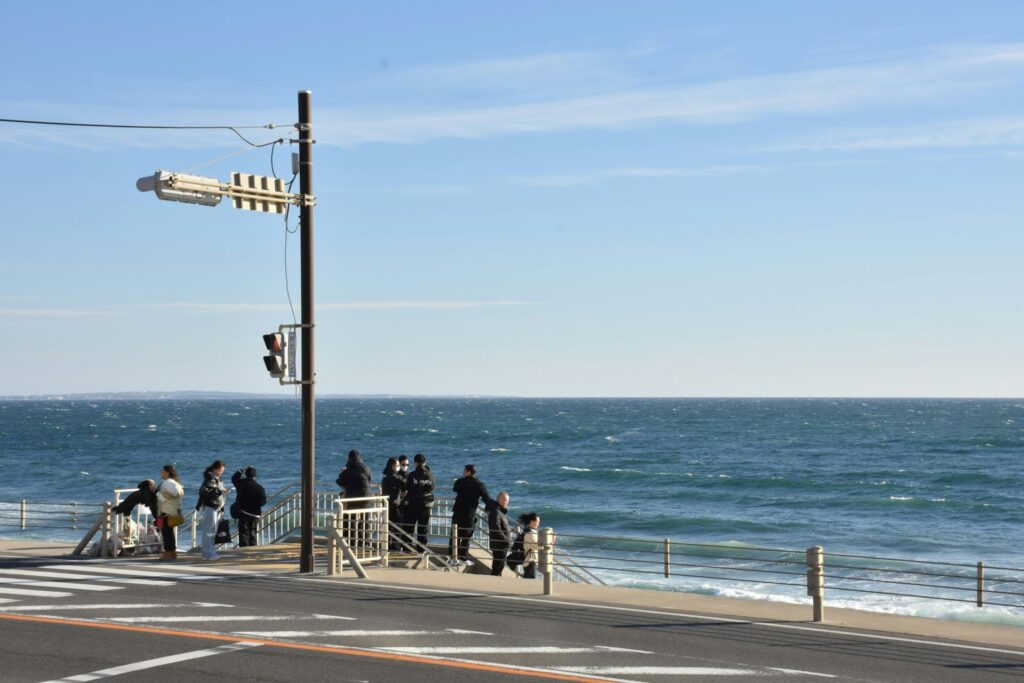
Whether Kamakura feels “worth it” often depends on how the cost compares to the experience. The good news is that Kamakura is not an expensive day trip by Japan standards, especially if you are comfortable using trains.
The sample prices below are useful for planning, but transport fares, admissions, passes, and tour prices can change. Use them as a realistic estimate and check official sources before your trip.
DIY Cost Breakdown from Tokyo
| Item | Typical Cost | Notes |
|---|---|---|
| Round-trip JR train from Tokyo to Kamakura | Around ¥2,080 | About ¥1,040 each way from Tokyo Station to Kamakura Station on the JR Yokosuka Line. Fares may vary slightly by departure station and ticket type. |
| Great Buddha at Kotoku-in | ¥300 | General adult admission. Entering the interior of the Great Buddha costs an additional ¥50 when open. |
| Hase-dera Temple | ¥400 | Adult admission for the temple grounds. Special seasonal crowd-control rules may apply during peak flower periods. |
| Tsurugaoka Hachimangu | Free for shrine grounds | Museum, treasure hall, or special exhibition areas may charge separately. |
| Enoden local train rides | Usually a few hundred yen per ride | Useful for moving between Kamakura, Hase, and Enoshima. The Enoden 1-day pass “Noriorikun” is ¥800 for adults. |
| Lunch and snacks | ¥1,000–¥2,000 | Komachi-dori street food, casual restaurants, sweets, or coffee stops. |
| Total DIY estimate | Around ¥4,000–¥5,500 | Excluding shopping, extra temples, paid museums, Enoshima paid facilities, or premium transport. |
If You Use the Odakyu Enoshima-Kamakura Freepass
A cheaper alternative from Shinjuku is the Enoshima-Kamakura Freepass. As of current official pricing, the pass is ¥1,640 for adults from Shinjuku and includes a discounted round trip on Odakyu trains plus unlimited rides in the covered Enoshima-Kamakura area.
This pass can be excellent value if you plan to combine Kamakura with Enoshima and ride the Enoden more than once. The trade-off is that it is less direct if your first goal is central Kamakura, and total travel time may be longer than the JR option depending on your route.
Guided Tour Cost
Guided day tours from Tokyo to Kamakura and Enoshima often start from around ¥8,000–¥10,000 per person, but prices vary by date, exchange rate, discount, group size, cancellation policy, and what is included.
The higher upfront cost can still make sense if the tour includes arranged transport, a guide, and a route that efficiently combines Kamakura and Enoshima. Always check the current booking page carefully because temple admissions, lunch, pickup points, and return options can differ by tour.
Which Option Gives Better Value?
- DIY is better value if you are comfortable with public transport, have a full day, and want to explore at your own pace.
- A guided tour offers better practical value if your time is limited, you dislike route planning, or you want to combine Kamakura and Enoshima with less stress.
- Do not compare price alone. DIY is cheaper, but the tour may be worth it if it saves you from crowded trains, confusing transfers, and a rushed itinerary.
How to Get to Kamakura from Tokyo
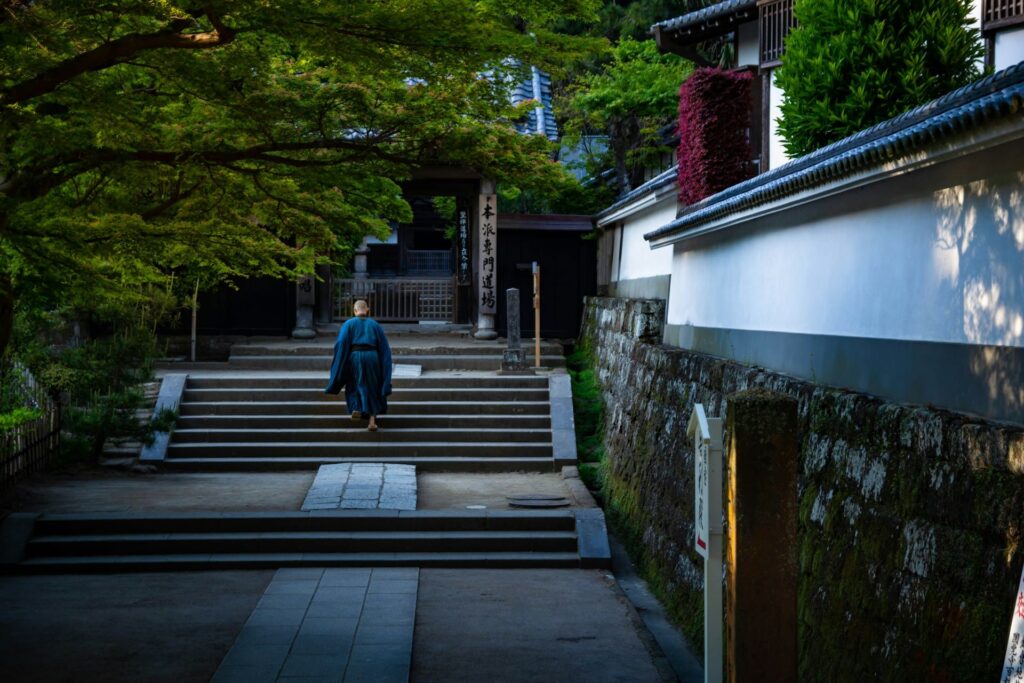
Getting to Kamakura is straightforward. The best route depends on where you are staying in Tokyo and whether you want the fastest route or the best-value pass.
By JR Line: Fastest and Most Direct
For most visitors, JR is the easiest way to reach Kamakura Station.
- JR Yokosuka Line: Direct from Tokyo Station and Shinagawa Station to Kamakura Station.
- JR Shonan-Shinjuku Line: Convenient from Shinjuku, Shibuya, and Ikebukuro, though some trains may require a transfer at Ofuna depending on the destination.
From Tokyo Station, the direct JR ride to Kamakura usually takes just under one hour and costs around ¥1,040 one way. IC cards such as Suica and PASMO are accepted.
By Odakyu Railway: Best If You Want Enoshima Too
From Shinjuku, the Odakyu route is useful if you want to visit Enoshima and Kamakura together. The Enoshima-Kamakura Freepass includes a round trip from Shinjuku plus unlimited local rides in the covered area, making it a good-value option for a full coastal day.
This route is usually not as direct as JR if you want to start at Kamakura Station, but it can make more sense if Enoshima is a major part of your plan.
Getting Around Kamakura
Kamakura’s main sights are spread across several areas:
- Kamakura Station area: Tsurugaoka Hachimangu, Komachi-dori, and central shopping streets
- Hase area: Great Buddha, Kotoku-in, Hase-dera, and nearby cafes
- Coastal area: Yuigahama, Inamuragasaki, the famous Slam Dunk crossing area, and Enoshima
The Enoden is the most scenic and useful local train for connecting Kamakura, Hase, and Enoshima. It is charming, but it can also be crowded on weekends, holidays, and during peak travel seasons.
Who Is Kamakura Best For?
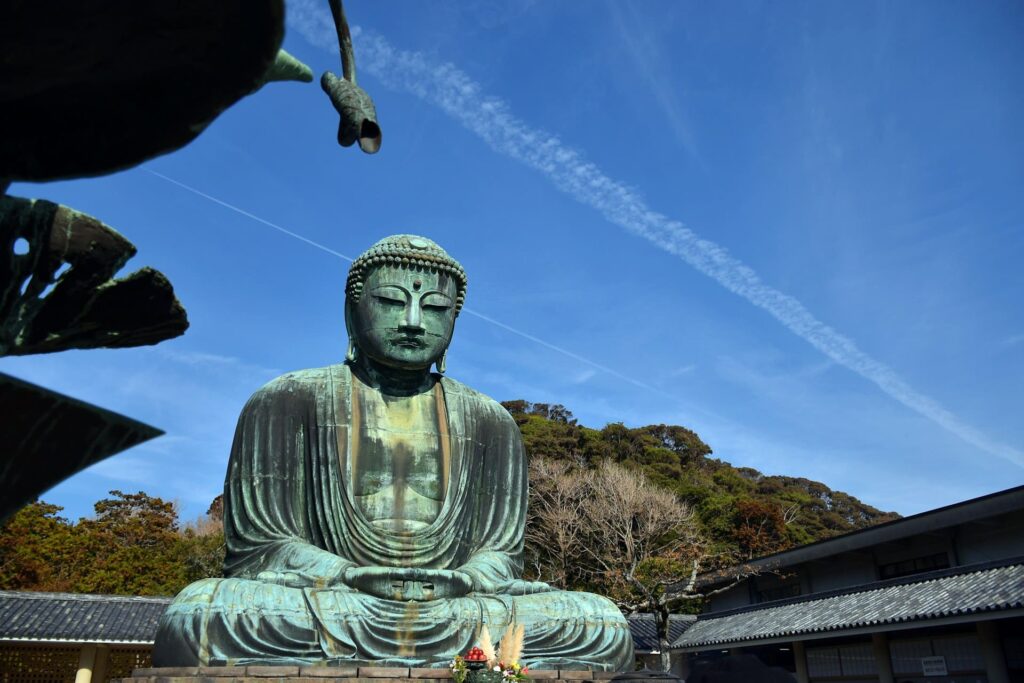
Kamakura is most worth it for travelers who want a clear contrast to Tokyo. Instead of skyscrapers, department stores, and busy nightlife districts, you get temple paths, shrine grounds, old samurai history, and ocean air.
You Will Probably Love Kamakura If:
- You want to see major historic sights without taking a long-distance trip to Kyoto.
- You like the idea of combining temples, local food streets, and coastal views in one day.
- You want a day trip that feels culturally rich but still easy to reach from Tokyo.
- You are interested in Japan’s samurai-era history.
- You are a Slam Dunk fan and want to visit the iconic railroad crossing near the coast.
- You want a slower, more local-feeling break from Tokyo without staying overnight.
Who Should Skip Kamakura?
- You have only two or three full days in Tokyo and still want to prioritize neighborhoods like Shibuya, Shinjuku, Asakusa, Ginza, Harajuku, or Akihabara.
- You have just spent several days in Kyoto or Nara and already feel tired of temples and shrines.
- You dislike walking, station transfers, local trains, or crowds.
- You mainly want modern shopping, nightlife, themed cafes, or big-city pop culture.
Not sure if a guided tour makes sense for you? If managing trains, transfers, local crowds, and separate admissions sounds tiring, a guided day trip can make the day feel much smoother.
Why Kamakura Feels Different From Kyoto
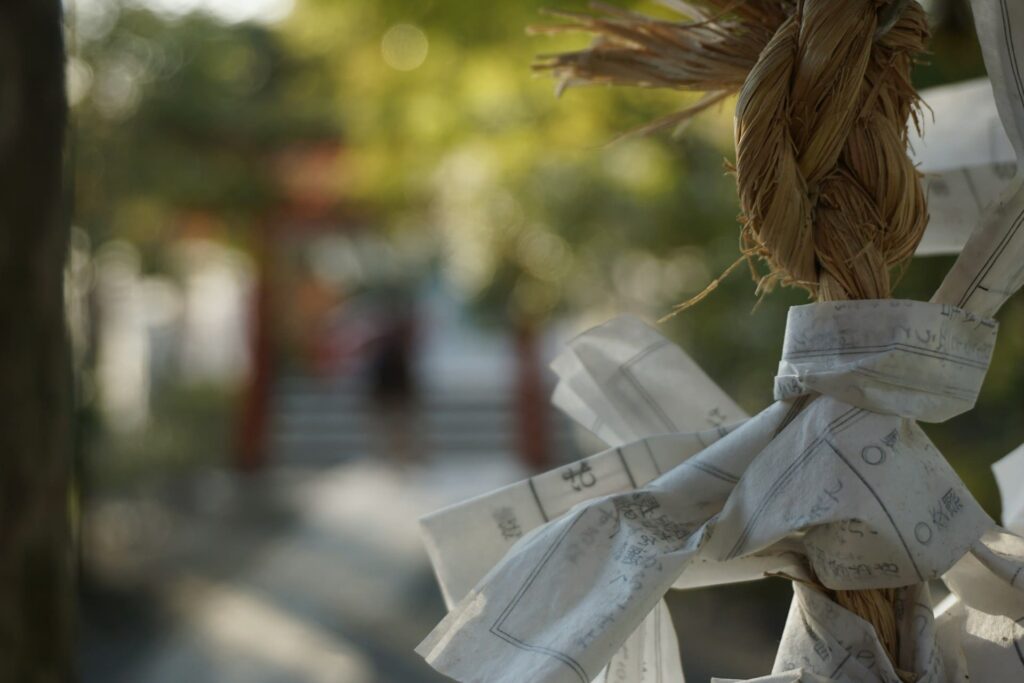
A lot of travelers ask whether Kamakura is still worth visiting if Kyoto is already on the itinerary. In many cases, the answer is yes, because the two places feel very different.
Kyoto is known for imperial culture, refined temple districts, large historic neighborhoods, and a grand old-capital atmosphere. Kamakura has a more rugged identity tied to Japan’s first shogunate. It feels smaller, more casual, more coastal, and easier to fit into a Tokyo-based itinerary.
The biggest difference is the setting. In Kamakura, you can visit the Great Buddha and temple gardens in the morning, eat snacks around Komachi-dori, then head toward the sea later in the day. That mix of history plus coastline is what makes Kamakura feel distinct rather than just a smaller version of Kyoto.
Still, if you are already experiencing serious temple fatigue, Kamakura may not be the best use of limited time. In that case, it is only worth it if the Great Buddha, the coastal setting, or Enoshima specifically appeal to you.
Top Highlights That Make Kamakura Worth It
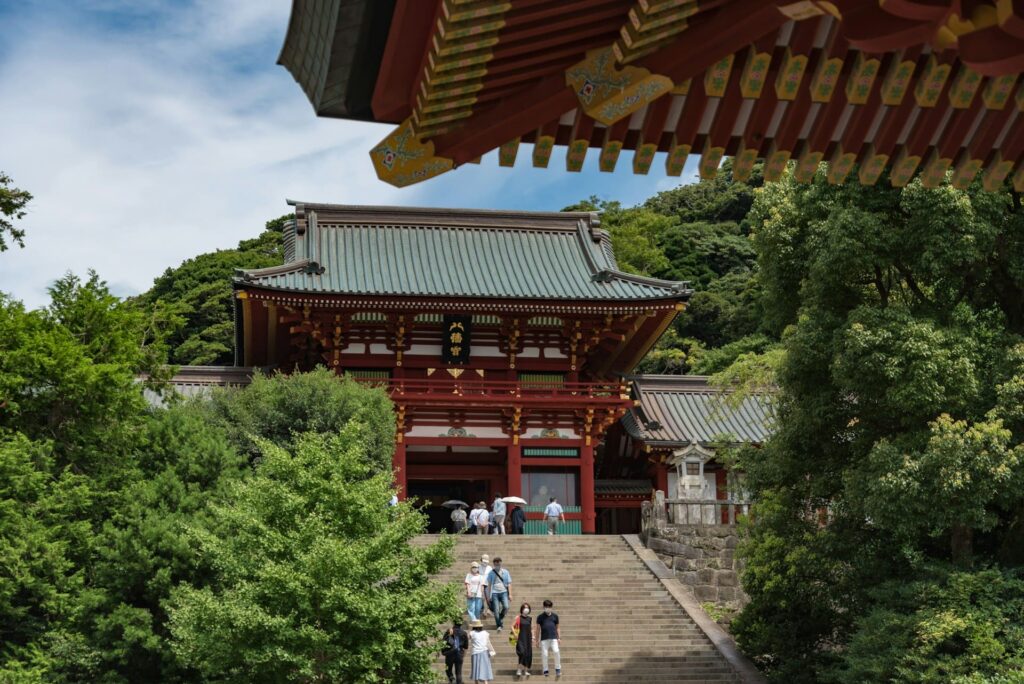
If you decide to go, these are the places that usually make the trip feel worthwhile. Together, they show why Kamakura is more than just “another temple town.”
1. The Great Buddha at Kotoku-in
Typical admission: ¥300 for adults, plus an additional ¥50 to enter the interior of the statue when open
Time needed: 20–30 minutes
The Great Buddha is the most famous symbol of Kamakura and the main reason many travelers visit. The giant bronze Buddha sits outdoors, which gives it a very different atmosphere from large indoor Buddha statues elsewhere in Japan.
You do not need a huge amount of time here, but it is absolutely worth including on a first Kamakura trip. The site is easy to pair with nearby Hase-dera Temple, cafes, and the Enoden line.
Why it is worth seeing: It is iconic, easy to visit, and delivers the landmark experience most people want from a Kamakura day trip.
2. Hase-dera Temple
Typical admission: ¥400 for adults
Time needed: 40–60 minutes
Located close to the Great Buddha, Hase-dera is one of the easiest and most rewarding temple stops to combine into the same visit. It is known for hillside gardens, seasonal flowers, atmospheric temple buildings, and broad views toward the coast.
Hydrangea season around June is especially popular, but it can also bring extra crowds and special entry rules. Check the latest official notice if flowers are one of your main reasons for visiting.
Why it is worth seeing: It adds scenery, atmosphere, and coastal views, not just another checklist temple stop.
3. Tsurugaoka Hachimangu and Komachi-dori
Typical admission: Shrine grounds are free; museum or special exhibition areas may charge separately
Time needed: 45–60 minutes for the shrine area, plus 30–45 minutes for Komachi-dori
Tsurugaoka Hachimangu is Kamakura’s best-known shrine and one of the clearest links to the city’s samurai-era importance. It also gives your day a strong sense of arrival because the approach from Kamakura Station is easy and scenic.
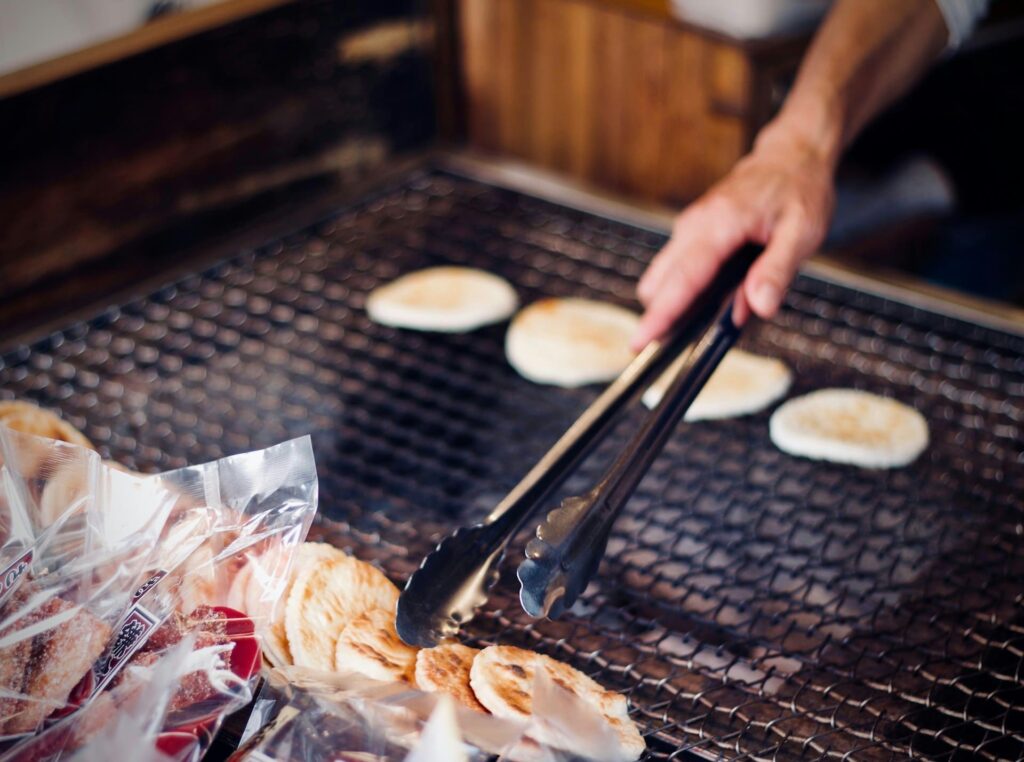
Nearby Komachi-dori adds a completely different side of Kamakura: snacks, sweets, souvenirs, cafes, and a lively local shopping atmosphere.
Why it is worth seeing: This area balances history with food and browsing, which helps the day feel varied rather than temple-heavy.
4. Enoshima
Typical admission: Enoshima Island itself is free to enter. Paid facilities such as Enoshima Sea Candle, Samuel Cocking Garden night entry, Escar, and Iwaya Caves have separate fees.
Time needed: 1.5–2.5 hours, depending on how far you walk
If you want to add a coastal finish to the trip, exploring Enoshima is the most popular extension. It gives you sea views, a walking-focused island atmosphere, and a completely different mood from the temple areas.
As a planning reference, Enoshima Sea Candle is a paid observation facility inside Samuel Cocking Garden, and the garden may charge night admission after 5:00 p.m. Prices and event rules can change, so check official information before making Enoshima the centerpiece of your day.
Why it is worth seeing: Enoshima is the part of the day that makes Kamakura feel especially different from inland historic destinations.
Sample One-Day Kamakura Route
Yes, one full day is enough for Kamakura if you focus on three to four major stops instead of trying to see every famous temple.
For a detailed step-by-step plan, see this Kamakura day trip route guide. For a simple first-timer itinerary, use the route below.
| Time | Stop | Notes |
|---|---|---|
| 8:30–9:30 | Travel from Tokyo to Kamakura | Use the JR Yokosuka Line or JR Shonan-Shinjuku Line depending on where you are staying. Start early on weekends. |
| 9:30–10:45 | Tsurugaoka Hachimangu and Komachi-dori | Begin with the shrine while the area is calmer, then browse Komachi-dori for snacks or coffee. |
| 10:45–11:15 | Move to Hase area | Take the Enoden to Hase Station or walk if the weather is pleasant and you do not mind extra steps. |
| 11:15–12:00 | Great Buddha at Kotoku-in | Spend 20–30 minutes here. Add a little more time if you want photos or to enter the statue interior. |
| 12:00–13:00 | Hase-dera Temple | Give yourself enough time for the gardens, temple buildings, and coastal viewpoint. |
| 13:00–14:00 | Lunch near Hase or Kamakura Station | Choose Hase for a calmer meal or return to Komachi-dori for more food options. |
| 14:00–17:00 | Optional: Enoshima | Add Enoshima only if you still have energy. It involves more walking than many visitors expect. |
| 17:00–18:30 | Return to Tokyo | Return by JR from Kamakura or continue via the Odakyu side if using the Enoshima-Kamakura Freepass. |
Tip for busy days: If you are visiting on a weekend or holiday, consider starting earlier than usual or simplifying the route. Trying to do Tsurugaoka Hachimangu, Komachi-dori, the Great Buddha, Hase-dera, multiple small temples, and Enoshima all in one day can become tiring.
DIY vs Guided Tour: Which Is Better?
You can absolutely visit Kamakura on your own, but the better option depends on what you value more: flexibility or convenience.
| Feature | DIY Self-Guided Trip | Guided Day Tour |
|---|---|---|
| Best for | Independent travelers who want full flexibility | First-time visitors who want an easier, more efficient day |
| Typical cost | Around ¥4,000–¥5,500 per person, depending on route and food | Often from around ¥8,000–¥10,000 per person, depending on date and inclusions |
| Transport from Tokyo | Train travel with self-navigation | Arranged group transport or structured routing, depending on the tour |
| Getting around locally | Walking plus Enoden, buses, or taxis if needed | Less route-planning stress between major stops |
| Temple admission | Paid separately at each site | May be included, depending on the tour details |
| Pacing | Flexible, but easier to lose time | Structured and usually more time-efficient |
| Stress level | Lower on quiet weekdays, higher on busy weekends | Usually lower overall if you value convenience |
| Good choice if you want Enoshima too | Possible, but requires tighter time management | Often easier to combine in one day |
The Reality of Doing Kamakura on Your Own
A DIY trip gives you the most freedom, and it can be a great choice if you enjoy exploring at your own pace. Kamakura is not difficult because it is far from Tokyo. It is difficult because the main sights are scattered, and the time spent on local movement adds up quickly.
On busy days, Enoden trains can feel crowded, station areas can slow you down, and walking between sights can be more tiring than expected. If you plan to ride the Enoden several times, the Enoden 1-day pass can be worth considering.
DIY is the right choice if you want to linger at temples, choose your own lunch stops, skip Enoshima if you get tired, or change plans depending on the weather.
When a Guided Tour Is Actually Worth Paying For
A guided day tour is often worth it if your goal is to see the main highlights with less hassle. Instead of spending energy on route planning, transfer timing, ticket purchases, and deciding what to cut, you can focus on the places themselves.
It is especially useful for:
- first-time visitors to Japan
- travelers visiting on weekends or holidays
- families or groups with mixed energy levels
- people who want to combine Kamakura and Enoshima without overthinking logistics
- travelers who only have one free day and do not want to risk a messy route
Want the easier option? If the thought of navigating crowded Enoden trains and managing multiple ticket purchases sounds tiring, compare a guided tour before committing to a DIY route.
Can You Do Kamakura and Enoshima in One Day?
Yes, you can do Kamakura and Enoshima in one day, but it works best when you keep expectations realistic.
A good one-day plan is:
- Start early in Kamakura.
- Visit Tsurugaoka Hachimangu or Komachi-dori.
- Move to the Great Buddha and Hase-dera area.
- Add Enoshima in the afternoon only if you still have time and energy.
The mistake is trying to see every famous Kamakura temple, spend a long time shopping, and fully explore Enoshima in the same day. Enoshima itself involves slopes, stairs, viewpoints, and optional paid facilities, so it can take longer than expected.
If Enoshima is a must-see for you, either start early, use the Odakyu Enoshima-Kamakura Freepass, or consider a guided tour that is already designed to combine both areas.
Is Kamakura Worth It If You Are Already Going to Kyoto?
Yes, Kamakura can still be worth it even if Kyoto is already on your itinerary, but it depends on your tolerance for more temples and shrines.
Kamakura is not trying to be Kyoto. It is smaller, rougher around the edges, closer to the sea, and easier to visit as a day trip from Tokyo. The Great Buddha, Hase-dera’s coastal viewpoint, Komachi-dori, and Enoshima give the day a different rhythm from Kyoto’s temple districts.
That said, if Kyoto and Nara already filled your trip with temples, Kamakura may feel repetitive. In that case, choose Kamakura only if you specifically want the Great Buddha, the coastal atmosphere, or a slower day outside Tokyo.
Frequently Asked Questions
Is one day enough for Kamakura?
Yes, one full day is enough for Kamakura if you focus on the main highlights. Most travelers can comfortably see the Great Buddha area, one major shrine or shopping street area, and possibly Enoshima if they manage their time well. The key is to choose three or four main stops instead of trying to see everything.
Can you do Kamakura and Enoshima in one day?
Yes, but it is better to treat Enoshima as an optional final stop unless it is your main priority. Kamakura plus Enoshima is very doable with an early start, but the day can feel rushed if you add too many temples, long shopping breaks, and paid Enoshima facilities.
Is Kamakura better on a weekday or weekend?
Weekdays are usually better. The atmosphere is more relaxed, and getting around tends to be easier. Weekends and Japanese holidays are still possible, but expect more people around Komachi-dori, Hase, the Great Buddha, the Enoden, and Enoshima.
How much does a Kamakura day trip cost?
A self-guided Kamakura day trip from Tokyo usually costs around ¥4,000–¥5,500 per person, depending on your train route, how many paid temples you visit, whether you use the Enoden, and how much you spend on food. Guided tours often start from around ¥8,000–¥10,000 per person, but prices vary by date, currency, discount, and inclusions.
Should I do Kamakura on my own or book a tour?
Go on your own if you want flexibility and do not mind planning routes yourself. Book a tour if you want an easier day, do not want to deal with crowded local transit, or want to cover Kamakura and Enoshima more efficiently. DIY is cheaper, but a tour can be better value if convenience matters more than saving a few thousand yen.
Is Kamakura good for families?
Kamakura can work well for families with older children who can handle walking, stairs, and local trains. The Great Buddha and Enoden are often engaging for kids. For families with toddlers, strollers, or mixed energy levels, the day can be tiring because many areas involve slopes, crowds, and station transfers.
Who should skip Kamakura?
Kamakura is probably not the best fit for travelers with very limited Tokyo time, people who are already tired of temples, or visitors who mainly want modern city experiences like nightlife, shopping, and pop culture neighborhoods.
Final Verdict: Is Kamakura Worth It?
Yes, Kamakura is worth it for most travelers. It is one of the best day trips from Tokyo if you want a mix of history, iconic sights, and coastal scenery without committing to a longer intercity trip.
Choose Kamakura If:
- You are a first-time visitor to Japan and want a traditional-feeling day trip from Tokyo.
- You are a culture or history enthusiast interested in the Great Buddha, shrines, and samurai-era heritage.
- You are a photographer or nature lover who wants temples, seasonal flowers, local streets, and ocean views in one day.
- You want a slower break from Tokyo that does not require a hotel change or long-distance train ride.
- You want to combine Kamakura and Enoshima for a history-and-coast day trip.
Skip Kamakura If:
- You have three days or fewer in Tokyo and still have many city neighborhoods you want to see.
- You are already experiencing temple fatigue after Kyoto or Nara.
- You dislike walking, stairs, local trains, and crowds.
- You mainly want shopping, nightlife, anime districts, theme cafes, or big-city energy.
DIY or Tour?
Choose DIY if you want flexibility, lower cost, and the freedom to slow down or change plans. Choose a guided tour if your priority is convenience, efficient routing, and reducing the stress of local transport.
For many travelers, the best answer is simple: Kamakura is worth it if you plan it as a focused day trip, not a race to see every temple on the map. Pick your must-see stops, leave room for food and the coast, and the day will feel much more rewarding.
Prices, opening hours, transport schedules, pass conditions, tour inclusions, payment methods, crowd-control rules, and seasonal operations can change. Always check official sources and your selected booking page before finalizing your trip.

Hi, I’m Kai. I’m a Tokyo-based travel writer, tourism industry insider, and the author of a published guidebook for international visitors to Japan. With over 10 years of professional experience at a leading Japanese tourism company, my mission is to help you skip the tourist traps and navigate Japan’s best destinations like a local. I believe the perfect day trip is like a traditional kaiseki meal: a beautiful balance of precise planning and unforgettable seasonal discovery. When I’m not out conducting field research, you’ll usually find me drafting new itineraries with one of my favorite fountain pens!