
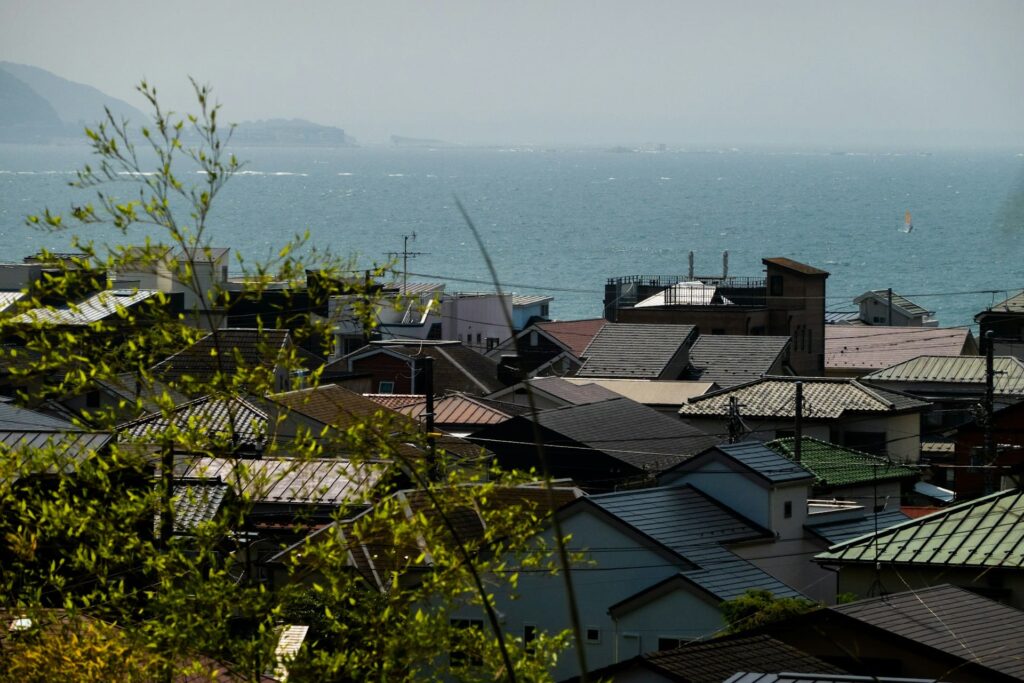
Enoshima is one of the simplest coastal day trips from Tokyo, especially if you want sea views, shrine stops, street food, and a compact walking route without arranging an overnight stay. The island is small, but it has a clear sightseeing flow: cross the bridge, walk through the main shopping street, climb through the shrine area, continue to the Sea Candle viewpoint, and, if you have enough time and energy, descend toward the rocky coast and Iwaya Caves.
This guide is designed as a practical first-visit route. It explains how to get to Enoshima from Tokyo or Kamakura, how long to spend on the island, which paid attractions and passes actually matter, and how to choose between a short shrine-and-viewpoint visit or the full walk to Chigogafuchi and the caves.
Quick Planning Snapshot for an Enoshima Day Trip
For most first-time visitors, Enoshima works best as either a relaxed half-day trip or the coastal half of a full Enoshima and Kamakura day. The main thing to understand before you go is that the island involves more climbing than many people expect. The distances are short, but the route includes long stair sections, slopes, and uneven paths.
| Best trip style | Time needed | Main route | Good to know |
|---|---|---|---|
| Easy coastal half-day from Tokyo or Kamakura | 2 to 3 hours for the core route, 4 to 5 hours for the full island | Bridge → Nakamise Street → Enoshima Shrine → Sea Candle → Chigogafuchi and Iwaya Caves if time allows | The Escar can reduce the uphill climb, but it only goes up. You still need to walk down. |
If you want local food guidance and shrine context without planning every stop yourself, compare the current tour details before deciding.
👉 Check current availability, inclusions, and start times for the Enoshima food and temple tour
What to Expect on Enoshima
- Overall feel: A compact island walk with seafood stalls, shrine buildings, sea views, and a more rugged coastal area on the far side.
- Main route: Most visitors follow one natural path from the bridge up through Enoshima Shrine and toward the Sea Candle.
- Short visit: Focus on Nakamise Street, Enoshima Shrine, and the summit area.
- Full visit: Continue beyond the Sea Candle to Chigogafuchi and the Iwaya Caves for the most dramatic coastal scenery.
- Walking difficulty: Expect stairs and uphill walking. Comfortable shoes make a big difference.
- Best first stop: Start with Nakamise Street for snacks and orientation before climbing into the shrine area.
- Best viewpoint: The Sea Candle is the easiest panoramic viewpoint, while Chigogafuchi feels wilder and more open.
Getting There: Quick Transport Overview
Enoshima is easy to reach by train, but the best route depends on where you are starting and whether you plan to visit Kamakura on the same day. For this day trip guide, the main thing to know is simple: aim for the Enoshima or Katase-Enoshima area, then walk across the bridge to the island.
From central Tokyo, many travelers start from Shinjuku and use the Odakyu Line toward Fujisawa or Katase-Enoshima. From Kamakura, the Enoden is the most scenic way to reach the Enoshima area. Once you arrive near the coast, allow around 10 to 15 minutes on foot to reach the island entrance from the mainland side.
| Starting point | Basic route idea | Best for |
|---|---|---|
| Shinjuku / Tokyo side | Take the Odakyu route toward the Enoshima area | A simple coastal day trip from Tokyo |
| Kamakura | Use the Enoden toward Enoshima | Combining temples, local streets, and seaside scenery |
| Fujisawa | Transfer to the local Enoshima-side route | Flexible access from JR or Odakyu lines |
If you are still deciding between the regular Odakyu route, Romancecar, the Enoden, or a transport pass, read the full access breakdown here: How to Get to Enoshima from Tokyo, Shinjuku, Kamakura, and Fujisawa. That guide covers the detailed station choices, transfer patterns, pass options, and common route mistakes in more depth.
Should You Use a Transport Pass?
A transport pass can be useful if Enoshima is part of a wider Kamakura day trip, but it is not something every visitor needs. If you are only visiting Enoshima and returning directly to Tokyo, regular tickets may be enough. If you are visiting both Enoshima and Kamakura, the Enoshima-Kamakura Freepass is often worth checking before you go.
For this article, keep the access decision simple: choose the route that matches your starting point, then focus your planning energy on the island walk itself. The bigger on-the-ground decisions are how far across Enoshima you want to walk, whether to use the Escar, and whether to continue all the way to Chigogafuchi and the Iwaya Caves.
Enoshima Entrance Fees & Pass Options
Most of Enoshima’s paid attractions are optional, but knowing what each costs can help you decide whether a combination pass is worth it. The prices below are based on official information checked in June 2026. Fees, event conditions, and opening hours can change, so check the latest official details before your visit.
| Attraction | Individual price | Included in Enoshima 1 Day Pass? |
|---|---|---|
| Enoshima Sea Candle observation tower | Adults ¥800 / children ¥400 | Yes |
| Samuel Cocking Garden, daytime entry | Usually free before 5pm | Free anyway |
| Samuel Cocking Garden, evening or event entry | Often paid during special events | Covered by the Enoshima 1 Day + Night Pass, not the standard 1 Day Pass |
| Enoshima Escar, all three sections | Adults ¥500 / children ¥250 | Yes |
| Enoshima Iwaya Caves | Adults ¥500 / elementary school students ¥200 | Yes |
Which Enoshima Pass Should You Choose?
- Enoshima 1 Day Pass: As of June 2026, this costs ¥1,550 for adults and ¥700 for elementary school children. It covers the Escar, Sea Candle, and Iwaya Caves. If you plan to visit all three, it saves about ¥250 for adults compared with paying separately.
- Enoshima 1 Day + Night Pass: As of June 2026, this costs ¥1,950 for adults and ¥900 for elementary school children. Choose this if you are visiting during an evening event or winter illumination period and want access to the paid nighttime garden area.
- Enoshima-Kamakura Freepass: This is a transport pass, not an island attraction pass. It is best if you are traveling from Shinjuku and combining Enoshima with Kamakura in one day.
- Pay individually: This is best if you only want one paid attraction, such as the Sea Candle or the Escar. Paying separately for the Escar, Sea Candle, and Iwaya Caves costs ¥1,800 for adults.
Best Route for a First Visit
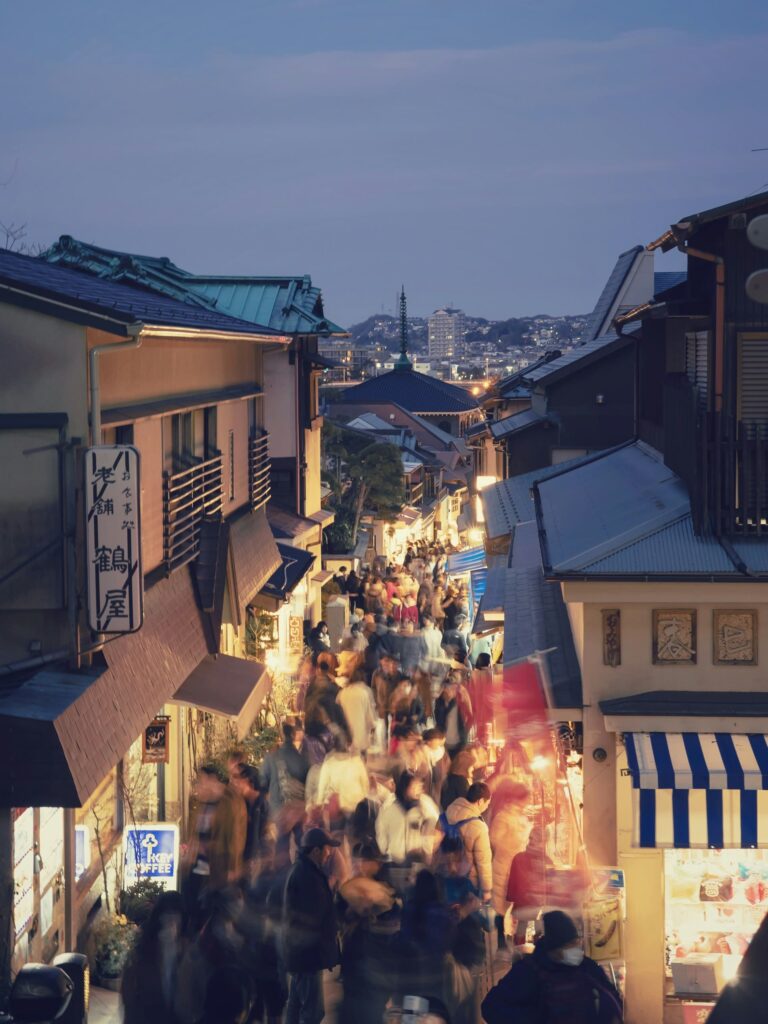
If this is your first time, the easiest way to understand Enoshima is to think of it as one main route that climbs up the island and then descends toward the rocky coast. Here is a simple text map of the classic route:
Bridge → Nakamise Street → Enoshima Shrine → Samuel Cocking Garden & Sea Candle → Chigogafuchi → Iwaya Caves → walk back or use the Bentenmaru ferry if operating
- Cross the bridge to the island entrance.
- Walk through Nakamise Street for snacks, souvenirs, and the main approach.
- Visit Enoshima Shrine as you continue uphill.
- Reach the summit area for Samuel Cocking Garden and the Sea Candle.
- Continue down to Chigogafuchi for coastal views and sunset scenery.
- Add the Iwaya Caves if you have extra time and do not mind more walking.
Short on time? Stop after Enoshima Shrine or the Sea Candle. Want the full experience? Continue all the way to Chigogafuchi and the Iwaya Caves.
If the Bentenmaru ferry is operating, it can save you the uphill walk back from the Iwaya side. As of June 2026, the fare is typically ¥400 for adults and ¥200 for children, but service depends on weather and sea conditions. Do not plan your route assuming the ferry will always run.
How Long Should You Spend in Enoshima?
| Travel style | Recommended time | What to include |
|---|---|---|
| Quick visit | 2 hours | Bridge, Nakamise Street, Enoshima Shrine |
| Classic first visit | 3 to 4 hours | Shrine, Sea Candle, Samuel Cocking Garden, snacks |
| Full island walk | 4 to 5 hours | Everything above, plus Chigogafuchi and Iwaya Caves |
| Enoshima + Kamakura day trip | Full day | Enoshima highlights plus one or two major Kamakura stops |
Stairs, Escar, and Accessibility Tips
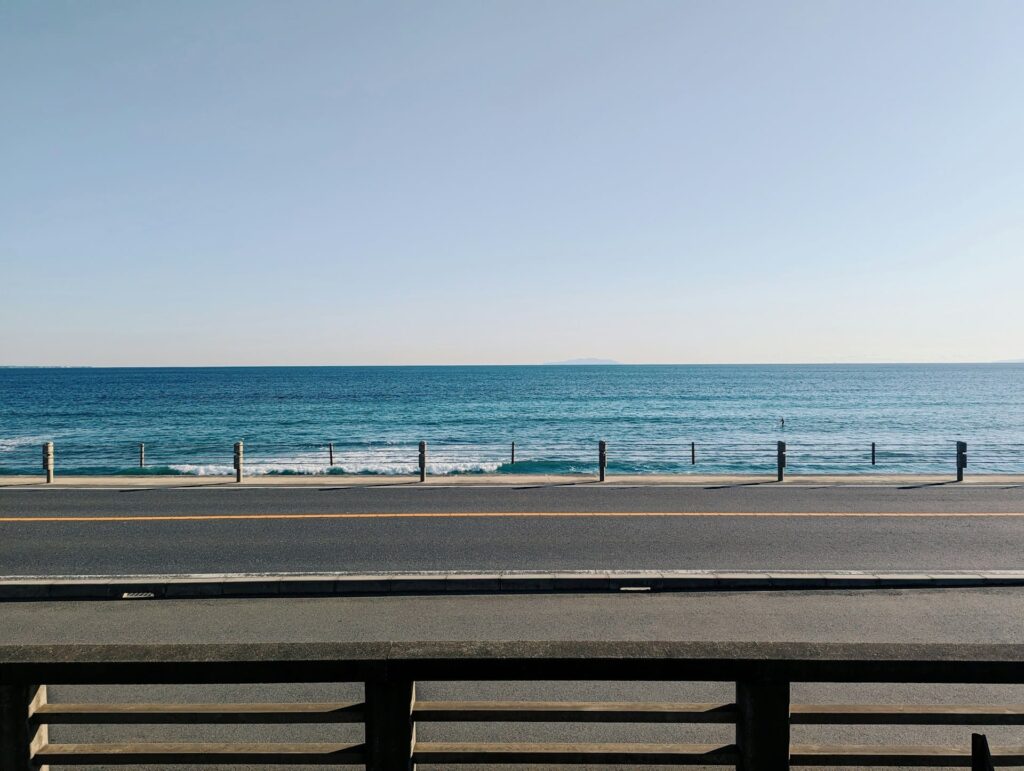
One of the biggest mistakes first-time visitors make is underestimating how steep Enoshima can feel. The island is compact, but the route includes many uphill stone steps and some uneven paths.
Should You Use the Enoshima Escar?
Yes, if you want to save energy for sightseeing. The Enoshima Escar is a series of outdoor escalators that helps you reach the upper part of the island much faster than walking the entire climb.
- Cost: As of June 2026, the full three-section Escar costs ¥500 for adults and ¥250 for children. A single-section ticket is also available if you only want the first stretch.
- Operating hours: Usually 8:50 to 19:05, but check current hours before visiting.
- Best for: First-time visitors, families, and anyone who wants to avoid the hardest uphill section.
- Important: The Escar only goes up. You still need to walk down.
- Good to know: Even with the Escar, Enoshima is not an easy stroller or wheelchair destination because of stairs, slopes, and uneven surfaces.
If you are unsure how much walking you want to do, using the Escar early in the visit is usually the easiest choice. It does not remove every stair from the route, but it can make the main climb feel much less tiring.
Top Enoshima Highlights
These are the core places most travelers should prioritize on a first visit.
Enoshima Shrine and Nakamise Street
After crossing the bridge, you will enter Nakamise Street, a lively approach lined with seafood stalls, snack shops, and souvenir stores. This is the island’s main entrance area and the easiest place to try local specialties while you walk.
At the top of the approach is Enoshima Shrine, a shrine complex made up of three separate shrine areas connected by the island route. The shrine is associated with Benzaiten, the goddess of music, wealth, and water. According to local legend, a five-headed dragon once terrorized the area until Benzaiten tamed it and turned it into a guardian. This story is one reason dragon imagery appears around the shrine grounds, and it adds cultural depth to a visit that many travelers otherwise treat as just a scenic island walk.
Samuel Cocking Garden and the Sea Candle
At the summit of the island, Samuel Cocking Garden offers an open resting area with seasonal greenery and wide views. Inside the garden stands the Enoshima Sea Candle, the island’s observation tower and one of the best places for panoramic views over the Shonan coast.
- Sea Candle admission: As of June 2026, ¥800 for adults and ¥400 for children.
- Samuel Cocking Garden: Usually free during daytime before 5pm. Evening entry may be paid during special events or illumination periods.
- Hours: The Sea Candle is usually open from 9:00 to 20:00, with last entry before closing. Hours may be extended or adjusted during events.
If the weather is clear, this is one of the best spots on the island for broad ocean views and a memorable photo stop. In cooler months, Mount Fuji is often easier to see, but visibility is never guaranteed.
Chigogafuchi and the Iwaya Caves
Many visitors turn back too early, but the southern side of the island is where Enoshima feels most dramatic. Chigogafuchi is a rocky coastal area known for waves, open sea views, and sunset scenery. Just beyond it, the Iwaya Caves add a more rugged and atmospheric finish to the island walk.
- Iwaya Caves admission: As of June 2026, ¥500 for adults and ¥200 for elementary school students.
- Hours: Usually 9:00 to 17:00, but hours can vary by season, events, and weather conditions.
- Walking note: The caves and coastal paths may have low ceilings, damp floors, uneven surfaces, and stairs. Wear sturdy shoes and avoid this section if the weather or waves look rough.
If you have enough time and energy, this section makes the visit feel much more complete than stopping at the summit. Carry some cash as a backup for smaller facilities, food stalls, and weather-dependent services.
Enoshima Food Guide: What to Eat First
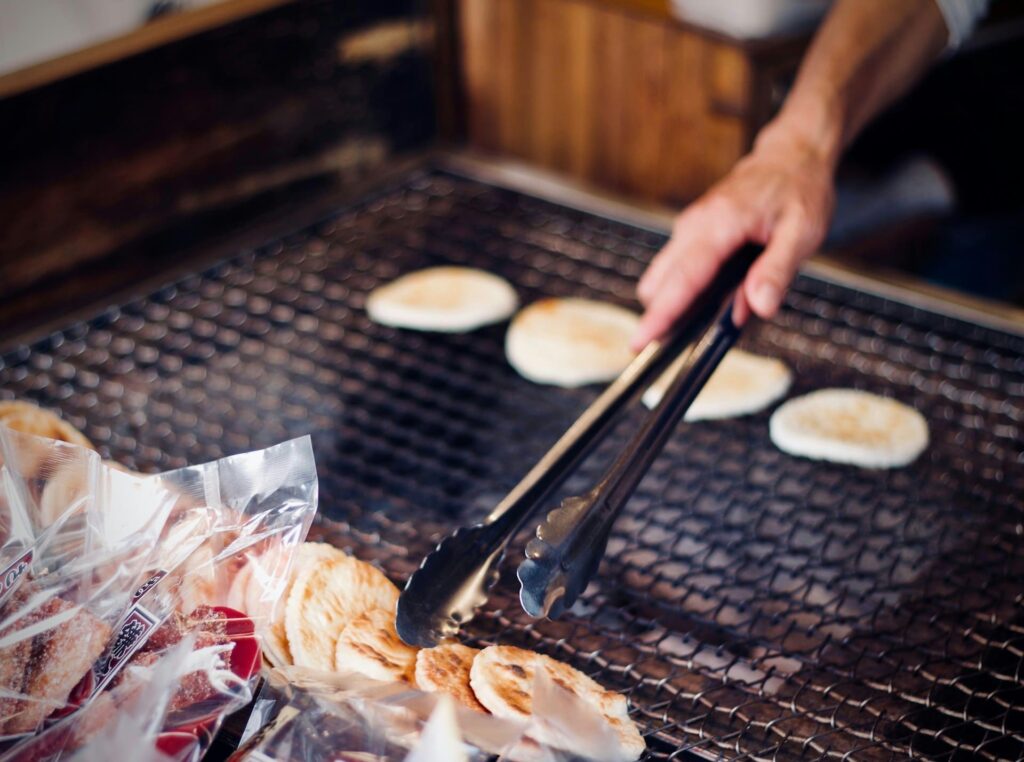
Enoshima is known for casual seafood snacks and easy street food you can eat between stops. If this is your first visit, start with the island’s best-known local specialty and then add one grilled snack while walking through the shopping street.
Shirasu, or Whitebait
The most famous local food in Enoshima is shirasu, or whitebait. You will see it served in several ways: raw when available, boiled over rice as shirasu don, or pressed into crispy crackers. Fresh raw shirasu is generally tied to the fishing season, which usually runs from March 11 to December 31, but availability depends on the catch, weather, and each restaurant’s supply.
If you only try one local specialty, shirasu is the one most closely associated with the area.
Tako Senbei and Grilled Seafood
Another classic snack is tako senbei, a thin grilled cracker made by pressing octopus or squid until crisp. It is easy to eat on the go and one of the most popular street foods near the island entrance. You will also find grilled scallops, squid, and shellfish at small stalls along the main approach.
- Best first try: Shirasu dishes for a local specialty
- Best walking snack: Tako senbei
- Best for seafood lovers: Grilled scallops, squid, and shellfish
Best Time to Visit Enoshima: Weather, Crowds, and Seasons
Enoshima is accessible year-round, but the experience changes significantly depending on when you go.
- Clear days in winter, December to February: This is often the best season for seeing Mount Fuji from the Sea Candle or Chigogafuchi. The winter illumination season, usually from late November to late February, adds evening appeal. The downside is cold wind near the coast.
- Spring, March to May: Mild temperatures and seasonal flowers make this one of the most comfortable times to visit. Weekends can still be busy.
- Summer, June to August: Expect heat, humidity, beach crowds, and a lively seaside atmosphere. The nearby beaches around Katase and Kugenuma are popular, but midday walking on the island can feel tiring.
- Autumn, September to November: Pleasant temperatures and slightly calmer crowds make autumn a good choice. Typhoon-season weather can still affect coastal paths, caves, and ferry service, especially in September and early October.
- Crowd avoidance: Weekday mornings are usually the quietest. If you can only visit on a weekend or holiday, arrive before 10:00 to avoid the worst of the midday crowds around Nakamise Street and the Escar.
Enoshima Sample Itineraries
Option 1: Morning Half-Day, About 3 Hours
This is the best option if you want a quick coastal escape from Tokyo without committing to a full island walk.
- Arrive at Katase-Enoshima Station in the morning.
- Walk across the bridge and through Nakamise Street, allowing time for a snack stop.
- Visit Enoshima Shrine and use the Escar if you want to reduce the climb.
- Visit Samuel Cocking Garden and the Sea Candle.
- Walk back down through the shrine route and return toward the station.
Option 2: Full Island Walk, About 5 Hours
This is the best choice if you want the caves, rocky coast, food, and viewpoints in one visit.
- Arrive in the morning and cross the bridge to the island.
- Walk through Nakamise Street and visit Enoshima Shrine.
- Use the Escar or climb on foot, depending on your energy level.
- Visit Samuel Cocking Garden and the Sea Candle.
- Stop for shirasu or another seafood lunch.
- Continue down to Chigogafuchi and the Iwaya Caves.
- Walk back across the island, or use the Bentenmaru ferry if it is operating and sea conditions are suitable.
Option 3: Enoshima + Kamakura Full Day
This is the best-value plan if you are using the Enoshima-Kamakura Freepass and want both coastal scenery and temple culture.
- Morning: Visit Enoshima Shrine, the Sea Candle, and Nakamise Street.
- Lunch: Eat shirasu or seafood on Enoshima or near the station.
- Early afternoon: Take the Enoden from Enoshima Station toward Kamakura.
- Afternoon: Choose one or two Kamakura stops, such as Hase-dera Temple and the Great Buddha, or Tsurugaoka Hachimangu and Komachi Street.
- Evening: Return to Tokyo via Fujisawa and the Odakyu Line if you are using the pass, or use a separate JR route from Kamakura if that is more convenient for your hotel.
Self-Guided vs Guided Tour: Which Is Better?
It is entirely possible to explore Enoshima on your own, especially if you want a flexible schedule and do not mind climbing stairs at your own pace. A guided tour becomes more useful if you want local context, help choosing food, and a smoother route without stopping to figure everything out yourself.
| Feature | Self-Guided | Guided Tour |
|---|---|---|
| Flexibility | Best if you want to move at your own pace and stop whenever you like. | Best if you prefer a planned route and less decision-making. |
| Navigation | Simple overall, but the stairs and route can feel tiring without planning. | A local guide can keep the visit efficient and easier to follow. |
| Cultural context | You will see the sights, but may miss the deeper stories behind them. | Better for understanding shrine history, local legends, and island background. |
| Food | Good for casual snacking, but choosing where to stop is trial and error. | Helpful if you want a food-focused route without researching each stall in advance. |
| Best for | Independent travelers and budget-conscious visitors. | First-time visitors, food-focused travelers, and anyone short on time. |
If your main goal is to see the island efficiently and enjoy the atmosphere at your own pace, a self-guided visit is enough. If you want to combine food, stories, and a smoother first-time experience, a guided tour can be worth the extra cost.
Recommended guided option:
This option is a good fit for travelers who want local food, cultural context, and an easier visit without spending time planning each stop. Tour details, food inclusions, meeting points, and prices can change, so review the current booking page before you reserve.
Who Should Book a Guided Enoshima Tour?
A guided tour is not necessary for every traveler, but it can be a very good choice in a few specific situations.
- Book a tour if: You are visiting Enoshima for the first time, want to understand the island’s shrine history, or want help choosing what to eat.
- Stay self-guided if: You prefer flexible sightseeing, want to keep costs down, or enjoy wandering without a fixed plan.
- A tour is especially useful if: You are short on time and want to avoid spending part of the visit figuring out the route.
Short on time but want a more structured Enoshima visit?
Check the latest availability and details for the Enoshima food and temple tour
How to Decide Your Enoshima Route
Enoshima is worth a visit for most travelers based in Tokyo who want a coastal escape without a long commute. But whether it is the right choice for you depends on what you are looking for.
- Choose Enoshima if: You want ocean views, shrine culture, casual seafood, and a manageable half-day trip. The island delivers all of these with minimal planning.
- Skip Enoshima if: You have mobility concerns, dislike uphill walking, or only have one day in Tokyo and prefer museums, shopping, or city neighborhoods.
- For families with children: The food stalls and the Sea Candle are the main attractions for kids. The Escar helps with the climb, but strollers are impractical on the upper paths. If it is running, the ferry can be a fun way to avoid part of the return walk.
- For first-time visitors to Japan: Enoshima is a pleasant trip but not a must-see for everyone. If your time in Tokyo is limited to 3 or 4 days, compare it with Kamakura, Hakone, or Nikko before deciding.
- For photographers: Enoshima is worth the trip on clear days, especially for sunrise, sunset, or winter Mount Fuji views. Overcast days can still give you interesting coastal textures around Chigogafuchi.
- For budget travelers: A self-guided visit keeps costs low. The Enoshima 1 Day Pass is only worth it if you plan to use the Escar and visit both the Sea Candle and the Iwaya Caves.
Enoshima Guide FAQ
How much time do you need in Enoshima?
Plan for at least 2 to 3 hours if you only want the main highlights, including Nakamise Street and Enoshima Shrine. If you want to continue to the Sea Candle, Chigogafuchi, and the Iwaya Caves, 4 to 5 hours is more realistic.
Can you see Mount Fuji from Enoshima?
Yes, on clear days. Cooler months usually give you a better chance of seeing Mount Fuji from the Sea Candle or the rocky coast around Chigogafuchi, but the view depends on weather, haze, and visibility.
Is Enoshima better on its own or with Kamakura?
Enoshima works well on its own as a half-day trip, but many travelers combine it with Kamakura for a full day. Choose Enoshima only if you want a slower coastal visit. Combine both if you want temples in Kamakura and coastal scenery in one complete day trip.
Can you visit Enoshima without using the Escar?
Yes, but be prepared for a lot of uphill walking and stairs. The Escar is not essential, but many first-time visitors find it helpful because it saves energy for the rest of the island.
Is Enoshima stroller or wheelchair friendly?
Not really. The island includes many stairs, sloped paths, and uneven walking surfaces. Even with the Escar, it is still not an easy route for strollers or wheelchairs.
Is Enoshima worth visiting in bad weather?
It can still be worth visiting for the shrine area and food, but the island is at its best on a clear day when you can enjoy the sea views, summit viewpoints, and rocky coast. In heavy rain, strong wind, or rough seas, skip Chigogafuchi, the caves, and the ferry.
Which pass should I buy for Enoshima?
If you plan to use the Escar, visit the Sea Candle, and see the Iwaya Caves, the Enoshima 1 Day Pass is usually worth considering. As of June 2026, it costs ¥1,550 for adults, while paying separately for the Escar, Sea Candle, and Iwaya Caves costs ¥1,800. If you are coming from Shinjuku and combining Enoshima with Kamakura, the Enoshima-Kamakura Freepass is the better choice for transport, but it does not include island attractions.
When Should You Buy the Enoshima 1 Day Pass?
Yes, if you plan to use the Escar and visit both the Sea Candle and Iwaya Caves. It is less useful if you only want one paid attraction or if you prefer to keep the visit mostly free.
Is Enoshima good for a first trip to Japan?
Yes, if you want an easy coastal escape from Tokyo and have enough time in your itinerary. It is especially good if you are already planning to visit Kamakura. However, if your first Japan trip is short and you only have a few days in Tokyo, Enoshima may be more of a nice extra than a top-priority day trip.
Planning your Enoshima day trip?
Check current availability, inclusions, and start times for the Gourmet Food and Temple Visit tour in Enoshima if you want a more guided and food-focused way to explore the island.
Prices, opening hours, transport schedules, pass conditions, tour inclusions, payment methods, ferry operations, seasonal events, and weather-dependent attractions can change. Always check official sources and your selected booking page before finalizing your trip.

Hi, I’m Kai. I’m a Tokyo-based travel writer, tourism industry insider, and the author of a published guidebook for international visitors to Japan. With over 10 years of professional experience at a leading Japanese tourism company, my mission is to help you skip the tourist traps and navigate Japan’s best destinations like a local. I believe the perfect day trip is like a traditional kaiseki meal: a beautiful balance of precise planning and unforgettable seasonal discovery. When I’m not out conducting field research, you’ll usually find me drafting new itineraries with one of my favorite fountain pens!