
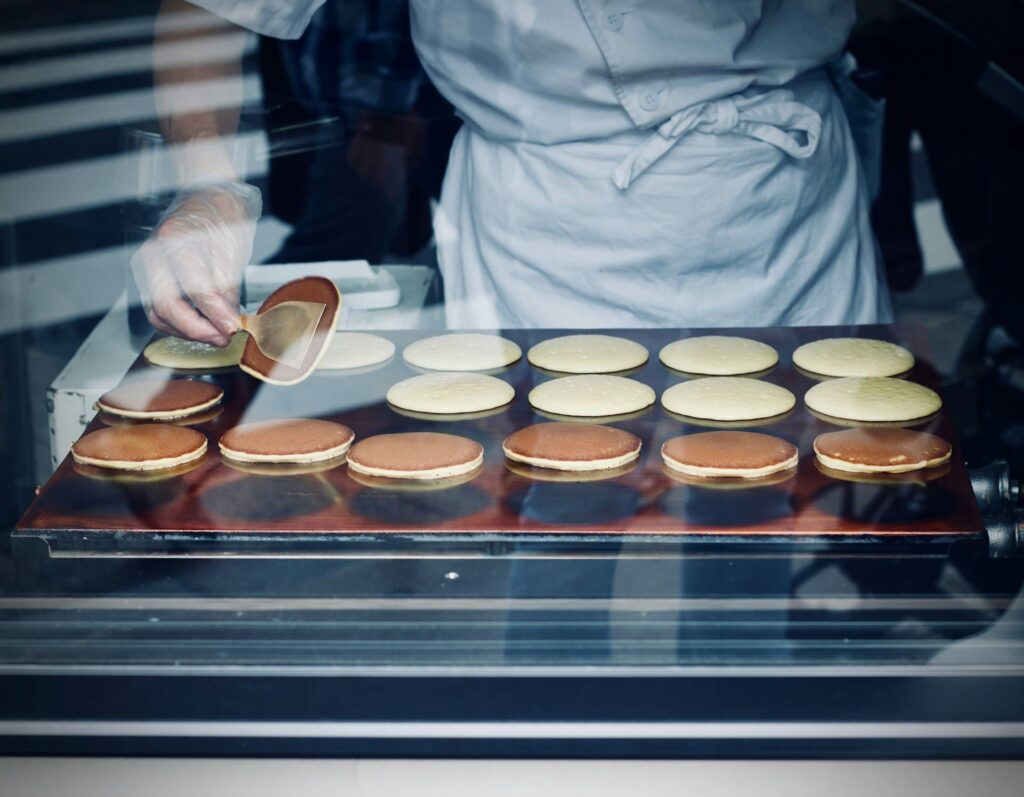
If you are planning a Kamakura day trip and eat plant-based, Kamakura is one of the easier destinations in Japan for vegetarians and vegans. The city has a strong Zen Buddhist food culture, and you can still find modern vegan-friendly cafes, vegetable sushi, bakery stops, and casual coastal restaurants.
That said, Kamakura is not a place where every “healthy,” “Japanese,” or “traditional” meal is automatically vegetarian. Fish-based dashi, soy sauce containing wheat, mirin, sake, alcohol-based seasonings, shared kitchen equipment, and changing cafe hours can all matter depending on your diet. This guide focuses on practical choices, what to confirm before visiting, and how to plan food stops without losing your sightseeing day.
Quick Answer: Is Kamakura Good for Vegetarians and Vegans?
Yes, Kamakura is a good day-trip destination for vegetarians and vegans, but it rewards planning. The easiest strategy is to anchor your day around clearly vegan or vegetarian-friendly restaurants first, then treat traditional Japanese restaurants as options only when you can confirm the soup base, sauces, and cooking method.
- Vegetarian & Vegan: The easiest dietary fit. Prioritize vegan sushi, vegan bakeries, organic cafes, and restaurants that understand no fish broth.
- Shojin Ryori: Kamakura has a strong Buddhist food culture, but current restaurant menus can change. Do not assume every historically “shojin ryori” restaurant is fully plant-based today.
- Halal / Muslim-Friendly: Possible, but limited. Look for Muslim-friendly menus and confirm alcohol, mirin, pork, and shared equipment before ordering.
- Gluten-Free: Possible with caution. Standard Japanese soy sauce usually contains wheat, and cross-contamination may be an issue in small cafes.
If you are vegetarian or vegan and flexible about shared equipment, you can usually handle Kamakura independently. If you have strict halal needs, allergy concerns, celiac-level gluten sensitivity, or limited time, the harder part is not finding food in general. It is confirming the details without losing half your sightseeing day.
At a Glance: Best Kamakura Vegetarian, Vegan & Diet-Friendly Options
Approximate prices and notes below are based on publicly available information checked in June 2026. Menus, opening days, prices, payment methods, dietary handling, and reservation rules can change, so always confirm directly before visiting.
| Place | Best For | Diet Fit | Area | Approx. Budget | Main Caution |
|---|---|---|---|---|---|
| Chirashiya | Creative vegetable sushi | Vegan | Kita-Kamakura | Around ¥2,000–¥3,000 | Cash only; not halal-friendly; some items may use alcohol or five pungent vegetables |
| Kamakura 24sekki | Vegan bakery & cafe | Vegan | Kamakura | Lunch sets often from around ¥1,950 | Opening days can be limited or irregular, so check before going |
| Magokoro | Relaxed cafe meal near Hase | Vegetarian / vegan-friendly | Hase | Often around ¥1,000–¥2,000 | Confirm current vegan options, fish items, and opening days |
| Luna Burger | Casual vegan burger meal | Vegan | Hase / coastal Kamakura area | Around ¥1,500–¥3,000 | Hours and sold-out status can change; check before visiting |
| Kajiya | Muslim-friendly Japanese meal | Muslim-Friendly | Komachi-dori | Lunch often around ¥1,000–¥2,000; dinner higher | Not automatically halal-certified; confirm shared equipment, oil, and latest menu details |
| Coffee Talks Kamakura | Gluten-free-friendly snack and coffee | Gluten-Free Friendly | Near Kamakura Station | Around ¥500–¥1,200 | Good for snacks, not a full gluten-free restaurant meal |
| Hachinoki Shinkan | Traditional Japanese dining and historical shojin ryori context | Confirm directly | Kita-Kamakura | Course prices vary | Current menus are not automatically vegetarian or vegan |
Best Kamakura Vegetarian & Vegan Restaurants
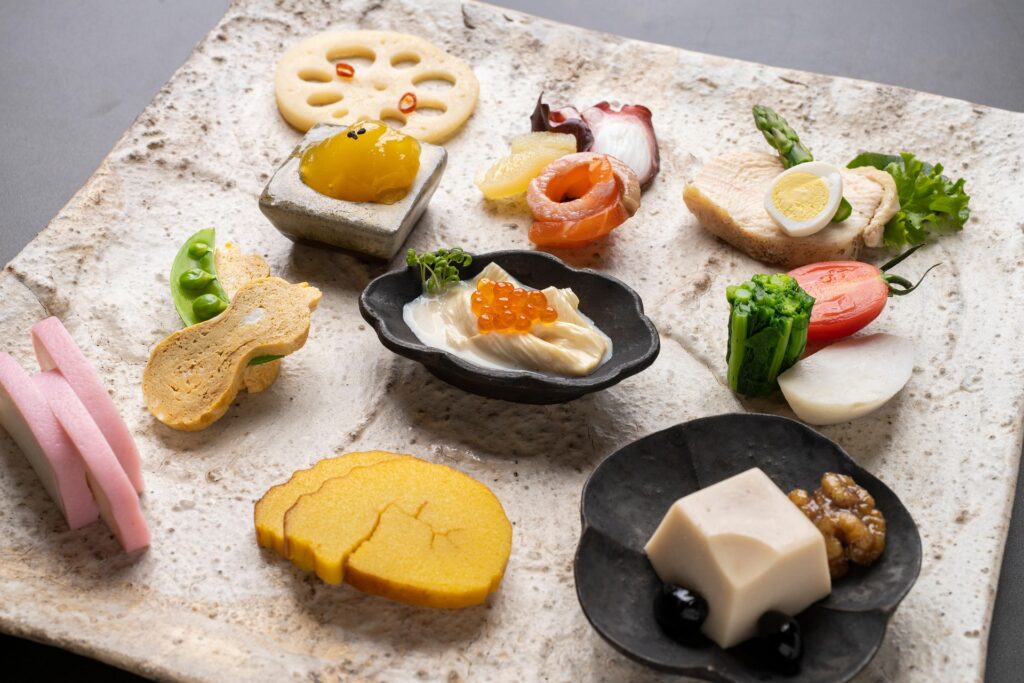
If your main goal is to eat well without spending your whole day checking menus, start with the places below. I have focused on options that are useful for sightseeing routes, not just restaurants that look good on a map.
Chirashiya: Best for Vegan Sushi in Kita-Kamakura
Chirashiya, also known as Vegetable Sushi Chirashiya, is one of the most memorable vegan restaurants in Kamakura. Located in Kita-Kamakura, it serves vegetable sushi inspired by shojin-modoki, a style of plant-based temple cuisine that recreates familiar textures and colors without using meat, fish, eggs, or dairy.
This is not just “sushi without fish.” The appeal is that the sushi still feels carefully crafted and distinctly Japanese, using vegetables, tofu, soy products, and plant-based dashi. For travelers who want a special vegan lunch rather than a backup cafe meal, Chirashiya is one of the strongest choices in Kamakura.
- Best for: Vegans, vegetarians, creative sushi, and a memorable lunch in Kita-Kamakura
- Diet: Food menu is plant-based and does not use meat, fish, eggs, or dairy
- Good to know: The restaurant notes that some items may use five pungent vegetables, alcohol is used/served, and the restaurant is not halal-friendly
- Payment: Cash only, based on the restaurant’s official information
- Hours: The restaurant has announced a temporary 15:00 closing from August 1, 2025, with later use by advance course reservation for 2 or more people; check the latest notice before visiting
- Reservations: Recommended, especially because it is small and may sell out
- Best route fit: Pair it with Engaku-ji, Tokei-ji, or other Kita-Kamakura temple stops
Kai’s tip: If Chirashiya is your priority, build the morning around Kita-Kamakura instead of starting at the Great Buddha. The mistake I see travelers make is treating lunch as something they can “fit in later,” then realizing the restaurant they wanted is in a different part of town. In Kamakura, area order matters more than distance on the map.
Kamakura 24sekki: Best Vegan Bakery & Cafe
Kamakura 24sekki is a cozy vegan bakery and cafe known for bread, sandwiches, soup, and plant-based drinks. It is a good option if you want a lighter meal, a cafe break, or something you can combine with a slower sightseeing day.
The cafe is especially useful for travelers who want something more substantial than a snack but less formal than a course meal. Because opening days can be limited or irregular, I would not make it the only food plan for a tightly scheduled day unless you have checked the latest official notice first.
- Best for: Vegan breakfast, light lunch, bakery stop, or quiet cafe break
- Diet: Vegan-focused bakery and cafe menu
- Price range: Lunch sets are often around ¥1,950 and up, depending on the menu
- Good to know: Opening days and hours can be limited or irregular, so check the official website or social media before adding it to your route
- Best route fit: Better for a flexible day than a tightly timed itinerary
Magokoro: Best Relaxed Cafe Meal Near Hase
After visiting the Great Buddha at Kotoku-in or walking around Hase-dera, Magokoro is one of the more relaxing places to stop for a casual meal. It is known as a vegetarian- and vegan-friendly cafe with a laid-back coastal atmosphere, organic-leaning food, and a slower pace than the busy station area.
This is a good choice when you want to sit down and recharge rather than hunt for a quick convenience-store snack. It also fits naturally into a Hase and seaside route, especially if you are continuing toward the Enoshima seaside area.
- Best for: Casual vegetarian or vegan-friendly lunch near Hase
- Diet: Vegetarian and vegan-friendly, but confirm current menu details before ordering because some listings note fish dishes as well
- Approx. budget: Often around ¥1,000–¥2,000
- Hours: Check the latest hours before visiting, especially on weekdays or outside lunch time
- Good to know: Better for a relaxed cafe meal than for a traditional Japanese dining experience
- Best route fit: Great Buddha, Hase-dera, Yuigahama, and coastal walks
Luna Burger: Best Casual Vegan Burger Option
Luna Burger is a useful stop when you want something familiar, filling, and fully plant-based. It is not traditional Japanese cuisine, but that can be exactly what you need during a long sightseeing day, especially if you are traveling with kids or mixed-diet friends.
Because small vegan restaurants and burger shops can change hours, close when sold out, or update branch details, treat Luna Burger as a good casual option rather than a fixed anchor for your whole day. Check the latest location and opening hours before you go.
- Best for: Vegan burgers, families, casual lunch, and comfort food
- Diet: Vegan burger-focused menu
- Approx. budget: Around ¥1,500–¥3,000 depending on your order
- Good to know: Hours may be limited and items can sell out
- Best route fit: Hase, the Enoden line, and coastal Kamakura sightseeing
What About Shojin Ryori in Kamakura?
Kamakura has a deep connection with Zen Buddhism, so it is natural to search for shojin ryori here. However, this is also where travelers need to be careful: a restaurant may be historically associated with shojin ryori or temple-style dining, but its current menu may include fish, meat, or standard Japanese kaiseki dishes.
Hachinoki Shinkan: Famous Name, But Confirm Before Planning a Vegetarian Meal
Hachinoki is often associated with Kamakura’s traditional dining and shojin ryori history. However, current public information for Hachinoki Shinkan presents it as a Japanese restaurant serving kaiseki-style meals and bento, and recent menus may include fish or meat items.
For that reason, do not treat Hachinoki as an automatically vegan or vegetarian restaurant. If your goal is a strictly vegetarian or vegan shojin ryori meal, contact the restaurant directly before planning your lunch around it. Ask clearly whether they can prepare a meal without meat, fish, fish-based dashi, eggs, dairy, and alcohol-based seasonings.
- Best for: Travelers interested in traditional Japanese dining and Kamakura food history
- Diet fit: Must be confirmed directly; do not assume vegetarian or vegan
- Good to know: Current menus may include non-vegetarian kaiseki or bento items
- How to use it safely: Contact ahead and ask about vegetarian or vegan availability before booking
What to Watch Out for Before You Order

Even in a vegetarian-friendly destination like Kamakura, Japanese menus can hide ingredients that matter to vegan, halal, and gluten-free travelers. Before you sit down, check these three things first.
- Dashi: This is the biggest warning for vegetarians and vegans. A dish may look meat-free but still contain fish-based broth made from bonito flakes. Ask about the soup base, not only whether the dish contains meat.
- Soy sauce: Standard Japanese soy sauce usually contains wheat, so it may not be safe for strict gluten-free travelers. It can appear in sauces, marinades, dipping condiments, soups, and grilled dishes.
- Mirin and sake: These alcohol-based seasonings are common in simmered dishes, sauces, and marinades. They may matter for Muslim travelers or anyone avoiding alcohol.
Kai’s tip: I always tell readers to ask about dashi before asking about meat. “No meat” can still leave you with bonito-based broth, especially in soups, simmered vegetables, dipping sauces, and noodle dishes. A simple phrase to show staff is: “魚のだしは使っていますか?” which means “Does this use fish broth?”
Dietary Cheat Sheet for Kamakura
| Dietary Need | Main Hidden Trap | What to Ask For |
|---|---|---|
| Vegetarian / Vegan | Fish-based dashi, bonito flakes, fish sauce | Kombu dashi, shiitake dashi, or clearly plant-based dishes |
| Halal / Muslim-Friendly | Mirin, sake, alcohol-based sauces, pork, shared cooking equipment | No pork, no alcohol, no mirin, and clear confirmation of cooking methods |
| Gluten-Free | Standard soy sauce, wheat in sauces, tempura batter, breaded coatings | Tamari if available, salt-based seasoning, and cross-contamination confirmation |
Once you understand these basics, it becomes much easier to decide which restaurants are realistic for your diet and which ones need extra caution.
Halal & Muslim-Friendly Dining in Kamakura
Kamakura does not have many fully halal-certified restaurants, so it is best to set expectations clearly before you go. For most Muslim travelers, the smoothest approach is to look for Muslim-friendly places that understand pork-free and alcohol-free requests, then confirm the latest menu and kitchen handling directly.
Kajiya: A Practical Muslim-Friendly Option on Komachi-dori
Kajiya on Komachi-dori is one of the most useful names to know if you are visiting Kamakura with Muslim dietary needs. Muslim-friendly restaurant listings and Kajiya’s own information note that the Muslim menu does not contain pork, pork-related ingredients, or alcohol, and that English support may be available.
However, Muslim-friendly does not always mean fully halal-certified with separate equipment for every cooking step. Kajiya also notes that it is not a certified halal restaurant, so strict halal observers should ask about shared oil, utensils, grills, cutting boards, sauces, and whether alcohol is handled elsewhere in the kitchen before ordering.
- Best for: Muslim travelers looking for a practical sit-down Japanese meal in central Kamakura
- Diet: Muslim-friendly menu options; confirm current details directly
- Location: Komachi-dori area, close to Kamakura Station
- Hours: Commonly listed with lunch and dinner service, but check current hours before going
- Good to know: Confirm shared equipment and cooking methods if your requirements are strict
Kai’s tip: For Muslim-friendly dining, I would confirm in this order: pork first, alcohol and mirin second, shared equipment third. Staff can usually answer the first two more easily, while shared oil and utensils may take a longer kitchen check. Give the restaurant time, and avoid asking only after the dish has already arrived.
Practical Tips for Muslim Travelers
If you cannot visit Kajiya or prefer to explore other options, keep your order simple and ask about seasonings before choosing a dish.
- Ask whether the dish contains mirin, sake, or other alcohol-based seasonings.
- Ask whether sauces are added separately or cooked into the dish.
- Choose simple grilled items seasoned with salt when possible.
- Do not assume seafood is automatically halal-friendly. Sauces, cooking methods, and shared equipment still matter.
- Carry a Japanese dietary restriction card. It helps at restaurants without fluent English support.
Gluten-Free Tips for Kamakura
Gluten-free dining in Kamakura is possible, but it requires more caution than many travelers expect. The biggest hidden source is not bread or pasta; it is standard Japanese soy sauce, which usually contains wheat. Sauces, marinades, dipping condiments, soups, and grilled dishes can all be an issue.
Coffee Talks Kamakura: A Gluten-Free-Friendly Snack Stop
Coffee Talks Kamakura is a specialty coffee stop near Kamakura Station. It is useful if you want a quick coffee break and gluten-free-friendly baked treats, especially between station-area shopping, temples, and train transfers.
This is best treated as a snack and coffee stop rather than a full gluten-free restaurant. If you are highly sensitive to gluten or have celiac-level requirements, confirm ingredients and cross-contamination before ordering.
- Best for: Coffee, oat milk drinks, and gluten-free-friendly baked treats
- Diet: Gluten-free-friendly snack options; not a guaranteed celiac-safe environment
- Location: Near Kamakura Station
- Good to know: Check current hours via official social media or recent listings before visiting
Gluten-Free Dining Strategy in Kamakura
If you need a full meal, sushi and simple rice-based dishes may look safe, but the real risk often comes from soy sauce, soup base, and shared preparation space. A dish is not automatically gluten-free just because it includes rice or fish.
- Ask whether tamari or another wheat-free soy sauce is available.
- Check whether soup, dipping sauce, or marinade contains regular soy sauce.
- Be careful with tempura, katsu, croquettes, and anything with a glossy sauce.
- If cross-contamination matters to you, ask directly before ordering.
- Carry cash and backup snacks. Small cafes may have limited hours, limited stock, or changing menus.
Kai’s tip: What catches gluten-free travelers out is not always the obvious wheat item. In Japan, I would look first at tare sauces, marinades, soup bases, and dipping condiments. Even a simple-looking grilled dish may have been brushed with regular soy sauce before it reaches the table.
Restaurants and Listings to Double-Check Before You Go
Restaurant information in Kamakura changes quickly, especially for small vegan cafes, seasonal shops, and places that rely on social media for updates. Two names deserve special caution:
- Cafe Stand Blossom Kamakura: Older listings describe it as a vegan cafe near Hase and Kotoku-in, but the former Kamakura location has been reported closed. Do not rely on old Hase-area listings without checking the official social media or latest location information.
- Hachinoki: Historically important for Kamakura dining and often associated with shojin ryori, but current menus are not automatically vegetarian or vegan. Confirm directly if you need a plant-based meal.
Kamakura Vegetarian & Vegan Restaurant Comparison
| Restaurant | Diet Fit | Best Use | Area | Reservation | Payment Note |
|---|---|---|---|---|---|
| Chirashiya | Vegan | Creative vegetable sushi lunch | Kita-Kamakura | Recommended | Cash only |
| Kamakura 24sekki | Vegan | Bakery, sandwich, soup, cafe break | Kamakura | Check current opening days | Carry cash as backup |
| Magokoro | Vegetarian / vegan-friendly | Relaxed cafe meal near Hase | Hase | Usually not essential for casual lunch | Carry cash as backup |
| Luna Burger | Vegan | Casual burger meal | Hase / coastal area | Usually not essential | Check current branch details and payment options |
| Kajiya | Muslim-Friendly | Japanese meal with Muslim-friendly menu options | Komachi-dori | Recommended for strict needs | Confirm current payment options |
| Coffee Talks Kamakura | Gluten-Free Friendly | Coffee and snack break | Kamakura Station area | Usually not needed | Check current hours and carry cash as backup |
| Hachinoki Shinkan | Confirm directly | Traditional Japanese dining context | Kita-Kamakura | Recommended | Confirm vegetarian availability before booking |
Simple One-Day Food Route for Plant-Based Travelers
If you want the lowest-stress Kamakura food plan, build your day around areas rather than chasing restaurants across the city.
Route 1: Kita-Kamakura Vegan Lunch Route
- Morning: Start at Kita-Kamakura Station and visit Engaku-ji or nearby temples.
- Lunch: Eat at Chirashiya if you can confirm availability or make a reservation.
- Afternoon: Continue toward central Kamakura, Komachi-dori, or Tsurugaoka Hachimangu.
This is the best route if your priority is a memorable vegan Japanese meal.
Route 2: Hase and Coastal Cafe Route
- Morning: Visit the Great Buddha at Kotoku-in and Hase-dera.
- Lunch: Choose Magokoro or Luna Burger depending on your mood and the latest opening hours.
- Afternoon: Walk toward Yuigahama or continue by Enoden toward the coast.
This is better for a relaxed, flexible day with beachside atmosphere.
Route 3: Strict Diet Support Route
- Morning: Confirm restaurant details before leaving Tokyo or Yokohama.
- Lunch: Use a pre-confirmed option such as Kajiya for Muslim-friendly needs, or a clearly vegan restaurant for plant-based needs.
- Backup: Carry snacks, cash, and a Japanese dietary card in case your first-choice restaurant is closed, full, or sold out.
This is the safest route if you have halal, allergy, or medically necessary gluten-free requirements.
Kai’s tip: If I had one day, I would not try to combine every food stop in this article. Pick one anchor meal, then build the sightseeing route around it: Kita-Kamakura for Chirashiya, Hase for Magokoro or Luna Burger, and central Kamakura for Komachi-dori or station-area snacks. That one decision usually makes the whole day calmer.
Should You Explore on Your Own or Book a Guide?
If your diet is flexible, Kamakura is manageable on your own with basic preparation. Vegetarians and vegans who are comfortable checking dashi and shared equipment can usually plan a good day around Chirashiya, Kamakura 24sekki, Magokoro, Luna Burger, and station-area snack options.
If your needs are strict, the challenge is not finding food in general. The challenge is finding food that matches your requirements without losing sightseeing time or relying on unclear menu explanations.
| Option | Best For | Trade-Off |
|---|---|---|
| DIY | Vegetarian or vegan travelers with flexibility on shared equipment and trace ingredients | Saves money, but you need to check menus, hours, reservations, and ingredients yourself |
| Private Guide | Strict halal needs, allergy concerns, celiac-level gluten sensitivity, mixed-diet groups, or limited time | Higher cost, but less stress and clearer communication with restaurants |
If you are worried about hidden ingredients, language barriers, or losing time during a day trip, a private guide can make the experience much smoother by helping with restaurant selection, reservations, and dietary communication.
Recommended for Strict Diets: Kamakura Private & Customizable Tour
If your Kamakura day depends on getting the food details right, this is the point where I would compare a guided option instead of trying to improvise from restaurant to restaurant. A private tour is especially useful when one person is vegan, another is not, or when halal, allergy, or gluten-free requirements need to be explained clearly.
Why I’d book this one
- It is customizable: You can shape the day around temples, coastal stops, shopping streets, and realistic meal breaks instead of following a fixed bus-tour route.
- It reduces the language burden: A guide can help confirm ingredients, opening days, route order, and whether a restaurant still fits your needs on the day.
- Reviewers consistently praise the guide experience: Recent reviewers mention knowledgeable guides, comfortable pacing, flexible route choices, and helpful local recommendations. That matters in Kamakura, where food planning and sightseeing flow are closely connected.
For travelers who want that support built into the day, the Kamakura Private & Customizable Tour – All-in-One Experience is the main guided option I would compare before you go. Check the latest start times, guide language, included stops, customization options, pickup details, and cancellation policy to see if it fits your travel style.
👉 See current availability and customization details for the Kamakura private tour
Frequently Asked Questions
Is Kamakura a good destination for vegetarians and vegans?
Yes. Kamakura is one of the better day-trip destinations for plant-based travelers in Japan. It has creative vegan sushi, vegan bakery options, vegetarian- and vegan-friendly cafes, and a strong Buddhist food culture. It is easier for vegetarian and vegan travelers than for strict halal or gluten-free diners.
Where can I try vegan sushi in Kamakura?
Chirashiya in Kita-Kamakura is the standout option for vegan sushi. It serves vegetable sushi inspired by shojin-style mock cuisine and does not use meat, fish, eggs, or dairy in its food menu. Reservations are recommended, and the restaurant is cash only.
Where can I try shojin ryori in Kamakura?
Kamakura has a strong shojin ryori tradition, but current restaurant menus can change. Hachinoki is historically associated with Kamakura’s traditional dining and shojin ryori culture, but current menus should not be assumed vegetarian or vegan. Contact the restaurant directly if you need a strictly plant-based meal.
Do vegetarian dishes in Japan still contain fish broth?
Sometimes, yes. A dish may be meat-free but still include fish-based dashi made from bonito flakes. Ask specifically about the broth, soup base, and sauce, not only whether the dish contains meat.
Can Muslim travelers find halal food in Kamakura?
Options are limited, but Muslim-friendly dining is possible with planning. Kajiya on Komachi-dori is one of the more useful options because it offers Muslim-friendly menu choices. Strict halal observers should still confirm certification status, shared oil, utensils, sauces, and kitchen handling before ordering.
Is Kamakura easy for gluten-free travelers?
Not always. The main challenge is standard Japanese soy sauce, which usually contains wheat. Coffee Talks Kamakura can be useful for a gluten-free-friendly snack and coffee break, but full gluten-free meals require careful checking of sauces, soup bases, marinades, and cross-contamination.
Do I need reservations for vegetarian restaurants in Kamakura?
For small or popular restaurants such as Chirashiya, reservations are a smart idea. For casual cafes, you may not always need a reservation, but opening days can be limited and items may sell out. On weekends, cherry blossom season, autumn foliage season, and Golden Week, plan more carefully.
Should I carry cash in Kamakura?
Yes. Even when some restaurants accept cards or electronic payments, small cafes and lunch-only restaurants may prefer cash or have changing payment rules. Chirashiya officially notes cash-only payment. For a low-stress day, carry enough yen for meals, snacks, and local transport.
Final Verdict
Kamakura is a genuinely good destination for plant-based travelers, but it rewards planning. The best experience comes from choosing restaurants by route and diet strictness, not simply searching for “vegetarian food near me” after you get hungry.
- Choose Chirashiya if: You want the most memorable vegan Japanese meal and can plan around Kita-Kamakura.
- Choose Kamakura 24sekki if: You want vegan bread, soup, sandwiches, or a slower cafe stop.
- Choose Magokoro or Luna Burger if: You are sightseeing around Hase, the Great Buddha, or the coast and want a casual meal.
- Choose Kajiya if: You need a Muslim-friendly Japanese meal and are comfortable confirming the latest kitchen handling.
- Choose Coffee Talks if: You need a gluten-free-friendly coffee and snack break near Kamakura Station.
- Be careful with Hachinoki if: You are looking specifically for vegan or vegetarian shojin ryori. Confirm current plant-based availability before booking.
- Consider a guide if: You have strict halal needs, allergy concerns, celiac-level gluten sensitivity, mixed-diet group needs, or limited time for restaurant research.
My Practical Recommendation
For most vegetarian and vegan travelers, Kamakura can be handled independently with a little preparation. For stricter diets, the safest plan is to confirm your restaurant before you travel, carry cash and backup snacks, and avoid relying on old cafe listings.
If you want help connecting the food plan with temples, transport, and realistic timing, I would compare the private option before you lock in your day. It is not necessary for everyone, but it can be worth it when the cost of getting the food details wrong is high.
Prices, opening hours, restaurant locations, menus, dietary handling, payment methods, reservations, and seasonal operations can change. Always check official sources, recent restaurant notices, and your selected booking page before finalizing your trip.

Hi, I’m Kai. I’m a Tokyo-based travel writer, tourism industry insider, and the author of a published guidebook for international visitors to Japan. With over 10 years of professional experience at a leading Japanese tourism company, my mission is to help you skip the tourist traps and navigate Japan’s best destinations like a local. I believe the perfect day trip is like a traditional kaiseki meal: a beautiful balance of precise planning and unforgettable seasonal discovery. When I’m not out conducting field research, you’ll usually find me drafting new itineraries with one of my favorite fountain pens!