
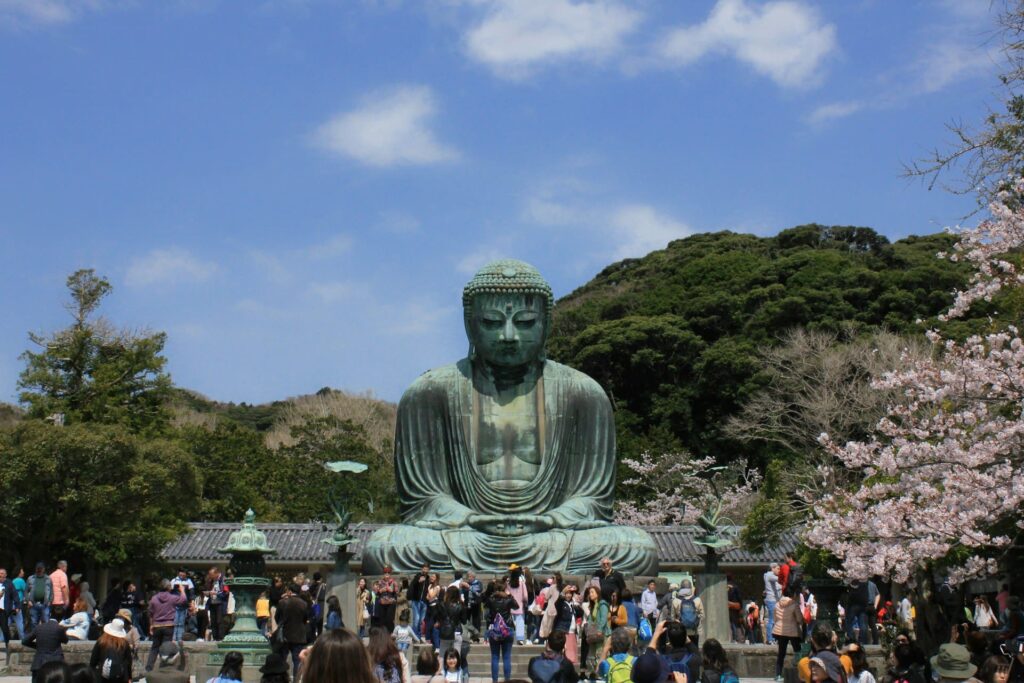
Kamakura is one of the easiest and most rewarding day trips from Tokyo. In one day, you can visit historic shrines and temples, walk a lively shopping street, see the Great Buddha, and finish with sea views in nearby Enoshima.
The key is timing. A Kamakura day trip works best with an early start, a clear route, and realistic expectations about walking, temple closing hours, and Enoden train crowds. This guide is designed for first-time visitors who want to see the main highlights without wasting time.
Quick Answer: Can You Do Kamakura and Enoshima in One Day?
Yes, Kamakura and Enoshima are doable in one day if you leave Tokyo by around 8:00 AM and keep a steady pace. For most first-time visitors, the best route is Tsurugaoka Hachimangu → Komachi Street → the Great Buddha at Kotoku-in → Hasedera Temple → Enoshima for the late afternoon and evening.
If you start late, prefer a slower pace, or are traveling with young children or older family members, it is better to skip one stop or choose a guided tour instead. The full self-guided day can involve 15,000+ steps, plus hills and stairs on Enoshima.
If you want to see Kamakura and Enoshima in one day without managing train transfers, temple timing, and Enoden crowds yourself, compare a structured day tour before finalizing your route.
👉 Check current availability, inclusions, and optional extras for the Kamakura & Enoshima day tour
At a Glance: Kamakura Day Trip Planning
| Question | Answer |
|---|---|
| Can you do Kamakura and Enoshima in one day? | Yes, but start early. Aim to leave Tokyo by around 8:00 AM. |
| Travel time from central Tokyo | About 1 hour by JR from Tokyo Station, or around 80–90 minutes via Odakyu from Shinjuku. |
| Best for | First-time visitors, active travelers, and anyone who wants temples, food, and coastal views in one trip. |
| Less ideal for | Late starters, slow-paced travelers, or anyone who dislikes long walks and crowded local trains. |
| Main highlights | Tsurugaoka Hachimangu, Komachi Street, Kotoku-in Great Buddha, Hasedera, and Enoshima. |
| Physical effort | High. Expect 15,000+ steps on a self-guided day, plus hills and stairs on Enoshima. |
| Most important tip | Visit the temple area before late afternoon. Many major sites close around 5:00 PM, with last entry earlier. |
How to Get to Kamakura from Tokyo
The best route depends mostly on where you are staying in Tokyo. Here are the two main options for a first Kamakura day trip.
Option 1: JR Yokosuka Line from Tokyo Station
This is the fastest and simplest option if you are staying near Tokyo Station, Shinagawa, or Yokohama. It goes directly to Kamakura Station without transfers.
- Best for: Travelers staying near Tokyo Station, Shinagawa, or Yokohama
- Time: About 60 minutes from Tokyo Station
- Cost: Approximately 1,040 JPY one way from Tokyo Station, depending on the fare revision and route
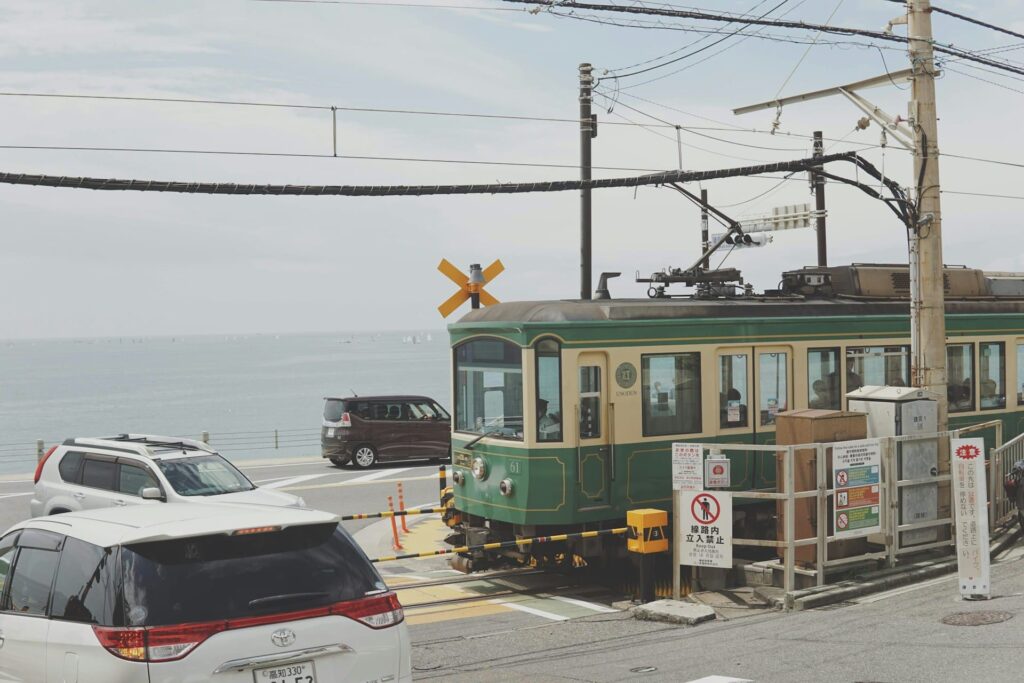
- Useful add-on: Buy the Enoden 1-Day Pass “Noriorikun” if you plan to ride the Enoden several times between Kamakura, Hase, and Enoshima
As of the latest official fare information checked for this update, the Enoden 1-Day Pass “Noriorikun” costs 800 JPY for adults and 400 JPY for children. It is useful if you plan to hop on and off the Enoden more than once during the day.
Option 2: Odakyu Line + Enoshima-Kamakura Freepass from Shinjuku
This is usually the better value if you are staying near Shinjuku and want a bundled ticket for round-trip travel plus unlimited rides in the Kamakura and Enoshima area.
- Best for: Travelers staying near Shinjuku or along the Odakyu Line
- Time: Around 80 to 90 minutes, depending on connections
- Cost from Shinjuku: 1,640 JPY for adults and 430 JPY for children, according to Odakyu’s official fare information checked for this update
- Includes: Round-trip discounted travel from Shinjuku to Fujisawa and unlimited rides on eligible local transport in the Enoshima-Kamakura area for one day
Which Pass Should You Choose?
| JR Yokosuka Line | Odakyu Enoshima-Kamakura Freepass | |
|---|---|---|
| Best starting point | Tokyo Station, Shinagawa, Yokohama | Shinjuku or Odakyu Line stations |
| Main advantage | Fast and direct | Good value if starting near Shinjuku |
| Estimated one-way time | About 60 minutes from Tokyo Station | About 80–90 minutes from Shinjuku |
| Enoden rides included? | No, unless you buy a separate Enoden pass | Yes, within the covered area |
| Best for | Speed and simplicity | Budget and pass value |
If convenience matters most and you are near Tokyo Station, choose the JR Yokosuka Line. If you are based in Shinjuku and want to save money, the Odakyu pass is usually the better pick, though it helps to check if the free pass is actually worth it for your specific route.
Self-Guided or Guided Tour?
A self-guided Kamakura day trip is absolutely possible, but it is not always the best choice for every traveler. The main question is whether you want maximum flexibility or minimum stress.
| Feature | Self-Guided | Guided Day Tour |
|---|---|---|
| Transport | Use JR, Odakyu, and the often-crowded Enoden train | Arranged transport between major stops |
| Cost | Usually lower, especially if you are comfortable using trains | Usually higher, but may include transport, guide service, and some entrance fees |
| Flexibility | High. Stop where you want, eat when you want, and change plans easily | Lower. Schedule and stops are mostly fixed |
| Stress level | Medium to high, because you manage trains, crowds, and timing yourself | Lower, because the route and timing are arranged for you |
| Best for | Independent travelers who enjoy planning | First-time visitors, families, and travelers short on time or energy |
Choose self-guided if: you want to move at your own pace, care about budget, or plan to spend extra time on photography, food, or shopping.
Choose a guided tour if: you want to see the main sights efficiently, avoid train logistics, and reduce the physical and mental effort of fitting Kamakura and Enoshima into one day.
If your travel dates are already fixed, compare the latest start times, inclusions, temple ticket coverage, cancellation rules, and optional extras on GetYourGuide before planning the rest of your day.
Kamakura Day Trip Itinerary: Morning to Early Afternoon
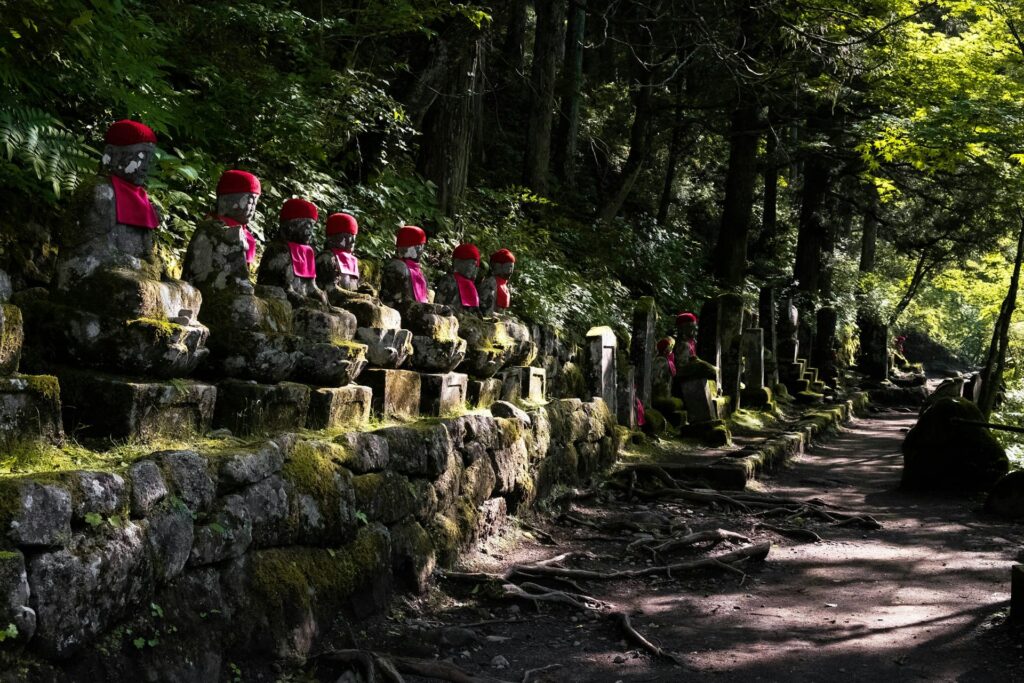
This route is designed for first-time visitors who want to cover the classic highlights before heading on to Enoshima later in the day. Use the timeline as a realistic guide, not a strict schedule.
8:00 AM – Leave Tokyo
Aim to depart from central Tokyo by around 8:00 AM. This gives you time to arrive at Kamakura Station around 9:00 AM, beat the worst of the crowds, and finish your temple visits before they close in the late afternoon.
If you leave at 9:00 AM instead: You can still do the route, but expect a tighter schedule and less time on Enoshima. Consider shortening Komachi Street or skipping one Enoshima attraction.
If you leave at 10:00 AM or later: Skip Enoshima, or choose a guided tour that handles the timing and transport for you.
9:00 AM – Arrive at Kamakura Station
Start at Kamakura Station. If you have a small bag, coin lockers are usually available at or near major stations, but they can fill up quickly on weekends and holidays. Travel light if possible.
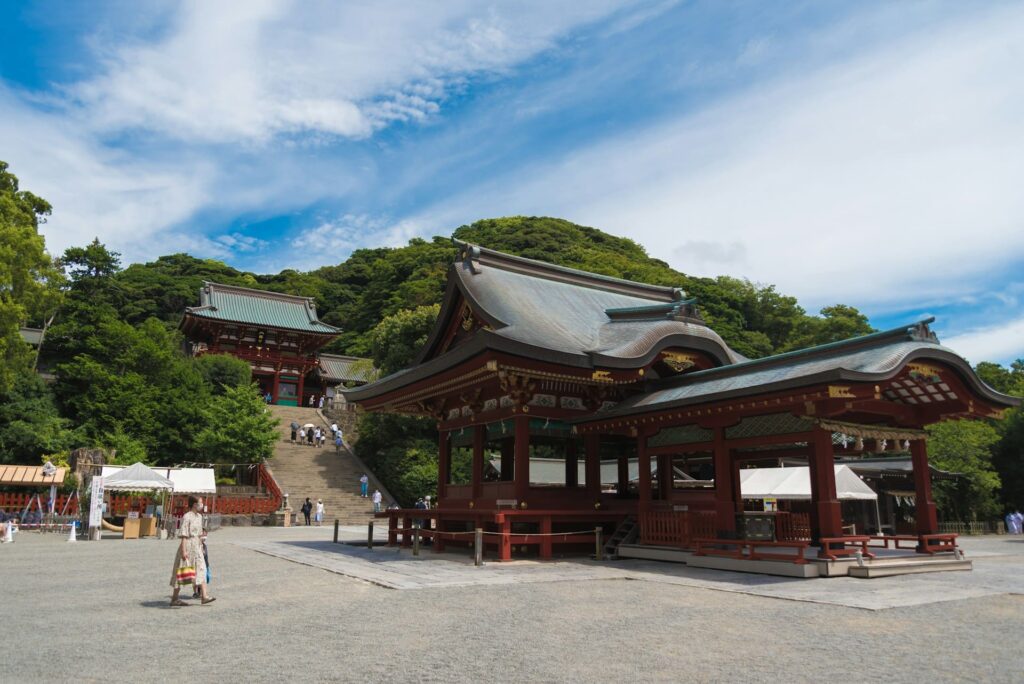
9:15 AM – Tsurugaoka Hachimangu Shrine
From Kamakura Station, head first to Tsurugaoka Hachimangu, the city’s most important Shinto shrine. The broad approach, large torii gates, ponds, and main shrine buildings make it an excellent first stop and an easy introduction to Kamakura.
- Estimated visit time: 45 minutes to 1 hour
- Entrance fee: Free for the main shrine grounds; some museum or special areas may charge separately
- Tip: Visit early before the area gets busier later in the morning
10:30 AM – Walk Komachi Street
On your way back toward the station, stop at Komachi Street. This lively shopping street is one of the best places in Kamakura for quick snacks, sweets, and casual souvenir shopping. It also works well as an early lunch stop before you continue to the Hase area.
Street food options change often, but common choices include matcha sweets, croquettes, rice bowls, seafood snacks, and seasonal desserts. If you have time for a sit-down meal, explore some of the best local restaurants and lunch spots in Kamakura nearby.
11:30 AM – Take the Enoden to Hase Station
From Kamakura Station, ride the Enoden train to Hase Station. This short local train ride is part of the Kamakura experience, but be prepared for heavy crowds on weekends, public holidays, and peak travel seasons.
12:00 PM – Kotoku-in: The Great Buddha of Kamakura
Your first stop in Hase should be Kotoku-in Temple, home to Kamakura’s famous Great Buddha. This bronze statue is one of the city’s most iconic sights and one of the main reasons many travelers visit Kamakura in the first place.
- Estimated visit time: 30 to 45 minutes
- Entrance fee: 300 JPY for adults, with an additional 50 JPY if you want to enter the interior of the Great Buddha statue
- Typical hours: 8:00 AM to 5:30 PM from April to September, and 8:00 AM to 5:00 PM from October to March, with last admission before closing
The Great Buddha is outdoors, so it is still worth visiting in light rain. However, the area can feel hot in summer and exposed in bad weather, so bring water, sun protection, or rain gear depending on the season.
1:00 PM – Hasedera Temple
After the Great Buddha, walk to Hasedera Temple. This is one of the most rewarding stops on a Kamakura day trip thanks to its gardens, traditional atmosphere, small cave area, and elevated coastal views across Kamakura.
- Estimated visit time: 45 to 60 minutes
- Entrance fee: 400 JPY for adults and 200 JPY for children aged 6–11
- Typical hours: 8:00 AM to 5:00 PM from July to March, and 8:00 AM to 5:30 PM from April to June
- Last entry: Usually 30 minutes before closing
- Don’t miss: The observation deck near the top, which offers one of the best coastal views in Kamakura
By this point, you will have covered Kamakura’s major temple highlights while staying ahead of typical late-afternoon closing times. From Hase, the next step is to continue toward Enoshima for the second half of the day.
Late Afternoon: Enoshima Island
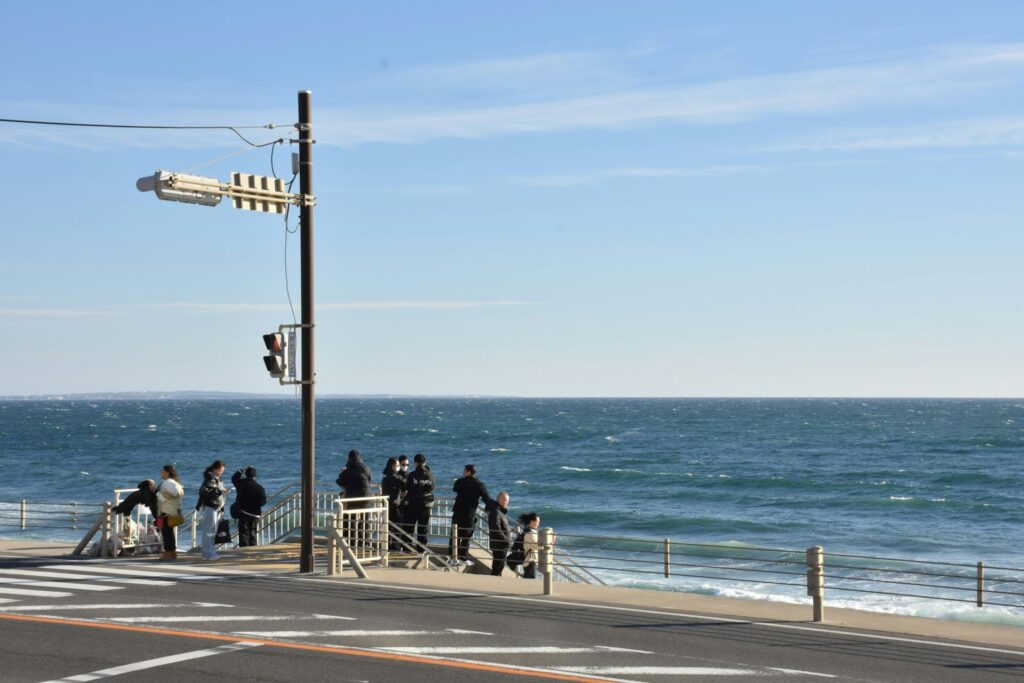
2:30 PM – Ride the Enoden to Enoshima
From Hase Station, continue by Enoden toward Enoshima Station. From there, walk toward the coast and cross the bridge to Enoshima Island. This part of the day is less about temples and more about views, atmosphere, seafood, and a relaxed finish by the sea.
If you are already feeling tired, this is the point where you should slow down and choose just one or two areas on the island instead of trying to see everything.
3:00 PM – Explore Enoshima Island
Enoshima is compact, but it is not flat. Expect hills, stairs, and steady walking. If you want to reduce the climb, paid escalators called the Enoshima Escar are available for part of the uphill route.
As of the latest official ticket information checked for this update, the Enoshima Escar costs 500 JPY for all three sections, and the Enoshima Sea Candle observation lighthouse costs 800 JPY. Set tickets and event-period pricing may vary, so check the latest official ticket page if you plan to enter the Sea Candle or Samuel Cocking Garden after 5:00 PM.
Recommended stops on Enoshima:
- Enoshima Shrine: A multi-section Shinto shrine complex spread across the island
- Enoshima Sea Candle: An observation lighthouse with panoramic views on clear days
- Samuel Cocking Garden: A garden area around the base of the Sea Candle, with event pricing in some seasons
- Coastal walking paths: Scenic paths with sea views, breezes, and photo opportunities
- Local seafood shops: Good for shirasu, grilled seafood, and casual snacks
For a closer look at these attractions and the walking route, see our complete guide to exploring Enoshima.
5:00 PM – Sunset, Dinner, and Return to Tokyo
Enoshima works best as the final stop because there is less pressure to rush between major temple sites. Use the late afternoon for a slower pace, a short break, and dinner or snacks before returning to Tokyo.
The approach street and surrounding area have seafood restaurants and casual snack shops. Popular choices often include fresh shirasu, sashimi, grilled fish, octopus crackers, and croquettes, though menus and opening hours vary by shop and season.
If the weather is clear and you still have energy, stay for sunset views. If not, head back before the stations become busier in the evening. The return trip to Tokyo usually takes around 60 to 90 minutes depending on your route and connections.
Kamakura Day Trip Tips: What to Know Before You Go
- Do temples first, Enoshima second: Kotoku-in and Hasedera should not be left until late afternoon. Enoshima’s outdoor areas are more flexible later in the day.
- Start early if you want both: Leaving Tokyo by around 8:00 AM is the single most important factor for a smooth day. A 9:00 AM departure can still work, but you will need to keep moving.
- Expect Enoden crowds: On weekends and holidays, the Enoden can be very crowded, especially between Kamakura, Hase, and Enoshima. Allow extra waiting time.
- Wear comfortable shoes: A self-guided day trip often means 15,000+ steps, plus hills and stairs on Enoshima. Avoid sandals or new shoes.
- Check the weather: Enoshima is significantly less enjoyable in rain or strong wind. If the forecast is bad, consider skipping the island and spending more time in Kamakura instead.
- Traveling with kids? Enoshima involves uphill walking and many stairs. The Escar helps with part of the climb, but toddlers and strollers can still struggle on the upper paths.
- Carry cash as a backup: Some smaller shops, street food stalls, and temple entrances may not accept credit cards.
- Do not overpack your schedule: If you start late, skip one stop and keep the day enjoyable instead of trying to force everything in.
If You Start Late: What Should You Skip?
If you arrive in Kamakura later than planned, the best adjustment is to protect the core sights and reduce the number of stops.
- Best priority order: Tsurugaoka Hachimangu → Great Buddha → Hasedera → Enoshima if time and energy allow
- Easiest thing to shorten: Komachi Street. Grab one snack and keep moving.
- Best thing to skip for a slower day: Enoshima, if your main goal is temples and historic Kamakura.
- Best thing to skip in bad weather: Enoshima’s upper walking paths and observation areas, especially in rain or strong wind.
This helps you keep the most iconic stops without turning the day into a rush from one station to the next.
Seasonal Notes: When to Visit Kamakura
| Season | What to Expect | Tip |
|---|---|---|
| Spring | Mild weather, cherry blossoms in some areas, and busy weekends | Arrive early, especially around popular shrine approaches and shopping streets |
| Early summer | Hydrangea season, humid weather, and heavy crowds at famous flower spots | Bring water and expect longer waits around Hasedera during peak bloom periods |
| Summer | Hot, humid, and tiring for long walking days | Use shade breaks, avoid overpacking the itinerary, and consider skipping longer Enoshima walks |
| Autumn | Comfortable temperatures and attractive foliage in some temple areas | A good season for travelers who want a more active day |
| Winter | Clearer skies, colder sea winds, and better chances of distant views on some days | Dress warmly, especially if staying on Enoshima for sunset |
Frequently Asked Questions
Is one day enough for Kamakura and Enoshima?
Yes, one day is enough for the main highlights, but it is a full day. To do both comfortably, you need an early start, a clear route, and realistic expectations about walking and train crowds.
Is Enoshima worth adding to a Kamakura day trip?
Yes, especially if this is your first visit and you want more than temples. Enoshima adds sea views, a different atmosphere, and a strong finish to the day. However, if you prefer a slower pace or are visiting in bad weather, Kamakura alone may be the better choice.
What time do temples close in Kamakura?
Many temple sites close around 5:00 PM, with final admission earlier. Kotoku-in usually closes at 5:30 PM from April to September and 5:00 PM from October to March. Hasedera usually closes at 5:00 PM from July to March and 5:30 PM from April to June. Always check the latest official hours before you go.
What is the biggest mistake on a Kamakura day trip?
The most common mistake is starting too late. A late start makes everything harder, especially if you plan to visit both Kamakura temples and Enoshima in one day. The second most common mistake is underestimating the walking.
Can you visit Kamakura on a rainy day?
Yes, but plan differently. Tsurugaoka Hachimangu and the Great Buddha are outdoors and can still be enjoyable in light rain. Komachi Street is useful for food and shopping breaks. However, Enoshima is much less enjoyable in rain or strong wind, so consider skipping the island and spending more time in central Kamakura instead.
Is a guided tour to Kamakura worth it?
For many travelers, yes. A guided tour is especially worth considering if you want to reduce transit stress, travel with family, or cover the highlights more efficiently. It can help you avoid managing Enoden crowds, train transfers, temple timing, and every detail of the route yourself.
Final Verdict: Is a Kamakura Day Trip Right for You?
Choose the self-guided route if:
- You enjoy planning your own itinerary and moving at your own pace
- You are on a budget and want to save on tour costs
- You want flexibility for photography, food, or shopping stops
- You are comfortable using trains and adjusting plans on the go
Choose a guided tour if:
- You are visiting Japan for the first time and want a simpler day
- You are traveling with children or older family members
- You have limited time and want to see both Kamakura and Enoshima efficiently
- You prefer having transport, timing, and some entrance logistics handled for you
For families: A guided tour may be easier. The Enoden can be very crowded, and Enoshima involves significant uphill walking. Arranged transport reduces some of the stress, although walking is still part of the day.
For solo travelers and couples: A self-guided route works well if you are comfortable navigating trains and do not mind a long walking day. The cost savings are meaningful, and the flexibility is a real advantage.
Whichever option suits your travel style, a day trip to Kamakura and Enoshima is one of the most rewarding excursions from Tokyo. If you want the easiest version of this trip, check the latest tour details, start times, inclusions, cancellation rules, and optional extras on GetYourGuide to see if a guided experience fits your plans.
Prices, opening hours, transport schedules, pass conditions, tour inclusions, payment methods, and seasonal operations can change. Always check official sources and your selected booking page before finalizing your trip.

Hi, I’m Kai. I’m a Tokyo-based travel writer, tourism industry insider, and the author of a published guidebook for international visitors to Japan. With over 10 years of professional experience at a leading Japanese tourism company, my mission is to help you skip the tourist traps and navigate Japan’s best destinations like a local. I believe the perfect day trip is like a traditional kaiseki meal: a beautiful balance of precise planning and unforgettable seasonal discovery. When I’m not out conducting field research, you’ll usually find me drafting new itineraries with one of my favorite fountain pens!