
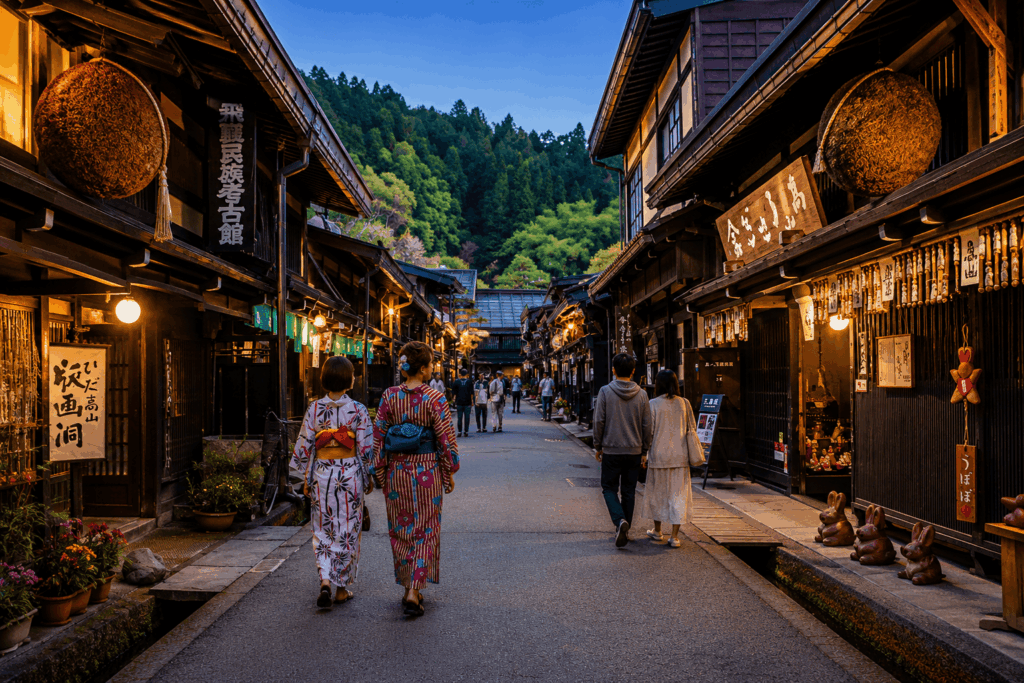
How to Get to Takayama in 2026
If you are planning a trip to Takayama, the first question is rarely should I go? — it is almost always how do I actually get there? Nestled in the mountains of northern Gifu Prefecture, Takayama sits off the main Tokyo–Kyoto–Osaka corridor, and the journey takes longer than many first-time visitors expect.
The fastest gateway by a wide margin is Nagoya — just over two hours by the Limited Express Hida train. From Tokyo, you are looking at around four to five hours. From Osaka or Kyoto, the fastest rail connections via Nagoya are around three to three and a half hours, while the once-daily direct Hida takes longer but avoids a transfer. That is not a reason to skip Takayama. It is a reason to plan your route carefully.
This guide breaks down every realistic option — train, bus, and combinations — with current fares, schedules, JR Pass coverage, and the honest verdict on which route suits your itinerary. If you only read one section, start with the comparison table below. It will save you hours of research.
If your real concern is fitting Takayama into a tight Japan route, compare the DIY train and bus options below with this Nagoya-based Takayama and Shirakawa-go day tour, which bundles transport and a structured itinerary into one long but manageable day.
Takayama at a Glance: How Far Is It Really?
Before diving into each route, here is a quick sense of the travel time from Japan’s main travel hubs:
| Departure City | Main Route | Approx. Duration | One-Way Fare (approx.) |
|---|---|---|---|
| Nagoya | Limited Express Hida (direct) | 2 h 20 min–2 h 40 min | ¥5,600–¥6,100 |
| Tokyo | Shinkansen → Nagoya → Hida | 4 h 15 min–4 h 45 min | ~¥16,000 |
| Kyoto | Hida #25 (direct, 1/day) or via Nagoya | 3 h–3 h 45 min | ~¥7,500–¥10,500 |
| Osaka | Hida #25 (direct, 1/day) or via Nagoya | 3 h 30 min–4 h 20 min | ~¥8,000–¥11,500 |
A few things jump out immediately. Nagoya is the natural gateway — shortest travel time, frequent departures, and relatively low cost. The standard Tokyo route via Nagoya involves one transfer (Shinkansen plus the Hida limited express), pushing the one-way trip close to four and a half hours. There is also a viable route via Toyama if the connection lines up. That has real implications for whether a day trip is realistic, which we will come back to later.
Route Comparison Table: All Options at a Glance
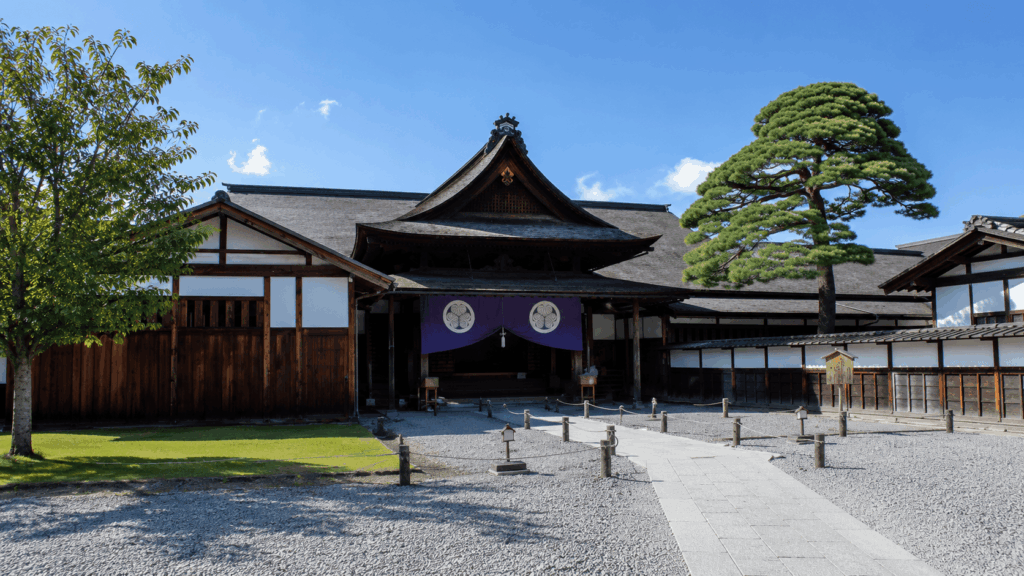
This table is the quickest way to compare every means of getting to Takayama. Use it to narrow down your options before reading the detailed sections below.
| Route | Duration | Fare Range | Transfers | Frequency | JR Pass? | Best For… |
|---|---|---|---|---|---|---|
| Nagoya → Takayama (Hida Limited Express) | 2 h 20 min–2 h 35 min | ~¥5,600–¥6,100 | 0 (direct) | ≈1 per hour | Yes — fully covered | Travelers based in or passing through Nagoya; anyone with a JR Pass |
| Nagoya → Takayama (Highway Bus) | 2 h 40 min | ¥3,300–¥3,600 | 0 (direct) | 12 per day | No | Budget-conscious travelers without a JR Pass |
| Tokyo → Nagoya (Shinkansen) → Takayama (Hida) | 4 h 15 min–4 h 45 min | ~¥16,000 | 1 (Nagoya) | Hida: roughly hourly; Shinkansen: frequent | Yes on Hikari/Kodama + Hida; Nozomi requires a JR Pass holder special ticket | Travelers who want the easiest Tokyo connection and the most departure flexibility |
| Tokyo → Toyama (Hokuriku Shinkansen) → Takayama (Hida) | 4–5 h | ~¥16,000 | 1 (Toyama) | Only a few convenient connections per day | Yes — fully covered | Travelers whose schedule matches one of the limited Hida connections from Toyama |
| Osaka/Kyoto → Takayama (Hida #25, direct) | 4 h 15 min (Osaka) / 3 h 45 min (Kyoto) | ~¥8,000 (Osaka) / ~¥7,500–¥8,000 (Kyoto) | 0 (direct) | 1 round trip daily only | Yes — fully covered | Travelers who value a no-transfer rail journey |
| Osaka/Kyoto → Nagoya (Shinkansen) → Takayama (Hida) | ~3 h 30 min (Osaka) / ~3 h (Kyoto) with a good connection | ~¥11,500 (Osaka) / ~¥10,500 (Kyoto) | 1 (Nagoya) | Multiple Shinkansen departures + roughly hourly Hida | Yes on Hikari/Kodama + Hida; Nozomi requires a JR Pass holder special ticket | Travelers who want the fastest flexible rail option from Kansai |
| Osaka/Kyoto → Takayama (Highway Bus) | ~5 h 30 min (Osaka) / ~4 h 30 min (Kyoto) | ¥7,000 (Osaka) / ¥6,500 (Kyoto) | 0 (direct) | 3 per day | No | Budget travelers who prefer a direct ride without changing trains |
| Shinjuku (Tokyo) → Takayama (Highway Bus) | 5 h 30 min (day) / seasonal overnight service | ¥8,000 daytime / ¥9,000 overnight from Shinjuku | 0 (direct) | 5 daytime departures + seasonal overnight service | No | Budget travelers without a JR Pass; seasonal overnight service can save daytime travel hours |
Note on the Toyama route: The JR Takayama Line between Sugihara and Inotani resumed service on May 30, 2026, so the old substitute-bus disruption is over. The route is usable again, but Limited Express Hida connections between Toyama and Takayama are much less frequent than the Nagoya–Takayama services, so check your exact date before building an itinerary around it.
Route 1: From Nagoya — The Easiest Gateway to Takayama
If your itinerary brings you through Nagoya — and it should, if Takayama is on your list — this is by far the most straightforward option.
By Train: Limited Express Hida
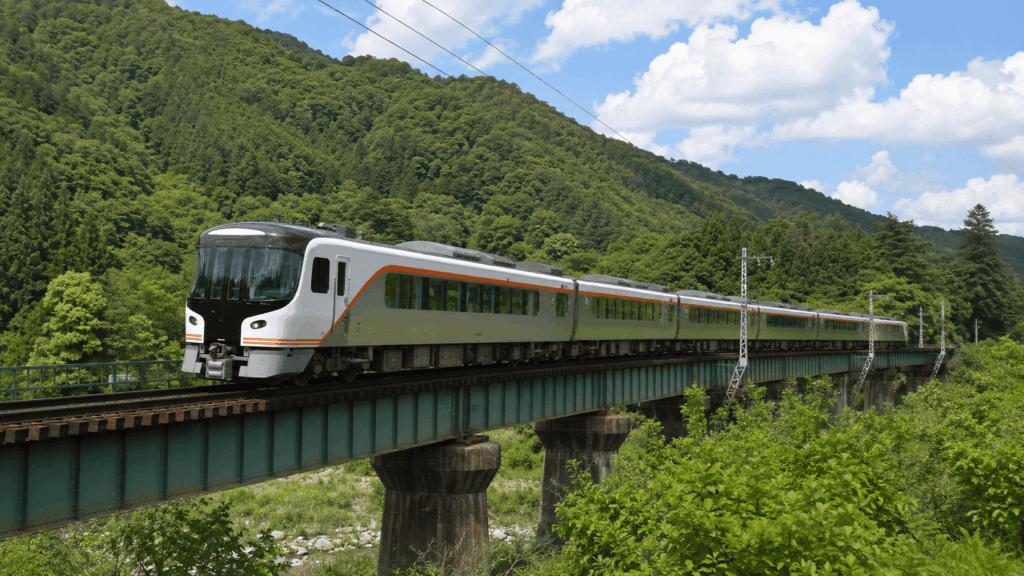
The Limited Express Hida (operated by JR Central, now using the modern HC85 series hybrid trains) runs from Nagoya Station to Takayama roughly once per hour. The journey takes 2 hours and 20 to 35 minutes, with most services making limited stops at Gifu, Gero (a famous onsen town), and a few smaller stations before arriving at Takayama.
- Departure: Nagoya Station; check the departure board for the platform on your travel date
- Fare: Approximately ¥5,600 one way with an unreserved seat, or around ¥6,100 with a reserved seat
- JR Pass: Fully covered — you can ride without any additional payment
- Frequency: Roughly every 60–90 minutes (about 10 services per day)
- Last train: Evening services are available, but check the date-specific JR timetable before relying on a fixed last departure time
The HC85 trains have large panoramic windows (the service was formerly called “Wide View Hida”), power outlets at every seat, and free onboard Wi-Fi. The scenery between Gero and Takayama — along the clear Hida River through forested valleys — is one of the more underrated train rides in central Japan.
Kai’s tip: When connecting from the Shinkansen at Nagoya, check the Hida departure time before choosing which Shinkansen to board. The Hida runs roughly hourly, so if your Shinkansen arrives just after one leaves, you could be waiting up to an hour. I recommend looking up the next Hida departure first, then picking the Shinkansen that gets you there 15–20 minutes before it leaves — enough time to find your platform and grab a coffee from the kiosk.
By Highway Bus: Budget Alternative from Nagoya
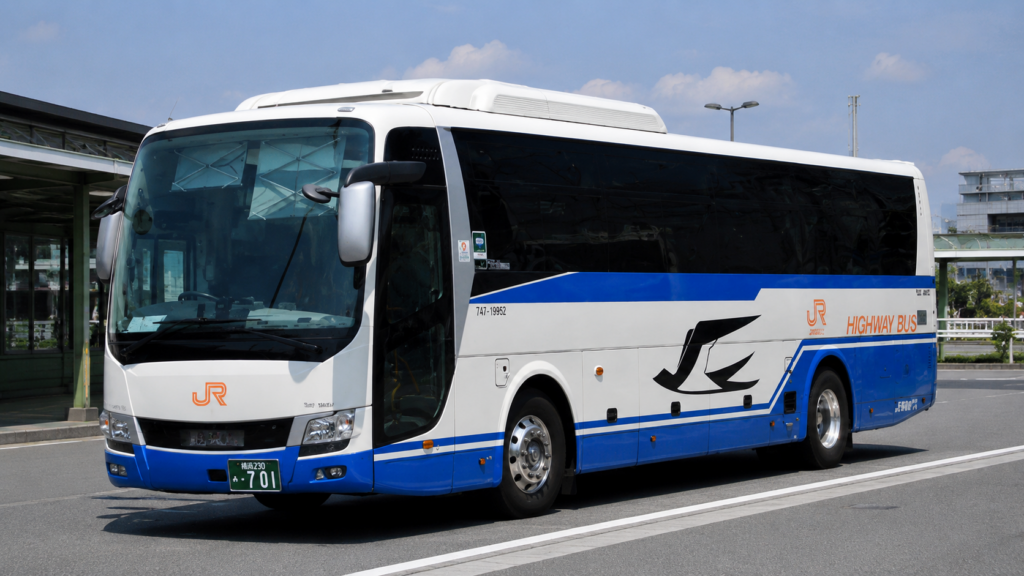
The Nagoya–Takayama highway bus is operated jointly by Nohi Bus, Meitetsu Bus, and JR Tokai Bus. It takes around 2 hours 40 minutes (only slightly longer than the train) and costs significantly less.
- Departure points: Meitetsu Bus Center (convenient for Meitetsu line users) or JR Nagoya Station (convenient for Shinkansen users)
- Fare: ¥3,600 one way (¥3,300 with the current eligible web discount)
- Arrival: Takayama Nohi Bus Center, located about 50 meters from JR Takayama Station
- Reservation: Required — express buses on this route are reserved-seat only
- Frequency: 12 departures per day (roughly every 1–2 hours)
The bus is a solid option if you do not have a JR Pass and want to save roughly ¥2,000 each way. The trade-off is that buses run less frequently than trains, and during peak seasons (cherry blossom season, Golden Week, the Takayama Festival, and autumn foliage) seats sell out well in advance.
Route 2: From Tokyo — Via Nagoya, Via Toyama, or by Highway Bus
Tokyo to Takayama is the most frequently asked route, and for good reason — many travelers visit Takayama as a side trip from a Tokyo–Kyoto–Osaka itinerary. There are three practical ways to do it: by train via Nagoya, by train via Toyama, or by direct highway bus.
Tokyo → Nagoya (Shinkansen) → Takayama (Hida) — The Standard Route
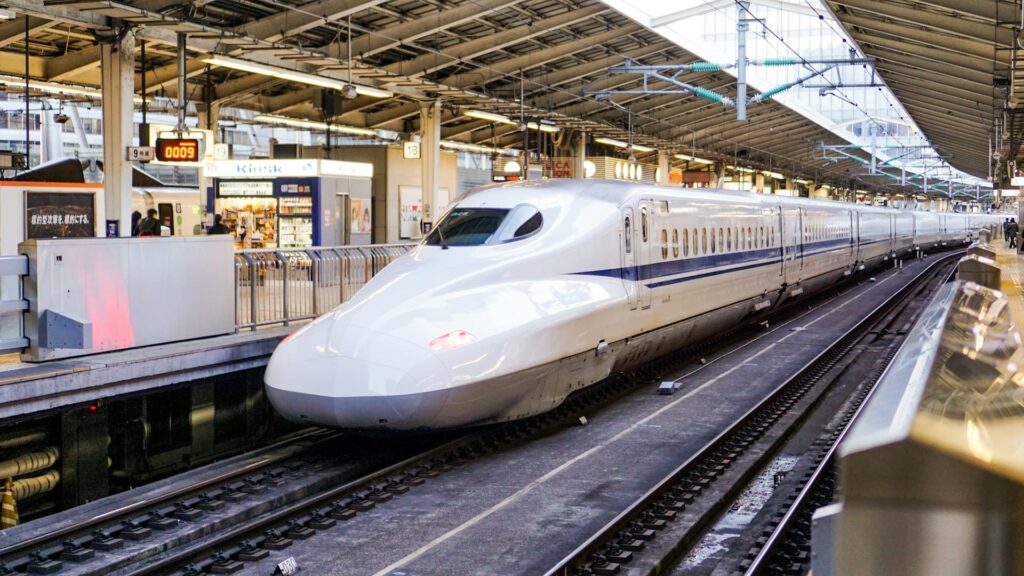
This is the most reliable option and the route most visitors end up taking. It involves two trains and one transfer at Nagoya Station.
- Step 1: Tokyo Station → Nagoya Station by Tokaido Shinkansen (approximately 1 hour 40 minutes by Nozomi, or around 1 hour 50 minutes by many Hikari services)
- Step 2: Nagoya Station → Takayama Station by Limited Express Hida (2 hours 20–35 minutes)
- Total duration: Approximately 4 hours 15 minutes to 4 hours 45 minutes one way
- Total fare (without JR Pass): Around ¥16,000 one way, depending on train and seat type
JR Pass note: If you have a nationwide JR Pass, you can ride the Hikari or Kodama Shinkansen between Tokyo and Nagoya and the Hida without any additional charge. Nozomi trains require a separate JR Pass holder special ticket; Tokyo–Nagoya currently costs ¥4,180 on top of the pass.
What surprises most travelers here is the sheer length of the journey. When I tell friends visiting Japan that Tokyo to Takayama takes around four and a half hours one way, the reaction is usually the same — “really?” Yes, really. It is about the same as London to Edinburgh or New York to Buffalo. You can do it, but you need to plan for it.
Kai’s tip: Can you do Tokyo–Takayama as a day trip? Technically, yes — there are enough train services to make it physically possible. Realistically, I would not recommend it. You would spend roughly 9 hours on trains for about 3–4 hours in Takayama, arriving back in Tokyo well after dinner thoroughly tired. What I typically suggest instead is either spending one night in Takayama (the morning atmosphere in the old town is worth it) or combining it with Shirakawa-go or Kanazawa as part of a longer loop. A one-night stay transforms the trip from a rushed commute into something you actually enjoy.
Tokyo → Toyama (Hokuriku Shinkansen) → Takayama (Hida)
This route is practical again now that the Takayama Line has fully reopened. Take the Hokuriku Shinkansen from Tokyo to Toyama, then transfer to a Limited Express Hida for Takayama.
- Tokyo → Toyama: About 2 hours by Hokuriku Shinkansen
- Toyama → Takayama: About 1 hour 30 minutes by Limited Express Hida
- Total duration: Roughly 4–5 hours depending on the connection
- Total fare: Around ¥16,000 one way
- JR Pass: Fully covered
The catch is frequency. Only a few connections each day line up neatly enough to make this route competitive with the standard Nagoya route. If the timetable fits your departure time, it can be just as fast — sometimes slightly faster. If not, Nagoya is easier because the Hida runs much more frequently from there.
Shinjuku → Takayama by Highway Bus — Daytime + Seasonal Overnight
The highway bus from Tokyo to Takayama is a genuine alternative for budget-conscious travelers, especially those without a JR Pass. Daytime buses run regularly, while an overnight departure operates only on selected seasonal dates.
- Departure: Busta Shinjuku (Shinjuku Expressway Bus Terminal), located directly above Shinjuku Station
- Operator: Keio Bus and Nohi Bus
- Duration: Approximately 5 hours 30 minutes for the daytime service
- Fare from Shinjuku: ¥8,000 daytime / ¥9,000 overnight
- Reservation: Required
- Frequency: 5 daytime departures, plus a seasonal overnight service on selected dates
If you are considering the overnight bus specifically, check the operating calendar before building your trip around it — it is not a year-round nightly service.
Route 3: From Osaka & Kyoto
Takayama is easier to reach from Kansai than many travelers expect. The once-daily direct Hida avoids a transfer, the Shinkansen connection via Nagoya is usually faster, and a direct highway bus gives you a cheaper no-transfer alternative.
The Direct Hida #25 — Once Daily, Do Not Miss It
There is one train per day that runs directly from Osaka and Kyoto to Takayama without requiring a transfer in Nagoya. It is called Hida #25.
- Typical departure from Osaka: Around 07:58
- Typical departure from Shin-Osaka: Around 08:04
- Typical departure from Kyoto: Around 08:31
- Arrival at Takayama: Around 12:14
- Fare: Around ¥8,000 from Osaka / roughly ¥7,500–¥8,000 from Kyoto depending on seat type
- Return: Hida #36 runs back toward Kyoto and Osaka in the afternoon; check the date-specific timetable for exact times
- JR Pass: Fully covered
These times are typical of the standard timetable, but check your exact travel date before departure because minutes and platform assignments can change.
This is the most convenient rail option if you want a single-seat ride from Kansai. The catch is it only runs once in each direction per day, so if the timing does not work, you still have two good alternatives: transfer in Nagoya or take the direct highway bus.
By Highway Bus — Cheaper Direct Alternative
Direct highway buses connect Osaka and Kyoto with Takayama and are useful if you want to avoid a train transfer without paying for the direct Hida.
- Departure points: Namba OCAT and Osaka Station (Higashi-Umeda), with a stop at Kyoto Station (Hachijo Exit)
- Fare: ¥7,000 from Osaka / ¥6,500 from Kyoto
- Duration: Roughly 5.5 hours from Osaka / about 4.5 hours from Kyoto
- Frequency: 3 departures per day on the current timetable
- Reservation: Required
- JR Pass: Not covered
The bus is slower than a good Shinkansen–Hida connection via Nagoya, but it is cheaper and keeps the journey to one seat.
Via Nagoya — Faster and More Flexible
If the Hida #25 timing does not work for you, the fastest flexible rail route is Osaka/Kyoto → Nagoya (Shinkansen) → Hida to Takayama.
- Shin-Osaka → Nagoya: about 50–70 minutes by Shinkansen
- Kyoto → Nagoya: about 35–45 minutes by Shinkansen
- Transfer at Nagoya: allow roughly 10–15 minutes
- Then 2 hours 20–35 minutes to Takayama by Hida
With a good connection, total travel time is around 3.5 hours from Osaka or about 3 hours from Kyoto. The trade-off is cost — roughly ¥11,500 from Osaka or ¥10,500 from Kyoto, compared with the cheaper direct Hida or highway bus. With a JR Pass, Hikari or Kodama plus the Hida are covered without an extra charge; using Nozomi requires a separate JR Pass holder special ticket.
JR Pass: Does It Cover Your Takayama Trip?
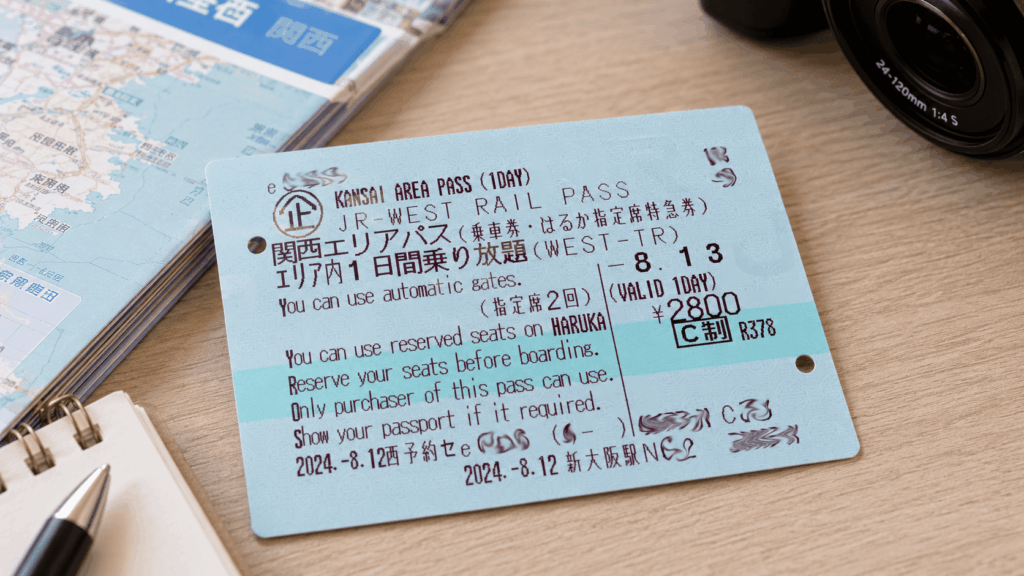
The nationwide Japan Rail Pass is a popular choice for longer Japan itineraries, and the main rail routes to Takayama are covered.
| Route Segment | JR Pass Coverage | Notes |
|---|---|---|
| Nagoya → Takayama (Hida Limited Express) | Fully covered | Reserved or unreserved seats are normally available. During JR Central’s designated peak periods, Hida operates with reserved seating only. |
| Tokyo → Nagoya (Tokaido Shinkansen) | Covered on Hikari & Kodama | Nozomi requires a separate JR Pass holder special ticket; Tokyo–Nagoya currently costs ¥4,180. |
| Osaka/Kyoto → Nagoya (Tokaido Shinkansen) | Covered on Hikari & Kodama | Nozomi requires a separate JR Pass holder special ticket. |
| Osaka/Kyoto → Takayama (Hida #25 direct) | Fully covered | The nationwide JR Pass is valid for the full direct journey. |
| Tokyo → Toyama → Takayama | Fully covered | The Hokuriku Shinkansen and JR Hida are covered. The Toyama–Takayama Hida runs much less frequently than services from Nagoya. |
| Highway Buses (all routes) | Not covered | JR Pass does not apply to these highway bus services, even when a JR Group company is involved. |
Is the JR Pass worth it for a Takayama trip? The 7-day Ordinary nationwide JR Pass remains ¥50,000 when purchased through the official online service. For purchases made on or after October 1, 2026 through overseas JR-designated agencies, the 7-day Ordinary pass is ¥53,000. A Tokyo–Takayama round trip alone is roughly ¥32,000, so Takayama by itself does not make the pass pay off. If you are also taking long-distance Shinkansen trips, price your full itinerary before buying rather than assuming the pass will automatically save money.
If you are pricing the DIY version, compare current JR Whole Japan Rail Pass options on Klook before buying separate Tokyo–Nagoya–Takayama tickets.
Day Trip from Tokyo? The Honest Answer
This question comes up so often that it deserves its own section.
Can you do Tokyo–Takayama as a day trip? Yes, the train schedule allows it. You can leave Tokyo early, transfer at Nagoya, arrive at Takayama around late morning, explore until late afternoon, and be back in Tokyo at night.
Should you? In my experience, no. The mistake I see travelers make is underestimating the toll of nearly 10 hours of round-trip train travel. You arrive in Takayama already feeling like you have traveled half a day, and you spend the entire visit watching the clock. The old town, the morning market, the Hida Folk Village — they all deserve more than a rushed few hours.
Far better, if your schedule allows, is to spend one night in Takayama. This opens up the early morning at the Miyagawa Morning Market (7:00–12:00), a relaxed dinner at one of Takayama’s excellent sake breweries, and the option to continue to Shirakawa-go or Kanazawa the next day. Many visitors find that the overnight stay is what transforms Takayama from a “nice town” into one of their fondest Japan memories.
If you are short on time and cannot spend a night, consider a guided day tour from Nagoya or Kanazawa that includes both Takayama and Shirakawa-go. It saves you the hassle of coordinating multiple train and bus schedules and gives you a structured day with transport included.
If you fall into that camp — you want Takayama and Shirakawa-go, but coordinating trains, limited express timings, and mountain bus connections sounds like too much — this is the one booking to compare against the DIY route.
Why I’d book this one
- It starts from Nagoya, the most practical gateway in this guide, so the routing matches the strongest access advice above.
- Recent travelers tend to highlight the guide, the organized pace, and the chance to cover both Hida Takayama and Shirakawa-go without piecing together separate tickets.
- It is a lower-planning option for fixed-date trips: you can check start times, cancellation terms, and recent reviews before committing.
See live availability, start times, and recent traveler reviews for the Nagoya to Gujo, Hida Takayama, and Shirakawa-go day tour.
Seasonal Tips & Booking Advice
Takayama’s popularity varies significantly by season, and this affects both transport availability and your experience.
Peak Season: Reserve Everything in Advance
Trains and buses to Takayama fill up well ahead during the following periods:
- Hida reserved-seat-only periods in 2026: April 24–May 6, August 7–16, September 18–23, and December 25, 2026–January 5, 2027. During these dates, there are no regular unreserved seats on Hida services, so reserve in advance.
- Takayama Spring Festival (April 14–15): One of Japan’s most famous festivals. Accommodation and transport book out months ahead.
- Autumn foliage season (late October–early November): The Hida valley is stunning in autumn, and everyone knows it.
- Takayama Autumn Festival (October 9–10): Same as the spring festival — expect heavy demand.
- Shirakawa-go illumination season (January–February evenings): Many visitors combine Takayama with Shirakawa-go, pushing up demand for buses.
Kai’s tip: During peak season, the highway bus from Nagoya to Takayama is tempting because it is cheaper and nearly as fast as the train. But here is the catch — the bus runs roughly 12 times a day, while the train runs every hour. If your bus gets fully booked (which happens regularly during peak weeks), you are stuck waiting for the next one, possibly hours later. The train, running every 60–90 minutes, gives you more flexibility. My rule of thumb: during busy periods, I take the train even if it costs a bit more. The reliability is worth the difference.
Packing Note for the Journey
The Hida trains have luggage racks above the seats that fit carry-on bags, but large suitcases (over about 24 inches / 60 liters) may be tight. If you are traveling with a full-size suitcase, sit near the carriage ends where there is more open luggage space. On highway buses, luggage generally goes in the underfloor compartment, but storage capacity is limited and oversized or bulky items may not be accepted, so check the operator’s luggage rules if you are carrying something large.
FAQ: How to Get to Takayama
Is Takayama worth visiting? How many days should I spend there?
Yes — Takayama is one of central Japan’s most rewarding destinations, with a beautifully preserved old town, excellent sake breweries, the Hida Folk Village open-air museum, and easy access to Shirakawa-go. (See our deeper dive on why Takayama is worth visiting for more details.) Most visitors find that one full day (with an overnight stay) is ideal: arrive in the afternoon, explore the old town and sample the sake in the evening, then visit the morning market and Hida Folk Village the next morning before heading out. If you are short on time, a full day from 10:00 to 17:00 covers the highlights, though it will feel rushed.
What is the fastest way to get to Takayama?
From Nagoya, the Limited Express Hida is the simplest option at roughly 2.5 hours. From Tokyo, the route via Nagoya is usually the easiest to build around because connections are frequent; via Toyama can also take about 4–5 hours if one of the limited Hida connections fits your schedule. From Kyoto or Osaka, changing at Nagoya is generally faster than the once-daily direct Hida, while the direct Hida is easier because it avoids a transfer.
Can I use my JR Pass for the highway bus to Takayama?
No. The Japan Rail Pass does not cover these highway bus routes. From Nagoya, the bus costs ¥3,300–¥3,600, compared with roughly ¥5,600–¥6,100 for the Limited Express Hida depending on seat type.
Is the Takayama–Toyama line running in 2026?
Yes. JR resumed train service between Sugihara and Inotani on May 30, 2026, ending the substitute-bus operation. Limited Express Hida services between Toyama and Takayama are running again, but they are infrequent, so check the timetable for your exact travel date.
Do I need to reserve seats on the Hida Limited Express?
Normally, Hida services have both reserved and unreserved seating, so a reservation is not always required. However, JR Central operates Hida with reserved seating only during designated peak periods in 2026: April 24–May 6, August 7–16, September 18–23, and December 25–January 5, 2027. I would also reserve during the Takayama festivals and other busy travel periods.
Which is better: train or bus from Nagoya to Takayama?
The train is faster, more frequent, and covered by the JR Pass; the bus is much cheaper. If you have a JR Pass, the Hida is the obvious choice. Without one, the bus is excellent value if its departure time works for you.
Final Verdict: Which Route Should You Choose?
You have a JR Pass and are coming from Tokyo
Take a Hikari Shinkansen to Nagoya and transfer to the Limited Express Hida if you want the easiest schedule to work with. The Toyama route is also fully covered and can be competitive if one of the limited connections lines up with your departure time. Nozomi is faster to Nagoya, but it requires a separate JR Pass holder special ticket.
You have a JR Pass and are coming from Osaka or Kyoto
If you value a direct ride, take the once-daily Hida #25. If you care more about speed and flexibility, take a Hikari or Kodama to Nagoya and transfer to the Hida; with a good connection, this is usually faster than the direct train and remains fully covered by the pass.
You do NOT have a JR Pass and are on a budget
From Nagoya, take the highway bus (¥3,300–¥3,600). From Osaka or Kyoto, the direct highway bus costs ¥7,000 or ¥6,500 respectively. From Tokyo, the daytime bus from Shinjuku costs ¥8,000, while a ¥9,000 overnight service operates on selected seasonal dates. These options take longer than the fastest rail connections but can save a substantial amount.
You are short on time and don’t want to manage logistics
A guided day tour from Nagoya or Kanazawa that covers both Takayama and Shirakawa-go is your best bet. Transport, entry fees, and lunch are bundled into one price, and you avoid the hassle of navigating multiple train and bus schedules. This works particularly well if you are based in Nagoya, where the journey to Takayama is shortest.
For first-time visitors to Japan
If you are building a classic Tokyo–Kyoto–Osaka itinerary and want to add Takayama, my honest recommendation is to allocate at least one night rather than attempting a day trip. The journey from Tokyo takes half a day each way, and Takayama’s charm reveals itself best in the quiet morning hours before the day-trippers arrive. If an overnight stay is not possible, a guided tour from Nagoya or Kanazawa is a solid alternative that removes the logistical burden.
For repeat visitors or those with a flexible itinerary
Consider combining Takayama with Shirakawa-go and Kanazawa as a multi-day loop. (If you’re heading there next, our Shirakawa-go itinerary guide breaks down the bus routes and timing.) The route Nagoya → Takayama (by Hida) → Shirakawa-go (by bus) → Kanazawa (by bus) → Tokyo or Osaka is one of central Japan’s most rewarding travel circuits.

Hi, I’m Kai. I’m a Tokyo-based travel writer, tourism industry insider, and the author of a published guidebook for international visitors to Japan. With over 10 years of professional experience at a leading Japanese tourism company, my mission is to help you skip the tourist traps and navigate Japan’s best destinations like a local. I believe the perfect day trip is like a traditional kaiseki meal: a beautiful balance of precise planning and unforgettable seasonal discovery. When I’m not out conducting field research, you’ll usually find me drafting new itineraries with one of my favorite fountain pens!