
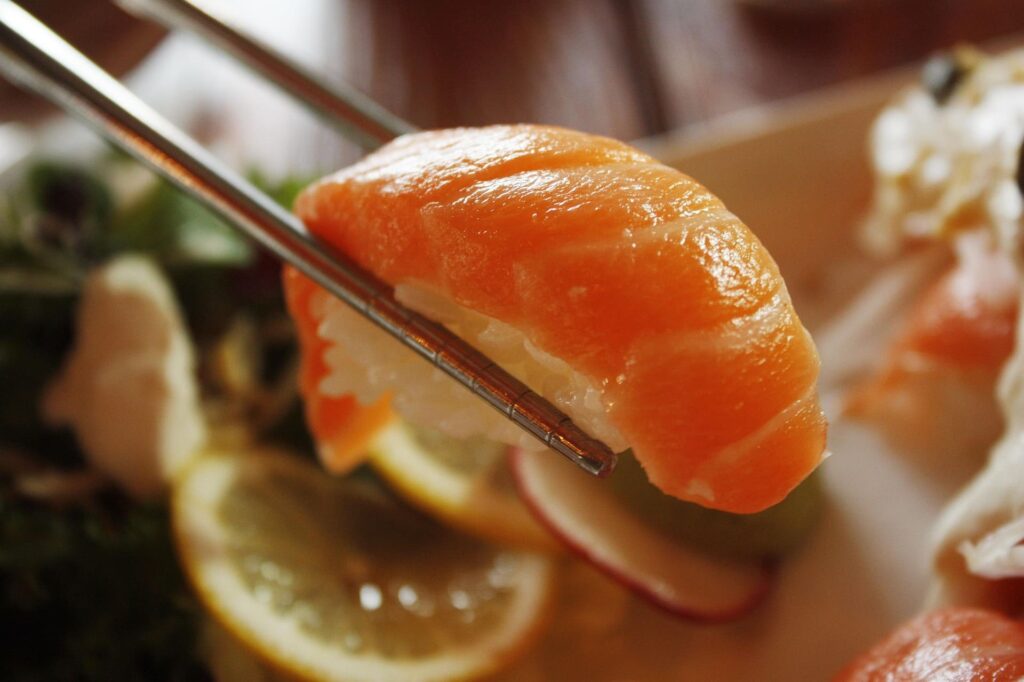
Planning gluten free Tokyo as a traveler with celiac disease takes more preparation than most Japan trips. Tokyo has rice, seafood, and a growing number of gluten-free restaurants, but hidden wheat is common in soy sauce, dashi, marinades, fried foods, and some packaged meals.
This guide is written for celiac-level caution, not just a lifestyle gluten-free diet. It focuses on the practical risks that matter most in Tokyo: wheat-based soy sauce, cross-contact, restaurant communication, konbini label checks, and backup meal planning.
Is Tokyo Safe for Celiac Travelers?
Yes, Tokyo can be possible for celiac travelers, but it is not a city where you should improvise every meal. Gluten-free labeling is less common than in many parts of North America or Europe, and restaurant staff may not automatically understand cross-contact.
The safest strategy is to plan around dedicated gluten-free restaurants, carry a Japanese allergy card, bring gluten-free tamari or soy sauce packets, and keep emergency snacks with you in case a restaurant is full, closed, or unable to confirm ingredients.
- Do not assume rice-based food is gluten-free. Soy sauce and dashi can contain wheat.
- Do not rely on English alone. Use a Japanese allergy card that mentions wheat, soy sauce, dashi, and shared utensils.
- Do not treat “no wheat” as the same as celiac-safe. Ask about cross-contact, shared fryers, and shared cooking water.
- Do keep backup food with you. Tokyo is easier when you are not forced to gamble on a last-minute meal.
Why Is Gluten-Free Tokyo Difficult?
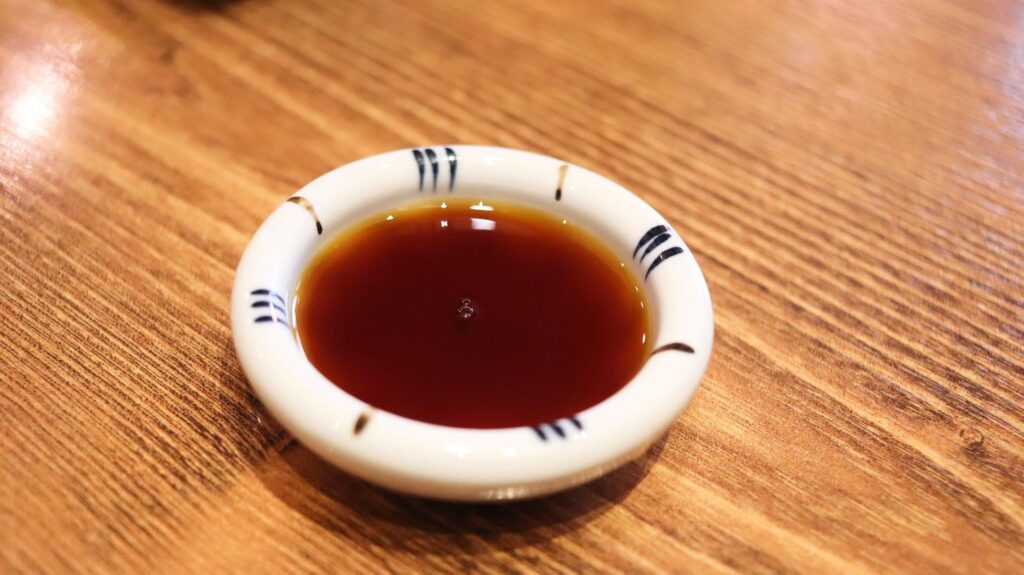
The biggest challenge in Tokyo is not obvious bread or noodles. It is hidden wheat in sauces, stocks, and seasonings. Traditional Japanese soy sauce, or shoyu, is usually brewed with wheat, and it appears in many dishes that may look safe at first glance.
This is the “soy sauce trap”: sushi, grilled meat, rice bowls, soups, pickles, and simmered vegetables can all contain soy sauce even when the main ingredient is naturally gluten-free.
| Food or Ingredient | Why It Can Be Risky | What to Ask or Check |
|---|---|---|
| Soy Sauce | Most standard Japanese soy sauce contains wheat. | Ask whether wheat-free tamari is available, or use your own gluten-free soy sauce. |
| Dashi | Soup stock may include soy sauce or wheat-containing seasonings. | Ask whether the stock contains soy sauce, wheat, or barley-based ingredients. |
| Miso | Some miso is made with barley, especially mugi miso. | Check whether the miso contains barley, wheat, or soy sauce. |
| Sushi Rice | Seasoning can vary, and soy sauce is often served by default. | Ask about the rice seasoning and bring your own gluten-free tamari. |
| Soba | Many soba noodles are mixed with wheat flour. | Look for juwari soba, then ask whether it is boiled in shared water. |
| Fried Foods | Shared fryers are common for tempura, tonkatsu, karaage, and other breaded foods. | Ask whether the fryer is dedicated gluten-free. If not, avoid it. |
What Should Celiac Travelers Do Before Eating Out?
Before your first restaurant meal in Tokyo, prepare your communication tools. A translation app is useful, but it should not be your only safety measure. You need a written Japanese allergy card that explains the ingredients and cross-contact risks clearly.
Use a Japanese Allergy Card
Your card should state that you cannot eat wheat, barley, rye, soy sauce made with wheat, dashi containing wheat-based seasonings, or food prepared with shared utensils, shared fryers, or shared cooking water.
I have celiac disease and cannot eat wheat, barley, rye, regular soy sauce, or food cooked with shared utensils, shared fryers, or shared boiling water. Even a small amount can make me very ill.
Have the Japanese wording checked by a native speaker or a professional allergy card service before relying on it. Do not assume a machine translation is accurate enough for a medical dietary restriction.
Bring Gluten-Free Soy Sauce or Tamari
Gluten-free soy sauce Japan options exist, but you should not expect every restaurant to carry them. Travel-sized gluten-free tamari packets can make simple sushi or plain grilled foods easier, as long as the restaurant can confirm the food itself has not been seasoned with wheat-containing sauce.
Book Dedicated Gluten-Free Restaurants Early
Dedicated gluten-free restaurants are the easiest starting point for gluten free Tokyo, especially on your first day. As of 2026, restaurants such as Gluten Free T’s Kitchen and bakeries such as RICE HACK are often mentioned by gluten-free travelers, but you should always check current hours, reservation rules, and cross-contact policies before visiting.
Do not build a full day around one restaurant without a backup. Small restaurants can sell out, change opening days, or require reservations.
Where Can You Eat Gluten-Free in Tokyo?
The lowest-stress approach is to combine three types of meals: dedicated gluten-free restaurants, carefully checked packaged food, and simple restaurant meals where staff can clearly confirm ingredients. Booking a residential Airbnb with a kitchenette also gives you a safe backup for cooking your own food.
| Option | Best For | Celiac-Level Caution |
|---|---|---|
| Dedicated Gluten-Free Restaurants | First meals, nervous travelers, families, and severe sensitivity | Still confirm reservation rules, ingredient sourcing, and cross-contact policies. |
| Hotel Room or Apartment with Kitchenette | Breakfasts, recovery days, and emergency meals | Useful if you need full control over preparation and utensils. |
| Konbini Packaged Foods | Backup snacks and simple meals | Check every label every time. Ingredients can change. |
| Restaurants with Call-Ahead Confirmation | Travelers with a strong allergy card or Japanese-speaking support | Ask about soy sauce, dashi, marinades, fryers, and shared cooking surfaces. |
What Can You Buy at Tokyo Konbini?
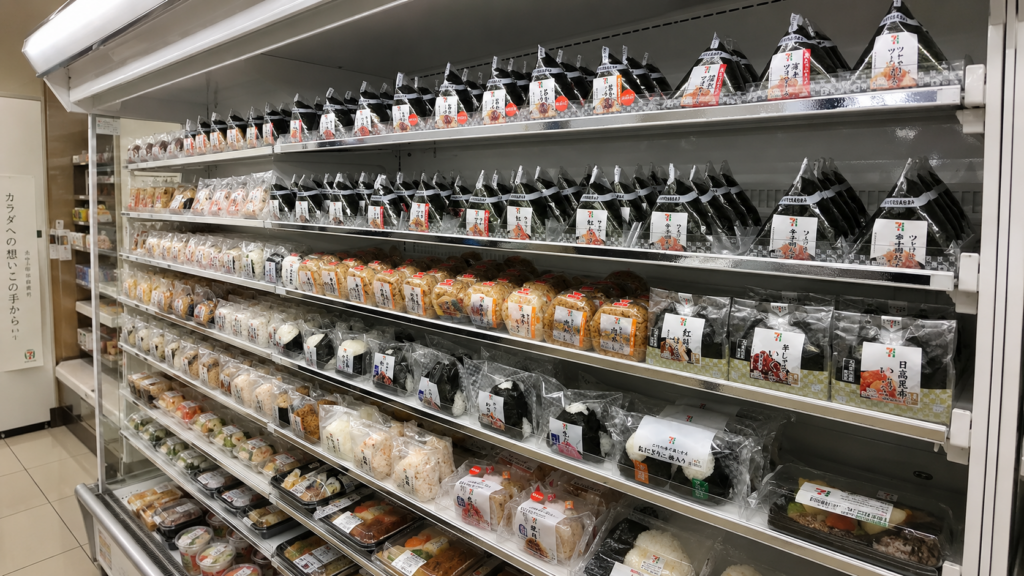
Tokyo convenience stores, or konbini, can be helpful when you need emergency food, but they should not be treated as automatically celiac-safe. Packaged foods change often, and similar-looking rice balls or grilled items can have different seasonings.
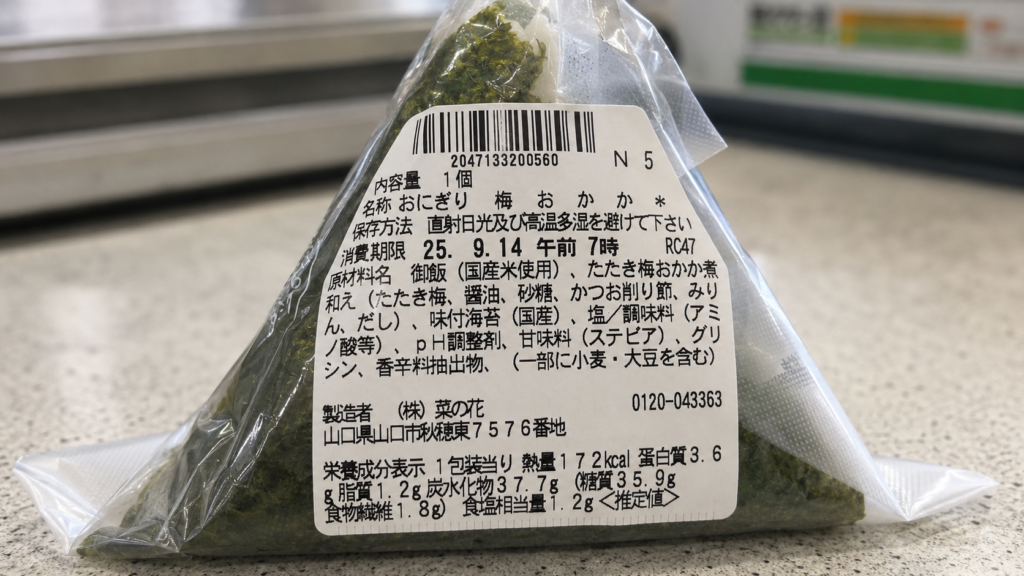
Use a translation app to scan labels, but also learn the kanji for wheat: 小麦. For celiac travelers, the goal is not to find food that “looks simple.” The goal is to find food with a clear label and no wheat-containing seasonings.
| Item to Check | Why It May Be Lower Risk | What to Verify on the Label |
|---|---|---|
| Plain Salt Onigiri | Usually simpler than filled rice balls. | Check for wheat, soy sauce, flavoring, and manufacturing notes. |
| Hard-Boiled Eggs | Often individually packaged and simple. | Check the label and avoid flavored or marinated versions. |
| Plain Nuts | Can be useful emergency food. | Check for wheat-containing seasonings and shared production warnings. |
| Umeboshi Onigiri | May look simple, but seasoning varies. | Check carefully for soy sauce, wheat, or mixed flavorings. |
| Grilled Chicken or Protein Snacks | Some salt-only versions may be easier to evaluate. | Do not rely on the flavor name. Check for wheat, soy sauce, and marinades. |
Konbini food is best used as a backup plan, not your entire gluten-free Tokyo strategy. Carry at least one safe snack from home for late arrivals, train days (especially when trying to navigate the Shinjuku Station maze or other large hubs), and times when your planned restaurant cannot accommodate celiac-level restrictions.
Should Celiac Travelers Go DIY or Book a Private Guide?
You can travel gluten-free in Tokyo independently, especially if you plan meals carefully and use dedicated gluten-free restaurants. A private guide is not a safety guarantee, but a bilingual guide may help if you need someone to call ahead, explain celiac restrictions in Japanese, or help you avoid last-minute restaurant decisions.
| Decision Point | DIY Gluten-Free Tokyo | Private Guide or Custom Tour |
|---|---|---|
| Restaurant Call-Ahead | You handle reservations, ingredient questions, and follow-up messages yourself. | A guide may help call restaurants and explain wheat, soy sauce, dashi, and cross-contact. |
| Cross-Contact Explanation | You rely on your allergy card, translation app, and staff understanding. | A guide may help clarify shared fryers, shared utensils, and shared boiling water. |
| Backup Meal Planning | You need saved restaurant lists, emergency snacks, and a flexible route. | A guide may help adjust the itinerary if a restaurant is closed, full, or unable to confirm safety. |
| Best For | Experienced Japan travelers, confident planners, and people staying near dedicated GF options. | First-time visitors, families, travelers with severe sensitivity, or anyone anxious about medical dietary communication. |
| Important Limitation | You have full control, but every meal requires research. | You must confirm before booking that dietary communication support is available. |
What Mistakes Should Celiac Travelers Avoid in Tokyo?
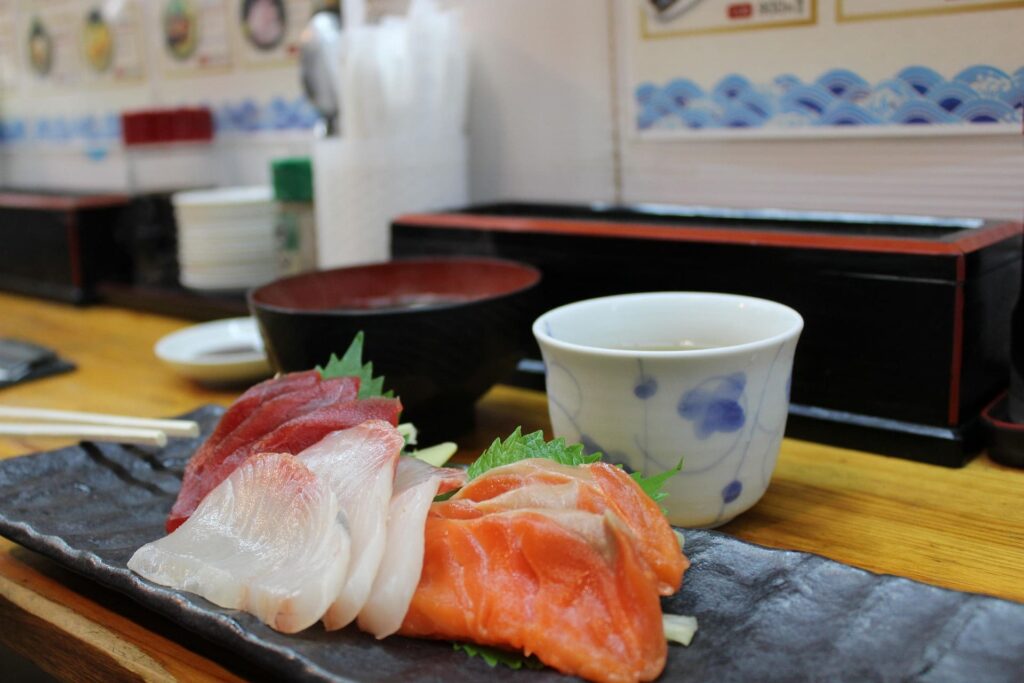
The most common gluten-free mistakes in Tokyo happen when a food looks simple, traditional, or rice-based. For celiac travelers, the risk is often in the seasoning, cooking method, or shared equipment rather than the main ingredient.
- Do not assume sushi is automatically gluten-free. Ask about rice seasoning, toppings, marinades, and soy sauce. Bring your own gluten-free tamari if the restaurant allows it.
- Do not assume soba is safe because it is buckwheat. Many soba noodles contain wheat flour, and even 100% buckwheat soba may be boiled in shared water.
- Do not trust “wheat-free” as a complete celiac answer. You still need to ask about barley, rye, soy sauce, dashi, shared fryers, and shared utensils.
- Do not rely only on a translation app. Apps can help with labels, but a checked Japanese allergy card is safer for restaurant communication.
- Do not arrive hungry without a backup. A restaurant may be closed, full, sold out, or unable to confirm ingredients when you arrive.
How Should You Explain Celiac Disease in Japan?
Many restaurant staff in Japan understand food allergies, but celiac disease and gluten-free cross-contact may be less familiar. Instead of saying only “gluten-free,” explain the specific ingredients and cooking risks you need to avoid.
Your allergy card or message should cover:
- wheat, barley, and rye
- regular soy sauce made with wheat
- dashi or soup stock containing wheat-based seasonings
- shared fryers used for tempura, tonkatsu, karaage, or breaded foods
- shared boiling water used for wheat noodles
- shared cutting boards, pans, tongs, or serving utensils
If the staff looks unsure, it is better to thank them and choose another option. A polite refusal is safer than pushing a restaurant to serve you when they cannot confirm the details. Understanding general izakaya food sharing etiquette can also help you spot these cross-contact risks before you even order.
Should You Make Restaurant Reservations?
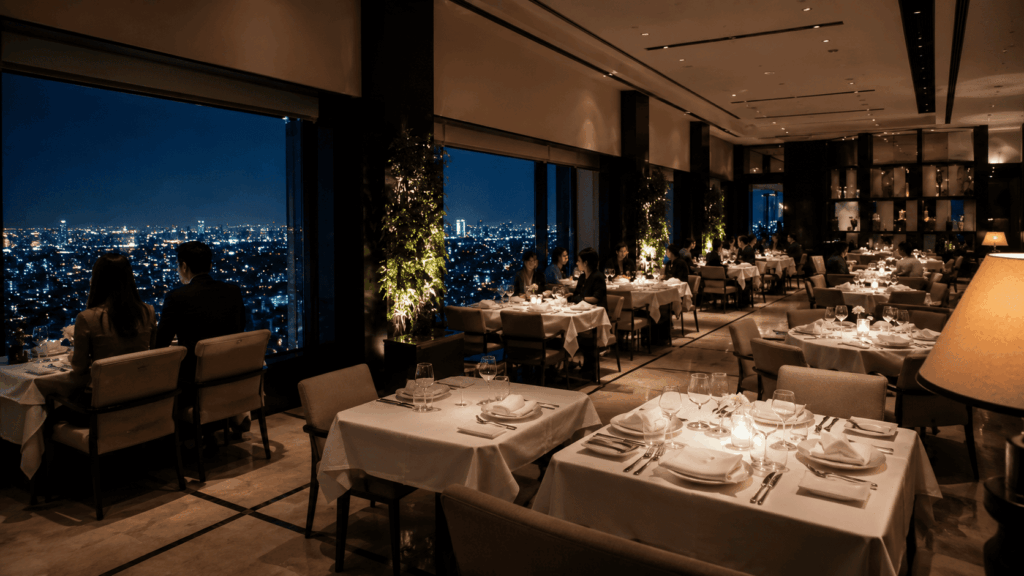
Yes. Reservations are strongly recommended for gluten-free restaurants in Tokyo, especially for dinner, weekends, small restaurants, and places popular with international travelers.
When booking, mention that you have celiac disease and ask whether the restaurant can handle wheat, soy sauce, dashi, and cross-contact. Do not wait until you are seated to explain a medical dietary restriction.
A useful booking message should include three points:
- you cannot eat wheat, barley, rye, or regular soy sauce
- you need to avoid shared fryers, shared boiling water, and shared utensils
- you understand if the restaurant cannot accommodate you safely
When Is a Private Guide Worth It?
A private guide or custom tour can be useful if food anxiety is likely to affect your trip, but it should be treated as communication support rather than a guarantee of celiac-safe meals.
It may be worth considering if this is your first trip to Japan, you are traveling with a child who has celiac disease, you want help calling restaurants in Japanese, or you plan to visit areas where dedicated gluten-free restaurants are limited.
Before booking, confirm that the guide can help explain wheat, soy sauce, dashi, and cross-contact. You should still carry your own allergy card, check labels, and keep backup food with you.
FAQ: Gluten-Free Tokyo for Celiac Travelers
Is Japanese soy sauce gluten-free?
Most standard Japanese soy sauce is not gluten-free because it is usually brewed with wheat. Celiac travelers should ask for gluten-free tamari or bring their own travel-sized gluten-free soy sauce packets.
Is tamari common in Tokyo restaurants?
No. Tamari exists in Japan, but it is not the default soy sauce in most restaurants. Even when tamari is available, confirm that it is gluten-free and that the food itself has not already been seasoned with wheat-based soy sauce.
Can celiac travelers eat sushi in Tokyo?
Sometimes, but only after checking. Plain fish and rice may look safe, but rice seasoning, toppings, marinades, wasabi mixes, and soy sauce can create gluten risk. Conveyor-belt sushi can also be difficult because of shared surfaces and limited staff communication.
Can I find gluten-free food at 7-Eleven, Lawson, or FamilyMart?
You may find lower-risk packaged foods, but convenience stores are not automatically celiac-safe. Check every label for wheat, soy sauce, and seasonings. Plain salt onigiri, hard-boiled eggs, and plain nuts may be easier to evaluate, but ingredients can change.
What kanji should I look for on Japanese labels?
The key kanji for wheat is 小麦. You should also be careful with soy sauce, barley, malt, and mixed seasonings. A translation app can help, but do not rely on it for restaurant cross-contact questions.
Are gluten-free restaurants in Tokyo safe for celiacs?
Dedicated gluten-free restaurants are usually the lowest-stress option, but you should still confirm their current policies, opening hours, reservations, and cross-contact procedures. This is especially important if you have severe sensitivity.
Do I need a Japanese allergy card?
Yes. For celiac-level caution, a Japanese allergy card is one of the most important tools you can carry. It should mention wheat, barley, rye, soy sauce, dashi, shared fryers, shared boiling water, and shared utensils.
Is Tokyo easier than the rest of Japan for gluten-free travel?
Usually, yes. Tokyo has more dedicated gluten-free restaurants, more international hotels, and more English-language information than many regional areas. However, the same risks still apply: soy sauce, dashi, shared fryers, and unclear cross-contact policies.
If you want help explaining celiac-level restrictions in Japanese, confirm before booking that your guide can discuss wheat, soy sauce, dashi, and cross-contact with restaurants.
Is Japan Worth It for Celiac Travelers?
Yes, Japan can be worth it for celiac travelers, but Tokyo requires a stricter strategy than many destinations in Europe or North America. The trip becomes much easier when you plan meals in advance, reserve dedicated gluten-free restaurants, carry a checked Japanese allergy card, bring gluten-free tamari, and keep emergency food with you.
The key is not to search for perfect spontaneity. The key is to reduce unnecessary risk. Choose restaurants that can answer ingredient questions clearly, avoid dishes with uncertain soy sauce or dashi, and walk away when staff cannot confirm cross-contact details.
Tokyo is manageable when you treat food planning as part of the itinerary, not something to solve after you get hungry.
For first-time visitors, families, or travelers with severe sensitivity, a bilingual guide may help with restaurant calls and dietary communication. Always confirm dietary support before booking.

Hi, I’m Kai. I’m a Tokyo-based travel writer, tourism industry insider, and the author of a published guidebook for international visitors to Japan. With over 10 years of professional experience at a leading Japanese tourism company, my mission is to help you skip the tourist traps and navigate Japan’s best destinations like a local. I believe the perfect day trip is like a traditional kaiseki meal: a beautiful balance of precise planning and unforgettable seasonal discovery. When I’m not out conducting field research, you’ll usually find me drafting new itineraries with one of my favorite fountain pens!