
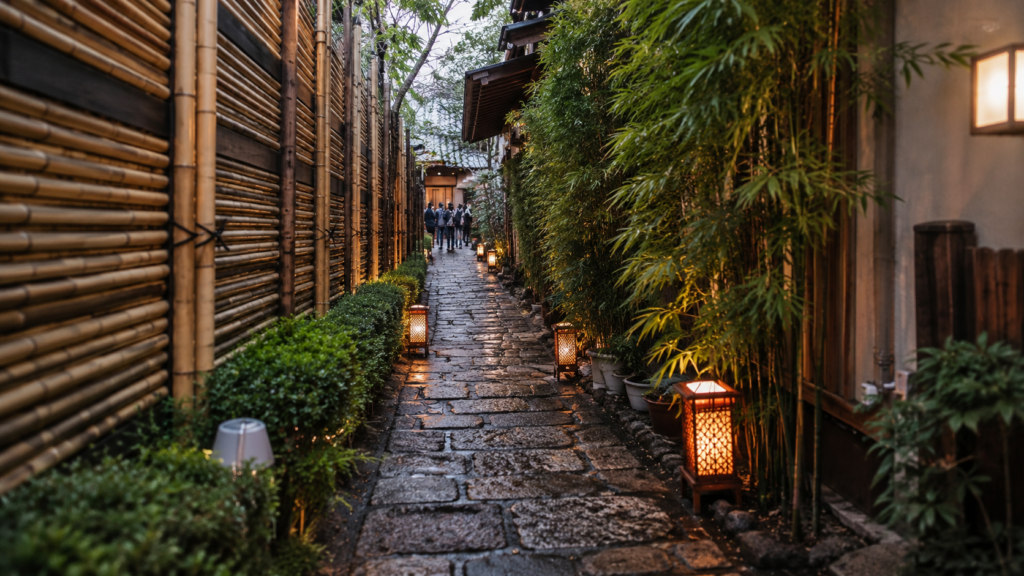
Where Should You Go for the Old Tokyo Vibe?
If you are looking for narrow lanes, old wooden houses, small local shops, temples, and a pre-war Tokyo neighborhood feel, do not make Ginza your main destination. Go to Yanaka Ginza and the wider Yanesen area instead.
The similar names confuse many first-time visitors, but Ginza and Yanaka Ginza are completely different places. Ginza is polished, modern, and famous for luxury shopping. Yanaka Ginza is a short retro shopping street in an older residential part of northern Tokyo.
The best answer is simple: visit Yanaka Ginza for snacks and atmosphere, then walk beyond the shopping street into Yanaka, Nezu, and Sendagi if you want the deeper old Tokyo vibe. (For a complete route, see our guide to escaping the crowds in Yanesen.)
| Place | Best For | Old Tokyo Feel | Typical Experience |
|---|---|---|---|
| Ginza | Luxury shopping, department stores, dining | Very low | Wide avenues, boutiques, polished city atmosphere |
| Yanaka Ginza | Retro shopping street, street food, local shops | High | A compact nostalgic street with snacks and small stores |
| Yanesen | Backstreets, temples, cemetery paths, residential old-town walking | Highest | A wider neighborhood walk through Yanaka, Nezu, and Sendagi |
Is Yanaka Ginza the Same as Ginza?
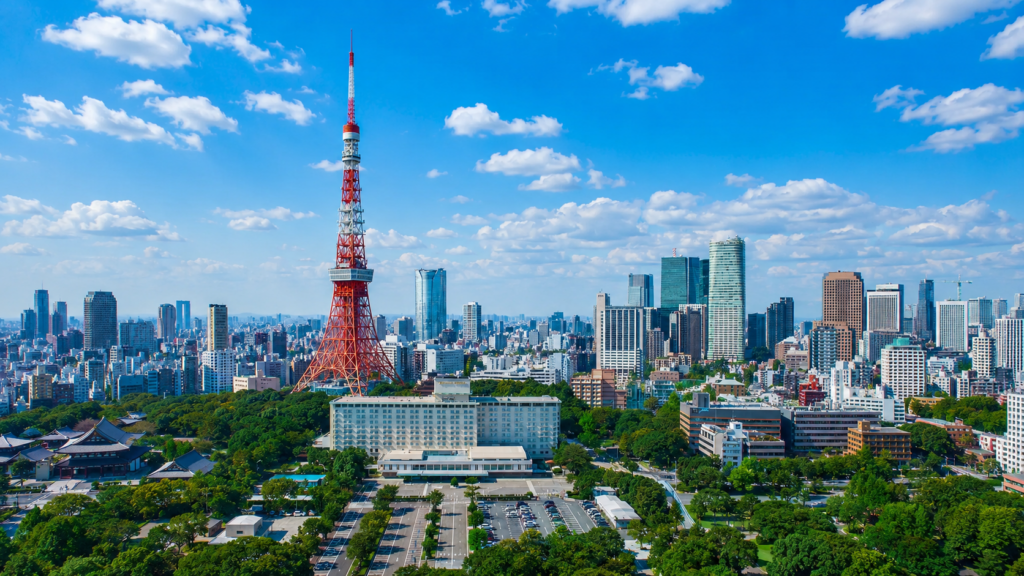
No. Yanaka Ginza is not the same as Ginza.
Ginza is Tokyo’s famous high-end shopping district. It is the place to go for luxury brands, flagship stores, department stores, architecture, and refined city dining. It is interesting in its own way, but it is not where most travelers will find narrow pre-war-style streets or a traditional shitamachi atmosphere.
Yanaka Ginza is a small local shopping street in Yanaka. The name includes “Ginza” because many shopping streets in Japan borrowed the word to suggest a lively commercial area. That does not mean it has the same atmosphere as central Ginza.
For the old Tokyo vibe, the important name is not just Yanaka Ginza. It is Yanesen, the wider area made up of Yanaka, Nezu, and Sendagi. Yanaka Ginza is the easiest entry point, but the surrounding backstreets, temples, cemetery paths, and older houses are what make the area feel different from modern central Tokyo.
Why Does Yanaka Still Feel Like Old Tokyo?
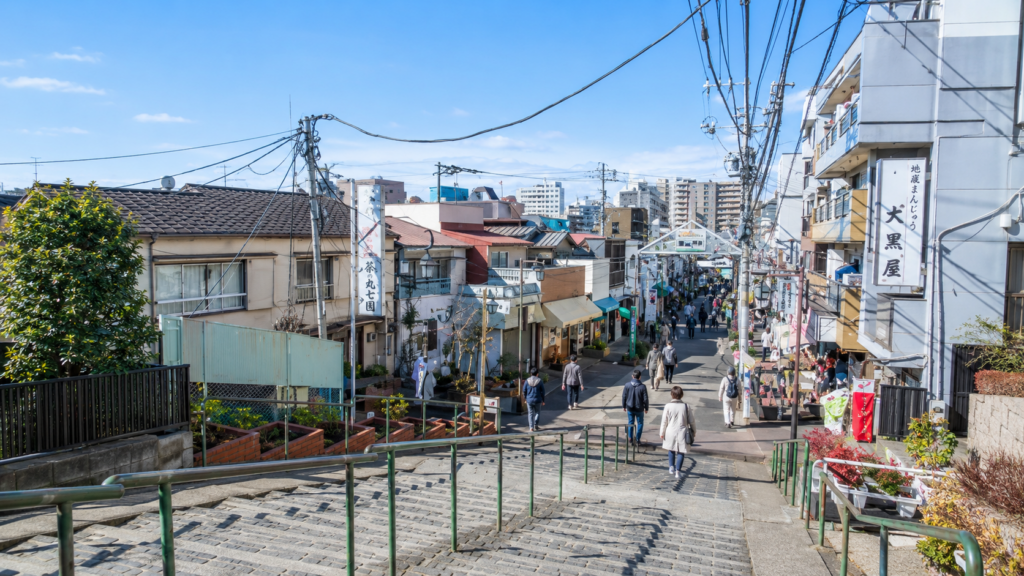
Yanaka and the surrounding Yanesen area kept more of its older street layout and neighborhood atmosphere than many central parts of Tokyo. While not every building is pre-war, the area still has narrow streets, wooden houses, family-run shops, small temples, and a slower residential rhythm that can be hard to find in more redeveloped districts.
This is why Yanaka feels different from places like Ginza, Shinjuku, or Shibuya. (If you want to avoid that big-city noise entirely, you might even want to stay in one of Tokyo’s quieter neighborhoods). It is not a preserved museum district or a theme park. It is a living neighborhood where older structures, modern apartments, convenience stores, temples, cats, bicycles, and local shops all sit side by side.
That mix is the charm. The old Tokyo vibe in Yanaka is not about one perfect historic street. It is about walking through an everyday Tokyo neighborhood where traces of the past are still visible.
How Much Time Do You Need in Yanaka?
How long you need depends on whether you only want to see Yanaka Ginza or whether you want to explore the wider Yanesen area.
| Plan | Time Needed | Best For | What You Will Miss |
|---|---|---|---|
| Yanaka Ginza only | 30 to 60 minutes | A quick snack stop or short retro walk | Most temples, backstreets, cemetery paths, and local context |
| Yanaka and Nezu walk | 2 to 3 hours | Travelers who want a relaxed old-town route | Some deeper historical context unless you research in advance |
| Guided Yanesen walking tour | Check the current tour page | First-time visitors, history lovers, and travelers who dislike planning routes | Less freedom to wander at your own pace |
For most visitors, Yanaka Ginza alone is too short to justify a long detour. The better plan is to combine it with Yuyake Dandan, Yanaka Cemetery, Nezu Shrine, and the quiet lanes between Yanaka and Nezu.
Should You Explore Yanaka by Yourself or Take a Walking Tour?
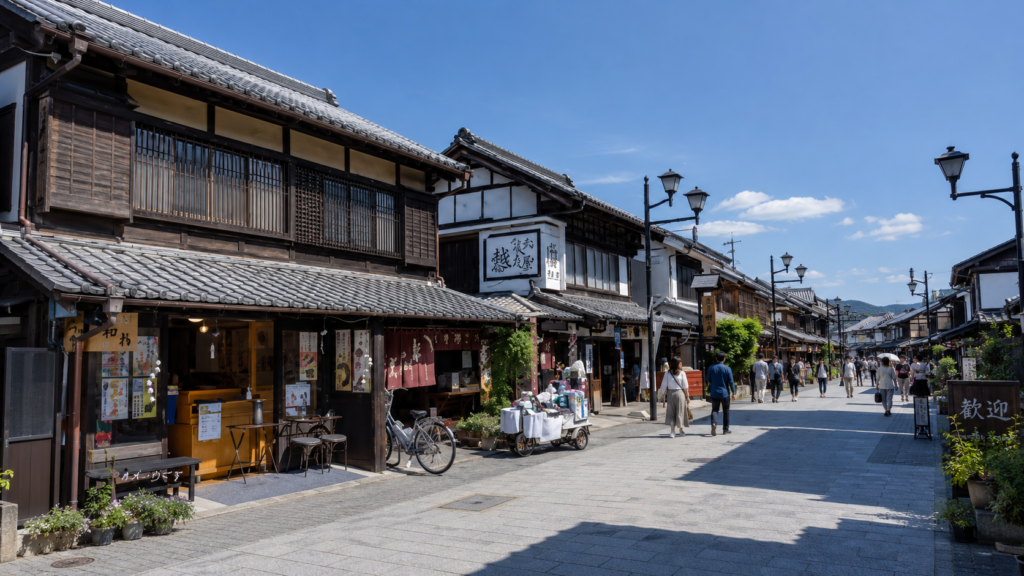
You can absolutely explore Yanaka by yourself. The area is safe, walkable, and easy to reach by train. A DIY walk works well if you mainly want to snack, take photos, and enjoy a slower neighborhood atmosphere.
A guided walking tour becomes more useful if you want to understand what you are seeing. Many of Yanaka’s most interesting details are easy to walk past: small temples, old shopfronts, residential lanes, local customs, and stories connected to the area’s survival through disasters and redevelopment.
| Decision Point | DIY Yanaka Walk | Guided Yanaka Walking Tour |
|---|---|---|
| Cost | Lowest cost; pay only for transport, snacks, and shopping | Higher cost; check the current price before booking |
| Time | Flexible, but easy to spend time backtracking | Structured route with less planning needed |
| Navigation | Manageable with a map, but side streets can be confusing | Easier route through key streets, temples, and local stops |
| Food and Shops | Good for casual snacking, though some signs may be Japanese only | Helpful if you want explanations or help ordering |
| Historical Context | Requires your own research | Better for understanding the neighborhood beyond photos |
| Weather Flexibility | Easy to shorten or change plans in rain | Less flexible, but the route is already planned |
| Mobility | You can avoid some stairs and narrow lanes if needed | Check the route in advance if stairs or long walks are a concern |
Choose DIY if you are comfortable wandering without much explanation. Choose a tour if you want the old Tokyo atmosphere to make sense, not just look charming in photos.
What Should You Know Before Visiting Yanaka Ginza?
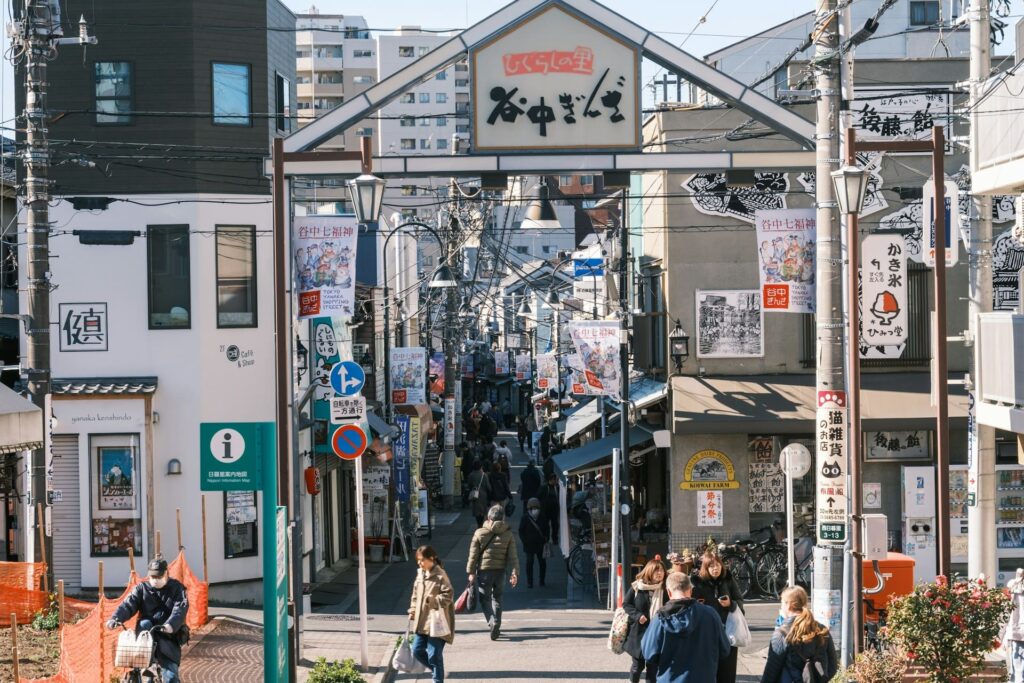
Yanaka Ginza is easy to enjoy, but a few practical details will help you avoid disappointment.
- Do not expect Kyoto-style preservation: Yanaka is a real residential neighborhood, not a perfectly preserved historic district.
- Go beyond the shopping street: Yanaka Ginza is short, so combine it with nearby lanes, temples, and Yanaka Cemetery.
- Weekends can feel crowded: The main shopping street is busiest on weekends and pleasant weather days.
- Some shops may close earlier than expected: Visit earlier in the day if food stalls and small shops are your priority.
- Rain changes the experience: The area is still walkable, but narrow lanes, photos, and snack stops are more enjoyable in dry weather.
- Be respectful in residential streets: Avoid photographing private homes too closely, blocking narrow lanes, or speaking loudly near houses and temples.
The best time for atmosphere is often late afternoon, especially around Yuyake Dandan, the stairway overlooking Yanaka Ginza. However, if your main goal is food and shopping, do not arrive too late because small local businesses may close before evening.
What Should You See in Yanaka and Nezu?
Yanaka Ginza is the easiest place to start, but the old Tokyo vibe becomes much stronger when you use it as part of a wider walk through Yanaka and Nezu.
What Makes Yanaka Ginza Worth Visiting?
Yanaka Ginza is a compact retro shopping street lined with small food shops, local stores, and everyday neighborhood businesses. It is a good place to try simple street food, browse small shops, and get a quick sense of Tokyo’s older shitamachi atmosphere.
The street itself is short, so it works best as one stop on a broader route rather than the only destination. Start or end near Yuyake Dandan, the stairway overlooking the shopping street, especially if you want a classic view of the neighborhood in the late afternoon.
Why Should You Visit Yanaka Cemetery?
Yanaka Cemetery is not just a cemetery. It feels more like a quiet park, with wide paths, old trees, and a slower atmosphere than the nearby shopping street.
It is also historically important because Tokugawa Yoshinobu, the last shogun of Japan, is buried here. For travelers interested in old Tokyo, the cemetery helps connect the neighborhood’s everyday charm with a deeper historical layer.
What Makes Nezu Shrine Special?
Nezu Shrine is one of the most rewarding stops in the area. Its current main shrine buildings date back to 1706, and the shrine complex offers a rare chance to see historic wooden architecture without leaving central Tokyo.
The red torii gates are often compared to Kyoto’s Fushimi Inari, but the experience is smaller, quieter, and easier to combine with a Yanaka walk. Nezu Shrine is especially beautiful during the azalea season, but it is worth visiting throughout the year.
Where Should You Walk Between Yanaka and Nezu?
The most atmospheric part of the area is often between the named sights. Walk slowly through the residential lanes between Yanaka Ginza, Yanaka Cemetery, and Nezu Shrine. This is where you are most likely to notice old wooden houses, small temples, local gardens, cats, bicycles, and everyday scenes that feel far removed from modern Ginza.
These streets are residential, so keep your voice low, stay out of private property, and avoid treating people’s homes as photo props.
How Should You Plan a Simple Yanaka Walking Route?
A simple route for first-time visitors is:
- Nippori Station
- Yuyake Dandan
- Yanaka Ginza Shopping Street
- Yanaka Cemetery
- Residential lanes toward Nezu
- Nezu Shrine
- Nezu Station or Sendagi Station
This route gives you a balanced mix of food, shopping, quiet streets, history, and shrine architecture. If you only visit Yanaka Ginza and leave, you may miss the part of the neighborhood that actually feels most like old Tokyo.
Allow about 2 to 3 hours if you want to walk at a relaxed pace, stop for snacks, and visit Nezu Shrine without rushing.
Is Yanaka Better Than Asakusa, Shibamata, or Kagurazaka?
Yanaka is not the only place in Tokyo with an older atmosphere. The best choice depends on what kind of old Tokyo experience you want.
| Area | Best For | How It Compares With Yanaka |
|---|---|---|
| Yanaka | Quiet old-town walking, temples, local shops, residential lanes | Best for a low-key pre-war neighborhood feel near central Tokyo |
| Asakusa | Senso-ji Temple, famous sightseeing, souvenir streets | More iconic and convenient, but also more touristy |
| Shibamata | Retro day-trip atmosphere, old shopping street, river area | More nostalgic as a full outing, but farther from central Tokyo |
| Kagurazaka | Atmospheric alleys, dining, traces of geisha culture | More polished and restaurant-focused, less like a working-class old town |
If this is your first Tokyo trip and you want famous sights, Asakusa may be easier. If you specifically want quiet lanes, older houses, small temples, and a less polished neighborhood atmosphere, Yanaka is the better fit. Or, if you prefer greenery over city streets, check out our guide to Tokyo’s hidden nature spots instead.
Frequently Asked Questions About Yanaka Ginza and Ginza
Is Yanaka Ginza the same as Ginza?
No. Ginza is a modern luxury shopping district in central Tokyo. Yanaka Ginza is a retro local shopping street in Yanaka, a much older residential area in northern Tokyo. They are completely different places.
How far is Yanaka Ginza from Ginza?
Yanaka Ginza and Ginza are usually about 20 to 30 minutes apart by train, depending on your route, starting point, and whether you are using a Suica or a Metro Pass. For Yanaka Ginza, the most convenient stations are usually Nippori, Sendagi, or Nezu.
Is Yanaka Ginza enough on its own?
Usually, no. Yanaka Ginza is enjoyable but short. It is best combined with Yuyake Dandan, Yanaka Cemetery, Nezu Shrine, and the surrounding residential backstreets.
Are there real pre-war buildings in Yanaka?
Yanaka has older wooden houses, historic temples, narrow lanes, and a street layout that feels much older than many redeveloped parts of Tokyo. However, not every building is pre-war. The most accurate way to think of Yanaka is as a living neighborhood with visible traces of older Tokyo, not a perfectly preserved historic district.
Is Yanaka too crowded?
Yanaka Ginza can be busy on weekends, holidays, and sunny afternoons. The surrounding lanes, cemetery paths, and temple areas are usually much quieter once you leave the main shopping street.
Is Yanaka good on a rainy day?
Yanaka is still possible in light rain, but it is less ideal for photos, street food, and slow backstreet wandering. If rain is heavy, a flexible DIY route may be easier than a fixed walking plan.
Is Yanaka suitable for children or older travelers?
It can be, but plan the route carefully. The area includes narrow lanes, some slopes, and stairs around places like Yuyake Dandan. If stairs or long walks are a concern, use nearby stations strategically and keep the route shorter.
Should I take a guided tour of Yanaka?
A guided tour is most useful if you want local context, help navigating side streets, and explanations of temples, shops, and neighborhood history. A DIY walk is enough if you mainly want snacks, photos, and a casual stroll.
Is a Yanaka Walking Tour Worth It?
A Yanaka walking tour is worth considering if you want more than a quick look at a retro shopping street. Yanaka’s appeal is subtle. Many of the most interesting details are easy to miss if you do not know what you are looking at.
Choose a guided walk if you want:
- local context behind Yanaka, Nezu, and Sendagi
- a smoother route through the backstreets
- help understanding temples, old houses, and neighborhood history
- less stress with planning, navigation, and food stops
Choose DIY if you prefer to wander freely, keep costs low, and do not mind researching the area in advance.
For the strongest old Tokyo vibe, do not treat Yanaka Ginza as a quick photo stop. Give yourself enough time to walk beyond the shopping street, slow down in the side lanes, and connect Yanaka Ginza with Nezu Shrine and Yanaka Cemetery.
Check availability for the Old Quarter Yanaka Walking Tour before planning your Yanesen walk

Hi, I’m Kai. I’m a Tokyo-based travel writer, tourism industry insider, and the author of a published guidebook for international visitors to Japan. With over 10 years of professional experience at a leading Japanese tourism company, my mission is to help you skip the tourist traps and navigate Japan’s best destinations like a local. I believe the perfect day trip is like a traditional kaiseki meal: a beautiful balance of precise planning and unforgettable seasonal discovery. When I’m not out conducting field research, you’ll usually find me drafting new itineraries with one of my favorite fountain pens!