
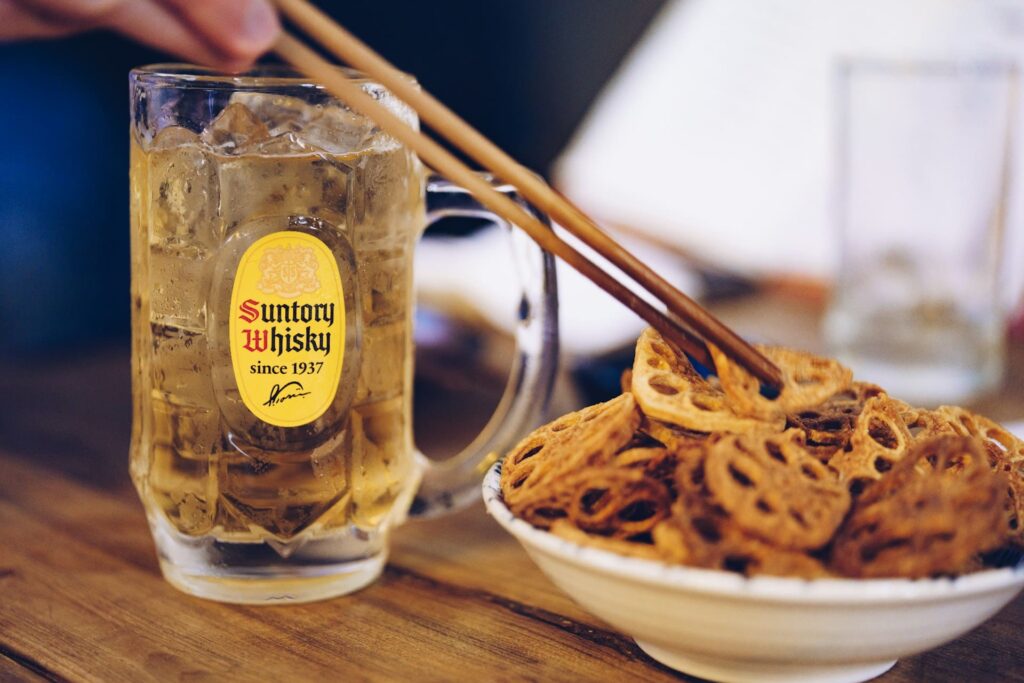
Stepping into a local izakaya in Tokyo can be one of the most memorable dining experiences of your trip. It is casual, noisy, social, and built around small plates, drinks, and a relaxed pace. But for first-time visitors, the unspoken rules can feel confusing: a small dish appears before you order, menus may be handwritten in Japanese, and the bill may not work the way you expect.
This guide explains the essential izakaya ordering rules Tokyo visitors should know before a night out, including what Otooshi is, whether sharing food in Japan is acceptable, how to order without stress, and how to pay at the end of the meal.
Quick Answer: What Are the Basic Izakaya Ordering Rules in Tokyo?
- Otooshi is normal: Many izakayas serve a small appetizer called otooshi, also romanized as otoshi. It usually works like a table charge and often costs around 300–700 JPY per person, depending on the restaurant, as of 2026.
- Do not order everything at once: Izakayas are not usually a starter-main-dessert experience. Order two or three dishes first, then add more as you drink and eat.
- Sharing food is expected: In casual izakayas, shared plates are normal. Use the small individual plates provided instead of eating directly from the central dish.
- Watch for the bill system: If there is a receipt holder, clipboard, or number tag on your table, take it to the register. If not, ask the staff for the bill at your seat.
- Carry some cash: Card and QR payments are common in central Tokyo, but smaller local izakayas may still prefer cash.
- Plan around busy nights: Friday and Saturday evenings can be crowded, especially in Shinjuku, Shibuya, Yurakucho, and Ueno. Check your last train time before bar-hopping late at night.
What Is Otooshi at a Tokyo Izakaya?
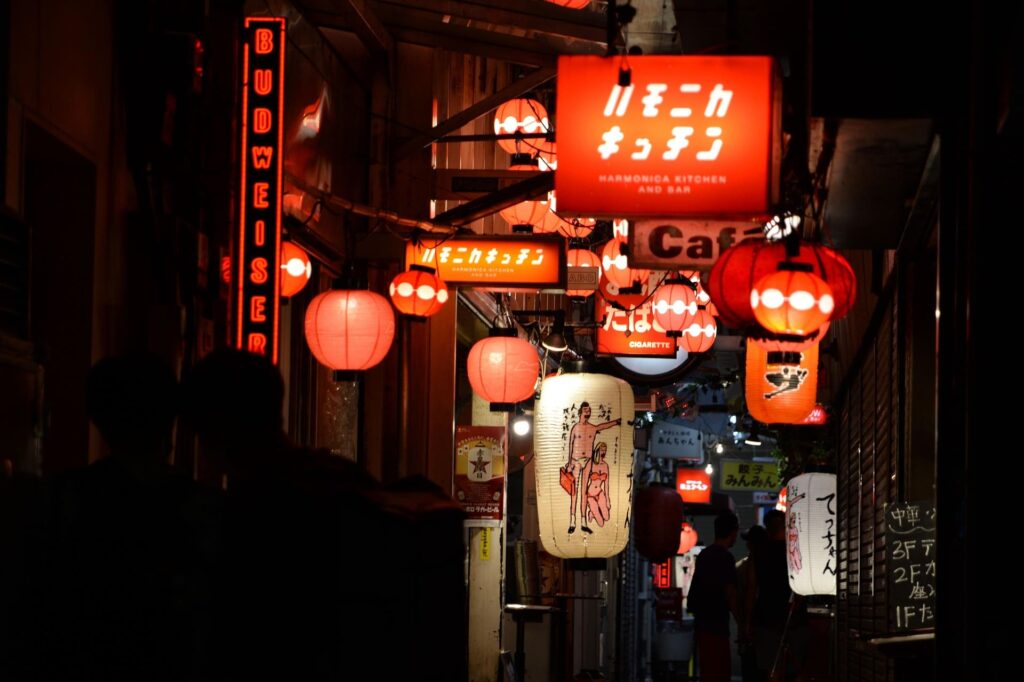
Otooshi is one of the most common surprises for visitors eating at a Tokyo izakaya for the first time. Soon after you sit down, the staff may bring a small dish you did not order. It might be edamame, simmered vegetables, potato salad, tofu, pickles, or a small seasonal appetizer.
Later, you may see a small charge on the bill. This is why many travelers wonder whether otooshi is a tourist scam. In most cases, it is not. Otooshi is a long-standing izakaya custom and is usually treated as part of the seating or table-charge system.
- It is usually per person: The charge is commonly added for each seated guest, not per table.
- It varies by restaurant: A casual izakaya may charge a few hundred yen, while more stylish places may charge more.
- It is not the same as tipping: Tipping is not customary in Japanese restaurants. Otooshi is a restaurant charge, not an optional tip.
- It is best to ask early: If you are unsure about the charge, ask before sitting down or when the dish arrives, not after eating it.
A simple way to think about otooshi is this: it is part of the cost of using the seat, especially in a place where guests may stay for drinks over a long period. Once you understand that, the charge feels less like a mystery and more like part of the local dining system.
How Should You Order Food at an Izakaya?
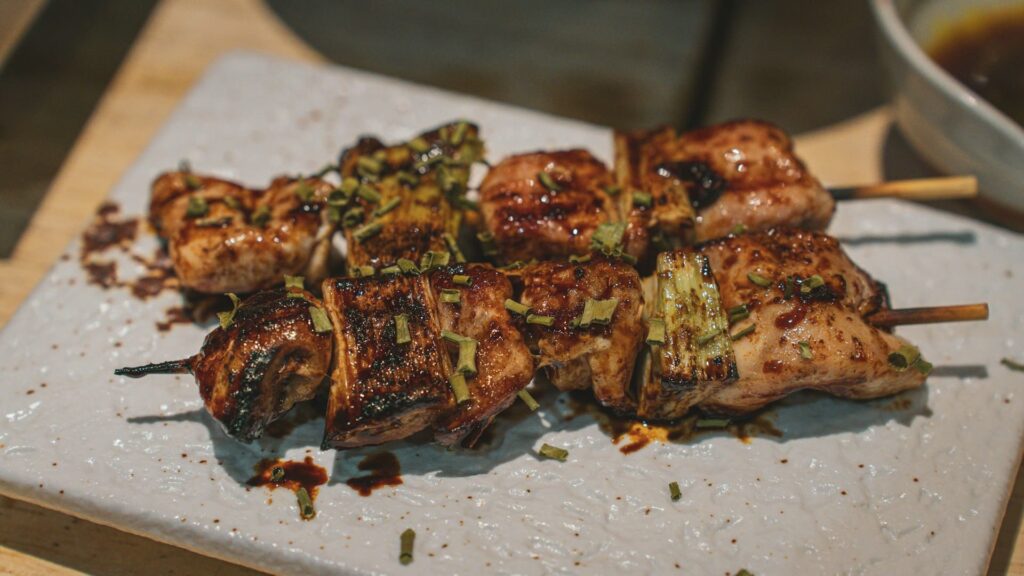
Ordering at an izakaya is different from ordering at many Western restaurants. You do not need to choose your entire meal at the beginning. The usual rhythm is to order a drink first, add a few dishes, eat slowly, and keep ordering as the night continues.
What Should You Order First?
Many locals start with a drink before deciding on food. The classic first order is:
“Toriaezu nama, onegaishimasu.”
This means “Draft beer for now, please.”
You do not have to drink beer, but the idea is useful: start with one drink, then take your time reading the food menu. If you do not drink alcohol, you can order tea, oolong tea, ginger ale, cola, or another soft drink. Some izakayas may still expect each guest to order at least one drink.
How Much Food Should You Order at Once?
Order lightly at first. Two or three dishes for two people is usually a safe start. Izakaya tables can be small, and dishes often arrive as they are ready rather than in a strict course order.
A good first round might be:
- One quick snack, such as edamame or pickles
- One hot dish, such as karaage or grilled chicken skewers
- One vegetable, tofu, or seafood dish
After that, you can order more depending on your appetite. This pacing helps keep the table comfortable and prevents hot food from going cold.
What If the Menu Is Only in Japanese?
Many chain izakayas and tourist-friendly spots in Tokyo use tablets with photos and English language options. Smaller local izakayas may have paper menus, handwritten wall menus, or no English at all.
Useful phrases include:
- “Eigo no menu wa arimasu ka?” — Do you have an English menu?
- “Osusume wa nan desu ka?” — What do you recommend?
- “Kore wa nan desu ka?” — What is this?
- “Kore o onegaishimasu.” — This one, please.
If you cannot read the menu, pointing politely is normal. A translation app can also help, but avoid holding up the staff for too long during busy hours. When in doubt, ask for the restaurant’s recommendation.
Can You Share Food in Japan at an Izakaya?
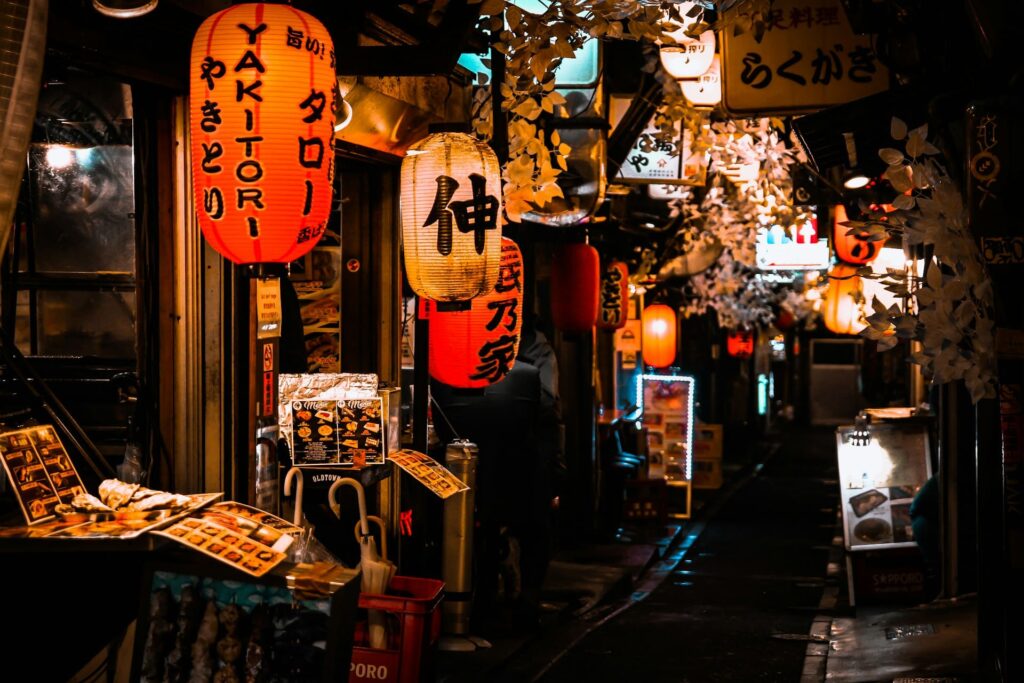
Yes. In casual izakayas, sharing food is not only acceptable; it is usually the default. Izakaya dishes are often designed to be placed in the middle of the table and shared among the group.
This is one reason izakayas are popular with friends, coworkers, couples, and travelers. You can try many small dishes instead of committing to one large meal.
How Should You Share Food Politely?
The key rule is to use the small plates provided. These are often called torizara. Transfer food from the shared dish to your own small plate before eating.
- Do use your small plate: Take a portion first, then eat from your own plate.
- Do not eat directly from the shared dish: This can feel too casual or unhygienic in a group setting.
- Do not pass food chopstick-to-chopstick: This resembles a Japanese funeral ritual and should be avoided.
- Do place food on someone’s plate instead: If you want to share a piece with another person, place it on their small plate.
When Is Sharing Not the Default in Japan?
Sharing rules change depending on the restaurant type. A casual izakaya is built for shared plates, but that does not mean every Japanese restaurant works the same way.
At high-end sushi counters, kaiseki restaurants, ramen shops, and restaurants serving individual set meals, each person is generally expected to order and eat their own portion. Sharing a small taste may be fine in some casual places, but it is better not to assume.
A simple rule works well: share freely at izakayas, yakitori bars, and casual small-plate restaurants; be more careful at counters, course-meal restaurants, and places built around individual bowls or sets.
How Do You Ask for the Bill at an Izakaya?
Paying at a Tokyo izakaya can feel confusing because the system changes from place to place. Some restaurants expect you to pay at the register near the exit, while others bring the bill to your table.
How Do You Know Whether to Pay at the Register?
Look at your table before asking for the bill. If you see a receipt holder, clipboard, plastic tube, wooden number tag, or small paper slip, you will usually take it to the register when you are ready to leave.
In that case, gather your belongings, bring the slip or tag to the cashier, and pay near the entrance or exit. This is common at casual izakayas, chain restaurants, and busy local spots.
How Do You Ask for the Bill at Your Seat?
If there is no bill holder or number tag on the table, you can ask the staff to bring the bill to you.
Use this phrase:
“Okaikei, onegaishimasu.”
This means “The bill, please.”
You may also see people crossing their index fingers into an “X” shape. This is a common hand gesture in Japanese restaurants that means you are ready for the check.
Should You Split the Bill?
Among friends, splitting the bill is normal, but the restaurant may not split payment across several cards. It is safer to settle up within your group first, then pay the restaurant in one transaction.
Many central Tokyo izakayas accept credit cards or QR payments, but smaller independent places may prefer cash. Carrying enough yen for food, drinks, otooshi, and transportation back to your hotel is a smart backup.
Do You Need a Reservation for a Tokyo Izakaya?
You do not always need a reservation for an izakaya in Tokyo. Many casual places accept walk-ins, especially earlier in the evening or on weekdays. (If you are worried about dining out without a booking, our guide on how to beat Tokyo restaurant reservation stress and walk-in secrets can help.) However, reservations become more useful if you are visiting a small local spot, traveling with a group, or going out on a Friday, Saturday, or holiday eve.
When Should You Reserve?
- Reserve for groups: If you have three or more people, booking ahead can reduce waiting time.
- Reserve for popular areas: Shinjuku, Shibuya, Yurakucho, Ueno, and Asakusa can get crowded at night.
- Reserve for specific restaurants: If there is one izakaya you really want to try, do not rely on luck.
- Walk in for flexibility: If you are happy to explore, chain izakayas and station-area restaurants are often easier for walk-ins.
What Should You Check Before Bar-Hopping?
Before you start an izakaya night in Tokyo, check three practical things: the weather, your last train time, and whether anyone in your group has dietary restrictions.
Areas such as Omoide Yokocho, Golden Gai, and Yurakucho’s under-track alleys can be fun, but they involve narrow lanes, small counters, and limited space. Rain, heavy luggage, or a missed last train can quickly make the evening more stressful than expected.
Should You Go DIY or Book a Guided Izakaya Tour?
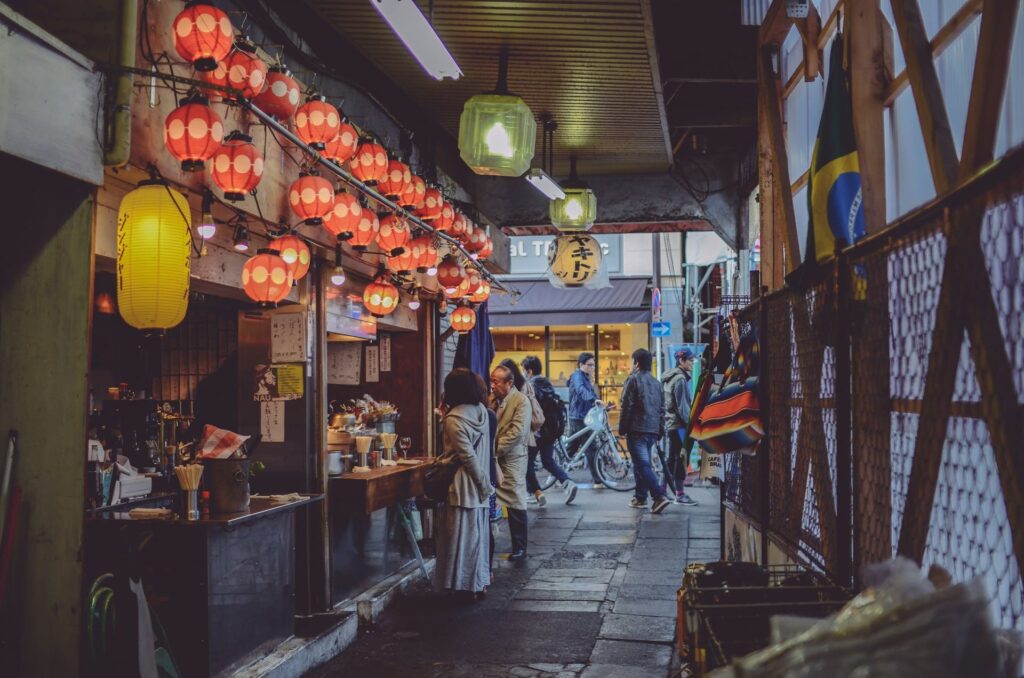
You can absolutely visit a Tokyo izakaya on your own, especially if you choose a casual restaurant with photos, tablets, or an English menu. However, a guided izakaya crawl can make sense if you have limited time, feel nervous about Japanese-only menus, or want help navigating nightlife areas such as Shinjuku.
| Decision Point | DIY Izakaya Hopping | Guided Izakaya Crawl |
|---|---|---|
| Best For | Flexible travelers who enjoy exploring and do not mind trial and error. | First-time visitors, solo travelers, and people who want a smoother first night out. |
| Menu Difficulty | Easy at chains with tablets, harder at small local places with handwritten menus. | The guide can explain dishes, ordering style, and local customs as you go. |
| Cost Control | You can choose cheaper places and stop whenever you want, but charges may be less clear. | You usually know the tour cost in advance, but extra drinks or dishes may depend on the tour terms. |
| Otooshi and Seating Charges | You need to understand what is normal and check the bill yourself. | A guide can explain charges before they feel surprising. |
| Reservation Stress | You may need to queue, call ahead, or try several places on busy nights. | The route is usually planned, which reduces decision fatigue. |
| Solo Traveler Comfort | Counter seats can work well, but walking into tiny bars alone may feel intimidating. | A group setting can make the night more social and easier to navigate. |
| Last-Train and Nightlife Navigation | You are responsible for timing, transfers, and finding your way between stops. | A local guide can help keep the route realistic and explain the area. |
Who Should Choose DIY?
Choose DIY if you are comfortable using translation apps, do not mind simple Japanese phrases, and enjoy figuring things out as you go. It is also better if you want full control over your budget, pace, and food choices.
Who Should Book a Guided Tour?
Book a guided izakaya tour if it is your first night in Tokyo, you are traveling solo, or you want to experience small local spots without worrying about ordering rules, otooshi, or Japanese-only menus.
A tour is not necessary for everyone, but it can be a good shortcut if your goal is to enjoy Tokyo nightlife with less uncertainty.
Frequently Asked Questions About Izakaya Etiquette in Tokyo
Can I Refuse Otooshi?
At many traditional izakayas, otooshi is treated as part of the seating system, so it is usually not something you refuse after eating it. If you are concerned about the charge, ask when you sit down or when the dish is served.
Is Tipping Expected at Japanese Izakayas?
No. Tipping is not customary at Japanese izakayas. If you leave extra coins or bills on the table, staff may think you forgot your change. Good service is already included in the dining experience.
How Do You Call the Waiter If There Is No Tablet?
Raise your hand slightly and say “Sumimasen”, which means “Excuse me.” This is normal in a busy izakaya. Staff usually do not interrupt your table unless you call them.
Can You Go to an Izakaya If You Do Not Drink Alcohol?
Yes. Most izakayas serve soft drinks, tea, and non-alcoholic options. However, some places may still expect each guest to order at least one drink, and the atmosphere is usually centered around drinking and shared food.
Are Izakayas Family-Friendly?
Some are, especially larger chain izakayas earlier in the evening. Small smoky bars, narrow alleyway pubs, and late-night drinking districts are usually better for adults. If you are traveling with children, choose a bright, spacious izakaya with table seating and a clear menu.
What If I Cannot Read the Menu?
Ask for an English menu with “Eigo no menu wa arimasu ka?” If there is no English menu, use photos, a translation app, or ask “Osusume wa nan desu ka?” for the restaurant’s recommendation. Pointing politely is acceptable, especially at casual places.
Is Sharing Food in Japan Always Okay?
No. Sharing is normal at izakayas, yakitori bars, and casual small-plate restaurants. It is not always the default at sushi counters, ramen shops, kaiseki restaurants, or places serving individual set meals.
If you still feel nervous about your first Tokyo izakaya, a local-led Shinjuku izakaya crawl can be a useful first step before trying smaller bars on your own.
Check available dates for the Shinjuku Local Bar & Izakaya Crawl Tour here
Final Verdict: Can First-Time Visitors Handle a Tokyo Izakaya Alone?
Yes. First-time visitors can enjoy a Tokyo izakaya alone or with friends if they understand a few basics: otooshi is usually normal, food is ordered gradually, shared plates are common, and the bill system depends on the restaurant.
For a simple first attempt, choose a casual izakaya with photos, tablets, or an English menu. Order one drink, start with two or three dishes, use the small plates for sharing, and watch whether the bill is left on your table.
If you want a more local night out in Shinjuku without worrying about Japanese menus, cover charges, or where to go next, a guided crawl can be a practical first-night option before trying smaller izakayas on your own.
Check availability for the Shinjuku Local Bar & Izakaya Crawl Tour here

Hi, I’m Kai. I’m a Tokyo-based travel writer, tourism industry insider, and the author of a published guidebook for international visitors to Japan. With over 10 years of professional experience at a leading Japanese tourism company, my mission is to help you skip the tourist traps and navigate Japan’s best destinations like a local. I believe the perfect day trip is like a traditional kaiseki meal: a beautiful balance of precise planning and unforgettable seasonal discovery. When I’m not out conducting field research, you’ll usually find me drafting new itineraries with one of my favorite fountain pens!